Why Sauce Matters More Than Protein in Wine Pairing for Dinner Parties
The most reliable rule in wine pairing for dinner party planning is also the simplest: match the wine to the sauce and the cooking method, not just the protein. Classic French culinary training has taught generations of cooks that a chicken breast in a lemon cream sauce and the same chicken in a red wine reduction behave like two entirely different dishes on the palate. The Wine Cellar Group echoes this in its beginner guides, advising hosts to identify the most dominant flavour on the plate and let that lead the bottle choice.
Wine Folly breaks pairings into two approachable categories that make this idea click. A complementary pairing matches weight and texture, like a buttery oaked Chardonnay with a creamy lobster bisque. A congruent pairing mirrors flavour families, such as a peppery Syrah alongside a black pepper crusted steak. Both approaches start from the same premise: the sauce sets the intensity, the acidity and the sweetness that the wine must meet.
This is exactly why sauce-forward dishes from our culinary team remove the intimidation from hosting. When the recipe already balances protein, starch and sauce in the right proportions, the pairing work is largely done for you. A Mr. Saucy coq au vin from the Philippines arrives with a glossy red wine and soy reduction already built in, so you simply choose a bottle that echoes those flavours. Browse the shop for more dishes where the sauce does the heavy lifting, and keep this guide for the bottle decisions.
- Match wine to the sauce first, the protein second.
- Complementary pairings mirror weight and texture.
- Congruent pairings echo shared flavour families.
- Sauce-forward dishes from our culinary team simplify bottle selection.
Wine Pairing for Dinner Party Starters: Shellfish and Delicate Fish
For raw shellfish, oysters and lightly dressed seafood starters, reach for high-acid, low-oak whites such as Chablis, Albariño or Muscadet. The sharp acidity mirrors the citrus wedge you would squeeze over the plate and cuts cleanly through brine, which is why this combination is a classic for a reason. Portugal Best Wines recommends keeping these light whites well chilled, between 8 and 10 °C, so the acidity stays bright from the first sip to the last oyster.
When the starter moves into richer territory, such as butter-poached lobster or fish in a cream sauce, step up to a fuller white. An oaked Chardonnay or a white Burgundy has the body and subtle toastiness to match the weight of the sauce without being overwhelmed. Nicolet College's beverage management pressbook explains this as linking sauce weight directly to wine body, a framework that keeps pairings balanced rather than one element drowning the other.
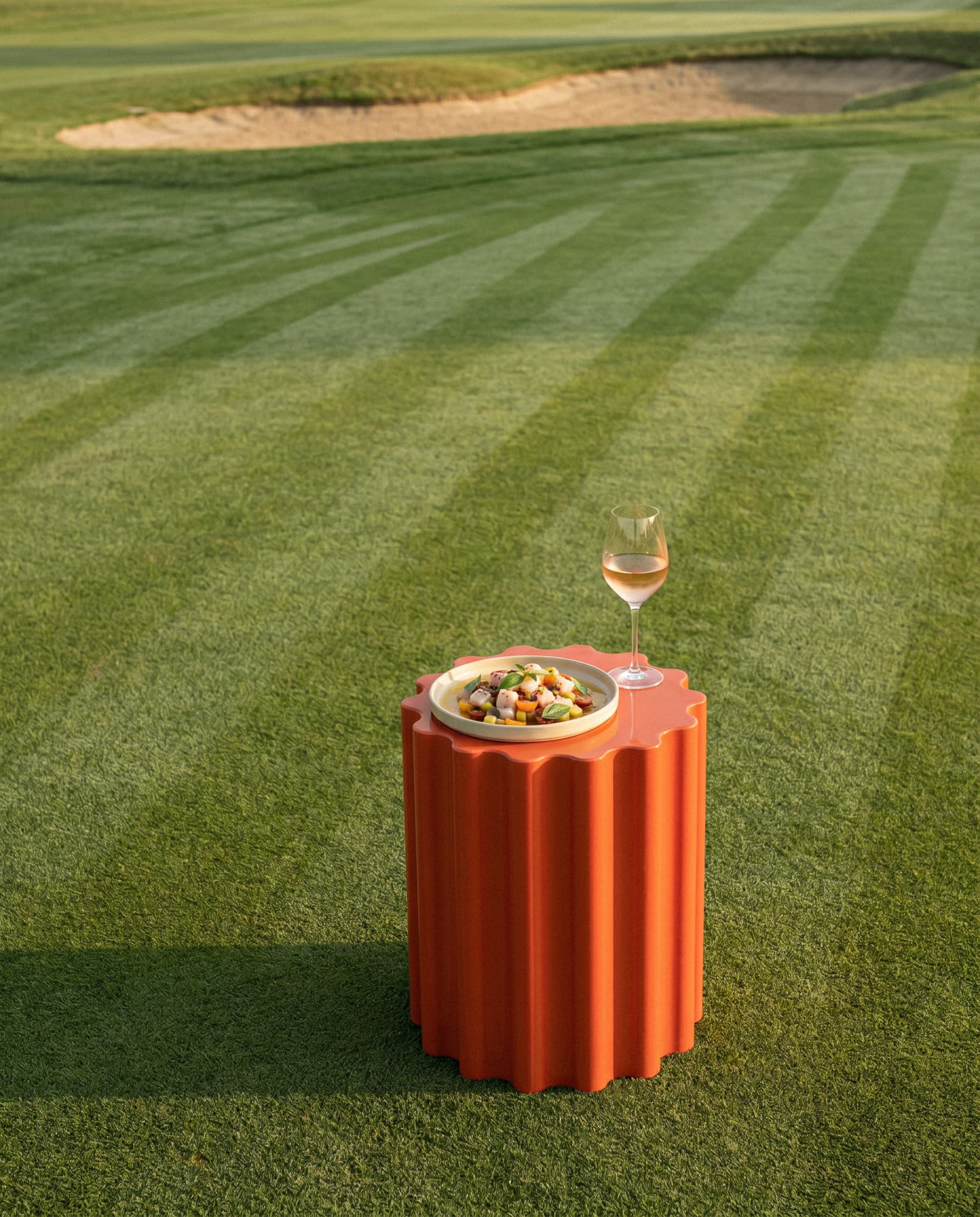
A Mr. Saucy starter like the Wolffish Gravlax in Ceviche Style brings citrus, miso and a whisper of chilli, which calls for a crisp, mineral white such as a Sancerre or a dry Riesling served at 8 to 10 °C. For the Roasted Gambas with Sake Butter, the silky sake beurre blanc invites a slightly richer white, perhaps a white Burgundy at 10 to 12 °C. Either way, chill the bottle at least two hours before guests arrive so the wine is ready the moment the starter is plated.
- Raw shellfish and oysters: Chablis, Albariño or Muscadet at 8 to 10 °C.
- Butter-poached lobster or cream sauces: oaked Chardonnay or white Burgundy at 10 to 12 °C.
- Citrus-cured fish: mineral whites like Sancerre or dry Riesling at 8 to 10 °C.
Poultry and Cream Sauces: Choosing the Right White or Light Red
Chicken or turkey in a cream or mushroom sauce is one of the most forgiving main courses to pair, because the richness of the sauce gives you two clear directions. An oaked Chardonnay or a white Rhône blend creates a congruent pairing, matching richness with richness so neither the wine nor the dish feels thin. The Wine Cellar Group suggests this route whenever the sauce is the star, which is exactly the case with dishes like a classic vol-au-vent.
If the poultry is roasted or grilled with an herb jus rather than a creamy sauce, a light red becomes a strong option. A Pinot Noir or a Gamay has enough acidity to cut through the meat without overpowering it, and an aromatic white such as Viognier works equally well when the jus is fragrant rather than heavy. The decision comes down to whether the sauce leans creamy or savoury, a logic The Wine Cellar Group repeats across its beginner guides.
Mr. Saucy's Vol-au-Vent East meets West is a perfect example of a dish where the sauce already bridges both worlds. The creamy soy and Cognac filling calls for a white with body, while the lime gremolata keeps the finish bright enough for an aromatic white. Pair it with a white Burgundy or a Viognier, and let the shop deliver the main course so you can focus on opening the right bottle and welcoming your guests.
- Cream or mushroom sauces: oaked Chardonnay or white Rhône blend.
- Roasted poultry with herb jus: Pinot Noir, Gamay or Viognier.
- Let the sauce weight decide between a rich white and a light red.
Red Meat with Jus: Bold Reds That Stand Up to the Plate
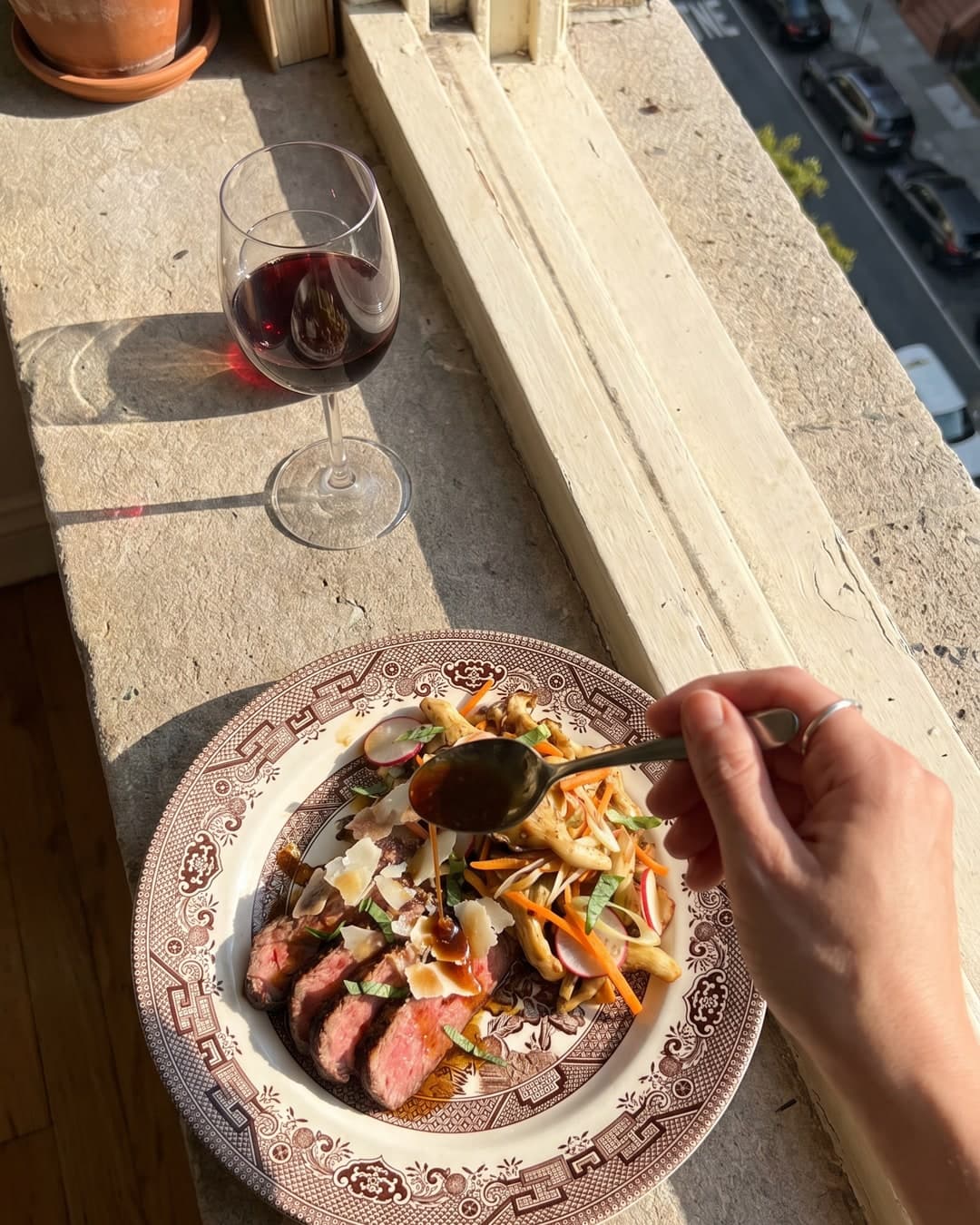
When red meat arrives with a peppery jus or a rich reduction, the wine needs structure. A Cabernet Sauvignon or a Syrah stands up to grilled steak with black pepper crust, while a Malbec or a Rioja with age handles braised short rib and its sticky, flavour-dense sauce. The rule is simple: match tannin level to fat and sauce intensity, so the wine and the dish reinforce each other rather than compete.
Winemaker Magazine explains the science behind this in accessible terms. Tannins bind to proteins and fats on the palate, which is why a firmly structured red feels softer and rounder when it meets a well-marbled cut of meat or a glossy jus. The fat essentially smooths the tannin, and the wine's acidity lifts the richness of the sauce, creating a balanced mouthfeel that neither element could achieve alone.
For a Mr. Saucy main like the Braised Pork Cheeks Grand Veneur with Korean Touch, the red wine and veal stock reduction calls for a red with depth, such as a Rioja Reserva or a Northern Rhône Syrah. Decant the bottle 30 to 60 minutes before serving and aim for a serving temperature of 16 to 18 °C, which lets the fruit and spice express themselves without the alcohol dominating. A Mediterranean Hachis Parmentier with its tomato and basil sauce leans slightly lighter, making a Grenache or a fruity Malbec an excellent match.
- Peppery jus and grilled steak: Cabernet Sauvignon or Syrah.
- Braised short rib or rich reductions: Malbec or aged Rioja.
- Decant bold reds 30 to 60 minutes before serving.
- Serve full reds at 16 to 18 °C for optimal expression.
Vegetarian Mains and Spicy or Exotic Dishes: The Overlooked Courses
Vegetarian mains are often the trickiest course to pair because there is no obvious protein to anchor the choice. The reliable approach is to pair by dominant flavour. An earthy mushroom risotto suits a Pinot Noir, a tomato-based pasta calls for a Chianti or a dry rosé, and a creamy goat cheese tart finds its match in a Sancerre or another high-acid Sauvignon Blanc. Portugal Best Wines highlights this flavour-first method as the key to confident vegetarian pairings.
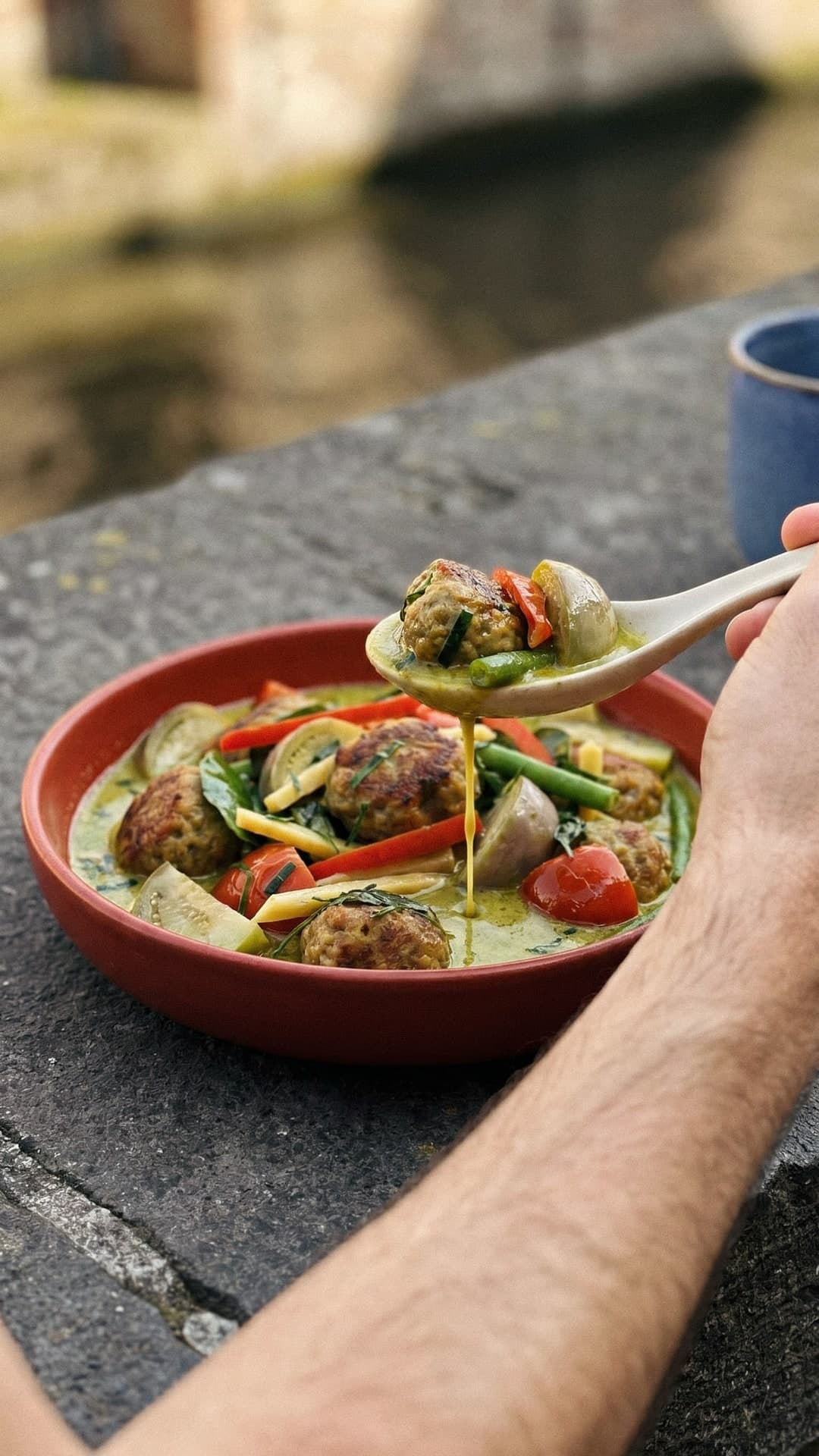
Spicy or exotic dishes such as curry, tagine or Thai-inspired plates need a different strategy. YEG Cooking Classes recommends off-dry aromatics like Riesling or Gewürztraminer, because a touch of residual sugar balances chilli heat without masking the dish's aromatic complexity. The sugar cushions the palate, while the wine's natural acidity keeps the pairing fresh rather than cloying.
Mr. Saucy's vegetarian and globally inspired dishes make this approach easy to execute at home. The Veggie Gyoza with Chili Crisp Fennel Salad brings gentle heat and aromatic depth, which pairs beautifully with an off-dry Riesling. The Lemon and Sage Pasta is bright and zesty, calling for a crisp Italian white such as a Vermentino. Browse the shop for more dishes that give you a clear flavour direction, then let the wine follow the sauce.
- Earthy mushroom dishes: Pinot Noir.
- Tomato-based pasta: Chianti or dry rosé.
- Creamy goat cheese: Sancerre or Sauvignon Blanc.
- Spicy curries and tagines: off-dry Riesling or Gewürztraminer.
Dessert Pairings: Fruit-Led Sweets and Chocolate
The cardinal rule for dessert pairings, repeated by Winemaker Magazine and sommeliers alike, is that the wine must be sweeter than the dessert or it will taste flat and bitter. A dry wine alongside a sweet tart simply cannot compete, so the wine needs enough residual sugar to stand shoulder to shoulder with the plate. This single rule eliminates most common dessert pairing mistakes.
For fruit-led desserts such as a pear tart or a citrus sorbet, a Moscato d'Asti or a late-harvest Riesling delivers the right balance of sweetness and acidity. Chocolate desserts need a different partner, typically a Ruby Port or a Banyuls, where the fortified wine's richness mirrors the cocoa. If guests are saturated by the final course, a simple espresso or a few drops of aged balsamic over strawberries can replace wine entirely and still feel considered.
Mr. Saucy's desserts give you a clear starting point. The Ginger and Pear Almond Tart with its frangipane and ginger jam pairs naturally with a late-harvest Riesling, while the Lemon Tart on a Madeleine Crust is bright enough for a Moscato d'Asti. Order from the shop and the dessert is already balanced, so you only need to choose the bottle.
- The wine must be sweeter than the dessert.
- Fruit desserts: Moscato d'Asti or late-harvest Riesling.
- Chocolate desserts: Ruby Port or Banyuls.
- Espresso or aged balsamic can replace wine for the final course.
The Simple Three-Course Wine Pairing Template for Your Dinner Party
A three-course wine pairing for dinner party menus becomes straightforward once you follow a light-to-full progression. Vinum Design emphasises that each course should build in weight, so no wine feels overshadowed by the next. The template is: Course 1, a light starter with a crisp white; Course 2, a main with a medium-bodied red or a rich white depending on the sauce; Course 3, a dessert with a sweet wine or a thoughtful alternative.
Here is a concrete example using Mr. Saucy dishes and bottle suggestions inspired by Drink Vinito's pairing charts. For the starter, serve the Salmon Rillettes with Yuzu and Miso with a Chablis or a dry Riesling at 8 to 10 °C. For the main, the Herb Crusted Lamb Gigot with Mint calls for a medium-bodied red such as a Châteauneuf-du-Pape or a Rioja Reserva, served at 16 to 18 °C and decanted 30 minutes before. For dessert, the Ginger and Pear Almond Tart pairs with a late-harvest Riesling or a Moscato d'Asti.
The logic behind this progression is that a light white opens the palate without fatigue, a structured red anchors the savoury centre of the meal, and a sweet wine provides a gentle, satisfying landing. If you prefer to keep things simpler, a single versatile bottle such as a dry rosé from Provence or Luxembourg can bridge the starter and the main, with a sweet wine reserved for dessert. Explore more dinner party ideas and let the template do the thinking for you.
- Course 1, light starter: crisp white at 8 to 10 °C.
- Course 2, main: medium red or rich white based on sauce.
- Course 3, dessert: sweet wine or espresso alternative.
- Progress from light to full-bodied so no course is overshadowed.
Hosting Logistics: How Much Wine to Buy, Serving Temperatures, and the One-Versatile-Bottle Trick
The most common hosting mistake is under-buying wine. A reliable rule of thumb is one glass per hour per guest, which translates to roughly one bottle per two guests for a three-course meal, plus one buffer bottle for the table. This practical advice is absent from most pairing guides, yet it prevents the awkward moment when the main course is served and the last bottle is already empty. Portugal Best Wines and general hospitality standards suggest rounding up rather than risk running short.
Serving temperatures matter more than most hosts realise. Sparkling wines should be served at 6 to 8 °C, light whites at 8 to 10 °C, full whites at 10 to 12 °C, light reds at 14 to 16 °C and full reds at 16 to 18 °C. A quick chill of 20 minutes in an ice bucket brings a room-temperature red into the right zone, while pulling a white out of the fridge 15 minutes before serving lets its aromas open. Portugal Best Wines summarises these ranges clearly, and they are worth keeping on a note in the kitchen on the night.
When guests have mixed tastes, the one-versatile-bottle trick saves the day. A dry rosé from Provence or a Luxembourg rosé, or an off-dry Riesling, can bridge a shellfish starter, a poultry or vegetarian main and even a mild dessert. This single bottle removes the pressure to predict every preference and keeps the table flowing. Pair it with sauce-forward dishes from our culinary team, which arrive ready to heat and plate, so you can arrive at the table relaxed, glass in hand, instead of stuck at the stove. Check local delivery options and order by 14:00 two days before your dinner for Wednesday, Friday or Saturday delivery across Belgium and Luxembourg.
- Buy one bottle per two guests for a three-course meal, plus one buffer.
- Sparkling: 6 to 8 °C. Light whites: 8 to 10 °C. Full whites: 10 to 12 °C.
- Light reds: 14 to 16 °C. Full reds: 16 to 18 °C.
- One versatile bottle: dry rosé or off-dry Riesling for mixed tastes.
- Order by 14:00 two days before for Wednesday, Friday or Saturday delivery.