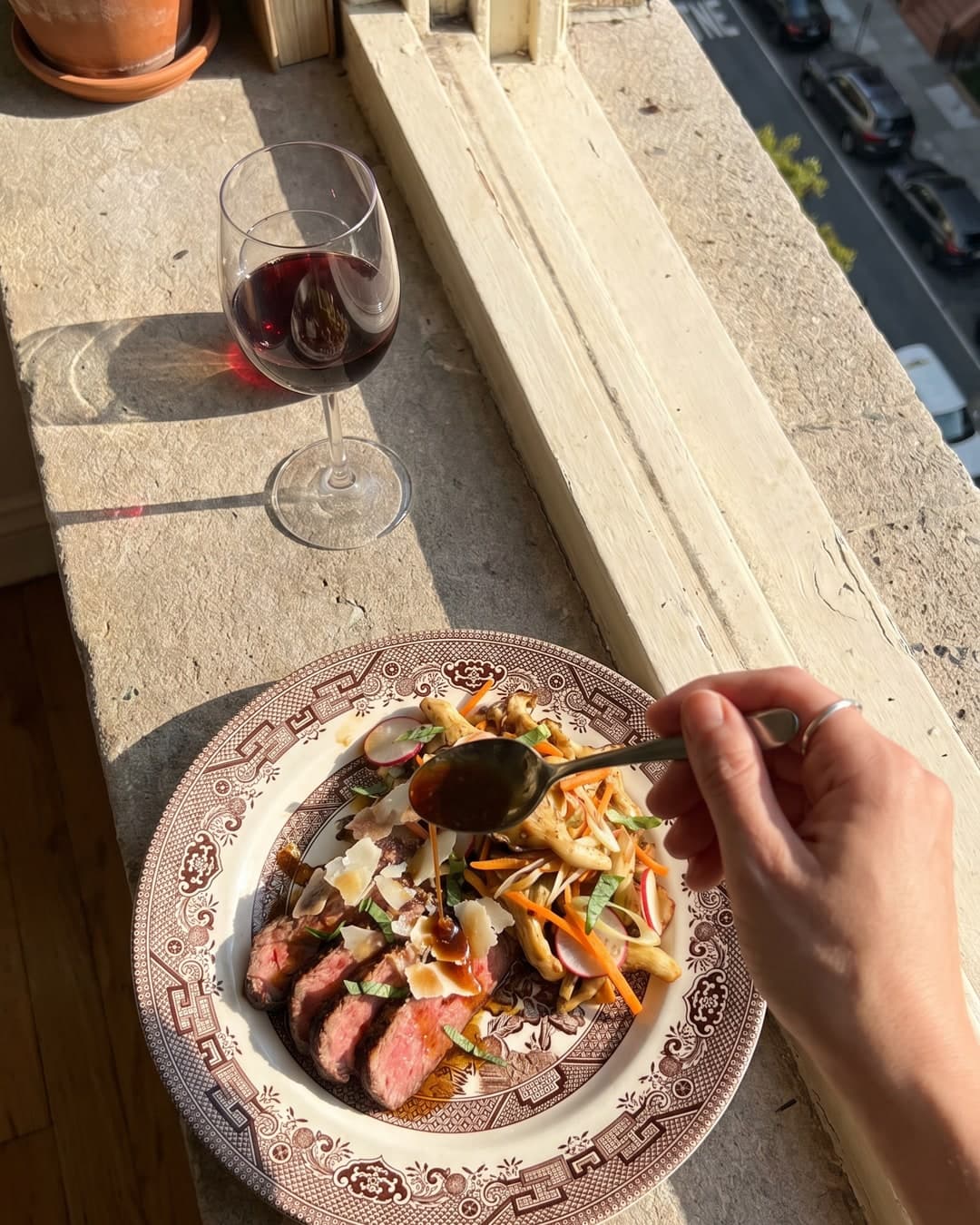
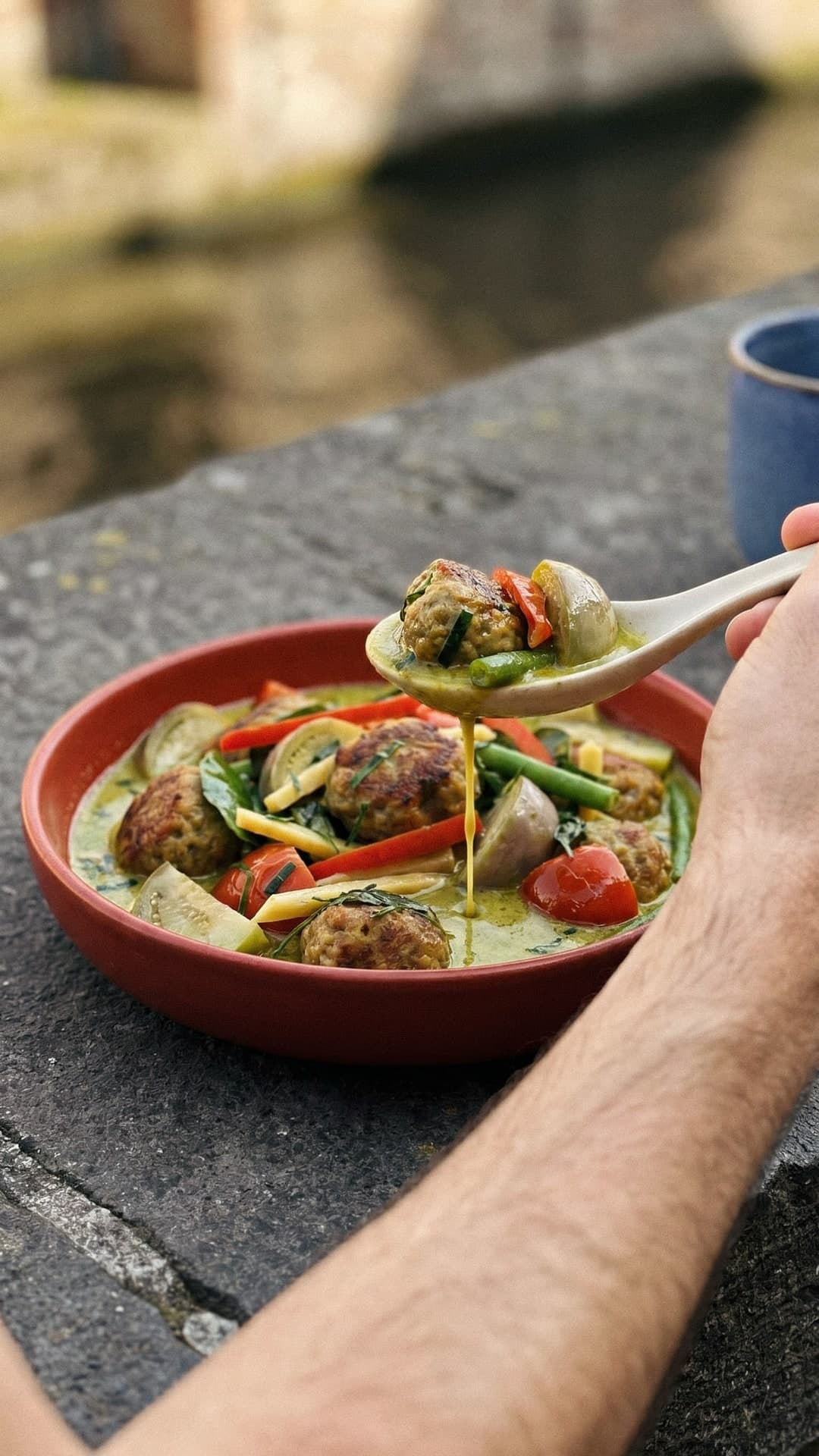
How to Choose Dinner Delivery for Four
The best dinner delivery for four gives you dependable portions, a coherent menu and less kitchen work without making the occasion feel ordinary. Before ordering, decide whether you want three courses, how formal the evening should be and whether anyone has dietary requirements. A successful order removes shopping, chopping and complicated timing while leaving you with the satisfying final steps of warming, plating and serving.
Chilled, never-frozen food is especially useful for an intimate dinner because each component can be finished according to its ideal texture. Pastry can be crisped, delicate starters can stay fresh in the refrigerator, and sauces can be warmed separately instead of being overheated with the main. Freezing can be practical for some foods, but it may change the texture of fish, vegetables, cream-based sauces and emulsions.
Check whether a dish is an individual portion or a shared meal, then confirm exactly what comes with it. Four single mains are not the same as one centrepiece marked for four, just as an included sauce is different from a sauce you must prepare. Read the packaging, storage instructions, serving temperature, allergens and reheating guidance before checkout. The Mr. Saucy online shop makes it easier to choose dishes by course and portion rather than guessing from the name alone.
- Confirm the number of servings and whether the main is individual or shared.
- Choose dishes that use different finishing methods rather than all needing the oven together.
- Check refrigerator space, equipment, dietary suitability and use-by guidance.
Build a Three-Course Dinner Menu for Four
A polished three-course dinner for four needs one well-judged starter, one satisfying main and one dessert that does not create a second cooking project. The simplest structure varies temperature and texture: begin with something chilled or quickly finished, serve a warm centrepiece, and end with a cool or room-temperature dessert. This gives the meal a natural rhythm while keeping the host at the table rather than beside the oven.
Balance richness across the courses. A creamy or buttery main benefits from an acidic starter, crisp vegetables or fresh herbs, while a bright seafood course can take a rounded dessert with pastry or almond. Colour also matters. Green herbs, pickled vegetables, bright sauces and golden pastry help a delivered meal look composed when transferred to your own plates.
A practical route could begin with Salmon Rillettes with Yuzu and Miso, served cold with toasted bread, followed by a reheated main and the Ginger and Pear Almond Tart. The tart serves six, so modest slices leave four guests comfortable after a substantial main. For more ideas on sequencing and table service, the dinner-at-home hosting guide offers a useful planning framework.
- Starter: fresh, acidic or lightly textured.
- Main: warm, satisfying and supported by a sauce or garnish.
- Dessert: ready to slice, portion and serve.
Seafood-Led Dinner Delivery for Four
A seafood-led dinner for four should use acidity, herbs and gentle heat to keep the menu fresh rather than heavy. Start with a light first course, follow with a warm fish or shellfish centrepiece, and finish with a dessert that has citrus, fruit or a restrained sweetness. This approach keeps seafood at the centre without asking the host to cook delicate proteins from raw.
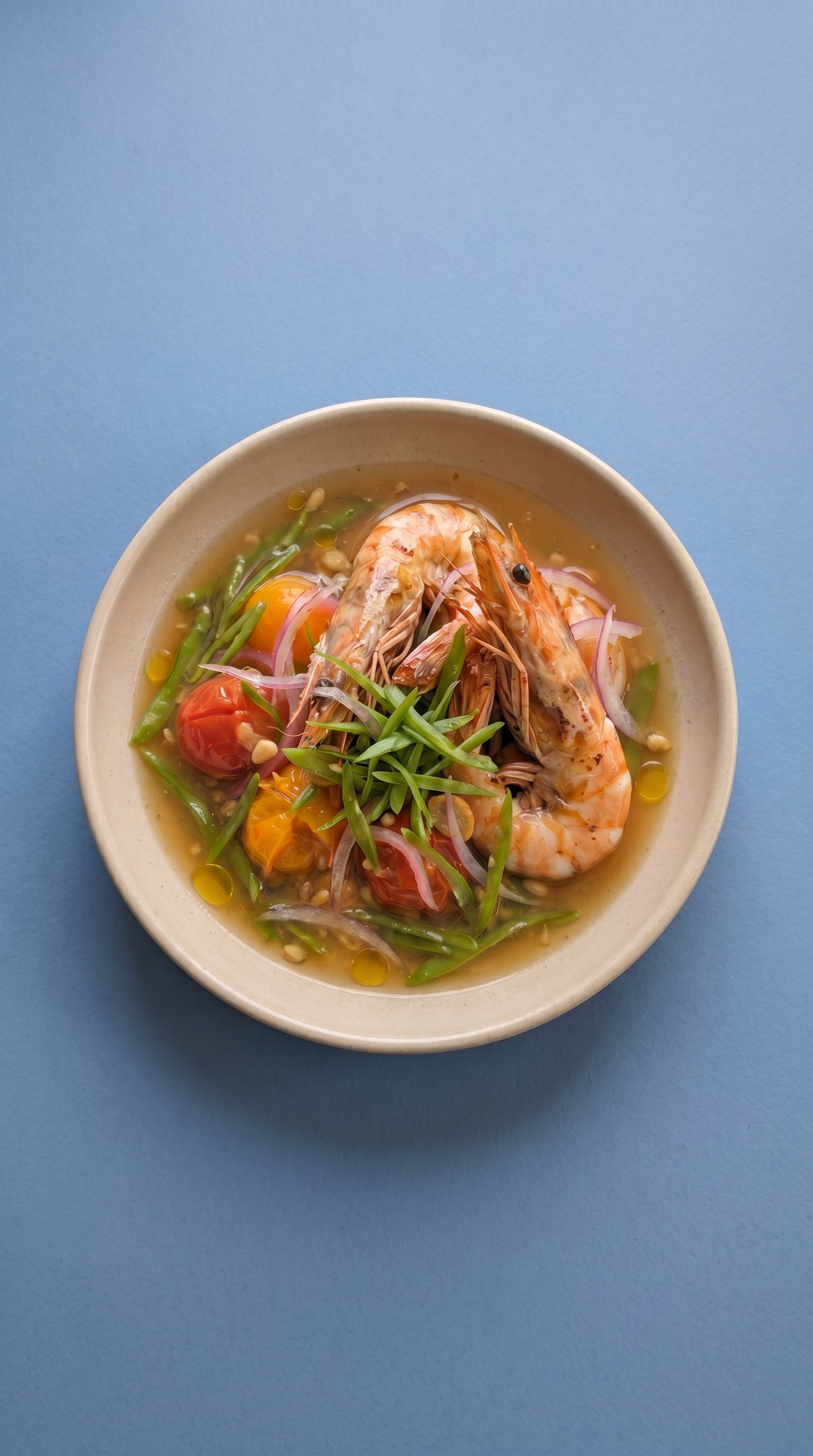
One elegant route begins with Seared Gambas in Sinigang-Style Broth. The large prawns, clear dashi-style broth, cherry tomatoes and pickled onion create a lively opening with savoury depth and layered acidity. Follow with Whole Sea Bass in Banana Leaf, Thai Herbal Curry, a shared meal for four with lemongrass, kaffir lime, Thai basil and a bright dipping sauce. Finish with a chilled lemon tart or modest slices of the pear and almond tart.
Seafood needs particularly careful reheating because excessive heat can dry fish and toughen shellfish. Warm the centrepiece only according to its instructions, and keep pickled elements, herbs and dipping sauces chilled until plating. If the sauce is supplied separately, warm it gently and serve the fish as soon as it reaches the recommended temperature. The result should feel freshly finished, not repeatedly cooked.
Meat or Vegetarian Dinner Delivery for Four
A meat-led or vegetarian dinner for four feels refined when the main has a clear centre of gravity and the supporting elements add contrast rather than clutter. A shared roast can create a generous focal point, while a vegetarian pasta, tart or vegetable dish can feel equally complete when paired with freshness, texture and a well-chosen sauce.
For a classic shared meal, Herb Crusted Lamb Gigot with Mint serves four and arrives fully prepared with mint velouté and apricot chutney. The herb crust and tender lamb bring richness, while the mint and fruit provide lift. It needs gentle reheating rather than last-minute roasting or complicated carving. Pair it with Potato Mash Mousseline-style and a fresh vegetable side.
For a vegetarian route, Lemon and Sage Pasta offers a bright, creamy main built around lemon, butter, Parmigiano-Reggiano and sage. Add a tomato salad or roasted vegetable rather than another rich component. A chilled starter such as burrata with a briny relish, or a vegetable dip with toasted bread, creates a more balanced three-course progression.
For both routes, the final presentation should stay restrained. Warm the main carefully, place the sauce with intention and add only the supplied garnish or one fresh element. A wide plate, clean edges and a deliberate amount of sauce can make a hearty dish look as considered as one served in a dining room.
What to Heat and What to Serve Cold
A delivered dinner is easiest to manage when every component is assigned to one of three categories: serve chilled or at room temperature, gently reheat, or add at the last moment. Cold starters such as rillettes, terrines and some salads should remain refrigerated until close to serving. Room-temperature items, including selected tarts and breads, can be brought out shortly before guests sit down. Fully cooked mains and sides usually need warming, but the dish-specific instructions always take priority.
Mr. Saucy dishes arrive chilled and never frozen, so the food can be stored in the refrigerator until the planned evening. On delivery, inspect the packaging, transfer the order promptly to the refrigerator and keep labels with their corresponding dishes. Follow the stated use-by date, storage advice, oven temperature and reheating method rather than applying one general rule to the complete order.
Sauces and garnishes often need separate handling. Butter or cream sauces may split under direct high heat, while herbs, pickles, oils and salads lose their freshness if warmed. Treat the kitchen like a small restaurant pass: warm the base, prepare the plate, finish with the delicate element and serve. Do not reheat the entire order together unless the instructions specifically say to do so.
- Chilled or room temperature: starters, dips, salads, breads and some desserts.
- Gently reheated: cooked mains, fish, poultry, meat and warm sides.
- Added at the last moment: sauces, herbs, pickles, oils, chutneys and crisp garnishes.
Order Cutoff, Delivery and a Plating Timeline
Mr. Saucy orders must be placed by 14:00 two days before the selected delivery day, with delivery available on Wednesday, Friday and Saturday. For example, a Friday delivery generally requires an order by 14:00 on Wednesday, subject to availability and the delivery options shown at checkout. Delivery is available across Belgium and Luxembourg, with local delivery in Bruges and Knokke.
Plan as soon as the date is known, especially when choosing a shared centrepiece for four. Select the delivery day first, then work backwards from dinner. When the order arrives, check that the packaging is intact, identify each course and refrigerate everything promptly. Reading the instructions on delivery day gives you time to confirm that you have the required oven, microwave, pan or serving dishes.
For a 19:30 dinner, begin setting the table around 18:45. Chill or open the wine, arrange the cold starter and bring only the items that benefit from limited tempering out of the refrigerator. Around 19:00, begin reheating the main and sides according to their instructions. Allow around five to 10 minutes for plating, including sauce, garnish and wiping the plate edges. Serve the first course before starting the next reheating stage, rather than preparing every course at once.
The exact cooking time varies by dish, so allow a buffer instead of working to the minute. A calm host can check texture, warm a sauce separately and adjust the table. A rushed host is more likely to overheat fish, forget a garnish or serve dessert before it has reached its best temperature.
- Order by 14:00 two days before Wednesday, Friday or Saturday delivery.
- Refrigerate the chilled order immediately and follow its stated use-by guidance.
- Allow roughly 20 to 30 minutes for main-course finishing when instructions require reheating, plus five to 10 minutes for plating.
Wine, Table Setting and Lighting for Dinner for Four
Wine should support the sauce, acidity and richness of the menu rather than simply matching the main ingredient. A seafood-led dinner suits a crisp mineral white, a dry aromatic white or, with coconut and spice, a fuller white with enough body. Lamb can take a medium-bodied red, a fresh lighter red or a structured white. A vegetarian menu with lemon, herbs or roasted vegetables is flexible enough for sparkling wine, dry white wine or a lighter red.
Open the wine before plating the main so the host is not searching for a corkscrew while the food is hot. Chill white and sparkling wine in advance, and keep water on the table from the start. Four matching plates, polished cutlery, napkins, water glasses and wine glasses are enough to create an intentional setting. Keep packaging, spare containers and unnecessary decorations away from the table.
Lighting changes how warm and inviting the meal feels. Use a low, warm lamp or dimmed overhead light instead of a bright ceiling fixture. Candles add atmosphere, but place them safely away from sleeves, napkins and serving movements. A small table, balcony or garden setting can feel special when the light is soft, the music stays at conversation volume and the plates remain easy to see.
For further inspiration, the guide to elegant tablescapes for a memorable dinner covers practical details such as colour, height and table balance. The aim is not elaborate decoration. It is to create a calm setting where the food, conversation and people around the table remain the focus.

How to Order a Restaurant-Quality Dinner for Four
The right restaurant-quality dinner for four matches your guest count, available equipment and willingness to finish the meal at home. Before checkout, confirm the course count, dietary requirements, portion format, refrigerator space and whether you have an oven, microwave or stovetop. Then check current availability, allergen information, delivery area, delivery date and use-by guidance.
A seafood route can combine a chilled or lightly warmed starter with a shared fish main and a citrus or fruit-based dessert. A meat route can centre on a shared lamb dish with a smooth potato side and a bright relish. A vegetarian route can use a pasta or vegetable-led main with a crisp salad and a pastry dessert. In each case, vary the finishing methods so that one part of the meal can be served while another is warming.
If you are in Bruges or Knokke, review the relevant Bruges delivery information or Knokke delivery page before ordering. For broader hosting ideas, the Mr. Saucy guides hub covers menus, quantities and occasions. The culinary team handles the sourcing and cooking, while you control the final warmth, presentation and atmosphere. That division makes an intimate dinner possible without turning it into a full evening of cooking.