How do you create elegant tablescapes for a dinner party?
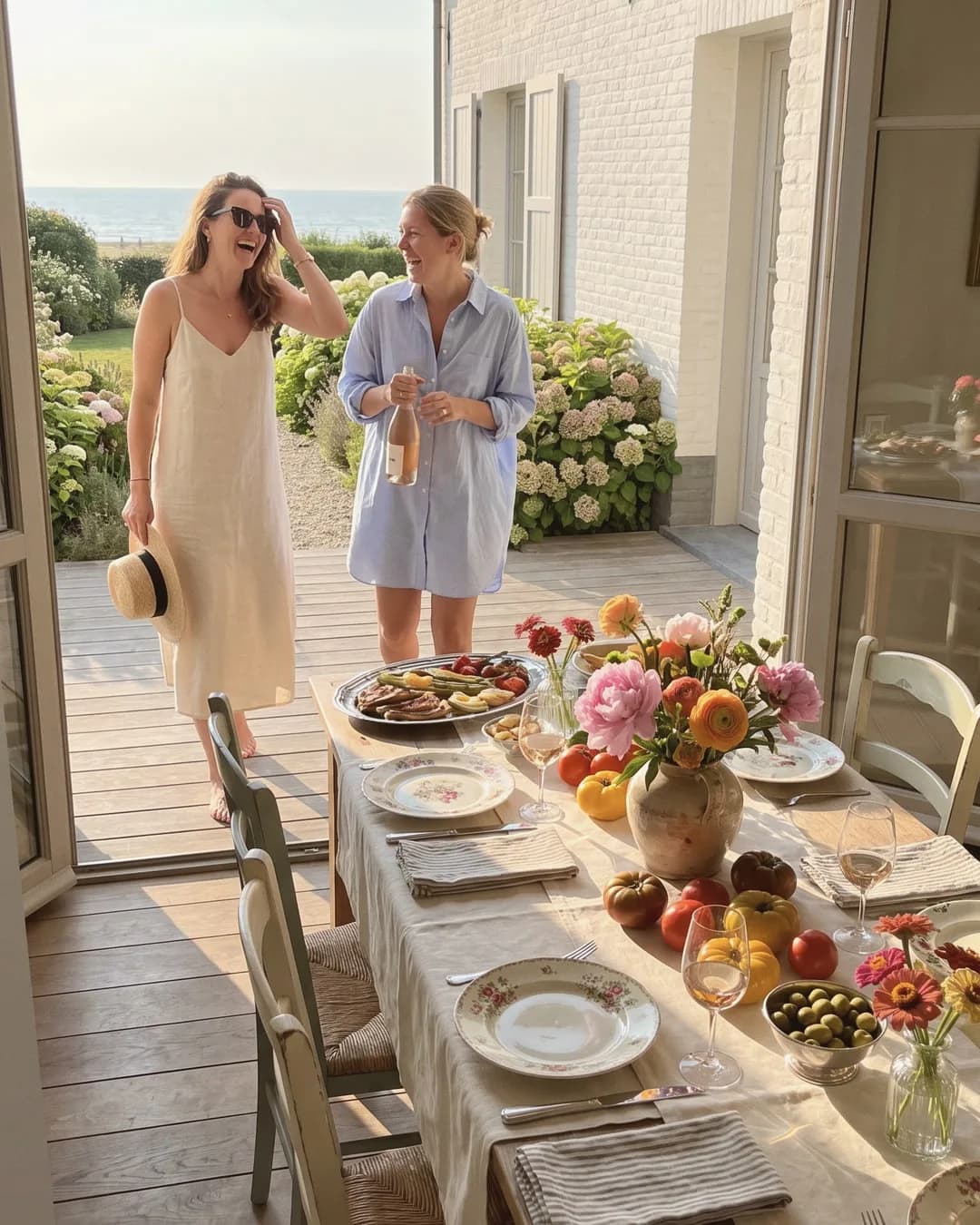
Unique table decorations begin with a mood, not with buying as many separate decorations as possible. First decide how you want the evening to feel: relaxed and rustic, fresh and summery, romantic and soft, or perhaps understated and modern. Then translate that mood into one simple idea. A table with cream linen, soft pink flowers and green branches will have a completely different look from one with terracotta, tomatoes and warm wood, even when the foundation remains the same.
Next, start with the permanent elements: tablecloth or runner, napkins, plates, glasses and cutlery. Only then add the decoration. This allows you to see how much space is actually available and prevents flowers or serving dishes from making the table impractical. A good dinner table is both beautiful and functional. Guests need to be able to put down their glasses, pass dishes and let conversation flow freely across the table.
If you are short on time, there are several ways to simplify the process. Table in a Box offers seasonal boxes with candleholders, natural materials, napkins and menus, complemented by guides, recipes and playlists. AVA is ideal when you want to create your own colour story with runners, table rolls, napkins and placemats. If you would rather hire your decorations, Options offers table linen, tableware, cutlery, lanterns and accessories. Combine your styling with hosting guests at home for a relaxed preparation.
- Choose the mood and colours first, then the accessories.
- Set the table completely before adding decoration.
- Keep the centre low enough to maintain eye contact.
- Repeat a few elements instead of using many different decorations.
Which colour stories work well for elegant tablescapes?
A colour story with two or three shades is usually enough for elegant tablescapes. Limiting the palette creates calm and makes it easier to bring different materials together. Good combinations include cream, soft pink and leafy green; white, beige and wood; or terracotta, ochre and deep red. The aim is not for every object to be exactly the same colour, but for all the shades to clearly belong to the same family.
Let the table textiles establish the foundation. A linen runner in sand or off-white creates space for flowers and vegetables, while coloured napkins set the accent. Repeat that accent colour in candles, flowers or fruit. This creates a visual thread across the entire table. In a pink and green combination, peonies, green branches and pink napkins can enhance one another. For a sunny palette, choose lemons, yellow ranunculus and warm-toned ceramics.
Contrast can be elegant too, as long as it remains controlled. For example, pair a light linen base with dark glassware or black olives in a low bowl. It is better to use one striking contrast than several strong colours at once. Maisons du Monde offers table accessories for colourful and understated settings, while AVA is useful for a broad palette of runners, napkins and placemats. If you enjoy experimenting, first create a small sample arrangement with one napkin, a small vase, a candle and a few pieces of fruit.
- Soft combination: cream, powder pink and green.
- Natural combination: white, beige, wood and olive green.
- Summery combination: white, lemon yellow and fresh green.
- Warm combination: terracotta, ochre and burgundy.
Vegetables and fruit as eye-catching table decorations
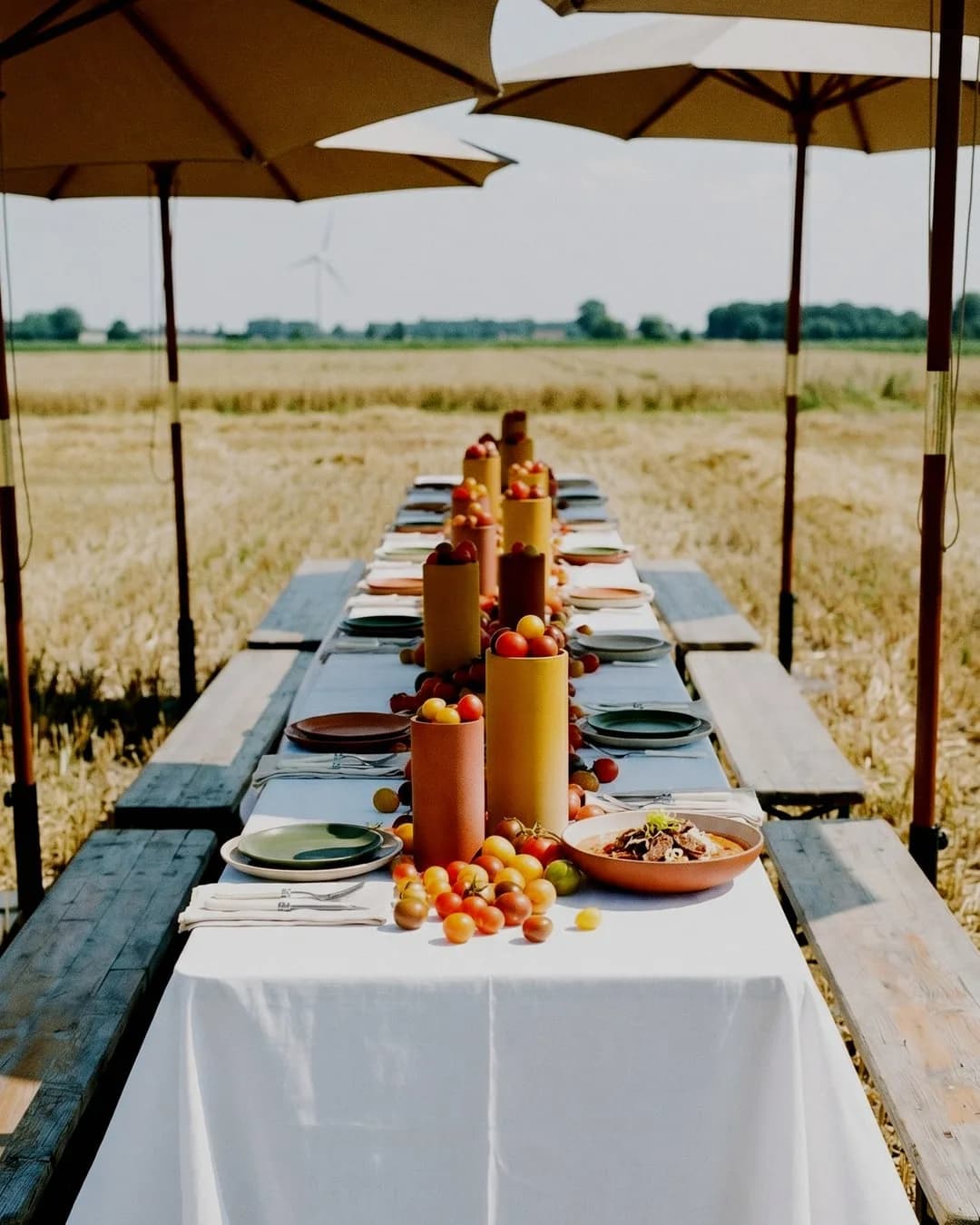
Vegetables and fruit instantly bring colour, volume and a natural feel to the table. They are also edible, keeping the decoration directly connected to the menu. Try lemons, limes, grapes, figs, apples, artichokes, radishes, small pumpkins or colourful tomatoes. Scatter them along a runner, gather them in a low bowl or arrange them in small groups along the length of the table.
Repetition works better than a random mixture. A long row of tomatoes in red, yellow and orange looks abundant without becoming busy. A bowl filled only with lemons can also have more impact than five different types of fruit. Choose firm produce that does not bruise easily or release a strong scent. Citrus fruit, apples and hardy vegetables are practical for a long dinner. Keep edible decorations away from open flames and only cut fruit when it is ready to be served.
Vegetables can provide a surprisingly refined accent. Small artichokes, fennel bulbs, radishes or bunches of herbs bring shape and texture to the table. Use a beautiful serving dish or ceramic bowl to keep the overall look polished. The same ingredients can later be used in the kitchen. A tomato-themed table, for example, naturally complements a cherry tomato salad with wild garlic dressing. A dish featuring citrus, fennel or herbs can likewise reinforce the colours and shapes chosen for the table.
Belgium’s interiors and decoration market is partly driven by growing interest in personal, sustainable and nature-inspired choices. Edible decorations fit this trend beautifully: they create atmosphere, produce little waste and feel less predictable than standard party decorations.
Peonies and ranunculus for elegant tablescapes
Peonies and ranunculus are excellent flowers for elegant tablescapes because their full blooms create a rich effect with relatively few stems. Peonies have a soft, romantic quality and are available in shades ranging from white to pink and red. Ranunculus have a more delicate form and add a playful, layered accent. Ideally, choose one main flower and add no more than one complementary flower or some greenery.
For a dinner, avoid placing one tall bouquet in the centre of the table. Instead, distribute the flowers among small vases or low bowls. This keeps sightlines open and creates rhythm across the table. Three small arrangements can look more elegant than one large display. Do not place flowers too close to plates or glasses, and avoid strongly scented varieties that could interfere with the aromas of the food.
Availability and price are seasonal. In Belgium, peony season generally runs from early May to the end of June, depending on the weather and variety. According to published pricing information, bouquets of peonies from Belgian fields cost approximately €50 to €100. A mixed bouquet of ranunculus starts at around €79 from one supplier, including delivery and VAT. For a smaller budget, bouquets from approximately €20.99 are available through Euroflorist, excluding delivery charges. Bloomon, Topbloemen, Euroflorist and Fleurop specialise in fresh flower delivery, while Composition in Luxembourg also offers floral event styling.
Belgium has a strong flower culture. Spending on flowers, plants and related products amounts to approximately €84 per person according to market data. This makes seasonal flowers a natural and meaningful part of a celebratory table.
Is less more when creating abundant table decorations?
When it comes to table decorations, less is more does not mean the table should look bare. It means abundance is created within clear boundaries. Limit yourself to two or three colours and around three main materials, such as linen, glass and ceramics. Add one flower variety and one type of fruit or vegetable. Repeating these elements gives the table volume without making it feel cluttered.
An abundant effect comes primarily from scale and rhythm. A group of five matching vases, several candles in the same shape or a broad line of tomatoes feels richer than one vase, one candlestick and a collection of unrelated decorative objects. Texture helps too: combine the softness of linen with smooth glass, rough wood, ceramics and the natural skin of fruit.
Leave enough empty space. These open areas allow the decoration to breathe and make it easier to place serving dishes and bread on the table. If you are unsure, remove one element and look again. The composition often becomes calmer immediately. For larger celebrations, Sfeerlab hires out decorative pieces, while In Style Styling offers complete table settings and rental packages for dinners and events. Bear in Mind provides personal table and event styling in Kortrijk. The right choice depends on your desired scale, budget and how much work you want to take on.
Prices vary considerably. According to published information, a centrepiece can start at €40 and rise to €150, depending on its size and flowers. Rented table decoration boxes start at around €50, while ready-made concepts from Table in a Box start at approximately €60. Styling the table yourself with seasonal fruit, reusable candles and simple linen is often the most flexible option.
- Use no more than two or three colours.
- Repeat one flower variety or one type of fruit in volume.
- Combine no more than three standout materials.
- Leave room for serving dishes, glasses and conversation.
How do you combine flowers, candles, fruit and vegetables?
Flowers, candles, fruit and vegetables work well together when each element has a clear role. Flowers bring softness and colour, candles provide light, fruit adds volume and vegetables contribute shape and character. Choose one element to take centre stage. With peonies, lemons and simple candles can provide support. On a tomato-themed table, small ranunculus and neutral linen may be all you need.
Work from large to small. Lay the linen first, decide where bowls and floral arrangements will go, then add the candles. Do not scatter fruit and vegetables randomly; create small groups or a continuous line. A row of low vases with tomatoes placed between them, for example, can connect a table for six without blocking the centre.
Safety and comfort matter more than decorative rules. Choose unscented candles where possible, place flames securely in holders and keep dry greenery, napkins and fruit at a safe distance. Low floral arrangements are ideal for conversation, while a taller accent works better at the end of a rectangular table. On a round table, a compact central arrangement works well as long as it is not too tall.
A natural setting can also complement the food. A bowl of green vegetables and herbs suits light dishes, while grapes, figs and warm colours accompany a richer menu. Serve, for example, a Provençal anchoïade with bread and raw vegetables, allowing the decoration and aperitif to enhance one another.
Layers, heights and materials for a calm table
A successful table decoration usually uses two or three heights: the tabletop, low floral arrangements and a few medium-height accents. The tabletop layer consists of napkins, cutlery, fruit or place cards. The second layer is created with candles, low vases and bowls. A taller accent can be placed at the end of the table, but it is rarely needed in the centre.
Start with the foundation and build slowly. Lay a tablecloth or runner, place the plates and glasses, fold the napkins, then add the decoration. Use materials that complement one another, such as linen, glass, wood and ceramics. You do not need a large assortment to create richness. Different surfaces within the same colour story already provide plenty of depth.
The shape of the table determines the composition. On a long rectangular table, a repeated line of small objects works well. On a round table, one compact group is usually stronger. Keep floral arrangements below the eye level of seated guests. Also avoid placing a large bowl directly in front of a place setting, as practical inconvenience will be noticed during dinner more quickly than a minor styling imperfection.
Options and SVH Event Rental are suitable when you want to hire tables, tableware, glassware, furniture, decorations or plants. For a fully tailored approach, Bear in Mind, Sfeerlab and In Style Styling offer different forms of event and table styling. In Luxembourg, Composition combines floral designs with decoration for weddings, corporate celebrations and seasonal occasions.
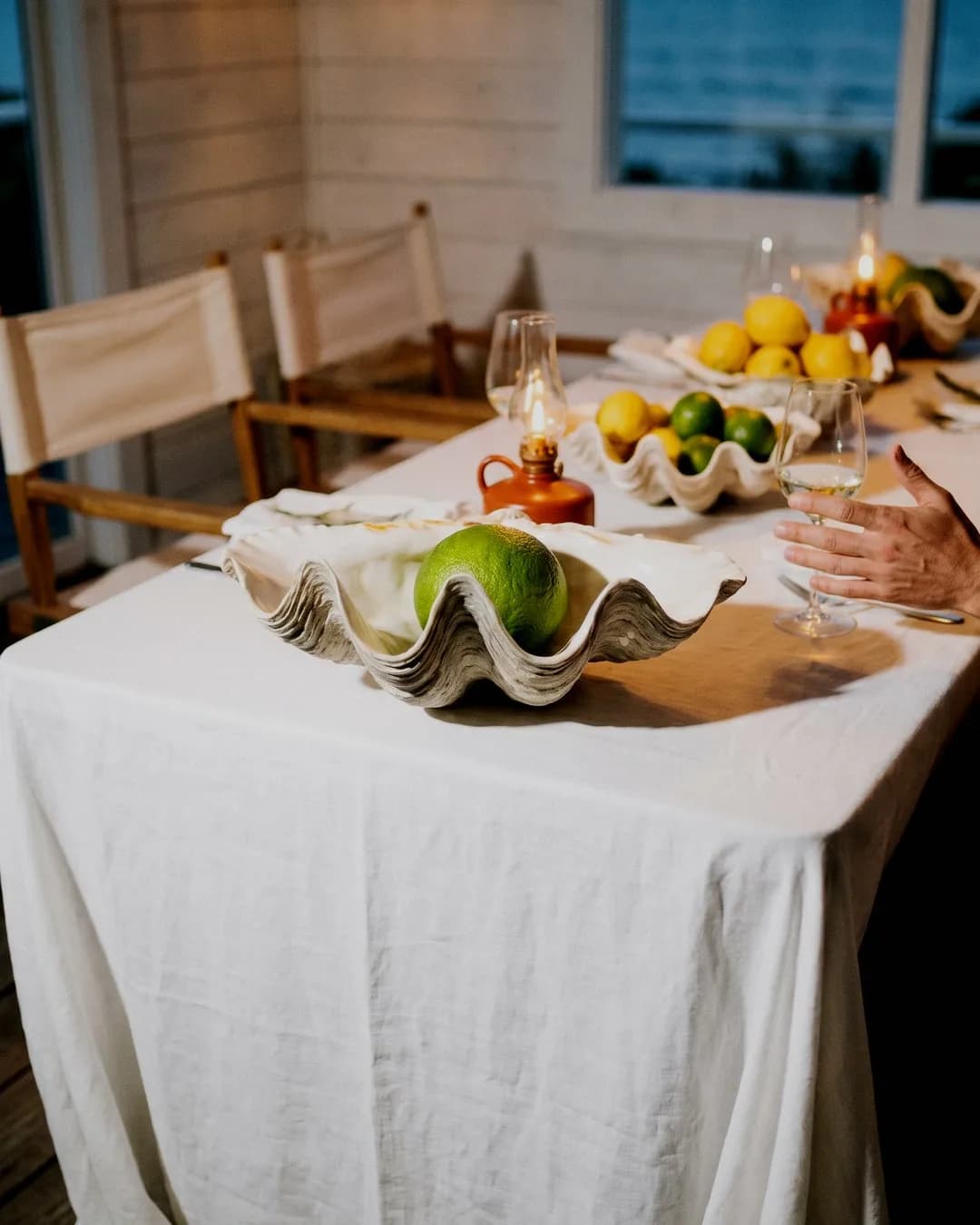
Seasonal table decorations in Belgium and Luxembourg
Seasonal table decorations make a dinner more personal because colours, flowers and ingredients tell a natural story. In spring, choose peonies, ranunculus, lemons, young vegetables and soft pastel shades. In summer, tomatoes, peaches, herbs, limes and delicate flowers work beautifully. In autumn, grapes, figs, apples, nuts and terracotta bring warmth. In winter, greenery, branches, dark fruit and candlelight create depth.
The seasons also help narrow your choices. Select one flower that is available at the time and combine it with one or two edible elements. A summer table with white linen, yellow lemons and pink flowers does not need extra confetti or decorative figurines. In autumn, a bowl of apples and nuts with a few low candles can create a complete look.
Belgium is an important player in the European flower trade and is among the countries with high per-capita flower consumption. Buying locally and seasonally also makes it easier to find flowers in good condition. In Luxembourg, specialised styling services are available for those organising larger celebrations. For DIY inspiration, Aveve offers ideas with flowers, candles, bowls and natural materials. Xenos is an accessible option for affordable candles and accessories, while Abitare Living focuses on elegant interior and table objects.
Let the menu reflect the season too. A light table with citrus and flowers pairs beautifully with fresh starters, while warm colours and wood complement roasted dishes or stews. In the recipe guides, you will find more ideas for aligning the atmosphere at the table with the food on the plate.
Planning elegant tablescapes without stress
A relaxed preparation begins about a week in advance with a simple sketch of the table, the number of guests and the chosen colour story. Check how many plates, glasses, napkins and candles you have. Then decide whether you will buy, make, hire or commission the styling. For a small dinner, materials you already have at home are usually enough, supplemented with flowers and seasonal fruit.
Buy flowers as close to the dinner as possible so they stay fresh. Cut the stems at an angle, remove any leaves that will sit below the waterline and give the flowers enough room in a clean vase. Wash fruit and vegetables that will be placed directly on the table. Ideally, set the table a few hours in advance. This gives you time to make adjustments if an arrangement is too tall or one colour feels too dominant.
For a larger event, hiring and professional styling can save time. Sfeerlab and SVH Event Rental supply decorations and equipment, Options hires out complete table components and In Style Styling works with complete concepts. Table in a Box focuses on quick, coordinated seasonal solutions. If you are primarily looking for flowers, Bloomon, Topbloemen, Euroflorist and Fleurop are all options. The right choice depends on the size of the dinner and how much you want to organise yourself.
The final step is the menu. Mr. Saucy prepares restaurant-quality dishes in Bruges, delivered chilled so you can heat, plate and serve them at home. Order by 14:00, two days before delivery on Wednesday, Friday or Saturday. Delivery is available in Belgium and Luxembourg, with local delivery in Bruges and Knokke. Explore the online shop and let the tablescape set the mood while keeping the kitchen under control.