Wild Mushroom Risotto with Sherry and Comté
3 hrs · Advanced · Serves 4
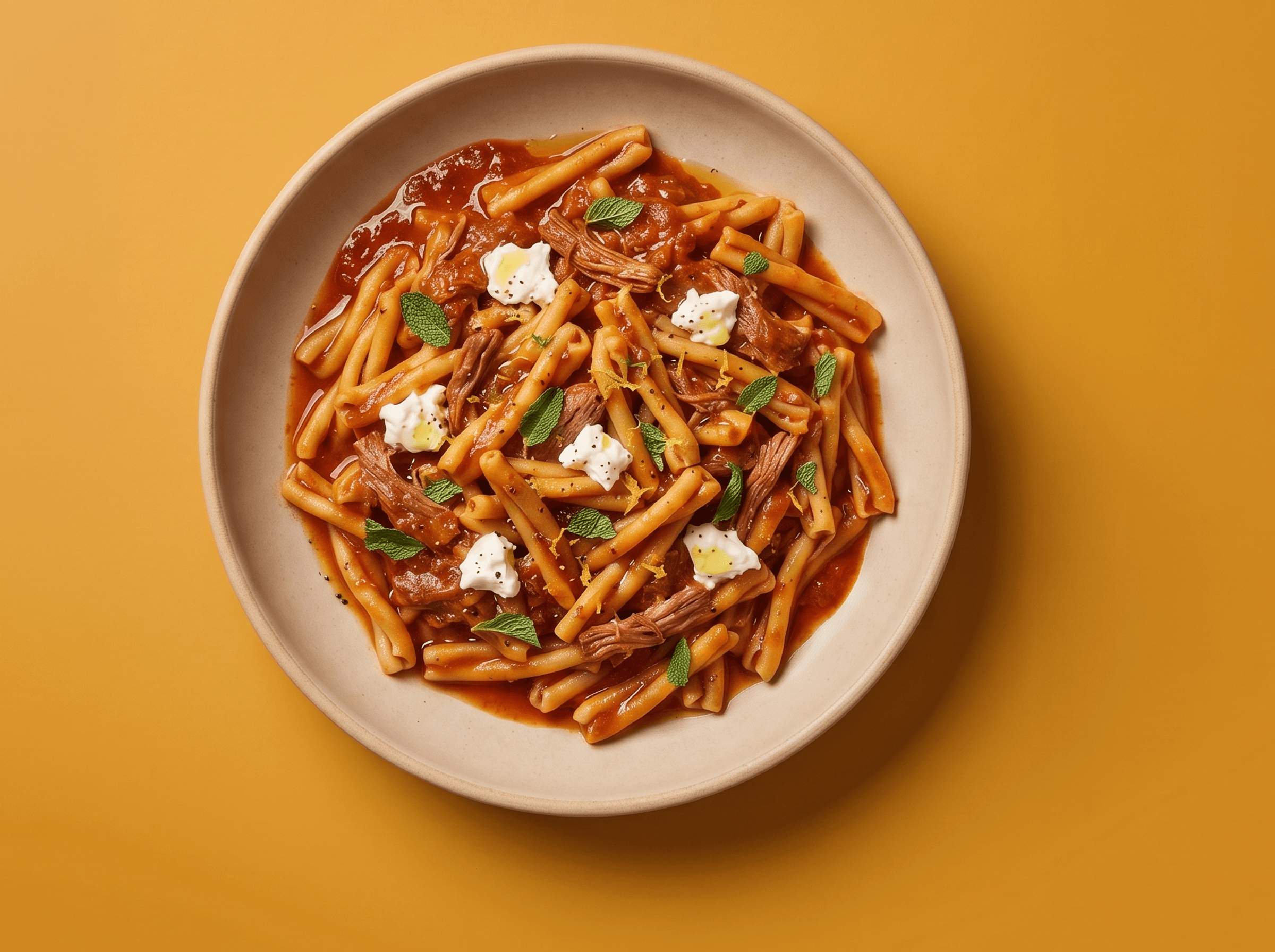 From our menuLamb Ragù Pasta€18.95 · Made by us, delivered chilled.
This wild mushroom risotto recipe uses a deeply reduced mushroom stock, dry sherry, crisp sage, and aged Comté for rich flavor and creamy rice with a tender bite. Plan on about 3 hours, including soaking, simmering, and resting. It makes 4 servings and is finished with cold butter off the heat.
Recipe by Christophe Rammant
Cordon Bleu Paris alumni - Two star Michelin kitchen experience
What Makes This Wild Mushroom Risotto So Rich?
Traditional French technique starts with deep browning and a reduced stock. Browning the mushroom trimmings builds a roasted taste, while gentle reduction makes the broth rich without adding too much liquid.
Food science shows that hot stock helps rice release starch evenly. Adding it little by little keeps the grains creamy outside while leaving a small, pleasant bite in the center.
Professional culinary team finish risotto off the heat with cold butter and cheese. This mantecatura blends fat and starch into a shiny sauce, while pickled shallots and crisp sage add bright flavor and crunch.
Estimated nutrition per serving
Estimated from ingredient weights, not lab-tested.
- Calories
- 500
- Protein
- 7g
- Fat
- 47g
- Carbohydrates
- 18g
The weekly recipe note
Enjoyed this recipe? Get the next one first.
One new recipe each week from Christophe: global flavor, French technique, and practical home-cook timing.
By signing up, you agree to receive emails from Mr. Saucy.
Ingredients
Recipe yields 4 servings
For the Pickled Shallots
| Amount | Ingredient | Notes |
|---|---|---|
| 80 g | white wine vinegar | — |
| 80 g | water for pickling | — |
| 10 g | sugar | — |
| 3 g | salt for pickling | — |
| 80 g | shallots for pickling | finely sliced |
For the Mushroom Stock
| Amount | Ingredient | Notes |
|---|---|---|
| 0 g | dried porcini | amount not provided |
| 300 g | water for mushroom stock | plus remaining measured water |
| 0 g | mushroom trimmings | amount not provided |
| 0 g | onion | amount not provided |
| 0 g | carrot | amount not provided |
| 0 g | celery | amount not provided |
| 10 g | garlic for stock | — |
| 15 g | oil for stock | — |
| 0 g | thyme | amount not provided |
| 0 g | bay leaf | amount not provided |
| 8 g | salt for stock | — |
For the Mushrooms
| Amount | Ingredient | Notes |
|---|---|---|
| 650 g | fresh mushrooms | mixed wild mushrooms; brush clean and separate delicate from firm mushrooms |
| 15 g | butter for mushrooms | — |
| 2 g | salt for mushrooms | — |
| 0 g | black pepper | amount not provided |
For the Risotto
| Amount | Ingredient | Notes |
|---|---|---|
| 20 g | butter for rice base | — |
| 120 g | shallots for rice base | finely minced |
| 8 g | garlic for rice base | — |
| 0 g | rice | amount not provided |
| 0 g | dry sherry | amount not provided |
| 80 g | cold butter for mantecatura | — |
| 0 g | aged Comté | grated; amount not provided |
| 40 g | hot stock or water for loosening | 20 to 40 g |
For the Sage Garnish
| Amount | Ingredient | Notes |
|---|---|---|
| 60 g | oil for sage | — |
| 20 g | butter for sage | — |
| 0 g | dry sage leaves | amount not provided |
Instructions
Make the Pickle and Stock
- 1
Pickle the Shallots First
Bring 80 g white wine vinegar, 80 g water, 10 g sugar, and 3 g salt just to a simmer. Pour over the 80 g finely sliced shallots and leave for at least 30 minutes. The mild acidity will brighten the rich risotto without taking over.
- 2
Soak the Porcini to Capture Flavor
Soak the dried porcini in 300 g of the measured water for 20 minutes. Strain the soaking liquid through a fine sieve or coffee filter. This removes grit while keeping the deep porcini taste.
- 3
Brown the Stock Vegetables
Heat 15 g oil in a heavy pot over medium-high heat. Add the mushroom trimmings, onion, carrot, celery, and 10 g garlic. Cook for 8 to 10 minutes, until browned and fragrant. Deep browning creates a fuller, roasted stock.
- 4
Simmer the Mushroom Stock Gently
Add the strained porcini liquid, remaining water, soaked porcini, thyme, bay leaf, and 8 g salt. Simmer gently for 45 minutes at about 185°F / 85°C, with only small bubbles. Gentle heat pulls out flavor without making the stock harsh or cloudy.
- 5
Reduce the Stock for Deep Flavor
Strain the stock into a clean saucepan. Reduce over medium heat until about 650 to 750 g remains and it tastes intensely mushroomy but not too salty. Concentration gives the rice deep flavor without flooding it with extra liquid.
- 6
Keep the Stock Hot
Hold the reduced stock at a bare simmer, about 185°F / 85°C. Hot stock brings the rice back to a simmer quickly, so the grains release starch evenly and cook at a steady pace.
Cook the Mushrooms and Rice
- 7
Brown the Fresh Mushrooms
Brush the 650 g fresh mushrooms clean instead of washing them. Heat 15 g butter in a wide pan. Cook firm mushrooms first for 3 to 4 minutes, then add delicate mushrooms. Cook until golden and no liquid remains. This keeps the finished risotto from turning watery.
- 8
Save Some Mushrooms for the Top
Season the mushrooms with 2 g salt and black pepper. Reserve about one-third for the garnish and keep the rest warm. Saving some pieces protects their meaty texture.
- 9
Soften the Risotto Aromatics
Melt 20 g butter in a wide, heavy saucepan over medium heat. Add the 120 g minced shallots and 8 g garlic. Cook for 3 to 4 minutes, until translucent but not browned. This makes a sweet, gentle base.
- 10
Toast the Rice for a Nutty Flavor
Add the rice and stir constantly for 2 minutes. Stop when the grains look translucent around the edges and smell faintly nutty. Toasting coats the grains with fat and helps them stay firm as they release starch.
- 11
Reduce the Sherry Completely
Pour in the dry sherry and stir for about 2 minutes, until it has almost completely evaporated. This cooks away the raw alcohol and leaves a dry, nutty taste.
- 12
Add the Hot Stock Slowly
Add the hot mushroom stock one ladle at a time, stirring often but not constantly. Wait until each addition is nearly absorbed before adding more. Continue for 18 to 22 minutes. Slow additions build a creamy sauce while keeping the grains separate.
- 13
Taste for the Perfect Rice Bite
Begin tasting after 16 minutes. Stop when the rice is creamy outside with a small, definite chalky resistance in the center. If the stock runs out first, add small amounts of hot water because the right texture matters more than using every gram of stock.
Finish and Serve
- 14
Fold In the Mushrooms and Finish Off Heat
Fold the cooked mushrooms into the rice and remove the pan from the heat. Beat in 80 g cold butter, then the grated Comté. Cover for 2 minutes and stir once. This off-heat finish makes the risotto glossy instead of greasy.
- 15
Loosen the Risotto to All'Onda
Check the consistency and add 20 to 40 g hot stock or water if needed. When spooned onto a plate, the risotto should slowly spread in a wave instead of sitting in a firm mound. This is the classic all'onda texture.
- 16
Fry the Sage Until Crisp
While the risotto rests, heat 60 g oil with 20 g butter in a small pan. Fry the dry sage leaves for 20 to 40 seconds, until crisp and fragrant. Transfer them to paper and save a little sage-scented fat for drizzling.
- 17
Garnish Each Warm Plate
Divide the risotto among 4 warm plates. Top with the reserved mushrooms, crisp sage, and a restrained amount of pickled shallot. Add a few drops of sage fat. These finishing touches add crunch, acidity, and aroma without hiding the mushroom and Comté flavor.
The weekly recipe note
Enjoyed this recipe? Get the next one first.
One new recipe each week from Christophe: global flavor, French technique, and practical home-cook timing.
By signing up, you agree to receive emails from Mr. Saucy.
Tips & Tricks
your stock tastes bitter or harsh:
Keep it at a quiet simmer, about 185°F / 85°C, and skim only obvious foam. A hard boil can pull out harsh flavors and make the stock cloudy.
your mushrooms make the risotto watery:
Cook them until no liquid remains before adding them to the rice. Crowding the pan can make them steam, so use a wide pan and cook in batches if needed.
your rice is soft and mushy:
Start tasting after 16 minutes and stop while the center still has a small, firm bite. Rice keeps cooking from its own heat after the pan leaves the stove.
your risotto is too thick:
Stir in 20 to 40 g hot stock or water. The right risotto should slowly spread across a warm plate instead of standing in a mound.
your cheese looks greasy:
Add the cold butter and Comté after removing the pan from the heat. The cooler finish helps the butter, cheese, and rice starch blend into a smooth sauce.
your pickled shallots taste too strong:
Use only a small amount as a garnish. Their job is to add a bright, mild tang, not to cover the mushroom and Comté flavor.
your stock tastes bitter or harsh:
Keep it at a quiet simmer, about 185°F / 85°C, and skim only obvious foam. A hard boil can pull out harsh flavors and make the stock cloudy.
your mushrooms make the risotto watery:
Cook them until no liquid remains before adding them to the rice. Crowding the pan can make them steam, so use a wide pan and cook in batches if needed.
your rice is soft and mushy:
Start tasting after 16 minutes and stop while the center still has a small, firm bite. Rice keeps cooking from its own heat after the pan leaves the stove.
your risotto is too thick:
Stir in 20 to 40 g hot stock or water. The right risotto should slowly spread across a warm plate instead of standing in a mound.
your cheese looks greasy:
Add the cold butter and Comté after removing the pan from the heat. The cooler finish helps the butter, cheese, and rice starch blend into a smooth sauce.
your pickled shallots taste too strong:
Use only a small amount as a garnish. Their job is to add a bright, mild tang, not to cover the mushroom and Comté flavor.
Frequently Asked Questions
Can I make this wild mushroom risotto recipe ahead of time?
Partly. Make the pickled shallots and mushroom stock ahead, then chill them covered. You can also brown the mushrooms shortly before cooking. Risotto is best made and finished just before serving because the rice slowly absorbs liquid and can lose its creamy, loose texture.
Can I use regular mushrooms instead of wild mushrooms?
Yes, if needed. Use the same 650 g amount of fresh mushrooms listed in the recipe. The flavor will be gentler, so the dried porcini and reduced stock become especially important for bringing back a deep mushroom taste.
Why does risotto need hot stock?
Hot stock keeps the rice cooking at a steady pace. Cold stock lowers the pan temperature each time it is added, which can slow starch release and make the grains cook unevenly. Keep the stock at a bare simmer, about 185°F / 85°C.
What if I do not have a coffee filter for the porcini liquid?
Use a very fine sieve lined with clean paper towel or a clean kitchen cloth. Pour slowly and leave the gritty sediment behind. This small step keeps sand from entering the stock while saving the porcini's rich flavor.
How do I know when risotto is done?
Taste it after 16 minutes. The outside should be creamy, but the center should still have a small, clear resistance. The rice should not be crunchy or soft. After finishing with butter and cheese, it should spread slowly in a wave on the plate.
Can I use another cheese instead of aged Comté?
Yes, but the recipe is written for aged Comté. Choose another firm, aged cheese with a nutty flavor if you must substitute. Grate it before starting so it melts smoothly into the hot rice after the pan is removed from the heat.
Why is my risotto too thick after resting?
Rice continues to absorb liquid as it sits. Stir in a little hot stock or water, using the listed 20 to 40 g loosening amount as needed. Warm liquid brings back the glossy, flowing texture without cooling the dish too much.
Can I make this wild mushroom risotto recipe ahead of time?
Partly. Make the pickled shallots and mushroom stock ahead, then chill them covered. You can also brown the mushrooms shortly before cooking. Risotto is best made and finished just before serving because the rice slowly absorbs liquid and can lose its creamy, loose texture.
Can I use regular mushrooms instead of wild mushrooms?
Yes, if needed. Use the same 650 g amount of fresh mushrooms listed in the recipe. The flavor will be gentler, so the dried porcini and reduced stock become especially important for bringing back a deep mushroom taste.
Why does risotto need hot stock?
Hot stock keeps the rice cooking at a steady pace. Cold stock lowers the pan temperature each time it is added, which can slow starch release and make the grains cook unevenly. Keep the stock at a bare simmer, about 185°F / 85°C.
What if I do not have a coffee filter for the porcini liquid?
Use a very fine sieve lined with clean paper towel or a clean kitchen cloth. Pour slowly and leave the gritty sediment behind. This small step keeps sand from entering the stock while saving the porcini's rich flavor.
How do I know when risotto is done?
Taste it after 16 minutes. The outside should be creamy, but the center should still have a small, clear resistance. The rice should not be crunchy or soft. After finishing with butter and cheese, it should spread slowly in a wave on the plate.
Can I use another cheese instead of aged Comté?
Yes, but the recipe is written for aged Comté. Choose another firm, aged cheese with a nutty flavor if you must substitute. Grate it before starting so it melts smoothly into the hot rice after the pan is removed from the heat.
Why is my risotto too thick after resting?
Rice continues to absorb liquid as it sits. Stir in a little hot stock or water, using the listed 20 to 40 g loosening amount as needed. Warm liquid brings back the glossy, flowing texture without cooling the dish too much.
Recipe Reviews
No reviews yet — Be the first to review this recipe!
The collection
All recipesPheasant with Grapes, Verjus Jus and Celery Root
This pheasant with grapes recipe pairs juicy roast pheasant with glossy Muscat grapes, sweet caramelised shallots, and bright verjus jus. Gentle pan-roasting keeps the skin crisp, while celery root purée adds silky depth. Plan on about 2 hours for 4 servings, with several parts ready ahead for an easy dinner party.
120 min · Intermediate · France
Roast Partridge Recipe with Celeriac Mousseline
This roast partridge recipe pairs rosy roasted breast with a crisp confited leg, silky celeriac mousseline, glazed baby carrots, and a glossy juniper-port jus. Dry-brining helps the lean meat stay seasoned and juicy. Allow about 3 hours for cooking and resting, plus overnight dry-brining if you have time. Serves 4.
210 min · Intermediate · France
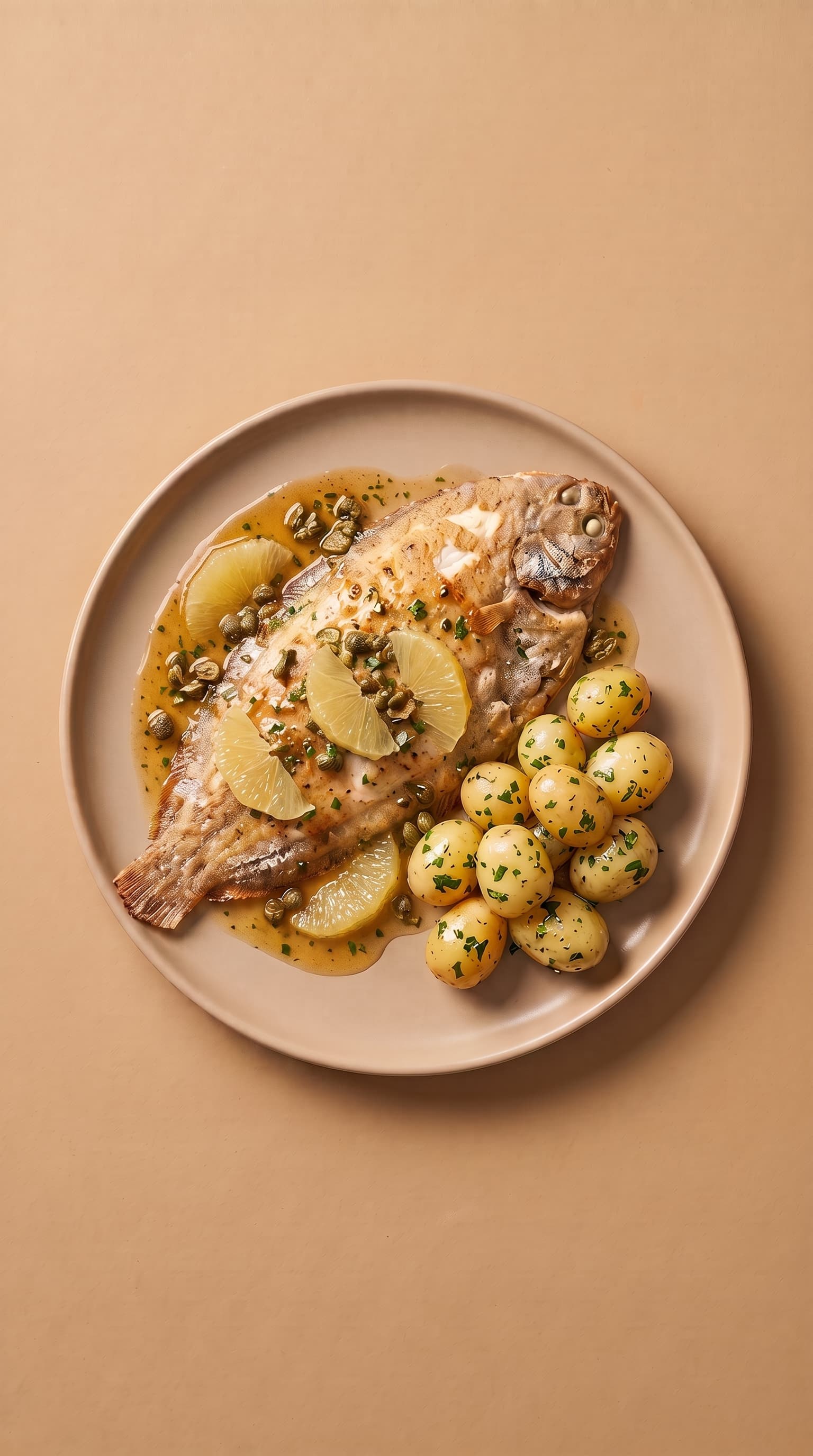
Sole Meunière Recipe with Lemon, Capers and Potatoes
This classic sole meunière recipe features whole Dover sole with a light flour coating, gentle pan-frying, and a warm brown butter sauce with lemon and capers. Serve it with buttery parsley potatoes for an elegant French meal. The dish takes about 55 minutes and serves 4 people.
55 min · Intermediate · France