Roast Partridge Recipe with Celeriac Mousseline
3 hrs 30 min · Advanced · Serves 4
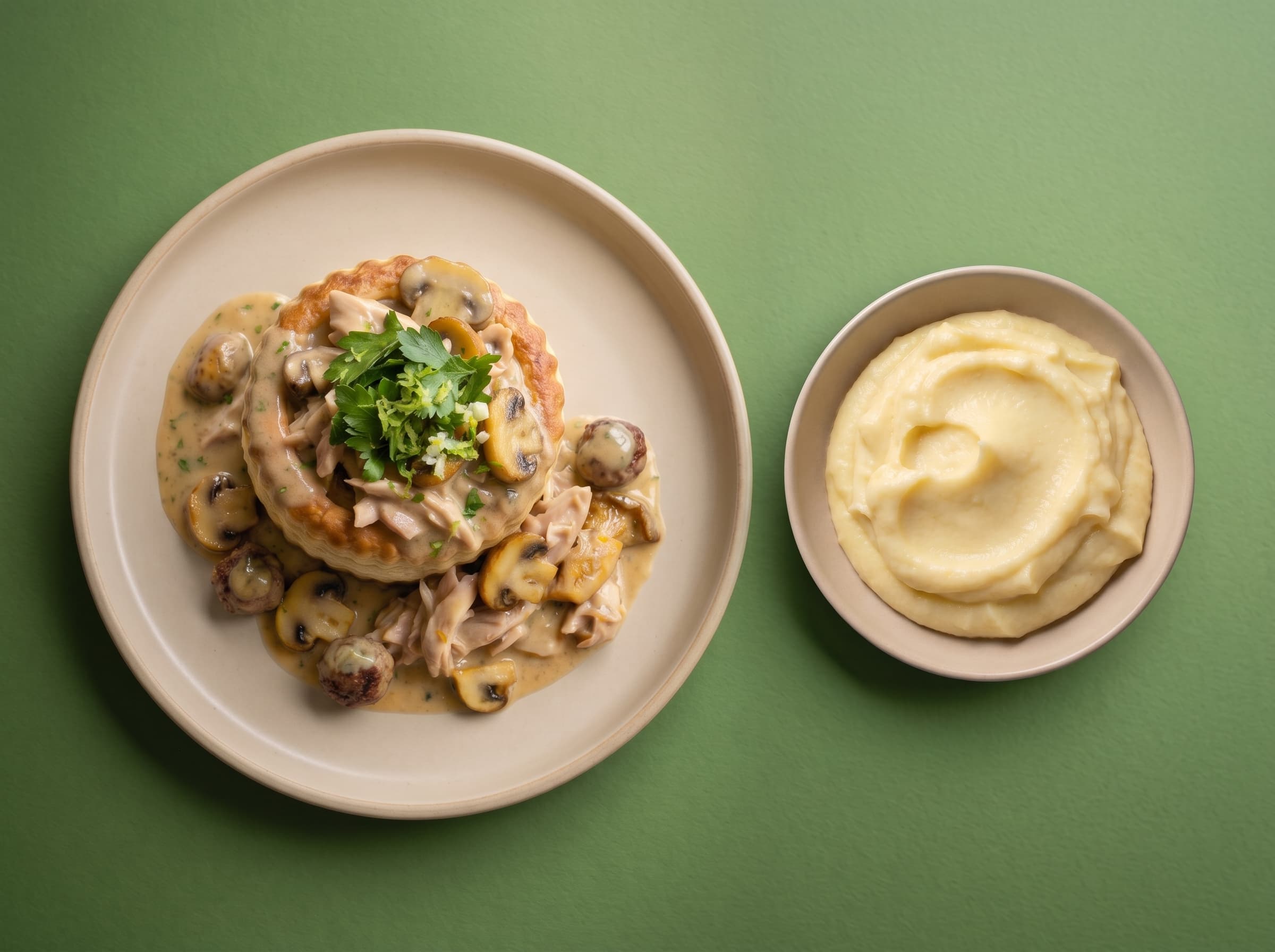 From our menuVol-au-Vent East meets West€19.95 · Made by us, delivered chilled.
This roast partridge recipe pairs rosy roasted breast with a crisp confited leg, silky celeriac mousseline, glazed baby carrots, and a glossy juniper-port jus. Dry-brining helps the lean meat stay seasoned and juicy. Allow about 3 hours for cooking and resting, plus overnight dry-brining if you have time. Serves 4.
Recipe by Christophe Rammant
Cordon Bleu Paris alumni - Two star Michelin kitchen experience
What Makes This Roast Partridge So Tender?
Traditional French technique uses two gentle cooking methods for one bird. Confit makes the legs tender under duck fat, while careful roasting keeps the breast rosy and juicy.
Food science shows that dry-brining seasons lean meat more evenly and dries the skin. Dry skin browns faster, giving the partridge a crisp, golden finish.
Professional culinary team know that a reduced jus brings a dish together. Roasted bones, port, wine, juniper, and stock create a deep woodland flavor, while cold butter makes the sauce smooth and shiny.
The weekly recipe note
Enjoyed this recipe? Get the next one first.
One new recipe each week from Christophe: global flavor, French technique, and practical home-cook timing.
By signing up, you agree to receive emails from Mr. Saucy.
Ingredients
Recipe yields 4 servings
For the Partridge
| Amount | Ingredient | Notes |
|---|---|---|
| 1,600 g | whole oven-ready partridges | 4 birds, approximately 400 g each |
| 18 g | fine sea salt for partridges | divided between dry-brining, confit, and roasting |
| 4 g | black pepper | freshly ground |
| 8 g | juniper berries | lightly crushed; reserve 4 berries for the jus |
| 12 g | fresh thyme | 8 g for the birds and 4 g for the jus |
| 20 g | garlic | lightly crushed |
| 500 g | duck fat | enough to cover the partridge legs in a small, deep pan |
| 30 g | unsalted butter for roasting | softened |
For the Juniper-Port Jus
| Amount | Ingredient | Notes |
|---|---|---|
| 500 g | partridge carcasses and wings | from the birds after removing the legs and breasts |
| 100 g | shallots | roughly chopped |
| 80 g | carrot for the jus | roughly chopped |
| 60 g | celery for the jus | roughly chopped |
| 20 g | tomato paste | for the jus |
| 180 g | ruby port | for deglazing and reduction |
| 150 g | dry red wine | for the jus |
| 700 g | unsalted game or chicken stock | preferably gelatin-rich |
| 50 g | cold unsalted butter for finishing the jus | cut into small cubes |
For the Celeriac Mousseline
| Amount | Ingredient | Notes |
|---|---|---|
| 1,000 g | celeriac | peeled and cut into 3 cm cubes |
| 300 g | whole milk | for cooking the celeriac |
| 180 g | double cream | 120 g for the mousseline and 60 g for loosening |
| 100 g | unsalted butter for the mousseline | cold and cubed |
| 15 g | lemon juice | for seasoning the mousseline |
For the Glazed Carrots
| Amount | Ingredient | Notes |
|---|---|---|
| 600 g | baby carrots | scrubbed, tops trimmed, or peeled if necessary |
| 25 g | clear honey | for glazing the carrots |
| 120 g | carrot cooking liquor or water | for the glaze |
| 12 g | cider vinegar | to balance the carrot glaze |
| 10 g | fresh parsley | finely chopped, for finishing |
Instructions
Prepare and Confit the Partridge
- 1
Dry-Brine the Birds for Better Browning
If possible, 8 to 12 hours ahead, remove the legs at the joint while keeping the breasts attached to their crowns. Season the meat with 12 g of the salt and refrigerate uncovered on a wire rack. This seasons the lean meat and dries the skin for better browning.
- 2
Separate the Bird and Save the Bones
Remove the breasts from the crowns only if you feel confident with a knife. Otherwise, roast the crowns whole and carve them after resting. Reserve the carcasses and wings for the jus, and keep the legs separate for confiting so each part can cook well.
- 3
Confit the Legs Until Tender
Place the legs in a small, deep ovenproof pan with the duck fat, crushed garlic, 4 g of juniper, 8 g of thyme, and the remaining salt. Warm the fat until fluid and cover the legs completely. Cook at 248°F / 120°C for 90 to 120 minutes, until a small knife slides easily beside the thigh bone.
- 4
Drain and Hold the Legs
Lift the confited legs from the fat and drain well. Refrigerate them for up to 24 hours if needed. Bring them toward room temperature before reheating so the skin can crisp without overcooking the tender meat.
Build the Juniper-Port Jus
- 5
Brown the Bones and Vegetables
Heat a heavy saucepan and brown the partridge carcasses and wings thoroughly without burning the bones. Add the shallots, carrot, and celery, then cook until golden. Stir in the tomato paste for 1 minute. This builds the dark, savory base of the jus.
- 6
Reduce the Wine and Stock Gently
Add the port and red wine, then scrape the pan to loosen the browned bits. Reduce until almost syrupy. Add the stock, remaining juniper, and thyme. Simmer gently for 45 to 60 minutes, then strain, skim the fat, and reduce again until the jus lightly coats a spoon. Gentle heat keeps the sauce clear and smooth.
Cook the Sides
- 7
Simmer the Celeriac Until Soft
Place the peeled celeriac cubes in a saucepan with the milk and 120 g of the cream. Season lightly, cover, and simmer for about 25 minutes. The celeriac is ready when a fork crushes the cubes effortlessly.
- 8
Blend the Celeriac Into a Mousseline
Drain the celeriac and save a little cooking liquid. Blend it while hot until smooth, then add the cold butter gradually. Add the remaining 60 g of cream and enough cooking liquid to make a soft, spoonable mousseline. Season with lemon juice and salt to taste. Gradual butter addition makes the purée silky and stable.
- 9
Glaze the Carrots Until Shiny
Put the baby carrots, carrot liquor or water, honey, cider vinegar, and a pinch of salt in a wide sauté pan. Simmer uncovered until the liquid becomes a shiny glaze and the carrots are tender but still have a slight bite. Roll the carrots in the glaze so they keep their shape.
Roast, Finish, and Serve
- 10
Roast the Breasts Until Rosy
Heat the oven to 428°F / 220°C conventional or 392°F / 200°C fan. Pat the breasts or crowns very dry, season with pepper, and rub the skin with the softened butter. Roast skin-side up until deeply golden and the thickest part of the breast reaches 145°F / 63°C. This usually takes 10 to 14 minutes for breast portions or 14 to 18 minutes for crowns.
- 11
Rest the Partridge to Keep It Juicy
Remove the partridge at 145°F / 63°C and rest it uncovered for 8 to 10 minutes. Carryover cooking finishes the center, while resting lets the juices settle instead of running onto the cutting board.
- 12
Crisp the Confited Legs
While the breasts rest, place the confited legs skin-side down in a dry frying pan over medium heat, or place them beside the roasting partridge for the final 8 minutes. Heat until hot throughout with crisp, bronze skin.
- 13
Mount the Jus With Butter
Rewarm the jus gently and remove it from the heat. Whisk in the cold butter one cube at a time until glossy. Do not boil the sauce after adding the butter, because high heat can split the emulsion and make it dull.
- 14
Plate the Bistro Main
Spoon the celeriac mousseline onto four warm plates. Add one crisp confited leg and one carved breast portion to each plate, then arrange the glazed carrots alongside. Spoon the juniper-port jus lightly over the plate, keeping some beside the meat so the skin stays crisp. Finish with chopped parsley.
The weekly recipe note
Enjoyed this recipe? Get the next one first.
One new recipe each week from Christophe: global flavor, French technique, and practical home-cook timing.
By signing up, you agree to receive emails from Mr. Saucy.
Tips & Tricks
You are tempted to cook the breast by time alone:
Use a probe thermometer and remove the breast at 145°F / 63°C. Small birds vary in size. Without a thermometer, the center should feel gently springy and the juices should run clear pink rather than red.
The skin browns before the meat is ready:
Lower the oven to 374°F / 190°C and continue roasting gently. If the meat is ready but the skin is pale, finish under a hot grill for 30 to 60 seconds while watching closely.
The celeriac mousseline is not smooth:
Blend the cooked celeriac while hot and pass it through a fine sieve. If it is loose, stir it in a clean pan over low heat until extra moisture evaporates. Do not add raw flour or starch.
The jus tastes bitter or too strong:
Avoid burning the bones and reducing the wine too far. If the finished jus is too intense, dilute it with unsalted stock and reduce it only briefly again.
The partridge breast seems dry:
Do not skip the uncovered dry-brine and resting time. Dry skin browns more efficiently, and resting helps the lean breast keep its limited moisture.
You are tempted to cook the breast by time alone:
Use a probe thermometer and remove the breast at 145°F / 63°C. Small birds vary in size. Without a thermometer, the center should feel gently springy and the juices should run clear pink rather than red.
The skin browns before the meat is ready:
Lower the oven to 374°F / 190°C and continue roasting gently. If the meat is ready but the skin is pale, finish under a hot grill for 30 to 60 seconds while watching closely.
The celeriac mousseline is not smooth:
Blend the cooked celeriac while hot and pass it through a fine sieve. If it is loose, stir it in a clean pan over low heat until extra moisture evaporates. Do not add raw flour or starch.
The jus tastes bitter or too strong:
Avoid burning the bones and reducing the wine too far. If the finished jus is too intense, dilute it with unsalted stock and reduce it only briefly again.
The partridge breast seems dry:
Do not skip the uncovered dry-brine and resting time. Dry skin browns more efficiently, and resting helps the lean breast keep its limited moisture.
Frequently Asked Questions
Can I prepare the partridge a day ahead?
Yes. Make the jus and celeriac mousseline one day ahead, and confit the legs in advance. Chill everything promptly. Roast the breasts shortly before serving, because reheating lean partridge breast can make it dry. Reheat the legs gently, then crisp the skin just before plating.
Is it safe to serve the partridge breast rosé?
Partridge is traditionally served slightly pink because its lean breast can dry out when fully cooked. For a controlled home preparation, use a clean thermometer and remove the breast at 145°F / 63°C, then rest it for 8 to 10 minutes. Use fresh, properly handled birds and follow local food-safety guidance.
What if I cannot find duck fat for this roast partridge recipe?
Use goose fat, which behaves almost the same and has a similar savory flavor. In a pinch, use mild olive oil, but the taste will be less traditional and the legs may be less rich. Keep the temperature gentle and make sure the meat stays fully covered during confiting.
Why is my jus bitter or too strong?
Bitterness usually comes from burnt bones, over-reduced wine, or too much juniper. Brown the carcasses deeply but not black, reduce the alcohol until syrupy rather than burnt, and simmer gently. If the jus is too strong, dilute it with unsalted stock and reduce it briefly once more.
Can I use a blender for the celeriac mousseline?
Yes. A blender gives the finest texture, but use short bursts and stop once the butter is mixed in. Too much blending can make root vegetables gluey. A potato ricer followed by a whisk gives a slightly more rustic but dependable result.
Can I prepare the partridge a day ahead?
Yes. Make the jus and celeriac mousseline one day ahead, and confit the legs in advance. Chill everything promptly. Roast the breasts shortly before serving, because reheating lean partridge breast can make it dry. Reheat the legs gently, then crisp the skin just before plating.
Is it safe to serve the partridge breast rosé?
Partridge is traditionally served slightly pink because its lean breast can dry out when fully cooked. For a controlled home preparation, use a clean thermometer and remove the breast at 145°F / 63°C, then rest it for 8 to 10 minutes. Use fresh, properly handled birds and follow local food-safety guidance.
What if I cannot find duck fat for this roast partridge recipe?
Use goose fat, which behaves almost the same and has a similar savory flavor. In a pinch, use mild olive oil, but the taste will be less traditional and the legs may be less rich. Keep the temperature gentle and make sure the meat stays fully covered during confiting.
Why is my jus bitter or too strong?
Bitterness usually comes from burnt bones, over-reduced wine, or too much juniper. Brown the carcasses deeply but not black, reduce the alcohol until syrupy rather than burnt, and simmer gently. If the jus is too strong, dilute it with unsalted stock and reduce it briefly once more.
Can I use a blender for the celeriac mousseline?
Yes. A blender gives the finest texture, but use short bursts and stop once the butter is mixed in. Too much blending can make root vegetables gluey. A potato ricer followed by a whisk gives a slightly more rustic but dependable result.
Recipe Reviews
No reviews yet — Be the first to review this recipe!
The collection
All recipesPheasant with Grapes, Verjus Jus and Celery Root
This pheasant with grapes recipe pairs juicy roast pheasant with glossy Muscat grapes, sweet caramelised shallots, and bright verjus jus. Gentle pan-roasting keeps the skin crisp, while celery root purée adds silky depth. Plan on about 2 hours for 4 servings, with several parts ready ahead for an easy dinner party.
120 min · Intermediate · France
Poires Belle Hélène Recipe with Wine Poached Pears
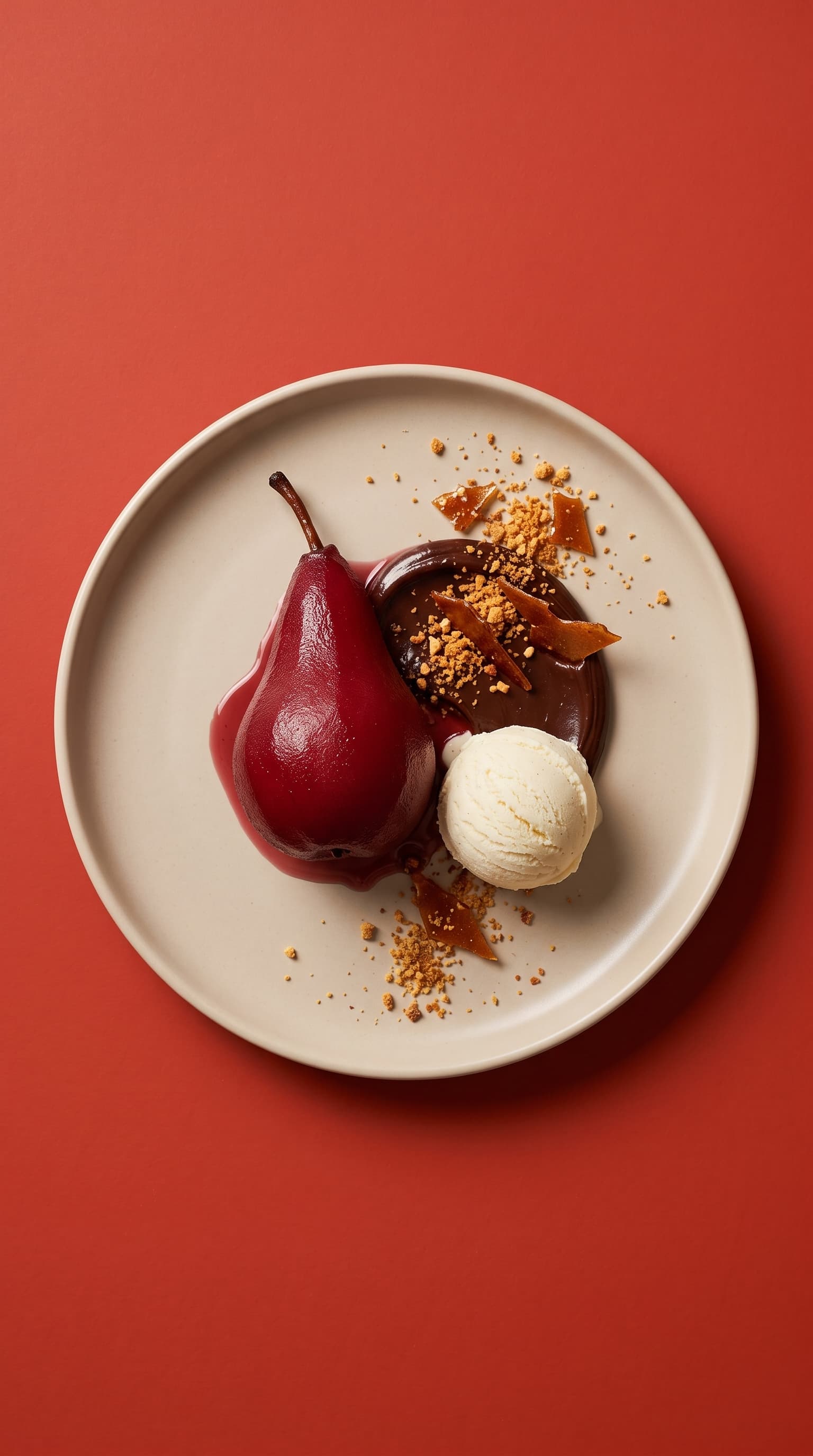
This poires belle hélène recipe pairs tender red wine poached Conference pears with warm dark chocolate sauce, cold vanilla ice cream, and crisp hazelnut praline. Gentle poaching keeps the pears whole and silky. Plan about 2 hours for cooking and cooling, and serve 4 people right away for the best warm and cold contrast.
150 min · Intermediate · France
Sole Meunière Recipe with Lemon, Capers and Potatoes
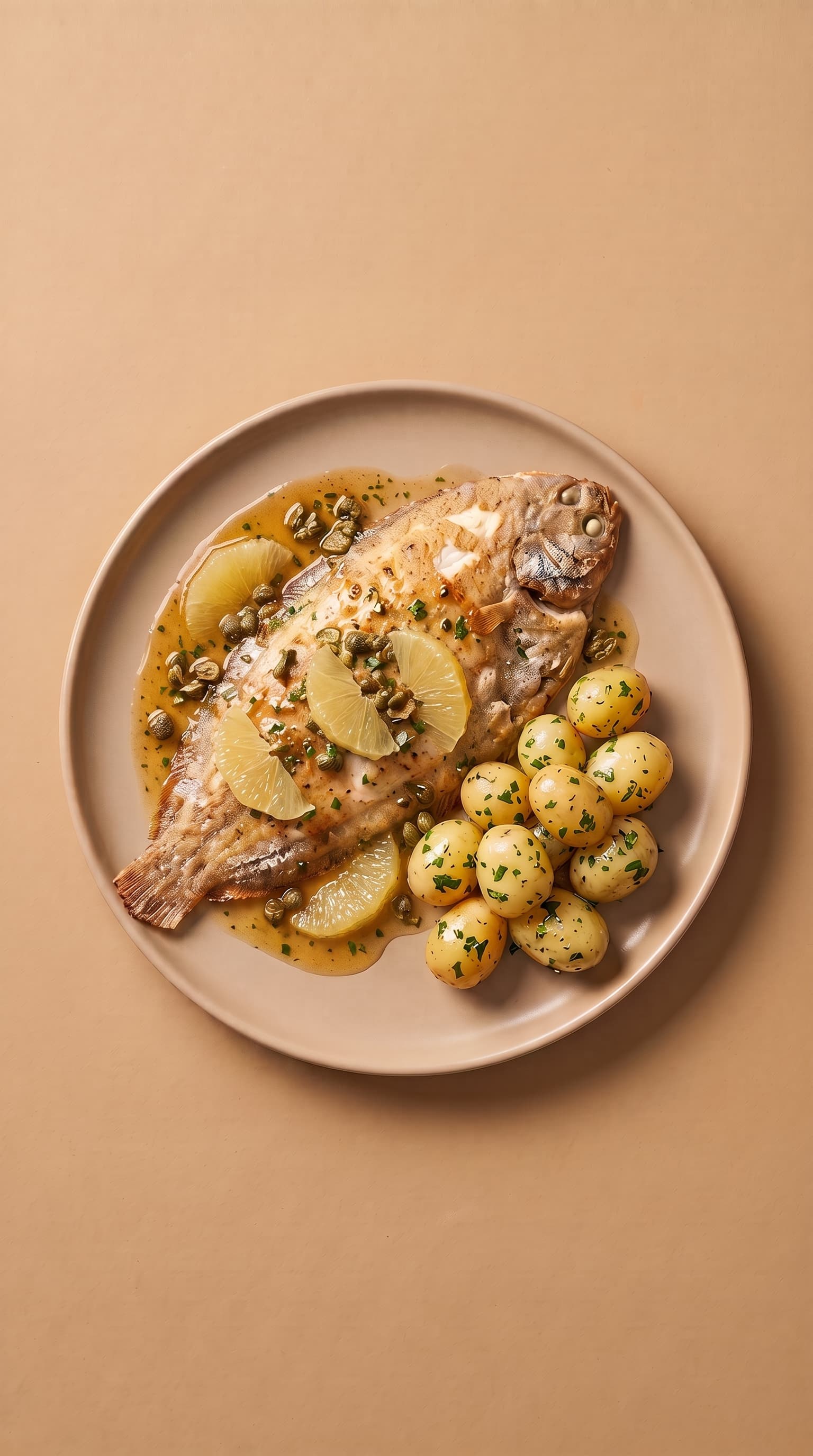
This classic sole meunière recipe features whole Dover sole with a light flour coating, gentle pan-frying, and a warm brown butter sauce with lemon and capers. Serve it with buttery parsley potatoes for an elegant French meal. The dish takes about 55 minutes and serves 4 people.
55 min · Intermediate · France