Pheasant with Grapes, Verjus Jus and Celery Root
2 hrs · Advanced · Serves 4
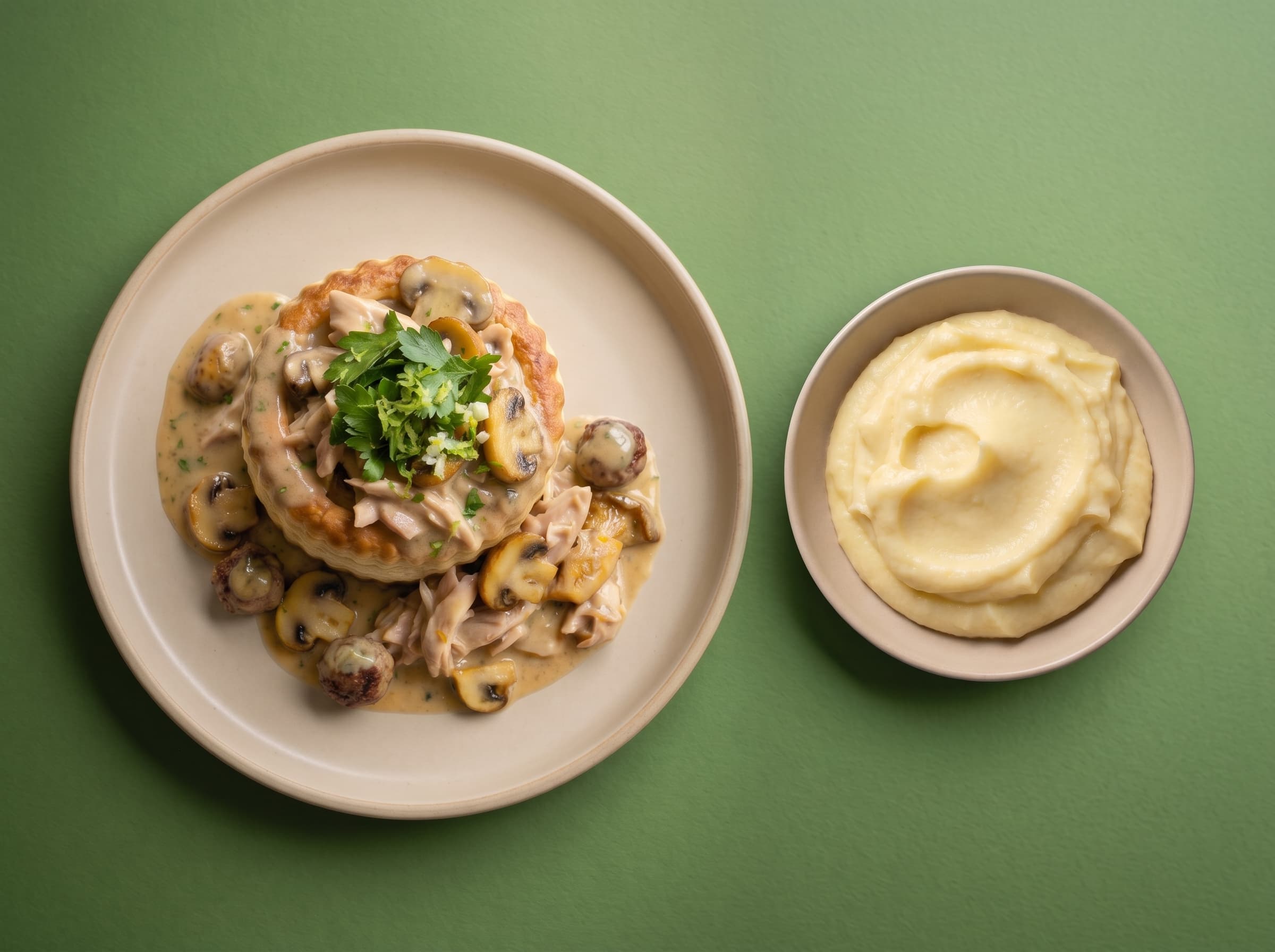 From our menuVol-au-Vent East meets West€19.95 · Made by us, delivered chilled.
This pheasant with grapes recipe pairs juicy roast pheasant with glossy Muscat grapes, sweet caramelised shallots, and bright verjus jus. Gentle pan-roasting keeps the skin crisp, while celery root purée adds silky depth. Plan on about 2 hours for 4 servings, with several parts ready ahead for an easy dinner party.
Recipe by Christophe Rammant
Cordon Bleu Paris alumni - Two star Michelin kitchen experience
What Makes This Pheasant with Grapes So Special?
Traditional French game cooking balances rich meat with bright fruit and acid. The sweet Muscat grapes and caramelised shallots soften the earthy pheasant, while verjus keeps the sauce fresh instead of heavy.
Professional culinary team render pheasant skin slowly over medium heat. This gives the fat time to melt and leaves the skin golden and crisp while the lean breast stays tender.
Food science shows that resting meat helps its juices spread back through the breast. A short rest also lets the center finish cooking, so the pheasant stays moist when sliced.
Estimated nutrition per serving
Estimated from ingredient weights, not lab-tested.
- Calories
- 1098
- Protein
- 51g
- Fat
- 71g
- Carbohydrates
- 64g
The weekly recipe note
Enjoyed this recipe? Get the next one first.
One new recipe each week from Christophe: global flavor, French technique, and practical home-cook timing.
By signing up, you agree to receive emails from Mr. Saucy.
Ingredients
Recipe yields 4 servings
For the Pheasant
| Amount | Ingredient | Notes |
|---|---|---|
| 700 g | Farmed pheasant breasts, skin-on and boneless | 4 breasts, approximately 175 g each |
| 16 g | Fine sea salt | 8 g for the pheasant; the rest is divided among the purée, shallots, and jus |
| 2 g | Freshly ground black pepper | For seasoning the pheasant |
| 6 g | Fresh thyme | Leaves for the pheasant, shallots, and jus |
| 15 g | Neutral vegetable oil | For pan-roasting |
| 145 g | Unsalted butter | Divided among the pheasant, purée, grapes, shallots, and jus |
| 10 g | Garlic | 1 lightly crushed clove for basting the pheasant |
For the Celery Root Purée
| Amount | Ingredient | Notes |
|---|---|---|
| 900 g | Celery root, peeled and diced | Cut into 2 cm cubes |
| 300 g | Whole milk | Enough to nearly cover the celery root |
| 100 g | Double cream | For the celery root purée |
| 10 g | Lemon juice | To sharpen the purée |
For the Garnish
| Amount | Ingredient | Notes |
|---|---|---|
| 80 g | Walnut halves | Toasted and roughly broken |
| 8 g | Flat-leaf parsley leaves | Optional; finely sliced for the final garnish |
For the Grapes and Shallots
| Amount | Ingredient | Notes |
|---|---|---|
| 400 g | Seedless Muscat grapes | Left whole or cut into small clusters |
| 18 g | Caster sugar | For glazing the grapes and caramelising the shallots |
| 240 g | Small shallots, peeled | Halved lengthwise if large |
For the Verjus Jus
| Amount | Ingredient | Notes |
|---|---|---|
| 500 g | Pheasant or light game stock | Unsalted or lightly salted |
| 140 g | Verjus | Divided between the grapes and the jus |
| 80 g | Muscat wine | Use dry or off-dry Muscat |
Instructions
Season and Prepare
- 1
Dry-Season the Pheasant
Season the pheasant breasts with 8 g of salt and the black pepper. Refrigerate them uncovered for 30 to 60 minutes because the salt seasons the meat lightly and the dry skin browns instead of steaming.
- 2
Warm the Meat and Oven
Take the pheasant from the refrigerator 25 minutes before cooking and pat the skin completely dry. Heat the oven to 350°F / 180°C conventional or 340°F / 170°C fan, because a warm oven finishes the breasts gently after the skin browns.
- 3
Cook the Celery Root Until Soft
Put the celery root in a saucepan with the milk, 4 g of salt, and enough water to keep the pieces almost covered. Simmer gently for 20 to 25 minutes, until a knife passes through without resistance, because firm celery root makes a grainy purée.
- 4
Blend the Silky Purée
Drain the celery root well and save 80 g of the cooking milk. Return the root to the warm pan and blend with the cream, 55 g of butter, lemon juice, and enough saved milk to make a smooth, spoonable purée. Keep it covered over very low heat so the mixture stays smooth instead of greasy.
- 5
Toast the Walnuts
Toast the walnuts in a dry frying pan over medium heat for 3 to 5 minutes, until fragrant and lightly browned. Move them to a plate at once because the hot pan can make them bitter, then break them into uneven pieces.
Cook the Seasonal Sides
- 6
Caramelise the Shallots Slowly
Melt 20 g of butter in a wide sauté pan over medium-low heat. Add the shallots, 6 g of sugar, 2 g of salt, and 40 g of stock. Cover and cook for 8 minutes, then uncover and cook for 10 to 15 minutes, turning now and then, until tender, golden, and glazed. The stock softens the centers before the sugar browns the outsides.
- 7
Glaze the Muscat Grapes
Melt 15 g of butter in a clean frying pan. Add the grapes and the remaining 12 g of sugar. Cook over medium-high heat for 2 to 3 minutes, until glossy and a few skins blister. Add 40 g of verjus and reduce for 1 minute so it lightly clings to the fruit. Keep warm without cooking the grapes further.
Roast and Rest the Pheasant
- 8
Render the Skin Slowly
Heat the oil in a heavy ovenproof frying pan over medium heat. Put the pheasant skin-side down and cook without moving for 5 to 7 minutes. Adjust the heat as needed so the skin slowly renders and turns deep golden, rather than dark brown.
- 9
Baste and Finish in the Oven
Add 25 g of butter, the crushed garlic, and half of the thyme. Baste for 30 seconds, then turn the pheasant skin-side up and place the pan in the oven. Roast for 5 to 8 minutes, until the thickest part feels springy and reaches 144 to 147°F / 62 to 64°C for juicy farmed pheasant. Cook wild pheasant to 165°F / 74°C for a stricter poultry-safety target.
- 10
Rest the Breast Without Softening the Skin
Move the pheasant to a warm plate, skin-side up, and rest loosely covered for 8 minutes. Resting lets the juices spread through the meat and allows the center to finish rising in temperature without trapping too much steam around the crisp skin.
Make the Jus and Serve
- 11
Deglaze the Roasting Pan
Pour off extra fat from the roasting pan, leaving the browned bits behind. Set the pan over medium heat, add the Muscat wine, and scrape the base clean. Reduce until the wine smells concentrated and nearly syrupy because these browned bits carry deep flavor.
- 12
Reduce and Finish the Jus
Add the remaining stock, 60 g of verjus, and the remaining thyme. Simmer until the liquid has reduced by about one-third and tastes lightly concentrated but bright. Strain it into a small saucepan, then whisk in 30 g of cold butter off the heat so the jus becomes silky without turning heavy.
- 13
Warm and Taste Every Component
Warm the celery root purée gently and loosen it with a spoonful of saved milk if needed. Taste the purée, grapes, shallots, and jus separately, then adjust salt at the end because the stock and reduced sauce may already taste stronger.
- 14
Plate the Composed Dish
Spoon a broad oval of purée slightly off-center on each plate. Slice each pheasant breast into 3 or 4 thick pieces and arrange them with the browned skin showing. Add the grapes and shallots around the meat, spoon the jus beside and lightly over the pheasant, then finish with walnuts and sliced parsley.
The weekly recipe note
Enjoyed this recipe? Get the next one first.
One new recipe each week from Christophe: global flavor, French technique, and practical home-cook timing.
By signing up, you agree to receive emails from Mr. Saucy.
Tips & Tricks
your pheasant skin is pale or uneven:
Start with a moderately warm pan, not a very hot one. Slow rendering gives the fat time to melt and makes the skin crisp without drying the lean breast.
your jus tastes too sharp:
Reduce it a little longer, then whisk in a small amount of cold butter. If the jus tastes flat, add a few drops of verjus off the heat instead of boiling in more acid.
your celery root purée is watery:
Drain the root well and let it steam-dry briefly. Add the saved milk little by little. If needed, warm the purée uncovered and stir until some moisture evaporates.
you are rushed before dinner:
Make the purée up to 1 day ahead and prepare the shallots and walnuts several hours ahead. Glaze the grapes close to serving so they stay plump and shiny.
your pheasant breasts are skinless:
Sear them briefly on both sides in butter and oil, then finish them in the oven for only a few minutes. Use the springy feel and an instant-read thermometer because color will not guide you.
your pheasant skin is pale or uneven:
Start with a moderately warm pan, not a very hot one. Slow rendering gives the fat time to melt and makes the skin crisp without drying the lean breast.
your jus tastes too sharp:
Reduce it a little longer, then whisk in a small amount of cold butter. If the jus tastes flat, add a few drops of verjus off the heat instead of boiling in more acid.
your celery root purée is watery:
Drain the root well and let it steam-dry briefly. Add the saved milk little by little. If needed, warm the purée uncovered and stir until some moisture evaporates.
you are rushed before dinner:
Make the purée up to 1 day ahead and prepare the shallots and walnuts several hours ahead. Glaze the grapes close to serving so they stay plump and shiny.
your pheasant breasts are skinless:
Sear them briefly on both sides in butter and oil, then finish them in the oven for only a few minutes. Use the springy feel and an instant-read thermometer because color will not guide you.
Frequently Asked Questions
Can I prepare this dish ahead for a dinner party?
Yes. Make the celery root purée, caramelised shallots, toasted walnuts, and reduced jus up to 1 day ahead. Reheat the purée and jus gently, then glaze the grapes shortly before serving. Cook and rest the pheasant at the last moment because freshly roasted breast stays juicier than reheated meat.
How do I know when pheasant breast is cooked?
Use an instant-read thermometer because pheasant is lean and can dry out quickly. Aim for 144 to 147°F / 62 to 64°C for farmed pheasant, followed by an 8-minute rest. For wild pheasant or stricter poultry-safety practice, cook to 165°F / 74°C, though the meat will be firmer.
Why did my celery root purée become watery?
Celery root holds on to cooking liquid, especially when boiled in plenty of milk. Drain it well and let it steam-dry briefly before blending. Add the saved milk slowly. If the purée is already loose, warm it gently uncovered while stirring so extra moisture can evaporate.
Can I use white grapes in this pheasant with grapes recipe?
Yes. Use firm, seedless white grapes if Muscat grapes are not available. Avoid very soft fruit, which can break apart in the pan. A few extra drops of verjus can add back the floral, wine-like lift that Muscat grapes bring to this dish.
What can I use instead of verjus?
Use a little mild white wine vinegar mixed with water, or a restrained amount of fresh lemon juice. Add it slowly and taste as you go. Verjus is softer and rounder than vinegar, so avoid strong vinegar, which can make the jus sharp instead of bright.
Why did the pheasant skin lose its crispness?
Steam softens crisp poultry skin. Rest the breasts uncovered or only loosely covered, and keep the purée and jus away from the skin while plating. Spoon the sauce beside the meat. If needed, return the breasts skin-side up to a hot pan for 20 seconds before serving.
Can I prepare this dish ahead for a dinner party?
Yes. Make the celery root purée, caramelised shallots, toasted walnuts, and reduced jus up to 1 day ahead. Reheat the purée and jus gently, then glaze the grapes shortly before serving. Cook and rest the pheasant at the last moment because freshly roasted breast stays juicier than reheated meat.
How do I know when pheasant breast is cooked?
Use an instant-read thermometer because pheasant is lean and can dry out quickly. Aim for 144 to 147°F / 62 to 64°C for farmed pheasant, followed by an 8-minute rest. For wild pheasant or stricter poultry-safety practice, cook to 165°F / 74°C, though the meat will be firmer.
Why did my celery root purée become watery?
Celery root holds on to cooking liquid, especially when boiled in plenty of milk. Drain it well and let it steam-dry briefly before blending. Add the saved milk slowly. If the purée is already loose, warm it gently uncovered while stirring so extra moisture can evaporate.
Can I use white grapes in this pheasant with grapes recipe?
Yes. Use firm, seedless white grapes if Muscat grapes are not available. Avoid very soft fruit, which can break apart in the pan. A few extra drops of verjus can add back the floral, wine-like lift that Muscat grapes bring to this dish.
What can I use instead of verjus?
Use a little mild white wine vinegar mixed with water, or a restrained amount of fresh lemon juice. Add it slowly and taste as you go. Verjus is softer and rounder than vinegar, so avoid strong vinegar, which can make the jus sharp instead of bright.
Why did the pheasant skin lose its crispness?
Steam softens crisp poultry skin. Rest the breasts uncovered or only loosely covered, and keep the purée and jus away from the skin while plating. Spoon the sauce beside the meat. If needed, return the breasts skin-side up to a hot pan for 20 seconds before serving.
Recipe Reviews
No reviews yet — Be the first to review this recipe!
The collection
All recipes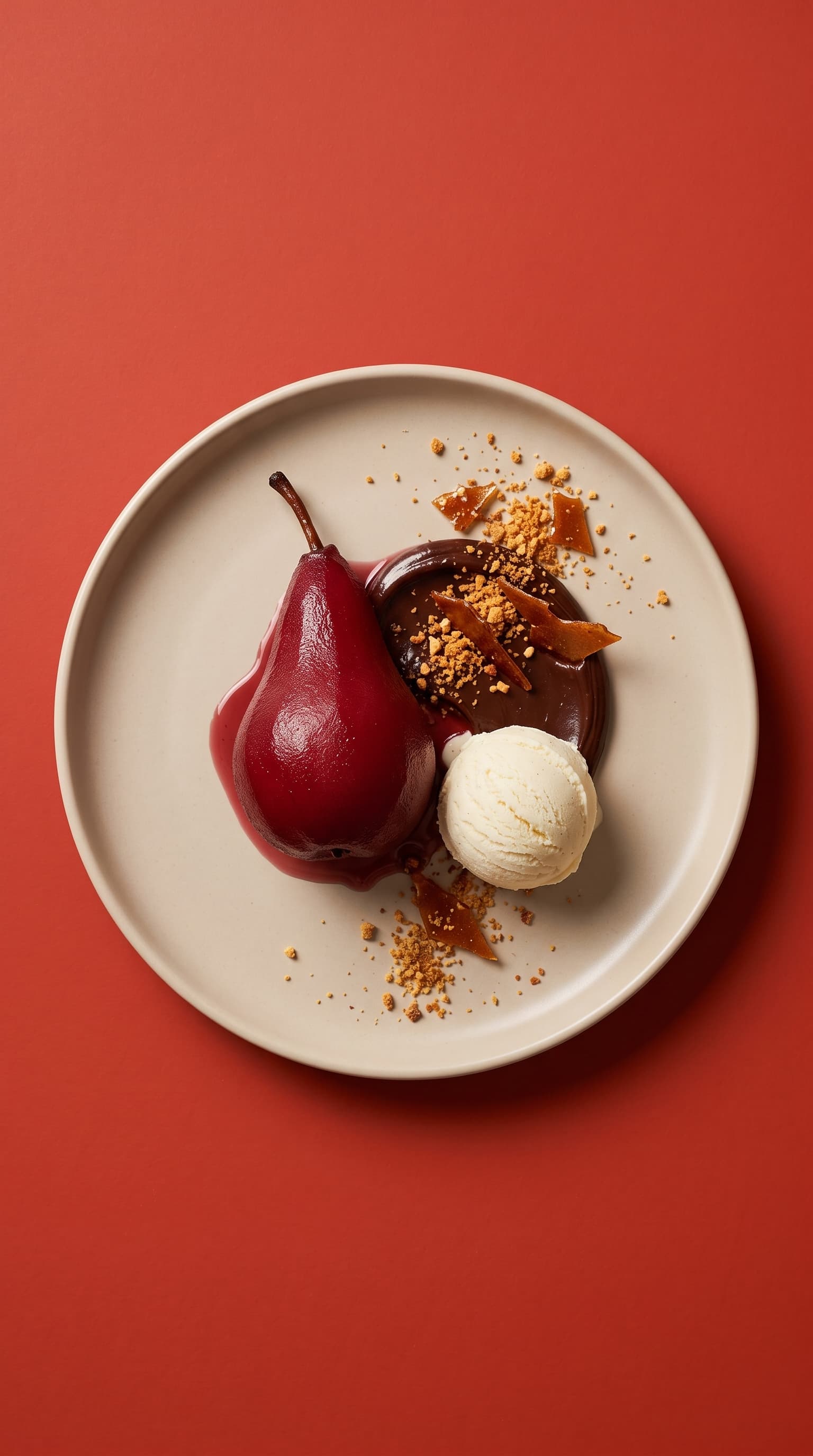
Poires Belle Hélène Recipe with Wine Poached Pears
This poires belle hélène recipe pairs tender red wine poached Conference pears with warm dark chocolate sauce, cold vanilla ice cream, and crisp hazelnut praline. Gentle poaching keeps the pears whole and silky. Plan about 2 hours for cooking and cooling, and serve 4 people right away for the best warm and cold contrast.
150 min · Intermediate · France
Roast Partridge Recipe with Celeriac Mousseline
This roast partridge recipe pairs rosy roasted breast with a crisp confited leg, silky celeriac mousseline, glazed baby carrots, and a glossy juniper-port jus. Dry-brining helps the lean meat stay seasoned and juicy. Allow about 3 hours for cooking and resting, plus overnight dry-brining if you have time. Serves 4.
210 min · Intermediate · France
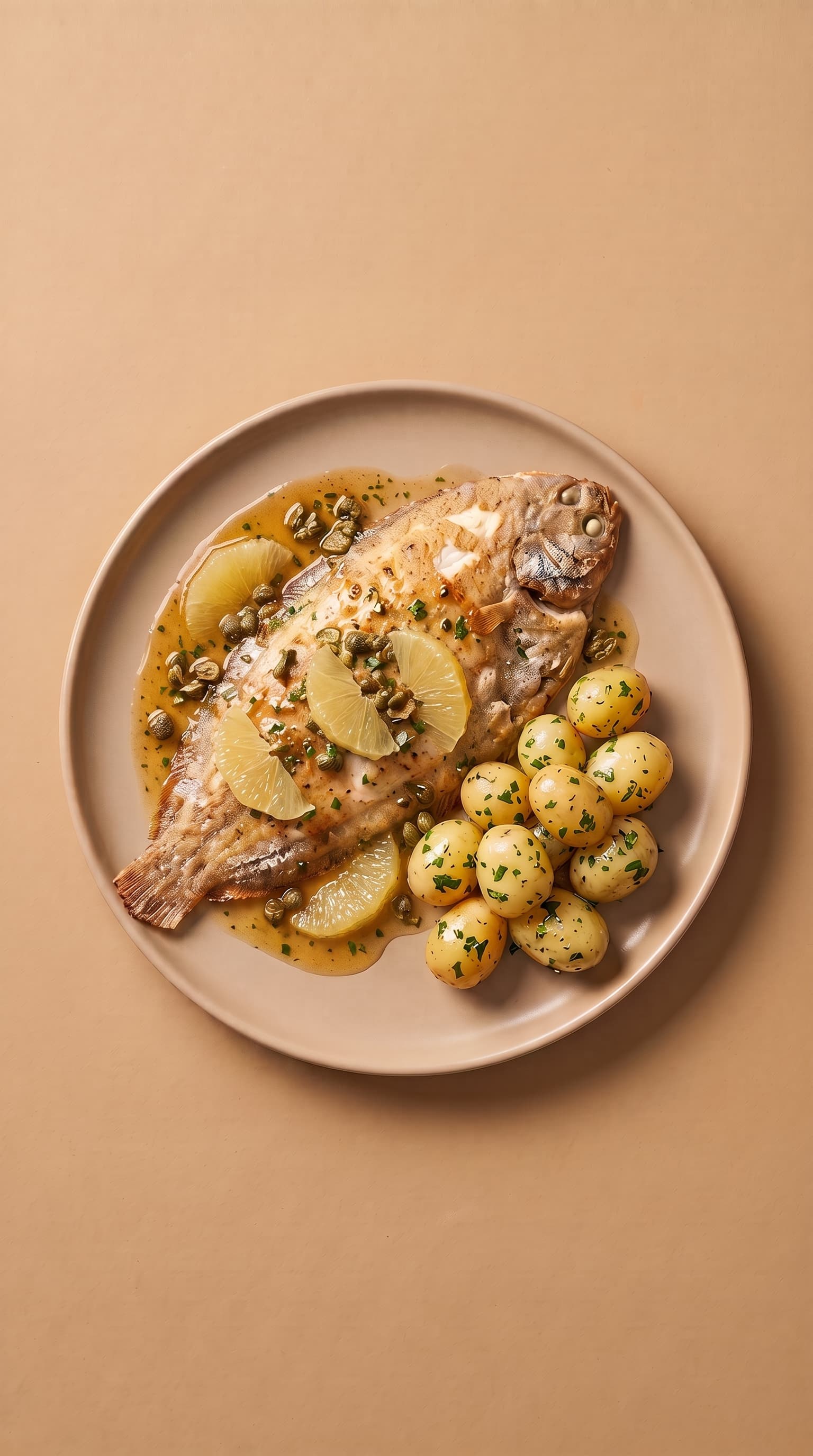
Sole Meunière Recipe with Lemon, Capers and Potatoes
This classic sole meunière recipe features whole Dover sole with a light flour coating, gentle pan-frying, and a warm brown butter sauce with lemon and capers. Serve it with buttery parsley potatoes for an elegant French meal. The dish takes about 55 minutes and serves 4 people.
55 min · Intermediate · France