Sole Meunière Recipe with Lemon, Capers and Potatoes
55 min · Medium · Serves 4
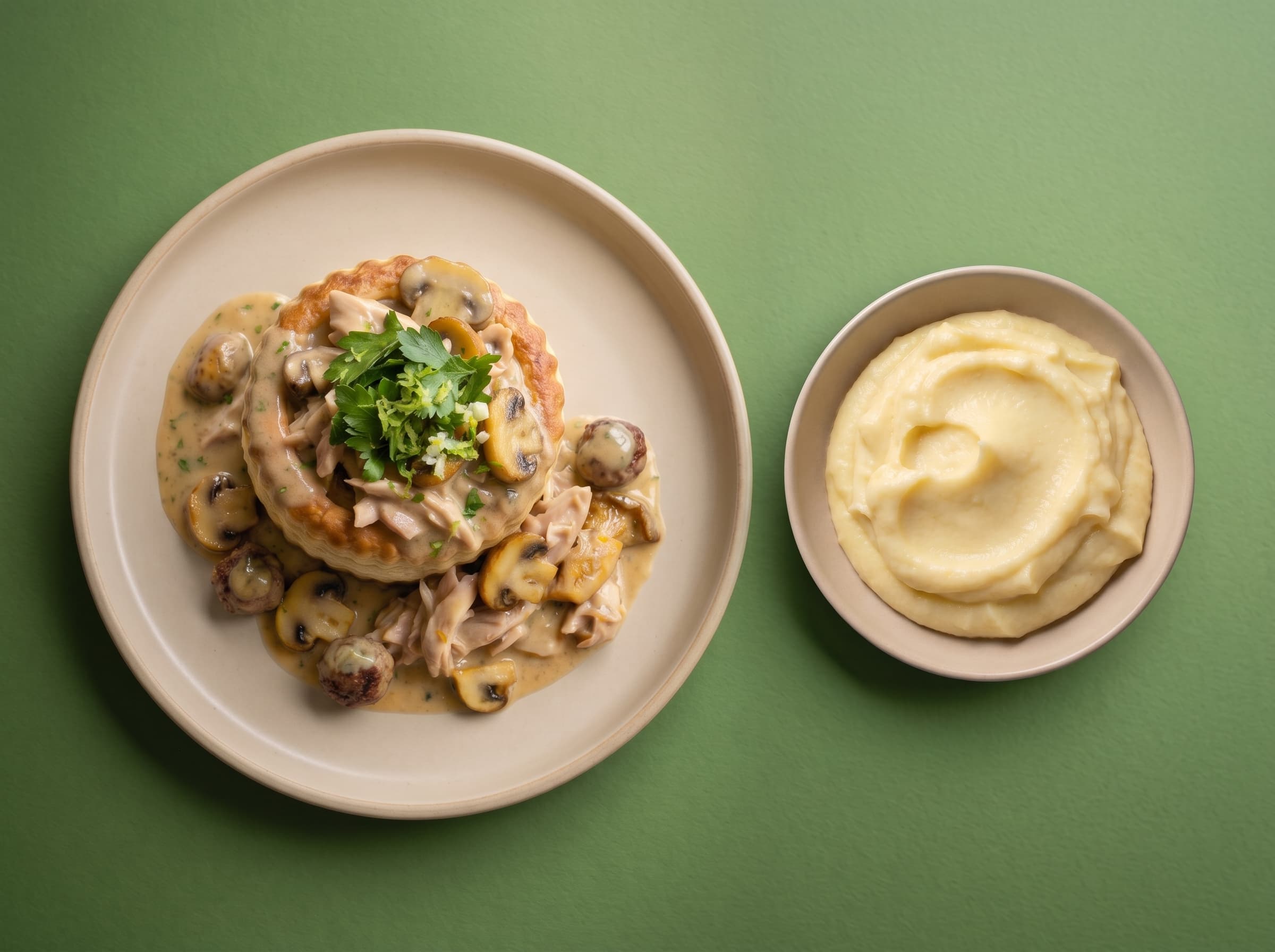 From our menuVol-au-Vent East meets West€19.95 · Made by us, delivered chilled.
This classic sole meunière recipe features whole Dover sole with a light flour coating, gentle pan-frying, and a warm brown butter sauce with lemon and capers. Serve it with buttery parsley potatoes for an elegant French meal. The dish takes about 55 minutes and serves 4 people.
Recipe by Christophe Rammant
Cordon Bleu Paris alumni - Two star Michelin kitchen experience
What Makes This Sole Meunière So Delicate?
Traditional French technique uses only a whisper of flour on the fish. This thin coat turns lightly golden in the pan while keeping the tender sole moist and letting its clean flavor shine.
Professional culinary team know that butter and neutral oil work well together. The oil helps keep the butter from burning too soon, while the butter gives the fish a rich, nutty taste.
Food science shows that lemon and capers balance rich brown butter. Adding them at the end stops the butter from darkening too far and gives each bite a bright, salty finish.
Estimated nutrition per serving
Estimated from ingredient weights, not lab-tested.
- Calories
- 695
- Protein
- 34g
- Fat
- 42g
- Carbohydrates
- 47g
The weekly recipe note
Enjoyed this recipe? Get the next one first.
One new recipe each week from Christophe: global flavor, French technique, and practical home-cook timing.
By signing up, you agree to receive emails from Mr. Saucy.
Ingredients
Recipe yields 4 servings
For the Fish
| Amount | Ingredient | Notes |
|---|---|---|
| 1400 g | Whole Dover sole | 4 fish of approximately 350 g each, skinned, gutted, trimmed, and patted completely dry |
| 45 g | Plain flour | for a very light dusting; some may remain unused |
| 30 g | Neutral oil | such as grapeseed, sunflower, or rapeseed oil |
| 160 g | Unsalted butter | 50 g for the potatoes and 110 g for the beurre noisette |
| 12 g | Fine sea salt | adjust to taste |
| 2 g | White pepper | freshly ground |
For the Parsley Potatoes
| Amount | Ingredient | Notes |
|---|---|---|
| 800 g | Waxy baby potatoes | small and evenly sized |
| 1800 g | Water | for cooking the potatoes |
| 50 g | Unsalted butter | for finishing the potatoes |
| 25 g | Flat-leaf parsley | finely chopped; half for the potatoes and half for the sauce |
| 3 g | Fine sea salt | for the potato cooking water; use approximately 3 g from the total salt |
For the Grenobloise Brown Butter
| Amount | Ingredient | Notes |
|---|---|---|
| 40 g | Capers | rinsed, drained, and roughly chopped if large |
| 120 g | Lemon segments | from 2 lemons, with all membrane and seeds removed |
| 30 g | Fresh lemon juice | from approximately 1 lemon |
| 110 g | Unsalted butter | for the beurre noisette |
| 12.5 g | Flat-leaf parsley | use the remaining half, finely chopped |
Instructions
Prepare the Fish and Potatoes
- 1
Warm and Season the Sole
Bring the Dover sole to room temperature for 15 to 20 minutes. Pat it completely dry, then season both sides with approximately 8 g of the salt and all of the white pepper. Dry fish browns well, while damp fish makes the flour coating gummy.
- 2
Start the Potatoes in Cold Water
Place the potatoes in a saucepan with the water and approximately 3 g of the remaining salt. Bring the water to a gentle simmer, about 185°F / 85°C, and cook for 15 to 20 minutes. Starting in cold water helps the centers cook evenly while the potatoes keep their shape.
- 3
Make the Glossy Parsley Potatoes
Drain the potatoes well and return them to the warm saucepan for 1 minute. This lets surface water evaporate, so the potatoes can absorb the 50 g of butter without becoming watery. Fold in half of the chopped parsley.
Flour and Pan-Fry the Sole
- 4
Dust the Sole Very Lightly
Spread the flour on a wide plate. Dust each sole very lightly on both sides, then shake off all excess until the fish looks barely veiled. A thin coating makes a delicate crust instead of a heavy layer that hides the sole's flavor.
- 5
Warm the Butter and Oil
Heat two large frying pans over medium heat, or plan to cook in batches. Add the oil and half of the remaining butter. The oil helps protect the butter from burning, while the butter brings rich flavor to the fish.
- 6
Cook the First Side Until Golden
When the butter foams but has not browned, place the sole in the pans. Cook gently for 3 to 5 minutes on the first side, depending on thickness, until the underside is golden and the flesh looks opaque halfway up the sides. Moderate heat keeps the thin fish moist.
- 7
Turn and Finish the Fish
Turn the sole carefully with a broad fish spatula. Cook for another 2 to 4 minutes, until the flesh separates readily from the bone or the thickest part feels just firm. Remove the fish as soon as it is cooked because its gentle residual heat will continue cooking it.
- 8
Keep the Cooked Sole Crisp
Transfer the cooked sole to warm plates or a rack. Wipe out any burnt flour from the pans. Clean fat gives the brown butter a sweet, toasted smell instead of a bitter taste.
Make the Brown Butter and Serve
- 9
Brown the Butter with Lemon and Capers
Return the pans to medium heat and add the remaining butter. Let it foam and turn golden brown with a toasted hazelnut aroma. Immediately add the capers, lemon segments, lemon juice, and remaining parsley. The moist, bright ingredients stop the butter from becoming bitter.
- 10
Spoon the Sauce Over the Fish
Spoon the hot beurre noisette over the sole at the final moment. Do not simmer the fish in the sauce, because spooning keeps the fish supple and leaves its light crust delicate and glossy.
- 11
Plate While Everything Is Warm
Arrange the parsley potatoes beside each sole. Spoon the lemon segments and capers evenly over the fish, then serve immediately. The butter smells best while warm, and the fine crust softens if it sits too long.
The weekly recipe note
Enjoyed this recipe? Get the next one first.
One new recipe each week from Christophe: global flavor, French technique, and practical home-cook timing.
By signing up, you agree to receive emails from Mr. Saucy.
Tips & Tricks
The fish is hard to prepare:
Ask the fishmonger to skin and trim the Dover sole, but keep the bones if possible. The bones help the fish hold its shape and make it easier to judge when the flesh is ready.
The flour coating turns sticky:
Pat the fish dry and flour it only a few minutes before frying. Flour pulls moisture to the surface when it sits, so cooking it right away helps the coating stay fine and crisp.
The butter turns black or smells sharp:
Discard it and start again. Black flecks and a sharp smell mean the milk solids have burned, and they will make the final sauce bitter.
The potatoes need to be ready before the fish:
Boil the potatoes up to 30 minutes ahead, drain them, and warm them gently with the butter and parsley just before plating. Do not refrigerate them if serving the same evening, because chilling can make them waxy.
The sole is too large for one pan:
Cook one fish at a time and hold the first loosely covered in a low oven at approximately 158°F / 70°C. Do not stack the fish, because trapped steam will soften the crust.
The fish is hard to prepare:
Ask the fishmonger to skin and trim the Dover sole, but keep the bones if possible. The bones help the fish hold its shape and make it easier to judge when the flesh is ready.
The flour coating turns sticky:
Pat the fish dry and flour it only a few minutes before frying. Flour pulls moisture to the surface when it sits, so cooking it right away helps the coating stay fine and crisp.
The butter turns black or smells sharp:
Discard it and start again. Black flecks and a sharp smell mean the milk solids have burned, and they will make the final sauce bitter.
The potatoes need to be ready before the fish:
Boil the potatoes up to 30 minutes ahead, drain them, and warm them gently with the butter and parsley just before plating. Do not refrigerate them if serving the same evening, because chilling can make them waxy.
The sole is too large for one pan:
Cook one fish at a time and hold the first loosely covered in a low oven at approximately 158°F / 70°C. Do not stack the fish, because trapped steam will soften the crust.
Frequently Asked Questions
Can I use Dover sole fillets instead of whole fish?
Yes. Use four large fillets, approximately 150 to 180 g each, and cook them for about 2 to 3 minutes per side. Fillets are more fragile than whole fish, so turn them with a broad spatula. Remove them as soon as the thickest part becomes opaque.
How do I know when the sole is cooked without a thermometer?
Look at the thickest part near the central bone. The flesh should be opaque but still moist, and it should separate gently when pressed with a knife. If the fish flakes hard or looks dry around the edges, it has cooked too far.
Why did my flour coating become soggy?
The fish was likely damp, over-floured, or left standing after dusting. Pat the sole dry, use only a translucent coating, shake off the excess, and fry it right away. A moderately hot pan helps the flour set quickly instead of absorbing the cooking fat.
Can I prepare the lemon segments in advance?
Yes. Segment the lemons several hours ahead, cover them, and refrigerate them. Bring them close to room temperature before adding them to the brown butter. Cold lemon can cool the butter quickly, while warmer segments help keep the sauce hot and glossy.
What can I use if I do not have a fish spatula?
Use two thin, flexible metal spatulas together. Slide them under the fish from opposite ends and lift gently. Avoid tongs, because they can tear the delicate flour crust and may pull the cooked flesh away from the bone.
Can this sole meunière recipe be made ahead?
Only some parts can be made ahead. Cook the potatoes and prepare the lemon segments early, but cook the sole and brown butter just before serving. Reheating the fish can make it dry, and reheating the sauce can dull its toasted aroma.
Can I use Dover sole fillets instead of whole fish?
Yes. Use four large fillets, approximately 150 to 180 g each, and cook them for about 2 to 3 minutes per side. Fillets are more fragile than whole fish, so turn them with a broad spatula. Remove them as soon as the thickest part becomes opaque.
How do I know when the sole is cooked without a thermometer?
Look at the thickest part near the central bone. The flesh should be opaque but still moist, and it should separate gently when pressed with a knife. If the fish flakes hard or looks dry around the edges, it has cooked too far.
Why did my flour coating become soggy?
The fish was likely damp, over-floured, or left standing after dusting. Pat the sole dry, use only a translucent coating, shake off the excess, and fry it right away. A moderately hot pan helps the flour set quickly instead of absorbing the cooking fat.
Can I prepare the lemon segments in advance?
Yes. Segment the lemons several hours ahead, cover them, and refrigerate them. Bring them close to room temperature before adding them to the brown butter. Cold lemon can cool the butter quickly, while warmer segments help keep the sauce hot and glossy.
What can I use if I do not have a fish spatula?
Use two thin, flexible metal spatulas together. Slide them under the fish from opposite ends and lift gently. Avoid tongs, because they can tear the delicate flour crust and may pull the cooked flesh away from the bone.
Can this sole meunière recipe be made ahead?
Only some parts can be made ahead. Cook the potatoes and prepare the lemon segments early, but cook the sole and brown butter just before serving. Reheating the fish can make it dry, and reheating the sauce can dull its toasted aroma.
Recipe Reviews
No reviews yet — Be the first to review this recipe!
The collection
All recipesPheasant with Grapes, Verjus Jus and Celery Root
This pheasant with grapes recipe pairs juicy roast pheasant with glossy Muscat grapes, sweet caramelised shallots, and bright verjus jus. Gentle pan-roasting keeps the skin crisp, while celery root purée adds silky depth. Plan on about 2 hours for 4 servings, with several parts ready ahead for an easy dinner party.
120 min · Intermediate · France
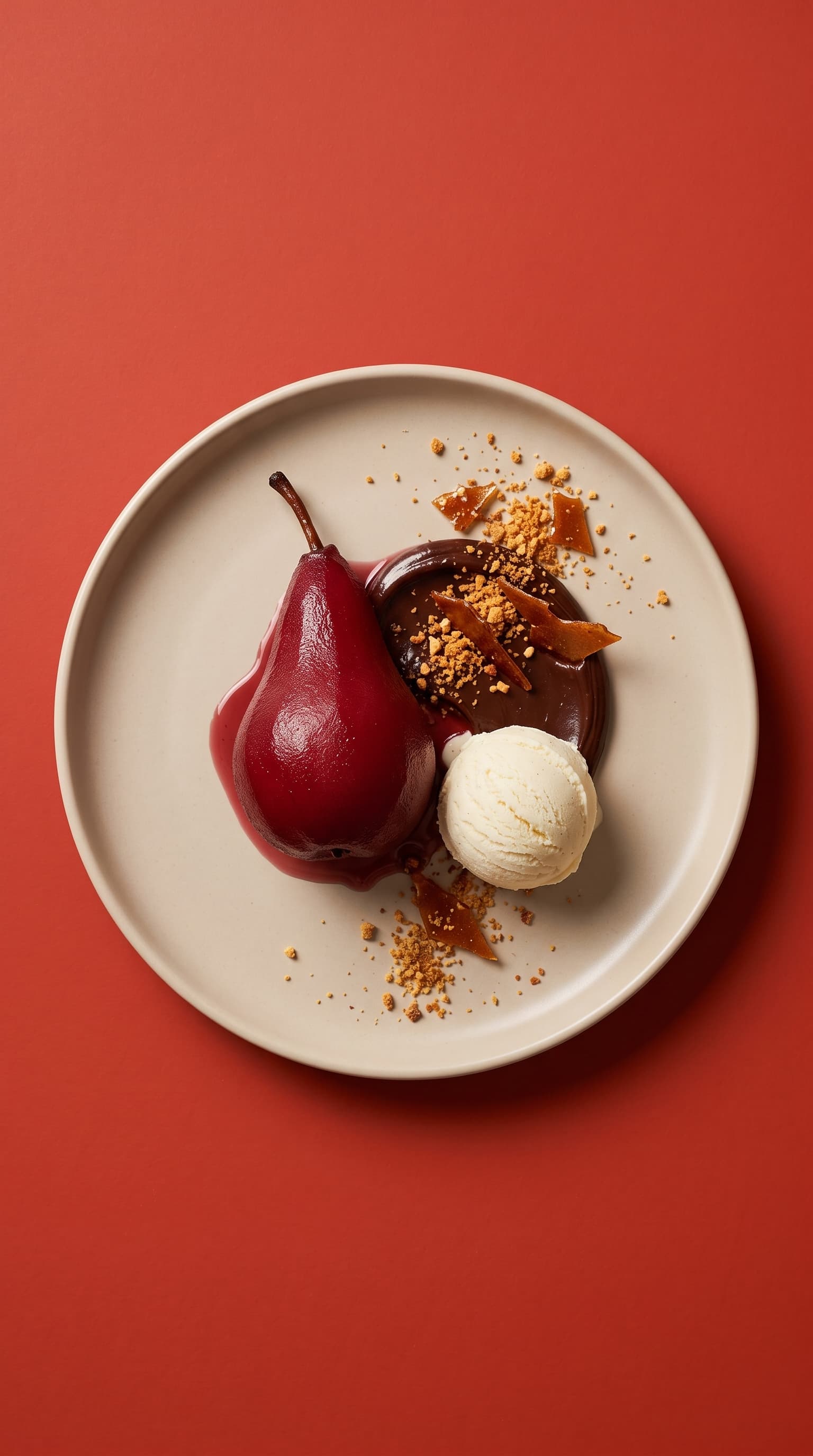
Poires Belle Hélène Recipe with Wine Poached Pears
This poires belle hélène recipe pairs tender red wine poached Conference pears with warm dark chocolate sauce, cold vanilla ice cream, and crisp hazelnut praline. Gentle poaching keeps the pears whole and silky. Plan about 2 hours for cooking and cooling, and serve 4 people right away for the best warm and cold contrast.
150 min · Intermediate · France
Roast Partridge Recipe with Celeriac Mousseline
This roast partridge recipe pairs rosy roasted breast with a crisp confited leg, silky celeriac mousseline, glazed baby carrots, and a glossy juniper-port jus. Dry-brining helps the lean meat stay seasoned and juicy. Allow about 3 hours for cooking and resting, plus overnight dry-brining if you have time. Serves 4.
210 min · Intermediate · France