Salmon Tartare Recipe with Cucumber, Apple and Yuzu Cream
1 hr 15 min · Medium · Serves 4
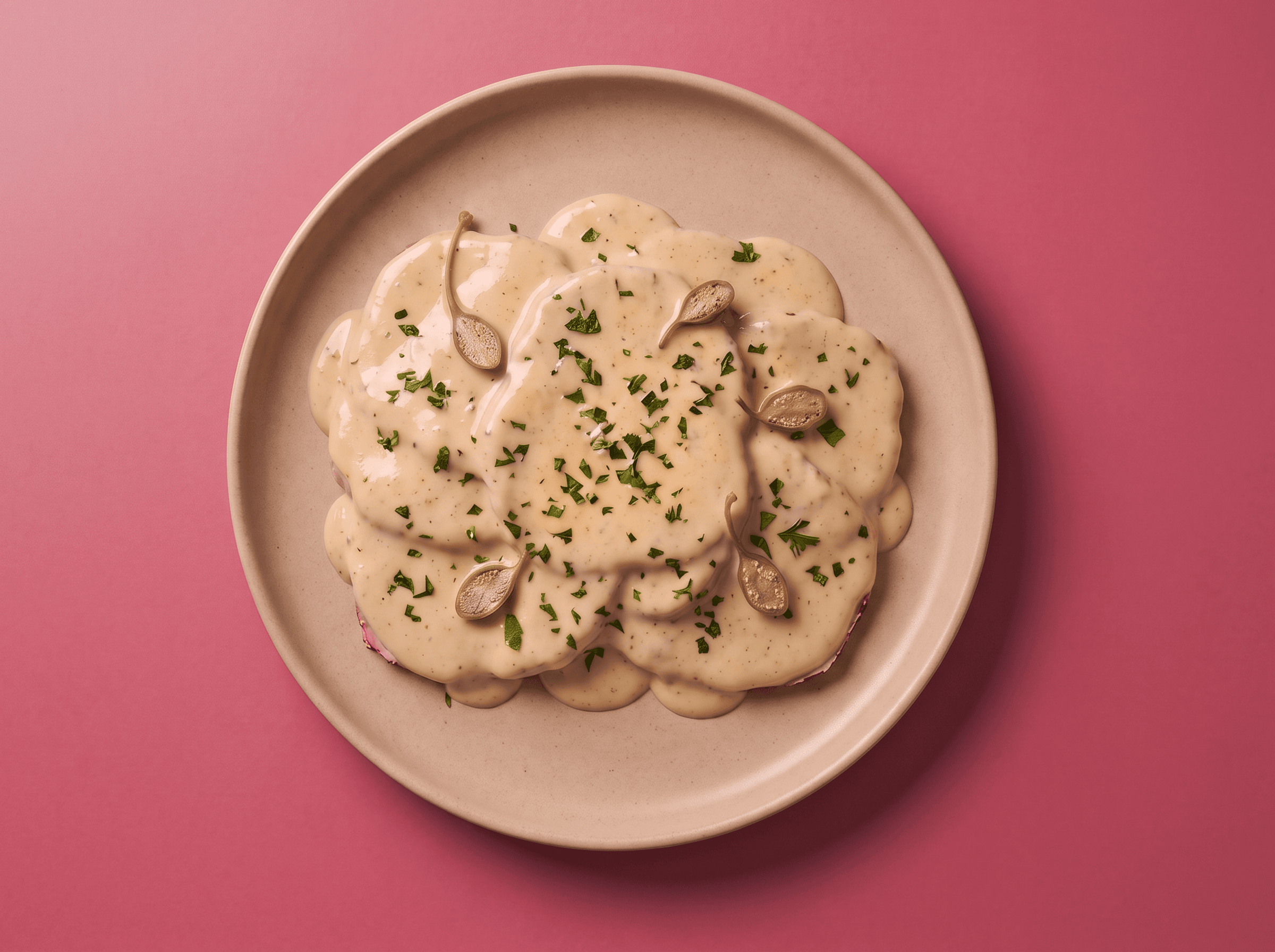 From our menuVitello Tonnato€17.50 · Made by us, delivered chilled.
This salmon tartare recipe layers cold, hand-diced sushi-grade salmon with crisp cucumber and Granny Smith apple, bright chive oil, and a light yuzu crème fraîche. The trick is keeping everything ice-cold and cutting the fish at the last minute so it stays clean, not mushy. In about 75 minutes total, you'll plate an elegant restaurant-style starter for 4.
Recipe by Christophe Rammant
Cordon Bleu Paris alumni - Two star Michelin kitchen experience
Why Does Keeping Everything Cold Make This Tartare So Clean?
Traditional French tartare technique treats cold as the main ingredient. When raw fish warms up, its texture turns soft and pasty and the flavor gets flat, so chilling the salmon, the bowl, and even the plates keeps every bite firm and bright.
Food science shows that a dull knife crushes fish fibers instead of slicing them, forcing out moisture and creating a mushy, watery tartare. A sharp blade and a single clean push-cut keep the salmon's structure intact, so it stays clean-tasting instead of pasty.
Professional culinary team know that little techniques add up to a big difference. Blanching and shocking the chives locks in vivid green color and softens their raw bite, while pressing the tartare into a ring mould turns a loose scoop into a neat, restaurant-style cylinder.
Estimated nutrition per serving
Estimated from ingredient weights, not lab-tested.
- Calories
- 800
- Protein
- 32g
- Fat
- 64g
- Carbohydrates
- 24g
The weekly recipe note
Enjoyed this recipe? Get the next one first.
One new recipe each week from Christophe: global flavor, French technique, and practical home-cook timing.
By signing up, you agree to receive emails from Mr. Saucy.
Ingredients
Recipe yields 4 servings
For the Salmon Tartare
| Amount | Ingredient | Notes |
|---|---|---|
| 480 g | Sushi-grade salmon fillet, skin off and pin-boned | previously frozen at -20°C / -4°F for at least 7 days for parasite safety, then thawed overnight in the fridge; keep ice-cold until the moment of cutting |
| 150 g | English cucumber | peeled, seeds scraped out, cut into 4mm dice - seeds hold water and would make the tartare watery |
| 150 g | Granny Smith apple | cut into 4mm dice, tossed immediately in a little lemon juice to stop browning |
| 15 g | Fresh dill | finely chopped, plus a few extra fronds reserved for garnish |
| 30 g | Shallot | minced very finely, rinsed briefly under cold water to soften the raw bite |
| 1 lemon (zest and juice) | Lemon | used across the apple and the tartare seasoning |
| 30 g | Extra virgin olive oil | a mild, fruity oil so it doesn't fight the salmon |
| 4 g | Fine sea salt | adjust to taste, salmon needs seasoning right before serving, not in advance |
| 1 g | White pepper | freshly ground, milder and cleaner than black pepper for delicate fish |
For the Chive Oil
| Amount | Ingredient | Notes |
|---|---|---|
| 40 g | Fresh chives | for the chive oil |
| 100 g | Grapeseed or other neutral oil | for the chive oil |
For the Yuzu Crème Fraîche
| Amount | Ingredient | Notes |
|---|---|---|
| 120 g | Crème fraîche | full-fat, cold |
| 15 g | Yuzu juice | substitute with a 2:1 mix of fresh lime and lemon juice if unavailable |
For the Rye Crisps
| Amount | Ingredient | Notes |
|---|---|---|
| 120 g | Rye bread, thinly sliced | for homemade crisps; can substitute with 8-12 store-bought thin rye crackers (Scandinavian-style knäckebröd) |
| 20 g | Butter, melted | for brushing the rye slices before baking |
For Garnish
| Amount | Ingredient | Notes |
|---|---|---|
| 40 g | Trout roe | 10 g per portion, kept refrigerated until final plating |
Instructions
Set Up Your Cold Kitchen and Components
- 1
Chill Your Tools (The Cold Chain Starts Here)
Place a metal bowl in the freezer for 20 minutes and keep the salmon on a tray over ice while you work. Raw fish for tartare should never sit at room temperature. Warm fish turns mushy and loses its clean bite, so cold tools and cold fish are non-negotiable.
- 2
Sharpen Your Knife (Clean Cuts, Not Bruises)
Sharpen your knife with a whetstone or honing steel before you start. A dull knife crushes and bruises delicate flesh instead of cutting it cleanly, which releases too much moisture and makes the tartare pasty rather than clean-tasting.
- 3
Make the Chive Oil (Blanch for Bright Color)
Blanch the chives in boiling water (212°F / 100°C) for 10 seconds, then shock immediately in ice water. This quick dip sets a vivid green color and removes any raw, harsh onion bite. Pat dry thoroughly, blend with the neutral oil until smooth, then strain through a fine sieve for a clean, pourable oil.
- 4
Bake the Rye Crisps (Watch Closely)
Brush thin rye bread slices lightly with melted butter and lay them flat on a baking tray. Bake at 160°C / 320°F for 10-12 minutes until dry and crisp, flipping once halfway. Rye scorches faster than wheat bread because of its lower gluten structure, so keep an eye on it.
- 5
Whisk the Yuzu Crème Fraîche (Keep It Cold)
Whisk the cold crème fraîche with yuzu juice and a small pinch of salt until just combined. Do this last and keep it cold, since crème fraîche can loosen and turn runny if overworked or warmed.
Cut and Season the Salmon
- 6
Dice the Salmon (One Clean Push-Cut)
Cut the salmon into neat batons about 5mm wide, then rotate 90 degrees and dice into 5mm cubes. Use a single decisive push-cut with the full length of the blade rather than sawing back and forth, which tears the fibers and warms the fish through friction.
- 7
Keep It Ice-Cold (No Sitting Out)
Move the diced salmon straight into your chilled bowl and keep it in the fridge or over ice while you prep everything else. Never let cut raw fish sit out, even for a few minutes, since it starts weeping liquid quickly once cut.
- 8
Mix the Cucumber and Apple (Just Before Serving)
Dice the cucumber and apple, toss the apple with a little lemon juice, then fold both gently with the minced shallot, chopped dill, lemon zest, a squeeze of lemon juice and the olive oil. Season lightly with salt right before assembling.
- 9
Season the Salmon Last (Protect the Texture)
Fold the salmon separately with a touch of salt, white pepper, a little lemon juice and olive oil only at the very last moment. Seasoning too early draws out moisture and firms the proteins, dulling both texture and flavor.
Assemble and Plate
- 10
Build the Layers (The Ring Mould Trick)
Set a 7cm ring mould in the center of each chilled plate. Spoon in a layer of the cucumber-apple mixture and press gently flat, then top with the seasoned salmon and press lightly to compact. This restaurant technique gives you a clean, tall cylinder shape rather than a loose pile.
- 11
Lift the Mould (One Smooth Motion)
Carefully lift the ring straight up in one smooth motion rather than wiggling it off. Wiggling can collapse the layers you just built.
- 12
Finish and Garnish
Top each tartare with a spoonful of yuzu crème fraîche, a scattering of trout roe, a few drops of chive oil around the plate, and reserved dill fronds. Lean a rye crisp against the side for textural contrast, then serve right away while everything is cold and crisp.
The weekly recipe note
Enjoyed this recipe? Get the next one first.
One new recipe each week from Christophe: global flavor, French technique, and practical home-cook timing.
By signing up, you agree to receive emails from Mr. Saucy.
Tips & Tricks
You're not sure if your salmon is safe to eat raw:
Always buy salmon labeled for raw consumption, or ask your fishmonger specifically for sashimi-grade fish. This means it was frozen at the right temperature and duration to kill parasites, which is a non-negotiable food safety step for any raw fish dish.
Your tartare turns mushy or watery after mixing:
This usually means the salmon was cut too far ahead or seasoned too early. Dice and season the salmon in the final 20-30 minutes before serving, since cut raw fish starts losing its clean texture and weeping liquid within 30-45 minutes.
The tartare seems watery even though the salmon was fine:
Your cucumber probably needed more draining. Next time, salt the diced cucumber lightly and let it sit in a sieve for 10 minutes before patting dry. This pulls out excess water without cooking it.
You feel short on time on the day of serving:
Make the chive oil and rye crisps up to a day ahead. Store the oil refrigerated in a squeeze bottle and keep the crisps in an airtight container at room temperature. This cuts your day-of workload significantly.
You don't own a ring mould:
Use a cleaned tuna can with both ends removed, or a wide cookie cutter. Either works perfectly as a substitute for pressing the tartare into a neat, restaurant-style cylinder.
You're not sure if your salmon is safe to eat raw:
Always buy salmon labeled for raw consumption, or ask your fishmonger specifically for sashimi-grade fish. This means it was frozen at the right temperature and duration to kill parasites, which is a non-negotiable food safety step for any raw fish dish.
Your tartare turns mushy or watery after mixing:
This usually means the salmon was cut too far ahead or seasoned too early. Dice and season the salmon in the final 20-30 minutes before serving, since cut raw fish starts losing its clean texture and weeping liquid within 30-45 minutes.
The tartare seems watery even though the salmon was fine:
Your cucumber probably needed more draining. Next time, salt the diced cucumber lightly and let it sit in a sieve for 10 minutes before patting dry. This pulls out excess water without cooking it.
You feel short on time on the day of serving:
Make the chive oil and rye crisps up to a day ahead. Store the oil refrigerated in a squeeze bottle and keep the crisps in an airtight container at room temperature. This cuts your day-of workload significantly.
You don't own a ring mould:
Use a cleaned tuna can with both ends removed, or a wide cookie cutter. Either works perfectly as a substitute for pressing the tartare into a neat, restaurant-style cylinder.
Frequently Asked Questions
Can I prepare this salmon tartare recipe ahead of time for a dinner party?
Prep the chive oil, rye crisps and yuzu crème fraîche up to a day ahead. Dice the cucumber and apple a few hours ahead and keep chilled. But cut and season the salmon only in the final 20-30 minutes before serving for the cleanest texture and flavor.
Is it safe to eat the salmon raw?
Yes, as long as you use fish labeled sashimi-grade or ask your fishmonger to confirm it was blast-frozen to kill parasites. Keep it refrigerated below 4°C / 39°F at all times and cut it as close to serving as possible, which is standard practice for raw fish preparations worldwide.
What if I can't find yuzu juice?
Yuzu has a unique floral, slightly bitter citrus note, but a mix of two parts fresh lime juice to one part lemon juice gets you close enough. Add it gradually to taste, since the substitute can be sharper than yuzu.
My tartare turned out mushy instead of clean and firm. What went wrong?
This usually means the salmon was cut too far ahead, seasoned too early, or the knife wasn't sharp enough and bruised the flesh. Raw fish releases moisture quickly once cut, so a sharp knife, cold everything, and last-minute seasoning are the three keys to a clean bite.
Can I use a different fish for this salmon tartare recipe?
Yes, a firm, fatty fish like ocean trout or very fresh tuna works well with the same technique. Avoid leaner white fish, since they lack the richness that balances the acidity of the apple, cucumber and yuzu cream.
Do I really need a ring mould for this to work?
It's not essential for the flavor, but it makes a big difference to presentation. The compact cylinder shape feels intentional and restaurant-style rather than a loose scoop. Any small round cutter or even a trimmed can works as a substitute.
Can I prepare this salmon tartare recipe ahead of time for a dinner party?
Prep the chive oil, rye crisps and yuzu crème fraîche up to a day ahead. Dice the cucumber and apple a few hours ahead and keep chilled. But cut and season the salmon only in the final 20-30 minutes before serving for the cleanest texture and flavor.
Is it safe to eat the salmon raw?
Yes, as long as you use fish labeled sashimi-grade or ask your fishmonger to confirm it was blast-frozen to kill parasites. Keep it refrigerated below 4°C / 39°F at all times and cut it as close to serving as possible, which is standard practice for raw fish preparations worldwide.
What if I can't find yuzu juice?
Yuzu has a unique floral, slightly bitter citrus note, but a mix of two parts fresh lime juice to one part lemon juice gets you close enough. Add it gradually to taste, since the substitute can be sharper than yuzu.
My tartare turned out mushy instead of clean and firm. What went wrong?
This usually means the salmon was cut too far ahead, seasoned too early, or the knife wasn't sharp enough and bruised the flesh. Raw fish releases moisture quickly once cut, so a sharp knife, cold everything, and last-minute seasoning are the three keys to a clean bite.
Can I use a different fish for this salmon tartare recipe?
Yes, a firm, fatty fish like ocean trout or very fresh tuna works well with the same technique. Avoid leaner white fish, since they lack the richness that balances the acidity of the apple, cucumber and yuzu cream.
Do I really need a ring mould for this to work?
It's not essential for the flavor, but it makes a big difference to presentation. The compact cylinder shape feels intentional and restaurant-style rather than a loose scoop. Any small round cutter or even a trimmed can works as a substitute.
Recipe Reviews
No reviews yet — Be the first to review this recipe!
The collection
All recipesPheasant with Grapes, Verjus Jus and Celery Root
This pheasant with grapes recipe pairs juicy roast pheasant with glossy Muscat grapes, sweet caramelised shallots, and bright verjus jus. Gentle pan-roasting keeps the skin crisp, while celery root purée adds silky depth. Plan on about 2 hours for 4 servings, with several parts ready ahead for an easy dinner party.
120 min · Intermediate · France
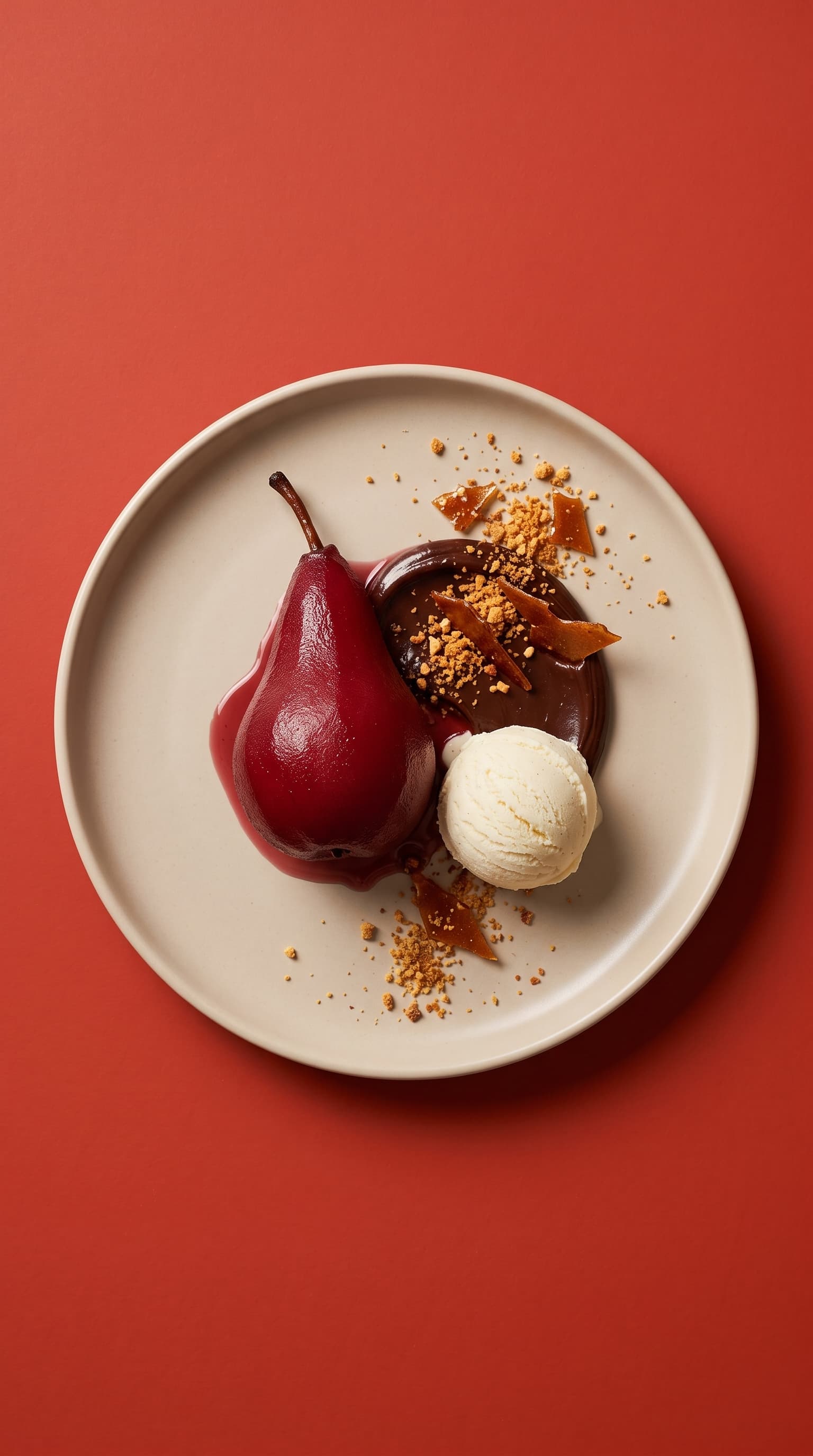
Poires Belle Hélène Recipe with Wine Poached Pears
This poires belle hélène recipe pairs tender red wine poached Conference pears with warm dark chocolate sauce, cold vanilla ice cream, and crisp hazelnut praline. Gentle poaching keeps the pears whole and silky. Plan about 2 hours for cooking and cooling, and serve 4 people right away for the best warm and cold contrast.
150 min · Intermediate · France
Roast Partridge Recipe with Celeriac Mousseline
This roast partridge recipe pairs rosy roasted breast with a crisp confited leg, silky celeriac mousseline, glazed baby carrots, and a glossy juniper-port jus. Dry-brining helps the lean meat stay seasoned and juicy. Allow about 3 hours for cooking and resting, plus overnight dry-brining if you have time. Serves 4.
210 min · Intermediate · France