Roasted Sea Bass Recipe with Crispy Skin and Pastis Beurre Blanc
1 hr 10 min · Medium · Serves 4
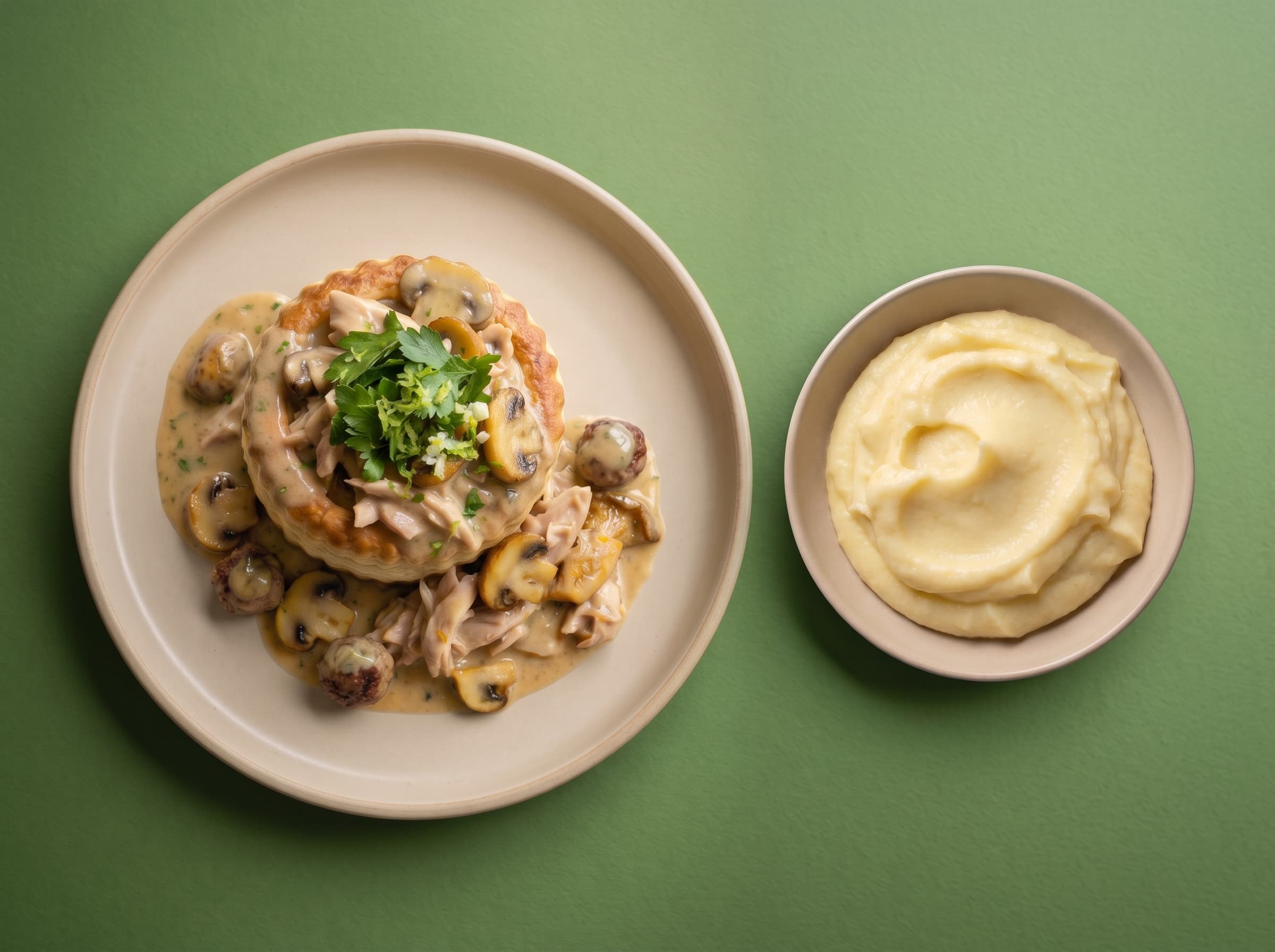 From our menuVol-au-Vent East meets West€19.95 · Made by us, delivered chilled.
This roasted sea bass recipe pairs perfectly crisped, golden skin with a silky, hand-mounted beurre blanc lifted by a whisper of pastis. The trick is patience: dry the fish well, sear it low and steady, then finish the sauce off the heat so it stays glossy. Ready in about 70 minutes, it serves four for an elegant summer dinner.
Recipe by Christophe Rammant
Cordon Bleu Paris alumni - Two star Michelin kitchen experience
What Makes This Roasted Sea Bass Recipe Restaurant-Quality?
Food science shows that moisture is the real enemy of crackly fish skin. Drying the fillets uncovered in the fridge for 30 minutes, then salting and blotting again, pulls surface water away so the skin sears instead of steams the moment it hits a hot pan.
Classical French technique relies on monter au beurre, mounting cold butter into a warm reduction off direct heat, to build a stable emulsion. Whisking in small, cold pieces one at a time keeps the fat suspended in tiny droplets instead of melting into an oily puddle.
Professional culinary team know that delicate aromatics like pastis lose their brightness if they cook too long. Stirring it in right at the very end, after the sauce is already glossy, means that anise lift stays fresh instead of flattening into background bitterness.
Estimated nutrition per serving
Estimated from ingredient weights, not lab-tested.
- Calories
- 758
- Protein
- 40g
- Fat
- 53g
- Carbohydrates
- 22g
The weekly recipe note
Enjoyed this recipe? Get the next one first.
One new recipe each week from Christophe: global flavor, French technique, and practical home-cook timing.
By signing up, you agree to receive emails from Mr. Saucy.
Ingredients
Recipe yields 4 servings
For the Sea Bass
| Amount | Ingredient | Notes |
|---|---|---|
| 720 g (4 fillets, about 180 g each) | Sea bass fillets, skin-on, scaled and pin-boned | patted completely dry |
| 6 g | Fine sea salt | for seasoning fish |
| 20 g | Neutral oil (grapeseed or sunflower) | for searing, has a higher smoke point than butter |
For the Pastis Beurre Blanc
| Amount | Ingredient | Notes |
|---|---|---|
| 220 g | Unsalted butter, cold, cubed | 200 g for mounting the sauce, 20 g for basting the fish |
| 60 g | Shallots, very finely minced | about 2 medium shallots |
| 100 g | Dry white wine | something crisp like Muscadet or Picpoul |
| 30 g | White wine vinegar | provides acidity to balance the richness of the butter |
| 60 g | Noilly Prat (dry French vermouth) | adds herbal, slightly bitter depth |
| 15 g | Pastis (Ricard or Pernod) | about 1 tablespoon, added at the end for a bright anise lift |
| 60 g | Lemon | zest and juice, used to finish both the leeks and the sauce |
For the Leeks and Samphire
| Amount | Ingredient | Notes |
|---|---|---|
| 400 g | Young leeks (baby leeks) | trimmed, washed well, cut into 8 cm batons |
| 180 g | Samphire (sea asparagus) | rinsed well - it's naturally salty, no extra salt needed |
For Serving
| Amount | Ingredient | Notes |
|---|---|---|
| 8 g | Fresh chives, finely snipped | for garnish |
| 3 g | Fleur de sel | for finishing the fish at the table |
Instructions
Prep the Fish and Mise en Place
- 1
Dry the Fillets (The Non-Negotiable Step)
Pat the sea bass fillets completely dry with paper towel, then leave them uncovered on a rack in the fridge for 30 minutes before cooking. Any surface moisture left on the fish will turn to steam in the hot pan and stop the skin from crisping, so dry skin really is the whole game here.
- 2
Score and Season
Score the skin side lightly with 3-4 shallow diagonal cuts per fillet, just through the skin, so it doesn't curl in the hot pan and renders evenly. Season both sides with fine sea salt about 10 minutes before cooking, then blot dry again right before it goes in the pan.
- 3
Get the Vegetables Ready
Trim the leeks into 8 cm batons and rinse the samphire well. Having everything cut and ready means you can move quickly later, since the fish and sauce both need your full attention once cooking starts.
Build the Sauce Base and Blanch the Leeks
- 4
Reduce the Shallot Base
Combine the minced shallots, white wine, white wine vinegar and Noilly Prat in a small saucepan and reduce over medium heat until only about 2-3 tablespoons of syrupy liquid remain. This concentrated reduction is the flavor backbone the whole sauce is built on, so don't rush it.
- 5
Blanch the Leeks
Blanch the leek batons in well-salted boiling water for 2-3 minutes until just tender but still bright green, then shock them in ice water. This stops the cooking instantly and locks in that fresh green color.
Sear the Sea Bass to a Crisp Skin
- 6
Heat the Pan and Lay the Fish Down
Heat a heavy, ovenproof pan (stainless steel or cast iron, not non-stick) over medium-high until it's properly hot, then add the neutral oil. Lay the fillets skin-side down and press gently with a fish spatula for the first 10 seconds so the whole skin makes contact for even crisping.
- 7
Let the Skin Render Undisturbed
Cook skin-side down for 4-5 minutes without moving the fish, basting the exposed flesh once or twice with a small knob of butter melted at the pan's edge. Resist the urge to flip early. The skin needs this full time to fully render and release cleanly.
- 8
Flip and Finish
Once the skin is deeply golden and releases easily from the pan, flip the fillets and finish for 1-2 minutes on the flesh side, or transfer the pan to a 200°C / 392°F oven for 2-3 minutes if the fillets are thick. The fish is done when it just begins to flake and the center is still faintly translucent.
- 9
Rest the Fish
Rest the fish skin-side up on a warm plate for 2-3 minutes while you finish everything else. Resting lets the juices settle back through the flesh and keeps that crisp skin from softening under trapped steam.
Finish the Vegetables, Mount the Sauce, and Plate
- 10
Warm the Leeks
Gently reheat the blanched leeks in a small pan with a knob of butter, a squeeze of lemon juice and a pinch of salt just until glossy and warmed through.
- 11
Toss the Samphire
In the same pan, quickly toss the rinsed samphire in a little butter over medium heat for 60-90 seconds, just to warm it through. It's naturally briny and crunchy, and overcooking turns it limp and dull, so keep it fast.
- 12
Mount the Beurre Blanc (Monter au Beurre)
Return the shallot reduction to low heat, then take it off the heat and whisk in the cold butter cubes two or three pieces at a time, waiting for each addition to fully melt and emulsify before adding more. Working off direct heat with cold butter is what keeps this emulsion stable instead of breaking into an oily puddle.
- 13
Add the Pastis and Lemon
Once all the butter is incorporated and the sauce is pale, glossy and coats the back of a spoon, stir in the pastis and a squeeze of lemon juice. Adding it right at the very end keeps that bright anise aroma from cooking off. Strain through a fine sieve for a smooth finish, or leave it rustic - both are correct.
- 14
Plate the Dish
Plate the leeks and samphire first, set the fish skin-side up on top, and spoon the beurre blanc around, not over, the fish to protect the crisp skin. Finish with a scatter of chives and a pinch of fleur de sel just before serving.
The weekly recipe note
Enjoyed this recipe? Get the next one first.
One new recipe each week from Christophe: global flavor, French technique, and practical home-cook timing.
By signing up, you agree to receive emails from Mr. Saucy.
Tips & Tricks
your fish skin turns soggy instead of crisp:
Dry the fillets thoroughly, salt them ahead of time, and pat dry again right before they go in the pan. There's no shortcut around this step - moisture is the single biggest cause of soggy skin.
your beurre blanc looks like it's about to split (thin and oily instead of thick and glossy):
Pull it off the heat immediately and whisk in one more cube of very cold butter. The temperature shock helps bring the emulsion back together.
you want less last-minute stress with the sauce:
Make the shallot reduction up to a day ahead and keep it in the fridge. You can then finish the emulsion with the butter in under 5 minutes right before serving, just like in a professional kitchen.
you can't find samphire:
Thin ribbons of blanched green beans or even fine asparagus tips make a reasonable substitute for the texture, though you'll lose the natural sea-salt brininess.
your pan isn't large enough to fit all four fillets without crowding:
Cook the fish in two batches instead. Overcrowding drops the pan temperature and steams the fish instead of crisping it.
your fish skin turns soggy instead of crisp:
Dry the fillets thoroughly, salt them ahead of time, and pat dry again right before they go in the pan. There's no shortcut around this step - moisture is the single biggest cause of soggy skin.
your beurre blanc looks like it's about to split (thin and oily instead of thick and glossy):
Pull it off the heat immediately and whisk in one more cube of very cold butter. The temperature shock helps bring the emulsion back together.
you want less last-minute stress with the sauce:
Make the shallot reduction up to a day ahead and keep it in the fridge. You can then finish the emulsion with the butter in under 5 minutes right before serving, just like in a professional kitchen.
you can't find samphire:
Thin ribbons of blanched green beans or even fine asparagus tips make a reasonable substitute for the texture, though you'll lose the natural sea-salt brininess.
your pan isn't large enough to fit all four fillets without crowding:
Cook the fish in two batches instead. Overcrowding drops the pan temperature and steams the fish instead of crisping it.
Frequently Asked Questions
Can I make the beurre blanc ahead of time?
Make the shallot-wine-vermouth reduction up to a day ahead and refrigerate it. However, mount the butter into the sauce only at the very last moment before serving - a finished beurre blanc doesn't hold well and will separate if reheated or left standing too long.
What if I don't have Noilly Prat?
Any good dry French vermouth works as a substitute. If you have neither, increase the dry white wine slightly and add a small pinch of dried thyme to the reduction for a similar herbal note - it won't be identical, but it stays in the same flavor family.
Why did my sauce split or turn oily?
This almost always means the butter melted too fast because the pan was too hot. Beurre blanc is an emulsion held together by rapid whisking at a gentle temperature - keep the heat low or off entirely, add butter in small pieces, and whisk constantly rather than stirring.
Can I use frozen sea bass fillets?
Yes, thaw them slowly in the fridge overnight, then pat them extremely dry. Frozen fish releases more moisture as it defrosts, so this step matters even more than usual for getting crisp skin.
How much pastis is too much?
Start with the amount given and taste before adding more. Pastis is concentrated and its anise flavor intensifies as it sits in the warm sauce, so it's easy to overshoot. A restrained hand keeps it as a background note rather than the dominant flavor.
What can I serve alongside this?
Keep it simple and coastal - boiled new potatoes with a little butter and parsley, or a plain green salad. The dish is already rich with butter and bright with acidity, so a starchy but unadorned side works best without competing with the sauce.
What's the best way to get crispy skin in a roasted sea bass recipe?
The secret is removing every trace of moisture before the fish hits the pan. Dry the fillets, chill them uncovered for 30 minutes, salt early, then blot dry again. A hot, heavy pan and patience while the skin renders untouched for 4-5 minutes finish the job.
Can I make the beurre blanc ahead of time?
Make the shallot-wine-vermouth reduction up to a day ahead and refrigerate it. However, mount the butter into the sauce only at the very last moment before serving - a finished beurre blanc doesn't hold well and will separate if reheated or left standing too long.
What if I don't have Noilly Prat?
Any good dry French vermouth works as a substitute. If you have neither, increase the dry white wine slightly and add a small pinch of dried thyme to the reduction for a similar herbal note - it won't be identical, but it stays in the same flavor family.
Why did my sauce split or turn oily?
This almost always means the butter melted too fast because the pan was too hot. Beurre blanc is an emulsion held together by rapid whisking at a gentle temperature - keep the heat low or off entirely, add butter in small pieces, and whisk constantly rather than stirring.
Can I use frozen sea bass fillets?
Yes, thaw them slowly in the fridge overnight, then pat them extremely dry. Frozen fish releases more moisture as it defrosts, so this step matters even more than usual for getting crisp skin.
How much pastis is too much?
Start with the amount given and taste before adding more. Pastis is concentrated and its anise flavor intensifies as it sits in the warm sauce, so it's easy to overshoot. A restrained hand keeps it as a background note rather than the dominant flavor.
What can I serve alongside this?
Keep it simple and coastal - boiled new potatoes with a little butter and parsley, or a plain green salad. The dish is already rich with butter and bright with acidity, so a starchy but unadorned side works best without competing with the sauce.
What's the best way to get crispy skin in a roasted sea bass recipe?
The secret is removing every trace of moisture before the fish hits the pan. Dry the fillets, chill them uncovered for 30 minutes, salt early, then blot dry again. A hot, heavy pan and patience while the skin renders untouched for 4-5 minutes finish the job.
Recipe Reviews
No reviews yet — Be the first to review this recipe!
The collection
All recipesPheasant with Grapes, Verjus Jus and Celery Root
This pheasant with grapes recipe pairs juicy roast pheasant with glossy Muscat grapes, sweet caramelised shallots, and bright verjus jus. Gentle pan-roasting keeps the skin crisp, while celery root purée adds silky depth. Plan on about 2 hours for 4 servings, with several parts ready ahead for an easy dinner party.
120 min · Intermediate · France
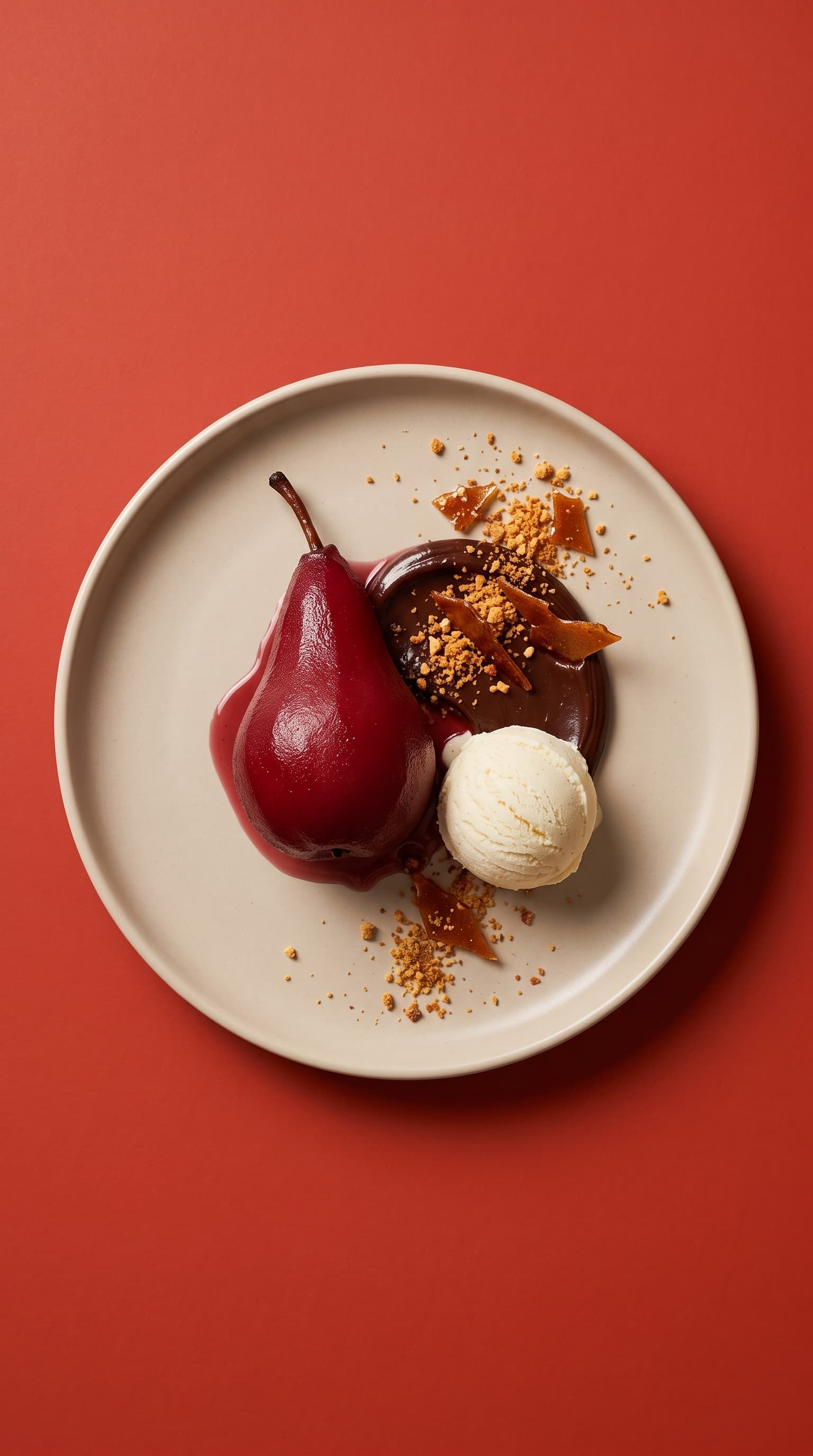
Poires Belle Hélène Recipe with Wine Poached Pears
This poires belle hélène recipe pairs tender red wine poached Conference pears with warm dark chocolate sauce, cold vanilla ice cream, and crisp hazelnut praline. Gentle poaching keeps the pears whole and silky. Plan about 2 hours for cooking and cooling, and serve 4 people right away for the best warm and cold contrast.
150 min · Intermediate · France
Roast Partridge Recipe with Celeriac Mousseline
This roast partridge recipe pairs rosy roasted breast with a crisp confited leg, silky celeriac mousseline, glazed baby carrots, and a glossy juniper-port jus. Dry-brining helps the lean meat stay seasoned and juicy. Allow about 3 hours for cooking and resting, plus overnight dry-brining if you have time. Serves 4.
210 min · Intermediate · France