Roast Pigeon Recipe with Blackberry Red Wine Jus
17 hrs 30 min · Advanced · Serves 4
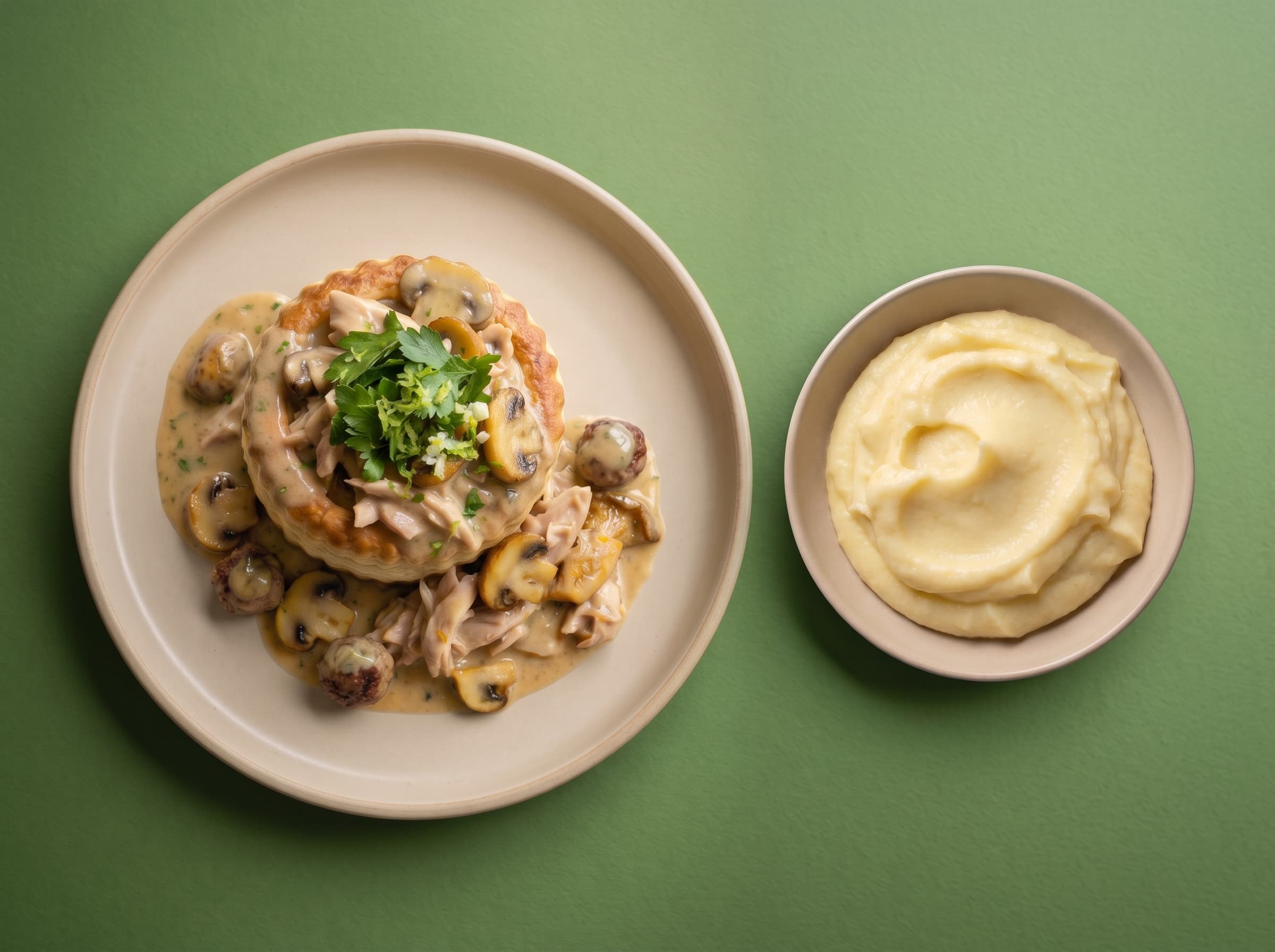 From our menuVol-au-Vent East meets West€19.95 · Made by us, delivered chilled.
This roast pigeon recipe gives you tender, fully cooked breast meat and soft, falling-apart legs. Slow-braise the legs, gently roast the breasts under cover, then finish both at high heat. Serve with blackberry red wine jus, glazed baby beetroot, and bitter leaves. Plan about 17 hours, including chilling and overnight seasoning, for 4 people.
Recipe by Christophe Rammant
Cordon Bleu Paris alumni - Two star Michelin kitchen experience
What Makes This Roast Pigeon So Tender?
Traditional French game cookery separates the legs from the breasts because each piece needs a different kind of heat. Slow braising makes the leg meat soft, while covered roasting keeps the lean breast moist as it reaches 165°F / 74°C.
Food science shows that gentle heat helps connective tissue turn silky without squeezing the meat dry. The brief hot finish then adds light browning and crisp pancetta while the inside stays juicy.
Professional culinary team know that a reduced sauce brings the whole plate together. Red wine, blackberry, juniper, and cold butter create a dark, silky jus that balances the rich pigeon and sweet beetroot.
The weekly recipe note
Enjoyed this recipe? Get the next one first.
One new recipe each week from Christophe: global flavor, French technique, and practical home-cook timing.
By signing up, you agree to receive emails from Mr. Saucy.
Ingredients
Recipe yields 4 servings
For the Pigeon and Leg Parcels
| Amount | Ingredient | Notes |
|---|---|---|
| 1800 g | Whole pigeons | 4 pigeons of about 450 g each; ask the butcher to remove the breasts and legs and reserve the carcasses |
| 24 g | Fine sea salt | about 12 g for seasoning the pigeon; the rest is used in the other parts of the dish |
| 5 g | Black pepper | for seasoning the pigeon |
| 100 g | Unsalted butter | divided between the pigeon, leg parcels, beetroot, and jus |
| 35 g | Neutral cooking oil | for browning the legs and roasting the carcasses |
| 120 g | Pancetta | thinly sliced for wrapping the parcels |
| 160 g | Savoy cabbage leaves | 8 large leaves, blanched and dried |
| 180 g | Shallots | finely diced; divided between the braise and filling |
| 180 g | Chestnut mushrooms | finely chopped |
| 120 g | Carrot | diced |
| 80 g | Celery | diced |
| 25 g | Garlic | crushed and divided between the braise and filling |
| 8 g | Fresh thyme | divided between the braise and breast roast |
| 4 g | Fresh rosemary | for the braise |
| 650 g | Dry red wine | divided between the braise, jus, and blackberry pickle |
| 1100 g | Unsalted game, chicken, or veal stock | hot; divided between the braise, breast roast, and jus |
| 500 g | Pigeon or game carcasses | reserved from the pigeons, plus extra carcasses if available |
For the Glazed Beetroot
| Amount | Ingredient | Notes |
|---|---|---|
| 600 g | Baby beetroot | trimmed and scrubbed |
| 35 g | Clear honey | for the glaze |
| 45 g | Sherry vinegar | 20 g for the beetroot glaze and the rest for the blackberry pickle |
For the Jus and Blackberry Pickle
| Amount | Ingredient | Notes |
|---|---|---|
| 260 g | Fresh blackberries | 160 g for the jus and 100 g for the pickle |
| 25 g | Caster sugar | for the blackberry pickle |
| 3 g | Juniper berries | lightly crushed |
For the Bitter Leaf Salad
| Amount | Ingredient | Notes |
|---|---|---|
| 120 g | Bitter salad leaves | such as radicchio, frisée, mustard greens, or Belgian endive |
| 20 g | Lemon juice | for dressing the leaves |
| 25 g | Extra-virgin olive oil | for dressing the leaves |
Instructions
Season and Prepare
- 1
Dry Season the Pigeon
Season the breasts and legs with about 12 g salt and all the pepper. Leave them uncovered in the refrigerator for 4 to 12 hours. This lets the seasoning move into the meat and dries the surface for better browning.
- 2
Soften the Cabbage Leaves
Blanch the cabbage leaves in boiling salted water for 45 seconds, then cool them in ice water and dry them very well. Soft, dry leaves wrap neatly and will brown better later.
Braise and Build the Leg Parcels
- 3
Brown the Pigeon Legs
Heat 15 g oil in a heavy ovenproof casserole. Brown the legs on every side, then set them aside. Deep golden color gives the braise a rich roasted flavor.
- 4
Build the Braising Base
Add half the shallots, carrot, celery, half the garlic, thyme, and rosemary. Cook for 5 minutes until lightly colored. Add 250 g red wine and reduce it by about two-thirds so the sauce tastes deep, not harsh or alcoholic.
- 5
Slow-Braise the Legs
Return the legs to the casserole and add 500 g hot stock. Cover tightly and cook at 293°F / 145°C for 2 to 2 1/2 hours. The liquid should barely simmer, and the meat is ready when a fork slips from the bone easily.
- 6
Pick the Warm Leg Meat
Remove the tender legs and strain the braising liquid into a saucepan. Pick the meat from the bones while it is warm, discarding skin, sinew, and small bones. Warm meat separates cleanly and makes a soft filling.
- 7
Cook the Mushroom Filling
Cook the remaining shallots, mushrooms, and garlic in 25 g butter until all moisture has gone and the mixture smells nutty. Season lightly, cool it, and mix it with the picked pigeon. A dry filling keeps the parcels firm.
- 8
Wrap and Chill the Parcels
Overlap two cabbage leaves, add one quarter of the pigeon mixture, and fold into a neat parcel. Wrap with 30 g pancetta and repeat to make four parcels. Chill for at least 30 minutes so they hold their shape in the oven.
Roast the Breast and Finish the Parcels
- 9
Gently Roast the Breasts
Place the breasts skin-side up in a snug covered roasting dish with 30 g butter, 150 g hot stock, the remaining thyme, and a pinch of salt. Cover with parchment and foil, then roast at 284°F / 140°C for 35 to 50 minutes. The moist cover protects the lean meat.
- 10
Check for Safe Doneness
Check the thickest part of each breast. It should be opaque, tender, and reach at least 165°F / 74°C. If it is still translucent, cover and roast in 10-minute steps. This dish is made with fully cooked pigeon, not pink meat.
- 11
Add the High-Heat Finish
Raise the oven to 410°F / 210°C. Uncover the breasts, brush them with their juices, and roast for 6 to 10 minutes until lightly bronzed. Roast the chilled parcels at the same time for 12 to 15 minutes, until the pancetta is crisp and the centre is hot.
Make the Sides, Jus, and Plate
- 12
Cook the Baby Beetroot
Simmer the beetroot in lightly salted water for 25 to 35 minutes, depending on size. A knife should enter with slight resistance. Drain, peel while warm, and halve any large roots so they glaze evenly.
- 13
Glaze the Beetroot
Reduce the beetroot cooking liquid to about 100 g. Add the honey, 20 g sherry vinegar, and 20 g butter. Toss in the beetroot and cook until glossy. The sweet, sharp glaze keeps the earthy beetroot bright.
- 14
Roast the Carcasses for the Jus
Roast the reserved carcasses in a lightly oiled tray at 430°F / 220°C for 20 to 25 minutes, until richly golden. Transfer them to a saucepan. Deglaze the tray with the remaining red wine, then add the strained braising liquid, remaining stock, juniper, and 160 g blackberries.
- 15
Reduce and Finish the Jus
Simmer the jus gently for 45 minutes, then strain without pressing the solids. Reduce until it coats the back of a spoon. Whisk in 30 g cold butter just before serving for a smooth, silky finish.
- 16
Quick-Pickle the Blackberries
Warm 100 g red wine with the sugar and remaining sherry vinegar. Pour it over the remaining 100 g blackberries and cool for at least 30 minutes. The short pickle keeps the berries whole while adding sharpness.
- 17
Dress the Bitter Leaves
Toss the bitter leaves with the olive oil, lemon juice, and a pinch of salt just before plating. Last-minute dressing keeps them crisp and gives a fresh counterpoint to the rich pigeon.
- 18
Plate the Pigeon
Place one hot leg parcel and several slices or large pieces of fully cooked breast on each plate. Add the glazed beetroot, spoon the blackberry red wine jus around the meat, and finish with pickled blackberries and bitter leaves. Keep the garnish light so the pigeon stays the star.
The weekly recipe note
Enjoyed this recipe? Get the next one first.
One new recipe each week from Christophe: global flavor, French technique, and practical home-cook timing.
By signing up, you agree to receive emails from Mr. Saucy.
Tips & Tricks
your leg braise is boiling hard:
Lower the heat until the liquid barely trembles. A hard boil tightens pigeon fibers and can make the sauce cloudy, while a gentle simmer slowly makes the meat tender.
the breast seems dry:
Slice it thickly and serve it with plenty of jus. Pigeon is naturally lean, so the covered roast and sauce help keep it moist. Do not reheat the breast more than once.
you need less work on serving day:
Make the leg parcels, pickled blackberries, beetroot, and jus one day ahead. Refrigerate them separately. Reheat the parcels and beetroot gently, warm the jus, and roast the breasts close to serving.
you cannot find pigeon carcasses:
Use a strong unsalted game or veal stock and reduce it further. The jus will taste less specifically of pigeon, but the blackberry, juniper, and red wine flavors will still work well.
the blackberry jus tastes too sweet or sharp:
If it is too sweet, add a few drops of sherry vinegar. If it is too sharp, whisk in another small piece of cold butter. Taste only after reducing, since the flavors become stronger as water cooks away.
your leg braise is boiling hard:
Lower the heat until the liquid barely trembles. A hard boil tightens pigeon fibers and can make the sauce cloudy, while a gentle simmer slowly makes the meat tender.
the breast seems dry:
Slice it thickly and serve it with plenty of jus. Pigeon is naturally lean, so the covered roast and sauce help keep it moist. Do not reheat the breast more than once.
you need less work on serving day:
Make the leg parcels, pickled blackberries, beetroot, and jus one day ahead. Refrigerate them separately. Reheat the parcels and beetroot gently, warm the jus, and roast the breasts close to serving.
you cannot find pigeon carcasses:
Use a strong unsalted game or veal stock and reduce it further. The jus will taste less specifically of pigeon, but the blackberry, juniper, and red wine flavors will still work well.
the blackberry jus tastes too sweet or sharp:
If it is too sweet, add a few drops of sherry vinegar. If it is too sharp, whisk in another small piece of cold butter. Taste only after reducing, since the flavors become stronger as water cooks away.
Frequently Asked Questions
Can I roast the pigeons whole instead of separating the breasts and legs?
You can, but separating them works better for this roast pigeon recipe. The legs need slow cooking to become tender, while the breasts need shorter, gentler roasting. Whole birds may leave the legs firm by the time the breast is ready, or dry the breast while the legs soften.
How do I know the pigeon is fully cooked without a thermometer?
Cut into the thickest breast only when needed. The meat should be opaque all the way through, with no ruby center, and the juices should be clear to lightly bronze. The leg meat should pull away from the bone easily. A thermometer is safer, with a target of at least 165°F / 74°C.
Can I prepare this dish completely in advance?
Yes, most parts can be made ahead. Prepare the legs, parcels, beetroot, jus, and pickled blackberries up to two days early. For the best texture, cook the breasts on serving day. If needed, cool everything quickly, refrigerate it, and reheat covered only once.
Why did my jus become bitter?
Bitter jus often comes from burned carcasses, blackened pan juices, too much juniper, or pressed blackberry solids. Use only dark-golden roasting juices and strain gently. A little cold butter and a few drops of vinegar may soften bitterness, but burned flavors cannot be completely removed.
What can I use instead of cabbage for the leg parcels?
Use thinly blanched Swiss chard leaves or thin slices of pancetta alone. Chard is more delicate, so fold it carefully. If using pancetta alone, chill the parcels well before roasting. This keeps the picked pigeon meat together while the outside becomes crisp.
Can I use chicken stock instead of game stock?
Yes, chicken stock is a good choice if game stock is not available. Choose an unsalted stock so the reduced jus does not become too salty. Because chicken stock has a lighter flavor, reduce the sauce until it coats a spoon, then adjust the balance at the end.
Can I roast the pigeons whole instead of separating the breasts and legs?
You can, but separating them works better for this roast pigeon recipe. The legs need slow cooking to become tender, while the breasts need shorter, gentler roasting. Whole birds may leave the legs firm by the time the breast is ready, or dry the breast while the legs soften.
How do I know the pigeon is fully cooked without a thermometer?
Cut into the thickest breast only when needed. The meat should be opaque all the way through, with no ruby center, and the juices should be clear to lightly bronze. The leg meat should pull away from the bone easily. A thermometer is safer, with a target of at least 165°F / 74°C.
Can I prepare this dish completely in advance?
Yes, most parts can be made ahead. Prepare the legs, parcels, beetroot, jus, and pickled blackberries up to two days early. For the best texture, cook the breasts on serving day. If needed, cool everything quickly, refrigerate it, and reheat covered only once.
Why did my jus become bitter?
Bitter jus often comes from burned carcasses, blackened pan juices, too much juniper, or pressed blackberry solids. Use only dark-golden roasting juices and strain gently. A little cold butter and a few drops of vinegar may soften bitterness, but burned flavors cannot be completely removed.
What can I use instead of cabbage for the leg parcels?
Use thinly blanched Swiss chard leaves or thin slices of pancetta alone. Chard is more delicate, so fold it carefully. If using pancetta alone, chill the parcels well before roasting. This keeps the picked pigeon meat together while the outside becomes crisp.
Can I use chicken stock instead of game stock?
Yes, chicken stock is a good choice if game stock is not available. Choose an unsalted stock so the reduced jus does not become too salty. Because chicken stock has a lighter flavor, reduce the sauce until it coats a spoon, then adjust the balance at the end.
Recipe Reviews
No reviews yet — Be the first to review this recipe!
The collection
All recipesPheasant with Grapes, Verjus Jus and Celery Root
This pheasant with grapes recipe pairs juicy roast pheasant with glossy Muscat grapes, sweet caramelised shallots, and bright verjus jus. Gentle pan-roasting keeps the skin crisp, while celery root purée adds silky depth. Plan on about 2 hours for 4 servings, with several parts ready ahead for an easy dinner party.
120 min · Intermediate · France
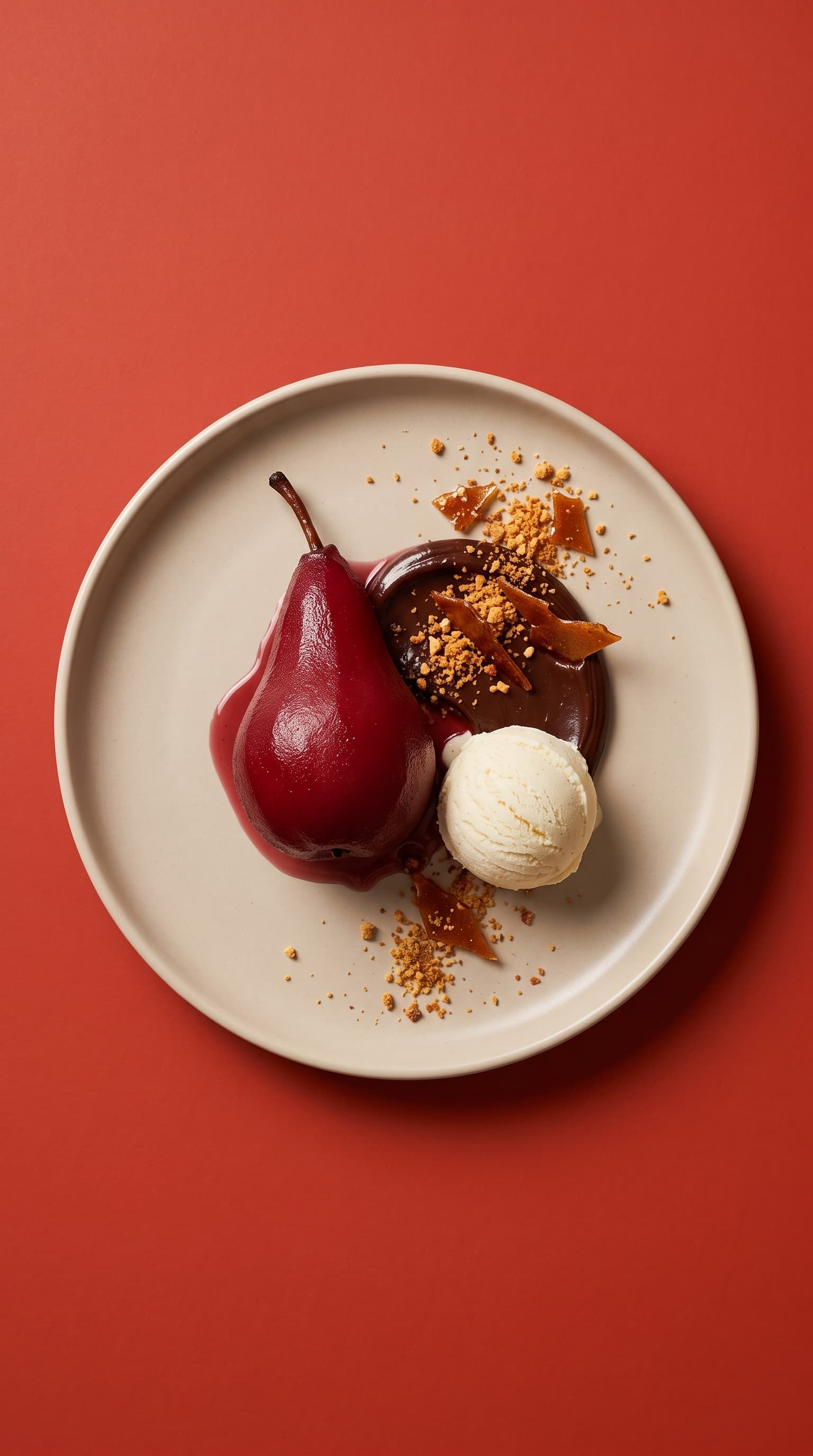
Poires Belle Hélène Recipe with Wine Poached Pears
This poires belle hélène recipe pairs tender red wine poached Conference pears with warm dark chocolate sauce, cold vanilla ice cream, and crisp hazelnut praline. Gentle poaching keeps the pears whole and silky. Plan about 2 hours for cooking and cooling, and serve 4 people right away for the best warm and cold contrast.
150 min · Intermediate · France
Roast Partridge Recipe with Celeriac Mousseline
This roast partridge recipe pairs rosy roasted breast with a crisp confited leg, silky celeriac mousseline, glazed baby carrots, and a glossy juniper-port jus. Dry-brining helps the lean meat stay seasoned and juicy. Allow about 3 hours for cooking and resting, plus overnight dry-brining if you have time. Serves 4.
210 min · Intermediate · France