Plum Tart Recipe with Almond Sablé and Vanilla Cream
2 hrs 30 min · Medium · Serves 4
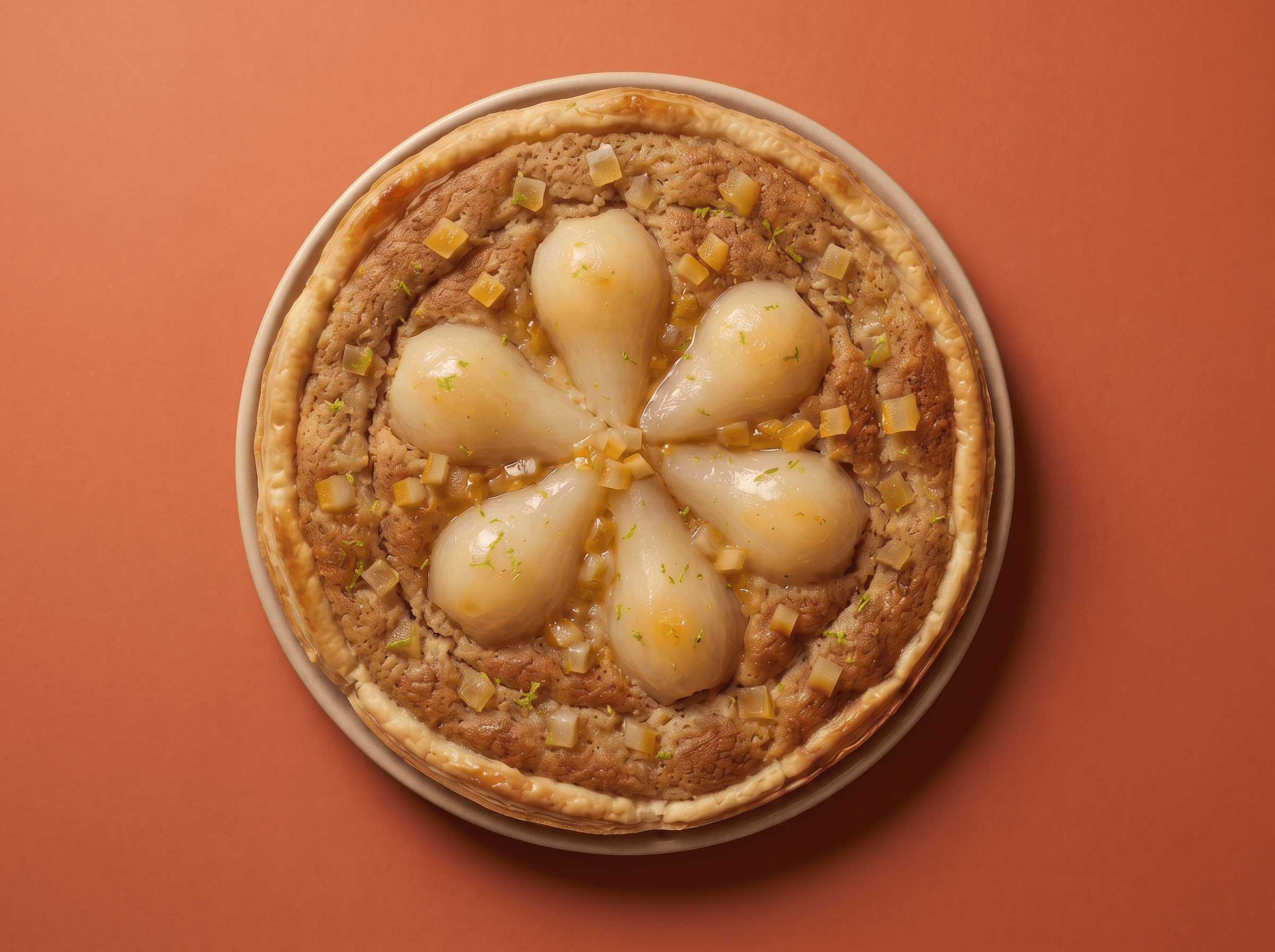 From our menuPear Tart€22.95 · Made by us, delivered chilled.
This plum tart recipe layers crisp almond sablé, tender frangipane, and glossy roasted purple plums with cool vanilla crème diplomate. Blind-baking and a thin egg seal help keep the crust crisp. Plan about 150 minutes, plus chilling time, to make four elegant slices for a special dinner.
Recipe by Christophe Rammant
Cordon Bleu Paris alumni - Two star Michelin kitchen experience
What Makes This French Plum Tart Stay Crisp?
Traditional French pastry technique uses full blind-baking and a light egg seal to protect the crust. The baked egg forms a thin barrier, so moisture from the frangipane and fruit moves more slowly into the tender sablé.
Food science shows that roasting plums separately deepens their sweet, floral flavor while letting extra juice drain away. A little black pepper brightens the fruit's tart edge without making the dessert taste savory.
Professional culinary team know that cold crème diplomate gives warm fruit and crisp pastry a gentle contrast. Gelatin helps the vanilla cream hold its shape, while whipped cream keeps it soft and spoonable.
Estimated nutrition per serving
Estimated from ingredient weights, not lab-tested.
- Calories
- 831
- Protein
- 13g
- Fat
- 56g
- Carbohydrates
- 72g
The weekly recipe note
Enjoyed this recipe? Get the next one first.
One new recipe each week from Christophe: global flavor, French technique, and practical home-cook timing.
By signing up, you agree to receive emails from Mr. Saucy.
Ingredients
Recipe yields 4 servings
For the Almond Sablé
| Amount | Ingredient | Notes |
|---|---|---|
| 100 g | All-purpose flour | for the pastry |
| 25 g | Almond flour | for the pastry |
| 35 g | Icing sugar | for the pastry |
| 60 g | Unsalted butter | cold and cubed |
| 20 g | Beaten whole egg | for the pastry dough |
| 1 g | Fine sea salt | for the pastry |
| 15 g | Beaten egg | for sealing the blind-baked shell |
For the Frangipane
| Amount | Ingredient | Notes |
|---|---|---|
| 35 g | Unsalted butter | soft |
| 35 g | Caster sugar | for the filling |
| 35 g | Almond flour | for the filling |
| 35 g | Beaten whole egg | for the filling |
| 8 g | All-purpose flour | for the filling |
| 1 g | Vanilla bean seeds | or vanilla paste |
For the Roasted Plums
| Amount | Ingredient | Notes |
|---|---|---|
| 300 g | Purple plums | ripe but firm, halved and pitted |
| 20 g | Caster sugar | for roasting the plums |
| 10 g | Unsalted butter | melted |
| 8 g | Fresh lemon juice | for the plums |
| 0.4 g | Finely ground black pepper | use as a discreet aromatic accent |
For the Vanilla Crème Diplomate
| Amount | Ingredient | Notes |
|---|---|---|
| 180 g | Whole milk | for the crème pâtissière |
| 35 g | Egg yolks | for the crème pâtissière |
| 40 g | Caster sugar | for the crème pâtissière |
| 15 g | Cornstarch | for the crème pâtissière |
| 1 g | Vanilla bean seeds | for the crème pâtissière |
| 15 g | Unsalted butter | to enrich the crème pâtissière |
| 2 g | Leaf gelatin | softened in cold water and squeezed dry |
| 100 g | Heavy cream | cold, for folding into the crème pâtissière |
For Serving
| Amount | Ingredient | Notes |
|---|---|---|
| 120 g | Crème fraîche | for serving |
Instructions
Make and Chill the Sablé
- 1
Rub the Butter into the Dry Ingredients
Rub the cold butter into the all-purpose flour, almond flour, icing sugar, and salt until the mixture looks like fine crumbs. Add the 20 g beaten egg and mix only until a dough forms, because less mixing keeps the crust tender.
- 2
Chill the Dough to Prevent Shrinking
Flatten the dough into a disc, wrap it, and chill for at least 30 minutes. The rest relaxes the dough and firms the butter, so the pastry rolls easily and holds its shape in the oven.
- 3
Line the Tart Ring Without Stretching
Roll the dough to about 3 mm thick and line an 18 cm tart ring or shallow tart tin. Press it into the corners without pulling it, then trim the rim and chill the lined shell for 20 minutes. This helps the sides stay even.
Blind-Bake and Fill the Shell
- 4
Blind-Bake the Shell Until Dry
Heat the oven to 350°F / 175°C conventional or 320°F / 160°C fan. Line the shell with baking paper and baking weights. Bake for 15 minutes, then remove the weights and bake for another 7 to 10 minutes, until the base is pale golden and completely dry.
- 5
Seal the Hot Pastry with Egg
Brush the hot shell lightly with 15 g beaten egg and return it to the oven for 3 minutes. The egg sets into a thin barrier that slows moisture from the filling from soaking into the crisp pastry.
- 6
Mix the Thin Frangipane Layer
Cream the soft butter and sugar until smooth. Mix in the almond flour, beaten egg, all-purpose flour, and vanilla. Spread the mixture in a thin, even layer over the sealed shell so it cooks gently and leaves room for the fruit.
- 7
Bake the Frangipane Until Firm
Bake the filled shell for 12 to 15 minutes at 350°F / 175°C conventional or 320°F / 160°C fan, until the frangipane is puffed, lightly golden, and firm in the center. Cool it completely, because trapped steam can soften the crust.
Roast the Plums
- 8
Season the Plums with a Light Pepper Note
Heat the oven to 400°F / 200°C. Toss the halved plums with sugar, melted butter, lemon juice, and black pepper. Arrange them cut-side up on a tray so the fruit roasts evenly and keeps its shape.
- 9
Roast Until Glossy and Tender
Roast the plums for 10 to 15 minutes, until the edges are soft and the juices look glossy, but the halves still hold their shape. Transfer them to a plate and reserve the syrup separately so extra juice does not wet the tart.
Make the Cream and Finish
- 10
Cook the Vanilla Pastry Cream
Heat the milk with the vanilla until steaming. Whisk the egg yolks, sugar, and cornstarch together. Gradually whisk in the hot milk, then return the mixture to the saucepan and cook over medium heat until it bubbles and thickens. Gentle, steady stirring keeps the cream smooth.
- 11
Set and Chill the Pastry Cream
Remove the pastry cream from the heat. Whisk in the squeezed gelatin and butter, then press plastic wrap directly onto the surface and chill until cold. The gelatin gives the finished cream enough strength for clean slices.
- 12
Fold the Whipped Cream into the Base
Whip the cold heavy cream to soft peaks. Fold it into the chilled pastry cream in two additions. Gentle folding keeps the air in the cream, giving the crème diplomate a light, spoonable texture.
- 13
Arrange the Roasted Plums
Arrange the roasted plums over the cooled frangipane in one layer, using the best-looking cut sides on top. Brush them with only a little reserved syrup so they shine without adding enough liquid to soften the pastry.
- 14
Chill, Slice, and Serve
Chill the completed tart for 30 minutes. Cut it into four slices with a sharp warm knife, which helps make clean cuts through the fruit and cream. Serve each slice with a spoon of crème diplomate and a separate spoonful of crème fraîche.
The weekly recipe note
Enjoyed this recipe? Get the next one first.
One new recipe each week from Christophe: global flavor, French technique, and practical home-cook timing.
By signing up, you agree to receive emails from Mr. Saucy.
Tips & Tricks
you want the crispest make-ahead tart:
Bake the sablé and frangipane shell fully the day before. Cool it completely and store it at room temperature in an airtight container. Roast and drain the plums separately, then assemble shortly before serving.
your warm tart turns soft:
Do not cover it while warm. Condensation can dampen the pastry. If the tart must be chilled, leave it uncovered until cold, then cover it loosely and bring it out 20 minutes before serving.
the roasted plums release too much juice:
Use ripe but firm fruit and roast only until the edges soften and the juices turn glossy. Very soft fruit or over-roasting can make the almond layer wet.
the pastry shrinks in the oven:
The dough may have been stretched or not chilled enough. Press it into the tin instead of pulling it, and chill both the dough and the lined shell before baking.
the tart tastes strongly of pepper:
Use black pepper very sparingly. Its job is to sharpen the plums' floral acidity and darker fruit notes, not to make the dessert taste like pepper.
you want the crispest make-ahead tart:
Bake the sablé and frangipane shell fully the day before. Cool it completely and store it at room temperature in an airtight container. Roast and drain the plums separately, then assemble shortly before serving.
your warm tart turns soft:
Do not cover it while warm. Condensation can dampen the pastry. If the tart must be chilled, leave it uncovered until cold, then cover it loosely and bring it out 20 minutes before serving.
the roasted plums release too much juice:
Use ripe but firm fruit and roast only until the edges soften and the juices turn glossy. Very soft fruit or over-roasting can make the almond layer wet.
the pastry shrinks in the oven:
The dough may have been stretched or not chilled enough. Press it into the tin instead of pulling it, and chill both the dough and the lined shell before baking.
the tart tastes strongly of pepper:
Use black pepper very sparingly. Its job is to sharpen the plums' floral acidity and darker fruit notes, not to make the dessert taste like pepper.
Frequently Asked Questions
Can I prepare this plum tart recipe one day ahead?
Yes. Bake the sablé shell with its frangipane one day ahead and store it airtight at room temperature once fully cool. Roast and refrigerate the plums separately, preferably in a sieve over a bowl. Assemble the tart on serving day so the fruit juices do not soften the crisp pastry.
Why is the pastry brushed with egg after blind-baking?
The egg wash sets into a thin, dry protein film during the final minutes of baking. This barrier slows moisture moving from the frangipane and plums into the sablé. The shell still needs to be fully baked first, because egg wash cannot fix an undercooked or damp base.
Can I use shiso instead of black pepper?
Yes, but use it as a small fresh accent. Finely shred 1 to 2 g of green shiso and scatter it over the plums just before serving. Do not roast it, because heat can dull its delicate herbal and citrus-like perfume.
What if my crème diplomate becomes lumpy?
The pastry cream may have cooked unevenly or cooled without enough whisking. Push it through a fine sieve while slightly warm, then chill it with plastic wrap touching the surface. Whisk it smooth when cold before folding in the whipped cream. Avoid overmixing, which can deflate the cream.
Can I use larger or very ripe plums?
Yes, but watch the roasting time. Larger plums may need a few extra minutes, while very ripe plums may need only 6 to 8 minutes. Choose fruit that yields slightly but still feels firm, because soft plums collapse quickly and release extra juice.
What can I use if I do not have tart weights?
Use dried beans as the baking weights listed in the recipe. Line the pastry with baking paper first, then add the beans. The weights hold the sides down while the shell sets. Remove them before the second bake so the base can turn dry and pale golden.
Can I prepare this plum tart recipe one day ahead?
Yes. Bake the sablé shell with its frangipane one day ahead and store it airtight at room temperature once fully cool. Roast and refrigerate the plums separately, preferably in a sieve over a bowl. Assemble the tart on serving day so the fruit juices do not soften the crisp pastry.
Why is the pastry brushed with egg after blind-baking?
The egg wash sets into a thin, dry protein film during the final minutes of baking. This barrier slows moisture moving from the frangipane and plums into the sablé. The shell still needs to be fully baked first, because egg wash cannot fix an undercooked or damp base.
Can I use shiso instead of black pepper?
Yes, but use it as a small fresh accent. Finely shred 1 to 2 g of green shiso and scatter it over the plums just before serving. Do not roast it, because heat can dull its delicate herbal and citrus-like perfume.
What if my crème diplomate becomes lumpy?
The pastry cream may have cooked unevenly or cooled without enough whisking. Push it through a fine sieve while slightly warm, then chill it with plastic wrap touching the surface. Whisk it smooth when cold before folding in the whipped cream. Avoid overmixing, which can deflate the cream.
Can I use larger or very ripe plums?
Yes, but watch the roasting time. Larger plums may need a few extra minutes, while very ripe plums may need only 6 to 8 minutes. Choose fruit that yields slightly but still feels firm, because soft plums collapse quickly and release extra juice.
What can I use if I do not have tart weights?
Use dried beans as the baking weights listed in the recipe. Line the pastry with baking paper first, then add the beans. The weights hold the sides down while the shell sets. Remove them before the second bake so the base can turn dry and pale golden.
Recipe Reviews
No reviews yet — Be the first to review this recipe!
The collection
All recipesPheasant with Grapes, Verjus Jus and Celery Root
This pheasant with grapes recipe pairs juicy roast pheasant with glossy Muscat grapes, sweet caramelised shallots, and bright verjus jus. Gentle pan-roasting keeps the skin crisp, while celery root purée adds silky depth. Plan on about 2 hours for 4 servings, with several parts ready ahead for an easy dinner party.
120 min · Intermediate · France
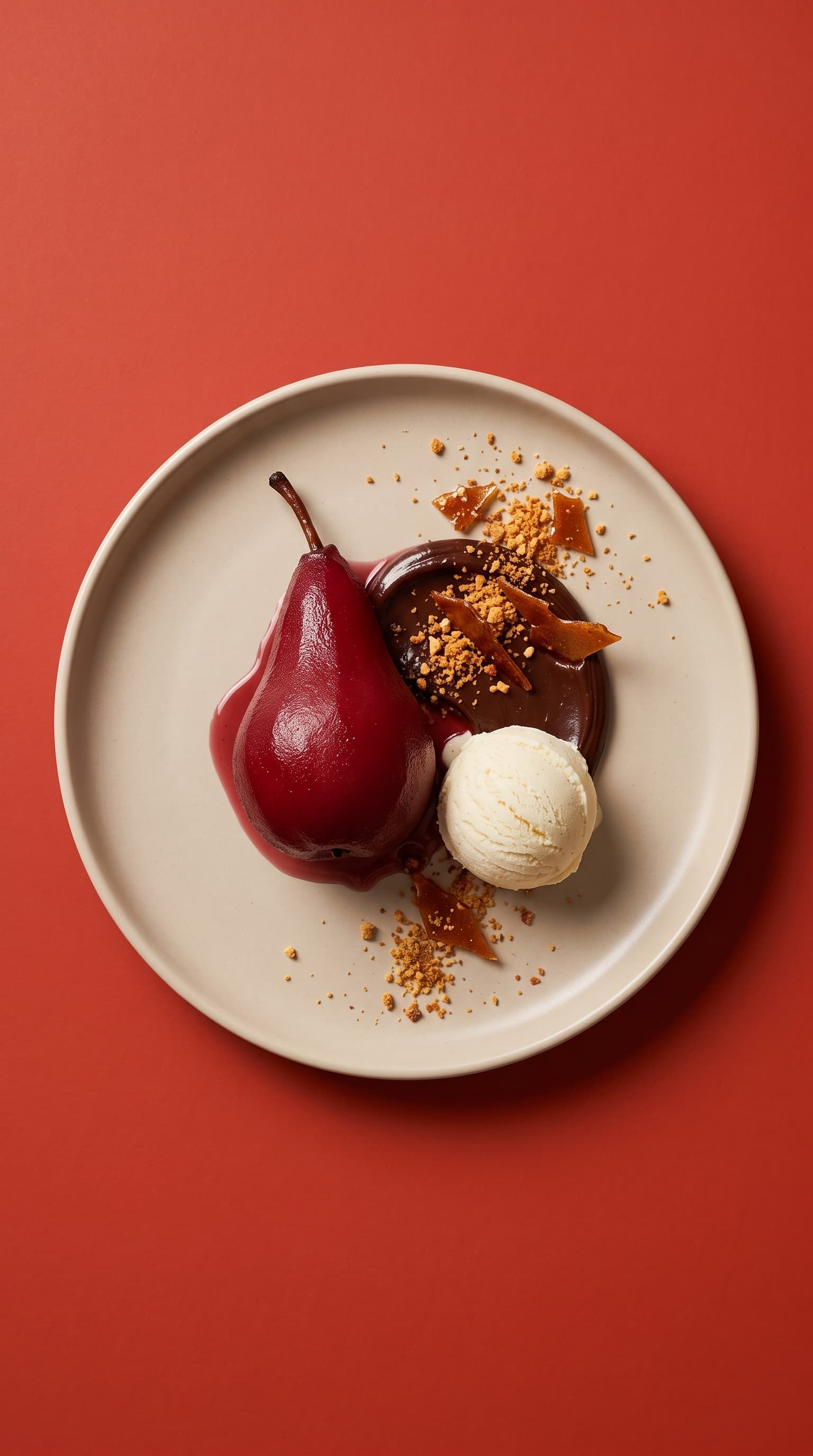
Poires Belle Hélène Recipe with Wine Poached Pears
This poires belle hélène recipe pairs tender red wine poached Conference pears with warm dark chocolate sauce, cold vanilla ice cream, and crisp hazelnut praline. Gentle poaching keeps the pears whole and silky. Plan about 2 hours for cooking and cooling, and serve 4 people right away for the best warm and cold contrast.
150 min · Intermediate · France
Roast Partridge Recipe with Celeriac Mousseline
This roast partridge recipe pairs rosy roasted breast with a crisp confited leg, silky celeriac mousseline, glazed baby carrots, and a glossy juniper-port jus. Dry-brining helps the lean meat stay seasoned and juicy. Allow about 3 hours for cooking and resting, plus overnight dry-brining if you have time. Serves 4.
210 min · Intermediate · France