Lobster Ravioli Recipe with Tom Yum Shellfish Bisque
2 hrs 30 min · Advanced · Serves 4
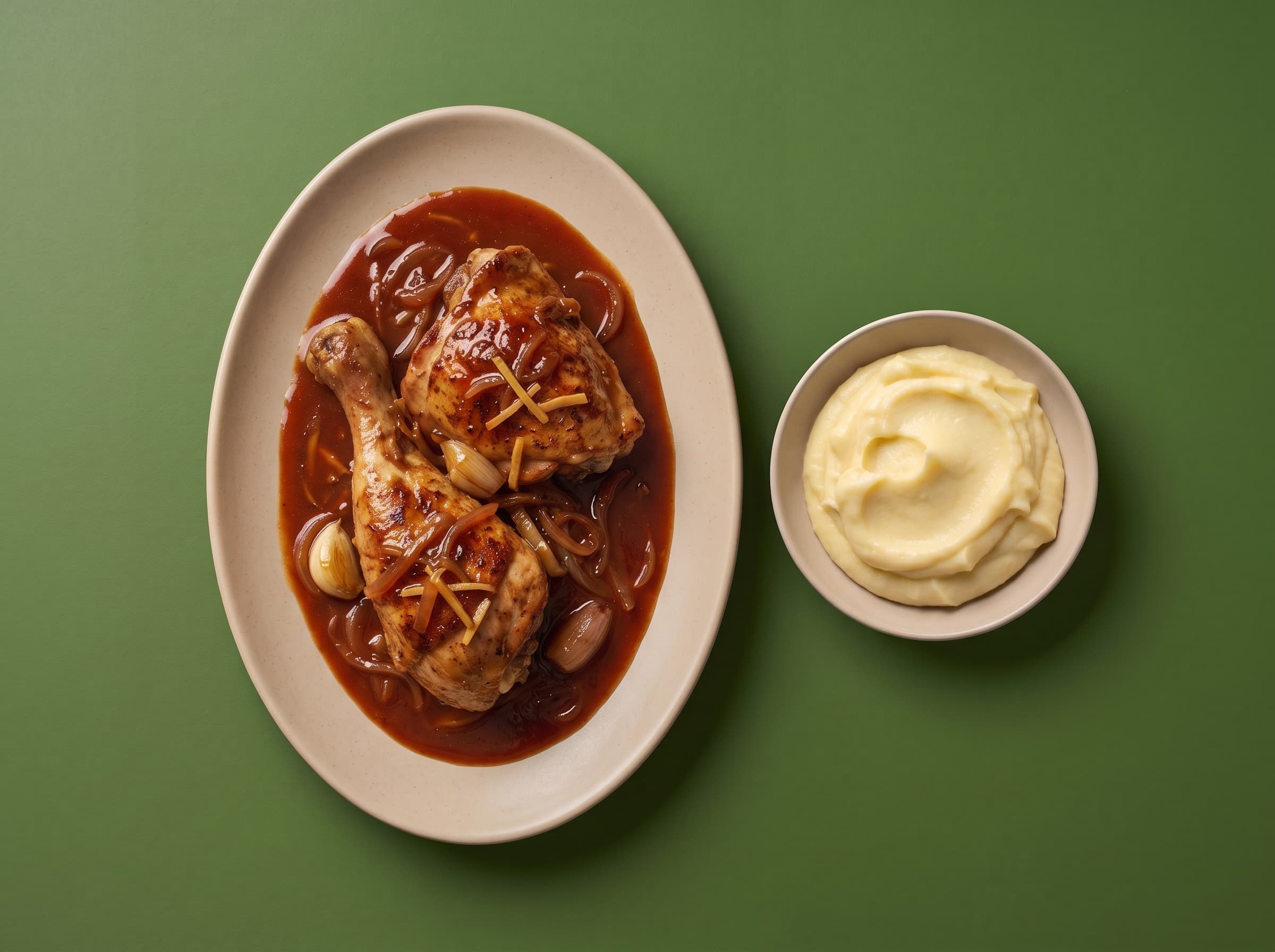 From our menuCoq au vin€22.95 · Made by us, delivered chilled.
This lobster ravioli recipe wraps sweet poached lobster in open pasta baskets, set over a fragrant Tom Yum-style shellfish bisque made from roasted shells, lemongrass, and galangal. The trick is gently poaching the lobster in butter so it stays tender, not rubbery. It takes about 2.5 hours total and serves 4.
Recipe by Christophe Rammant
Cordon Bleu Paris alumni - Two star Michelin kitchen experience
Why Does Low Heat Make This Lobster So Tender?
Professional culinary team know that lobster meat turns rubbery when it hits high heat too fast. Poaching the tails gently in butter at 140-149°F / 60-65°C keeps the proteins relaxed, so the meat stays sweet and silky instead of tough.
Traditional French bisque technique relies on roasting the shells hard before anything else. Food science shows that this deep browning, called the Maillard reaction, unlocks savory flavors that a plain stock could never reach on its own.
Southeast Asian cooking wisdom adds the finishing touch. Simmering the bisque gently, never at a rolling boil, keeps the broth clear and silky while the lemongrass, galangal, and kaffir lime slowly release their bright, perfumed oils into the liquid.
The weekly recipe note
Enjoyed this recipe? Get the next one first.
One new recipe each week from Christophe: global flavor, French technique, and practical home-cook timing.
By signing up, you agree to receive emails from Mr. Saucy.
Ingredients
Recipe yields 4 servings
For the Lobster and Pasta
| Amount | Ingredient | Notes |
|---|---|---|
| 800 g | Lobster tails | 4 tails, about 200g each, meat removed and shells reserved for bisque |
| 400 g | Fresh pasta sheets | high-quality store-bought or homemade, rolled thin |
| 60 g (from the 200 g total) | Unsalted butter | cold, cubed, for poaching the lobster |
| 2 leaves (from the 6 total) | Kaffir lime leaves | torn to release oils, for poaching liquid |
| 1 slice (from the 50 g total) | Galangal | fresh, for poaching liquid |
For the Tom Yum Shellfish Bisque
| Amount | Ingredient | Notes |
|---|---|---|
| 200 g | Raw shrimp with shells | shells reserved for bisque depth |
| 20 g | Neutral oil | for roasting shells |
| 2 stalks (from the 80 g total) | Lemongrass stalks | bruised and sliced, for bisque |
| remaining amount | Galangal | fresh, sliced into coins |
| 4 leaves (remaining) | Kaffir lime leaves | torn to release oils |
| 80 g | Shallots | 2 medium, roughly chopped for bisque |
| 10 g | Garlic cloves | 3 cloves, crushed |
| 5 g | Red Thai chili | 1 chili, sliced, adjust to heat preference |
| 60 g | Dry white wine | for deglazing |
| 25 g | Tomato paste | for body and color in the bisque |
| 500 g | Fish stock | unsalted if possible, or light chicken stock |
| 80 g | Light cream | 20% fat, keeps the bisque light and silky |
| 30 g | Fish sauce | good quality, for savory depth |
| 30 g | Fresh lime juice | added off heat to preserve brightness |
For the Beurre Monté
| Amount | Ingredient | Notes |
|---|---|---|
| 140 g (remaining amount) | Unsalted butter | cold, cubed |
| 1 stalk (remaining) | Lemongrass stalks | sliced, for infusing water |
For the Fennel Brunoise and Garnish
| Amount | Ingredient | Notes |
|---|---|---|
| 300 g | Fennel bulb | 1 large bulb, trimmed, for brunoise |
| 30 g | Olive oil | extra virgin, for dressing brunoise |
| 50 g | Lemon | 1 lemon, zested, for finish |
| 15 g | Fresh Thai basil | whole leaves for garnish |
| 15 g | Salt | fine sea salt, to taste throughout |
| 2 g | White pepper | freshly ground |
Instructions
Prep the Lobster and Build the Bisque Base
- 1
Remove the Lobster Meat (Keep Shells Whole)
Run a sharp knife along the underside of each tail, then push the meat out from the wide end in one piece. Keep the shells intact and set aside. The shells hold flavor compounds that give the bisque its deep, savory backbone, so don't toss them.
- 2
Poach the Lobster Low and Slow
Gently poach the lobster tails in 60 g butter with 2 torn kaffir lime leaves and a slice of galangal at 140-149°F / 60-65°C for 8-10 minutes, until just opaque. This low, gentle heat keeps the proteins relaxed, so the meat stays sweet and tender instead of turning rubbery.
- 3
Roast the Shells Until Deeply Caramelized
Roast all the lobster and shrimp shells in a heavy pot with neutral oil over high heat for 6-8 minutes, until deeply browned and fragrant. This deep browning, known as the Maillard reaction, builds the savory flavor foundation that separates a real bisque from a simple stock.
- 4
Add Aromatics and Deglaze
Add the shallots, garlic, remaining lemongrass, galangal, and chili to the shells and cook for 3 minutes, until fragrant. Deglaze with the white wine and reduce by half. The alcohol pulls out flavor compounds that water alone can't reach.
Finish the Bisque
- 5
Add Tomato Paste and Simmer Gently
Stir in the tomato paste and cook for 2 minutes to caramelize slightly. Pour in the fish stock, add the torn kaffir lime leaves, and simmer gently for 35 minutes at a bare simmer, around 185°F / 85°C. A rolling boil would churn the fat into the liquid, making it greasy and cloudy instead of silky.
- 6
Strain and Season the Bisque
Strain the bisque through a fine chinois, pressing gently on the solids without forcing them through, for a clean and velvety texture. Return to low heat and whisk in the light cream, fish sauce, and lime juice off the heat, which keeps the citrus notes bright and fresh.
Assemble and Cook the Ravioli
- 7
Fold the Ravioli Baskets
Cut the pasta sheets into 16 squares, about 10 cm each. Brush the edges lightly with water, place a medallion of poached lobster in the center of each, then fold the four corners up toward the middle. Press gently to form an open basket shape that cradles the lobster.
- 8
Cook the Ravioli Briefly
Cook the ravioli in well-salted boiling water for 2-3 minutes, until the pasta is al dente. Since the lobster is already cooked, this quick dip just needs to hydrate and soften the pasta, not cook the filling.
- 9
Cut the Fennel Brunoise
Slice the fennel paper-thin, then into matchsticks, then into 2mm cubes. Toss with olive oil, a squeeze of lemon, and a pinch of salt. The tiny, even cuts create more surface area, so the dressing clings to every piece and the texture stays delicate.
- 10
Make the Beurre Monté
Infuse 30 ml warm water with a slice of lemongrass for 10 minutes, then strain. Off the heat, whisk in the cold cubed butter one piece at a time, whisking constantly, until you have a smooth, glossy emulsion. Adding the butter slowly is what keeps the sauce stable instead of greasy or split.
Plate and Serve
- 11
Layer the Bowl
Ladle the warm bisque into shallow bowls, then place 4 ravioli baskets in each bowl. Dot with beurre monté, scatter the fennel brunoise around the lobster, and finish with Thai basil leaves and a little fine lime zest. Layering warm broth, tender pasta, and fresh crunchy fennel gives the dish a different bite every time.
The weekly recipe note
Enjoyed this recipe? Get the next one first.
One new recipe each week from Christophe: global flavor, French technique, and practical home-cook timing.
By signing up, you agree to receive emails from Mr. Saucy.
Tips & Tricks
your beurre monté looks oily or separated:
The butter was likely too warm or added too fast. Start over with a teaspoon of cold water and whisk in cold butter cubes one at a time over very low heat.
you don't have a way to hold a precise low poaching temperature:
Use the lowest flame on your stove and check the lobster at 6 minutes. The butter should barely shimmer and never bubble hard.
your fennel brunoise cuts are messy or uneven:
Chill the fennel bulb for 30 minutes before cutting. Cold fennel holds its shape better, so your cuts come out cleaner and more uniform.
your pasta sheets are drying out while you assemble the ravioli:
Cover the sheets with a damp kitchen towel as you work. Dried edges won't seal properly, and the ravioli can pop open during cooking.
your bisque turns out cloudy instead of clear:
You probably boiled it too hard, which mixes the fat into the liquid. Keep it at a gentle simmer and let the strainer drain on its own without pressing hard on the solids.
your beurre monté looks oily or separated:
The butter was likely too warm or added too fast. Start over with a teaspoon of cold water and whisk in cold butter cubes one at a time over very low heat.
you don't have a way to hold a precise low poaching temperature:
Use the lowest flame on your stove and check the lobster at 6 minutes. The butter should barely shimmer and never bubble hard.
your fennel brunoise cuts are messy or uneven:
Chill the fennel bulb for 30 minutes before cutting. Cold fennel holds its shape better, so your cuts come out cleaner and more uniform.
your pasta sheets are drying out while you assemble the ravioli:
Cover the sheets with a damp kitchen towel as you work. Dried edges won't seal properly, and the ravioli can pop open during cooking.
your bisque turns out cloudy instead of clear:
You probably boiled it too hard, which mixes the fat into the liquid. Keep it at a gentle simmer and let the strainer drain on its own without pressing hard on the solids.
Frequently Asked Questions
Can I use frozen lobster tails instead of fresh for this lobster ravioli recipe?
Yes, frozen tails work well. Thaw them slowly in the refrigerator overnight, since rapid thawing damages the delicate muscle fibers and makes the texture mushy. Pat the meat very dry before poaching, as extra water will steam the lobster instead of gently poaching it.
What if I can't find kaffir lime leaves or galangal?
For kaffir lime leaves, use double the lime zest plus a bay leaf for the herbal note. For galangal, swap in ginger but use 30% less, since ginger is sharper and lacks galangal's piney, citrusy flavor. The dish will still taste great, just slightly different.
Why did my bisque turn out cloudy instead of clear and velvety?
Cloudiness happens when the stock boils too hard, which mixes fat into the liquid. Always keep it at a gentle simmer, just small bubbles at the edges. Also avoid pressing hard on the solids when straining. Let gravity do the work for a cleaner result.
Can I assemble the ravioli ahead of time?
Yes, partially. Assemble them up to 4 hours ahead and refrigerate on a floured tray covered with plastic. Don't cook them until just before serving, since cooked pasta left sitting in liquid turns soggy. The bisque and fennel brunoise can both be made a day ahead.
Is there a way to make this dish lighter?
Yes. Reduce the beurre monté by half, or swap it for a drizzle of lemongrass-infused olive oil instead. You can also use 40 g coconut cream instead of dairy cream, which adds a different aromatic note that pairs naturally with the Thai flavors.
What wine pairs well with this dish?
A dry Riesling from Alsace or a Grüner Veltliner from Austria works beautifully. Both have enough acidity to match the lime and fish sauce, with aromatic notes that complement the lemongrass and Thai basil. Avoid oaky whites, which clash with the Tom Yum flavors.
Is this lobster ravioli recipe good for beginners?
Not really, this one is best for cooks with some experience. It has several components, like the bisque, poached lobster, fresh pasta, and beurre monté, that all need to come together at the right time. It's very doable if you prep everything ahead and work in order.
Can I use frozen lobster tails instead of fresh for this lobster ravioli recipe?
Yes, frozen tails work well. Thaw them slowly in the refrigerator overnight, since rapid thawing damages the delicate muscle fibers and makes the texture mushy. Pat the meat very dry before poaching, as extra water will steam the lobster instead of gently poaching it.
What if I can't find kaffir lime leaves or galangal?
For kaffir lime leaves, use double the lime zest plus a bay leaf for the herbal note. For galangal, swap in ginger but use 30% less, since ginger is sharper and lacks galangal's piney, citrusy flavor. The dish will still taste great, just slightly different.
Why did my bisque turn out cloudy instead of clear and velvety?
Cloudiness happens when the stock boils too hard, which mixes fat into the liquid. Always keep it at a gentle simmer, just small bubbles at the edges. Also avoid pressing hard on the solids when straining. Let gravity do the work for a cleaner result.
Can I assemble the ravioli ahead of time?
Yes, partially. Assemble them up to 4 hours ahead and refrigerate on a floured tray covered with plastic. Don't cook them until just before serving, since cooked pasta left sitting in liquid turns soggy. The bisque and fennel brunoise can both be made a day ahead.
Is there a way to make this dish lighter?
Yes. Reduce the beurre monté by half, or swap it for a drizzle of lemongrass-infused olive oil instead. You can also use 40 g coconut cream instead of dairy cream, which adds a different aromatic note that pairs naturally with the Thai flavors.
What wine pairs well with this dish?
A dry Riesling from Alsace or a Grüner Veltliner from Austria works beautifully. Both have enough acidity to match the lime and fish sauce, with aromatic notes that complement the lemongrass and Thai basil. Avoid oaky whites, which clash with the Tom Yum flavors.
Is this lobster ravioli recipe good for beginners?
Not really, this one is best for cooks with some experience. It has several components, like the bisque, poached lobster, fresh pasta, and beurre monté, that all need to come together at the right time. It's very doable if you prep everything ahead and work in order.
Recipe Reviews
No reviews yet — Be the first to review this recipe!
The collection
All recipesOlive Oil Chocolate Mousse Recipe with Candied Orange
This olive oil chocolate mousse recipe makes a rich but airy dessert with dark chocolate, fruity olive oil, bright candied orange, and crisp almond tuiles. A warm sugar syrup gives the yolks body, while softly whipped cream keeps the mousse light. Plan about 5 hours, including chilling, for 4 generous servings.
300 min · Intermediate · Fusion
Celeriac Ravioli with Brown Butter and Pear
This celeriac ravioli recipe makes 24 delicate pasta pillows filled with roasted celeriac, aged Comté, mascarpone and truffle. Roast the celeriac for deep flavor, then finish the ravioli in a glossy brown-butter sauce with pear, hazelnuts and sage. Plan on 145 minutes for 4 servings, including resting and chilling.
145 min · Intermediate · Fusion
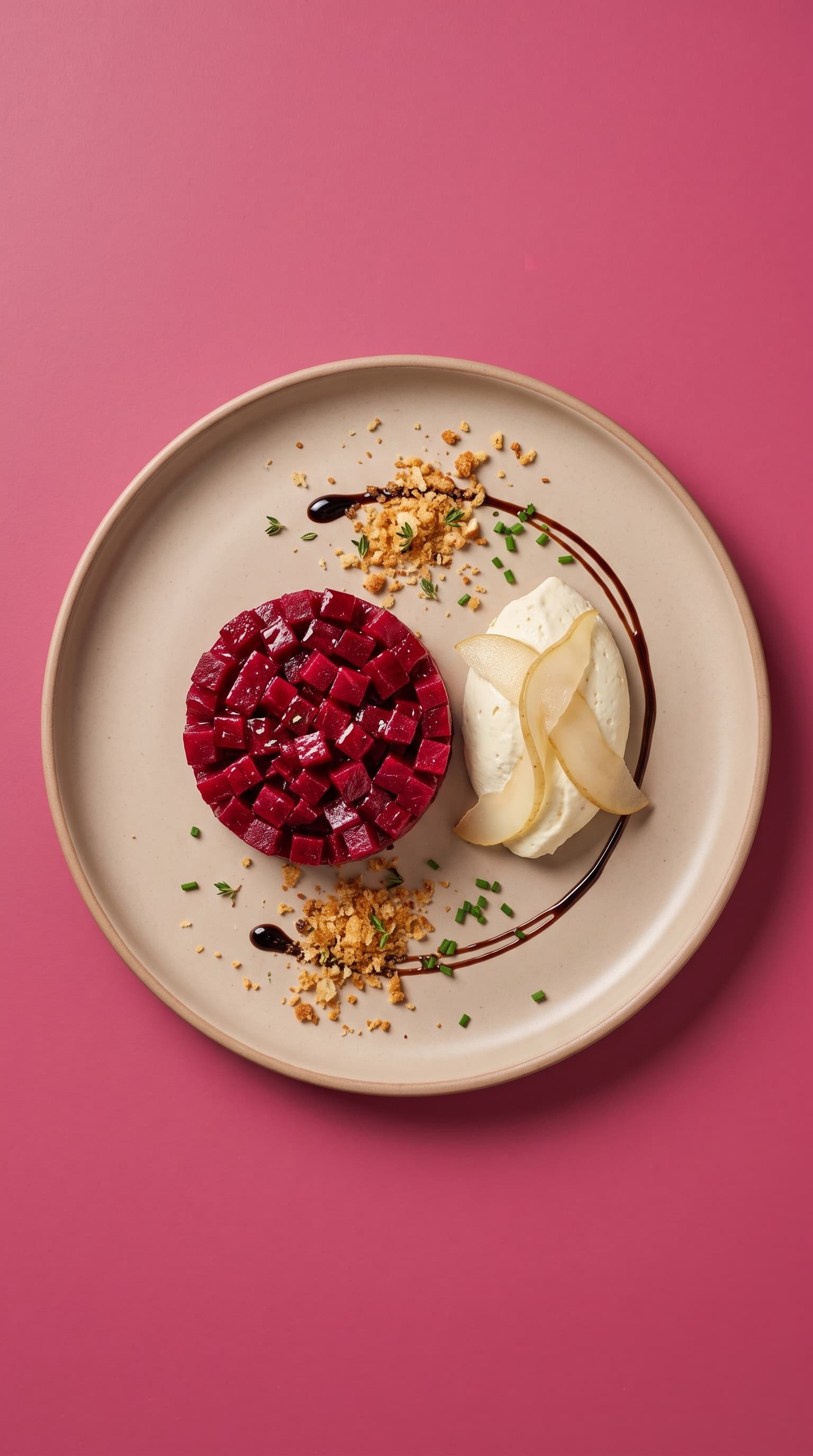
Beetroot Tartare Recipe with Whipped Goat Cheese
This beetroot tartare recipe turns sweet roasted beetroot into a bright, elegant appetizer for four. Cut the chilled beetroot into tiny cubes, dress it just before serving, and pair it with whipped goat cheese, pickled pear, and a buttery hazelnut crumb. Allow about 2 hours from roasting to plating.
120 min · Intermediate · Fusion