Beetroot Tartare Recipe with Whipped Goat Cheese
2 hrs · Medium · Serves 4
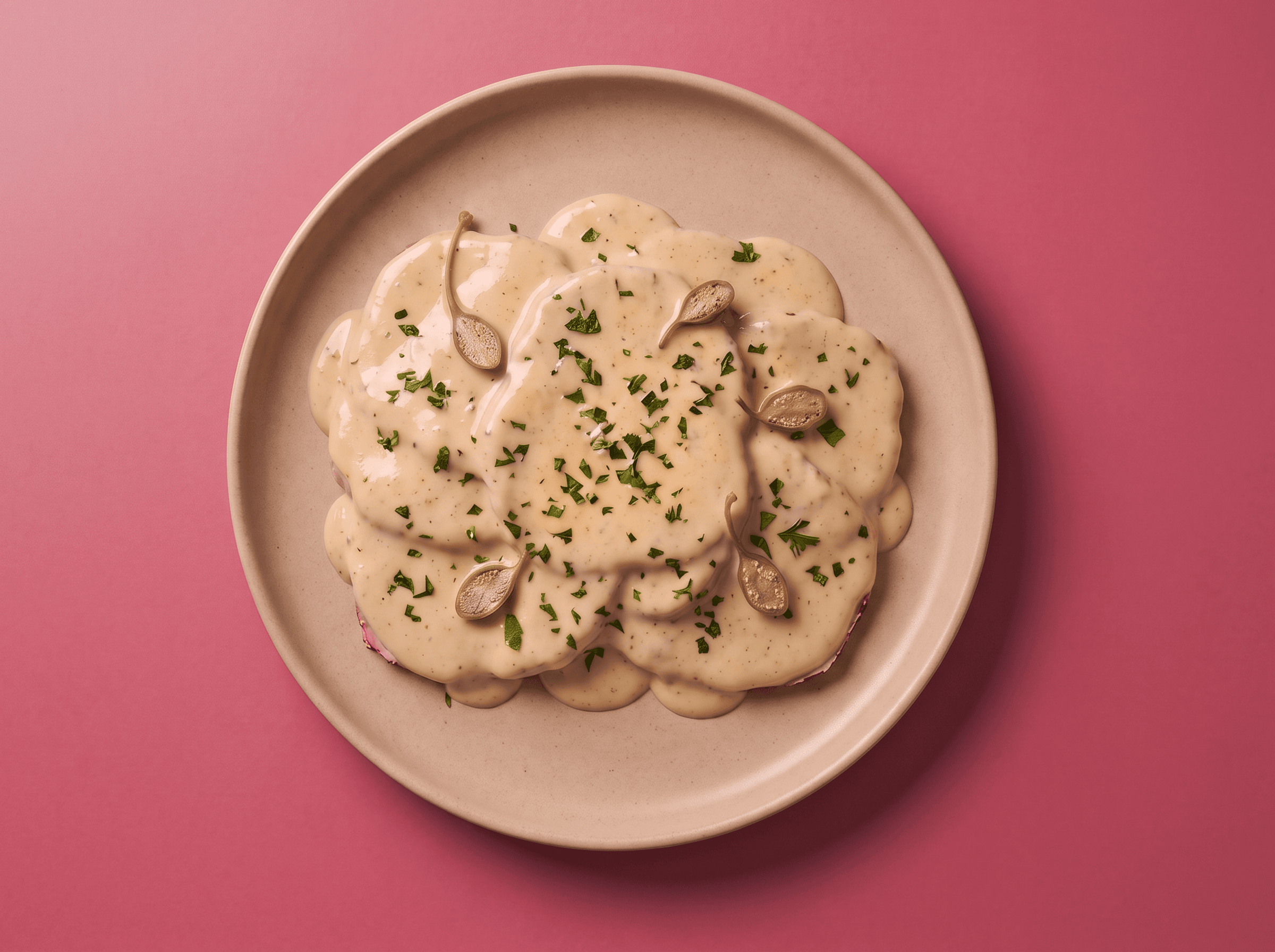 From our menuVitello Tonnato€17.50 · Made by us, delivered chilled.
This beetroot tartare recipe turns sweet roasted beetroot into a bright, elegant appetizer for four. Cut the chilled beetroot into tiny cubes, dress it just before serving, and pair it with whipped goat cheese, pickled pear, and a buttery hazelnut crumb. Allow about 2 hours from roasting to plating.
Recipe by Christophe Rammant
Cordon Bleu Paris alumni - Two star Michelin kitchen experience
What Makes This Beetroot Tartare So Special?
Traditional French technique values neat cutting and careful plating. Chilling the roasted beetroot before making a fine brunoise gives each little cube a clean bite instead of a soft, mashed texture.
Food science shows that roasting concentrates natural sugars while keeping the beetroot's rich color. Dressing it shortly before serving adds sweet-sour flavor without pulling out too much moisture or making the cubes bleed.
Professional culinary team know that contrast makes a small plate feel complete. Creamy goat cheese, sharp pear, and crisp hazelnut crumb balance the tender beetroot with cool, bright, and crunchy touches.
Estimated nutrition per serving
Estimated from ingredient weights, not lab-tested.
- Calories
- 698
- Protein
- 19g
- Fat
- 50g
- Carbohydrates
- 48g
The weekly recipe note
Enjoyed this recipe? Get the next one first.
One new recipe each week from Christophe: global flavor, French technique, and practical home-cook timing.
By signing up, you agree to receive emails from Mr. Saucy.
Ingredients
Recipe yields 4 servings
For the Roasted Beetroot
| Amount | Ingredient | Notes |
|---|---|---|
| 700 g | Raw beetroot | 2-3 medium beetroots, scrubbed and left whole for roasting |
| 15 g | Olive oil | for roasting the beetroot |
For the Beetroot Dressing
| Amount | Ingredient | Notes |
|---|---|---|
| 32 g | Aged balsamic vinegar | use a dense, naturally sweet balsamic |
| 25 g | Extra-virgin olive oil | for dressing the tartare |
| 45 g | Shallot | very finely minced |
| 18 g | Fresh chives | finely sliced, plus extra for finishing |
| 8 g | Dijon mustard | to round out the dressing |
| 3 g | Fine sea salt | remaining salt for the beetroot dressing |
| 2 g | Freshly ground black pepper | or to taste; divided between the cheese and dressing |
For the Whipped Goat Cheese
| Amount | Ingredient | Notes |
|---|---|---|
| 240 g | Fresh goat cheese | soft, rindless chèvre at room temperature |
| 90 g | Crème fraîche | at room temperature for a smooth whipped texture |
| 12 g | Lemon juice | for freshness in the goat cheese |
| 2 g | Fine sea salt | for the whipped goat cheese |
For the Pickled Pear
| Amount | Ingredient | Notes |
|---|---|---|
| 220 g | Pear | firm but ripe, peeled and sliced very thinly |
| 70 g | White wine vinegar | for the pear pickle |
| 70 g | Water | for the pear pickle |
| 18 g | Caster sugar | for the pear pickle |
| 2 g | Fine sea salt | for the pear pickle |
For the Hazelnut Crumb
| Amount | Ingredient | Notes |
|---|---|---|
| 80 g | Hazelnuts | whole or roughly chopped |
| 45 g | Panko breadcrumbs | for the contrasting crunchy garnish |
| 25 g | Unsalted butter | for toasting the hazelnut crumb |
| 2 g | Fresh thyme leaves | optional, for the crunchy garnish |
Instructions
Roast and Cut the Beetroot
- 1
Roast the Whole Beetroot for Deep Sweetness
Heat the oven to 374°F / 190°C. Rub the whole beetroot with 15 g olive oil and wrap it tightly in foil. Roast for 55-75 minutes, depending on size, until a skewer enters with slight resistance but the center is fully tender. Roasting concentrates sweetness and keeps the color bright.
- 2
Chill and Make an Even Brunoise
Cool the beetroot until easy to handle, then peel it and chill it completely. Cut it into 3-4 mm slices, then strips, and finally even 3-4 mm cubes. Cold beetroot is firmer, so it cuts neatly and keeps the tartare from becoming soft.
Prepare the Pickle and Crumb
- 3
Quick-Pickle the Pear for Brightness
Whisk the white wine vinegar, water, caster sugar, and 2 g salt until dissolved. Pour the pickle over the thinly sliced pear and leave for at least 20 minutes, turning the slices once. This adds a clean, sharp flavor while keeping the pear fragrant and lightly crisp.
- 4
Toast the Hazelnut Crumb Until Golden
Toast the hazelnuts in a dry heavy pan over medium heat until fragrant and lightly browned, then cool and chop them. Melt the butter in the same pan, add the panko and thyme, and stir until golden and crisp. Fold in the hazelnuts and season lightly for a rich, varied crunch.
Make the Cheese and Dress the Beetroot
- 5
Whip the Goat Cheese Until Light
Beat the goat cheese, crème fraîche, lemon juice, 2 g salt, and a little black pepper until smooth and airy. Stop when it is light and spreadable. Mixing too long can make the cheese dense and slightly grainy.
- 6
Dress the Chilled Beetroot Just Before Serving
Combine the aged balsamic, extra-virgin olive oil, Dijon mustard, shallot, chives, the remaining salt, and black pepper. Taste for a rounded sweet-sour balance, then fold it through the chilled beetroot shortly before serving. Late dressing keeps the cubes firm and limits color bleeding.
Mould and Plate the Tartare
- 7
Fill the Ring Mould Gently
Place a 7-8 cm ring mould in the center of each chilled plate. Fill each mould with about 160 g beetroot tartare, pressing gently with the back of a spoon so it holds together without becoming packed. Lift the mould straight up to keep the sides clean.
- 8
Add the Creamy and Crisp Finishes
Spoon or pipe the whipped goat cheese beside or partly over the beetroot. Drape a few drained pear slices against the tartare, then add the hazelnut crumb, fresh chive pieces, and a restrained thread of aged balsamic. Keep the garnish light so the jewel-toned beetroot stays the star.
The weekly recipe note
Enjoyed this recipe? Get the next one first.
One new recipe each week from Christophe: global flavor, French technique, and practical home-cook timing.
By signing up, you agree to receive emails from Mr. Saucy.
Tips & Tricks
Your beetroot is soft and watery:
Roast it instead of boiling when possible, then chill it fully before cutting. Roasting keeps more flavor and gives the beetroot a firmer texture.
Your beetroot cubes look messy:
Cut the beetroot only after it is cold. Use a sharp knife and make 3-4 mm slices, strips, and cubes for a neat, even bite.
The plate has watery patches:
Drain the pear well before plating. Extra pickle can dilute the goat cheese and make the tartare look wet.
The goat cheese is too firm to whip:
Let it stand at room temperature for 20 minutes before mixing. If it becomes too loose, chill it briefly instead of adding more cheese.
The tartare loses its shape:
Use cold, firm beetroot and fill the ring in two or three layers. Press each layer gently, then lift the mould straight upward without twisting.
The beetroot tastes flat after dressing:
Taste the dressing before adding it and look for a rounded sweet-sour balance. The balsamic, mustard, shallot, and chives should brighten the beetroot without covering its natural sweetness.
Your beetroot is soft and watery:
Roast it instead of boiling when possible, then chill it fully before cutting. Roasting keeps more flavor and gives the beetroot a firmer texture.
Your beetroot cubes look messy:
Cut the beetroot only after it is cold. Use a sharp knife and make 3-4 mm slices, strips, and cubes for a neat, even bite.
The plate has watery patches:
Drain the pear well before plating. Extra pickle can dilute the goat cheese and make the tartare look wet.
The goat cheese is too firm to whip:
Let it stand at room temperature for 20 minutes before mixing. If it becomes too loose, chill it briefly instead of adding more cheese.
The tartare loses its shape:
Use cold, firm beetroot and fill the ring in two or three layers. Press each layer gently, then lift the mould straight upward without twisting.
The beetroot tastes flat after dressing:
Taste the dressing before adding it and look for a rounded sweet-sour balance. The balsamic, mustard, shallot, and chives should brighten the beetroot without covering its natural sweetness.
Frequently Asked Questions
Can I prepare this appetizer the day before?
Yes. Roast and dice the beetroot, prepare the whipped goat cheese, pickle the pear, and toast the hazelnut crumb one day ahead. Store each part separately in airtight containers in the refrigerator. Dress and mould the beetroot shortly before serving so the balsamic does not soften the cubes or cause too much color bleeding.
Why is my beetroot tartare watery?
The beetroot may have been under-roasted, cut while warm, or dressed too early. Chill it completely, drain any cooking juices, and cut it with a sharp knife. Add the dressing 10-20 minutes before plating. This gives flavor time to soak in without drawing out too much moisture.
Can I use pre-cooked beetroot in this beetroot tartare recipe?
Yes, if it is plain roasted or vacuum-cooked beetroot without added vinegar. Pat it very dry before cutting because packaged beetroot often carries extra liquid. Avoid strongly pickled beetroot, which can make the dish too sour and hide the fresh sweetness that balances the goat cheese.
What can I use instead of crème fraîche?
Full-fat Greek yogurt can replace the crème fraîche, though the cheese will taste brighter and less rich. Use thick yogurt, not a runny kind. Soft cream cheese also works, but loosen it slowly with the lemon juice so the mixture stays light enough to spoon or pipe.
How do I keep the tartare moulded neatly?
Use a firm, well-drained brunoise and avoid mixing the beetroot too much after dressing. Fill the ring in two or three layers, pressing each layer gently with a flat spoon. Lift the mould straight upward while the beetroot is cold. Twisting can disturb the clean sides.
Can I make the crunchy garnish with hazelnuts alone?
Yes, though the panko and hazelnut crumb gives a more even restaurant-style crunch. If using only hazelnuts, toast them carefully and chop them unevenly. A few larger pieces add a good bite, while smaller pieces cling nicely to the goat cheese and beetroot.
Can I prepare this appetizer the day before?
Yes. Roast and dice the beetroot, prepare the whipped goat cheese, pickle the pear, and toast the hazelnut crumb one day ahead. Store each part separately in airtight containers in the refrigerator. Dress and mould the beetroot shortly before serving so the balsamic does not soften the cubes or cause too much color bleeding.
Why is my beetroot tartare watery?
The beetroot may have been under-roasted, cut while warm, or dressed too early. Chill it completely, drain any cooking juices, and cut it with a sharp knife. Add the dressing 10-20 minutes before plating. This gives flavor time to soak in without drawing out too much moisture.
Can I use pre-cooked beetroot in this beetroot tartare recipe?
Yes, if it is plain roasted or vacuum-cooked beetroot without added vinegar. Pat it very dry before cutting because packaged beetroot often carries extra liquid. Avoid strongly pickled beetroot, which can make the dish too sour and hide the fresh sweetness that balances the goat cheese.
What can I use instead of crème fraîche?
Full-fat Greek yogurt can replace the crème fraîche, though the cheese will taste brighter and less rich. Use thick yogurt, not a runny kind. Soft cream cheese also works, but loosen it slowly with the lemon juice so the mixture stays light enough to spoon or pipe.
How do I keep the tartare moulded neatly?
Use a firm, well-drained brunoise and avoid mixing the beetroot too much after dressing. Fill the ring in two or three layers, pressing each layer gently with a flat spoon. Lift the mould straight upward while the beetroot is cold. Twisting can disturb the clean sides.
Can I make the crunchy garnish with hazelnuts alone?
Yes, though the panko and hazelnut crumb gives a more even restaurant-style crunch. If using only hazelnuts, toast them carefully and chop them unevenly. A few larger pieces add a good bite, while smaller pieces cling nicely to the goat cheese and beetroot.
Recipe Reviews
No reviews yet — Be the first to review this recipe!
The collection
All recipesOlive Oil Chocolate Mousse Recipe with Candied Orange
This olive oil chocolate mousse recipe makes a rich but airy dessert with dark chocolate, fruity olive oil, bright candied orange, and crisp almond tuiles. A warm sugar syrup gives the yolks body, while softly whipped cream keeps the mousse light. Plan about 5 hours, including chilling, for 4 generous servings.
300 min · Intermediate · Fusion
Celeriac Ravioli with Brown Butter and Pear
This celeriac ravioli recipe makes 24 delicate pasta pillows filled with roasted celeriac, aged Comté, mascarpone and truffle. Roast the celeriac for deep flavor, then finish the ravioli in a glossy brown-butter sauce with pear, hazelnuts and sage. Plan on 145 minutes for 4 servings, including resting and chilling.
145 min · Intermediate · Fusion
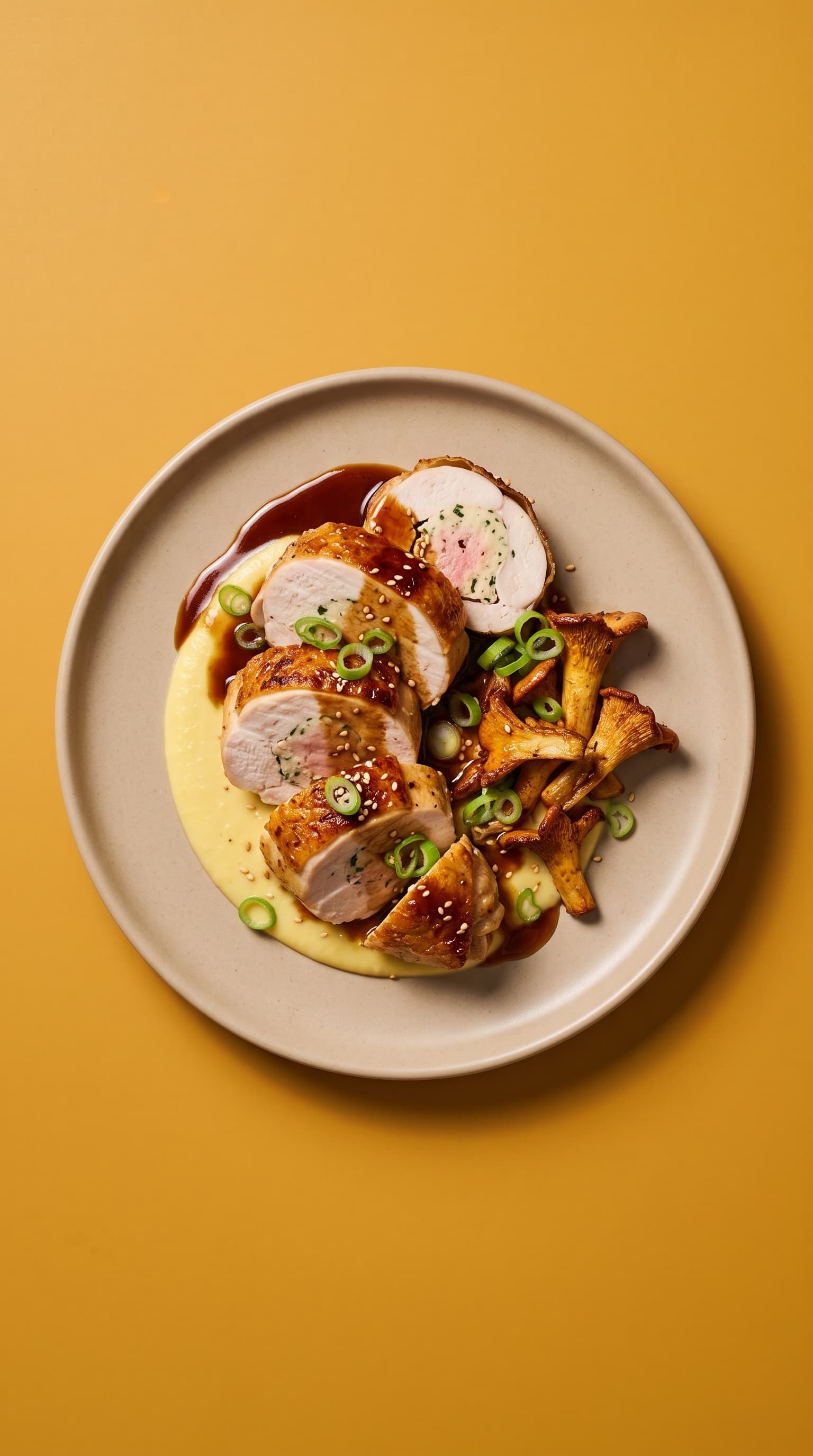
Chicken Ballotine Recipe with Gochujang and Tarragon
This chicken ballotine recipe wraps tender chicken around a cold tarragon mousseline with doenjang and gochujang. Gentle poaching keeps the roll juicy, while pan-crisping makes the skin golden. Serve it with sweetcorn velouté, girolles, and chicken jus. Plan about 2 hours for 4 servings, with several parts ready the day before.
150 min · Intermediate · Fusion