Crispy Ris de Veau Recipe (Golden Veal Sweetbreads)
6 hrs · Advanced · Serves 2-3
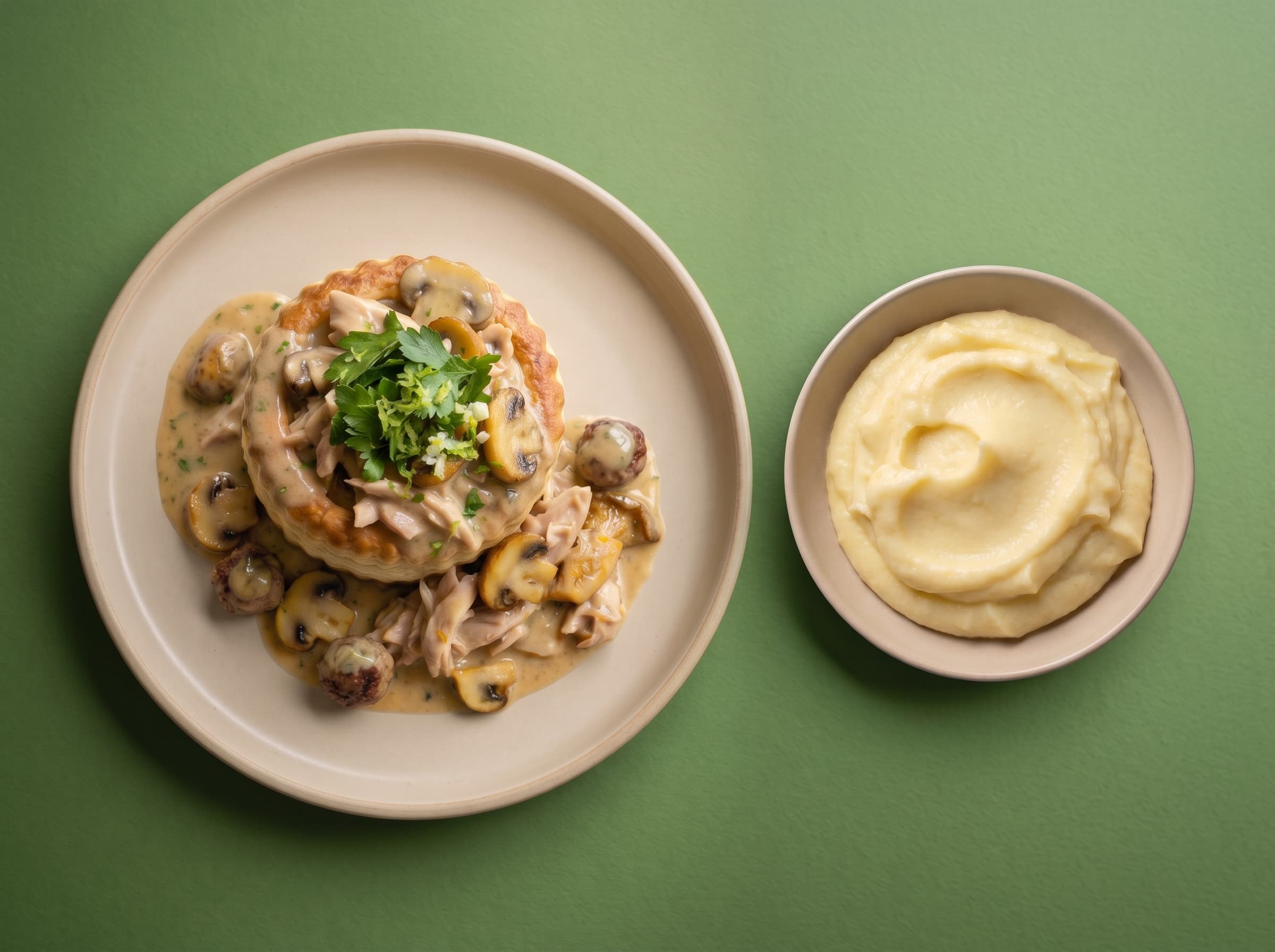 From our menuVol-au-Vent East meets West€19.95 · Made by us, delivered chilled.
This classic ris de veau recipe delivers golden, crispy veal sweetbreads with a soft, creamy center, no restaurant required. The chef's secret is soaking, blanching, peeling and pressing the sweetbreads before searing, so they crisp beautifully in the pan. Plan about 5 to 6 hours total, mostly hands-off resting, and it serves 2 to 3 people.
Recipe by Christophe Rammant
Cordon Bleu Paris alumni - Two star Michelin kitchen experience
What Makes This Technique Create That Perfect Crisp-Creamy Texture?
Traditional French technique starts with a long cold soak in water and vinegar or lemon juice. This gently draws out blood and impurities, which is why sweetbreads can taste bitter or metallic if this step gets skipped.
Food science shows that a quick blanch firms up the outer layer of proteins while the inside stays soft and creamy. Shocking them in an ice bath right after stops the cooking instantly, so they don't turn rubbery.
Professional culinary team know that pressing is the real secret to crispiness. Weighing the sweetbreads down while they chill squeezes out extra moisture, and less moisture means a drier surface that browns and crisps beautifully in the pan.
Estimated nutrition per serving
Estimated from ingredient weights, not lab-tested.
- Calories
- 620
- Protein
- 51g
- Fat
- 45g
- Carbohydrates
- 3g
The weekly recipe note
Enjoyed this recipe? Get the next one first.
One new recipe each week from Christophe: global flavor, French technique, and practical home-cook timing.
By signing up, you agree to receive emails from Mr. Saucy.
Ingredients
Recipe yields 2-3 servings
| Amount | Ingredient | Notes |
|---|---|---|
| 800 g (about 1.75 lbs) raw | Veal sweetbreads (ris de veau), heart lobe/"noix" preferred | Raw weight before trimming. Expect roughly 550-600 g after peeling and pressing, since the membrane, fat, and moisture get removed. |
Instructions
Soak and Blanch the Sweetbreads
- 1
Soak in Cold Water (Draw Out the Blood)
Place the sweetbreads in cold water with a splash of vinegar or lemon juice. Let them soak for 2 to 4 hours, changing the water once halfway through. This gently pulls out blood and impurities, which keeps the final flavor clean and mild instead of bitter.
- 2
Blanch to Firm Them Up
Bring a pot of lightly salted water to a gentle simmer, around 180°F / 82°C, so you see small bubbles but no rolling boil. Blanch the sweetbreads for 2 to 3 minutes. This short cook firms the outside just enough to make peeling easy without cooking the inside all the way through.
- 3
Shock in an Ice Bath (Stop the Cooking)
Move the sweetbreads straight into a bowl of ice water. This stops the cooking instantly so the inside stays tender and doesn't turn tough or rubbery from carryover heat.
Peel and Press for the Right Texture
- 4
Peel Away the Membrane
Once the sweetbreads are cool, gently peel off the outer membrane and any visible fat or connective tissue. Work slowly and keep the lobes as intact as possible, since this membrane is what makes raw sweetbreads look and feel unappetizing.
- 5
Press Under Weight (The Crisp Secret)
Set the peeled sweetbreads between two clean towels or plates, add a light weight on top, and refrigerate for at least 2 hours. Pressing squeezes out extra moisture and firms up the delicate texture, which makes slicing and searing much easier later.
Sear Until Golden and Serve
- 6
Slice and Pat Completely Dry
Slice the pressed sweetbreads or leave them whole, based on your preference. Pat every side thoroughly dry with paper towels. A dry surface is essential here, since any leftover moisture will steam instead of brown in the hot pan.
- 7
Season and Dust with Flour
Sprinkle both sides with salt and pepper. If you want extra crispness, dust lightly with flour. The thin flour coating helps form a crisp golden crust once it hits the hot butter and oil.
- 8
Heat the Pan (Butter and Oil Together)
Warm a heavy skillet over medium-high heat with a mix of butter and a splash of neutral oil, roughly 350°F / 177°C. The oil raises the smoke point of the butter, so you get rich flavor without burning.
- 9
Sear Until Golden and Crisp
Sear the sweetbreads for 3 to 4 minutes per side, until deep golden brown and crisp on the outside. Work in batches if you have a lot, since crowding the pan lowers the heat and causes steaming instead of browning.
- 10
Rest Briefly Before Serving
Let the sweetbreads rest for a couple of minutes off the heat. This short rest settles the juices inside so they stay creamy when you cut in. Serve with a simple pan sauce or a squeeze of fresh lemon.
The weekly recipe note
Enjoyed this recipe? Get the next one first.
One new recipe each week from Christophe: global flavor, French technique, and practical home-cook timing.
By signing up, you agree to receive emails from Mr. Saucy.
Tips & Tricks
You're not sure which lobe to buy:
Choose the heart lobe, called the noix, over the throat lobe. It's rounder, more uniform, and more tender, which makes trimming and slicing much simpler.
Your sweetbreads feel too soft and delicate to slice:
Don't skip the pressing step. Weighing them down in the fridge for at least 2 hours firms the texture, so slicing and searing become much easier.
Your sweetbreads aren't browning even though the pan is hot:
Pat them completely dry before they hit the pan. Any leftover surface moisture turns to steam instead of letting the outside brown and crisp properly.
Your butter keeps burning before the sweetbreads brown:
Mix in a splash of neutral oil with the butter. The oil raises the smoke point, so you keep that rich buttery flavor without scorching the pan.
You're cooking a big batch and pieces come out soggy:
Sear in smaller batches so the pan stays hot. Crowding the skillet drops the temperature and causes the sweetbreads to steam instead of crisp.
You're not sure which lobe to buy:
Choose the heart lobe, called the noix, over the throat lobe. It's rounder, more uniform, and more tender, which makes trimming and slicing much simpler.
Your sweetbreads feel too soft and delicate to slice:
Don't skip the pressing step. Weighing them down in the fridge for at least 2 hours firms the texture, so slicing and searing become much easier.
Your sweetbreads aren't browning even though the pan is hot:
Pat them completely dry before they hit the pan. Any leftover surface moisture turns to steam instead of letting the outside brown and crisp properly.
Your butter keeps burning before the sweetbreads brown:
Mix in a splash of neutral oil with the butter. The oil raises the smoke point, so you keep that rich buttery flavor without scorching the pan.
You're cooking a big batch and pieces come out soggy:
Sear in smaller batches so the pan stays hot. Crowding the skillet drops the temperature and causes the sweetbreads to steam instead of crisp.
Frequently Asked Questions
Why does the raw weight need to be so much higher than the final yield?
Sweetbreads lose a lot of weight during trimming, peeling, and pressing. The outer membrane, connective tissue, and extra moisture all get removed, which is normal and expected for this cut.
Can I use throat sweetbreads instead of heart lobe?
Yes, you can. The heart lobe, called the noix, is preferred for its round shape and tender texture, but throat sweetbreads work fine too, though you'll likely trim away more connective tissue first.
How long can sweetbreads be stored before cooking?
Fresh sweetbreads should be cooked within 1 to 2 days of purchase. Keep them very cold in the fridge the whole time, since they are highly perishable and spoil faster than most other meats.
What's the real secret to a crispy sweetbreads recipe at home?
The secret is moisture control. Soaking, blanching, peeling, and especially pressing all remove excess water from the sweetbreads. Less moisture means a drier surface, and a drier surface is what turns golden and crisp in a hot buttered pan.
Do I have to press the sweetbreads, or can I skip that step?
You really shouldn't skip it. Pressing firms up the naturally soft texture, which makes slicing much cleaner and helps the sweetbreads hold their shape and crisp evenly once they hit the hot skillet.
Why does the raw weight need to be so much higher than the final yield?
Sweetbreads lose a lot of weight during trimming, peeling, and pressing. The outer membrane, connective tissue, and extra moisture all get removed, which is normal and expected for this cut.
Can I use throat sweetbreads instead of heart lobe?
Yes, you can. The heart lobe, called the noix, is preferred for its round shape and tender texture, but throat sweetbreads work fine too, though you'll likely trim away more connective tissue first.
How long can sweetbreads be stored before cooking?
Fresh sweetbreads should be cooked within 1 to 2 days of purchase. Keep them very cold in the fridge the whole time, since they are highly perishable and spoil faster than most other meats.
What's the real secret to a crispy sweetbreads recipe at home?
The secret is moisture control. Soaking, blanching, peeling, and especially pressing all remove excess water from the sweetbreads. Less moisture means a drier surface, and a drier surface is what turns golden and crisp in a hot buttered pan.
Do I have to press the sweetbreads, or can I skip that step?
You really shouldn't skip it. Pressing firms up the naturally soft texture, which makes slicing much cleaner and helps the sweetbreads hold their shape and crisp evenly once they hit the hot skillet.
Recipe Reviews
No reviews yet — Be the first to review this recipe!
The collection
All recipesPheasant with Grapes, Verjus Jus and Celery Root
This pheasant with grapes recipe pairs juicy roast pheasant with glossy Muscat grapes, sweet caramelised shallots, and bright verjus jus. Gentle pan-roasting keeps the skin crisp, while celery root purée adds silky depth. Plan on about 2 hours for 4 servings, with several parts ready ahead for an easy dinner party.
120 min · Intermediate · France
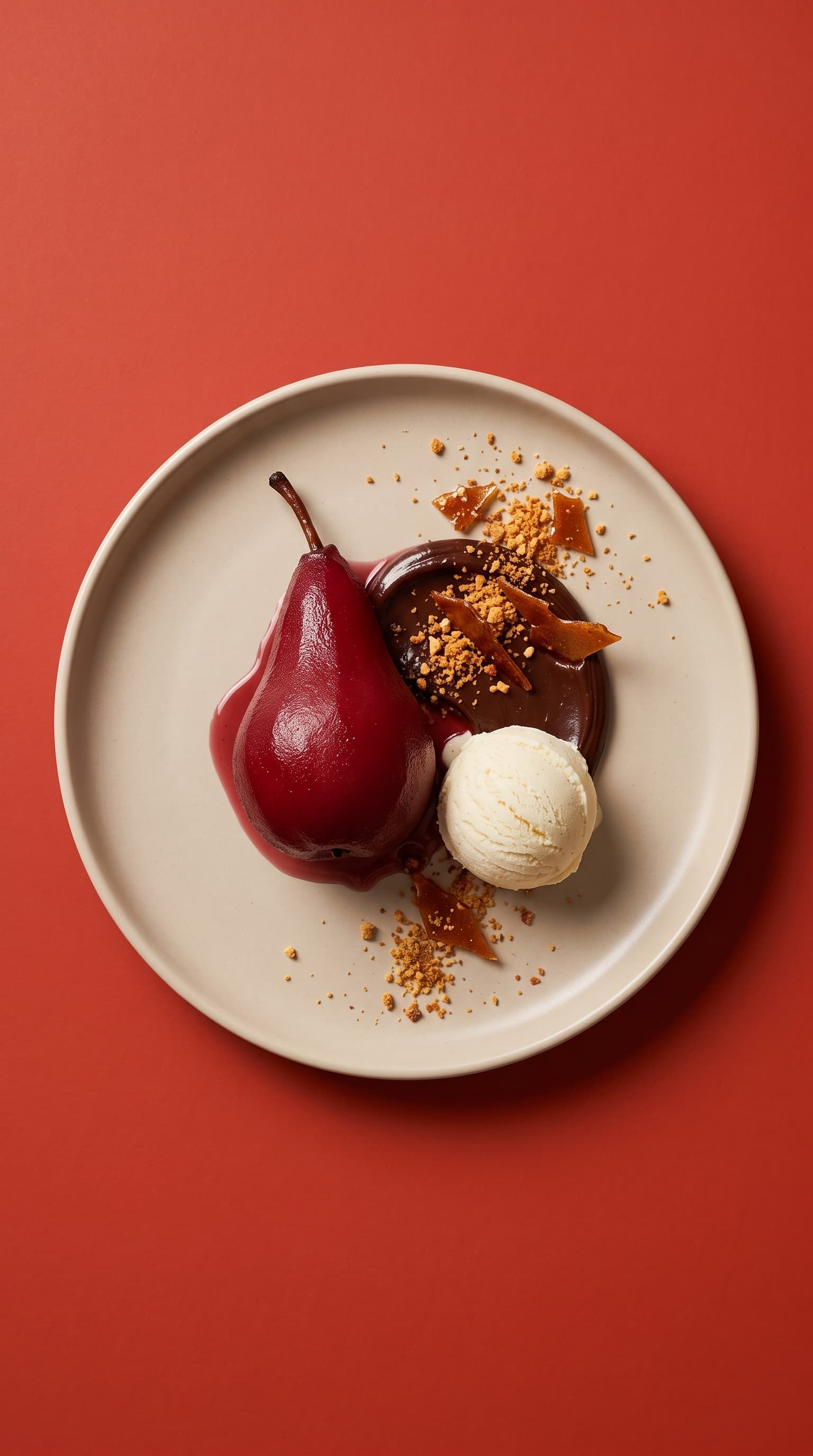
Poires Belle Hélène Recipe with Wine Poached Pears
This poires belle hélène recipe pairs tender red wine poached Conference pears with warm dark chocolate sauce, cold vanilla ice cream, and crisp hazelnut praline. Gentle poaching keeps the pears whole and silky. Plan about 2 hours for cooking and cooling, and serve 4 people right away for the best warm and cold contrast.
150 min · Intermediate · France
Roast Partridge Recipe with Celeriac Mousseline
This roast partridge recipe pairs rosy roasted breast with a crisp confited leg, silky celeriac mousseline, glazed baby carrots, and a glossy juniper-port jus. Dry-brining helps the lean meat stay seasoned and juicy. Allow about 3 hours for cooking and resting, plus overnight dry-brining if you have time. Serves 4.
210 min · Intermediate · France