Black Bean Noodles with Pork (Jajangmyeon)
1 hr · Medium · Serves 4
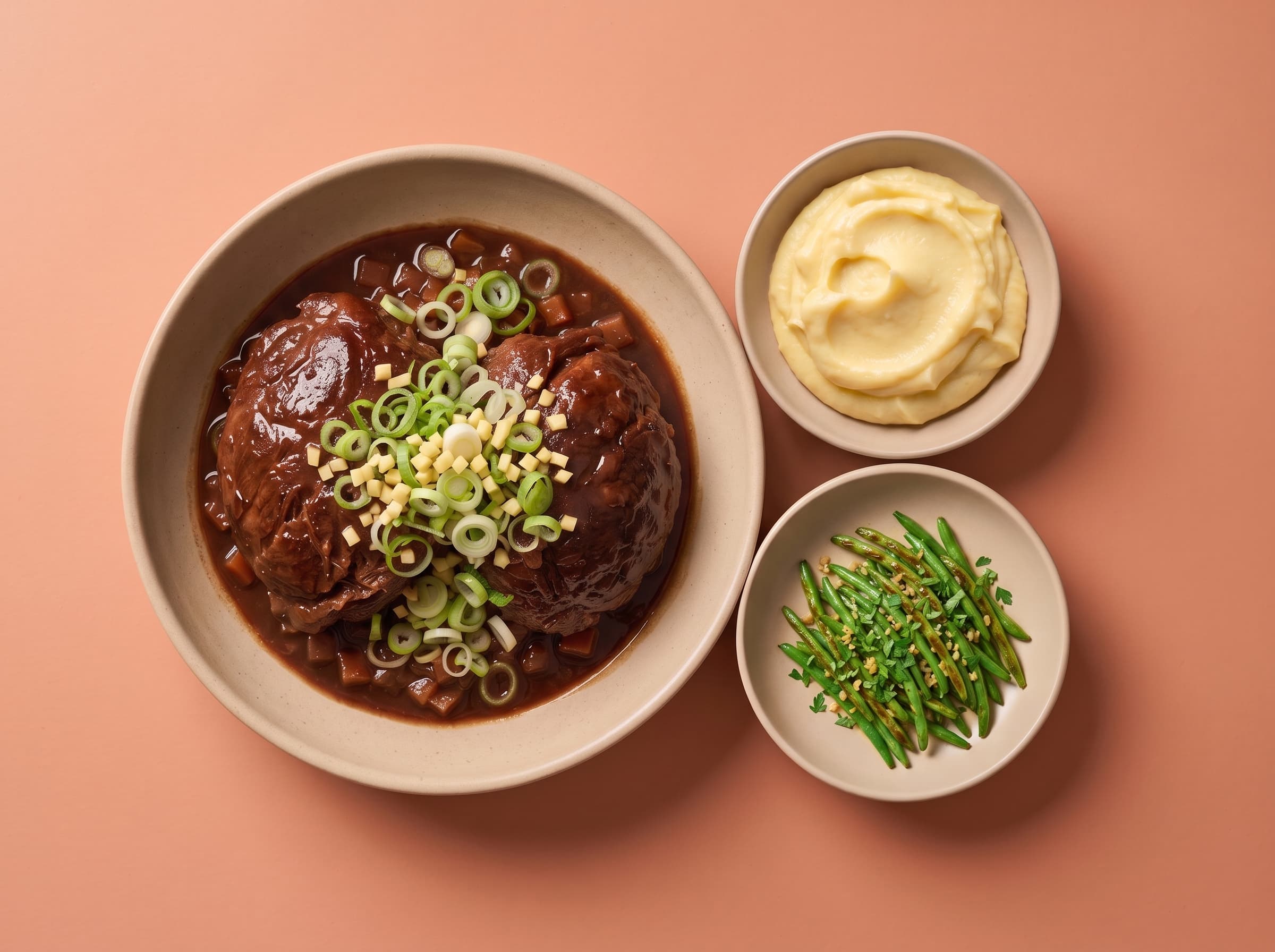 From our menuPork Cheeks Grand Veneur€23.95 · Made by us, delivered chilled.
Jajangmyeon is Korea's favorite comfort noodle dish—thick wheat noodles smothered in a glossy black bean sauce with tender pork and vegetables. The secret is frying the fermented paste first to remove bitterness, then slow-caramelizing onions for sweetness. Ready in about an hour, this recipe serves 4 and tastes even better than your favorite Korean restaurant.
Recipe by Christophe Rammant
Cordon Bleu Paris alumni - Two star Michelin kitchen experience
What Makes This Black Bean Sauce So Rich and Balanced?
Traditional Korean-Chinese technique shows that frying the chunjang (black bean paste) in hot oil for 2-3 minutes transforms it completely. The heat mellows the raw, bitter edge of the fermented beans and creates a toasted, nutty aroma that becomes the foundation of the entire dish.
Professional Korean chefs know the secret is caramelizing onions with honey for 8-10 minutes until they turn golden and sweet. This natural sweetness is the perfect counterbalance to the intense saltiness of the fermented paste, creating that addictive sweet-savory flavor.
Food science shows that deglazing with mirin and scraping up the browned bits (called 'fond') concentrates all those caramelized flavors into the sauce. The cornstarch slurry added at the end creates that signature glossy coating that clings to every noodle strand.
The weekly recipe note
Enjoyed this recipe? Get the next one first.
One new recipe each week from Christophe: global flavor, French technique, and practical home-cook timing.
By signing up, you agree to receive emails from Mr. Saucy.
Ingredients
Recipe yields 4 servings
For the Pork Marinade
| Amount | Ingredient | Notes |
|---|---|---|
| 400 g (14 oz) | pork belly | diced into 1 cm cubes; pork shoulder works as alternative |
| 2 tablespoons (30 ml) | light soy sauce | for marinade |
| 1 tablespoon (12 g) | granulated sugar | for marinade |
| 1 tablespoon (14 ml) | sesame oil | for marinade |
For the Black Bean Sauce
| Amount | Ingredient | Notes |
|---|---|---|
| 4 tablespoons (64 g) | Korean black bean paste (chunjang) | essential for authentic flavor |
| 2 tablespoons (28 ml) | neutral oil | for frying black bean paste |
| 2 tablespoons (30 ml) | Korean chili oil (gochugaru oil) | adds gentle heat |
| 400 g (2 large) | yellow onion | diced into 1 cm cubes |
| 2 tablespoons (42 g) | honey | Korean chestnut honey adds depth |
| 3 tablespoons (45 ml) | mirin | for deglazing |
| 200 g (1 medium) | zucchini (Korean aehobak preferred) | diced into 1 cm cubes |
| 250 g (1 large) | potato (Russet or Yukon gold) | diced into 1 cm cubes |
| 500 ml (2 cups) | warm chicken stock | low sodium preferred |
| 2 tablespoons (16 g) | cornstarch | mixed with 2 tablespoons water for slurry |
For the Noodles and Garnish
| Amount | Ingredient | Notes |
|---|---|---|
| 600 g (21 oz) | fresh wheat noodles (jajangmyeon or udon) | look for fresh, thick wheat noodles at Korean markets |
| 50 g (1 small) | cucumber | julienned for garnish |
Instructions
Prep the Ingredients
- 1
Marinate the Pork
Dice the pork belly into uniform 1 cm cubes. Mix with soy sauce, sugar, and sesame oil in a bowl and let sit for 15 minutes. This tenderizes the meat and infuses it with seasoning before it hits the high heat of the wok.
- 2
Dice the Vegetables
Cut the onions, zucchini, and potato into uniform 1 cm cubes. Keeping them the same size ensures they all finish cooking at the same time—no mushy zucchini or raw potatoes.
- 3
Prepare the Cornstarch Slurry
Mix 2 tablespoons cornstarch with 2 tablespoons cold water in a small bowl until completely smooth. Set aside—you'll add this at the very end to thicken the sauce.
Build the Black Bean Sauce
- 4
Fry the Black Bean Paste (The Bitterness Fix)
Heat 2 tablespoons neutral oil in a wok or large skillet over medium heat until shimmering (about 350°F / 175°C). Add the chunjang and fry for 2-3 minutes, stirring constantly, until it smells toasted and nutty. This essential step removes the raw, bitter edge of the fermented beans.
- 5
Caramelize the Onions (The Sweetness Layer)
Add the chili oil, diced onions, and honey to the wok. Cook over medium heat for 8-10 minutes, stirring occasionally, until the onions turn soft and golden. This natural sweetness balances the intense saltiness of the black bean paste.
- 6
Deglaze and Build Flavor
Pour in the mirin and use a wooden spoon to scrape up all the browned bits stuck to the bottom of the wok (this is called 'fond'). Let it bubble for 1 minute—this concentrates all those caramelized flavors into the sauce.
- 7
Brown the Pork
Add the marinated pork to the wok and cook for 3-4 minutes, stirring occasionally, until the pieces develop a golden crust. The rendered fat from the pork belly adds a luxurious richness to the sauce.
Simmer and Finish
- 8
Add Vegetables and Stock
Stir in the diced potato and zucchini, then pour in the warm chicken stock. Bring to a gentle simmer (about 185°F / 85°C—you'll see small bubbles around the edges). Cover and cook for 12-15 minutes until the potatoes are fork-tender.
- 9
Thicken the Sauce (The Glossy Finish)
Give the cornstarch slurry a quick stir, then pour it into the simmering sauce while stirring constantly. Let it bubble for 1-2 minutes until the sauce is glossy and thick enough to coat the back of a spoon. This ensures every noodle strand gets perfectly glazed.
Cook the Noodles and Serve
- 10
Boil the Noodles
While the sauce simmers, bring a large pot of water to a rolling boil (212°F / 100°C). Cook the fresh wheat noodles according to package directions, usually 3-4 minutes. Drain and rinse briefly under warm water to remove excess starch—this keeps them slippery and prevents clumping.
- 11
Plate and Garnish
Divide the warm noodles among 4 bowls. Ladle the glossy black bean sauce generously over the top. Garnish with julienned cucumber for a fresh, crisp contrast to the rich sauce. Serve immediately and mix everything together at the table.
The weekly recipe note
Enjoyed this recipe? Get the next one first.
One new recipe each week from Christophe: global flavor, French technique, and practical home-cook timing.
By signing up, you agree to receive emails from Mr. Saucy.
Tips & Tricks
your sauce tastes bitter:
Always fry the chunjang in oil first for 2-3 minutes. This essential step mellows the fermented bite and creates a smoother, toasted flavor. Don't skip it or rush it.
your sauce is too watery:
Make sure your cornstarch slurry is mixed thoroughly with no lumps before adding. Let the sauce reach a full simmer for at least 1 minute after adding the slurry—this activates the starch's thickening power.
your sauce is too salty:
Add a small splash of water or extra chicken stock to dilute it. Next time, increase the amount of caramelized onions—their natural sweetness is the perfect foil to the salty paste.
your potatoes are hard but zucchini is mushy:
This happens when the cubes aren't uniform. Stick to a strict 1 cm dice. If you're worried, par-boil the potato cubes for 2 minutes before adding them to the wok to give them a head start.
you want to make this vegetarian:
Replace the pork with a mix of king oyster mushrooms and firm tofu for meaty texture. Use vegetable stock instead of chicken stock. The deep umami comes from the fermented black bean paste, so it stays incredibly satisfying.
your noodles clump together:
Always rinse cooked noodles briefly in warm water to remove surface starch. Store sauce and noodles separately if making ahead—noodles absorb liquid and become mushy if mixed too early.
your sauce tastes bitter:
Always fry the chunjang in oil first for 2-3 minutes. This essential step mellows the fermented bite and creates a smoother, toasted flavor. Don't skip it or rush it.
your sauce is too watery:
Make sure your cornstarch slurry is mixed thoroughly with no lumps before adding. Let the sauce reach a full simmer for at least 1 minute after adding the slurry—this activates the starch's thickening power.
your sauce is too salty:
Add a small splash of water or extra chicken stock to dilute it. Next time, increase the amount of caramelized onions—their natural sweetness is the perfect foil to the salty paste.
your potatoes are hard but zucchini is mushy:
This happens when the cubes aren't uniform. Stick to a strict 1 cm dice. If you're worried, par-boil the potato cubes for 2 minutes before adding them to the wok to give them a head start.
you want to make this vegetarian:
Replace the pork with a mix of king oyster mushrooms and firm tofu for meaty texture. Use vegetable stock instead of chicken stock. The deep umami comes from the fermented black bean paste, so it stays incredibly satisfying.
your noodles clump together:
Always rinse cooked noodles briefly in warm water to remove surface starch. Store sauce and noodles separately if making ahead—noodles absorb liquid and become mushy if mixed too early.
Frequently Asked Questions
Can I make Jajangmyeon sauce ahead of time?
Yes! The black bean sauce actually tastes better the next day as the flavors meld together. Store it in an airtight container in the fridge for up to 4 days. However, always store the sauce and noodles separately—otherwise the noodles absorb the liquid and become unpleasantly mushy. Reheat the sauce gently and cook fresh noodles when ready to serve.
What is a good substitute for Korean black bean paste (chunjang)?
Authentic chunjang is unique because it's slightly sweeter and smoother than Chinese versions. If you can't find it, use Chinese Tianmianjiang (sweet bean sauce), but you may need to reduce the sugar slightly. Avoid using regular salty black bean garlic sauce—it's way too salty for this dish and will throw off the entire flavor balance.
Why are my potatoes still hard while the zucchini is mushy?
This usually happens when the vegetable cubes aren't uniform or are too large. Potatoes take longer to cook than zucchini, so a strict 1 cm dice is crucial. If you're worried about timing, par-boil the potato cubes for 2 minutes before adding them to the wok to give them a head start.
Can I make this recipe vegetarian or vegan?
Absolutely! Replace the pork with a mix of king oyster mushrooms (for meaty texture) and firm tofu. Use vegetable stock instead of chicken stock. The deep umami flavor comes primarily from the fermented black bean paste, so the dish remains incredibly satisfying and rich without any meat.
What kind of noodles should I use if I can't find jajangmyeon noodles?
Fresh, thick udon noodles are the best substitute—they have a similar chewy texture. In a pinch, you can use dried udon or even thick spaghetti, though the texture won't be quite as authentic. Avoid thin noodles like angel hair, as they can't hold up to the thick, heavy sauce.
How do I get that restaurant-style glossy finish on the sauce?
The secret is the cornstarch slurry added at the very end. Make sure the sauce reaches a full simmer after adding the slurry—this activates the starch and creates that signature shiny coating. Stir constantly for 1-2 minutes until it thickens and becomes glossy enough to coat the back of a spoon.
Can I freeze leftover Jajangmyeon sauce?
Yes! The sauce freezes beautifully for up to 3 months. Let it cool completely, then store in freezer-safe containers. Thaw overnight in the fridge and reheat gently on the stovetop, adding a splash of stock if it's too thick. Always cook fresh noodles when serving—never freeze cooked noodles.
What is Black Day and why is this dish associated with it?
Black Day is celebrated on April 14th in Korea, when single people gather to eat jajangmyeon (black noodles) and commiserate about being unattached. It's become a fun cultural tradition, but honestly, this dish is so delicious it deserves to be enjoyed any day of the year, relationship status aside!
Can I make Jajangmyeon sauce ahead of time?
Yes! The black bean sauce actually tastes better the next day as the flavors meld together. Store it in an airtight container in the fridge for up to 4 days. However, always store the sauce and noodles separately—otherwise the noodles absorb the liquid and become unpleasantly mushy. Reheat the sauce gently and cook fresh noodles when ready to serve.
What is a good substitute for Korean black bean paste (chunjang)?
Authentic chunjang is unique because it's slightly sweeter and smoother than Chinese versions. If you can't find it, use Chinese Tianmianjiang (sweet bean sauce), but you may need to reduce the sugar slightly. Avoid using regular salty black bean garlic sauce—it's way too salty for this dish and will throw off the entire flavor balance.
Why are my potatoes still hard while the zucchini is mushy?
This usually happens when the vegetable cubes aren't uniform or are too large. Potatoes take longer to cook than zucchini, so a strict 1 cm dice is crucial. If you're worried about timing, par-boil the potato cubes for 2 minutes before adding them to the wok to give them a head start.
Can I make this recipe vegetarian or vegan?
Absolutely! Replace the pork with a mix of king oyster mushrooms (for meaty texture) and firm tofu. Use vegetable stock instead of chicken stock. The deep umami flavor comes primarily from the fermented black bean paste, so the dish remains incredibly satisfying and rich without any meat.
What kind of noodles should I use if I can't find jajangmyeon noodles?
Fresh, thick udon noodles are the best substitute—they have a similar chewy texture. In a pinch, you can use dried udon or even thick spaghetti, though the texture won't be quite as authentic. Avoid thin noodles like angel hair, as they can't hold up to the thick, heavy sauce.
How do I get that restaurant-style glossy finish on the sauce?
The secret is the cornstarch slurry added at the very end. Make sure the sauce reaches a full simmer after adding the slurry—this activates the starch and creates that signature shiny coating. Stir constantly for 1-2 minutes until it thickens and becomes glossy enough to coat the back of a spoon.
Can I freeze leftover Jajangmyeon sauce?
Yes! The sauce freezes beautifully for up to 3 months. Let it cool completely, then store in freezer-safe containers. Thaw overnight in the fridge and reheat gently on the stovetop, adding a splash of stock if it's too thick. Always cook fresh noodles when serving—never freeze cooked noodles.
What is Black Day and why is this dish associated with it?
Black Day is celebrated on April 14th in Korea, when single people gather to eat jajangmyeon (black noodles) and commiserate about being unattached. It's become a fun cultural tradition, but honestly, this dish is so delicious it deserves to be enjoyed any day of the year, relationship status aside!
Recipe Reviews
No reviews yet — Be the first to review this recipe!
The collection
All recipes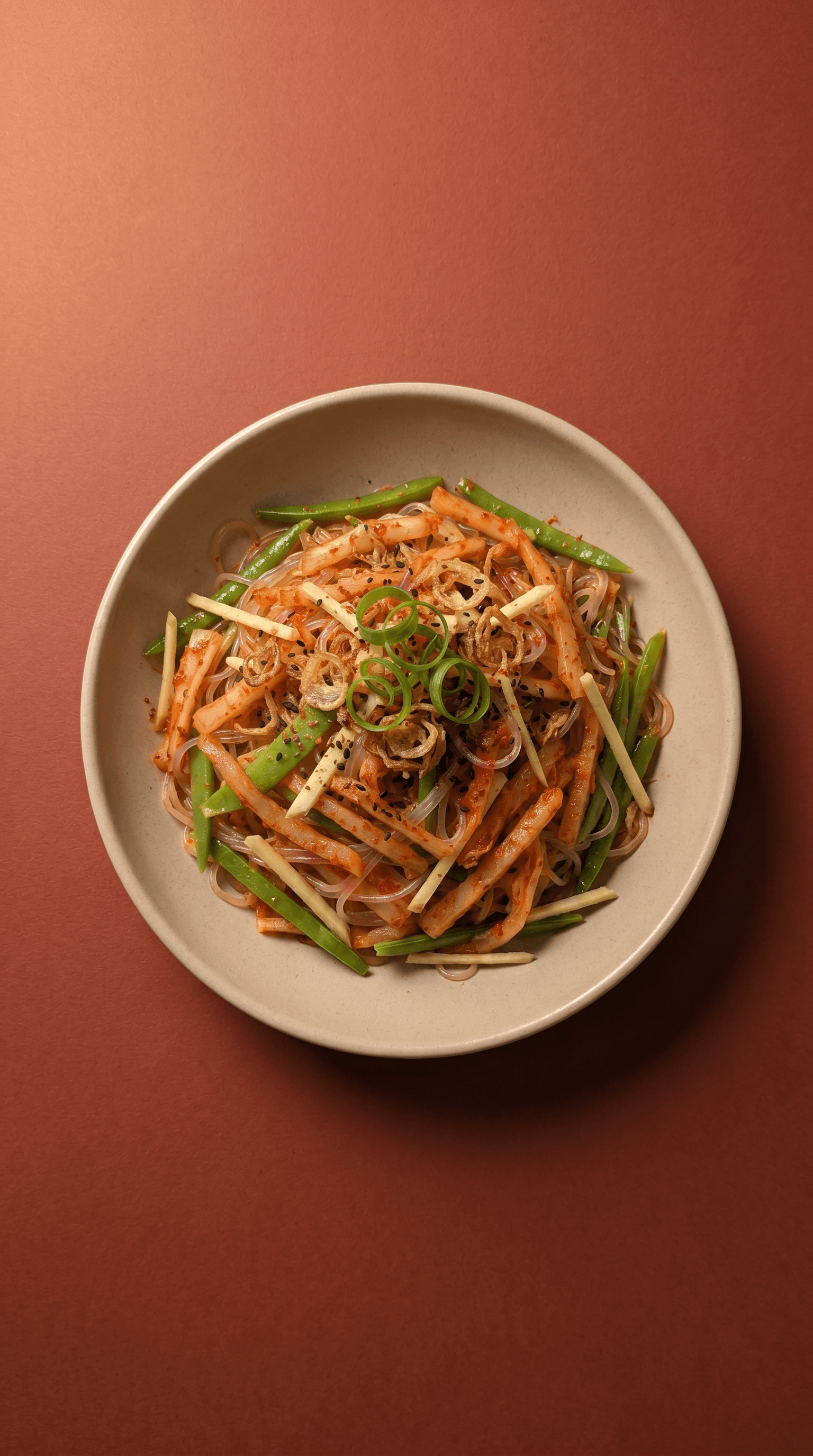
Julienned Kimchi and Glass Noodle Salad with Ginger-Syrup Vinaigrette
This Korean-fusion salad combines chewy glass noodles with tangy kimchi and sweet ginger in a refreshing cold dish. The key technique is cutting everything into thin matchsticks so each bite has perfect balance. Ready in 30 minutes, it serves 4 as a light starter or side dish that wakes up your taste buds.
30 min · Intermediate · South Korea
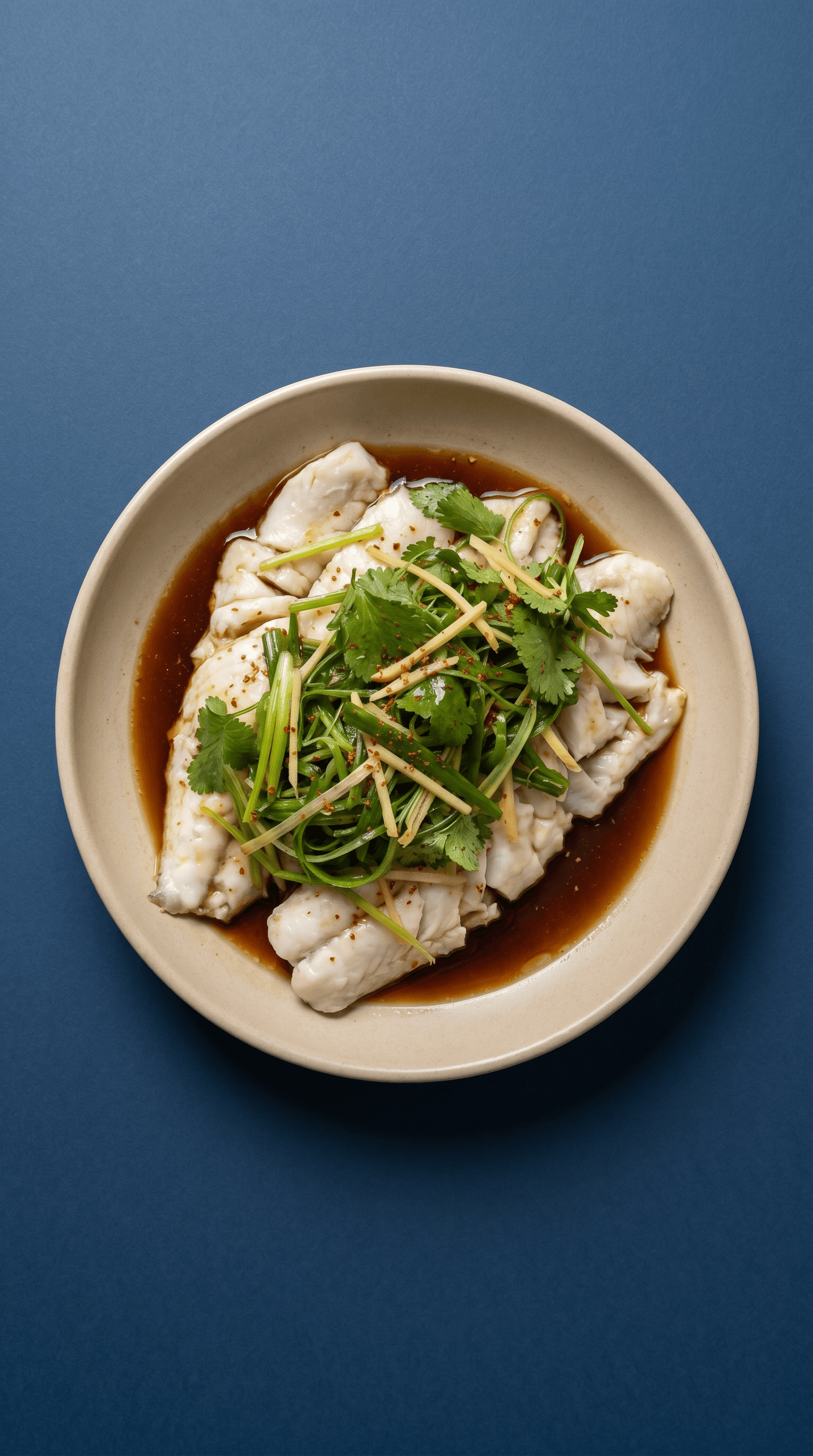
Sake-Steamed Sea Bream with Ginger-Scallion Sizzle and Gochugaru Infusion
This is a light, elegant steamed fish dish that combines Japanese sake-steaming with Korean aromatics. Fresh sea bream gets gently cooked in sake vapors, then topped with crispy scallions, ginger, and cilantro that get flash-cooked with sizzling hot oil. The whole dish takes just 25 minutes and serves 4 people with restaurant-quality results.
25 min · Intermediate · South Korea
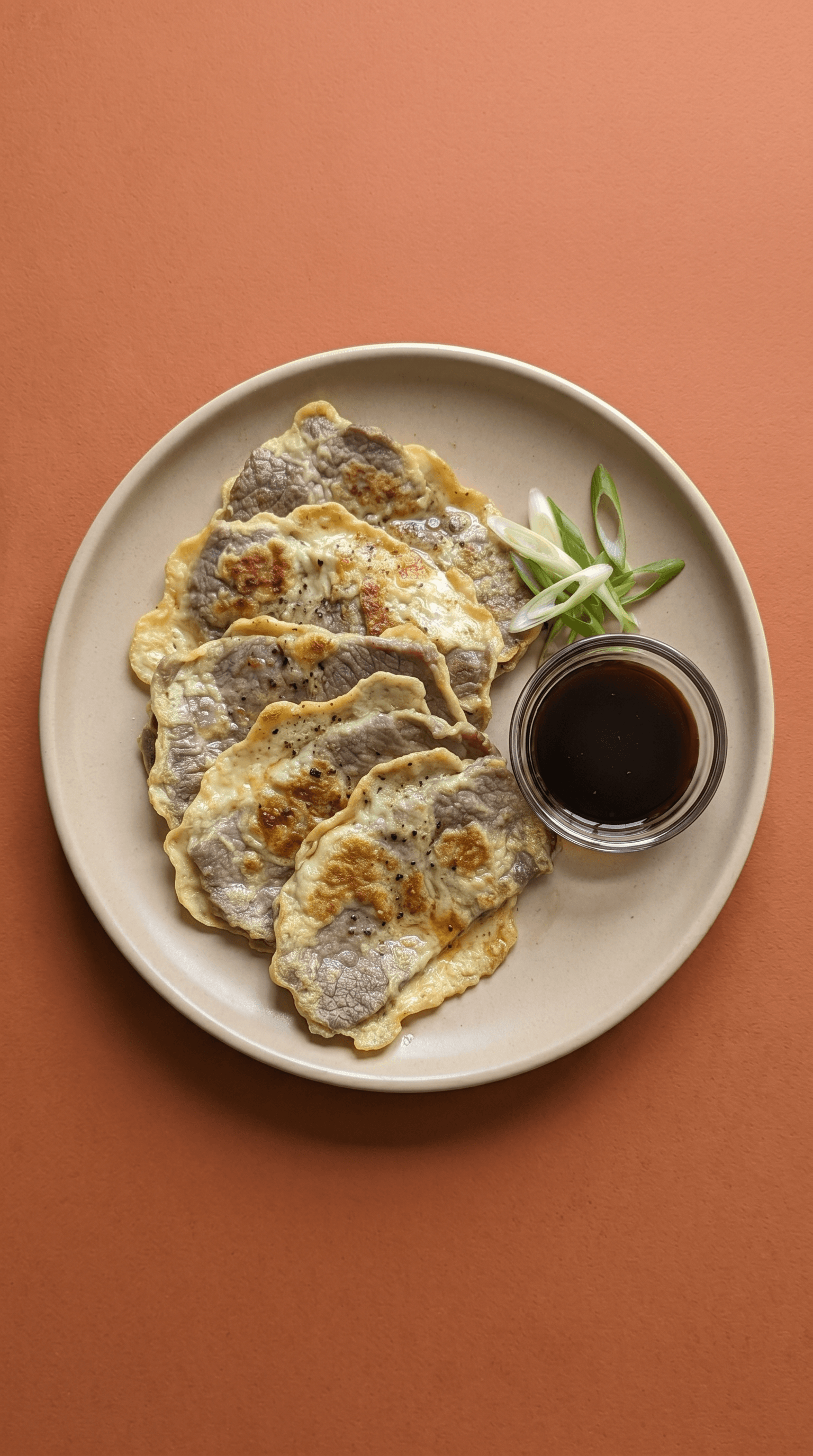
Beef Jeon (Yukjeon)
Beef Jeon is a Korean pan-fried dish where paper-thin beef slices get a delicate egg coating that creates a soft, golden crust. The secret is gentle heat and a light flour dusting that helps the egg stick perfectly. Ready in 30 minutes, this elegant appetizer serves 2-4 people and works beautifully for special occasions.
30 min · Intermediate · South Korea