Sake-Steamed Sea Bream with Ginger-Scallion Sizzle and Gochugaru Infusion
25 min · Medium · Serves 4
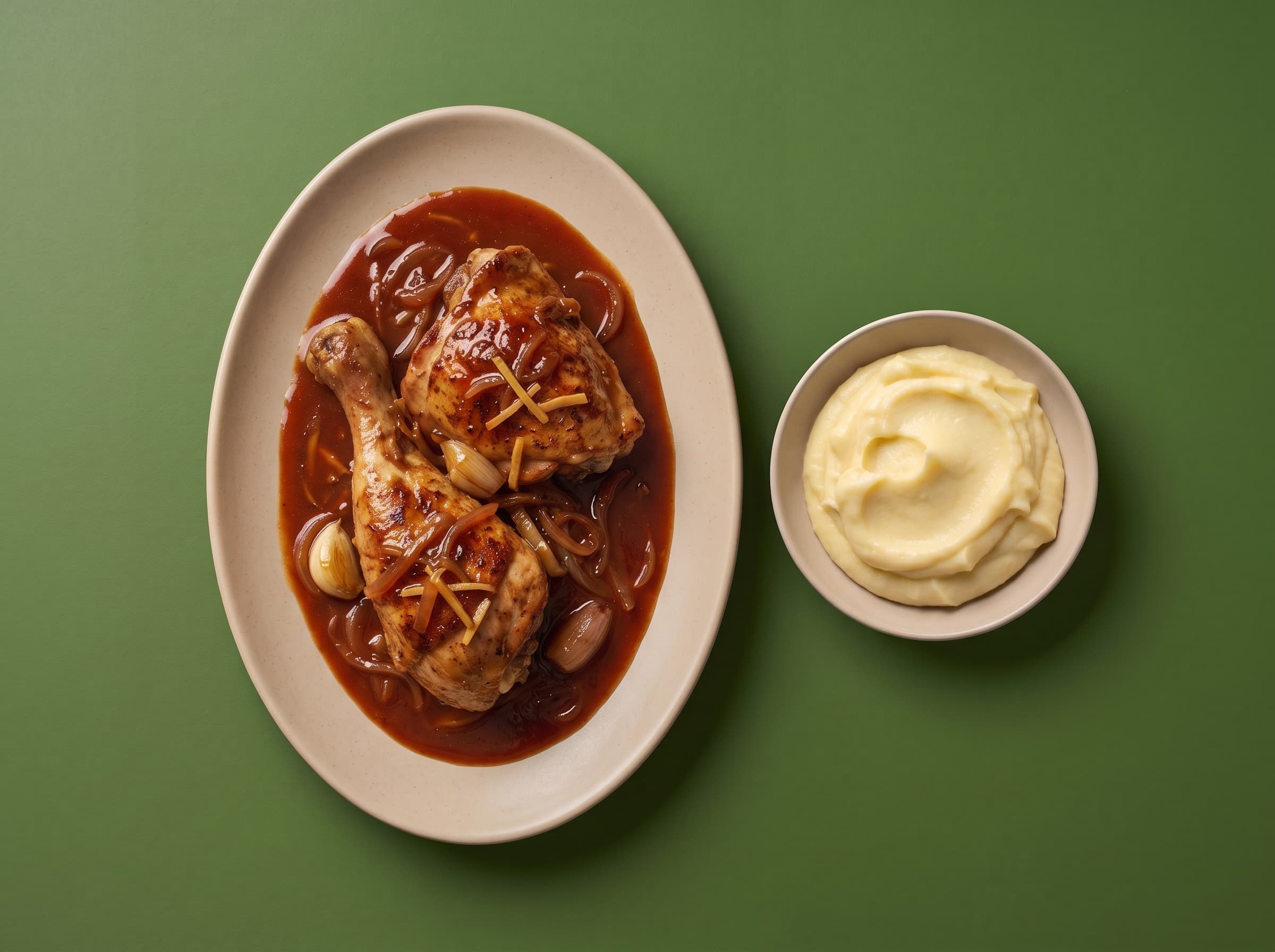 From our menuCoq au vin€22.95 · Made by us, delivered chilled.
This is a light, elegant steamed fish dish that combines Japanese sake-steaming with Korean aromatics. Fresh sea bream gets gently cooked in sake vapors, then topped with crispy scallions, ginger, and cilantro that get flash-cooked with sizzling hot oil. The whole dish takes just 25 minutes and serves 4 people with restaurant-quality results.
Recipe by Christophe Rammant
Cordon Bleu Paris alumni - Two star Michelin kitchen experience
How Does Sake Steaming Keep Fish So Tender and Clean-Tasting?
Traditional Japanese technique shows that sake's alcohol evaporates during steaming, carrying away any fishy odors while leaving behind a subtle sweetness. The gentle steam heat cooks the fish at around 212°F / 100°C without drying it out like pan-frying would.
Professional chefs know that salting the fish first draws out excess moisture through osmosis, which firms up the delicate flesh and prevents it from falling apart during cooking. This 10-minute rest makes all the difference between mushy and perfectly textured fish.
Food science shows that the hot oil flash creates what chefs call 'blooming'—the instant heat releases essential oils from the raw aromatics without burning them. This technique gives you the fresh brightness of raw herbs with the fragrance of cooked ones, all in one second.
Estimated nutrition per serving
Estimated from ingredient weights, not lab-tested.
- Calories
- 265
- Protein
- 21g
- Fat
- 16g
- Carbohydrates
- 5g
The weekly recipe note
Enjoyed this recipe? Get the next one first.
One new recipe each week from Christophe: global flavor, French technique, and practical home-cook timing.
By signing up, you agree to receive emails from Mr. Saucy.
Ingredients
Recipe yields 4 servings
For the Fish
| Amount | Ingredient | Notes |
|---|---|---|
| 400 g (14 oz) | sea bream or snapper fillets | skin-on, scaled and pin-bones removed |
| 60 ml (1/4 cup) | sake (Japanese rice wine) | for the Sakemushi steaming technique |
| 5 g (1 tsp) | sea salt | for initial seasoning |
For the Aromatic Base
| Amount | Ingredient | Notes |
|---|---|---|
| 40 g (about 2 inches) | fresh ginger | half julienned into long matchsticks, half sliced into rounds |
| 100 g (about 6 stalks) | scallions (green onions) | white parts smashed; green parts sliced into long, thin 3-inch strips |
For the Sauce and Topping
| Amount | Ingredient | Notes |
|---|---|---|
| 30 ml (2 tbsp) | light soy sauce | Korean 'Guk-ganjang' or Japanese 'Usukuchi' preferred |
| 10 ml (2 tsp) | toasted sesame oil | high quality for finishing aroma |
| 3 g (1 tsp) | gochugaru (Korean red pepper flakes) | adjust for desired mild heat |
| 30 g (1 cup loosely packed) | fresh cilantro | whole leaves and tender stems for a fresh herb salad topping |
| 45 ml (3 tbsp) | neutral oil (grapeseed or canola) | for the sizzling finish |
Instructions
Prep the Fish and Aromatics
- 1
Salt the Fish (Firm Up the Texture)
Season the fish fillets lightly with sea salt on both sides and let them rest for 10 minutes. This draws out excess moisture through osmosis and firms up the flesh so it holds together beautifully during steaming instead of falling apart.
- 2
Build the Aromatic Rack
Prepare a heat-proof ceramic plate that fits inside your steamer by laying down the smashed scallion whites and ginger rounds. This creates a fragrant rack that prevents the fish from sticking while infusing it from below with gentle aromatics.
- 3
Prepare the Herb Salad
Toss the long scallion strips, julienned ginger, and cilantro leaves together to create a fresh herb salad. For extra crispness, soak the scallion strips in ice water for 5 minutes, then drain and dry them completely—any water will cause dangerous splattering when the hot oil hits.
Steam the Fish
- 4
Steam with Sake (The Odor-Removing Trick)
Place the fish on the aromatics and pour the sake over the fillets. The alcohol in the sake evaporates at 173°F / 78°C, carrying away any fishy odors and leaving behind a subtle sweetness that enhances the natural flavor of the fish.
- 5
Cook Until Just Opaque
Steam over high heat for 6 to 8 minutes until the fish is just opaque and flakes easily when you poke it with a chopstick. The thickest part should change from translucent to opaque—overcooking will cause the delicate white fish to become rubbery and lose its natural juices.
Finish with the Sizzle
- 6
Mix the Flavor Base
While the fish steams, whisk together the soy sauce, sesame oil, and gochugaru in a small bowl. This creates a concentrated flavor base that bridges Japanese umami with Korean heat, coating the fish in layers of savory depth.
- 7
Sauce the Fish
Carefully remove the plate from the steamer and discard the cooked ginger and scallion whites—they've done their job. Pour the soy-chili mixture over the hot fish so it soaks into the flaky flesh and pools at the bottom of the plate.
- 8
Add the Fresh Topping
Pile the herb salad generously on top of the steamed fish, creating a mountain of long-cut scallions, ginger, and cilantro. Make sure everything is bone-dry to prevent oil splatter in the next step.
- 9
Flash with Hot Oil (The Aromatic Bloom)
Heat the neutral oil in a small pan until it just begins to smoke—around 400°F / 204°C. Pour it directly over the scallion and cilantro salad in one smooth motion. The instant heat blooms the aromatics, wilting them slightly and releasing their essential oils into a silky, fragrant coating.
The weekly recipe note
Enjoyed this recipe? Get the next one first.
One new recipe each week from Christophe: global flavor, French technique, and practical home-cook timing.
By signing up, you agree to receive emails from Mr. Saucy.
Tips & Tricks
your scallions are limp instead of crispy:
Slice the green parts lengthwise into very thin ribbons and soak them in ice water for 5 minutes. They will curl and become incredibly crisp, adding texture to the final dish.
you don't have a bamboo steamer:
Use a large pot with a few inches of water and an inverted heat-proof bowl to act as a pedestal for your plate. Just make sure the water doesn't touch the plate and keep it at a rolling boil.
the hot oil splatters everywhere:
Make absolutely sure the scallion strips, ginger, and cilantro are bone-dry before the oil flash. Pat them with paper towels if needed—any water on the greens will cause dangerous splattering.
you want to save the cooking juices:
Use a heat-proof ceramic plate with a slight rim that fits inside your steamer basket to catch all the fish liquor (the juices released during steaming). This liquid is packed with natural umami and becomes part of the sauce.
your scallions are limp instead of crispy:
Slice the green parts lengthwise into very thin ribbons and soak them in ice water for 5 minutes. They will curl and become incredibly crisp, adding texture to the final dish.
you don't have a bamboo steamer:
Use a large pot with a few inches of water and an inverted heat-proof bowl to act as a pedestal for your plate. Just make sure the water doesn't touch the plate and keep it at a rolling boil.
the hot oil splatters everywhere:
Make absolutely sure the scallion strips, ginger, and cilantro are bone-dry before the oil flash. Pat them with paper towels if needed—any water on the greens will cause dangerous splattering.
you want to save the cooking juices:
Use a heat-proof ceramic plate with a slight rim that fits inside your steamer basket to catch all the fish liquor (the juices released during steaming). This liquid is packed with natural umami and becomes part of the sauce.
Frequently Asked Questions
Can I use a different type of fish?
Absolutely. While sea bream is traditional, any lean white fish like sea bass, cod, halibut, or flounder works beautifully with this technique. Avoid oily fish like salmon or mackerel—their strong flavor overwhelms the delicate sake and aromatics.
Is there a non-alcoholic substitute for sake?
Yes. You can substitute the sake with a light chicken or vegetable dashi (stock) mixed with a teaspoon of rice vinegar to maintain the moisture and acidity. The dish won't have quite the same subtle sweetness, but it will still be delicious.
Why do I need to pour hot oil over the fresh herbs?
The sizzle flash-cooks the raw aromatics instantly, removing the harsh bite of the ginger and scallion while infusing the oil with the fragrance of the cilantro. This creates a silky coating that gives you the brightness of raw herbs with the depth of cooked ones.
How do I know when the fish is perfectly cooked?
The fish is done when the thickest part changes from translucent to opaque. If you poke a chopstick into the center, it should meet no resistance and the flakes should separate easily. The internal temperature should be around 145°F / 63°C.
Can I make any of this ahead of time?
Partial prep works well. You can prep all the aromatics (slice the ginger and scallions, wash the cilantro) up to 4 hours ahead and store them covered in the fridge. But the steaming and oil flash must be done right before serving for the best texture.
What if my fish fillets are different sizes?
Adjust the steaming time based on thickness. Thinner fillets (under 1/2 inch) need only 5-6 minutes, while thicker ones (over 1 inch) may need 9-10 minutes. Check for opaqueness in the thickest part to be sure.
Can I skip the gochugaru if I don't like spice?
Yes, absolutely. The gochugaru adds a mild, smoky heat, but the dish is still delicious without it. You can also substitute a tiny pinch of white pepper for a different kind of gentle warmth.
What should I serve this with?
This pairs beautifully with steamed jasmine rice or plain white rice to soak up the flavorful juices. A simple side of blanched bok choy or steamed edamame keeps the meal light and balanced.
Can I use a different type of fish?
Absolutely. While sea bream is traditional, any lean white fish like sea bass, cod, halibut, or flounder works beautifully with this technique. Avoid oily fish like salmon or mackerel—their strong flavor overwhelms the delicate sake and aromatics.
Is there a non-alcoholic substitute for sake?
Yes. You can substitute the sake with a light chicken or vegetable dashi (stock) mixed with a teaspoon of rice vinegar to maintain the moisture and acidity. The dish won't have quite the same subtle sweetness, but it will still be delicious.
Why do I need to pour hot oil over the fresh herbs?
The sizzle flash-cooks the raw aromatics instantly, removing the harsh bite of the ginger and scallion while infusing the oil with the fragrance of the cilantro. This creates a silky coating that gives you the brightness of raw herbs with the depth of cooked ones.
How do I know when the fish is perfectly cooked?
The fish is done when the thickest part changes from translucent to opaque. If you poke a chopstick into the center, it should meet no resistance and the flakes should separate easily. The internal temperature should be around 145°F / 63°C.
Can I make any of this ahead of time?
Partial prep works well. You can prep all the aromatics (slice the ginger and scallions, wash the cilantro) up to 4 hours ahead and store them covered in the fridge. But the steaming and oil flash must be done right before serving for the best texture.
What if my fish fillets are different sizes?
Adjust the steaming time based on thickness. Thinner fillets (under 1/2 inch) need only 5-6 minutes, while thicker ones (over 1 inch) may need 9-10 minutes. Check for opaqueness in the thickest part to be sure.
Can I skip the gochugaru if I don't like spice?
Yes, absolutely. The gochugaru adds a mild, smoky heat, but the dish is still delicious without it. You can also substitute a tiny pinch of white pepper for a different kind of gentle warmth.
What should I serve this with?
This pairs beautifully with steamed jasmine rice or plain white rice to soak up the flavorful juices. A simple side of blanched bok choy or steamed edamame keeps the meal light and balanced.
Recipe Reviews
No reviews yet — Be the first to review this recipe!
The collection
All recipes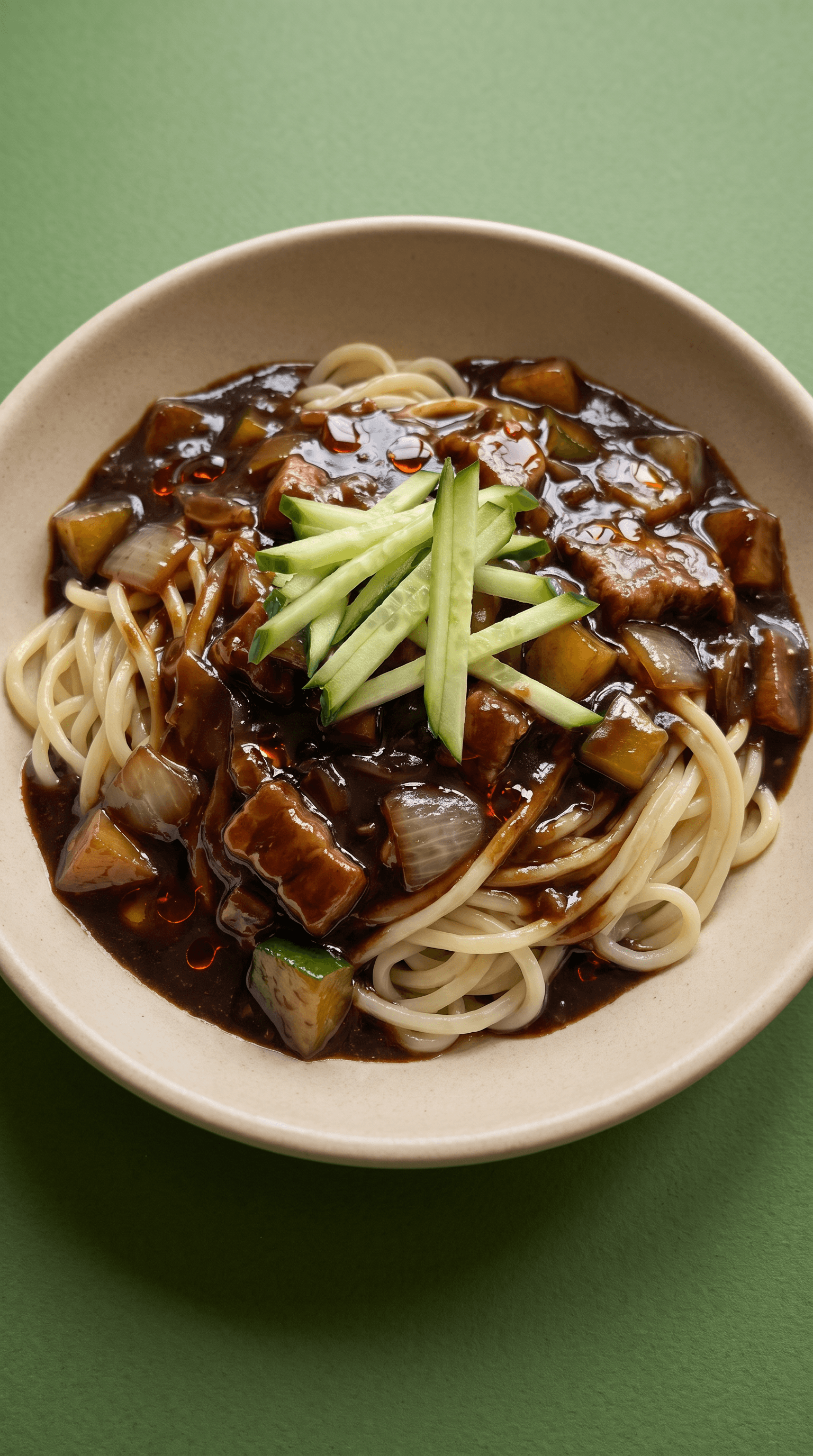
Black Bean Noodles with Pork (Jajangmyeon)
Jajangmyeon is Korea's favorite comfort noodle dish—thick wheat noodles smothered in a glossy black bean sauce with tender pork and vegetables. The secret is frying the fermented paste first to remove bitterness, then slow-caramelizing onions for sweetness. Ready in about an hour, this recipe serves 4 and tastes even better than your favorite Korean restaurant.
60 min · Intermediate · South Korea
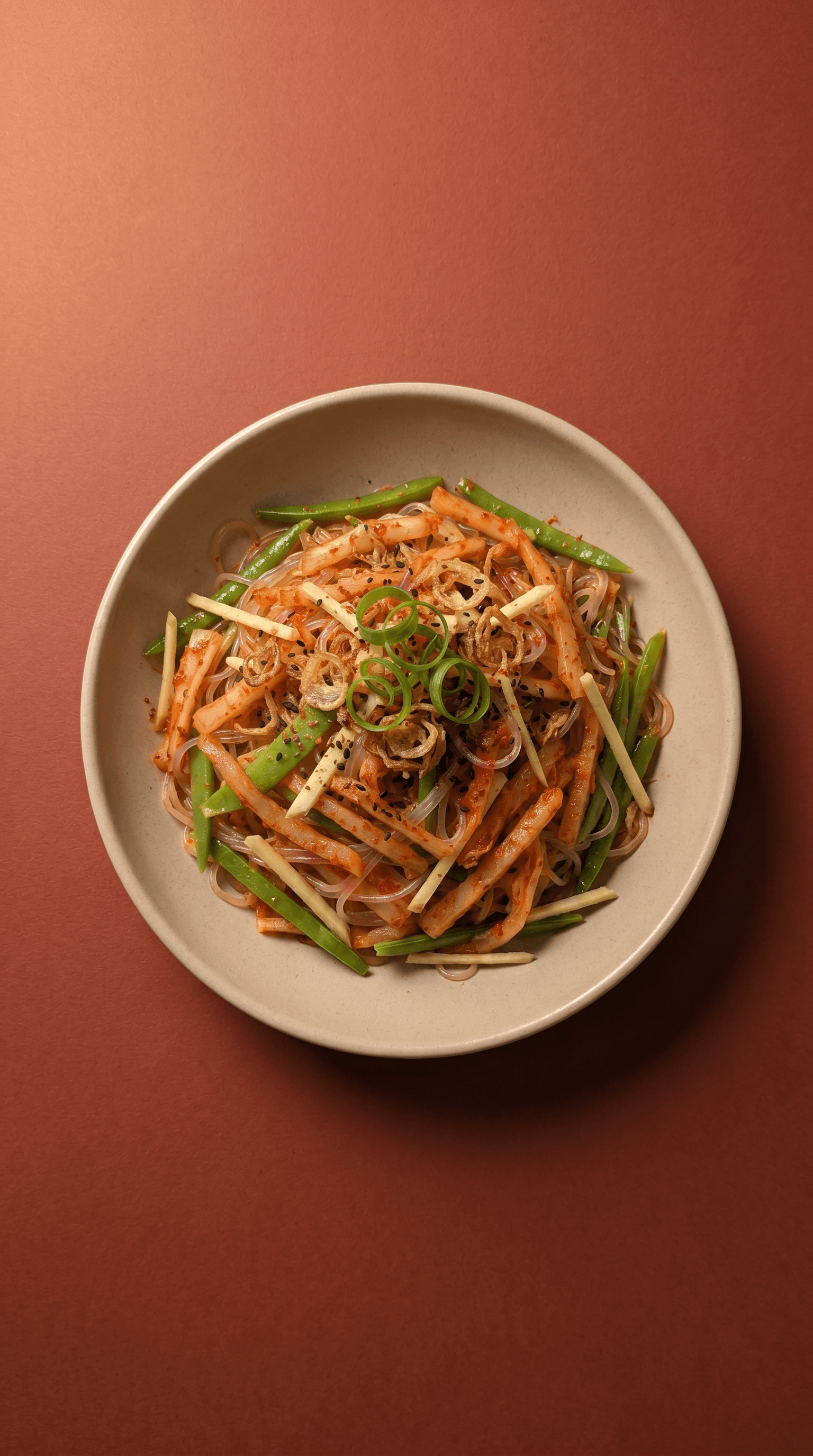
Julienned Kimchi and Glass Noodle Salad with Ginger-Syrup Vinaigrette
This Korean-fusion salad combines chewy glass noodles with tangy kimchi and sweet ginger in a refreshing cold dish. The key technique is cutting everything into thin matchsticks so each bite has perfect balance. Ready in 30 minutes, it serves 4 as a light starter or side dish that wakes up your taste buds.
30 min · Intermediate · South Korea
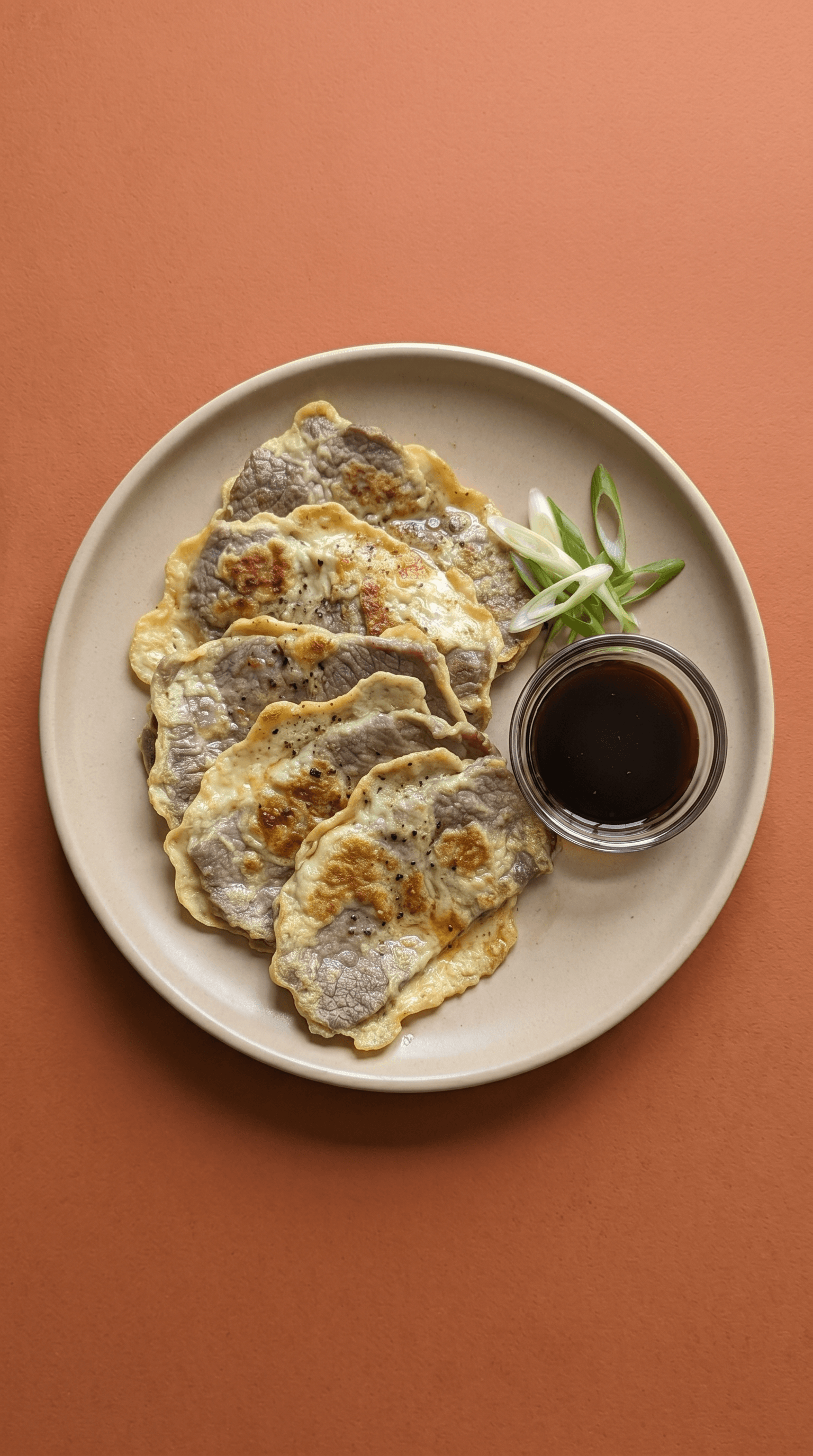
Beef Jeon (Yukjeon)
Beef Jeon is a Korean pan-fried dish where paper-thin beef slices get a delicate egg coating that creates a soft, golden crust. The secret is gentle heat and a light flour dusting that helps the egg stick perfectly. Ready in 30 minutes, this elegant appetizer serves 2-4 people and works beautifully for special occasions.
30 min · Intermediate · South Korea