Julienned Kimchi and Glass Noodle Salad with Ginger-Syrup Vinaigrette
30 min · Medium · Serves 4
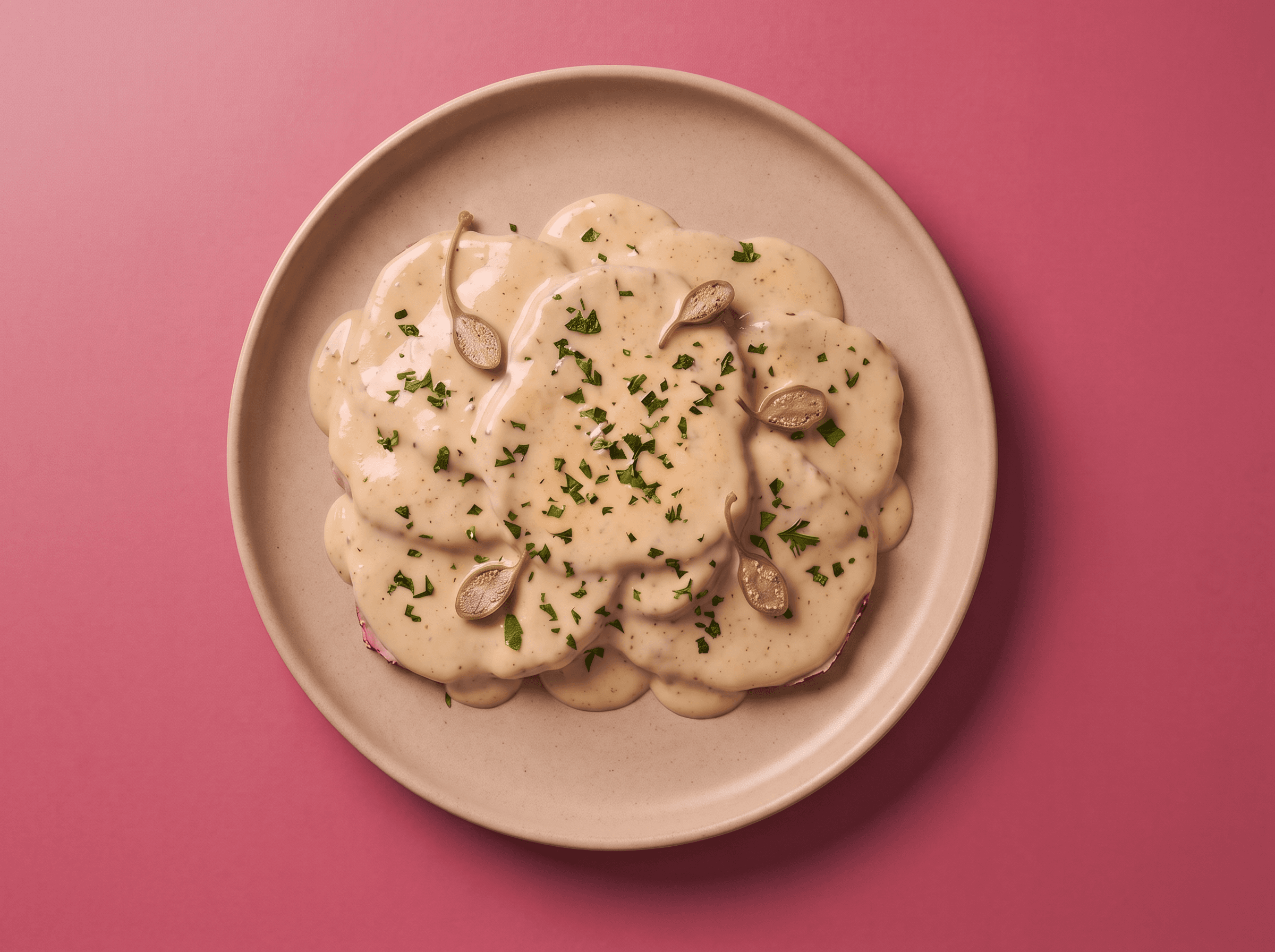 From our menuVitello Tonnato€17.50 · Made by us, delivered chilled.
This Korean-fusion salad combines chewy glass noodles with tangy kimchi and sweet ginger in a refreshing cold dish. The key technique is cutting everything into thin matchsticks so each bite has perfect balance. Ready in 30 minutes, it serves 4 as a light starter or side dish that wakes up your taste buds.
Recipe by Christophe Rammant
Cordon Bleu Paris alumni - Two star Michelin kitchen experience
What Makes This Salad So Balanced and Refreshing?
Traditional Korean cooking shows that fermented kimchi needs something sweet to balance its sharp, spicy kick. The ginger syrup does exactly that—it softens the heat while adding a floral sweetness that makes every bite interesting.
Food science shows that mung bean noodles stay bouncy and clear because their starch structure is different from wheat or rice. When you shock them in ice water after cooking, you lock in that signature glassy texture that makes them fun to eat.
Professional chefs know that cutting everything the same size—what they call uniform julienne—creates a cohesive dish. When the kimchi, peas, and ginger are all thin matchsticks, your fork picks up a perfect mix every time instead of big chunks fighting with tiny bits.
Estimated nutrition per serving
Estimated from ingredient weights, not lab-tested.
- Calories
- 207
- Protein
- 2g
- Fat
- 7g
- Carbohydrates
- 35g
The weekly recipe note
Enjoyed this recipe? Get the next one first.
One new recipe each week from Christophe: global flavor, French technique, and practical home-cook timing.
By signing up, you agree to receive emails from Mr. Saucy.
Ingredients
Recipe yields 4 servings
For the Noodles and Vegetables
| Amount | Ingredient | Notes |
|---|---|---|
| 100 g (about 3.5 oz) | dry mung bean glass noodles (cellophane noodles) | provides a chewy, translucent base |
| 200 g (about 7 oz) | napa cabbage kimchi | well-fermented, julienned into thin matchsticks |
| 80 g (about 3 oz) | sugar snap peas | blanched and julienned lengthwise |
| 30 g (about 2-3 scallions) | scallions | green parts only, julienned and shocked in ice water to curl |
| 15 g (about 1 tablespoon) | fresh young ginger | peeled and julienned into hair-thin needles |
For the Ginger-Syrup Vinaigrette
| Amount | Ingredient | Notes |
|---|---|---|
| 45 g (3 tablespoons) | kimchi brine | reserved from the jar |
| 40 g (about 2 tablespoons) | stem ginger in syrup | julienned, plus a splash of the syrup |
| 15 g (1 tablespoon) | toasted sesame oil | for nutty depth |
| 20 g (about 1 tablespoon) | rice vinegar | to brighten the fermented acidity |
| 15 g (1 tablespoon) | water | to thin and balance the dressing |
For Garnish
| Amount | Ingredient | Notes |
|---|---|---|
| 20 g (about 2 tablespoons) | fried shallots or fried onions | added just before serving for crunch |
| 5 g (1 teaspoon) | black sesame seeds | for visual contrast |
| 2 g (1/2 teaspoon) | gochugaru (Korean chili flakes) | for a touch of smoky heat |
Instructions
Prep the Noodles
- 1
Cook the Glass Noodles (Don't Overcook)
Soak the glass noodles in boiling water for 5-7 minutes until they turn translucent but still have a little bite—like pasta al dente. Overcooking makes them mushy and they lose that fun, bouncy texture that makes this salad special.
- 2
Shock in Ice Water (Lock the Texture)
Drain the noodles immediately and plunge them into a bowl of ice water. This stops the cooking instantly so they stay firm and glassy. After 1 minute, drain again and toss with 1 teaspoon of sesame oil to keep them from sticking together in a clump.
Prep the Vegetables
- 3
Julienne Everything (The Uniform Cut Trick)
Cut the kimchi, snap peas, fresh ginger, and stem ginger into thin matchsticks about the same size—roughly 2 inches long and 1/8 inch thick. When everything is the same shape, each forkful has a perfect mix of flavors and textures instead of some bites being all noodles and others all vegetables.
- 4
Curl the Scallions (The Pretty Touch)
Julienne the green parts of the scallions into 2-inch strips and drop them into ice water for at least 15 minutes. The cold makes them curl into beautiful spirals that look restaurant-fancy when you serve the salad.
- 5
Blanch the Snap Peas (Keep Them Bright)
Drop the julienned snap peas into boiling water for just 30 seconds, then immediately transfer to ice water. This quick blanch softens them slightly while keeping their bright green color and crisp snap.
Make the Dressing and Assemble
- 6
Whisk the Vinaigrette (Balance Sweet and Spicy)
In a small bowl, whisk together the kimchi brine, ginger syrup, rice vinegar, water, and remaining sesame oil until smooth. This dressing bridges the sweet ginger and spicy kimchi—the brine adds funky depth, the syrup adds sweetness, and the vinegar brightens everything up.
- 7
Toss Gently (Don't Break the Noodles)
In a large bowl, combine the noodles, julienned kimchi, snap peas, fresh ginger, and stem ginger. Pour the dressing over everything and toss gently with your hands—this ensures the delicate glass noodles get coated without snapping into little pieces.
- 8
Let It Rest (Flavor Absorption Time)
Let the dressed salad sit for 10 minutes at room temperature. This gives the noodles time to soak up the dressing flavors, making every bite more flavorful instead of the dressing just sitting on the surface.
Garnish and Serve
- 9
Add the Crunch (Last-Second Garnish)
Right before serving, drain the curled scallions and scatter them over the top along with the fried shallots, black sesame seeds, and a sprinkle of gochugaru. Adding these at the very last second keeps them crispy and prevents them from getting soggy in the dressing.
The weekly recipe note
Enjoyed this recipe? Get the next one first.
One new recipe each week from Christophe: global flavor, French technique, and practical home-cook timing.
By signing up, you agree to receive emails from Mr. Saucy.
Tips & Tricks
your fresh ginger tastes too sharp and burns your mouth:
Slice it as thin as possible—like hair-thin needles—and soak the pieces in cold water for 10 minutes before adding to the salad. This mellows the raw heat while keeping the fresh ginger flavor.
your salad gets watery and the dressing pools at the bottom:
Squeeze the julienned kimchi gently with your hands before adding it to the bowl. This removes excess moisture that would otherwise dilute the dressing and make everything soggy.
your glass noodles clump together in a sticky mass:
Toss them with a little sesame oil immediately after draining and shocking. The oil coats each noodle and keeps them separate and slippery instead of glued together.
you want more flavor but the salad tastes flat:
Use kimchi that's been fermenting in your fridge for at least 2-3 weeks. Older kimchi has more lactic acid and deeper flavor than fresh kimchi, which makes a huge difference in cold salads like this.
your fresh ginger tastes too sharp and burns your mouth:
Slice it as thin as possible—like hair-thin needles—and soak the pieces in cold water for 10 minutes before adding to the salad. This mellows the raw heat while keeping the fresh ginger flavor.
your salad gets watery and the dressing pools at the bottom:
Squeeze the julienned kimchi gently with your hands before adding it to the bowl. This removes excess moisture that would otherwise dilute the dressing and make everything soggy.
your glass noodles clump together in a sticky mass:
Toss them with a little sesame oil immediately after draining and shocking. The oil coats each noodle and keeps them separate and slippery instead of glued together.
you want more flavor but the salad tastes flat:
Use kimchi that's been fermenting in your fridge for at least 2-3 weeks. Older kimchi has more lactic acid and deeper flavor than fresh kimchi, which makes a huge difference in cold salads like this.
Frequently Asked Questions
Can I use rice noodles instead of glass noodles?
You can, but mung bean glass noodles are better here. They have a unique bouncy, elastic texture that rice noodles don't have—rice vermicelli gets softer and mushier. The glass noodles give you that fun 'snap' that makes this salad special and complements the crunchy vegetables perfectly.
What if I can't find stem ginger in syrup?
Use julienned pickled sushi ginger (the pink kind called gari) plus 1 teaspoon of honey or agave nectar mixed into the dressing. This keeps the sweet-and-tangy balance that offsets the spicy kimchi, though the flavor will be slightly more floral and less intense.
Can I make this salad ahead of time?
Partially, yes. You can prep all the vegetables and cook the noodles up to 1 day ahead—store them separately in the fridge. Mix the dressing and toss everything together 10 minutes before serving, then add the crunchy garnishes at the very last second so they stay crispy.
Is this served cold or at room temperature?
Serve it cold or at cool room temperature—never hot. Chilling enhances the fresh, crisp quality of the snap peas and the brightness of the ginger. It works perfectly as a palate cleanser between heavier dishes or as a light, refreshing starter on a warm day.
How spicy is this salad?
It has a gentle, building heat from the kimchi and gochugaru, but the ginger syrup and rice vinegar balance it out so it's not overwhelming. If you're sensitive to spice, use less gochugaru on top or choose a milder kimchi. You can always add more heat, but you can't take it away.
What can I serve this with?
This salad works beautifully as a starter before grilled meats, as a side dish with Korean BBQ, or as a light lunch on its own. The bright, tangy flavors cut through rich, fatty foods, so it's perfect alongside pork belly, short ribs, or fried chicken.
Do I have to julienne everything by hand?
For the best texture and presentation, yes. A mandoline with a julienne blade can speed things up for the vegetables, but take your time with the kimchi—cutting it by hand ensures you get even pieces that aren't mushy. The uniform size is what makes this dish work, so it's worth the extra effort.
Why do the scallions need to soak in ice water?
The ice water makes them curl into pretty spirals and also mellows their sharp onion bite. It's a classic restaurant trick that makes the garnish look fancy and taste milder. If you skip this step, they'll be flat and more pungent.
Can I use rice noodles instead of glass noodles?
You can, but mung bean glass noodles are better here. They have a unique bouncy, elastic texture that rice noodles don't have—rice vermicelli gets softer and mushier. The glass noodles give you that fun 'snap' that makes this salad special and complements the crunchy vegetables perfectly.
What if I can't find stem ginger in syrup?
Use julienned pickled sushi ginger (the pink kind called gari) plus 1 teaspoon of honey or agave nectar mixed into the dressing. This keeps the sweet-and-tangy balance that offsets the spicy kimchi, though the flavor will be slightly more floral and less intense.
Can I make this salad ahead of time?
Partially, yes. You can prep all the vegetables and cook the noodles up to 1 day ahead—store them separately in the fridge. Mix the dressing and toss everything together 10 minutes before serving, then add the crunchy garnishes at the very last second so they stay crispy.
Is this served cold or at room temperature?
Serve it cold or at cool room temperature—never hot. Chilling enhances the fresh, crisp quality of the snap peas and the brightness of the ginger. It works perfectly as a palate cleanser between heavier dishes or as a light, refreshing starter on a warm day.
How spicy is this salad?
It has a gentle, building heat from the kimchi and gochugaru, but the ginger syrup and rice vinegar balance it out so it's not overwhelming. If you're sensitive to spice, use less gochugaru on top or choose a milder kimchi. You can always add more heat, but you can't take it away.
What can I serve this with?
This salad works beautifully as a starter before grilled meats, as a side dish with Korean BBQ, or as a light lunch on its own. The bright, tangy flavors cut through rich, fatty foods, so it's perfect alongside pork belly, short ribs, or fried chicken.
Do I have to julienne everything by hand?
For the best texture and presentation, yes. A mandoline with a julienne blade can speed things up for the vegetables, but take your time with the kimchi—cutting it by hand ensures you get even pieces that aren't mushy. The uniform size is what makes this dish work, so it's worth the extra effort.
Why do the scallions need to soak in ice water?
The ice water makes them curl into pretty spirals and also mellows their sharp onion bite. It's a classic restaurant trick that makes the garnish look fancy and taste milder. If you skip this step, they'll be flat and more pungent.
Recipe Reviews
No reviews yet — Be the first to review this recipe!
The collection
All recipes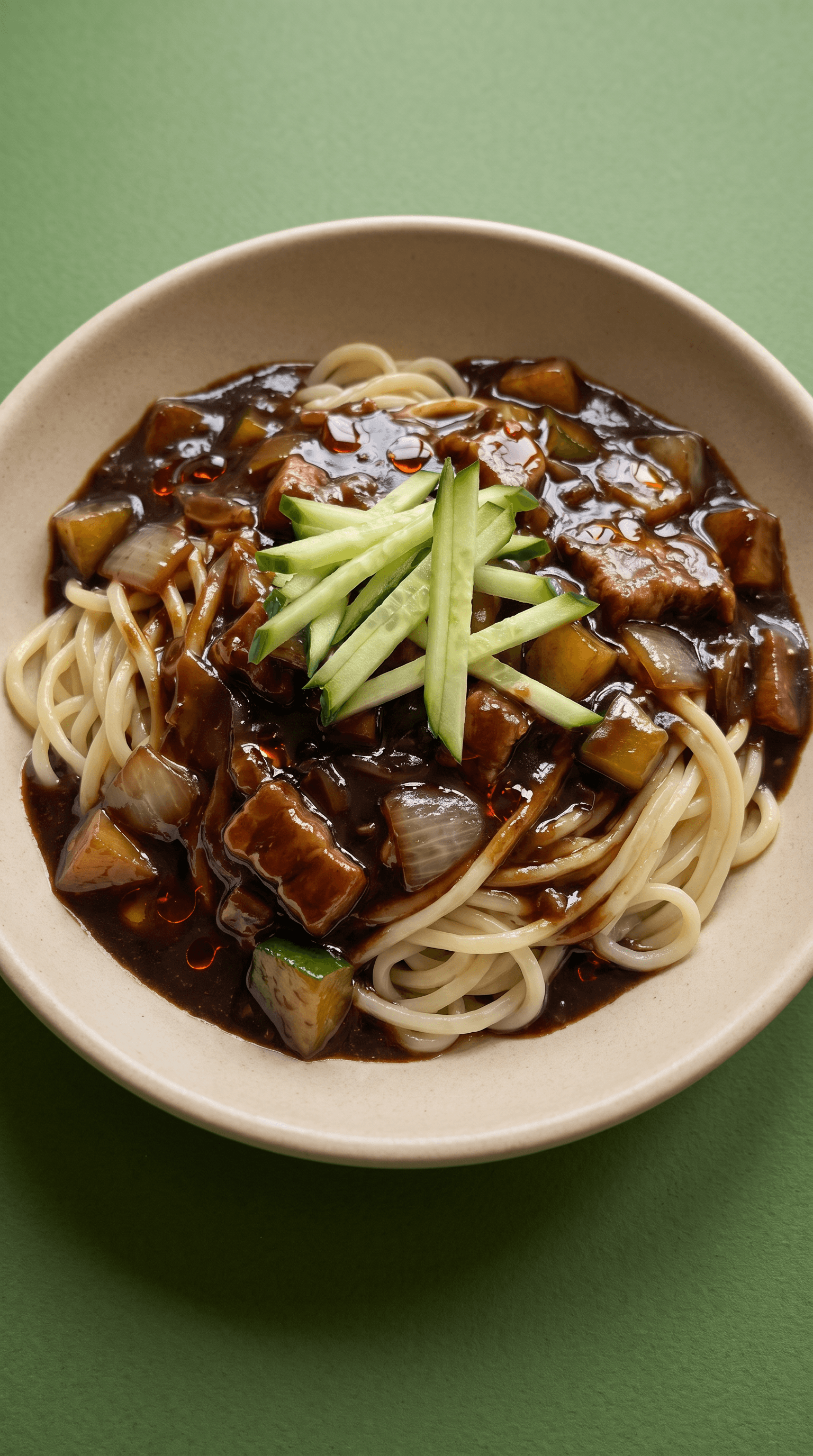
Black Bean Noodles with Pork (Jajangmyeon)
Jajangmyeon is Korea's favorite comfort noodle dish—thick wheat noodles smothered in a glossy black bean sauce with tender pork and vegetables. The secret is frying the fermented paste first to remove bitterness, then slow-caramelizing onions for sweetness. Ready in about an hour, this recipe serves 4 and tastes even better than your favorite Korean restaurant.
60 min · Intermediate · South Korea
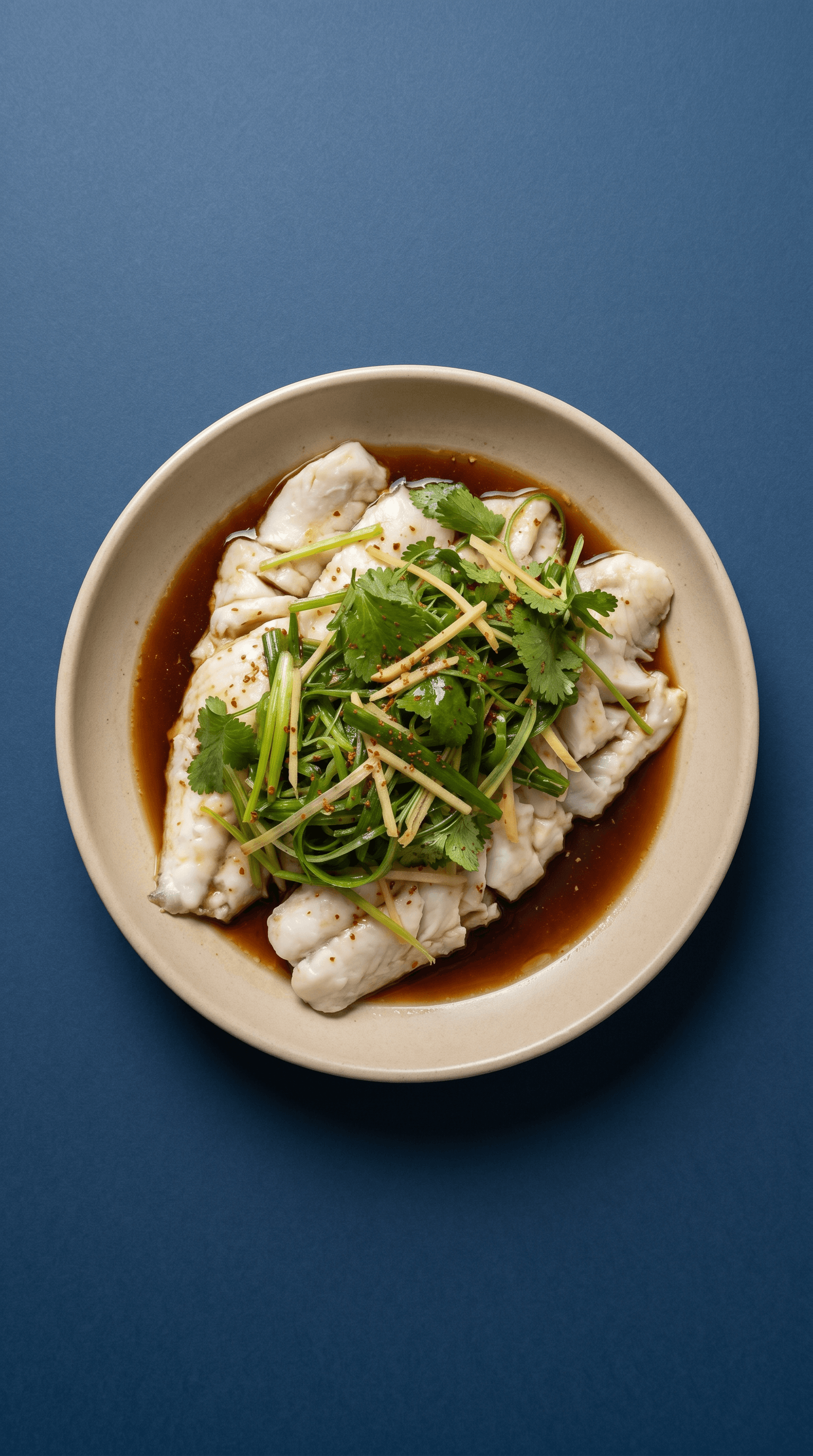
Sake-Steamed Sea Bream with Ginger-Scallion Sizzle and Gochugaru Infusion
This is a light, elegant steamed fish dish that combines Japanese sake-steaming with Korean aromatics. Fresh sea bream gets gently cooked in sake vapors, then topped with crispy scallions, ginger, and cilantro that get flash-cooked with sizzling hot oil. The whole dish takes just 25 minutes and serves 4 people with restaurant-quality results.
25 min · Intermediate · South Korea
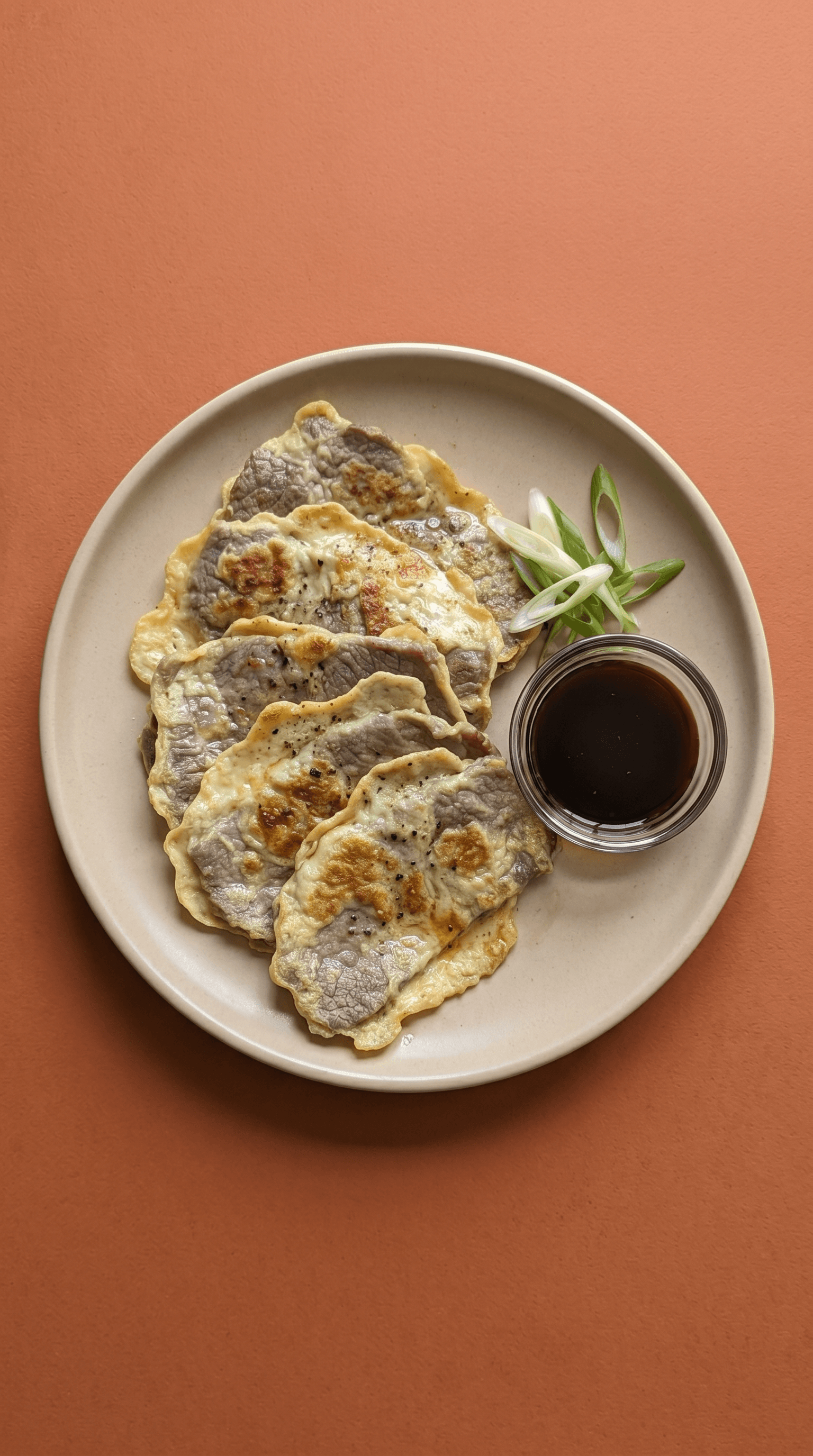
Beef Jeon (Yukjeon)
Beef Jeon is a Korean pan-fried dish where paper-thin beef slices get a delicate egg coating that creates a soft, golden crust. The secret is gentle heat and a light flour dusting that helps the egg stick perfectly. Ready in 30 minutes, this elegant appetizer serves 2-4 people and works beautifully for special occasions.
30 min · Intermediate · South Korea