Beef Jeon (Yukjeon)
30 min · Medium · Serves 2-4
 From our menuGreen Curry with Meatballs€16.95 · Made by us, delivered chilled.
Beef Jeon is a Korean pan-fried dish where paper-thin beef slices get a delicate egg coating that creates a soft, golden crust. The secret is gentle heat and a light flour dusting that helps the egg stick perfectly. Ready in 30 minutes, this elegant appetizer serves 2-4 people and works beautifully for special occasions.
Recipe by Christophe Rammant
Cordon Bleu Paris alumni - Two star Michelin kitchen experience
What Makes This Beef So Tender and Flavorful?
Traditional Korean technique shows that pounding the meat breaks down tough muscle fibers before cooking. This mechanical tenderizing means even budget-friendly cuts become melt-in-your-mouth tender in just minutes.
The dry marinade with sesame oil and sugar does double duty—it seasons the meat deeply while the sugar helps create beautiful browning. Food science shows that sugar caramelizes at low heat, giving you rich color without burning the delicate egg coating.
Professional Korean cooks know the flour layer is crucial. It creates a dry surface that grabs onto the egg wash and prevents it from sliding off during frying. The result is that signature soft, omelet-like exterior that makes Jeon so special.
Estimated nutrition per serving
Estimated from ingredient weights, not lab-tested.
- Calories
- 760
- Protein
- 60g
- Fat
- 43g
- Carbohydrates
- 29g
The weekly recipe note
Enjoyed this recipe? Get the next one first.
One new recipe each week from Christophe: global flavor, French technique, and practical home-cook timing.
By signing up, you agree to receive emails from Mr. Saucy.
Ingredients
Recipe yields 2-4 servings
For the Beef
| Amount | Ingredient | Notes |
|---|---|---|
| 450 g (1 lb) | beef | thinly sliced strip loin, flat iron, chuck tender, or inside round—slices should be very thin for quick cooking |
| 8 g (2 tsp) | sugar | — |
| 5 g (1 tsp) | sesame oil | — |
| 3 g (1/2 tsp) | salt | for marinade |
| 1 g (1/4 tsp) | ground black pepper | — |
For the Coating
| Amount | Ingredient | Notes |
|---|---|---|
| 65 g (1/2 cup) | all-purpose flour | for dusting |
| 150 g (3 large) | eggs | — |
| 3 g (1/2 tsp) | salt | for egg wash |
For Frying
| Amount | Ingredient | Notes |
|---|---|---|
| 30 g (2 tbsp) | vegetable oil | or as needed |
Instructions
Prep the Beef
- 1
Tenderize the Meat
Gently pound the beef slices with a meat mallet or the back of a knife. This breaks down the tough muscle fibers and creates an even thickness so every piece cooks at the same rate—no thick spots that stay raw while thin edges overcook.
- 2
Apply the Dry Marinade
Combine the sugar, sesame oil, 1/2 tsp salt, and black pepper in a small bowl. Rub this mixture evenly over both sides of the beef. The sesame oil adds nutty richness while the sugar helps create beautiful caramelization during frying.
- 3
Rest and Dry the Beef
Let the seasoned meat rest for 2 minutes so the flavors can sink into the surface. Then pat each slice completely dry with paper towels—this step is critical because any moisture will turn the flour into paste instead of a light, crispy coating.
Coat the Beef
- 4
Dust with Flour
Use a fine-mesh sifter to dust a light, even layer of flour over both sides of each beef slice. The sifter prevents clumps and creates that professional, delicate crust. Shake off any excess flour—you want just enough to help the egg stick.
- 5
Prepare the Egg Wash
Whisk the eggs with the remaining 1/2 tsp salt until completely smooth. Dip each floured beef slice into the egg mixture, making sure every inch is coated. This creates the signature golden exterior that looks like a soft omelet wrapped around the meat.
Fry the Jeon
- 6
Cook Over Gentle Heat
Heat the vegetable oil in a non-stick skillet over low heat (around 275°F / 135°C). Add the egg-coated beef slices without crowding the pan. Fry gently for 2-3 minutes per side, flipping only once. Low heat is essential—it cooks the beef through while keeping the egg coating soft and golden instead of brown and rubbery.
- 7
Drain and Serve
Transfer the finished Jeon to a paper towel-lined plate to absorb any excess oil. Serve immediately while the coating is warm and tender. The beef should be fully cooked and the egg coating should look like a delicate, golden blanket.
The weekly recipe note
Enjoyed this recipe? Get the next one first.
One new recipe each week from Christophe: global flavor, French technique, and practical home-cook timing.
By signing up, you agree to receive emails from Mr. Saucy.
Tips & Tricks
your coating turns soggy:
Always pat the meat completely dry after marinating. If the meat is too wet, the flour becomes paste and the egg coating slides right off during frying.
the egg coating burns:
Lower your heat immediately and wipe the pan clean between batches. Burnt egg bits from previous pieces stick to new slices and create a bitter flavor.
you need paper-thin slices:
Partially freeze the beef for 30 minutes before slicing. Firm meat is much easier to cut into uniform, thin pieces that cook evenly.
the flour clumps on the meat:
Use a fine-mesh strainer to dust the flour lightly. A heavy hand creates gummy texture instead of that delicate, crispy bite you want.
the egg peels off during cooking:
Make sure there's no excess moisture on the meat and shake off extra flour before dipping in egg. The flour needs to be just a thin layer to bond properly.
your coating turns soggy:
Always pat the meat completely dry after marinating. If the meat is too wet, the flour becomes paste and the egg coating slides right off during frying.
the egg coating burns:
Lower your heat immediately and wipe the pan clean between batches. Burnt egg bits from previous pieces stick to new slices and create a bitter flavor.
you need paper-thin slices:
Partially freeze the beef for 30 minutes before slicing. Firm meat is much easier to cut into uniform, thin pieces that cook evenly.
the flour clumps on the meat:
Use a fine-mesh strainer to dust the flour lightly. A heavy hand creates gummy texture instead of that delicate, crispy bite you want.
the egg peels off during cooking:
Make sure there's no excess moisture on the meat and shake off extra flour before dipping in egg. The flour needs to be just a thin layer to bond properly.
Frequently Asked Questions
What is the best cut of beef for Jeon?
Strip loin or flat iron offer great flavor, but any lean, tender cut works. The real key is thickness—slice the beef paper-thin (about 1/8 inch or 3 mm) so it cooks rapidly at the same rate as the delicate egg coating.
Can I make Beef Jeon ahead of time?
Jeon is best served immediately while the coating is soft and warm. You can prep the meat and marinade a few hours early and keep it covered in the fridge. If you have leftovers, reheat them gently in a dry pan over low heat to maintain the texture.
Why is my egg coating peeling off the meat?
This happens when there's too much moisture on the meat or too much flour. Pat the meat completely dry after marinating and shake off excess flour before dipping into the egg wash for a perfect bond.
What should I serve with Beef Jeon?
Traditionally, it's served with a simple dipping sauce made of soy sauce, vinegar, and a pinch of chili flakes. It also pairs beautifully with fresh scallion salad (Pa Muchim) to cut through the richness of the fried coating.
Can I use a different type of flour?
All-purpose flour works best because it creates a light coating. Rice flour makes it too crispy, and whole wheat flour can taste heavy. Stick with regular white flour for that authentic soft texture.
How do I know when the oil is the right temperature?
Drop a tiny bit of egg into the oil. It should sizzle gently but not violently. If it browns in seconds, your heat is too high. Low and slow is the secret to tender Jeon.
What if I don't have a meat mallet?
Use the back of a heavy knife or even a small heavy pan. Just tap gently all over the meat to break down the fibers—you're not trying to flatten it completely, just tenderize it.
Can I freeze cooked Beef Jeon?
Yes, but the texture changes. Freeze them in a single layer on a baking sheet, then transfer to a freezer bag. Reheat in a 300°F / 150°C oven for 10 minutes to crisp them back up.
What is the best cut of beef for Jeon?
Strip loin or flat iron offer great flavor, but any lean, tender cut works. The real key is thickness—slice the beef paper-thin (about 1/8 inch or 3 mm) so it cooks rapidly at the same rate as the delicate egg coating.
Can I make Beef Jeon ahead of time?
Jeon is best served immediately while the coating is soft and warm. You can prep the meat and marinade a few hours early and keep it covered in the fridge. If you have leftovers, reheat them gently in a dry pan over low heat to maintain the texture.
Why is my egg coating peeling off the meat?
This happens when there's too much moisture on the meat or too much flour. Pat the meat completely dry after marinating and shake off excess flour before dipping into the egg wash for a perfect bond.
What should I serve with Beef Jeon?
Traditionally, it's served with a simple dipping sauce made of soy sauce, vinegar, and a pinch of chili flakes. It also pairs beautifully with fresh scallion salad (Pa Muchim) to cut through the richness of the fried coating.
Can I use a different type of flour?
All-purpose flour works best because it creates a light coating. Rice flour makes it too crispy, and whole wheat flour can taste heavy. Stick with regular white flour for that authentic soft texture.
How do I know when the oil is the right temperature?
Drop a tiny bit of egg into the oil. It should sizzle gently but not violently. If it browns in seconds, your heat is too high. Low and slow is the secret to tender Jeon.
What if I don't have a meat mallet?
Use the back of a heavy knife or even a small heavy pan. Just tap gently all over the meat to break down the fibers—you're not trying to flatten it completely, just tenderize it.
Can I freeze cooked Beef Jeon?
Yes, but the texture changes. Freeze them in a single layer on a baking sheet, then transfer to a freezer bag. Reheat in a 300°F / 150°C oven for 10 minutes to crisp them back up.
Recipe Reviews
No reviews yet — Be the first to review this recipe!
The collection
All recipes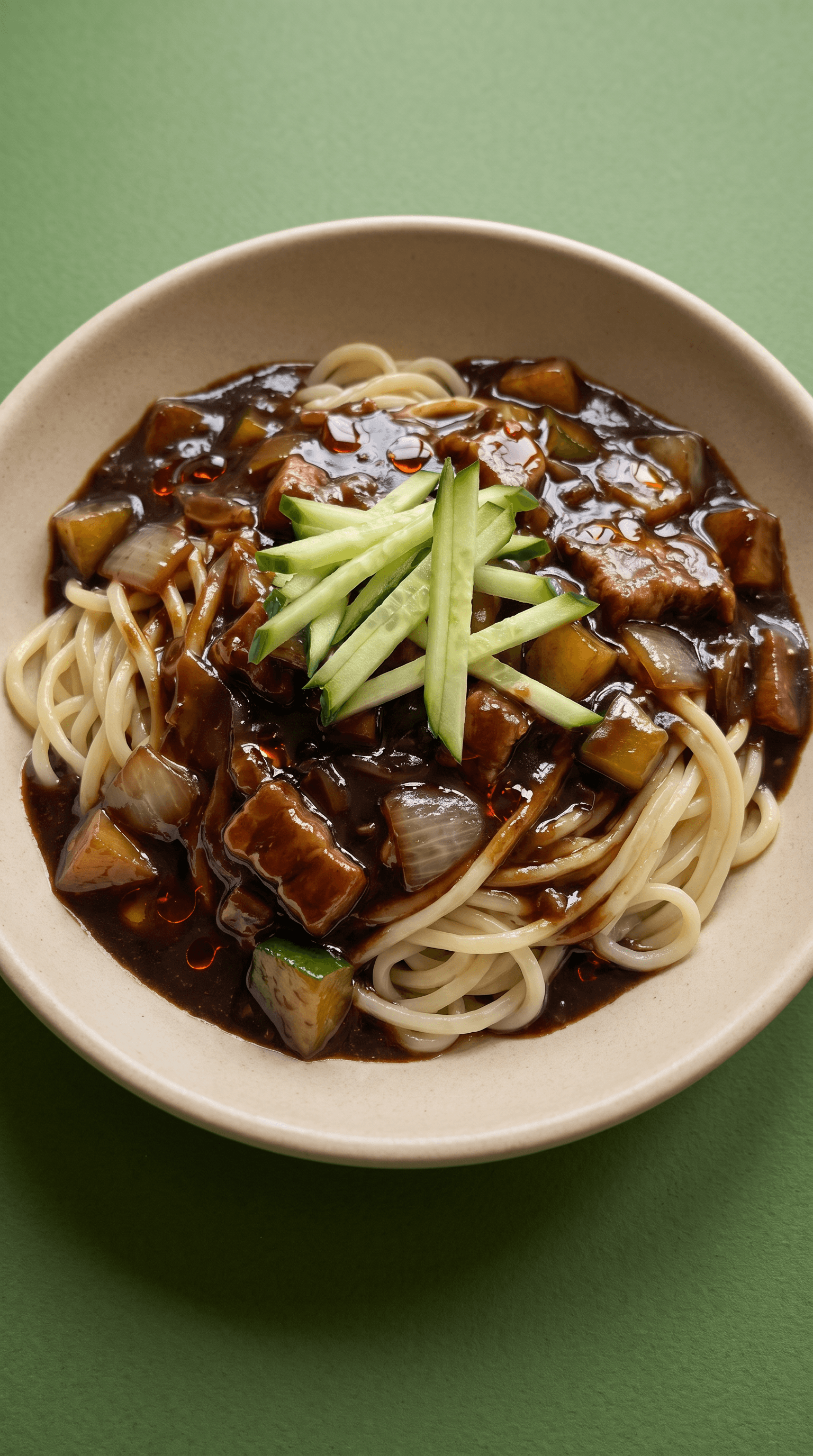
Black Bean Noodles with Pork (Jajangmyeon)
Jajangmyeon is Korea's favorite comfort noodle dish—thick wheat noodles smothered in a glossy black bean sauce with tender pork and vegetables. The secret is frying the fermented paste first to remove bitterness, then slow-caramelizing onions for sweetness. Ready in about an hour, this recipe serves 4 and tastes even better than your favorite Korean restaurant.
60 min · Intermediate · South Korea
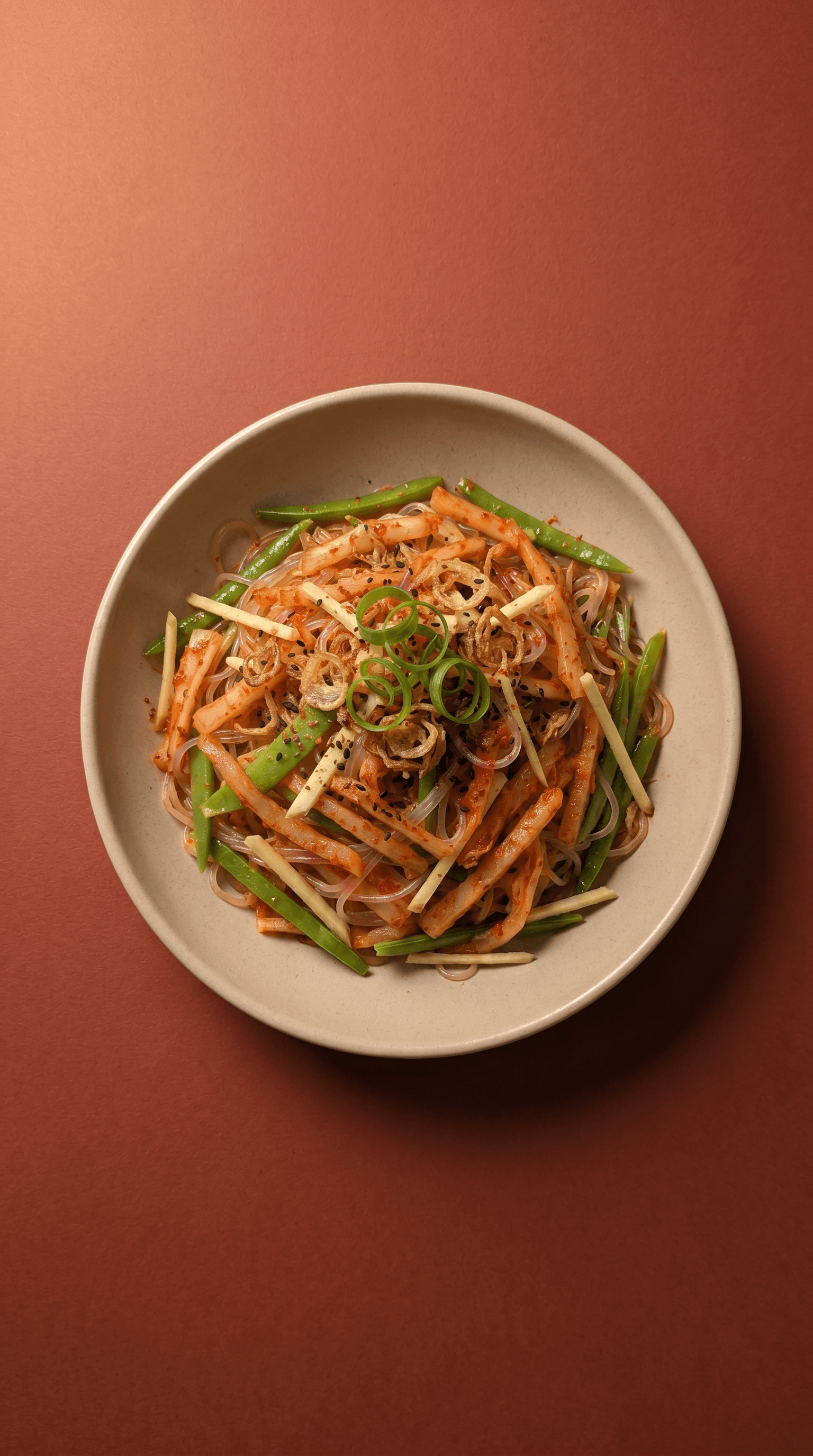
Julienned Kimchi and Glass Noodle Salad with Ginger-Syrup Vinaigrette
This Korean-fusion salad combines chewy glass noodles with tangy kimchi and sweet ginger in a refreshing cold dish. The key technique is cutting everything into thin matchsticks so each bite has perfect balance. Ready in 30 minutes, it serves 4 as a light starter or side dish that wakes up your taste buds.
30 min · Intermediate · South Korea
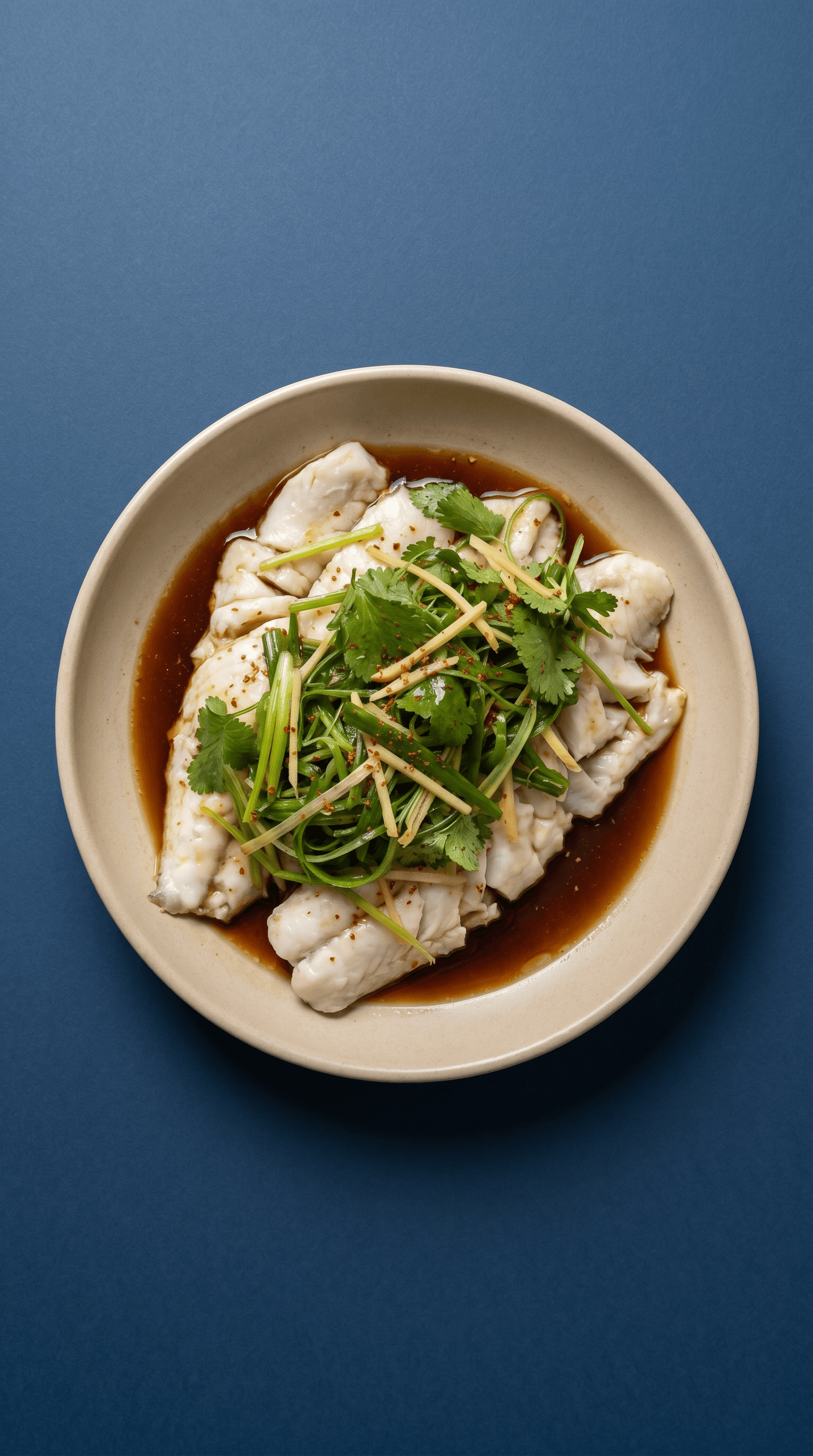
Sake-Steamed Sea Bream with Ginger-Scallion Sizzle and Gochugaru Infusion
This is a light, elegant steamed fish dish that combines Japanese sake-steaming with Korean aromatics. Fresh sea bream gets gently cooked in sake vapors, then topped with crispy scallions, ginger, and cilantro that get flash-cooked with sizzling hot oil. The whole dish takes just 25 minutes and serves 4 people with restaurant-quality results.
25 min · Intermediate · South Korea