Beef Fillet with Chanterelles Recipe and Madeira Jus
1 hr 45 min · Advanced · Serves 4
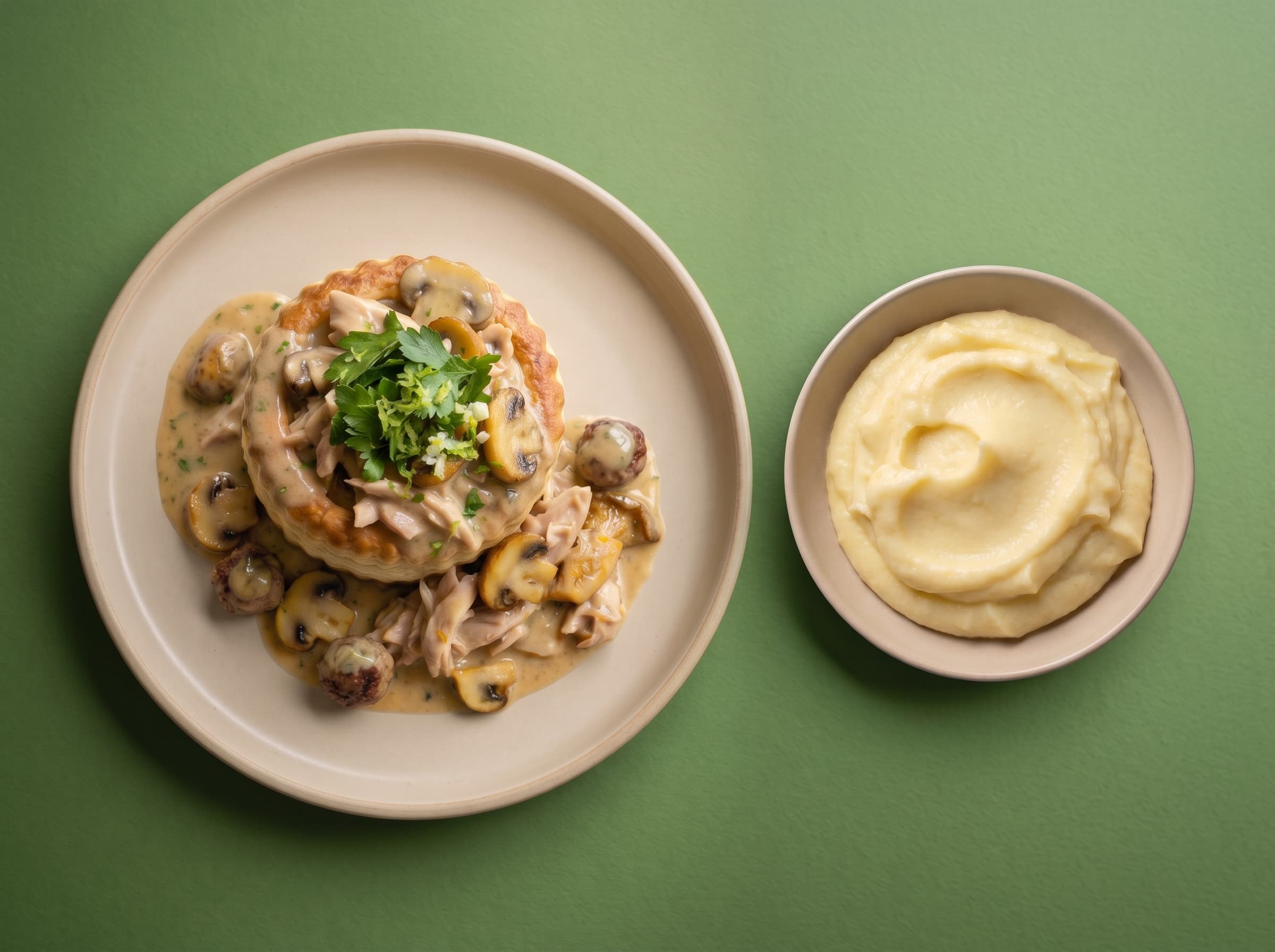 From our menuVol-au-Vent East meets West€19.95 · Made by us, delivered chilled.
This beef fillet with chanterelles recipe is a classic French-Belgian dinner party main: a butter-basted, perfectly rested fillet steak served with golden wild mushrooms, sweet glazed shallots, silky celeriac mousseline, and a rich Madeira sauce. It takes about 105 minutes total and serves 4, with several parts made ahead so you're not stuck at the stove.
Recipe by Christophe Rammant
Cordon Bleu Paris alumni - Two star Michelin kitchen experience
Why Does Resting and Basting Make This Fillet So Juicy?
Professional culinary team know that a hot, dry pan is what creates a deep brown crust instead of a gray, steamed surface. Searing the fillet undisturbed for 2-3 minutes per side lets that crust fully form before you flip, which locks in flavor rather than fighting the pan.
Classical French technique uses arrosage, or continuous butter basting, to add aromatic richness while gently finishing the inside of the meat. Spooning foaming butter with garlic and thyme over the steak bathes it in fat without overcooking the exterior.
Food science shows that resting meat for 8-10 minutes lets the muscle fibers relax and pull juices back in, instead of letting them spill out onto the cutting board. The center will even keep climbing 3-4°C (about 6-7°F) during this rest, so pulling the beef slightly early is intentional, not a mistake.
The weekly recipe note
Enjoyed this recipe? Get the next one first.
One new recipe each week from Christophe: global flavor, French technique, and practical home-cook timing.
By signing up, you agree to receive emails from Mr. Saucy.
Ingredients
Recipe yields 4 servings
For the Beef
| Amount | Ingredient | Notes |
|---|---|---|
| 720 g (4 x 180 g) | Beef tenderloin (center-cut fillet steaks) | trimmed of silverskin, at room temperature before cooking |
| 30 g | Neutral oil (grapeseed or sunflower) | high smoke point for searing |
| 60 g | Unsalted butter | for basting the fillets |
| 10 g (2 cloves) | Garlic cloves | crushed with skin on, for basting aromatics |
| 8 g | Fresh thyme sprigs | divided between beef, shallots, and jus |
For the Chanterelles
| Amount | Ingredient | Notes |
|---|---|---|
| 400 g | Fresh chanterelle mushrooms | cleaned with a soft brush, torn into bite-size pieces, kept as dry as possible |
| 20 g | Unsalted butter | for searing chanterelles |
| 20 g | Shallot, finely minced | for chanterelles |
| 10 g | Fresh chives, chopped | garnish |
For the Glazed Shallots
| Amount | Ingredient | Notes |
|---|---|---|
| 350 g (about 16-20 pieces) | Small whole shallots, peeled | root end trimmed but kept intact so they hold shape |
| 30 g | Unsalted butter | for glazing shallots |
| 15 g | Sugar | for caramelizing the glaze |
| 100 g | Veal or beef stock | for braising the shallots |
| 10 g | Sherry vinegar | divided between shallots and jus, for acidity balance |
For the Celeriac Mousseline
| Amount | Ingredient | Notes |
|---|---|---|
| 900 g | Celeriac (celery root), peeled and cubed | 2cm cubes |
| 600 g | Whole milk | enough to fully submerge the celeriac; preserves ivory color |
| 100 g | Cold unsalted butter, cubed | for the mousseline, added cold for a silky emulsion |
| 1 g | Freshly grated nutmeg | a small pinch |
For the Madeira Jus
| Amount | Ingredient | Notes |
|---|---|---|
| 40 g | Shallot, finely minced | base for the Madeira jus |
| 20 g | Unsalted butter | for sweating the jus shallots |
| 15 g | Tomato paste | classical addition for sauce Madère color and depth |
| 150 g | Madeira wine (dry, e.g. Sercial or Verdelho) | reduced to concentrate sugars and alcohol |
| 500 g | Veal stock, good quality | reduced by roughly half |
| 1 leaf | Bay leaf | — |
| 40 g | Cold unsalted butter, cubed | whisked in off the heat to finish the jus with sheen |
| Amount | Ingredient | Notes |
|---|---|---|
| 5 g | Fine sea salt and freshly ground black pepper | to taste throughout |
Instructions
Prep Ahead: Mousseline, Shallots, and Jus Base
- 1
Bring the Beef to Room Temperature
Set the fillets out at least 45 minutes before cooking. A cold center forces you to overcook the outside just to warm the middle, which ruins the balance between a deep sear and a tender center.
- 2
Cook the Celeriac in Milk
Cover the cubed celeriac completely with milk and bring to a gentle simmer, around 180-190°F / 82-88°C. Cook 20-25 minutes until a knife slides in with no resistance. Milk, instead of water, keeps the celeriac pale and gives it a subtly sweet, rounded flavor rather than a watery one.
- 3
Blend into a Silky Mousseline
Drain the celeriac, saving a splash of the milk. Blend it hot with the cold cubed butter added a few pieces at a time. Adding the butter cold and gradually keeps the emulsion tight and glossy instead of greasy or split. Season with salt and a whisper of nutmeg, adjust texture with the reserved milk, then pass through a fine sieve for a velvet finish. Keep warm over a bain-marie.
- 4
Glaze the Whole Shallots
Melt the butter over medium-low heat, add the whole shallots and sugar, and toss to coat. Cook uncovered 8-10 minutes, shaking occasionally, until the cut edges turn light caramel. The sugar caramelizes the outside while the shallots stay firm-tender inside.
- 5
Reduce the Shallot Glaze
Add the stock, thyme, and a splash of sherry vinegar. Simmer uncovered about 10 minutes until the liquid turns syrupy and clings to the shallots. Set aside off heat; they'll reheat gently later without losing their glaze.
- 6
Sweat the Jus Shallots
Cook the minced shallots in butter over low heat until soft and translucent but not browned, about 4 minutes. This builds a sweet aromatic base without any bitterness.
- 7
Add Tomato Paste and Deglaze with Madeira
Stir in the tomato paste and cook 1 minute to cook off its raw edge. Add the Madeira and scrape the pan well as it bubbles. This deglazing step lifts every bit of browned flavor into the sauce.
- 8
Reduce the Madeira and Add Stock
Reduce the Madeira by two-thirds until syrupy, then add the veal stock and bay leaf. Simmer gently, uncovered, until reduced by about half and the sauce coats the back of a spoon. Slow, gentle reduction is what gives Madeira jus its silky depth; rushing it on high heat makes it cloudy and harsh instead.
- 9
Strain and Set Aside
Strain the jus through a fine sieve into a clean saucepan and set aside. Hold off on the final butter until just before serving, since adding it too early and reheating can cause the sauce to separate.
Sear and Rest the Beef
- 10
Get the Pan Truly Hot
Heat a heavy, dry skillet over high heat until it's genuinely hot, around 450°F / 230°C. A pan that isn't hot enough will steam the meat instead of searing it, leaving you with a gray, flabby crust instead of a deep brown one.
- 11
Sear the Fillets Undisturbed
Pat the fillets completely dry, season generously with salt, and add the oil. Sear undisturbed for 2-3 minutes per side for medium-rare. Moving the meat too soon interrupts crust formation, so let it develop a deep brown color before flipping.
- 12
Baste with Butter (Arrosage)
In the last minute of cooking, lower the heat slightly, add the butter, crushed garlic, and thyme, and spoon the foaming butter over the meat continuously. This classical basting technique adds rich, aromatic flavor while gently finishing the interior.
- 13
Rest the Beef
Move the fillets to a warm plate and rest, loosely tented with foil, for a full 8-10 minutes. This is not optional: resting lets the muscle fibers relax and reabsorb their juices instead of spilling onto the cutting board, and the center will climb another 3-4°C / 6-7°F while it rests. Aim to pull the beef at 50-52°C / 122-126°F internally so it settles around 54-56°C / 129-133°F for medium-rare.
Finish the Chanterelles and Sauce
- 14
Sear the Chanterelles
While the beef rests, wipe out the skillet, return it to high heat with the butter, and add the mushrooms in a single layer. Leave them alone for the first minute so they sear instead of steam. Chanterelles hold a lot of water, and overcrowding or stirring too soon makes them boil in their own liquid instead of browning.
- 15
Season and Finish the Mushrooms
Once the chanterelles are golden at the edges, add the minced shallot and toss for another minute. Season with salt and pepper, then scatter over the chopped chives off the heat.
- 16
Reheat and Finish the Jus
Gently reheat the glazed shallots over low heat, and warm the strained Madeira jus over low-medium heat. Once warm, take it off the heat and whisk in the cold cubed butter piece by piece. This liaison technique gives the jus its final glossy, spoon-coating sheen without the butter breaking into an oily layer.
Plate the Dish
- 17
Assemble the Plate
Spoon a warm swoosh of celeriac mousseline across each plate as the anchor. Slice each rested fillet on a slight bias into 2-3 pieces and arrange over the mousseline. Scatter the seared chanterelles and glazed shallots around and over the meat, spoon the glossy Madeira jus generously over and around the beef, and finish with a few extra chive tips for color and freshness.
The weekly recipe note
Enjoyed this recipe? Get the next one first.
One new recipe each week from Christophe: global flavor, French technique, and practical home-cook timing.
By signing up, you agree to receive emails from Mr. Saucy.
Tips & Tricks
You're tempted to cut into the fillet right off the pan:
Don't skip resting. Cutting too soon sends all the juices you worked to seal in running straight onto the plate, leaving the meat dry despite a perfect crust. Give it the full 8-10 minutes.
Your chanterelles are releasing a lot of liquid in the pan:
Don't panic and don't crank the heat. Keep cooking uncovered until the liquid evaporates and they start to brown again. This is normal for wild mushrooms and just needs a little patience.
You want to serve this to guests without being stuck at the stove all night:
Make the celeriac mousseline and the Madeira jus base (up to straining, before the final butter) up to a day ahead and reheat gently. Only the beef and chanterelles need to be cooked fresh.
Your Madeira jus tastes flat instead of deep and rich:
This usually means it needs more reduction, not more salt. Simmer it a bit longer over gentle heat to concentrate the flavor naturally before you reach for the seasoning.
You're not sure when to pull the beef off the heat:
Use a meat thermometer if you're unsure. Pull the fillets at 50-52°C / 122-126°F for medium-rare, remembering the temperature will climb another 3-4°C / 6-7°F during resting to land around 54-56°C / 129-133°F.
Your Madeira jus split when you added the cold butter:
The sauce was likely too hot. Take the pan off the heat, let it cool slightly, then whisk in the butter piece by piece over very low heat. The emulsion needs gentle warmth, not a rolling boil, to hold together.
You're tempted to cut into the fillet right off the pan:
Don't skip resting. Cutting too soon sends all the juices you worked to seal in running straight onto the plate, leaving the meat dry despite a perfect crust. Give it the full 8-10 minutes.
Your chanterelles are releasing a lot of liquid in the pan:
Don't panic and don't crank the heat. Keep cooking uncovered until the liquid evaporates and they start to brown again. This is normal for wild mushrooms and just needs a little patience.
You want to serve this to guests without being stuck at the stove all night:
Make the celeriac mousseline and the Madeira jus base (up to straining, before the final butter) up to a day ahead and reheat gently. Only the beef and chanterelles need to be cooked fresh.
Your Madeira jus tastes flat instead of deep and rich:
This usually means it needs more reduction, not more salt. Simmer it a bit longer over gentle heat to concentrate the flavor naturally before you reach for the seasoning.
You're not sure when to pull the beef off the heat:
Use a meat thermometer if you're unsure. Pull the fillets at 50-52°C / 122-126°F for medium-rare, remembering the temperature will climb another 3-4°C / 6-7°F during resting to land around 54-56°C / 129-133°F.
Your Madeira jus split when you added the cold butter:
The sauce was likely too hot. Take the pan off the heat, let it cool slightly, then whisk in the butter piece by piece over very low heat. The emulsion needs gentle warmth, not a rolling boil, to hold together.
Frequently Asked Questions
Can I use a different mushroom if chanterelles aren't available?
Yes, girolles are a close cousin and work identically in this beef fillet with chanterelles recipe. Fresh porcini or good quality chestnut mushrooms will still sear well in butter, though you'll lose some of the chanterelle's apricot-like aroma. Avoid button mushrooms; they lack the depth this dish is built around.
What's the best cut if I want to save on the price of tenderloin?
A well-trimmed piece of striploin (sirloin) sliced into thick medallions is the closest substitute and takes beautifully to the same searing and basting technique. It has slightly more chew and a touch more flavor than fillet, though less buttery tenderness.
Can I make the celeriac mousseline without a blender?
Yes, a food processor or a ricer followed by vigorous whisking with the cold butter will work, though a blender gives the smoothest result. Whatever tool you use, pass it through a fine sieve afterward for that restaurant-grade silkiness.
My Madeira jus split when I added the butter, what went wrong?
This usually happens when the sauce is too hot when the cold butter goes in. Take the pan off the heat, let it cool slightly, then whisk in the butter piece by piece over very low heat rather than a rolling boil. The emulsion needs gentle warmth to hold together.
Can I prepare this entire dish ahead for a dinner party?
Partly, yes. Make the mousseline and the jus base a day ahead, and glaze the shallots a few hours ahead, since both reheat beautifully. Sear the beef and chanterelles fresh just before serving, since these rely on immediate pan heat and timing to taste their best.
What wine pairs well with this dish?
A mid-weight red Burgundy or a Belgian-leaning Pinot Noir complements the earthy chanterelles and the Madeira's sweetness without overpowering the delicate celeriac. If you prefer white, a barrel-aged Chardonnay can also stand up to the richness of the sauce.
Is this beef fillet with chanterelles recipe good for a special occasion?
Yes, it's designed exactly for that. The components are sequenced so the mousseline and sauce base are made ahead, leaving you free to focus on searing the beef and finishing the garnishes right before serving, so you can plate a restaurant-quality dinner for guests.
Can I use a different mushroom if chanterelles aren't available?
Yes, girolles are a close cousin and work identically in this beef fillet with chanterelles recipe. Fresh porcini or good quality chestnut mushrooms will still sear well in butter, though you'll lose some of the chanterelle's apricot-like aroma. Avoid button mushrooms; they lack the depth this dish is built around.
What's the best cut if I want to save on the price of tenderloin?
A well-trimmed piece of striploin (sirloin) sliced into thick medallions is the closest substitute and takes beautifully to the same searing and basting technique. It has slightly more chew and a touch more flavor than fillet, though less buttery tenderness.
Can I make the celeriac mousseline without a blender?
Yes, a food processor or a ricer followed by vigorous whisking with the cold butter will work, though a blender gives the smoothest result. Whatever tool you use, pass it through a fine sieve afterward for that restaurant-grade silkiness.
My Madeira jus split when I added the butter, what went wrong?
This usually happens when the sauce is too hot when the cold butter goes in. Take the pan off the heat, let it cool slightly, then whisk in the butter piece by piece over very low heat rather than a rolling boil. The emulsion needs gentle warmth to hold together.
Can I prepare this entire dish ahead for a dinner party?
Partly, yes. Make the mousseline and the jus base a day ahead, and glaze the shallots a few hours ahead, since both reheat beautifully. Sear the beef and chanterelles fresh just before serving, since these rely on immediate pan heat and timing to taste their best.
What wine pairs well with this dish?
A mid-weight red Burgundy or a Belgian-leaning Pinot Noir complements the earthy chanterelles and the Madeira's sweetness without overpowering the delicate celeriac. If you prefer white, a barrel-aged Chardonnay can also stand up to the richness of the sauce.
Is this beef fillet with chanterelles recipe good for a special occasion?
Yes, it's designed exactly for that. The components are sequenced so the mousseline and sauce base are made ahead, leaving you free to focus on searing the beef and finishing the garnishes right before serving, so you can plate a restaurant-quality dinner for guests.
Recipe Reviews
No reviews yet — Be the first to review this recipe!
The collection
All recipesPheasant with Grapes, Verjus Jus and Celery Root
This pheasant with grapes recipe pairs juicy roast pheasant with glossy Muscat grapes, sweet caramelised shallots, and bright verjus jus. Gentle pan-roasting keeps the skin crisp, while celery root purée adds silky depth. Plan on about 2 hours for 4 servings, with several parts ready ahead for an easy dinner party.
120 min · Intermediate · France
Poires Belle Hélène Recipe with Wine Poached Pears
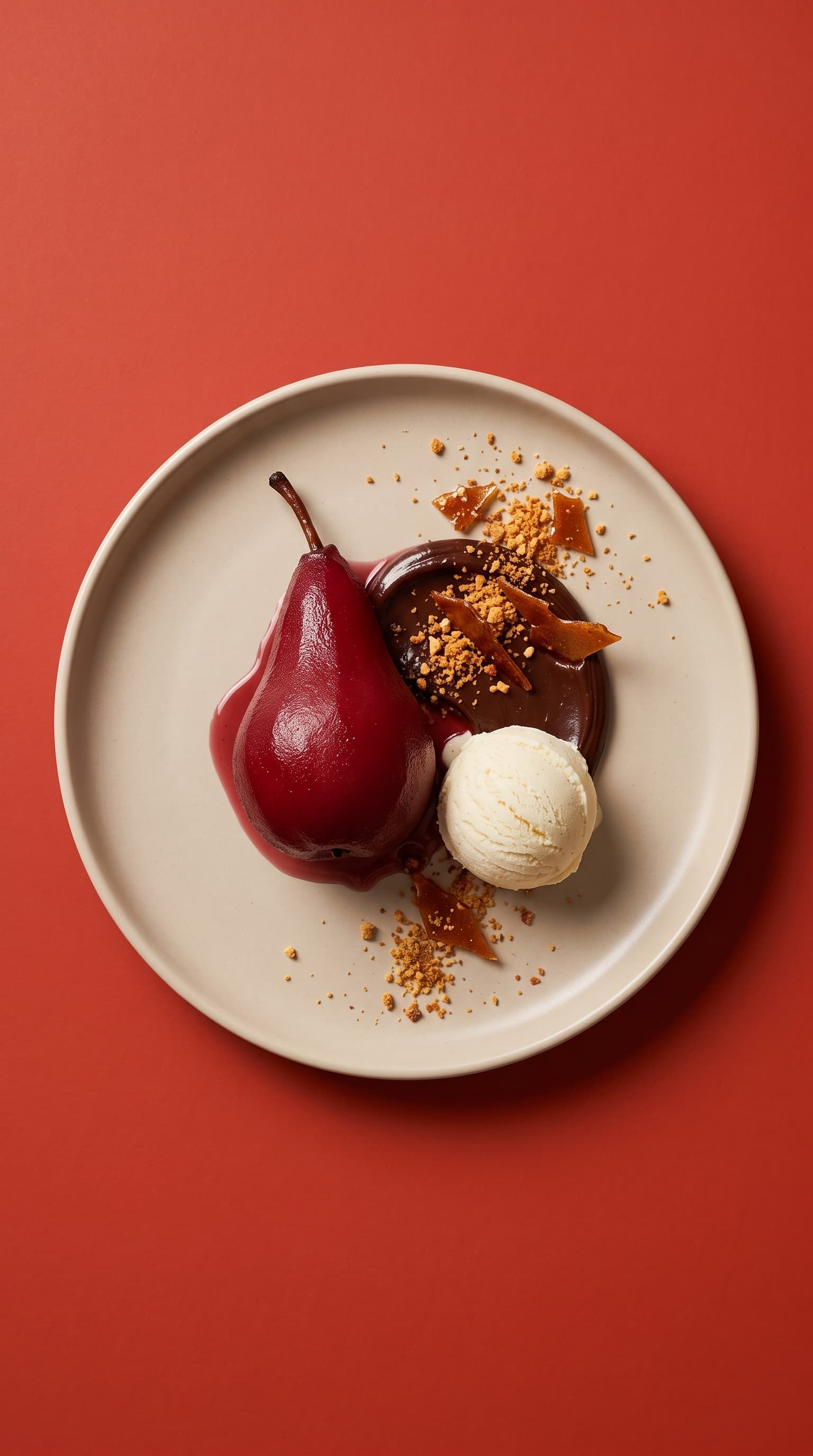
This poires belle hélène recipe pairs tender red wine poached Conference pears with warm dark chocolate sauce, cold vanilla ice cream, and crisp hazelnut praline. Gentle poaching keeps the pears whole and silky. Plan about 2 hours for cooking and cooling, and serve 4 people right away for the best warm and cold contrast.
150 min · Intermediate · France
Roast Partridge Recipe with Celeriac Mousseline
This roast partridge recipe pairs rosy roasted breast with a crisp confited leg, silky celeriac mousseline, glazed baby carrots, and a glossy juniper-port jus. Dry-brining helps the lean meat stay seasoned and juicy. Allow about 3 hours for cooking and resting, plus overnight dry-brining if you have time. Serves 4.
210 min · Intermediate · France