Apricot Soufflé Recipe with Crisp Almond Crumble
1 hr 40 min · Advanced · Serves 4
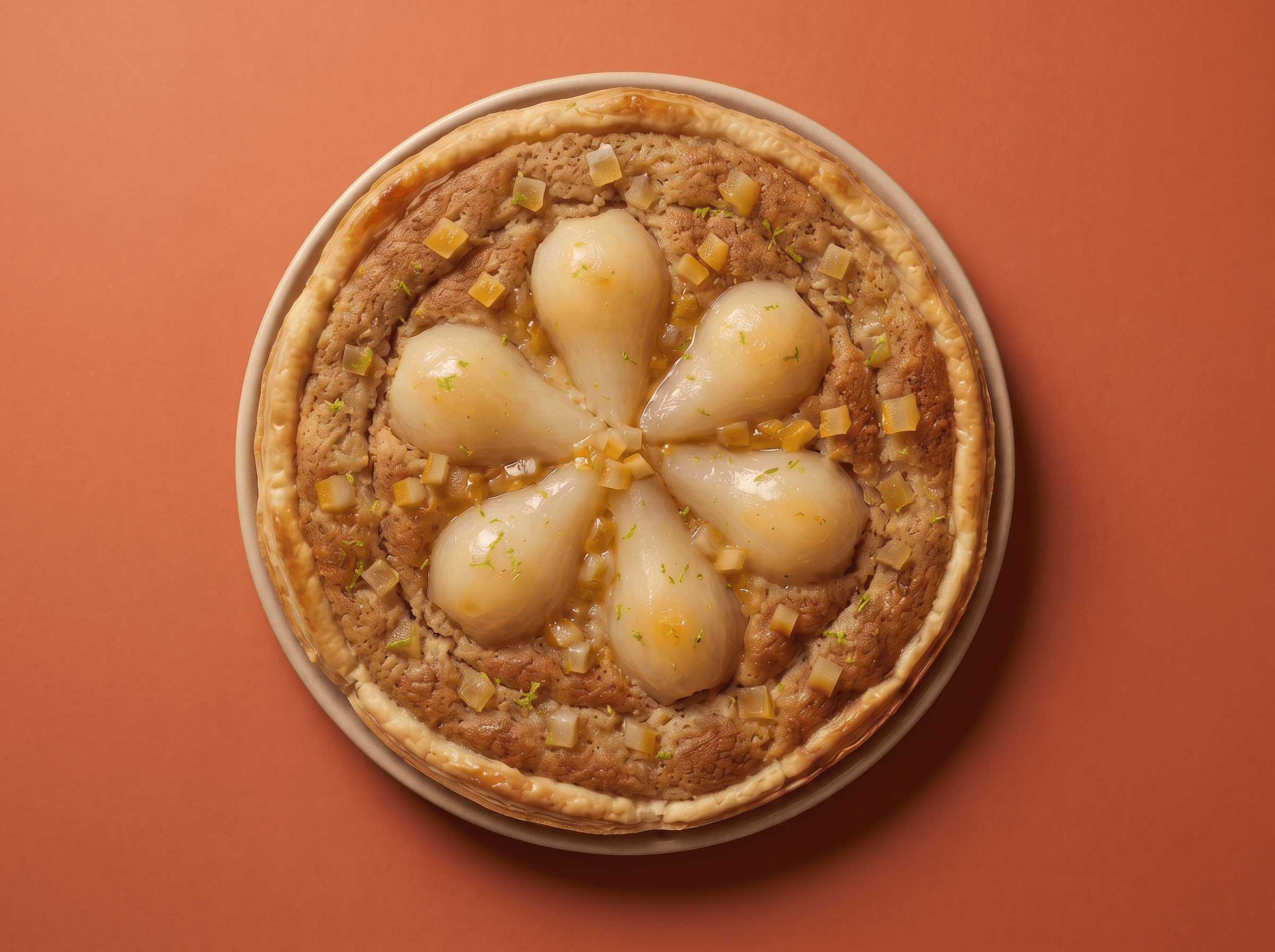 From our menuPear Tart€22.95 · Made by us, delivered chilled.
This apricot soufflé recipe hides a crisp almond crumble and warm roasted apricots under a silky vanilla-apricot pastry cream base that's folded with fluffy meringue and baked until it puffs 4-5 cm above the rim. Most of the work happens a day ahead, so you only need about 30 minutes of active time right before serving 4 lucky guests.
Recipe by Christophe Rammant
Cordon Bleu Paris alumni - Two star Michelin kitchen experience
What Makes This Apricot Soufflé Rise So Dramatically?
Traditional French pastry technique shows that a soufflé needs real structure, not just whipped air. This recipe starts with a proper pastry cream thickened with egg yolks and cornstarch, so the batter has body and rich flavor before the meringue ever gets folded in.
Food science shows that egg white proteins uncoil and trap air best when whipped to stiff, glossy peaks, and that folding gently (rather than stirring) keeps those air pockets intact. Lose the air and the soufflé simply can't climb.
Professional culinary team know that opening the oven door mid-bake is the fastest way to deflate a soufflé, since it releases the trapped heat and steam that pushes the batter upward. Keeping the door shut and the oven fully preheated lets the outer walls set fast and hold the rise.
The weekly recipe note
Enjoyed this recipe? Get the next one first.
One new recipe each week from Christophe: global flavor, French technique, and practical home-cook timing.
By signing up, you agree to receive emails from Mr. Saucy.
Ingredients
Recipe yields 4 servings
For the Ramekins
| Amount | Ingredient | Notes |
|---|---|---|
| 20 g (about 1 1/2 tbsp) | Unsalted butter, softened | for coating the ramekins |
| 30 g (about 2 1/2 tbsp) | Granulated sugar | for coating the ramekins after buttering |
For the Almond Crumble
| Amount | Ingredient | Notes |
|---|---|---|
| 30 g (about 2 tbsp) | Cold unsalted butter, cubed | keep very cold |
| 30 g (about 1/4 cup) | All-purpose flour | — |
| 30 g (about 1/4 cup) | Ground almonds (almond flour) | — |
| 25 g (about 2 tbsp) | Caster sugar | — |
| 1 g | Sea salt | a pinch |
For the Roasted Apricots
| Amount | Ingredient | Notes |
|---|---|---|
| 350 g (about 6-7 apricots) | Fresh Belgian apricots | halved and pitted, ripe but firm |
| 15 g (about 1 tbsp) | Unsalted butter | for roasting |
| 25 g (about 2 tbsp) | Caster sugar | for roasting |
| 1, split | Vanilla pod | use half for apricots, half for the soufflé base |
| 5 g (about 1 tsp) | Lemon juice | a small squeeze to brighten the apricots |
For the Soufflé Base
| Amount | Ingredient | Notes |
|---|---|---|
| 120 g (about 1/2 cup) | Whole milk | — |
| 55 g (about 3 yolks) | Egg yolks | room temperature |
| 45 g (about 3 1/2 tbsp) | Caster sugar | — |
| 15 g (about 1 tbsp) | Cornstarch | for thickening |
| 10 g (about 2 tsp) | Unsalted butter | whisked into the finished pastry cream |
| 60 g (about 1/4 cup) | Roasted apricot purée | reserved from the roasted apricots, blended smooth |
For the Meringue
| Amount | Ingredient | Notes |
|---|---|---|
| 130 g (about 4 whites) | Egg whites | room temperature |
| 35 g (about 3 tbsp) | Caster sugar | — |
| 1 g | Cream of tartar | a pinch, or a few drops of lemon juice |
For the Almond Crème Anglaise
| Amount | Ingredient | Notes |
|---|---|---|
| 150 g (about 2/3 cup) | Whole milk | — |
| 50 g (about 3 tbsp) | Heavy cream | — |
| 30 g (about 1/4 cup) | Whole almonds, lightly toasted and crushed | for infusing |
| 40 g (about 2 yolks) | Egg yolks | — |
| 35 g (about 3 tbsp) | Caster sugar | — |
| 5 g (about 1 tsp) | Amaretto or almond extract | optional, to deepen the almond note |
For Serving
| Amount | Ingredient | Notes |
|---|---|---|
| 10 g (about 1 tbsp) | Icing sugar | for dusting the finished soufflés |
Instructions
The Day Before (Make These Components Ahead)
- 1
Make the Almond Crumble (Keep It Cold)
Rub the cold, cubed butter into the flour, ground almonds, sugar, and salt with your fingertips until it looks like coarse breadcrumbs. Keeping the butter cold prevents the crumble from turning pasty, so it stays crisp later under the soufflé.
- 2
Bake the Crumble Until Golden
Spread the crumble on a lined tray and bake at 170°C / 338°F for 10-12 minutes, stirring once halfway, until golden and fragrant. Pre-baking now means the crumble won't turn soggy once it sits under the soufflé mixture later.
- 3
Roast the Apricots (Drive Off the Moisture)
Halve and pit the apricots, then sauté them cut-side down in the butter and sugar with half the vanilla pod over medium heat for 4-5 minutes until caramelized and just tender. Finish with a squeeze of lemon juice. Roasting concentrates the fruit's natural sugars and removes excess moisture, which matters because a soufflé cannot handle a watery filling.
- 4
Purée and Reserve the Apricots
Set aside 4 of the best apricot halves for garnish. Purée the rest with any pan juices until smooth to make the 60 g of purée needed for the soufflé base. This purée carries the roasted fruit flavor straight through the pastry cream.
- 5
Make the Soufflé Base Like a Pastry Cream
Whisk the yolks with sugar and cornstarch until pale. Bring the milk to a bare simmer with the remaining vanilla half, then temper it into the yolk mixture. Return everything to the heat, whisking constantly until it thickens into a glossy paste, around 82°C / 180°F. This base is what gives the soufflé real structure, unlike a plain whipped-egg-white soufflé, which has none.
- 6
Sieve and Chill the Base
Off the heat, whisk in the butter and apricot purée until smooth, then press through a fine sieve into a bowl. Cover with plastic film touching the surface. This base can be made up to 24 hours ahead and refrigerated, but the egg whites must never go in until you're ready to bake.
- 7
Make the Almond Crème Anglaise
Warm the milk and cream with the crushed toasted almonds and let them infuse off the heat for 15-20 minutes, then strain out the almonds. Whisk the yolks with sugar, temper in the warm milk, and cook gently over low heat, stirring constantly, until it thickens to a nappe stage around 82°C / 180°F, coating the back of a spoon. Stir in the amaretto or almond extract, then chill completely, covered, for at least 2 hours. Serving it truly cold is what creates the hot-cold contrast at the table.
Prep the Ramekins and Oven
- 8
Butter and Sugar the Ramekins
Brush the interior of each ramekin thoroughly with softened butter using vertical strokes from base to rim, then coat generously with granulated sugar, tapping out the excess. The sugar granules give the batter tiny grip points so it can climb the sides evenly as it puffs, instead of sticking unevenly or slumping.
- 9
Chill the Prepared Ramekins
Chill the ramekins in the fridge for at least 15 minutes before filling. A cold, firm sugar coating holds its structure better once the warm batter goes in.
- 10
Layer Crumble and Apricots
Divide the baked almond crumble evenly among the ramekin bases, pressing it down lightly, then top with a spoonful of roasted apricot pieces. This hidden layer stays crisp and gives a lovely textural surprise once the soufflé top is broken open.
- 11
Preheat the Oven Fully
Preheat your oven to 200°C / 392°F (fan off, top and bottom heat if possible) at least 20 minutes before baking. A soufflé needs a fully saturated, stable heat to set its outer walls fast and trap the steam that pushes it upward.
Whip, Fold, and Bake
- 12
Warm the Reserved Base
If the pastry cream base has been refrigerated, warm it gently just until it loosens to a spreadable consistency. A cold, stiff base is much harder to fold evenly into meringue without deflating it.
- 13
Whip the Egg Whites to Stiff, Glossy Peaks
Whip the egg whites with cream of tartar on medium speed until foamy, then increase speed and add the sugar in three additions. Continue whipping until you reach stiff, glossy peaks that hold their shape on the whisk. Under-whipped whites won't hold enough air, while over-whipped whites turn grainy and lose elasticity, both of which limit rise.
- 14
Fold in the Meringue (Gently, in Stages)
Fold one-third of the meringue into the warm base first, stirring firmly to loosen it. This temporarily knocks out some air but makes the dense base light enough to accept the rest without collapsing. Fold in the remaining meringue in two more additions using a large spatula in a gentle over-and-under motion, turning the bowl as you go. Folding rather than stirring keeps the air bubbles intact, which is what makes the soufflé rise.
- 15
Fill and Level the Ramekins
Fill the ramekins over the crumble and apricot layer right to the very top, then run your thumb around the inside rim to wipe away any drips. This clean edge lets the soufflé rise straight up in a column instead of catching on stray batter. Level the top with an offset spatula, then place the ramekins immediately on a preheated baking tray in the oven, since aeration starts deflating the moment it leaves the whisk.
- 16
Bake Without Opening the Door
Bake at 200°C / 392°F for 12-14 minutes without opening the oven door. Opening it lets out the heat and steam driving the rise, and even a few seconds can cause a partial collapse.
- 17
Check for the Wobble
Look for a soufflé that has risen 4-5 cm above the rim, with a light golden top that still gives a faint wobble when the ramekin is nudged. This wobble tells you the center is still soft and creamy rather than fully set and dry.
Serve the Soufflé (The Tableside Moment)
- 18
Dust and Rush to the Table
Dust with icing sugar and carry the soufflés to the table immediately. A soufflé begins to sink within 2-3 minutes of leaving the oven, so timing your guests to be seated before it comes out is part of the technique.
- 19
Pour the Cold Sauce at the Table
Break the top gently with a spoon and pour a generous ladle of the cold almond crème anglaise into the center. The contrast of the hot, airy soufflé against the cold, silky sauce is the signature moment of this dish.
The weekly recipe note
Enjoyed this recipe? Get the next one first.
One new recipe each week from Christophe: global flavor, French technique, and practical home-cook timing.
By signing up, you agree to receive emails from Mr. Saucy.
Tips & Tricks
You're worried about last-minute stress when guests are coming over:
Make the crumble, roast the apricots, and prepare the crème anglaise up to a day ahead. The only things that must happen right before serving are whipping the whites and baking, which keeps actual service time short and manageable.
Your meringue isn't whipping up as fluffy as it should:
Pull your eggs out of the fridge at least 30 minutes before whipping. Room-temperature whites whip to a greater volume because the proteins are looser and unfold more easily than cold ones.
Your soufflé rose unevenly on one side:
This usually means the ramekin wasn't buttered and sugared all the way to the rim in even strokes, or your oven has a hot spot. You can rotate the tray once if needed, but only after the first 8 minutes so you don't disturb the initial rise.
Your finished soufflé has small hard bits in it:
Don't skip sieving the pastry cream base after cooking. Any small lumps of cooked egg or cornstarch will sit as hard flecks in the finished soufflé and disrupt the smooth, airy texture.
You don't have matching ramekins:
That's fine, but bake soufflés of different sizes on separate trays and check the smaller ones first, since they'll finish rising a minute or two before the larger ones.
You're worried about last-minute stress when guests are coming over:
Make the crumble, roast the apricots, and prepare the crème anglaise up to a day ahead. The only things that must happen right before serving are whipping the whites and baking, which keeps actual service time short and manageable.
Your meringue isn't whipping up as fluffy as it should:
Pull your eggs out of the fridge at least 30 minutes before whipping. Room-temperature whites whip to a greater volume because the proteins are looser and unfold more easily than cold ones.
Your soufflé rose unevenly on one side:
This usually means the ramekin wasn't buttered and sugared all the way to the rim in even strokes, or your oven has a hot spot. You can rotate the tray once if needed, but only after the first 8 minutes so you don't disturb the initial rise.
Your finished soufflé has small hard bits in it:
Don't skip sieving the pastry cream base after cooking. Any small lumps of cooked egg or cornstarch will sit as hard flecks in the finished soufflé and disrupt the smooth, airy texture.
You don't have matching ramekins:
That's fine, but bake soufflés of different sizes on separate trays and check the smaller ones first, since they'll finish rising a minute or two before the larger ones.
Frequently Asked Questions
Can I prepare the soufflé base in advance?
Yes, the apricot-vanilla pastry cream base can be made up to 24 hours ahead. Cover it with plastic film pressed directly onto the surface to stop a skin forming. Just whip and fold in the egg whites right before baking, since a soufflé loses its ability to rise if the whites sit around.
Why did my soufflé not rise as much as expected?
The most common causes are under-whipped egg whites that can't hold enough air, an oven that wasn't fully preheated, or opening the door during baking, which lets the trapped steam escape. Also check your ramekins were buttered and sugared right to the rim so the batter has grip to climb.
Can I use canned or frozen apricots if fresh Belgian ones aren't in season?
Yes, though fresh summer apricots give the best concentrated flavor when roasted. Drain canned apricots well and pat dry before roasting, and thaw frozen ones fully, squeezing out extra moisture, since any wateriness will thin the purée and weaken the soufflé's structure.
How far ahead can I make the almond crème anglaise, and how should I serve it?
It keeps well covered in the fridge for up to 2 days. Serve it properly cold, straight from the fridge, poured into the soufflé tableside. The temperature contrast between the hot soufflé and cold sauce is the whole point of the finish.
What if I don't have a stand mixer for the meringue?
A hand mixer or even a balloon whisk and some elbow grease work fine. Just make sure your bowl and whisk are completely clean and grease-free, since any trace of fat will stop the whites from whipping to full volume.
Can I bake these in one large soufflé dish instead of individual ramekins?
You can, but you'll lose the neat hidden-crumble-and-apricot layering effect and need to extend baking time significantly, checking for the same slight wobble in the center. Individual ramekins also give each guest their own dramatic rise, which is part of the tableside moment.
Is this apricot soufflé recipe too difficult for a beginner cook?
It's a genuinely intermediate-to-advanced recipe, mostly because of the meringue folding and precise baking timing. That said, since the crumble, roasted apricots, and pastry cream base can all be made ahead, a careful first-time baker who follows the temperatures and cues closely can absolutely succeed.
Can I prepare the soufflé base in advance?
Yes, the apricot-vanilla pastry cream base can be made up to 24 hours ahead. Cover it with plastic film pressed directly onto the surface to stop a skin forming. Just whip and fold in the egg whites right before baking, since a soufflé loses its ability to rise if the whites sit around.
Why did my soufflé not rise as much as expected?
The most common causes are under-whipped egg whites that can't hold enough air, an oven that wasn't fully preheated, or opening the door during baking, which lets the trapped steam escape. Also check your ramekins were buttered and sugared right to the rim so the batter has grip to climb.
Can I use canned or frozen apricots if fresh Belgian ones aren't in season?
Yes, though fresh summer apricots give the best concentrated flavor when roasted. Drain canned apricots well and pat dry before roasting, and thaw frozen ones fully, squeezing out extra moisture, since any wateriness will thin the purée and weaken the soufflé's structure.
How far ahead can I make the almond crème anglaise, and how should I serve it?
It keeps well covered in the fridge for up to 2 days. Serve it properly cold, straight from the fridge, poured into the soufflé tableside. The temperature contrast between the hot soufflé and cold sauce is the whole point of the finish.
What if I don't have a stand mixer for the meringue?
A hand mixer or even a balloon whisk and some elbow grease work fine. Just make sure your bowl and whisk are completely clean and grease-free, since any trace of fat will stop the whites from whipping to full volume.
Can I bake these in one large soufflé dish instead of individual ramekins?
You can, but you'll lose the neat hidden-crumble-and-apricot layering effect and need to extend baking time significantly, checking for the same slight wobble in the center. Individual ramekins also give each guest their own dramatic rise, which is part of the tableside moment.
Is this apricot soufflé recipe too difficult for a beginner cook?
It's a genuinely intermediate-to-advanced recipe, mostly because of the meringue folding and precise baking timing. That said, since the crumble, roasted apricots, and pastry cream base can all be made ahead, a careful first-time baker who follows the temperatures and cues closely can absolutely succeed.
Recipe Reviews
No reviews yet — Be the first to review this recipe!
The collection
All recipesPheasant with Grapes, Verjus Jus and Celery Root
This pheasant with grapes recipe pairs juicy roast pheasant with glossy Muscat grapes, sweet caramelised shallots, and bright verjus jus. Gentle pan-roasting keeps the skin crisp, while celery root purée adds silky depth. Plan on about 2 hours for 4 servings, with several parts ready ahead for an easy dinner party.
120 min · Intermediate · France
Poires Belle Hélène Recipe with Wine Poached Pears
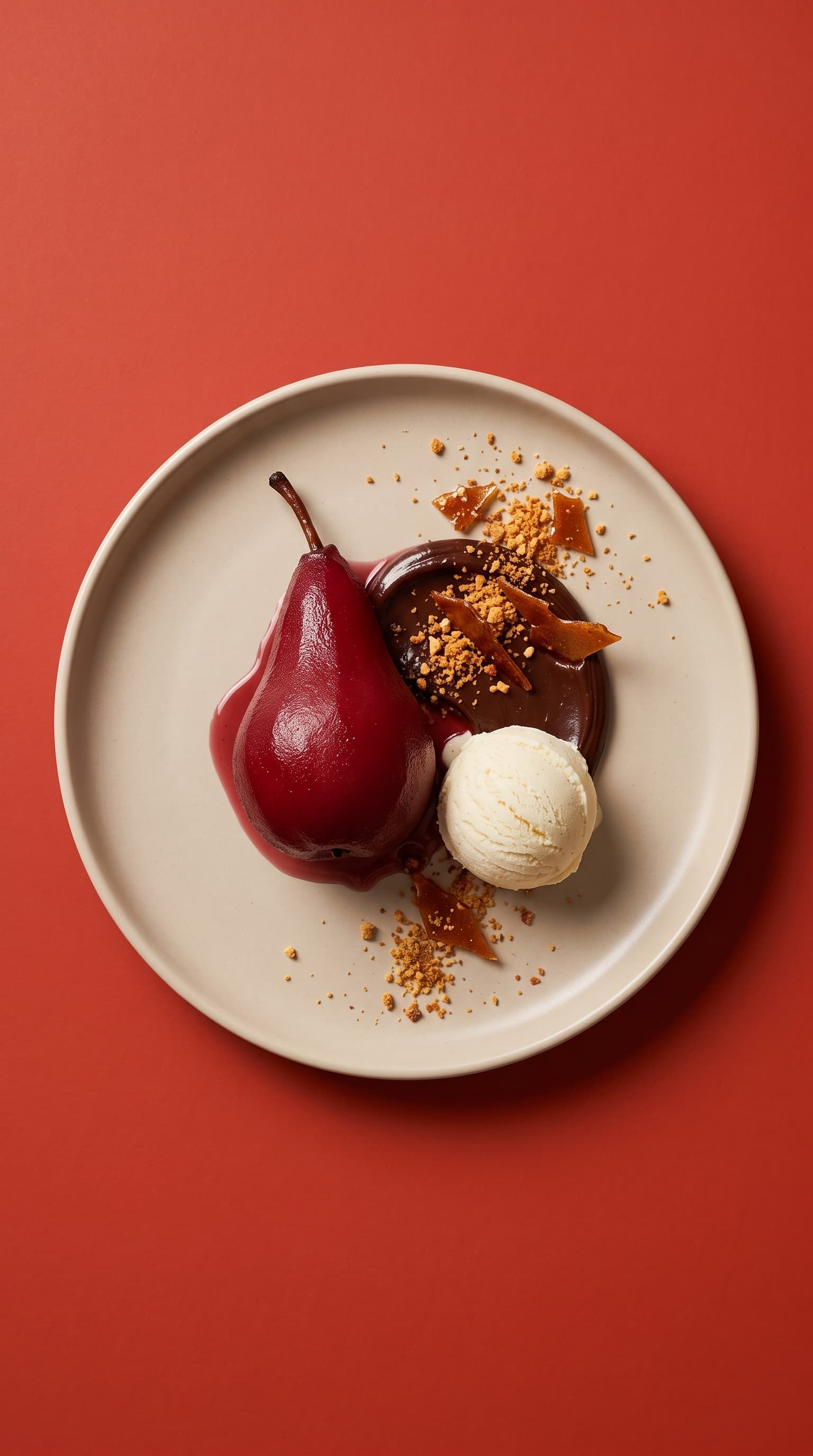
This poires belle hélène recipe pairs tender red wine poached Conference pears with warm dark chocolate sauce, cold vanilla ice cream, and crisp hazelnut praline. Gentle poaching keeps the pears whole and silky. Plan about 2 hours for cooking and cooling, and serve 4 people right away for the best warm and cold contrast.
150 min · Intermediate · France
Roast Partridge Recipe with Celeriac Mousseline
This roast partridge recipe pairs rosy roasted breast with a crisp confited leg, silky celeriac mousseline, glazed baby carrots, and a glossy juniper-port jus. Dry-brining helps the lean meat stay seasoned and juicy. Allow about 3 hours for cooking and resting, plus overnight dry-brining if you have time. Serves 4.
210 min · Intermediate · France