Tomato Focaccia with Charred Garlic and Parmesan Crust
24 hrs · Medium · Serves 8-10
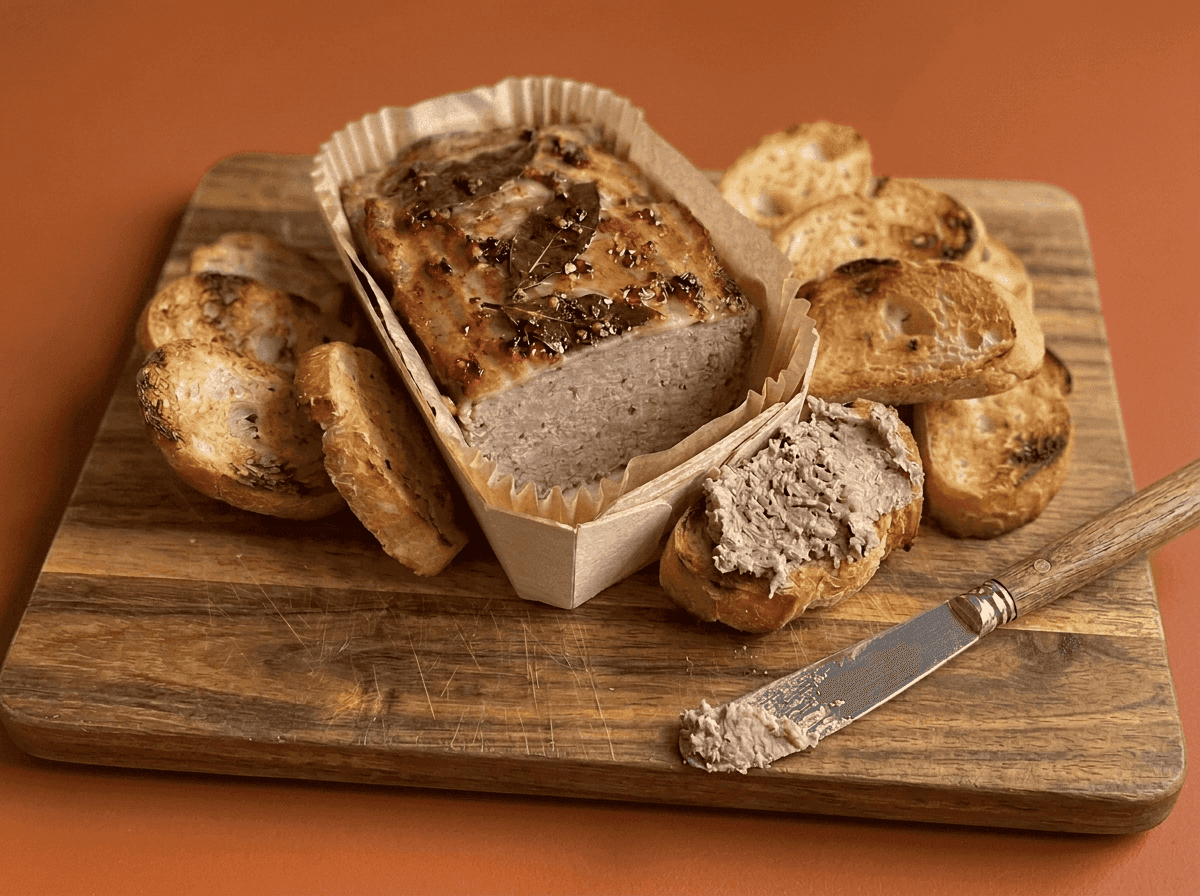 From our menuHouse Pâté + Baguette Toasts€17.35 · Made by us, delivered chilled.
This tomato focaccia is a warm, inviting bread topped with sweet roasted garlic and crispy cheese. The secret is a special cheese layer that keeps the bread from getting soggy. It takes about 24 hours mostly resting, with just 30 minutes of hands-on work, and makes 8 to 10 servings.
Recipe by Christophe Rammant
Cordon Bleu Paris alumni - Two star Michelin kitchen experience
How Does This Keep the Bread from Getting Soggy?
Traditional baking shows that cold, slow resting builds deep flavor. When dough rests in the fridge overnight, it breaks down starches into sweet, tangy tastes without you doing any extra work.
Professional culinary team know that wet tomatoes can ruin soft bread. By sprinkling finely grated cheese over the dough first, it melts into a protective shield. This keeps the juices out and makes a crispy, savory crust.
Food science shows that roasting garlic in its skin traps steam. This gentle cooking turns the cloves into sweet, creamy bites that melt in your mouth, adding rich flavor to every slice.
Estimated nutrition per serving
Estimated from ingredient weights, not lab-tested.
- Calories
- 434
- Protein
- 12g
- Fat
- 21g
- Carbohydrates
- 50g
The weekly recipe note
Enjoyed this recipe? Get the next one first.
One new recipe each week from Christophe: global flavor, French technique, and practical home-cook timing.
By signing up, you agree to receive emails from Mr. Saucy.
Ingredients
Recipe yields 8-10 servings
For the Dough
| Amount | Ingredient | Notes |
|---|---|---|
| 500 g (about 4 cups) | Bread flour | high protein content is essential for an airy crumb |
| 400 g (about 1 2/3 cups) | Warm water | around 85°F / 30°C, not hot |
| 7 g (1 standard packet) | Active dry yeast | check expiration date for best rise |
| 10 g (about 1 3/4 teaspoons) | Fine sea salt | for the dough |
| 30 g (about 2 tablespoons) | Extra virgin olive oil | for mixing into the dough |
For the Toppings
| Amount | Ingredient | Notes |
|---|---|---|
| 300 g (about 2 cups) | Cherry or halved plum tomatoes | for roasting and charring |
| 60 g (about 2 whole heads, separated) | Whole unpeeled garlic cloves | unpeeled to keep them sweet and creamy |
| 50 g (about 3 1/2 tablespoons) | Extra virgin olive oil | for tossing the tomatoes and garlic |
| 60 g (about 3/4 cup) | Parmigiano-Reggiano | finely grated, to create the moisture barrier |
| 5 g (about 1 tablespoon) | Fresh rosemary | roughly chopped |
| 3 g (about 1/2 teaspoon) | Flaky sea salt | for finishing |
For the Pan
| Amount | Ingredient | Notes |
|---|---|---|
| 60 g (about 4 tablespoons) | Extra virgin olive oil | for coating the pan and dimpling |
Instructions
Make and Rest the Dough
- 1
Wake Up the Yeast
Whisk the yeast into the warm water (around 85°F / 30°C) and let it sit for 5 minutes. Wait until it gets foamy, which shows the yeast is alive and ready to make the bread rise.
- 2
Mix the Dough
In a large bowl, mix the bread flour and fine sea salt. Pour in the foamy yeast water and 30 g of olive oil. Stir with a wooden spoon or your hands until a shaggy, sticky dough forms.
- 3
Build the Structure
Cover the bowl and let the dough rest for 30 minutes. Wet your hands, grab one side of the dough, stretch it up, and fold it over the center. Do this 3 to 4 times around the bowl to build strength without hard kneading.
- 4
Cold Fermentation
Cover the bowl tightly and put it in the fridge for 12 to 24 hours. This slow, cold rest lets the flavors grow deep and tangy while making the bread easier to digest.
Prep the Toppings
- 5
Roast the Vegetables
Preheat your oven to 425°F / 220°C. Toss the tomatoes and unpeeled garlic cloves with 50 g of olive oil, salt, and pepper on a baking sheet. Roast for 25 to 30 minutes until the tomato skins blister and char, and the garlic is deeply soft and sweet.
Assemble and Bake
- 6
Stretch the Dough
Generously coat a 9x13 inch baking pan with 30 g of olive oil. Gently stretch the cold dough into the pan. If it fights back, let it rest for 10 minutes to relax, then keep stretching until it fills the pan.
- 7
Proof the Bread
Cover the pan and let the dough sit at room temperature for 1 to 2 hours. It is ready when it looks puffy, jiggles slightly when you shake the pan, and fills the corners.
- 8
Dimple and Protect
Preheat the oven to 425°F / 220°C. Oil your fingertips and press deep dimples into the dough, reaching all the way to the bottom. Immediately sprinkle the finely grated Parmigiano-Reggiano evenly over the top. This cheese melts into a shield that stops the tomato juices from making the bread soggy.
- 9
Add Toppings and Bake
Nestle the charred tomatoes into the dimples. Squeeze the soft, roasted garlic out of its papery skins and scatter the sweet cloves over the top. Drizzle the remaining 30 g of olive oil over the surface, then scatter the fresh rosemary and flaky sea salt. Bake for 25 to 30 minutes until the edges are deeply golden brown and the cheese barrier is crisp.
- 10
Cool and Set
Let the focaccia cool in the pan for 10 minutes before moving it to a wire rack. This lets the structure set and stops the bottom from steaming and getting soft.
The weekly recipe note
Enjoyed this recipe? Get the next one first.
One new recipe each week from Christophe: global flavor, French technique, and practical home-cook timing.
By signing up, you agree to receive emails from Mr. Saucy.
Tips & Tricks
Your dough feels too sticky and wet.:
Do not add more flour! This high water content is exactly what creates those large, airy holes. Just wet or oil your hands before touching it to keep it from sticking.
Your kitchen is too cold for the dough to rise.:
Place the covered bowl inside a turned-off oven with just the light on. The gentle warmth from the bulb creates a cozy, draft-free spot for the dough to puff up.
Your cheese barrier is clumpy or uneven.:
Grate the Parmigiano-Reggiano very finely using a microplane. Fine cheese melts into a smooth, continuous shield, while large shreds leave gaps where juice can soak through.
You want to bake it sooner than tomorrow.:
You can let it rise at room temperature for 3 to 4 hours instead of refrigerating it. The flavor will be milder, but it will still bake up soft and delicious.
Your dough feels too sticky and wet.:
Do not add more flour! This high water content is exactly what creates those large, airy holes. Just wet or oil your hands before touching it to keep it from sticking.
Your kitchen is too cold for the dough to rise.:
Place the covered bowl inside a turned-off oven with just the light on. The gentle warmth from the bulb creates a cozy, draft-free spot for the dough to puff up.
Your cheese barrier is clumpy or uneven.:
Grate the Parmigiano-Reggiano very finely using a microplane. Fine cheese melts into a smooth, continuous shield, while large shreds leave gaps where juice can soak through.
You want to bake it sooner than tomorrow.:
You can let it rise at room temperature for 3 to 4 hours instead of refrigerating it. The flavor will be milder, but it will still bake up soft and delicious.
Frequently Asked Questions
Why is my dough so sticky and wet?
This is completely normal and intentional. An 80% hydration dough is naturally very sticky, but this extra water is what creates the signature open, airy crumb of authentic focaccia. Use wet or oiled hands to handle it, and avoid adding extra flour, which will make the bread dense.
Can I skip the overnight refrigeration?
You can, but you will lose some flavor and texture. Cold fermentation allows enzymes to break down starches into sugars, creating a complex, slightly tangy taste and a better crust. If you must bake the same day, let it proof at room temperature for 3 to 4 hours.
Why do we roast the garlic with the skins on?
Roasting unpeeled garlic cloves acts like a miniature pressure cooker. The skin traps steam, gently cooking the garlic in its own juices. This prevents burning and yields a sweet, creamy, spreadable texture that raw or peeled roasted garlic simply cannot achieve.
How do I know when the focaccia is fully baked?
Look for deep golden-brown edges and a crisp, browned parmesan crust. The tomatoes should be collapsed and slightly blistered. If you tap the bottom of the loaf, it should sound hollow, which tells you the interior is fully cooked and not doughy.
Can I use a Dutch oven instead of a baking pan?
Yes, a 3 to 4-quart Dutch oven works beautifully. Oil the bottom and sides generously. The heavy walls of the Dutch oven will trap steam initially, giving the dough a great rise, and then promote a thick, crispy crust as it bakes.
How should I store leftover tomato focaccia?
Store leftover slices in an airtight container at room temperature for up to 2 days. To refresh them, warm the bread in a 350°F / 175°C oven for 5 minutes. This brings back the crispy cheese crust and soft, airy interior.
Why is my dough so sticky and wet?
This is completely normal and intentional. An 80% hydration dough is naturally very sticky, but this extra water is what creates the signature open, airy crumb of authentic focaccia. Use wet or oiled hands to handle it, and avoid adding extra flour, which will make the bread dense.
Can I skip the overnight refrigeration?
You can, but you will lose some flavor and texture. Cold fermentation allows enzymes to break down starches into sugars, creating a complex, slightly tangy taste and a better crust. If you must bake the same day, let it proof at room temperature for 3 to 4 hours.
Why do we roast the garlic with the skins on?
Roasting unpeeled garlic cloves acts like a miniature pressure cooker. The skin traps steam, gently cooking the garlic in its own juices. This prevents burning and yields a sweet, creamy, spreadable texture that raw or peeled roasted garlic simply cannot achieve.
How do I know when the focaccia is fully baked?
Look for deep golden-brown edges and a crisp, browned parmesan crust. The tomatoes should be collapsed and slightly blistered. If you tap the bottom of the loaf, it should sound hollow, which tells you the interior is fully cooked and not doughy.
Can I use a Dutch oven instead of a baking pan?
Yes, a 3 to 4-quart Dutch oven works beautifully. Oil the bottom and sides generously. The heavy walls of the Dutch oven will trap steam initially, giving the dough a great rise, and then promote a thick, crispy crust as it bakes.
How should I store leftover tomato focaccia?
Store leftover slices in an airtight container at room temperature for up to 2 days. To refresh them, warm the bread in a 350°F / 175°C oven for 5 minutes. This brings back the crispy cheese crust and soft, airy interior.
Recipe Reviews
No reviews yet — Be the first to review this recipe!
The collection
All recipes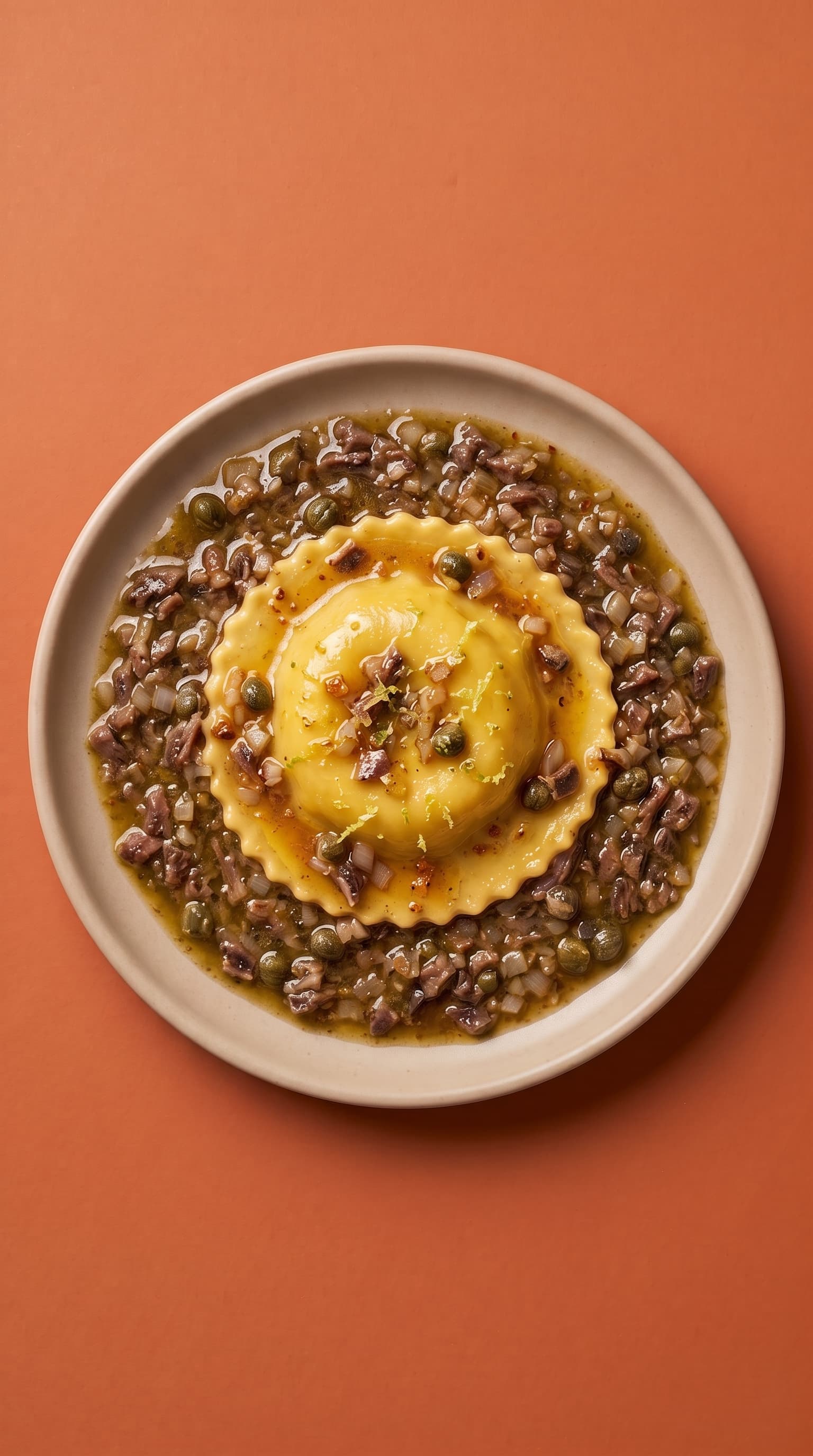
Egg Yolk Ravioli with Brown Butter Anchoïade
This showstopper egg yolk ravioli wraps a whole runny yolk inside a thin golden pasta parcel, then drowns it in nutty brown butter with anchovy, capers, and lemon. The key trick is a ricotta ring that cradles and protects the yolk. Ready in about 75 minutes, it serves 4 as a stunning appetizer.
75 min · Intermediate · Italy
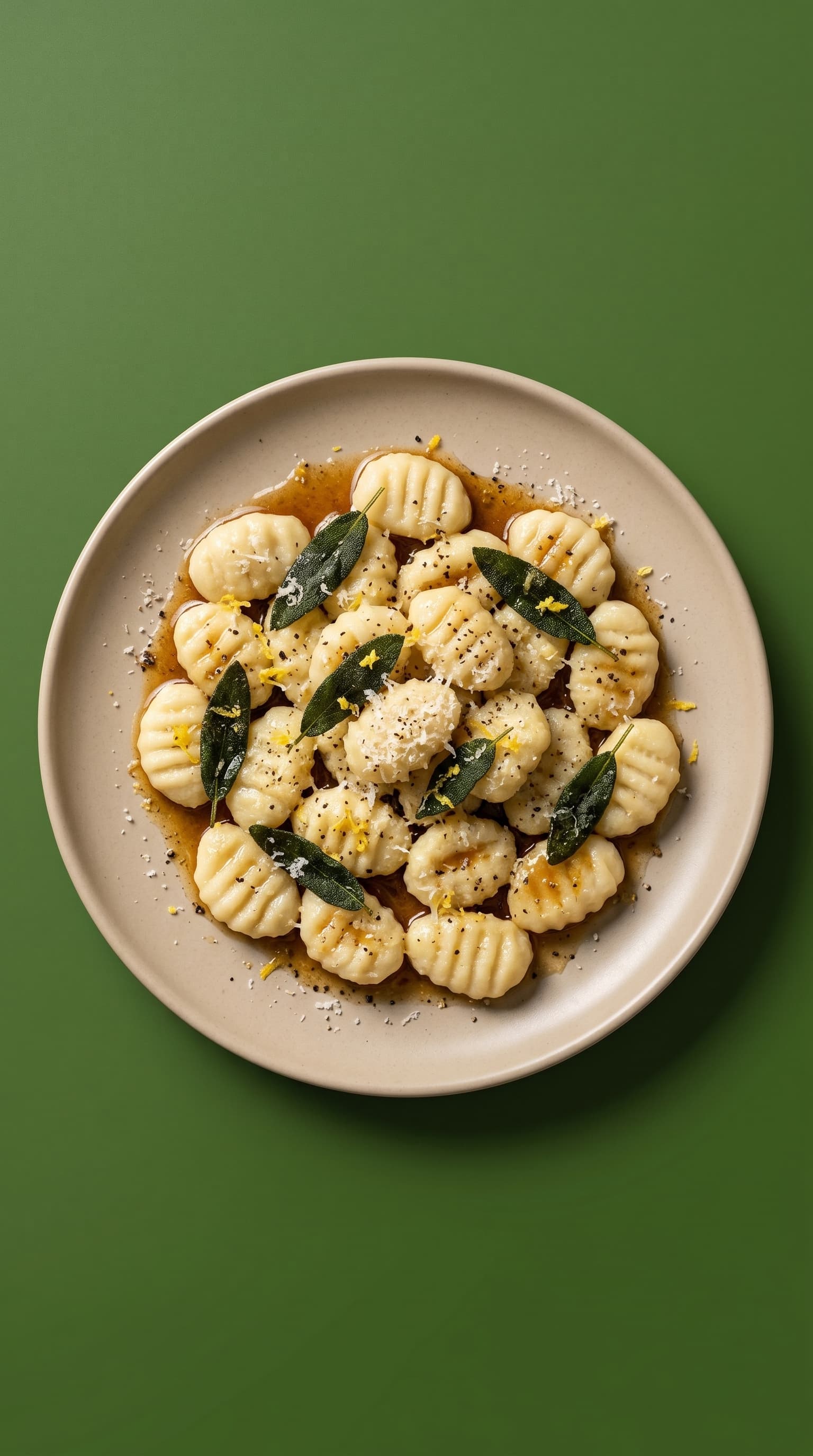
Classic Potato Gnocchi with Brown Butter and Sage
This classic potato gnocchi recipe gives you soft, pillowy dumplings every time. The secret is baking the potatoes to keep them dry, so you use less flour. Ready in about 90 minutes, this comforting dish serves 4 and pairs perfectly with a rich, nutty brown butter sauce.
90 min · Intermediate · Italy
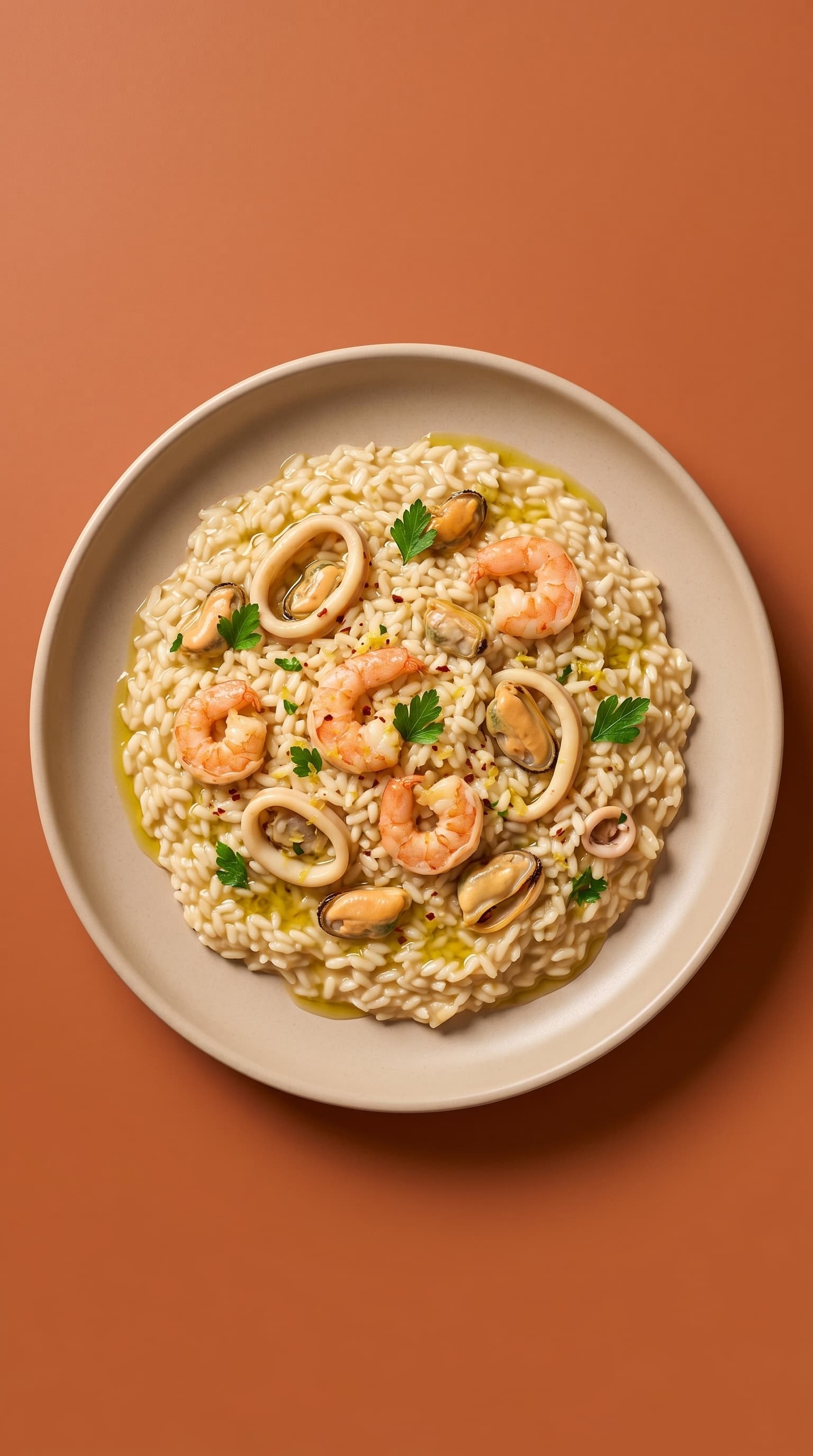
Seafood Risotto ai Frutti di Mare, the Italian Way
This classic Italian seafood risotto is built on a rich homemade broth from toasted prawn shells, cooked ladle by ladle with Carnaroli rice, and finished with a cold-butter mantecatura for silky creaminess without cream or cheese. Every seafood goes in at the perfect moment. Ready in about 75 minutes. Serves 4.
75 min · Intermediate · Italy