Seafood Risotto ai Frutti di Mare, the Italian Way
1 hr 15 min · Advanced · Serves 4
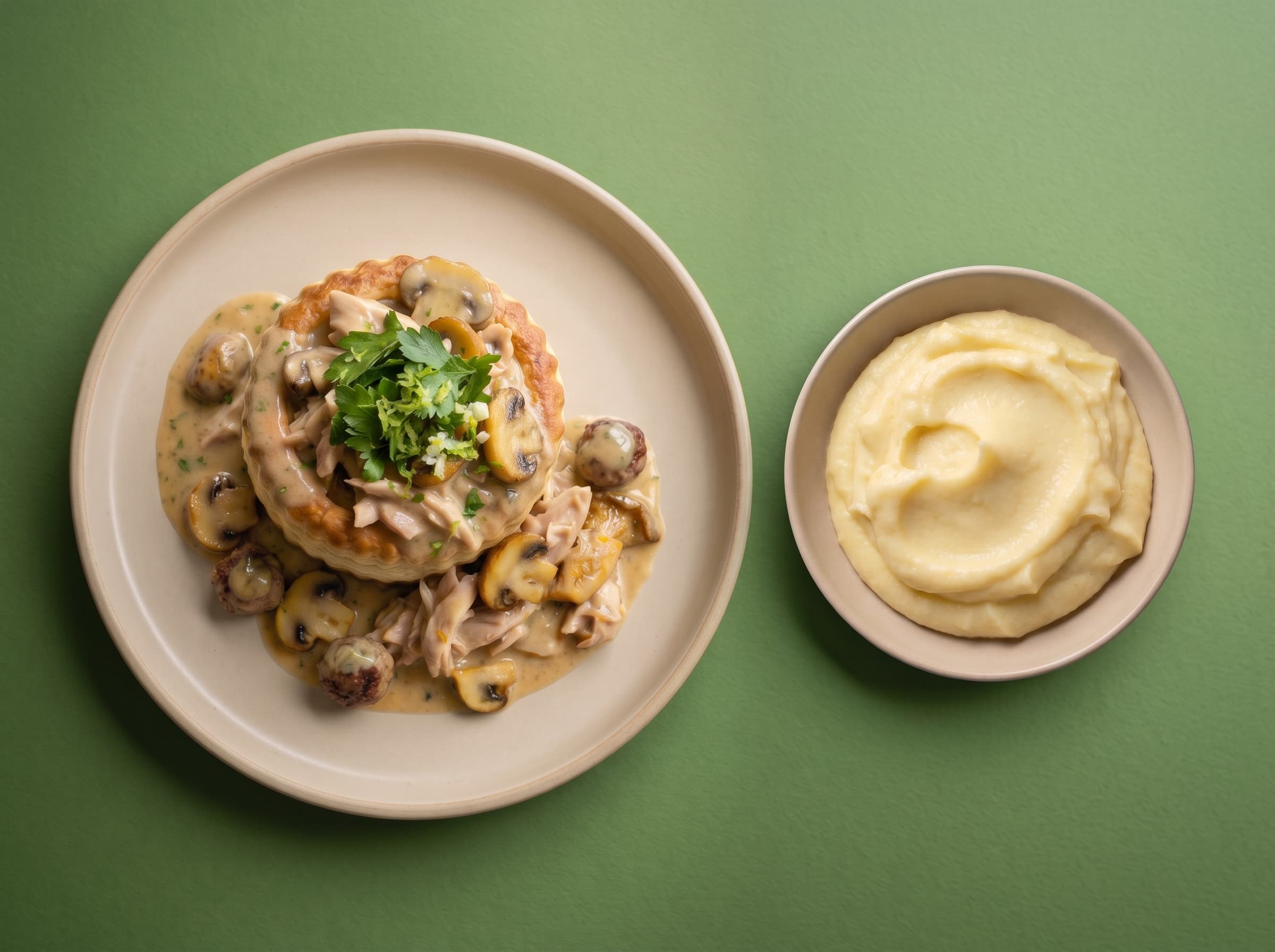 From our menuVol-au-Vent East meets West€19.95 · Made by us, delivered chilled.
This classic Italian seafood risotto is built on a rich homemade broth from toasted prawn shells, cooked ladle by ladle with Carnaroli rice, and finished with a cold-butter mantecatura for silky creaminess without cream or cheese. Every seafood goes in at the perfect moment. Ready in about 75 minutes. Serves 4.
Recipe by Christophe Rammant
Cordon Bleu Paris alumni - Two star Michelin kitchen experience
What Makes This Seafood Risotto Taste Like the Italian Coast?
Traditional Italian coastal cooking starts with real broth, never a cube. Toasting the prawn shells in a dry pan first triggers deep browning that creates flavor, pulling out sweet, roasted notes before the water even touches them. The steaming liquid from the mussels and clams then adds a concentrated hit of the sea that no store-bought stock can match.
Professional culinary team know that the tostatura, toasting the dry rice in oil before any liquid is added, is what separates a great risotto from a soggy one. Food science shows that coating each grain in fat first slows starch release, so the rice stays firm and distinct all the way through 18 minutes of cooking instead of turning to mush.
The mantecatura finish is where the magic happens. Removing the pan from the heat completely, then stirring in cold butter cubes, forces the fat to emulsify slowly into the hot starchy liquid rather than melt into greasy pools. The result is a glossy, creamy wave-like texture that Italian cooks call all'onda, achieved with no cream and no cheese.
Estimated nutrition per serving
Estimated from ingredient weights, not lab-tested.
- Calories
- 798
- Protein
- 42g
- Fat
- 30g
- Carbohydrates
- 79g
The weekly recipe note
Enjoyed this recipe? Get the next one first.
One new recipe each week from Christophe: global flavor, French technique, and practical home-cook timing.
By signing up, you agree to receive emails from Mr. Saucy.
Ingredients
Recipe yields 4 servings
For the Seafood Broth
| Amount | Ingredient | Notes |
|---|---|---|
| 1500 g (6 cups) | Cold water | For the seafood broth base |
| From 250 g whole prawns | Prawn shells | Reserved from the prawns below - do not discard |
| 100 g (scant 1/2 cup) | White wine for steaming shellfish | Separate from the risotto wine - used to open mussels and clams, then added to broth |
| 40 g (1 medium stalk) | Celery stalk | For the broth |
| 40 g (half a medium carrot) | Carrot | For the broth |
| From 30 g bunch | Flat-leaf parsley stems | Stems go into the broth; save the leaves for finishing |
For the Risotto
| Amount | Ingredient | Notes |
|---|---|---|
| 320 g (1 2/3 cups) | Carnaroli rice | Carnaroli only - holds starch better than Arborio, essential for the right texture |
| 80 g (about 3 medium shallots) | Shallots, finely minced | Sweeter and more delicate than onion |
| 15 g (2 cloves) | Garlic cloves, lightly crushed | Crushed whole - removed before they colour |
| 150 g (2/3 cup) | Dry white wine | Vermentino or Pinot Grigio - use something you would drink |
| 60 g (4 tablespoons) | Extra virgin olive oil | Divided: 40 g for cooking the soffritto and rice, 20 g for the mantecatura finish |
| 50 g (3 1/2 tablespoons) | Unsalted butter, cold and cubed | Must be cold straight from the fridge for proper mantecatura emulsification |
| 10 g (2 teaspoons) | Fine sea salt | To taste throughout - the broth will already carry some salinity |
For the Seafood
| Amount | Ingredient | Notes |
|---|---|---|
| 400 g (about 14 oz) | Mussels, scrubbed and debearded | Fresh, tightly closed - discard any that don't open after cooking |
| 300 g (about 10 oz) | Clams (vongole), purged in salted water 1 hour | Soak in cold salted water to expel sand before cooking |
| 250 g (about 9 oz) | Whole prawns, shell-on | Shells reserved for broth - peel before cooking, keep shells |
| 200 g (about 7 oz) | Squid, cleaned and cut into rings | Tentacles included for flavour and texture |
For Finishing
| Amount | Ingredient | Notes |
|---|---|---|
| From 30 g bunch | Flat-leaf parsley leaves, chopped | Leaves only - stems were used in the broth |
| 8 g (half a large lemon) | Lemon zest only | Brightens the finish without adding sharpness |
| 2 g (1/3 teaspoon) | Chilli flakes | Optional - traditional in southern Italian coastal cooking |
Instructions
Build the Broth (Start Here, 30 Minutes Ahead)
- 1
Peel the Prawns and Toast the Shells (The Flavour Foundation)
Peel the prawns and set the meat aside in the fridge. In a dry saucepan over medium-high heat, add the prawn shells and toast them for 3 to 4 minutes, stirring often, until they turn bright pink and smell deeply sweet and nutty. This dry toasting triggers deep browning that creates flavor in the shells - it is the single most important step for a rich broth and cannot be skipped.
- 2
Simmer the Broth Gently
Add the cold water, celery, carrot, and parsley stems to the toasted shells. Bring to a gentle simmer around 185°F / 85°C - you should see small, lazy bubbles but no hard rolling boil. Cook for 20 minutes. Boiling too hard pulls bitter compounds out of the shells and muddies the flavour. Strain through a fine sieve and keep the broth hot on a back burner for the entire risotto cook.
- 3
Steam the Mussels and Clams (Liquid Gold)
In a wide pan over high heat, bring the 100 g white wine for steaming to a boil. Add the mussels and clams, cover tightly, and cook for 3 to 4 minutes, shaking the pan once or twice, until all shells have opened. Discard any that stay closed. Pour every drop of the steaming liquid through a fine sieve into your broth pot - this iodine-rich liquid carries concentrated sea flavour that deepens the whole dish. Remove the mussel and clam meat from their shells and set aside.
Build the Risotto Base
- 4
Cook the Soffritto Low and Slow
In your widest heavy-bottomed pan - surface area matters more than depth here, because you need evaporation, not steaming - warm 40 g of olive oil over medium-low heat. Add the minced shallots and cook slowly for 8 minutes, stirring now and then, until completely soft and translucent with no colour at all. Add the crushed garlic cloves and cook 1 minute more, then remove and discard the garlic before it takes on any colour. Burnt garlic will make the whole dish bitter.
- 5
Toast the Rice (Tostatura)
Add the Carnaroli rice directly to the soffritto with no liquid at all. Stir constantly for 2 full minutes over medium heat until each grain is coated in oil and the edges turn slightly translucent. You should hear a faint crackling sound. This step, called tostatura in Italian cooking, seals the outer starch layer of each grain and gives the risotto its structural backbone, preventing it from turning soft and gluey during the long cook.
- 6
Add the Wine and Let It Hiss
Pour in the 150 g white wine all at once. The pan must be hot enough that it hisses and steams dramatically on contact - if it just sits quietly, your pan is too cool. Stir continuously until the wine is completely absorbed and the sharp alcohol smell has cooked off, about 2 minutes. The wine adds brightness and a gentle acidity that balances the richness of the broth.
Cook the Risotto with Seafood (18 Minutes Total)
- 7
Add Broth Ladle by Ladle (Minutes 1 to 12)
Add the hot seafood broth one ladle at a time, stirring frequently but not constantly. Each ladle goes in only when the previous one is nearly absorbed. Keep a steady, active simmer throughout - around 185°F / 85°C. Too low and the rice steams rather than cooks; too high and the liquid evaporates before the starch can release properly. Attentive, not obsessive, is the right rhythm.
- 8
Add the Squid at Minute 12
At the 12-minute mark, add the squid rings and tentacles directly into the risotto. They need exactly 6 minutes of gentle cooking. Add them too early and they turn rubbery; add them too late and they stay raw. Keep stirring and adding broth as before.
- 9
Add the Prawns at Minute 15
At the 15-minute mark, add the peeled prawns. They need just 3 minutes. Watch for them to curl and turn pink - they should be just barely cooked through, still tender and sweet. Overcooked prawns turn tough and dry very quickly.
- 10
Warm the Mussels and Clams at Minute 17
At the 17-minute mark, fold in the reserved mussel and clam meat. They are already fully cooked, so you are only warming them through - about 1 minute. Taste a grain of rice: it should be tender all the way through with just the faintest resistance at the very centre, like a perfectly cooked pasta. This is al dente.
Finish with Mantecatura and Serve
- 11
Remove from Heat and Emulsify (The Mantecatura)
Remove the pan from the heat entirely - this step is non-negotiable. Add the cold butter cubes and 20 g olive oil all at once. Using a wooden spoon or spatula, stir and fold vigorously for 60 to 90 seconds, rocking the pan back and forth if you can. You are forcing cold fat to emulsify into the hot starchy liquid, building a glossy, creamy coating around every grain. When you tilt the pan, the risotto should ripple and flow like a slow wave - Italian cooks call this all'onda. If it stands stiff, add one small splash of hot broth and stir again.
- 12
Season, Plate, and Serve Immediately
Stir in the lemon zest, chopped parsley leaves, and chilli flakes if using. Taste and adjust salt - remember the broth already carries salinity. Spoon immediately into warm bowls. Risotto waits for no one - it keeps cooking in its own heat and will thicken and stiffen within minutes. Finish with a drizzle of your best extra virgin olive oil over the top. Nothing more.
The weekly recipe note
Enjoyed this recipe? Get the next one first.
One new recipe each week from Christophe: global flavor, French technique, and practical home-cook timing.
By signing up, you agree to receive emails from Mr. Saucy.
Tips & Tricks
Your broth has gone cold while you cook:
Keep the broth at a gentle simmer on the back burner the entire time. Cold broth shocks the rice, drops the pan temperature, and breaks the rhythm of starch release. Never add a cold ladle - it stalls the cook and makes the texture uneven.
Your risotto turned out gluey and stiff:
You likely stirred too hard and constantly, which breaks down the grains and releases too much starch at once, or the heat ran too high and the liquid evaporated too fast. Next time, stir attentively but not obsessively, and keep the simmer steady and moderate around 185°F / 85°C.
Your risotto is too thick and stiff just before serving:
Stir in one small ladle of hot broth during the mantecatura to loosen it back to all'onda consistency. This happens when the last ladle of broth was added too early and absorbed fully before you finished cooking.
The steaming liquid from the shellfish tastes very salty:
Use it sparingly and balance it with a little plain hot water in the broth pot. It is the most intensely flavoured liquid in the whole recipe - concentrated sea minerals and shellfish sweetness - so never discard it, just use it with care.
You are tempted to add Parmesan or cream at the end:
Do not. This is not a rule of preference but of Italian coastal tradition. The butter and olive oil in the mantecatura create all the creaminess you need, and cheese would completely mask the delicate sea flavour you spent 30 minutes building into the broth.
Your mantecatura looks greasy instead of creamy:
The pan was still on the heat when you added the butter. Active heat causes the butter to separate into greasy pools rather than emulsify. Always take the pan fully off the heat first, then add cold butter and stir vigorously - the residual warmth of the rice does the rest.
Your broth has gone cold while you cook:
Keep the broth at a gentle simmer on the back burner the entire time. Cold broth shocks the rice, drops the pan temperature, and breaks the rhythm of starch release. Never add a cold ladle - it stalls the cook and makes the texture uneven.
Your risotto turned out gluey and stiff:
You likely stirred too hard and constantly, which breaks down the grains and releases too much starch at once, or the heat ran too high and the liquid evaporated too fast. Next time, stir attentively but not obsessively, and keep the simmer steady and moderate around 185°F / 85°C.
Your risotto is too thick and stiff just before serving:
Stir in one small ladle of hot broth during the mantecatura to loosen it back to all'onda consistency. This happens when the last ladle of broth was added too early and absorbed fully before you finished cooking.
The steaming liquid from the shellfish tastes very salty:
Use it sparingly and balance it with a little plain hot water in the broth pot. It is the most intensely flavoured liquid in the whole recipe - concentrated sea minerals and shellfish sweetness - so never discard it, just use it with care.
You are tempted to add Parmesan or cream at the end:
Do not. This is not a rule of preference but of Italian coastal tradition. The butter and olive oil in the mantecatura create all the creaminess you need, and cheese would completely mask the delicate sea flavour you spent 30 minutes building into the broth.
Your mantecatura looks greasy instead of creamy:
The pan was still on the heat when you added the butter. Active heat causes the butter to separate into greasy pools rather than emulsify. Always take the pan fully off the heat first, then add cold butter and stir vigorously - the residual warmth of the rice does the rest.
Frequently Asked Questions
Can I make any part of this seafood risotto ahead of time?
Yes, partially. The seafood broth can be made up to 2 days ahead and kept in the fridge, or frozen for up to a month. The shellfish can be steamed and shelled a few hours ahead. The risotto itself must be cooked fresh and served immediately - reheating destroys the texture and breaks the mantecatura emulsion.
What if I can't find Carnaroli rice?
Vialone Nano is the best substitute - it is the traditional choice in Veneto for seafood risotto and has similar starch properties to Carnaroli. Arborio works in a pinch but goes soft faster, so reduce your cook time by 1 to 2 minutes and watch the texture closely. Avoid long-grain or jasmine rice entirely.
Can I use frozen seafood?
Yes. Frozen prawns and squid work well - thaw overnight in the fridge and pat dry before adding. Frozen mussels and clams are usually pre-cooked and already shelled, so add them at the very end just to warm through. The broth will be less rich without fresh shells, so use a good-quality fish stock as your base.
Why do I have to remove the pan from the heat for the mantecatura?
Active heat causes the butter to separate into greasy pools instead of emulsifying into a creamy sauce. Off the heat, the residual warmth of the rice melts the butter slowly while your vigorous stirring forces it to bind with the starchy liquid - creating that glossy, restaurant-quality finish that home cooks often miss.
How do I know when the risotto is done?
Bite a grain - it should be tender all the way through with just the faintest resistance at the very centre, like a perfectly cooked pasta. The texture in the pan should flow slowly when you tilt it, not sit in a stiff mound. If it flows like soup, cook one more minute. If it stands like a wall, add a splash of hot broth.
My risotto turned out gluey and stiff - what went wrong?
Two likely causes: you stirred too aggressively and constantly, which breaks down the grains and releases too much starch at once, or the heat ran too high and the liquid evaporated faster than the rice could absorb it. Next time, stir attentively but not obsessively, and keep the simmer steady and moderate.
What is the difference between Carnaroli and Arborio rice for risotto?
Carnaroli has a higher starch content and a firmer grain than Arborio, which means it holds its shape through 18 minutes of stirring and still releases enough starch for a creamy sauce. Arborio works in a pinch but tends to go soft and gluey faster, so it is less forgiving for a long-cook dish like this one.
Do I really need to make homemade broth, or can I use store-bought fish stock?
Homemade broth from toasted prawn shells and shellfish steaming liquid is what gives this dish its deep sea flavour - it is the foundation of the whole recipe. Store-bought fish stock is a workable shortcut if you are short on time, but the flavour will be noticeably lighter. If you use it, still add the shellfish steaming liquid for depth.
Can I make any part of this seafood risotto ahead of time?
Yes, partially. The seafood broth can be made up to 2 days ahead and kept in the fridge, or frozen for up to a month. The shellfish can be steamed and shelled a few hours ahead. The risotto itself must be cooked fresh and served immediately - reheating destroys the texture and breaks the mantecatura emulsion.
What if I can't find Carnaroli rice?
Vialone Nano is the best substitute - it is the traditional choice in Veneto for seafood risotto and has similar starch properties to Carnaroli. Arborio works in a pinch but goes soft faster, so reduce your cook time by 1 to 2 minutes and watch the texture closely. Avoid long-grain or jasmine rice entirely.
Can I use frozen seafood?
Yes. Frozen prawns and squid work well - thaw overnight in the fridge and pat dry before adding. Frozen mussels and clams are usually pre-cooked and already shelled, so add them at the very end just to warm through. The broth will be less rich without fresh shells, so use a good-quality fish stock as your base.
Why do I have to remove the pan from the heat for the mantecatura?
Active heat causes the butter to separate into greasy pools instead of emulsifying into a creamy sauce. Off the heat, the residual warmth of the rice melts the butter slowly while your vigorous stirring forces it to bind with the starchy liquid - creating that glossy, restaurant-quality finish that home cooks often miss.
How do I know when the risotto is done?
Bite a grain - it should be tender all the way through with just the faintest resistance at the very centre, like a perfectly cooked pasta. The texture in the pan should flow slowly when you tilt it, not sit in a stiff mound. If it flows like soup, cook one more minute. If it stands like a wall, add a splash of hot broth.
My risotto turned out gluey and stiff - what went wrong?
Two likely causes: you stirred too aggressively and constantly, which breaks down the grains and releases too much starch at once, or the heat ran too high and the liquid evaporated faster than the rice could absorb it. Next time, stir attentively but not obsessively, and keep the simmer steady and moderate.
What is the difference between Carnaroli and Arborio rice for risotto?
Carnaroli has a higher starch content and a firmer grain than Arborio, which means it holds its shape through 18 minutes of stirring and still releases enough starch for a creamy sauce. Arborio works in a pinch but tends to go soft and gluey faster, so it is less forgiving for a long-cook dish like this one.
Do I really need to make homemade broth, or can I use store-bought fish stock?
Homemade broth from toasted prawn shells and shellfish steaming liquid is what gives this dish its deep sea flavour - it is the foundation of the whole recipe. Store-bought fish stock is a workable shortcut if you are short on time, but the flavour will be noticeably lighter. If you use it, still add the shellfish steaming liquid for depth.
Recipe Reviews
No reviews yet — Be the first to review this recipe!
The collection
All recipes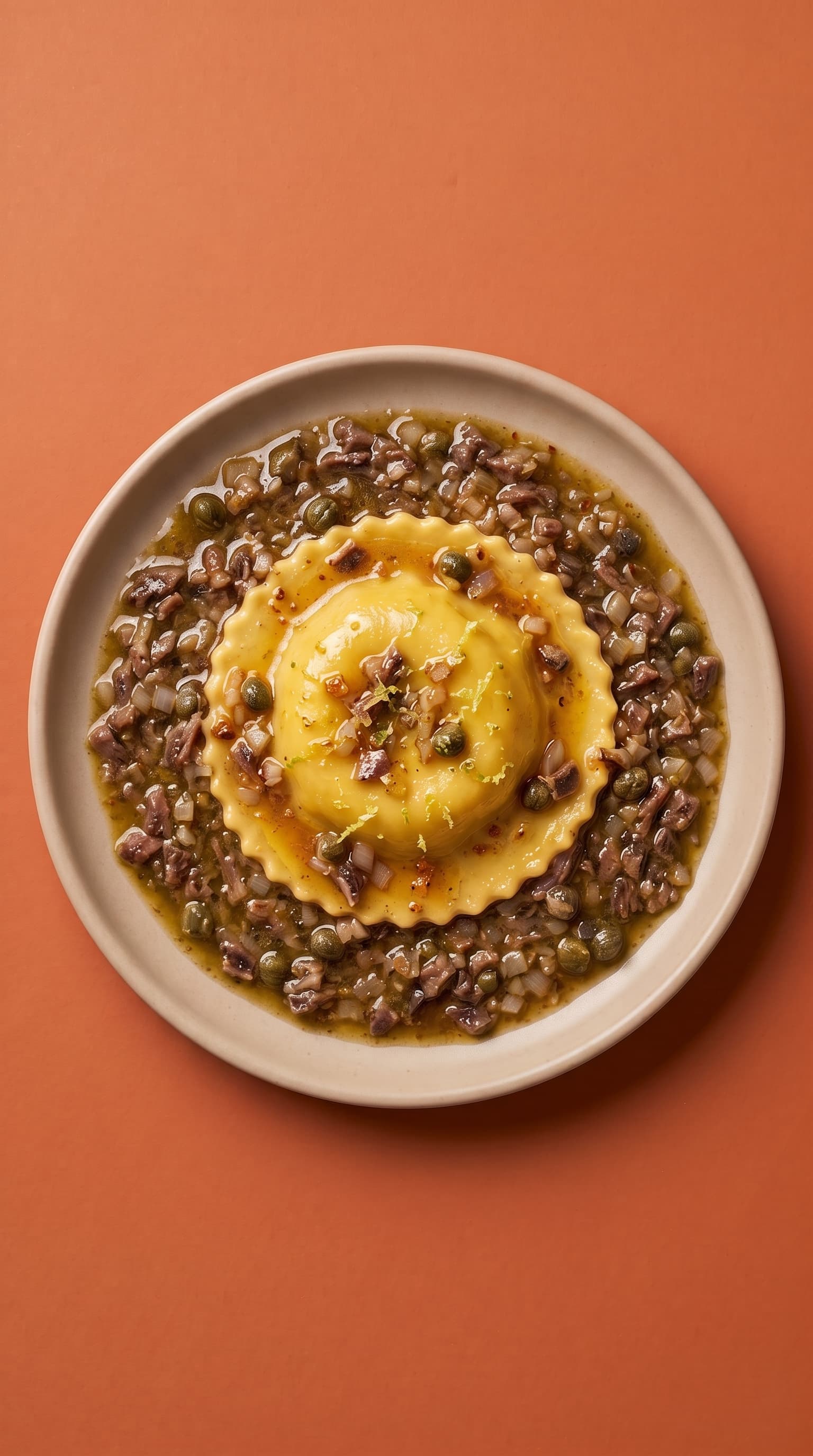
Egg Yolk Ravioli with Brown Butter Anchoïade
This showstopper egg yolk ravioli wraps a whole runny yolk inside a thin golden pasta parcel, then drowns it in nutty brown butter with anchovy, capers, and lemon. The key trick is a ricotta ring that cradles and protects the yolk. Ready in about 75 minutes, it serves 4 as a stunning appetizer.
75 min · Intermediate · Italy
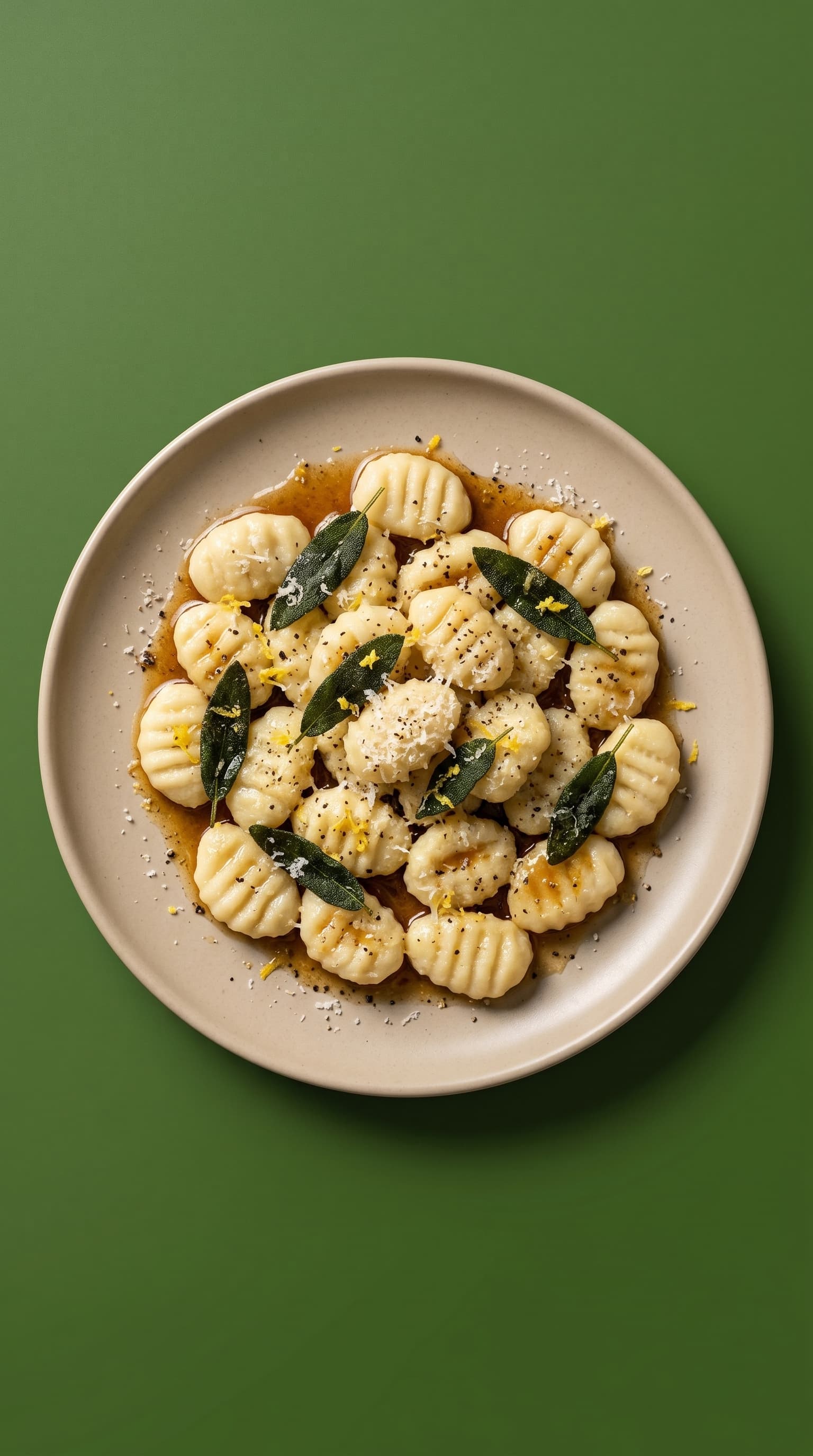
Classic Potato Gnocchi with Brown Butter and Sage
This classic potato gnocchi recipe gives you soft, pillowy dumplings every time. The secret is baking the potatoes to keep them dry, so you use less flour. Ready in about 90 minutes, this comforting dish serves 4 and pairs perfectly with a rich, nutty brown butter sauce.
90 min · Intermediate · Italy
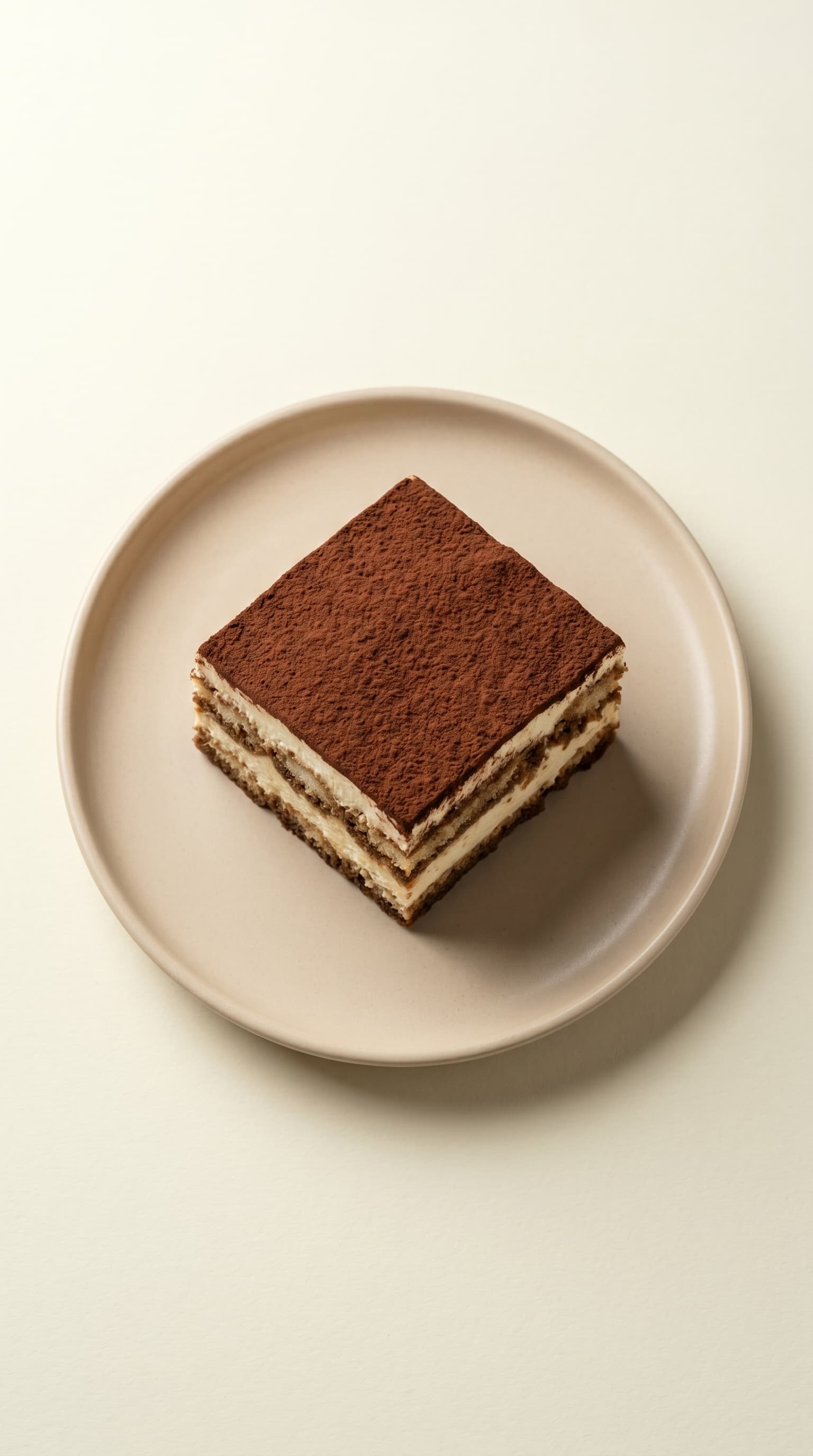
Classic Italian Tiramisu with Almond and Espresso
This classic Italian tiramisu is a light and creamy dessert made with rich mascarpone, bold espresso, and a hint of sweet almond. By gently warming the egg yolks and folding in fluffy egg whites, you get a silky, safe, and travel-ready treat. It takes about 30 minutes of active work and 6 hours to chill, serving 8 to 12 people.
390 min · Intermediate · Italy