Egg Yolk Ravioli with Brown Butter Anchoïade
1 hr 15 min · Advanced · Serves 4
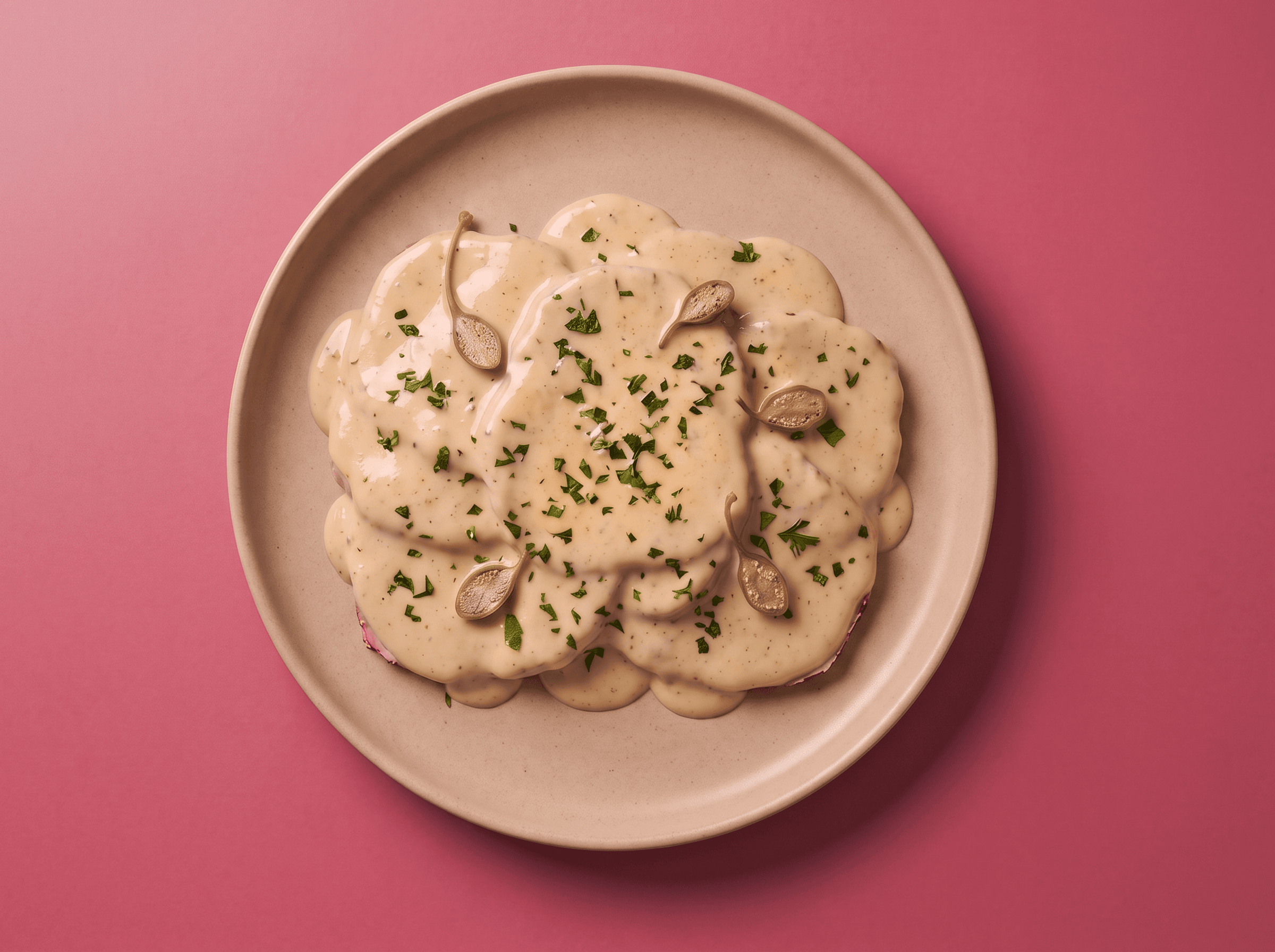 From our menuVitello Tonnato€17.50 · Made by us, delivered chilled.
This showstopper egg yolk ravioli wraps a whole runny yolk inside a thin golden pasta parcel, then drowns it in nutty brown butter with anchovy, capers, and lemon. The key trick is a ricotta ring that cradles and protects the yolk. Ready in about 75 minutes, it serves 4 as a stunning appetizer.
Recipe by Christophe Rammant
Cordon Bleu Paris alumni - Two star Michelin kitchen experience
What Makes This Egg Yolk Ravioli So Dramatic and Delicious?
Traditional Italian pasta technique shows that extra egg yolk in the dough creates a deeper golden colour and a silky, tender bite. The fat in the yolk coats the flour proteins, giving you pasta that is rich and pliable rather than tough or chewy.
Food science shows that a cold, firm yolk is far easier to handle than a warm one. Keeping the yolks chilled right up until assembly means they hold their shape when you nestle them into the ricotta ring, so you get that dramatic liquid centre every single time.
Professional culinary team know that brown butter, or beurre noisette, is one of the fastest ways to build deep, nutty flavour. The milk solids in the butter caramelise at around 250°F / 121°C, creating hundreds of new flavour compounds in just three to four minutes. Adding anchovy straight into the hot butter melts it instantly into a savoury, silky sauce with no fishiness at all.
The weekly recipe note
Enjoyed this recipe? Get the next one first.
One new recipe each week from Christophe: global flavor, French technique, and practical home-cook timing.
By signing up, you agree to receive emails from Mr. Saucy.
Ingredients
Recipe yields 4 servings
For the Pasta Dough
| Amount | Ingredient | Notes |
|---|---|---|
| 200 g | 00 flour | plus extra for dusting |
| 110 g | whole eggs | approximately 2 large eggs |
| 20 g | egg yolks for dough | 1 extra yolk for richness and colour |
| 15 g | olive oil | for the dough |
| 3 g | fine salt | for the dough |
For the Ricotta Filling
| Amount | Ingredient | Notes |
|---|---|---|
| 250 g | fresh ricotta | well-drained overnight in a sieve if possible |
| 80 g | whole egg yolks for filling | 4 yolks, one per raviolo - keep whole and intact, and keep cold until needed |
| 30 g | Parmesan | finely grated |
| 4 g | lemon zest | finely grated, from 1 lemon |
| 1 g | white pepper | — |
For the Brown Butter Anchoyade
| Amount | Ingredient | Notes |
|---|---|---|
| 120 g | unsalted butter | good quality - the star of the sauce |
| 30 g | anchovy fillets in oil | approximately 8 fillets - split use: half melted into the butter, half kept whole for texture |
| 10 g | garlic | 2 small cloves, finely grated |
| 25 g | capers | roughly chopped |
| 20 g | lemon juice | freshly squeezed, to stop the butter and balance the salt |
| 6 g | lime zest | finely grated from 2 limes - grate immediately before scattering over the finished dish |
Instructions
Make the Pasta Dough
- 1
Bring the Dough Together
Tip the 200 g of 00 flour onto a clean surface or into a large bowl and make a well in the centre. Add the whole eggs, the extra egg yolk, the olive oil, and the salt into the well. The extra yolk is what gives the pasta its deep golden colour and silky bite. Mix with a fork from the centre outward, gradually pulling in the flour until a shaggy dough forms.
- 2
Knead Until Smooth (The Gluten Step)
Knead the dough by hand for 8 to 10 minutes until it is smooth, elastic, and no longer sticky. Proper kneading builds the gluten structure that will hold the filling without bursting during cooking. The dough is ready when it springs back slowly when you poke it with a finger.
- 3
Rest the Dough (Do Not Skip This)
Wrap the dough tightly in cling film and rest it at room temperature for at least 30 minutes. Resting relaxes the gluten so the dough rolls out easily without springing back. A rushed dough will fight you at the pasta machine and tear around the filling.
Prepare the Filling and Roll the Pasta
- 4
Season the Ricotta Filling
While the dough rests, mix the drained ricotta with the grated Parmesan, lemon zest, white pepper, and a small pinch of salt. Taste it - it should be well-seasoned, since the pasta itself is plain. The filling carries most of the flavour before the sauce arrives.
- 5
Roll the Pasta Very Thin
Roll the rested dough through a pasta machine, starting at the widest setting and working down to setting 6 or 7. The sheet should be very thin and almost translucent. Thin pasta cooks in just 2.5 to 3 minutes, which is exactly the window you need to keep the yolk completely runny.
- 6
Cut the Pasta Sheets
Cut the rolled sheet into 8 squares or circles of roughly 12 cm each. You need two pieces per raviolo - a base and a lid. Keep the cut pieces on a lightly floured surface and cover them with a clean cloth so they do not dry out.
Assemble the Ravioli
- 7
Pipe the Ricotta Ring (The Yolk Cradle)
Lay four base pieces on a lightly floured surface. Pipe or spoon a generous ring of ricotta in the centre of each, leaving a clear well in the middle. The ring shape is what cradles and protects the yolk - without it, the yolk will slide around and likely break.
- 8
Place the Egg Yolk (Handle with Care)
Very carefully place one whole cold egg yolk into the ricotta well on each base. Handle gently - a broken yolk means no dramatic reveal at the table. Keeping the yolks cold right up to this moment makes them firmer and far less likely to break.
- 9
Seal the Ravioli (Push Out All the Air)
Lightly brush the pasta border around the filling with water. Lay the top pasta sheet over each raviolo and press firmly from the filling outward to remove all air pockets. Trapped air expands during cooking and causes the raviolo to burst. Seal the edges firmly with your fingertips, then trim to a neat shape with a pastry cutter or knife. Set aside on a lightly floured tray and do not stack them.
Cook the Ravioli and Make the Sauce
- 10
Bring the Water to a Gentle Simmer
Bring a wide, deep pan of well-salted water to a gentle simmer - around 185°F / 85°C. You want small, lazy bubbles, not a rolling boil. A vigorous boil tosses the ravioli around and risks breaking the seal and the yolk inside.
- 11
Brown the Butter (Watch It Closely)
Place a light-coloured saucepan over medium heat and add the 120 g of unsalted butter. A light-coloured pan lets you see the colour change clearly - in a dark pan you can easily miss the moment. Cook, swirling occasionally, for about 3 to 4 minutes until the foam subsides and the milk solids at the bottom turn golden brown and smell like toasted hazelnuts. Pull the pan off the heat the moment that nutty smell hits you - the residual heat will keep cooking the butter for another 30 seconds.
- 12
Build the Anchoyade (Under Two Minutes)
Immediately add the finely grated garlic and half the anchovy fillets into the hot brown butter. They will sizzle and dissolve into the butter within 30 seconds, releasing deep savoury flavour with no fishiness. Add the lemon juice - this stops the butter from over-browning and lifts the saltiness. The sauce will hiss and bubble briefly. Stir in the chopped capers and the remaining whole anchovy fillets for texture. Keep the pan off the heat or on the lowest setting.
- 13
Cook the Ravioli (Exactly 2.5 to 3 Minutes)
Slide the ravioli gently into the simmering water and cook for exactly 2.5 to 3 minutes. The pasta should be just tender and the yolk still completely runny. To check without cutting, lift one out carefully with a slotted spoon and press the centre very gently - it should feel soft and yielding, like a just-set jelly, not firm or bouncy.
- 14
Finish and Serve Immediately
Transfer each raviolo directly from the water into the brown butter sauce using a slotted spoon, letting a small splash of pasta water go with it - the starchy water helps the sauce cling to the pasta. Spoon the sauce generously over each raviolo, scatter the freshly grated lime zest over the top, and serve immediately in warm shallow bowls. This dish waits for no one - the yolk keeps cooking from residual heat, so get it to the table fast.
The weekly recipe note
Enjoyed this recipe? Get the next one first.
One new recipe each week from Christophe: global flavor, French technique, and practical home-cook timing.
By signing up, you agree to receive emails from Mr. Saucy.
Tips & Tricks
Your ricotta filling is loose and wet:
Drain the ricotta the night before by placing it in a fine sieve over a bowl in the fridge. Wet ricotta makes the filling runny, which can cause the pasta to go soggy and the seal to fail during cooking. Overnight draining makes a big difference.
Your egg yolk breaks when you place it in the ricotta:
Keep the yolks cold right up until you place them in the ricotta nest. A cold yolk is firmer and far less likely to break when you handle it. Work quickly and use a gentle touch.
Your brown butter goes too dark and smells bitter:
Unfortunately burnt butter cannot be rescued - start again with fresh butter. Next time, pull the pan off the heat the moment you smell toasted hazelnuts. The residual heat in the pan will continue cooking the milk solids for another 30 seconds, so act early.
The sauce tastes too salty before you even add salt:
That is correct - do not add any extra salt. The anchovies and capers carry more than enough seasoning. Taste before adding anything and trust the balance. The lemon juice does the work of brightening the flavour without adding more salt.
The lime zest does not smell very fragrant:
Grate the lime zest immediately before scattering it over the finished dish. Freshly grated zest has far more aromatic intensity than zest prepared even a few minutes ahead. The fragrant oils escape quickly once the zest is cut.
You need to make these ahead for a dinner party:
Assemble the ravioli up to 2 hours in advance and keep them on a floured tray covered with a clean cloth in the fridge. Do not freeze them - the yolk will harden and you will lose the runny centre that makes this dish special.
Your ricotta filling is loose and wet:
Drain the ricotta the night before by placing it in a fine sieve over a bowl in the fridge. Wet ricotta makes the filling runny, which can cause the pasta to go soggy and the seal to fail during cooking. Overnight draining makes a big difference.
Your egg yolk breaks when you place it in the ricotta:
Keep the yolks cold right up until you place them in the ricotta nest. A cold yolk is firmer and far less likely to break when you handle it. Work quickly and use a gentle touch.
Your brown butter goes too dark and smells bitter:
Unfortunately burnt butter cannot be rescued - start again with fresh butter. Next time, pull the pan off the heat the moment you smell toasted hazelnuts. The residual heat in the pan will continue cooking the milk solids for another 30 seconds, so act early.
The sauce tastes too salty before you even add salt:
That is correct - do not add any extra salt. The anchovies and capers carry more than enough seasoning. Taste before adding anything and trust the balance. The lemon juice does the work of brightening the flavour without adding more salt.
The lime zest does not smell very fragrant:
Grate the lime zest immediately before scattering it over the finished dish. Freshly grated zest has far more aromatic intensity than zest prepared even a few minutes ahead. The fragrant oils escape quickly once the zest is cut.
You need to make these ahead for a dinner party:
Assemble the ravioli up to 2 hours in advance and keep them on a floured tray covered with a clean cloth in the fridge. Do not freeze them - the yolk will harden and you will lose the runny centre that makes this dish special.
Frequently Asked Questions
How do I know when the egg yolk ravioli is cooked without breaking it open?
Gently press the centre of the raviolo with your fingertip through the slotted spoon - it should feel soft and yielding, like a just-set jelly. If it feels firm or bouncy, the yolk has set too much. At 2.5 minutes in gently simmering water, the yolk should still be completely runny.
Can I make the pasta dough in advance?
Yes. Wrap it tightly in cling film and refrigerate for up to 24 hours. Take it out 20 minutes before rolling so it comes back to room temperature and relaxes. Cold dough is stiff and will tear rather than stretch smoothly through the pasta machine.
What if I don't have a pasta machine?
A rolling pin works, but you need to roll the dough very thin - aim for roughly 1 to 2 mm, thin enough to almost see your hand through it. Work in small batches and keep the rest covered so it does not dry out. It takes more effort but is completely achievable.
Can I use store-bought fresh pasta sheets instead of making my own?
Yes. Good-quality fresh lasagne sheets from a deli or Italian grocer work well. Look for ones that are thin and pliable. Avoid dried pasta sheets - they are too thick and rigid to seal properly around the filling and will not give you that delicate, silky result.
Why does the raviolo burst during cooking, and how do I stop it?
Two likely causes: air trapped inside the seal, or water boiling too vigorously. Press firmly from the filling outward when sealing to push out all air, and cook in a gentle simmer rather than a rolling boil. A wide pan also helps by giving the ravioli room to float without bumping into each other.
Why use lime zest to finish rather than more lemon?
Lime zest has a sharper, more aromatic quality that cuts through the richness of the brown butter and egg yolk with a brighter, slightly more floral edge. Lemon is already in the sauce and the ricotta filling, so the lime at the end adds a distinct second citrus note rather than just doubling up.
Will the dish taste very fishy because of the anchovies?
Not at all. When anchovy fillets are added to hot brown butter, they dissolve completely within 30 seconds and release deep savoury flavour without any fishiness. This is a classic French technique for building umami richness. Most people cannot identify anchovy as an ingredient - they just know the sauce tastes incredible.
Can I make this as a main course instead of a starter?
Yes, easily. Serve two ravioli per person instead of one and increase the sauce ingredients by half. The dish is rich, so two generous ravioli with a simple green salad on the side makes a very satisfying main course for four people.
How do I know when the egg yolk ravioli is cooked without breaking it open?
Gently press the centre of the raviolo with your fingertip through the slotted spoon - it should feel soft and yielding, like a just-set jelly. If it feels firm or bouncy, the yolk has set too much. At 2.5 minutes in gently simmering water, the yolk should still be completely runny.
Can I make the pasta dough in advance?
Yes. Wrap it tightly in cling film and refrigerate for up to 24 hours. Take it out 20 minutes before rolling so it comes back to room temperature and relaxes. Cold dough is stiff and will tear rather than stretch smoothly through the pasta machine.
What if I don't have a pasta machine?
A rolling pin works, but you need to roll the dough very thin - aim for roughly 1 to 2 mm, thin enough to almost see your hand through it. Work in small batches and keep the rest covered so it does not dry out. It takes more effort but is completely achievable.
Can I use store-bought fresh pasta sheets instead of making my own?
Yes. Good-quality fresh lasagne sheets from a deli or Italian grocer work well. Look for ones that are thin and pliable. Avoid dried pasta sheets - they are too thick and rigid to seal properly around the filling and will not give you that delicate, silky result.
Why does the raviolo burst during cooking, and how do I stop it?
Two likely causes: air trapped inside the seal, or water boiling too vigorously. Press firmly from the filling outward when sealing to push out all air, and cook in a gentle simmer rather than a rolling boil. A wide pan also helps by giving the ravioli room to float without bumping into each other.
Why use lime zest to finish rather than more lemon?
Lime zest has a sharper, more aromatic quality that cuts through the richness of the brown butter and egg yolk with a brighter, slightly more floral edge. Lemon is already in the sauce and the ricotta filling, so the lime at the end adds a distinct second citrus note rather than just doubling up.
Will the dish taste very fishy because of the anchovies?
Not at all. When anchovy fillets are added to hot brown butter, they dissolve completely within 30 seconds and release deep savoury flavour without any fishiness. This is a classic French technique for building umami richness. Most people cannot identify anchovy as an ingredient - they just know the sauce tastes incredible.
Can I make this as a main course instead of a starter?
Yes, easily. Serve two ravioli per person instead of one and increase the sauce ingredients by half. The dish is rich, so two generous ravioli with a simple green salad on the side makes a very satisfying main course for four people.
Recipe Reviews
No reviews yet — Be the first to review this recipe!
The collection
All recipes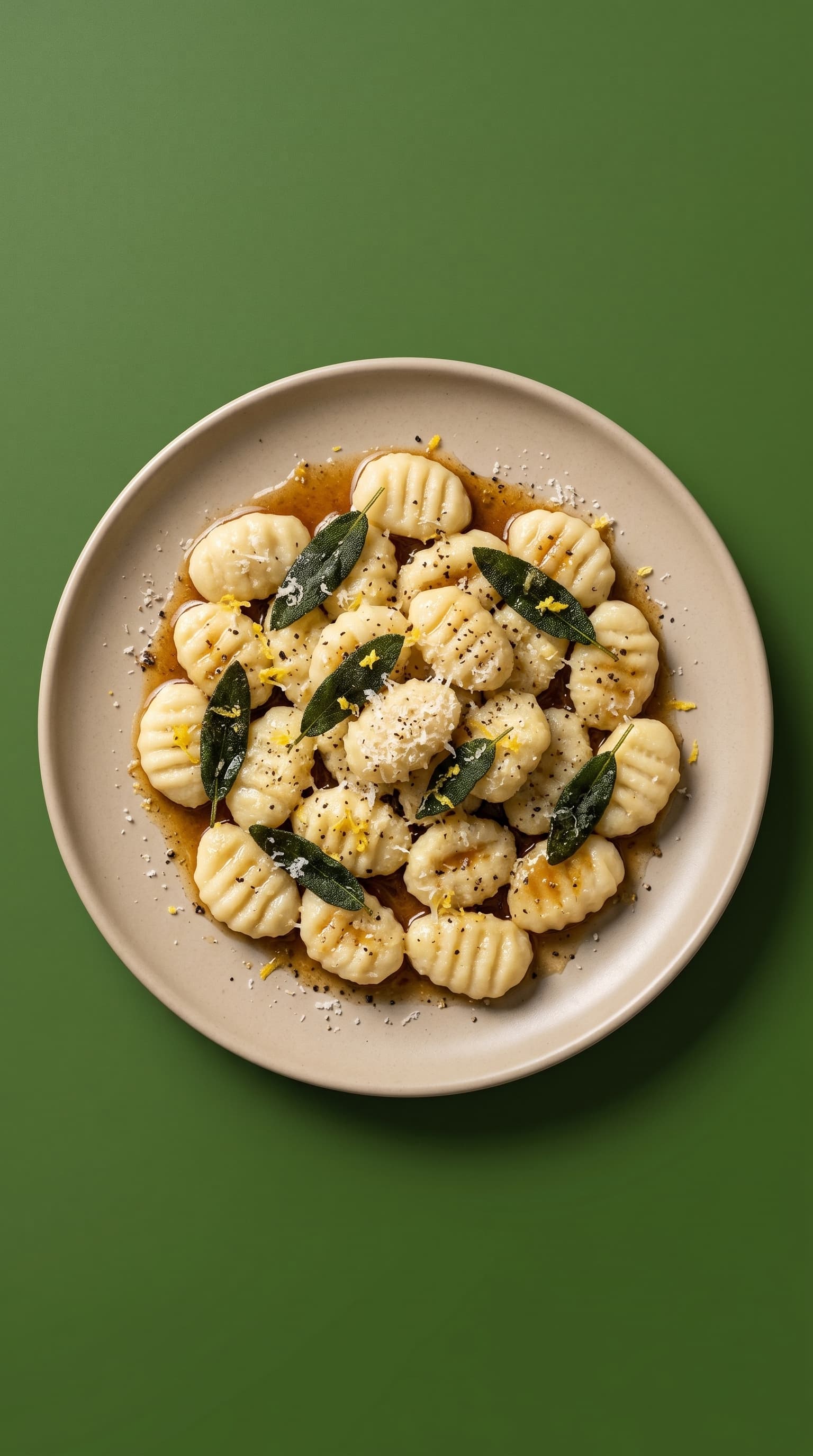
Classic Potato Gnocchi with Brown Butter and Sage
This classic potato gnocchi recipe gives you soft, pillowy dumplings every time. The secret is baking the potatoes to keep them dry, so you use less flour. Ready in about 90 minutes, this comforting dish serves 4 and pairs perfectly with a rich, nutty brown butter sauce.
90 min · Intermediate · Italy
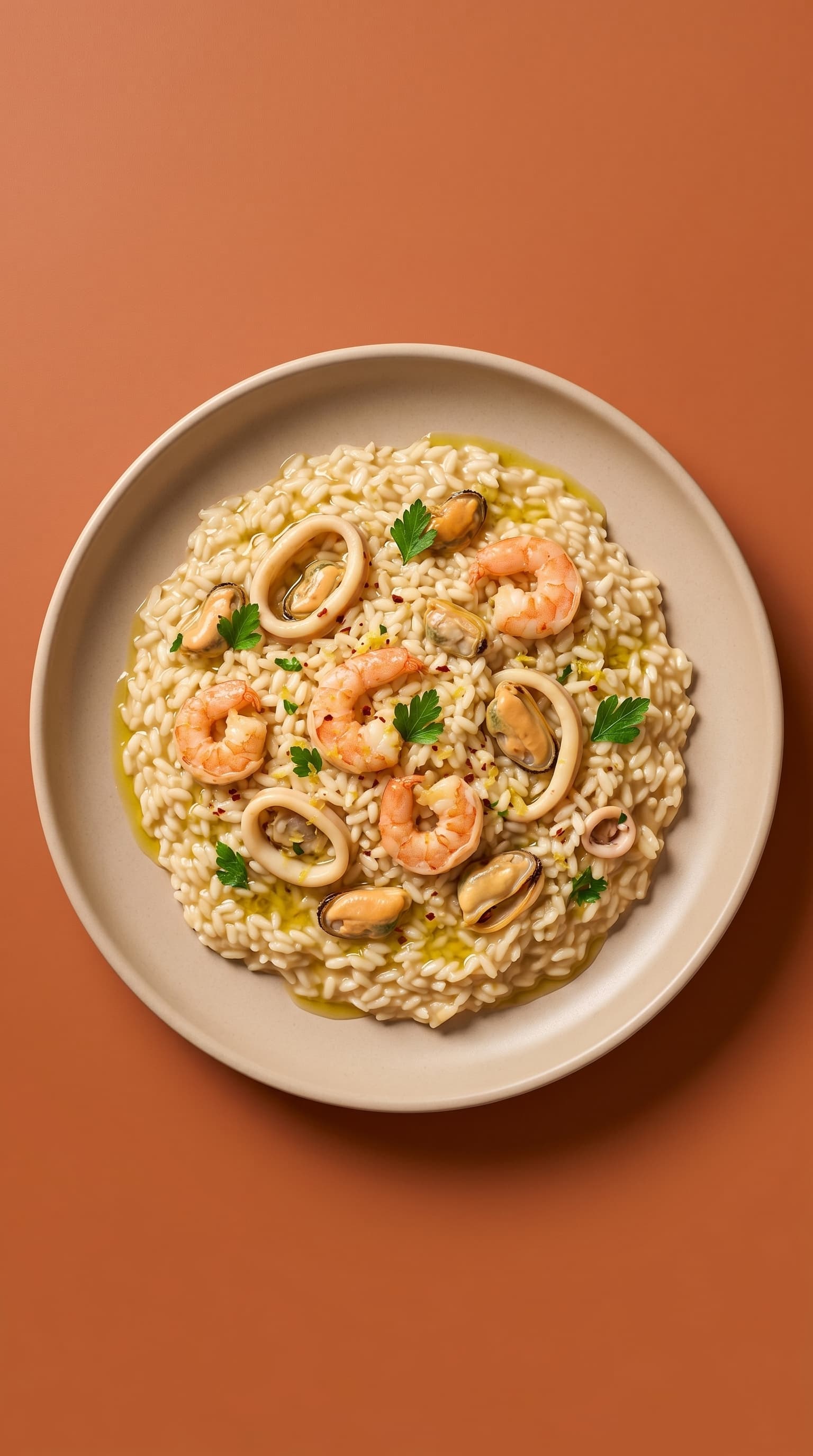
Seafood Risotto ai Frutti di Mare, the Italian Way
This classic Italian seafood risotto is built on a rich homemade broth from toasted prawn shells, cooked ladle by ladle with Carnaroli rice, and finished with a cold-butter mantecatura for silky creaminess without cream or cheese. Every seafood goes in at the perfect moment. Ready in about 75 minutes. Serves 4.
75 min · Intermediate · Italy
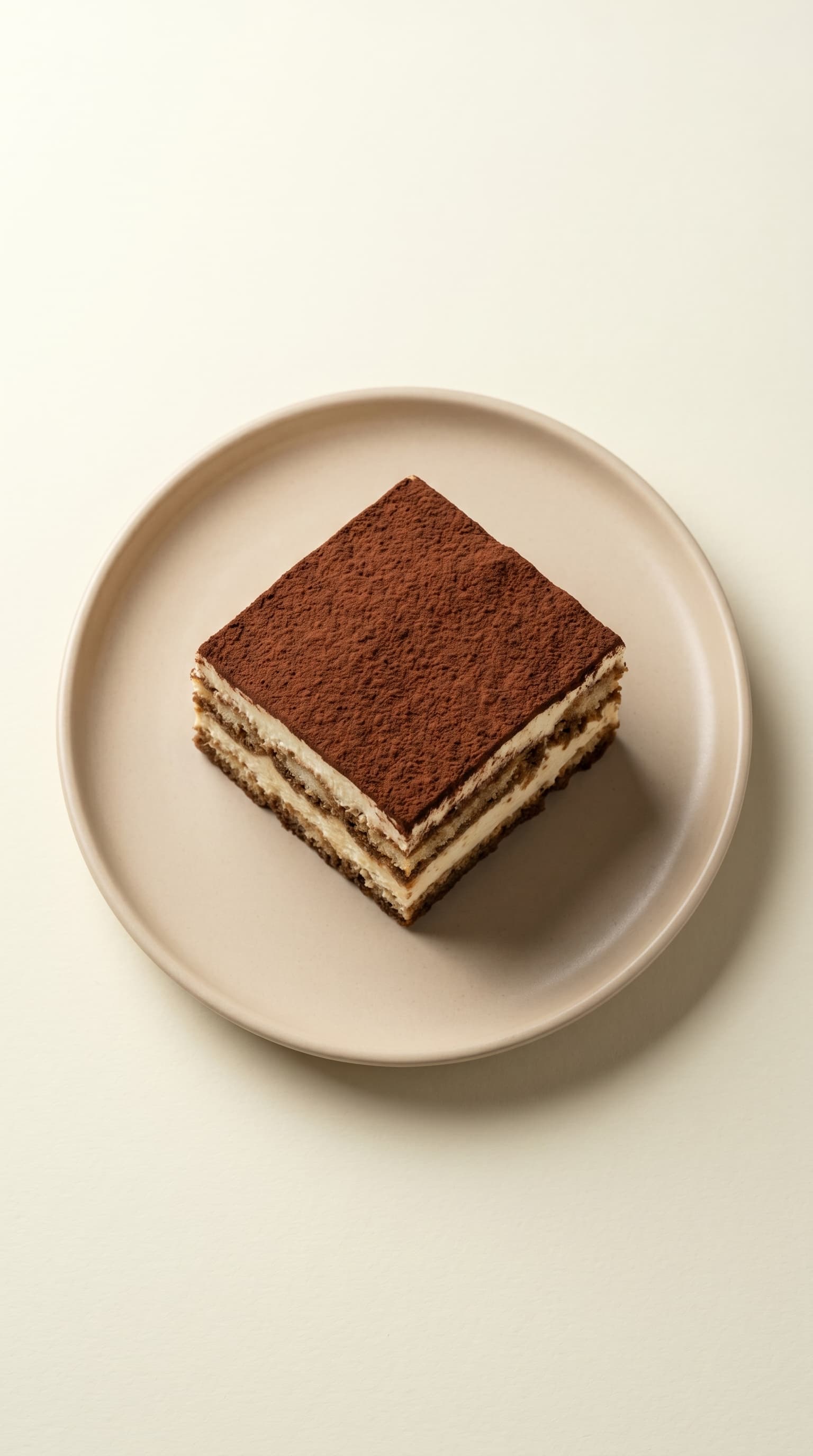
Classic Italian Tiramisu with Almond and Espresso
This classic Italian tiramisu is a light and creamy dessert made with rich mascarpone, bold espresso, and a hint of sweet almond. By gently warming the egg yolks and folding in fluffy egg whites, you get a silky, safe, and travel-ready treat. It takes about 30 minutes of active work and 6 hours to chill, serving 8 to 12 people.
390 min · Intermediate · Italy