Seared Foie Gras with Mango Ginger Chutney and Star Anise Jus
1 hr · Advanced · Serves 6
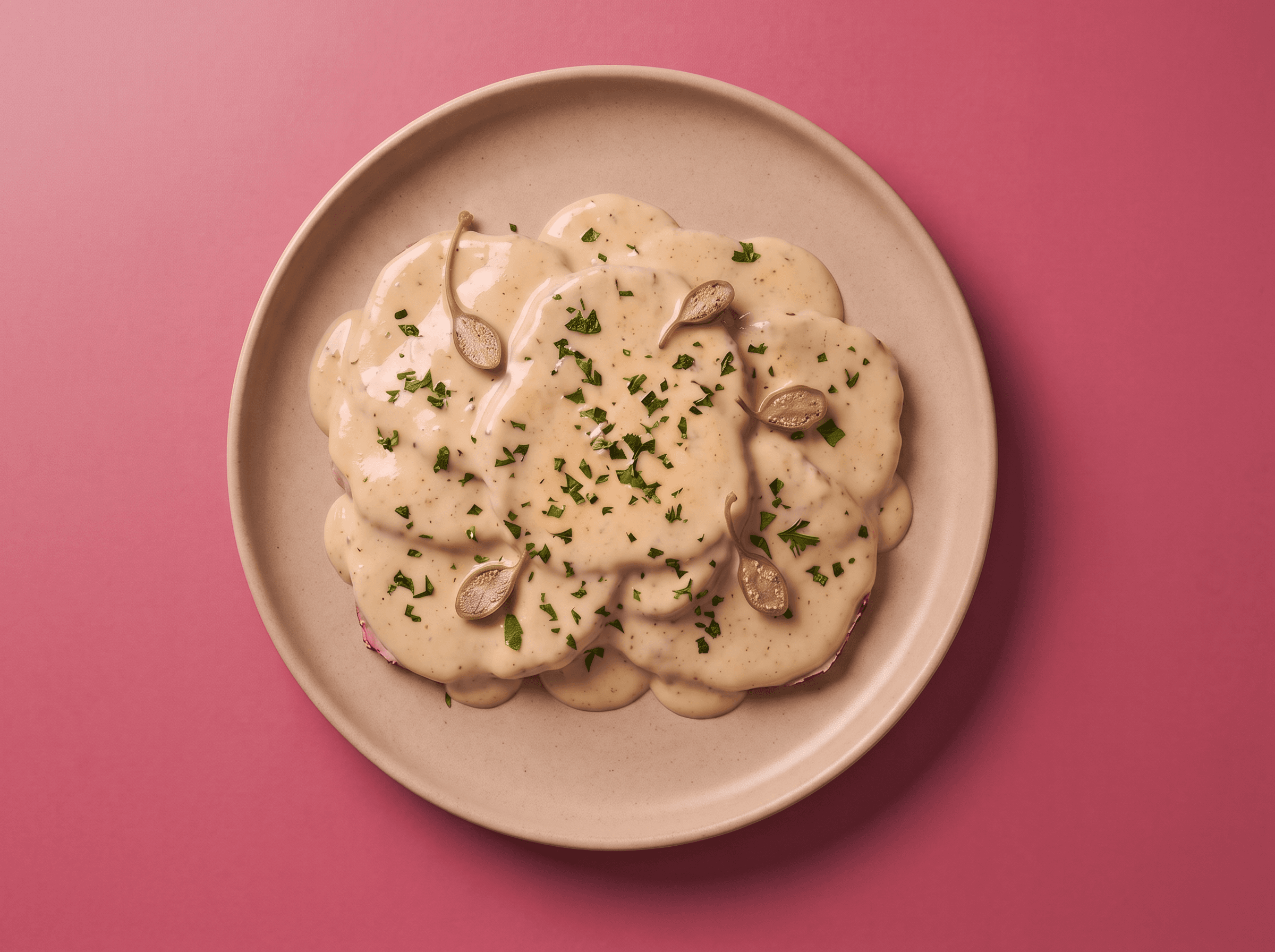 From our menuVitello Tonnato€17.50 · Made by us, delivered chilled.
This classic French appetizer pairs a perfectly seared foie gras escalope with a sweet-tangy mango ginger chutney and a fragrant star anise jus. The secret is a smoking-hot dry pan and just 60 to 75 seconds of total cooking time. Serves 6 as a starter and comes together in about one hour.
Recipe by Christophe Rammant
Cordon Bleu Paris alumni - Two star Michelin kitchen experience
Why Does a Smoking-Hot Dry Pan Make All the Difference?
Traditional French technique calls for a completely dry pan heated until it smokes before the foie gras ever touches it. Food science shows that foie gras is made up of roughly 50 percent fat. The moment it hits intense heat, that fat begins to melt. A hot enough pan sears the outside into a deep mahogany crust before the inside has time to melt away, giving you that custardy centre every time.
Professional culinary team know that the sweet and acidic chutney is not just a garnish. It plays the role of what French cooks call an aigre-doux, meaning sweet and sour. The mango, vinegar, and lime cut straight through the richness of the liver and wake up your palate between bites, making each mouthful feel as good as the first.
The star anise and fennel jus works as a fragrant bridge between the fruit and the fat. Steeping the aromatics off the heat, rather than boiling them, pulls out the sweet floral oils without any bitterness. Mounting cold butter into the warm jus at the very end gives it a glossy, silky finish that coats the plate beautifully.
Estimated nutrition per serving
Estimated from ingredient weights, not lab-tested.
- Calories
- 544
- Protein
- 13g
- Fat
- 43g
- Carbohydrates
- 26g
The weekly recipe note
Enjoyed this recipe? Get the next one first.
One new recipe each week from Christophe: global flavor, French technique, and practical home-cook timing.
By signing up, you agree to receive emails from Mr. Saucy.
Ingredients
Recipe yields 6 servings
For the Foie Gras
| Amount | Ingredient | Notes |
|---|---|---|
| 480 g (approx. 80 g each) | Grade A duck foie gras, deveined and sliced into 6 escalopes | Ask your supplier to devein it, or do it yourself by gently pulling the central vein with your fingers after letting the lobe sit at room temperature for 20 minutes |
| 5 g (about 1 tsp) | Fleur de sel | For seasoning just before searing |
| 2 g (about 1/2 tsp) | White pepper, freshly ground | — |
For the Mango Ginger Chutney
| Amount | Ingredient | Notes |
|---|---|---|
| 400 g (about 2 1/2 cups) | Ripe mango, peeled and diced into 1 cm cubes | Ataulfo or Alphonso variety for sweetness and low fibre |
| 180 g (about 1 1/2 cups) | Red onion, thinly sliced | — |
| 25 g (about 2 1/2 tbsp) | Fresh ginger, peeled and finely grated | — |
| 40 g (about 3 tbsp) | Sherry vinegar | Cider vinegar works as a substitute |
| 30 g (about 1 1/2 tbsp) | Honey | — |
| 20 g (about 1 1/2 tbsp) | Unsalted butter | For sweating the onions |
| 2 g (about 1/2 tsp) | Ground cardamom | — |
| 20 g (about 1 1/2 tbsp) | Fresh lime juice | About 1 large lime, added at the very end off heat |
| 8 g (about 1 small chili) | Fresh red chili, finely minced | Optional. Remove seeds for gentle heat |
For the Star Anise Jus
| Amount | Ingredient | Notes |
|---|---|---|
| 400 g (about 1 3/4 cups) | Good quality veal or chicken stock, well reduced and gelatinous | Should coat a spoon lightly when cold. Store-bought demi-glace diluted 1:1 works well |
| 4 g (approximately 2 whole stars) | Star anise | — |
| 80 g (about 3/4 cup) | Fennel bulb, thinly sliced | Reserve the fronds for garnish |
| 5 g (one wide strip) | Orange zest strip | Pith removed |
| 15 g (about 1 tbsp) | Pastis or Pernod | Added at the very end off heat. Optional but amplifies the anise note beautifully |
| 30 g (about 2 tbsp) | Cold unsalted butter, cubed | For mounting the jus at the end. Gives gloss and body |
Instructions
Make the Star Anise Jus (Can Be Done a Day Ahead)
- 1
Simmer the Aromatics into the Stock
Pour the reduced stock into a small saucepan. Add the sliced fennel, star anise, and orange zest strip. Bring to a gentle simmer over medium-low heat, around 185°F / 85°C, and cook for 12 minutes. You want the fennel to soften and release its sweetness into the stock without the liquid reducing too fast. You should see small, lazy bubbles at the edges but no rolling boil.
- 2
Steep Off the Heat (The Flavour Trick)
Remove the pan from the heat and let the star anise and orange zest sit in the hot liquid for another 5 minutes. This off-heat steeping pulls out the sweet, floral oils without turning the anise bitter or medicinal. Think of it like making a cup of tea. You get all the good flavour without any harshness.
- 3
Strain and Reduce to a Glaze
Pour the jus through a fine mesh sieve into a clean small saucepan, pressing the fennel gently to squeeze out all the liquid. Place back over medium heat and reduce until the jus lightly coats the back of a spoon and moves slowly when you tilt the pan. You are aiming for roughly 150 to 180 ml of finished jus for 6 portions. It should look glossy and deep in colour.
- 4
Mount with Butter Just Before Serving
When you are ready to plate, reheat the jus gently over low heat until just warm. Remove from the heat and whisk in the cold cubed butter one piece at a time. This is called mounting with butter, and it gives the jus a beautiful sheen and silky body without making it heavy. Add the pastis or Pernod now if using, stir once, and keep warm off the heat. Do not let it boil after adding the butter or the sauce will split and look greasy.
Make the Mango Ginger Chutney (Can Be Done a Day Ahead)
- 5
Slowly Caramelise the Onions (The Flavour Foundation)
Melt the butter in a medium saucepan over medium-low heat. Add the sliced red onion with a small pinch of salt and cook slowly for 12 to 15 minutes, stirring every few minutes. You want the onion to become deeply soft, sweet, and slightly jammy. Do not rush this step. The slow, gentle cooking draws out the natural sugars in the onion and builds the whole flavour base of the chutney.
- 6
Bloom the Ginger and Chili
Add the grated ginger and minced chili if using. Cook for 2 minutes, stirring constantly, until you can smell the ginger bloom in the butter. The heat opens up the aromatic oils in the ginger and softens any raw edge. Your kitchen should smell warm and fragrant at this point.
- 7
Add the Mango and Simmer to a Jammy Texture
Add the diced mango, sherry vinegar, honey, and cardamom. Stir everything together and simmer gently over medium-low heat for 8 to 10 minutes until the mango softens and the mixture becomes jammy but still has some texture. You want pieces of mango, not a smooth purée. Taste it. It should be sweet, tangy, and warmly spiced. Adjust with a little more vinegar if it tastes flat.
- 8
Finish with Lime Juice Off the Heat
Remove the pan from the heat and stir in the fresh lime juice. Adding it off the heat keeps the bright, citrusy flavour alive. The chutney should taste vivid and slightly acidic at this point. That brightness is exactly what cuts through the richness of the foie gras. Set aside and reheat gently with a small splash of water just before plating if it has thickened too much.
Sear the Foie Gras (Do This Last, Right Before Serving)
- 9
Temper and Score the Escalopes
Take the foie gras escalopes out of the fridge 15 minutes before cooking. They should feel cold but not fridge-cold. This helps them sear evenly without the centre staying raw. Using a sharp knife, score each escalope with a light crosshatch pattern, making shallow cuts about 2 mm deep. This helps the fat render evenly across the surface and stops the slice from curling up in the hot pan.
- 10
Season Right Before the Pan (Not Before)
Season each escalope generously with fleur de sel and white pepper on both sides immediately before searing. Do not season them in advance. Salt draws moisture to the surface, and a wet surface will steam instead of sear, which means no crust.
- 11
Heat the Pan Until Smoking (The Most Important Step)
Place a heavy-bottomed stainless steel or cast iron pan over the highest heat your stove allows. Let it heat for a full 2 to 3 minutes until it is visibly smoking. Do not add any oil or butter. Foie gras releases its own fat almost instantly, and adding extra fat will cause it to poach in the pan rather than sear. A smoking-hot dry pan is the single most important thing you can do for this dish.
- 12
Sear for 60 to 75 Seconds Total (Listen and Watch)
Place the escalopes in the pan scored-side down, working in batches of 2 to 3 so you do not crowd the pan. Sear for 30 to 40 seconds without moving them. You are listening for a strong, confident sizzle and watching for a deep mahogany crust forming at the edges. Flip carefully with a spatula and sear the second side for another 25 to 35 seconds. The inside should be just barely warm and custardy. If you press it gently with your finger it should feel soft with slight resistance, like the flesh of your palm.
- 13
Rest Briefly to Drain the Fat
Transfer each escalope to a wire rack or a plate lined with kitchen paper for 30 seconds. This drains the excess rendered fat and keeps your plate clean. It also stops the cooking so the inside stays custardy rather than firm.
Plate and Serve Immediately
- 14
Build the Plate with Care
Spoon a small mound of warm chutney slightly off-centre on each warm plate. Rest the foie gras escalope against or on top of the chutney. Spoon 2 to 3 tablespoons of the anise-fennel jus in a thin arc around the plate, going around the foie gras rather than over it so the crust stays intact and crisp. Finish with a few fennel fronds and one final flake of fleur de sel. Serve right away.
The weekly recipe note
Enjoyed this recipe? Get the next one first.
One new recipe each week from Christophe: global flavor, French technique, and practical home-cook timing.
By signing up, you agree to receive emails from Mr. Saucy.
Tips & Tricks
Your pan is not hot enough and the foie gras shrinks and turns greasy instead of forming a crust:
Give the pan a full 2 to 3 minutes on maximum heat before anything goes in. It should be visibly smoking. If you are not sure, hold your hand a few inches above the surface. You should feel intense, radiating heat. A pan that is merely hot is not hot enough for foie gras.
You are short on time the day of the dinner:
Both the chutney and the jus can be made a full day ahead and stored separately in the fridge. Reheat the chutney gently with a splash of water if it has thickened, and warm the jus without boiling before mounting with butter at the last moment. The foie gras sear is the only thing you need to do to order.
Your jus stays thin and watery instead of forming a glaze:
The stock was not gelatinous enough to begin with. Reduce it further before adding the aromatics. A thin stock will never produce a proper glaze no matter how long you cook it with the fennel. A good shortcut is to stir a small amount of high-quality demi-glace paste into your stock before you start.
Your foie gras escalopes are too thin and overcook before a crust develops:
Slice each escalope at least 1.5 cm thick. If your lobe is small, cut on a slight diagonal to get a wider surface area. A thicker slice gives you more time to build the crust before the heat reaches the centre.
The chutney tastes flat and dull after sitting in the fridge overnight:
Taste it cold before reheating. Flavours mute when warm, so the chutney should actually taste slightly too bright and acidic at room temperature. If it tastes flat when cold, stir in a little more lime juice or a splash more sherry vinegar before you reheat it.
The butter splits and the jus looks greasy and broken:
The jus got too hot after the butter went in. Remove it from the heat immediately and whisk in one small cube of very cold butter. The temperature shock can bring it back together. From now on, always mount butter off the heat and never let the jus return to a boil after that point.
Your pan is not hot enough and the foie gras shrinks and turns greasy instead of forming a crust:
Give the pan a full 2 to 3 minutes on maximum heat before anything goes in. It should be visibly smoking. If you are not sure, hold your hand a few inches above the surface. You should feel intense, radiating heat. A pan that is merely hot is not hot enough for foie gras.
You are short on time the day of the dinner:
Both the chutney and the jus can be made a full day ahead and stored separately in the fridge. Reheat the chutney gently with a splash of water if it has thickened, and warm the jus without boiling before mounting with butter at the last moment. The foie gras sear is the only thing you need to do to order.
Your jus stays thin and watery instead of forming a glaze:
The stock was not gelatinous enough to begin with. Reduce it further before adding the aromatics. A thin stock will never produce a proper glaze no matter how long you cook it with the fennel. A good shortcut is to stir a small amount of high-quality demi-glace paste into your stock before you start.
Your foie gras escalopes are too thin and overcook before a crust develops:
Slice each escalope at least 1.5 cm thick. If your lobe is small, cut on a slight diagonal to get a wider surface area. A thicker slice gives you more time to build the crust before the heat reaches the centre.
The chutney tastes flat and dull after sitting in the fridge overnight:
Taste it cold before reheating. Flavours mute when warm, so the chutney should actually taste slightly too bright and acidic at room temperature. If it tastes flat when cold, stir in a little more lime juice or a splash more sherry vinegar before you reheat it.
The butter splits and the jus looks greasy and broken:
The jus got too hot after the butter went in. Remove it from the heat immediately and whisk in one small cube of very cold butter. The temperature shock can bring it back together. From now on, always mount butter off the heat and never let the jus return to a boil after that point.
Frequently Asked Questions
How do I get a perfect crust when searing foie gras at home?
The key is a completely dry pan heated until it smokes, which takes a full 2 to 3 minutes on maximum heat. Season the escalopes right before they go in, not before, and never crowd the pan. Work in batches of 2 to 3 and do not move them for the first 30 to 40 seconds. That undisturbed contact time is what builds the deep mahogany crust.
Can I use chicken liver instead of foie gras?
Technically yes, but the dish changes fundamentally. Chicken liver is firmer, less fatty, and more mineral in flavour. It will sear similarly but will not have the custardy interior or the luxurious fat release that makes this combination work. If substituting, marinate the livers in milk for an hour first to mellow any bitterness.
My foie gras melted away in the pan. What went wrong?
The pan was not hot enough, or the escalopes were too warm before going in. A cold-but-not-fridge-cold escalope in a smoking-hot dry pan sears before it has time to melt. If your kitchen is very warm, keep the escalopes in the fridge until the very last second and work in very small batches.
Can I make the chutney with frozen mango?
Yes. Thaw completely and drain any excess liquid before using. Frozen mango tends to be softer and releases more water, so cook the chutney a few minutes longer to evaporate the extra moisture. The flavour is slightly less bright than fresh but still very good, especially with a little extra lime juice stirred in at the end.
The jus tastes too strongly of anise. How do I fix it?
Remove the star anise earlier during steeping, around 3 minutes off heat instead of 5, and reduce the number of stars to one next time. You can balance an overly anised jus right now by whisking in a small extra knob of cold butter and a few drops of sherry vinegar, which rounds and softens the intensity without masking it entirely.
What bread or base should I serve this on?
A thin slice of toasted brioche is the classical pairing. Its buttery sweetness echoes the foie gras without competing. A lightly griddled slice of pain de campagne also works beautifully. Avoid anything too salty or heavily flavoured, as it will fight the chutney and jus for attention on the palate.
Can I make any part of this dish ahead of time?
Yes, two of the three components can be made a full day ahead. The mango ginger chutney and the star anise jus both refrigerate well and reheat cleanly. The foie gras sear is the only step you need to do right before serving, and it takes under two minutes per batch, so have everything else warm and ready before you touch the pan.
What equipment do I really need for this recipe?
A heavy-bottomed stainless steel or cast iron pan is essential for the sear. You also need a fine mesh sieve for straining the jus, a small saucepan for the jus and another for the chutney, a wire rack for resting the foie gras, and a microplane or fine grater for the ginger. No specialist tools beyond that.
How do I get a perfect crust when searing foie gras at home?
The key is a completely dry pan heated until it smokes, which takes a full 2 to 3 minutes on maximum heat. Season the escalopes right before they go in, not before, and never crowd the pan. Work in batches of 2 to 3 and do not move them for the first 30 to 40 seconds. That undisturbed contact time is what builds the deep mahogany crust.
Can I use chicken liver instead of foie gras?
Technically yes, but the dish changes fundamentally. Chicken liver is firmer, less fatty, and more mineral in flavour. It will sear similarly but will not have the custardy interior or the luxurious fat release that makes this combination work. If substituting, marinate the livers in milk for an hour first to mellow any bitterness.
My foie gras melted away in the pan. What went wrong?
The pan was not hot enough, or the escalopes were too warm before going in. A cold-but-not-fridge-cold escalope in a smoking-hot dry pan sears before it has time to melt. If your kitchen is very warm, keep the escalopes in the fridge until the very last second and work in very small batches.
Can I make the chutney with frozen mango?
Yes. Thaw completely and drain any excess liquid before using. Frozen mango tends to be softer and releases more water, so cook the chutney a few minutes longer to evaporate the extra moisture. The flavour is slightly less bright than fresh but still very good, especially with a little extra lime juice stirred in at the end.
The jus tastes too strongly of anise. How do I fix it?
Remove the star anise earlier during steeping, around 3 minutes off heat instead of 5, and reduce the number of stars to one next time. You can balance an overly anised jus right now by whisking in a small extra knob of cold butter and a few drops of sherry vinegar, which rounds and softens the intensity without masking it entirely.
What bread or base should I serve this on?
A thin slice of toasted brioche is the classical pairing. Its buttery sweetness echoes the foie gras without competing. A lightly griddled slice of pain de campagne also works beautifully. Avoid anything too salty or heavily flavoured, as it will fight the chutney and jus for attention on the palate.
Can I make any part of this dish ahead of time?
Yes, two of the three components can be made a full day ahead. The mango ginger chutney and the star anise jus both refrigerate well and reheat cleanly. The foie gras sear is the only step you need to do right before serving, and it takes under two minutes per batch, so have everything else warm and ready before you touch the pan.
What equipment do I really need for this recipe?
A heavy-bottomed stainless steel or cast iron pan is essential for the sear. You also need a fine mesh sieve for straining the jus, a small saucepan for the jus and another for the chutney, a wire rack for resting the foie gras, and a microplane or fine grater for the ginger. No specialist tools beyond that.
Recipe Reviews
No reviews yet — Be the first to review this recipe!
The collection
All recipesPheasant with Grapes, Verjus Jus and Celery Root
This pheasant with grapes recipe pairs juicy roast pheasant with glossy Muscat grapes, sweet caramelised shallots, and bright verjus jus. Gentle pan-roasting keeps the skin crisp, while celery root purée adds silky depth. Plan on about 2 hours for 4 servings, with several parts ready ahead for an easy dinner party.
120 min · Intermediate · France
Poires Belle Hélène Recipe with Wine Poached Pears
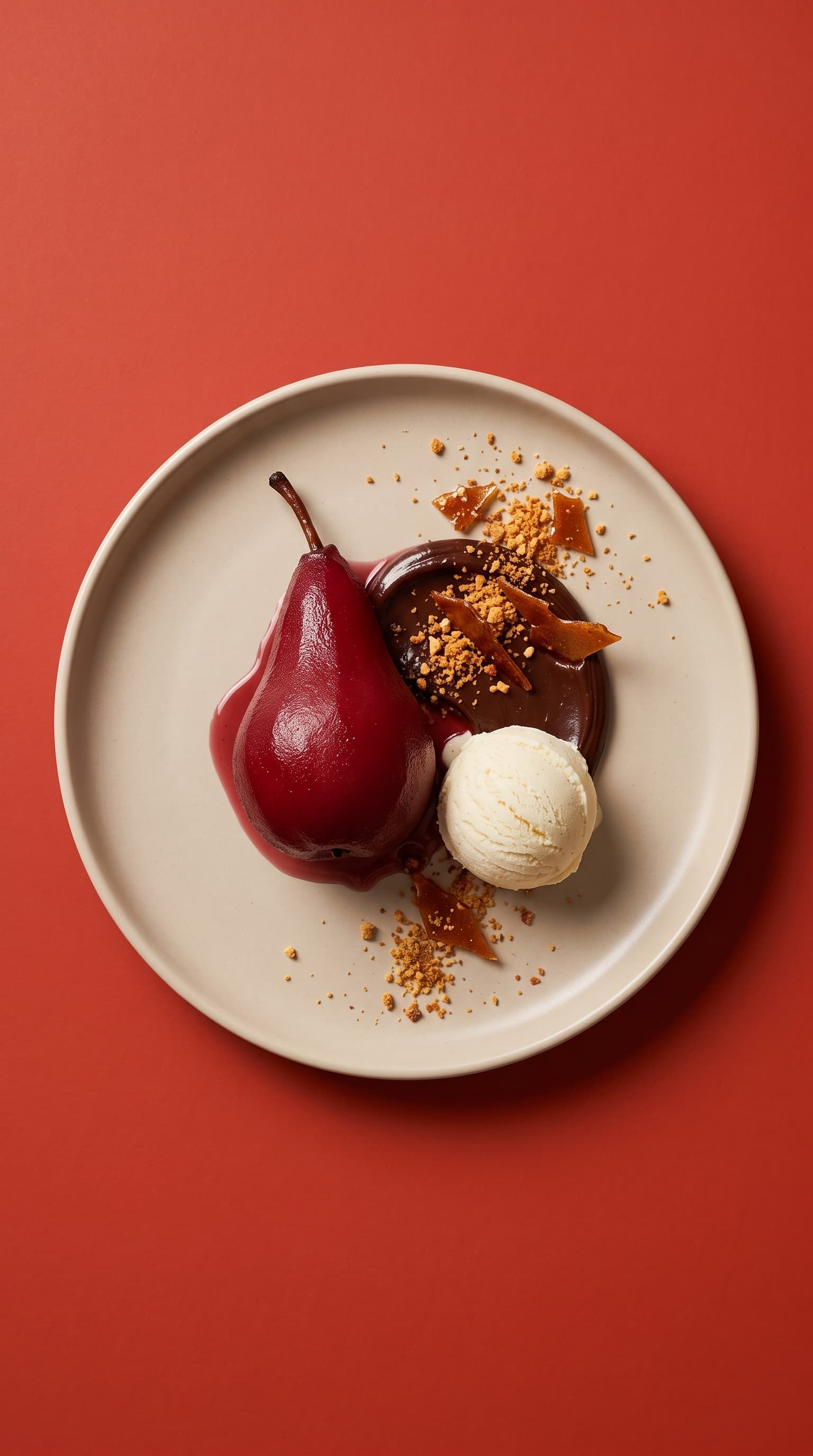
This poires belle hélène recipe pairs tender red wine poached Conference pears with warm dark chocolate sauce, cold vanilla ice cream, and crisp hazelnut praline. Gentle poaching keeps the pears whole and silky. Plan about 2 hours for cooking and cooling, and serve 4 people right away for the best warm and cold contrast.
150 min · Intermediate · France
Roast Partridge Recipe with Celeriac Mousseline
This roast partridge recipe pairs rosy roasted breast with a crisp confited leg, silky celeriac mousseline, glazed baby carrots, and a glossy juniper-port jus. Dry-brining helps the lean meat stay seasoned and juicy. Allow about 3 hours for cooking and resting, plus overnight dry-brining if you have time. Serves 4.
210 min · Intermediate · France