Roasted Turbot Recipe with Vermouth Beurre Blanc and Fennel
1 hr 30 min · Medium · Serves 4
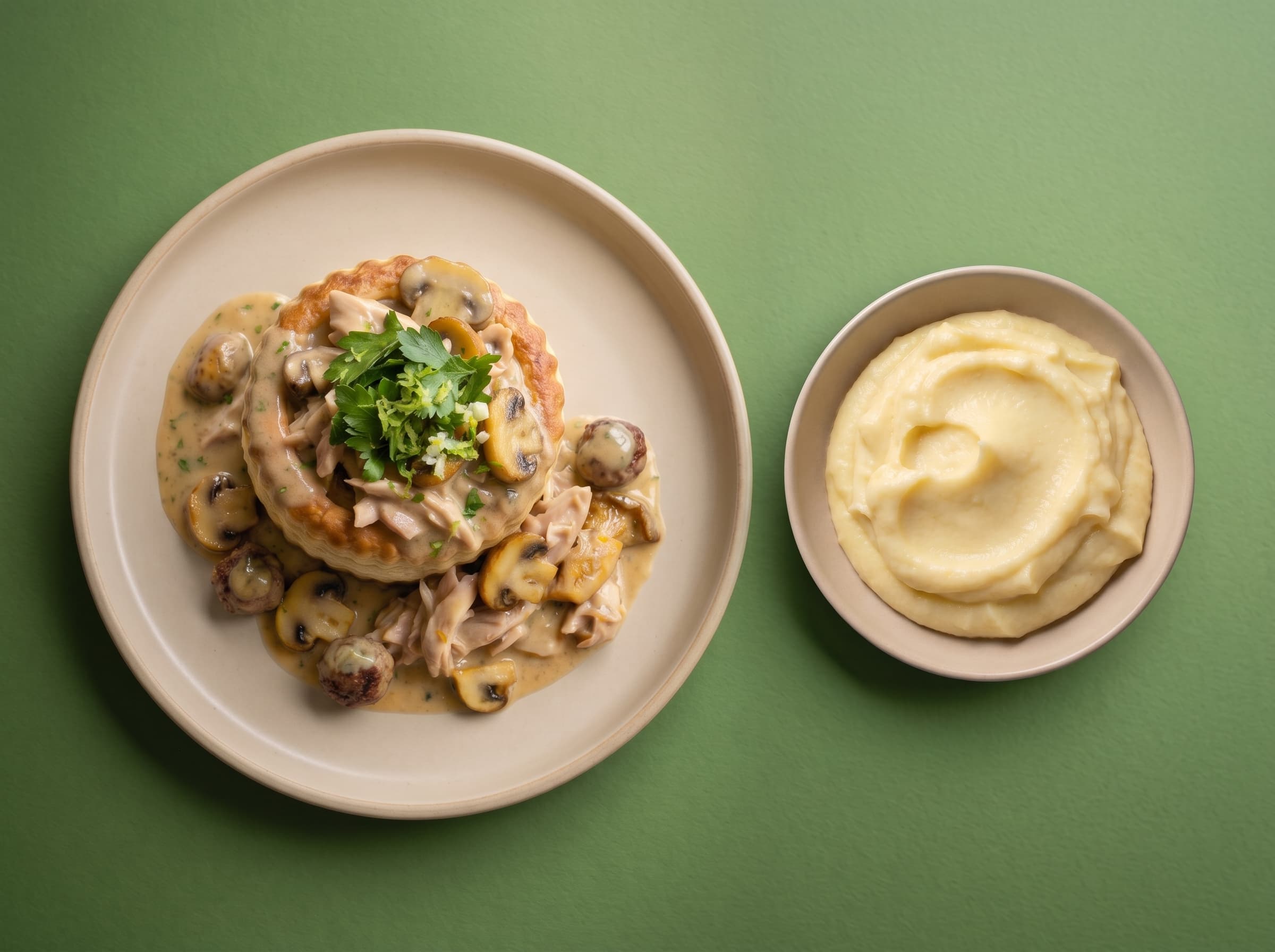 From our menuVol-au-Vent East meets West€19.95 · Made by us, delivered chilled.
This roasted turbot recipe pairs a crisp-skinned, oven-finished fillet with a silky vermouth beurre blanc, buttery braised fennel, and confit-style baby potatoes. The trick is a hard sear for color, then a gentle 180°C / 356°F oven finish so the delicate flesh stays moist. It takes about 90 minutes total and serves 4.
Recipe by Christophe Rammant
Cordon Bleu Paris alumni - Two star Michelin kitchen experience
Why Does Searing Then Oven-Finishing Work So Well for Turbot?
Professional culinary team know that thick, delicate fish like turbot need two different kinds of heat. A hard, direct sear builds a deeply golden, crisp skin fast, while a gentle oven finish cooks the thick flesh through slowly so it stays juicy instead of drying out.
Traditional French technique shows that a classic beurre blanc depends on cold butter and gentle, off-heat whisking. Butterfat needs steady, low agitation to emulsify smoothly, and adding it too fast or over high heat causes the sauce to split and turn oily.
Food science shows that vermouth's built-in botanicals and lower acidity make the emulsion more forgiving than plain white wine would, while still adding aromatic depth that echoes the braised fennel on the plate.
Estimated nutrition per serving
Estimated from ingredient weights, not lab-tested.
- Calories
- 304
- Protein
- 11g
- Fat
- 23g
- Carbohydrates
- 12g
The weekly recipe note
Enjoyed this recipe? Get the next one first.
One new recipe each week from Christophe: global flavor, French technique, and practical home-cook timing.
By signing up, you agree to receive emails from Mr. Saucy.
Ingredients
Recipe yields 4 servings
For the Pommes Grenailles (Potatoes)
| Amount | Ingredient | Notes |
|---|---|---|
| 600 g | Small new potatoes (grenaille or Ratte, skin-on) | roughly walnut-sized, uniform for even cooking |
| 40 g | Duck fat or clarified butter | for confit-style cooking of the potatoes |
| 15 g | Garlic cloves, skin-on, lightly crushed | about 3 cloves |
| 4 g | Fresh thyme sprigs | about 4 sprigs |
For the Braised Fennel
| Amount | Ingredient | Notes |
|---|---|---|
| 600 g | Fennel bulbs, halved lengthwise, core trimmed | about 2 medium bulbs, fronds reserved for garnish |
| 30 g | Unsalted butter | for braising the fennel |
| 60 g | Dry white vermouth (Noilly Prat or similar) | for braising liquid |
| 150 g | Fish stock or light vegetable stock | for braising the fennel |
| 2 g | Fennel seeds, lightly crushed | reinforces the fennel flavor |
For the Samphire
| Amount | Ingredient | Notes |
|---|---|---|
| 200 g | Fresh samphire | rinsed well, naturally salty, do not add extra salt |
| 20 g | Unsalted butter | for finishing the samphire |
| 5 g | Lemon juice | a small squeeze to brighten the samphire |
For the Turbot
| Amount | Ingredient | Notes |
|---|---|---|
| 880 g (4 portions of about 220 g each) | Turbot, thick skin-on fillet portions (bone-in ideal, ask your fishmonger to portion from a whole fish) | pin-boned, patted very dry |
| 40 g | Unsalted butter | for searing the fish |
| 20 g | Neutral oil (grapeseed or sunflower) | raises the smoke point so the butter doesn't burn during the sear |
| 8 g | Fine sea salt | for seasoning the fish just before cooking |
For the Vermouth Beurre Blanc
| Amount | Ingredient | Notes |
|---|---|---|
| 60 g | Shallots, very finely minced | for the beurre blanc base |
| 150 g | Dry white vermouth (Noilly Prat) | the signature aromatic backbone of the sauce |
| 30 g | White wine vinegar | for acidity and to help the emulsion set |
| 100 g | Fish stock or fumet | homemade from turbot trim if available, or a good quality fish stock |
| 220 g | Cold unsalted butter, cut into small cubes | must stay cold until whisked in |
| 30 g | Heavy cream | optional but recommended, stabilizes the emulsion so it can be held |
| 10 g | Fresh chives, finely sliced | stirred in at the very end |
| 1 g | White pepper | a small pinch for the sauce |
For Finishing and Garnish
| Amount | Ingredient | Notes |
|---|---|---|
| 10 g | Lemon zest, fresh dill fronds, flaky sea salt, extra virgin olive oil | for finishing and plating |
Instructions
Prep and Slow-Cook the Vegetables
- 1
Start the Potatoes Cold (The Even-Cooking Trick)
Place the small new potatoes in a cold pan with duck fat, crushed garlic, and thyme, cover with a lid, and cook over low heat for 20-25 minutes, shaking occasionally, until a knife slides in with no resistance. Starting them cold and building the heat slowly cooks the potatoes through evenly without blowing out the skins.
- 2
Color the Fennel for Sweetness
While the potatoes cook, melt butter in a wide pan, add the fennel halves cut-side down, and let them color gently for 3-4 minutes until pale gold. This light caramelization builds sweetness before the braising liquid goes in.
- 3
Braise the Fennel Until Tender
Add the vermouth to the fennel pan and let it bubble for 30 seconds to cook off the raw alcohol edge. Add the stock and crushed fennel seeds, cover, and simmer 15-18 minutes until the fennel yields to a knife but still holds its shape, not collapsing into mush.
Build the Sauce Base
- 4
Reduce the Shallots (The Flavor Engine)
Combine the minced shallots, vermouth, and white wine vinegar in a small heavy saucepan and reduce over medium heat until almost dry, just a syrupy glaze coating the shallots. This concentrated reduction carries the flavor for the entire sauce.
- 5
Add Stock and Set Aside
Add the fish stock to the shallot reduction and simmer another 2-3 minutes to marry the flavors, then set this base aside off the heat. It can sit at room temperature for up to an hour before you whisk in the butter, so there's no rush.
Sear and Oven-Finish the Turbot
- 6
Dry and Season the Fish
Pat the turbot portions completely dry with paper towel and season both sides with fine sea salt just before cooking. A dry surface is essential for a crisp, golden skin rather than a steamed one.
- 7
Sear Skin-Side Down (Press to Prevent Curling)
Heat a heavy-bottomed pan over medium-high heat with the butter and oil together. Lay the turbot skin-side down and press gently with a fish spatula for the first 30 seconds. This keeps the skin flat against the pan for even color instead of curling up.
- 8
Finish in the Oven (The Gentle Heat)
Sear for 3-4 minutes until the skin is deeply golden and releases easily, flip briefly for 30 seconds on the flesh side just to set the surface, then transfer the pan to a 180°C / 356°F oven for 4-6 minutes depending on thickness. The flesh should look just opaque and separate into clean flakes when gently pressed, not translucent or watery.
Finish the Sauce, Greens, and Plate
- 9
Wilt the Samphire Quickly
While the fish is in the oven, toss the samphire in a hot pan with butter for 60-90 seconds until just wilted but still bright green and crisp-tender, then finish with a small squeeze of lemon juice. Samphire overcooks in seconds, so treat it like a fast green vegetable, not a braise.
- 10
Whisk in the Cold Butter (Off the Heat)
Gently warm the shallot-vermouth base over low heat, whisk in the optional cream, then remove from heat and whisk in the cold butter cubes two or three pieces at a time, letting each addition melt into a creamy emulsion before adding more. Working off direct heat prevents the sauce from splitting, since butterfat needs gentle, steady agitation rather than high heat to emulsify.
- 11
Season and Hold if Needed
Season the finished sauce with a pinch of white pepper and stir in the chives just before serving. If you need to hold it, keep it in a bowl set over barely warm water (not simmering) for up to 30 minutes, whisking occasionally. The added cream helps the emulsion resist breaking during this hold.
- 12
Plate the Dish
Spoon a generous pool of beurre blanc onto warmed plates, set a piece of braised fennel and a scatter of pommes grenailles to one side, and rest the turbot skin-side up on the sauce so the crisp skin stays visible. Pile the samphire alongside, then finish with lemon zest, a few dill fronds, and a light drizzle of good olive oil.
The weekly recipe note
Enjoyed this recipe? Get the next one first.
One new recipe each week from Christophe: global flavor, French technique, and practical home-cook timing.
By signing up, you agree to receive emails from Mr. Saucy.
Tips & Tricks
You want the biggest flavor upgrade possible:
Ask your fishmonger to fillet a whole turbot into four thick pieces, then simmer the bones and trim for 20 minutes with a splash of vermouth to make your own fumet for the sauce. This homemade stock deepens the beurre blanc far more than store-bought stock.
Your turbot comes out dry or overcooked:
Pull it from the oven when the center still looks slightly pearlescent rather than fully opaque. Residual heat keeps cooking the fish for another minute or two while you plate, so it finishes perfectly by the time it hits the table.
Your beurre blanc looks oily and separated instead of creamy:
Whisk in a tablespoon of ice-cold water or cream off the heat. The sudden temperature shock brings the emulsion back together in most cases.
You're short on time before guests arrive:
Make the beurre blanc reduction base, the braised fennel, and the confit potatoes up to a day ahead and reheat gently. Only the final butter emulsion and the fish itself need to be done just before serving.
You can't find fresh samphire:
Thin French green beans or wilted sea spinach make a reasonable substitute. Season them with a touch more salt, since samphire brings natural brininess that these alternatives lack.
You want the biggest flavor upgrade possible:
Ask your fishmonger to fillet a whole turbot into four thick pieces, then simmer the bones and trim for 20 minutes with a splash of vermouth to make your own fumet for the sauce. This homemade stock deepens the beurre blanc far more than store-bought stock.
Your turbot comes out dry or overcooked:
Pull it from the oven when the center still looks slightly pearlescent rather than fully opaque. Residual heat keeps cooking the fish for another minute or two while you plate, so it finishes perfectly by the time it hits the table.
Your beurre blanc looks oily and separated instead of creamy:
Whisk in a tablespoon of ice-cold water or cream off the heat. The sudden temperature shock brings the emulsion back together in most cases.
You're short on time before guests arrive:
Make the beurre blanc reduction base, the braised fennel, and the confit potatoes up to a day ahead and reheat gently. Only the final butter emulsion and the fish itself need to be done just before serving.
You can't find fresh samphire:
Thin French green beans or wilted sea spinach make a reasonable substitute. Season them with a touch more salt, since samphire brings natural brininess that these alternatives lack.
Frequently Asked Questions
Can I use a different white fish if turbot isn't available?
Yes, brill, halibut, or a thick sole portion all share turbot's firm, meaty texture and take well to this same sear-then-oven technique. Avoid thinner, more delicate fillets like plaice, since they'll overcook before the skin has a chance to crisp properly.
What makes this roasted turbot recipe different from just baking the fish?
The hard sear first builds a deeply golden, crisp skin that plain baking can't achieve, while the gentle 180°C / 356°F oven finish protects the delicate flesh underneath. This two-step method gives you restaurant-style texture without drying out the fish.
Why does the recipe use vermouth instead of plain white wine in the beurre blanc?
Vermouth is already infused with botanicals and a touch of sweetness, giving the sauce more aromatic complexity than wine alone and echoing the fennel on the plate. It also has slightly lower acidity, which makes the final butter emulsion more forgiving for home cooks.
Can I make the whole dish ahead for a dinner party?
The potatoes, fennel, and sauce base can all be made several hours ahead and gently reheated. The fish and the final butter emulsion should be finished within 20-30 minutes of serving, since fish keeps firming up as it cools and the sauce is most stable freshly emulsified.
My beurre blanc keeps breaking, what am I doing wrong?
The most common cause is adding butter over direct heat that's too high, which melts the fat before it can emulsify properly. Keep the pan off the heat while whisking in butter, and if it cools too fast, return it briefly to very low heat between additions instead of leaving it on the burner.
How do I know when the fish is properly cooked without a thermometer?
Press gently on the thickest part with your finger or a fork. Properly cooked turbot flakes apart cleanly and looks opaque all the way through with no translucent or glassy patches at the center, while still feeling firm but slightly springy, not hard or dry.
Is this dish suitable for serving six people instead of four?
Yes, simply scale all ingredients up by one and a half times, keeping the same technique. The sauce and braised fennel scale easily, but make sure your pan is large enough to sear all the fish portions without overcrowding, which would cause steaming instead of a proper crust.
Can I use a different white fish if turbot isn't available?
Yes, brill, halibut, or a thick sole portion all share turbot's firm, meaty texture and take well to this same sear-then-oven technique. Avoid thinner, more delicate fillets like plaice, since they'll overcook before the skin has a chance to crisp properly.
What makes this roasted turbot recipe different from just baking the fish?
The hard sear first builds a deeply golden, crisp skin that plain baking can't achieve, while the gentle 180°C / 356°F oven finish protects the delicate flesh underneath. This two-step method gives you restaurant-style texture without drying out the fish.
Why does the recipe use vermouth instead of plain white wine in the beurre blanc?
Vermouth is already infused with botanicals and a touch of sweetness, giving the sauce more aromatic complexity than wine alone and echoing the fennel on the plate. It also has slightly lower acidity, which makes the final butter emulsion more forgiving for home cooks.
Can I make the whole dish ahead for a dinner party?
The potatoes, fennel, and sauce base can all be made several hours ahead and gently reheated. The fish and the final butter emulsion should be finished within 20-30 minutes of serving, since fish keeps firming up as it cools and the sauce is most stable freshly emulsified.
My beurre blanc keeps breaking, what am I doing wrong?
The most common cause is adding butter over direct heat that's too high, which melts the fat before it can emulsify properly. Keep the pan off the heat while whisking in butter, and if it cools too fast, return it briefly to very low heat between additions instead of leaving it on the burner.
How do I know when the fish is properly cooked without a thermometer?
Press gently on the thickest part with your finger or a fork. Properly cooked turbot flakes apart cleanly and looks opaque all the way through with no translucent or glassy patches at the center, while still feeling firm but slightly springy, not hard or dry.
Is this dish suitable for serving six people instead of four?
Yes, simply scale all ingredients up by one and a half times, keeping the same technique. The sauce and braised fennel scale easily, but make sure your pan is large enough to sear all the fish portions without overcrowding, which would cause steaming instead of a proper crust.
Recipe Reviews
No reviews yet — Be the first to review this recipe!
The collection
All recipesVenison Fillet Recipe with Blackberry Juniper Jus
This venison fillet recipe gives you tender, rosy meat with a quick sear and gentle roasting. Serve it with silky celeriac mousseline, honey-glazed carrots, blackberry-juniper jus, and crisp hazelnuts. Plan about 3 hours for cooking and resting, plus advance chilling if you dry-season the venison overnight. It serves 4.
180 min · Intermediate · Belgium
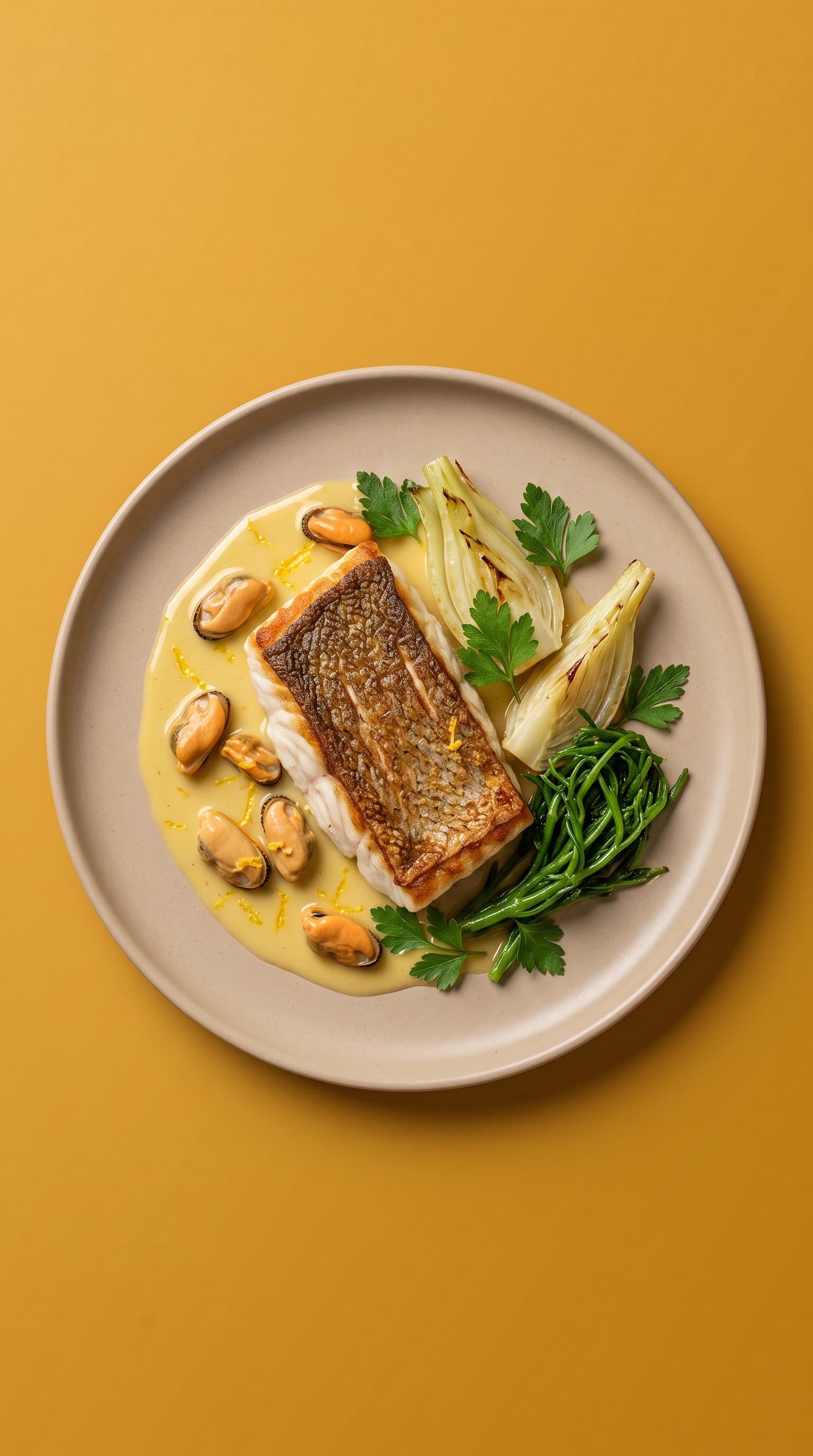
John Dory Recipe with Saffron Mussel Sauce
This John Dory recipe pairs crisp, golden skin with sweet confit fennel, tender sea aster, and a silky saffron mussel sauce. Steam the mussels first, reduce their liquor, and finish the sauce with cold butter. The dish takes about 1 hour 45 minutes and serves 4 for a special dinner.
105 min · Intermediate · Belgium

Classic Grand Marnier Crepes with Fresh Orange
These classic Grand Marnier crepes are a warm, comforting dessert that melts in your mouth. By resting the batter and using fresh orange juice, you get a tender, golden pancake every time. It takes just 60 minutes to make 4 to 6 servings of this cozy treat.
60 min · Easy · Belgium