John Dory Recipe with Saffron Mussel Sauce
1 hr 45 min · Advanced · Serves 4
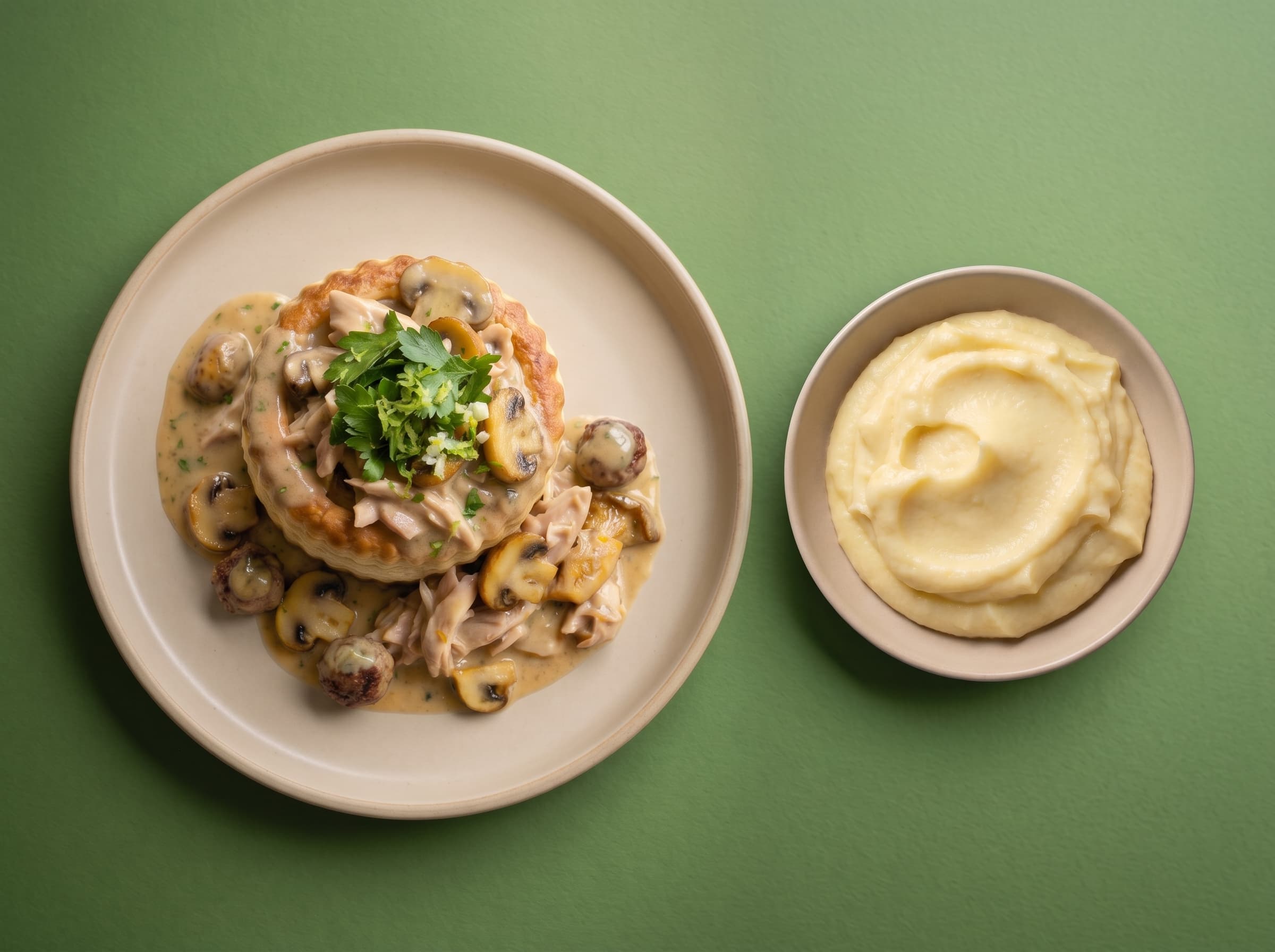 From our menuVol-au-Vent East meets West€19.95 · Made by us, delivered chilled.
This John Dory recipe pairs crisp, golden skin with sweet confit fennel, tender sea aster, and a silky saffron mussel sauce. Steam the mussels first, reduce their liquor, and finish the sauce with cold butter. The dish takes about 1 hour 45 minutes and serves 4 for a special dinner.
Recipe by Christophe Rammant
Cordon Bleu Paris alumni - Two star Michelin kitchen experience
What Makes This John Dory Recipe So Special?
Traditional French technique uses a reduced shellfish broth and cold butter to build a smooth, glossy sauce. The mussel liquor brings deep sea flavor, while saffron and lemon keep it bright.
Food science shows that dry fish skin browns better than wet skin. Pressing the fillets gently at the start keeps the skin flat, so it turns crisp while the lean fish stays tender.
Professional culinary team cook each part separately for a clear contrast of textures. Soft, sweet fennel, briny sea aster, tender mussels, and crisp fish make every bite feel balanced.
The weekly recipe note
Enjoyed this recipe? Get the next one first.
One new recipe each week from Christophe: global flavor, French technique, and practical home-cook timing.
By signing up, you agree to receive emails from Mr. Saucy.
Ingredients
Recipe yields 4 servings
For the Fish
| Amount | Ingredient | Notes |
|---|---|---|
| 800 g | John Dory fillets, skin on | 4 fillets of approximately 200 g each, pin-boned and scaled |
| 20 g | Unsalted butter | for searing the fish; taken from the total amount |
| 2 g | Fine sea salt | use for seasoning the fish; taken from the total amount |
| 1 g | White pepper | freshly ground |
For the Mussel Velouté
| Amount | Ingredient | Notes |
|---|---|---|
| 1200 g | Live mussels | scrubbed, debearded, and rinsed |
| 180 g | Dry white wine | for steaming the mussels |
| 100 g | Grey shallots | finely sliced |
| 12 g | Garlic | lightly crushed |
| 4 g | Fresh thyme | or 1 small thyme sprig |
| 350 g | Fish stock | preferably made from white fish bones |
| 0.2 g | Saffron threads | approximately 1 generous pinch |
| 100 g | Heavy cream | optional but recommended for a rounded velouté |
| 60 g | Unsalted butter | cold and cut into cubes for finishing the sauce; taken from the total amount |
| 15 g | Lemon juice | freshly squeezed; taken from the total amount |
| 2 g | Lemon zest | finely grated |
| 12 g | Flat-leaf parsley | finely chopped |
For the Confit Fennel
| Amount | Ingredient | Notes |
|---|---|---|
| 650 g | Fennel bulbs | trimmed and cut into 8 neat wedges |
| 45 g | Extra-virgin olive oil | for confiting the fennel |
| 70 g | Unsalted butter | for confiting the fennel; taken from the total amount |
| 2 g | Fine sea salt | for seasoning the fennel; taken from the total amount |
For the Sea Aster
| Amount | Ingredient | Notes |
|---|---|---|
| 120 g | Sea aster | trimmed, washed, and dried thoroughly |
| 10 g | Unsalted butter | for tossing the blanched sea aster; taken from the total amount |
| 5 g | Lemon juice | freshly squeezed; taken from the total amount |
| 3 g | Fine sea salt | use sparingly for the blanching water; taken from the total amount |
Instructions
Prepare the Mussels and Sauce
- 1
Check and Clean the Mussels
Check that every mussel is closed or closes when tapped. Remove the beards and rinse away grit, then discard damaged or stubbornly open mussels because they may be unsafe.
- 2
Steam the Mussels
Put the mussels, 60 g of sliced shallot, the crushed garlic, thyme, and white wine in a large pot over high heat. Cover and steam for 3 to 4 minutes, shaking the pot several times, until the shells open and the wine smells deeply aromatic.
- 3
Strain the Mussel Liquor
Strain the cooking liquid through a fine sieve lined with damp kitchen paper. This catches sand while keeping the strong, savory mussel liquor for the sauce.
- 4
Pick the Mussel Meat
Remove the mussel meat from the shells and reserve 250 g for serving. Discard unopened mussels and shells because early shelling keeps the meat from becoming tough during sauce making.
- 5
Reduce the Shellfish Broth
Pour the strained mussel liquor and fish stock into a saucepan with the remaining sliced shallot. Bring to a gentle simmer, around 185°F / 85°C, and reduce until about 250 g remains. This concentrates the natural savory flavor.
- 6
Infuse the Saffron
Crush the saffron threads between your fingers and add them to the warm reduced broth. Let them infuse for 8 minutes so their aroma spreads evenly and gives the sauce a golden color.
- 7
Reduce the Cream Sauce
Add the cream and simmer gently for 4 to 5 minutes, until the sauce lightly coats a spoon. Strain it again if needed, then keep it warm but not boiling because high heat can make the cream heavy.
Conf it the Fennel
- 8
Cut the Fennel into Wedges
Cut the fennel into even wedges, leaving a little core in each piece. The core holds the layers together, while equal pieces cook at the same speed.
- 9
Slow-Cook the Fennel
Warm 70 g of butter and the olive oil in a wide sauté pan over low heat. Add the fennel and 2 g of salt, cover with a round of baking paper, and cook for 25 to 30 minutes, turning now and then, until soft and sweet.
- 10
Brown the Cut Sides
Remove the baking paper and raise the heat slightly for the final 2 minutes. Let the cut sides turn lightly golden, as this gentle browning adds a tasty contrast to the pale sauce.
Sear the John Dory
- 11
Dry and Season the Fillets
Dry the John Dory skin very well with paper towels. Season the flesh side with salt and white pepper, but leave the skin unseasoned until just before cooking because surface moisture makes crisp skin harder to achieve.
- 12
Start Skin-Side Down
Heat a heavy non-stick or well-seasoned pan over medium-high heat. Add 20 g of butter, and place in the fillets skin-side down as soon as the butter foams. Press each fillet gently for the first 20 seconds to stop the skin from curling.
- 13
Cook the Fish Until Just Done
Cook mostly on the skin side for 4 to 5 minutes, spooning foaming butter over the flesh. Turn for only 30 to 45 seconds, until the flesh is opaque and reaches 145°F / 63°C at the thickest part for safe doneness. Lean John Dory dries out if cooked too long.
Finish and Plate
- 14
Mount the Sauce with Butter
Return the saffron sauce to low heat. Whisk in the remaining 60 g of cold butter a few cubes at a time while moving the pan. This French monter au beurre method makes the sauce glossy and smooth without flour.
- 15
Warm the Mussels and Brighten the Sauce
Warm the reserved mussel meat in the sauce for 30 seconds, then remove the pan from the heat. Stir in 15 g of lemon juice, the lemon zest, and parsley so the mussels stay tender and the rich sauce tastes fresh.
- 16
Blanch the Sea Aster
Blanch the sea aster in lightly salted boiling water at 212°F / 100°C for 20 to 30 seconds. Drain it well, then toss with the remaining 10 g of butter and 5 g of lemon juice. Brief cooking softens the stems but keeps their fresh, salty snap.
- 17
Taste the Velouté
Taste the sauce before adding more salt. Mussels and sea aster can both be naturally salty, so the finished velouté should taste marine, buttery, saffron-scented, and bright rather than harsh.
- 18
Build the Plates
Spoon a restrained pool of saffron mussel velouté onto each warm plate. Place the John Dory skin-side up in the center, then add two fennel wedges, a small bundle of sea aster, and several mussels so each texture stays clear.
- 19
Serve Right Away
Serve immediately, with extra sauce at the table if desired. Keeping the crisp fish skin out of the sauce stops it from turning soft and protects the contrast that makes the dish special.
The weekly recipe note
Enjoyed this recipe? Get the next one first.
One new recipe each week from Christophe: global flavor, French technique, and practical home-cook timing.
By signing up, you agree to receive emails from Mr. Saucy.
Tips & Tricks
your fish skin is soft:
Pat the fillets completely dry and do not wash them after scaling and pin-boning. Moisture makes the fish steam instead of brown.
your mussel broth tastes too salty:
Dilute it with a little unsalted fish stock or water before adding the cream and butter. More cream alone will not fix strong salinity.
you want to work ahead:
Prepare the sauce through the cream-reduction stage one day ahead. Chill it quickly, then reheat gently and add the butter and lemon just before serving.
your sea aster is very salty:
Taste a raw leaf first and use less salt in the blanching water, or leave the salt out. Sea aster can vary in salinity.
the fish skin sticks to the pan:
Do not force it right away. Cook for another 30 seconds as the crust firms. The fillet will often release on its own.
you want a lighter sauce:
Omit the cream and reduce the mussel-fish stock slightly further before mounting it with butter. The sauce will taste more intensely marine.
your fish skin is soft:
Pat the fillets completely dry and do not wash them after scaling and pin-boning. Moisture makes the fish steam instead of brown.
your mussel broth tastes too salty:
Dilute it with a little unsalted fish stock or water before adding the cream and butter. More cream alone will not fix strong salinity.
you want to work ahead:
Prepare the sauce through the cream-reduction stage one day ahead. Chill it quickly, then reheat gently and add the butter and lemon just before serving.
your sea aster is very salty:
Taste a raw leaf first and use less salt in the blanching water, or leave the salt out. Sea aster can vary in salinity.
the fish skin sticks to the pan:
Do not force it right away. Cook for another 30 seconds as the crust firms. The fillet will often release on its own.
you want a lighter sauce:
Omit the cream and reduce the mussel-fish stock slightly further before mounting it with butter. The sauce will taste more intensely marine.
Frequently Asked Questions
Can I prepare the mussel velouté ahead of time?
Yes. Steam and strain the mussels, reduce the broth, and add the cream up to one day ahead. Chill everything quickly and refrigerate. Reheat gently without boiling, then whisk in the cold butter and lemon juice just before serving so the sauce stays glossy.
What can I use if I cannot find sea aster?
Use samphire, young spinach, or tender Swiss chard. Sea aster has a special coastal saltiness, but these greens still add color and freshness. If you use samphire, blanch it briefly and add almost no salt because it is usually more salty than sea aster.
Why did my sauce split after adding the butter?
The sauce was likely too hot or the butter was added too quickly. Remove the pan from the heat and whisk in a spoonful of cold cream or water. Then add small pieces of cold butter slowly. Constant movement helps the butter blend into the reduced broth.
How do I know when John Dory is cooked without a thermometer?
Watch the side of the fillet as it cooks. The flesh should turn opaque from the skin upward, with only a narrow translucent line in the center. After turning, cook briefly and rest for one minute. The leftover heat will finish the center without drying the fish.
Can I use frozen John Dory?
Yes, if you thaw it slowly in the refrigerator and dry it very well. Frozen fish releases more water, so place it uncovered on a rack for 30 minutes after thawing. This helps the skin brown and turn crisp instead of rubbery.
What makes this a good John Dory recipe for a special meal?
The fish stays the star because each part is cooked with care. Crisp skin adds crunch, confit fennel brings sweetness, and reduced mussel broth gives the sauce depth. Prepare the components separately, then plate them at the last moment for the best texture.
Can I prepare the mussel velouté ahead of time?
Yes. Steam and strain the mussels, reduce the broth, and add the cream up to one day ahead. Chill everything quickly and refrigerate. Reheat gently without boiling, then whisk in the cold butter and lemon juice just before serving so the sauce stays glossy.
What can I use if I cannot find sea aster?
Use samphire, young spinach, or tender Swiss chard. Sea aster has a special coastal saltiness, but these greens still add color and freshness. If you use samphire, blanch it briefly and add almost no salt because it is usually more salty than sea aster.
Why did my sauce split after adding the butter?
The sauce was likely too hot or the butter was added too quickly. Remove the pan from the heat and whisk in a spoonful of cold cream or water. Then add small pieces of cold butter slowly. Constant movement helps the butter blend into the reduced broth.
How do I know when John Dory is cooked without a thermometer?
Watch the side of the fillet as it cooks. The flesh should turn opaque from the skin upward, with only a narrow translucent line in the center. After turning, cook briefly and rest for one minute. The leftover heat will finish the center without drying the fish.
Can I use frozen John Dory?
Yes, if you thaw it slowly in the refrigerator and dry it very well. Frozen fish releases more water, so place it uncovered on a rack for 30 minutes after thawing. This helps the skin brown and turn crisp instead of rubbery.
What makes this a good John Dory recipe for a special meal?
The fish stays the star because each part is cooked with care. Crisp skin adds crunch, confit fennel brings sweetness, and reduced mussel broth gives the sauce depth. Prepare the components separately, then plate them at the last moment for the best texture.
Recipe Reviews
No reviews yet — Be the first to review this recipe!
The collection
All recipesVenison Fillet Recipe with Blackberry Juniper Jus
This venison fillet recipe gives you tender, rosy meat with a quick sear and gentle roasting. Serve it with silky celeriac mousseline, honey-glazed carrots, blackberry-juniper jus, and crisp hazelnuts. Plan about 3 hours for cooking and resting, plus advance chilling if you dry-season the venison overnight. It serves 4.
180 min · Intermediate · Belgium
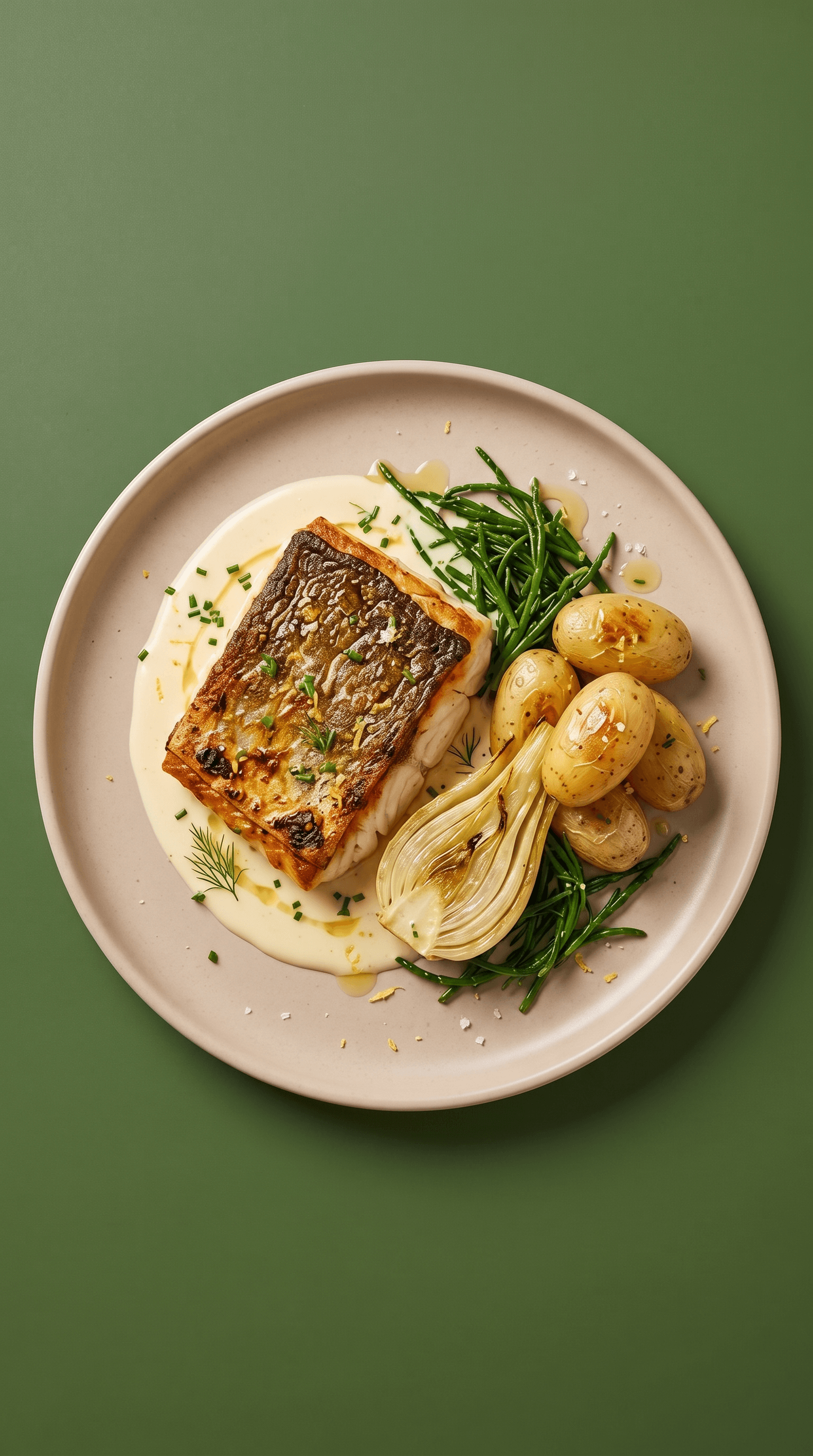
Roasted Turbot Recipe with Vermouth Beurre Blanc and Fennel
This roasted turbot recipe pairs a crisp-skinned, oven-finished fillet with a silky vermouth beurre blanc, buttery braised fennel, and confit-style baby potatoes. The trick is a hard sear for color, then a gentle 180°C / 356°F oven finish so the delicate flesh stays moist. It takes about 90 minutes total and serves 4.
90 min · Intermediate · Belgium

Classic Grand Marnier Crepes with Fresh Orange
These classic Grand Marnier crepes are a warm, comforting dessert that melts in your mouth. By resting the batter and using fresh orange juice, you get a tender, golden pancake every time. It takes just 60 minutes to make 4 to 6 servings of this cozy treat.
60 min · Easy · Belgium