Classic Provençal Ratatouille with Fresh Vegetables
1 hr 30 min · Medium · Serves 4-6
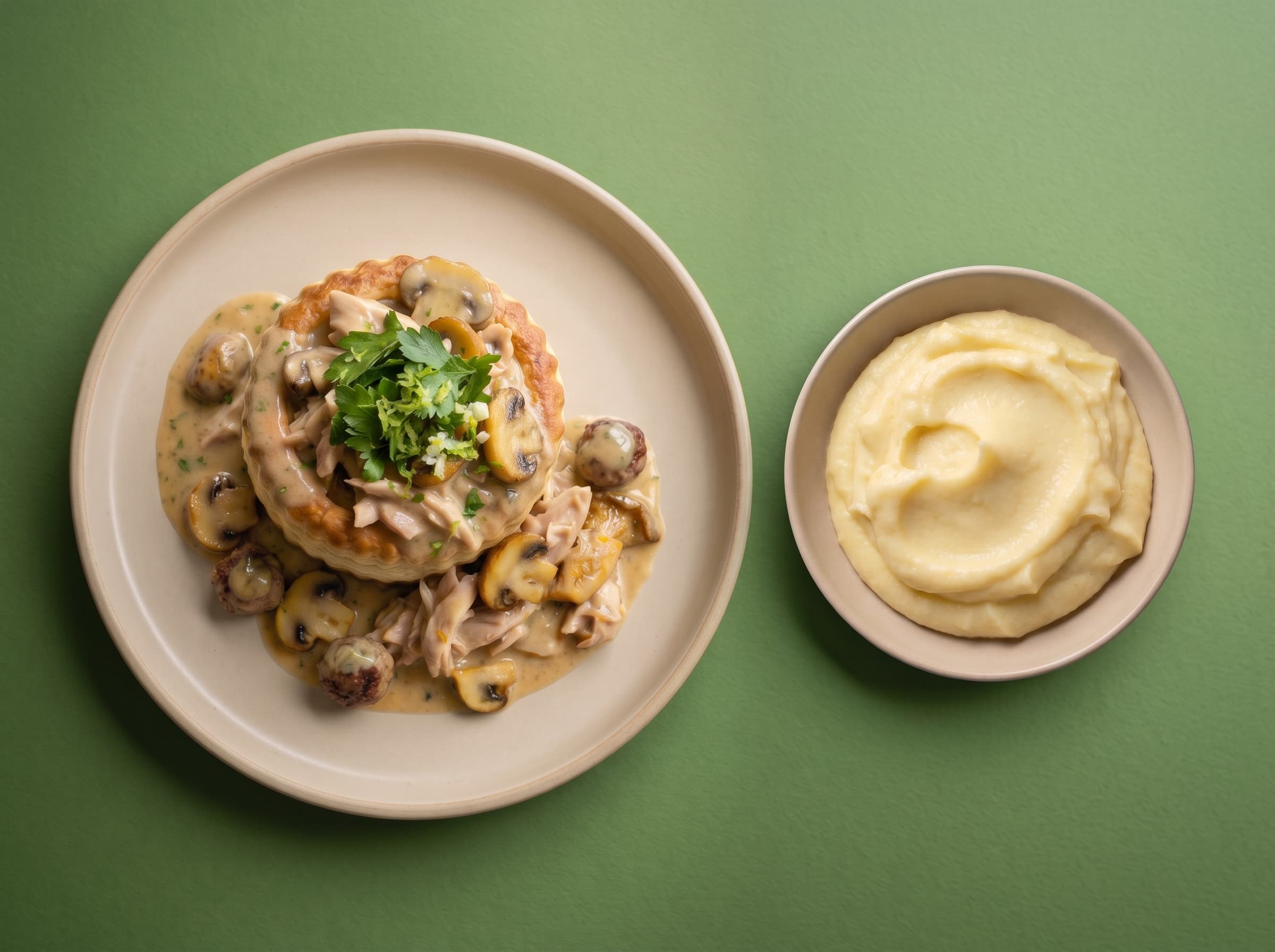 From our menuVol-au-Vent East meets West€19.95 · Made by us, delivered chilled.
This classic Provençal ratatouille is a warm, rustic vegetable dish from France. We sauté each vegetable separately in olive oil to keep them tender and colorful, then gently simmer them together. It takes about 90 minutes to make and serves 4 to 6 people.
Recipe by Christophe Rammant
Cordon Bleu Paris alumni - Two star Michelin kitchen experience
Why Do We Cook Each Vegetable Separately?
Traditional French technique shows that cooking vegetables one by one keeps them from turning into mush. When you dump them all in at once, they steam and lose their bright colors and sweet flavors.
Professional culinary team know that eggplant acts like a sponge. By salting it first and patting it dry, we stop it from soaking up too much oil, letting it get beautifully golden instead.
Food science shows that resting this dish lets the flavors marry. Waiting a day before serving allows the olive oil and tomato juices to soak into every bite, making it taste even better.
Estimated nutrition per serving
Estimated from ingredient weights, not lab-tested.
- Calories
- 386
- Protein
- 5g
- Fat
- 31g
- Carbohydrates
- 26g
The weekly recipe note
Enjoyed this recipe? Get the next one first.
One new recipe each week from Christophe: global flavor, French technique, and practical home-cook timing.
By signing up, you agree to receive emails from Mr. Saucy.
Ingredients
Recipe yields 4-6 servings
For the Vegetables
| Amount | Ingredient | Notes |
|---|---|---|
| 500 g (about 1 lb) | Eggplant (aubergine) | cut into 1.5 cm cubes |
| 400 g (about 14 oz) | Zucchini (courgette) | cut into 1.5 cm cubes |
| 150 g (about 5 oz) | Red bell pepper | seeded and cut into 1.5 cm squares |
| 150 g (about 5 oz) | Yellow bell pepper | seeded and cut into 1.5 cm squares |
| 150 g (about 1 medium) | Yellow onion | thinly sliced or diced |
| 15 g (about 3-4 cloves) | Garlic | minced |
| 600 g (about 1.3 lbs) | Ripe tomatoes | peeled, seeded, and roughly chopped, or high-quality canned whole peeled tomatoes crushed by hand |
For Cooking and Seasoning
| Amount | Ingredient | Notes |
|---|---|---|
| 120 g (about 1/2 cup) | Extra virgin olive oil | divided for separate sautéing |
| 5 g | Fresh thyme | 3-4 sprigs |
| 10 g | Fresh basil | large handful of leaves |
| 10 g (about 1.5 teaspoons) | Kosher salt or sea salt | plus 1 teaspoon for sweating eggplant |
| 2 g | Freshly cracked black pepper | to taste |
Instructions
Prep the Vegetables
- 1
Salt the Eggplant
Place eggplant cubes in a colander, toss with 1 teaspoon of salt, and let sit for 20 to 30 minutes. This draws out excess water and bitterness so it caramelizes instead of steaming. Rinse briefly and pat completely dry with paper towels.
- 2
Prep the Tomatoes and Herbs
Peel, seed, and roughly chop the fresh tomatoes, or crush canned tomatoes by hand. Tear the basil leaves by hand to prevent bruising and blackening later on.
Sauté Each Vegetable Separately
- 3
Soften the Onions and Garlic
Heat 30 g (2 tablespoons) of olive oil in a large, heavy-bottomed pot over medium heat (around 300°F / 150°C). Add onions and cook gently for 5 to 7 minutes until soft and translucent. Add minced garlic for 1 minute until fragrant, then remove to a large bowl to prevent burning.
- 4
Blister the Bell Peppers
Add 30 g (2 tablespoons) of olive oil to the pot. Sauté the red and yellow bell peppers for 6 to 8 minutes until tender and slightly blistered at the edges. Remove and add to the bowl with the onions.
- 5
Brown the Zucchini
Add 30 g (2 tablespoons) of olive oil to the pot. Sauté the zucchini for about 5 minutes until lightly golden and just tender, but not mushy. Remove and add to the bowl.
- 6
Caramelize the Eggplant
Add the final 30 g (2 tablespoons) of olive oil to the pot. Sauté the dried eggplant over medium-high heat for 8 to 10 minutes until soft, deeply golden, and caramelized. Remove and add to the bowl.
Simmer and Finish
- 7
Combine and Simmer
Return all cooked vegetables to the pot. Pour in the chopped tomatoes and their juices. Add the fresh thyme sprigs, a pinch of salt, and black pepper. Reduce heat to low (around 185°F / 85°C), cover, and simmer gently for 15 to 20 minutes. This low heat lets flavors meld without boiling the vegetables into a purée.
- 8
Add Fresh Herbs and Serve
Remove the pot from the heat. Discard the tough thyme stems. Fold in the hand-torn fresh basil leaves and drizzle with a final splash of raw extra virgin olive oil to brighten the dish.
The weekly recipe note
Enjoyed this recipe? Get the next one first.
One new recipe each week from Christophe: global flavor, French technique, and practical home-cook timing.
By signing up, you agree to receive emails from Mr. Saucy.
Tips & Tricks
Your eggplant is soggy and oily:
Do not skip the salting step. Drawing out the water prevents it from absorbing excessive oil and ensures it caramelizes beautifully rather than steaming.
Your ratatouille turned out too watery:
This happens if vegetables were not dried properly or the simmer was too vigorous. Next time, pat vegetables completely dry and maintain a very gentle, low simmer with the lid on.
Your fresh basil turns black:
Never chop fresh basil with a knife for the final garnish. The metal blade bruises the edges. Tearing by hand preserves the bright green color and fresh aroma.
You want to make it ahead of time:
Ratatouille is famously better the next day. The flavors deepen and harmonize as it rests in the refrigerator, making it an ideal make-ahead side dish for 1 to 2 days.
Your eggplant is soggy and oily:
Do not skip the salting step. Drawing out the water prevents it from absorbing excessive oil and ensures it caramelizes beautifully rather than steaming.
Your ratatouille turned out too watery:
This happens if vegetables were not dried properly or the simmer was too vigorous. Next time, pat vegetables completely dry and maintain a very gentle, low simmer with the lid on.
Your fresh basil turns black:
Never chop fresh basil with a knife for the final garnish. The metal blade bruises the edges. Tearing by hand preserves the bright green color and fresh aroma.
You want to make it ahead of time:
Ratatouille is famously better the next day. The flavors deepen and harmonize as it rests in the refrigerator, making it an ideal make-ahead side dish for 1 to 2 days.
Frequently Asked Questions
Can I just cook all the vegetables in the pot at the same time to save effort?
While easier, cooking everything together steams the vegetables and turns them into a uniform, mushy texture. Sautéing them separately preserves their individual integrity, color, and distinct flavors, which is the defining characteristic of true traditional ratatouille.
Can I use canned tomatoes instead of fresh ones?
Absolutely. In fact, high-quality canned whole peeled tomatoes are often superior to out-of-season fresh tomatoes. Crush them by hand before adding them to the pot to maintain a rustic, authentic texture.
How should I store and reheat this dish?
Store it in an airtight container in the refrigerator for up to 4 days. It is traditionally served at room temperature, but if you prefer it warm, reheat it gently in a saucepan over low heat to avoid overcooking.
My ratatouille turned out too watery. What went wrong?
This usually happens if the eggplant or zucchini was not dried properly after salting, or if the final simmer was too vigorous. Ensure the vegetables are patted completely dry and maintain a very gentle, low simmer.
Can I just cook all the vegetables in the pot at the same time to save effort?
While easier, cooking everything together steams the vegetables and turns them into a uniform, mushy texture. Sautéing them separately preserves their individual integrity, color, and distinct flavors, which is the defining characteristic of true traditional ratatouille.
Can I use canned tomatoes instead of fresh ones?
Absolutely. In fact, high-quality canned whole peeled tomatoes are often superior to out-of-season fresh tomatoes. Crush them by hand before adding them to the pot to maintain a rustic, authentic texture.
How should I store and reheat this dish?
Store it in an airtight container in the refrigerator for up to 4 days. It is traditionally served at room temperature, but if you prefer it warm, reheat it gently in a saucepan over low heat to avoid overcooking.
My ratatouille turned out too watery. What went wrong?
This usually happens if the eggplant or zucchini was not dried properly after salting, or if the final simmer was too vigorous. Ensure the vegetables are patted completely dry and maintain a very gentle, low simmer.
Recipe Reviews
No reviews yet — Be the first to review this recipe!
The collection
All recipesPheasant with Grapes, Verjus Jus and Celery Root
This pheasant with grapes recipe pairs juicy roast pheasant with glossy Muscat grapes, sweet caramelised shallots, and bright verjus jus. Gentle pan-roasting keeps the skin crisp, while celery root purée adds silky depth. Plan on about 2 hours for 4 servings, with several parts ready ahead for an easy dinner party.
120 min · Intermediate · France
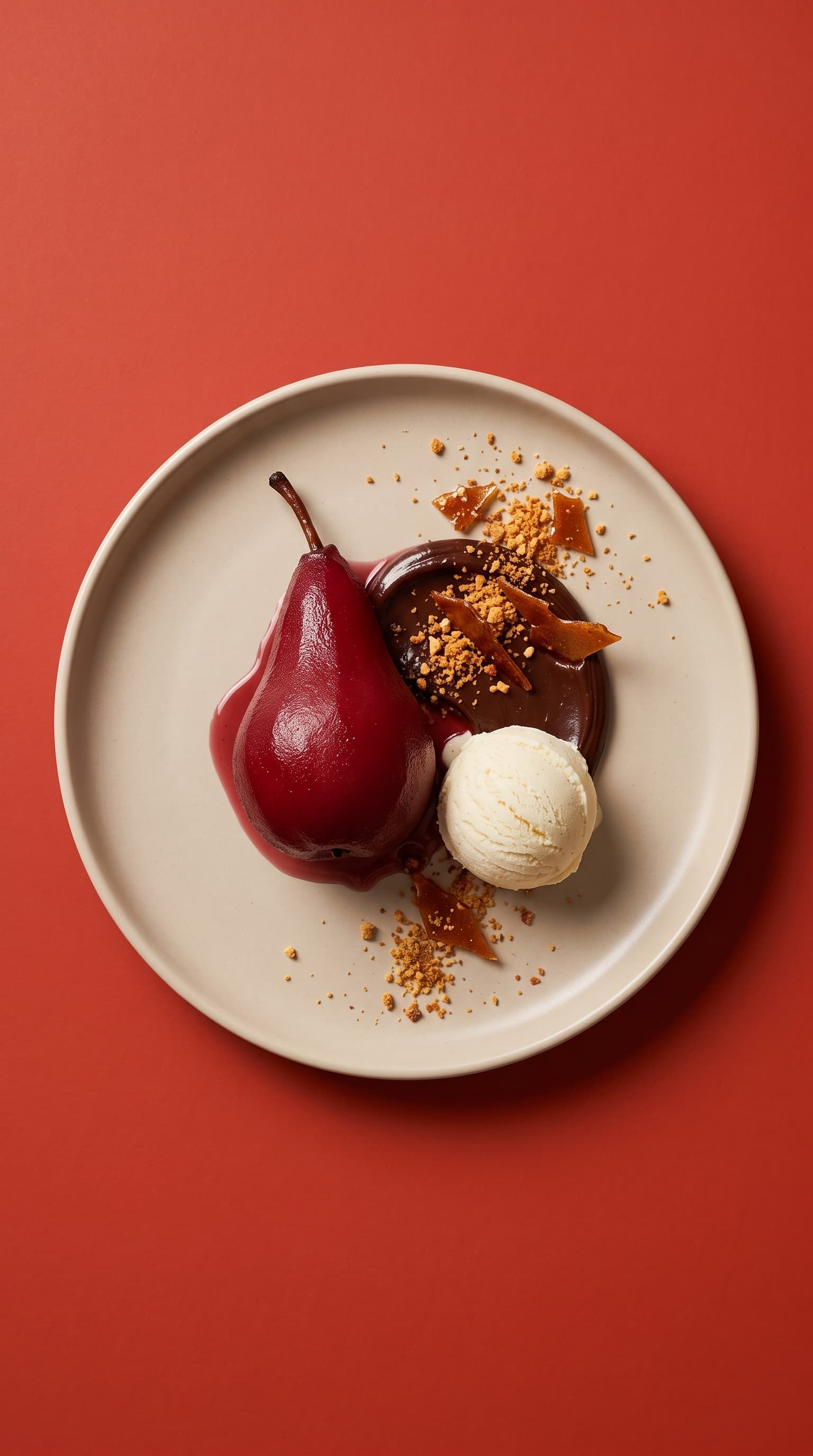
Poires Belle Hélène Recipe with Wine Poached Pears
This poires belle hélène recipe pairs tender red wine poached Conference pears with warm dark chocolate sauce, cold vanilla ice cream, and crisp hazelnut praline. Gentle poaching keeps the pears whole and silky. Plan about 2 hours for cooking and cooling, and serve 4 people right away for the best warm and cold contrast.
150 min · Intermediate · France
Roast Partridge Recipe with Celeriac Mousseline
This roast partridge recipe pairs rosy roasted breast with a crisp confited leg, silky celeriac mousseline, glazed baby carrots, and a glossy juniper-port jus. Dry-brining helps the lean meat stay seasoned and juicy. Allow about 3 hours for cooking and resting, plus overnight dry-brining if you have time. Serves 4.
210 min · Intermediate · France