Classic Creme Brulee with Vanilla Bean and Sea Salt
5 hrs · Medium · Serves 4
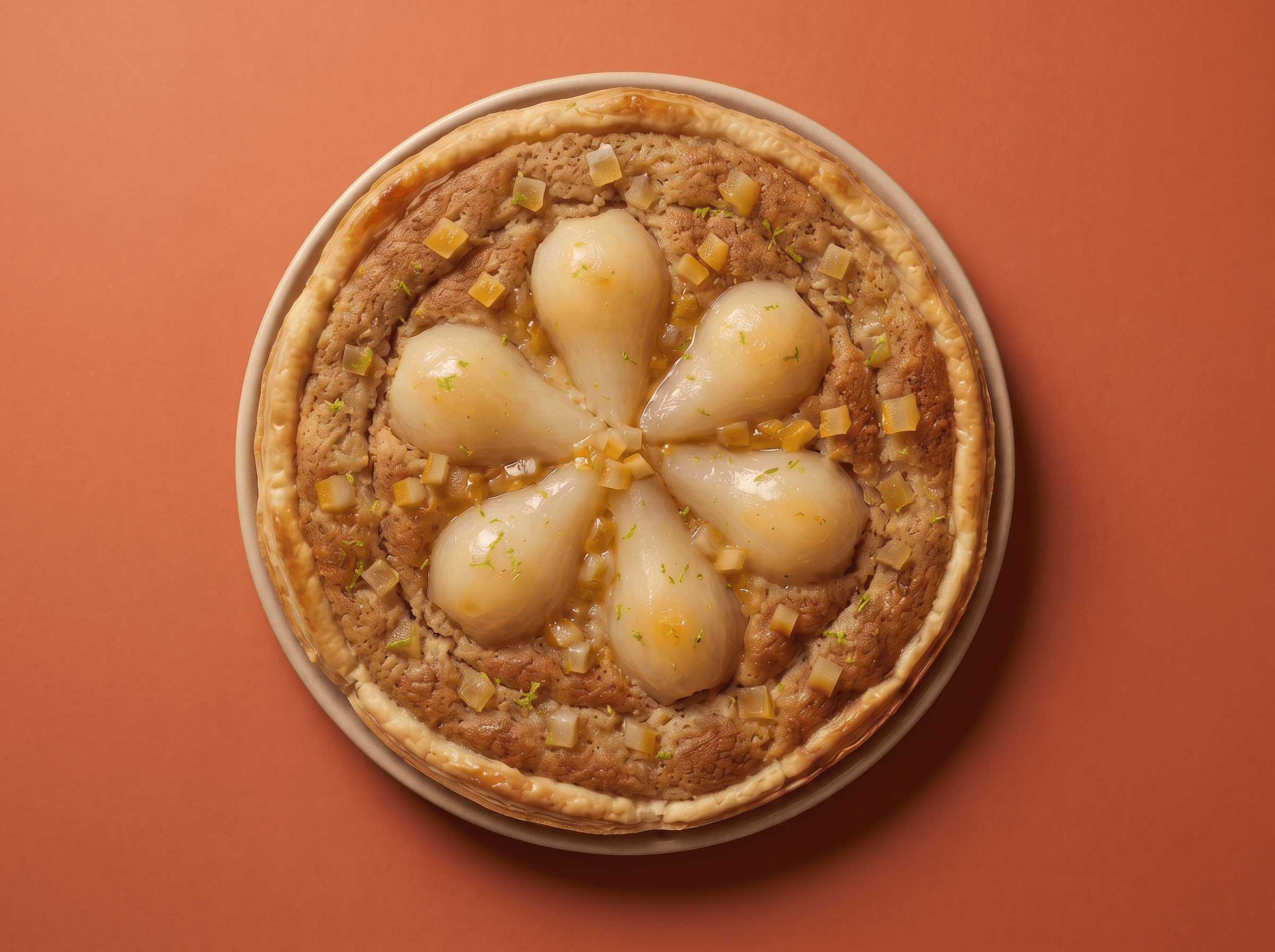 From our menuPear Tart€22.95 · Made by us, delivered chilled.
This classic creme brulee is a rich, creamy French dessert topped with a crisp, glass-like sugar crust. By gently warming the cream and slowly mixing it with the eggs, you get a silky texture without any lumps. It takes about 5 hours total, including chilling, and makes 4 servings.
Recipe by Christophe Rammant
Cordon Bleu Paris alumni - Two star Michelin kitchen experience
How Does This Create a Perfectly Silky Custard?
Traditional French technique shows that gentle heat is the secret to a smooth custard. When you boil the cream, the proteins tighten up and make the texture grainy. Warming it just until it simmers keeps it rich and velvety.
Professional culinary team know that slowly mixing warm cream into the eggs is a must. This gentle step, called tempering, warms the eggs without cooking them into little scrambled bits.
Food science shows that a water bath acts like a cozy blanket in the oven. It keeps the heat soft and even, so the center stays jiggly and creamy while the edges set perfectly.
Estimated nutrition per serving
Estimated from ingredient weights, not lab-tested.
- Calories
- 606
- Protein
- 7g
- Fat
- 51g
- Carbohydrates
- 32g
The weekly recipe note
Enjoyed this recipe? Get the next one first.
One new recipe each week from Christophe: global flavor, French technique, and practical home-cook timing.
By signing up, you agree to receive emails from Mr. Saucy.
Ingredients
Recipe yields 4 servings
For the Custard Base
| Amount | Ingredient | Notes |
|---|---|---|
| 480 g (2 cups) | Heavy cream (35% fat or higher) | cold, for a rich and stable mix |
| 120 g (1/2 cup) | Whole milk | balances the richness so the custard stays elegant |
| 1 whole bean | Vanilla bean | split lengthwise and seeds scraped, or use 15 g high-quality vanilla bean paste |
| 90 g (about 5 yolks) | Large egg yolks | at room temperature |
| 65 g (about 1/3 cup) | Granulated sugar | for the custard base |
| 1 g (a tiny pinch) | Fleur de sel | to elevate the vanilla and balance the sweet crust |
For the Topping
| Amount | Ingredient | Notes |
|---|---|---|
| 40 g (about 3 tablespoons) | Granulated sugar | for the caramelized topping, about 10 g per ramekin |
Instructions
Prep and Infuse the Dairy
- 1
Warm the Cream
Combine the heavy cream, whole milk, vanilla bean (seeds and pod), and a tiny pinch of fleur de sel in a saucepan over medium-low heat. Heat until it just begins to simmer, then remove from heat. Steep for 20 minutes to pull out the vanilla flavor without boiling the cream.
- 2
Whisk the Eggs
Whisk the egg yolks and 65 g of granulated sugar in a bowl just until combined and slightly pale. Do not over-whip, as adding too much air creates unwanted bubbles in your final custard.
Mix and Strain the Custard
- 3
Temper the Eggs
Slowly pour about 120 g of the warm cream into the yolk mixture while whisking constantly. This gently raises the egg temperature so they do not scramble. Then, whisk this mixture back into the remaining warm cream.
- 4
Strain for Silkiness
Pour the entire custard mixture through a fine-mesh sieve into a large measuring cup. This removes any tiny bits of cooked egg and guarantees a perfectly smooth, silky texture. Skim off any foam on top with a spoon.
Bake and Chill
- 5
Set Up the Water Bath
Preheat your oven to 150°C (300°F). Place four ramekins in a deep baking dish and divide the custard evenly among them. Carefully pour boiling water into the dish until it reaches halfway up the sides of the ramekins to act as a gentle heat buffer.
- 6
Bake Until Jiggly
Bake for 35 to 45 minutes. The edges should be set, but the center should still have a slight, gentle jiggle like Jell-O when tapped. The leftover heat will finish setting the custard as it cools.
- 7
Chill Completely
Remove the ramekins from the water bath right away to stop the cooking. Let them cool to room temperature, then cover with plastic wrap and refrigerate for at least 4 hours, or preferably overnight, to fully set the texture.
Caramelize and Serve
- 8
Create the Crisp Crust
Just before serving, sprinkle 10 g of granulated sugar evenly over each custard. Use a kitchen torch or your oven's broiler on the top rack for 1 to 3 minutes until it forms a deep amber, glass-like crust. Let it sit for 2 minutes to harden before serving.
The weekly recipe note
Enjoyed this recipe? Get the next one first.
One new recipe each week from Christophe: global flavor, French technique, and practical home-cook timing.
By signing up, you agree to receive emails from Mr. Saucy.
Tips & Tricks
your custard has bubbles or looks grainy:
Do not skip the straining step. Pouring the mixture through a fine-mesh sieve is the single most important trick to get that signature silky French texture.
you do not have a kitchen torch:
Use your oven's broiler on the highest setting. Watch it like a hawk and rotate the dish often to stop the sugar from burning in hot spots.
your sugar crust turns chewy or melts unevenly:
Avoid brown sugar or coarse sugar for the topping. Brown sugar has molasses that makes it chewy, and coarse sugar does not melt into that perfect glass-like crack.
you are unsure if the custard is done baking:
Gently tap the side of the ramekin. The center should wobble slightly while the outer inch stays firm. This ensures a creamy texture instead of a rubbery one.
your custard has bubbles or looks grainy:
Do not skip the straining step. Pouring the mixture through a fine-mesh sieve is the single most important trick to get that signature silky French texture.
you do not have a kitchen torch:
Use your oven's broiler on the highest setting. Watch it like a hawk and rotate the dish often to stop the sugar from burning in hot spots.
your sugar crust turns chewy or melts unevenly:
Avoid brown sugar or coarse sugar for the topping. Brown sugar has molasses that makes it chewy, and coarse sugar does not melt into that perfect glass-like crack.
you are unsure if the custard is done baking:
Gently tap the side of the ramekin. The center should wobble slightly while the outer inch stays firm. This ensures a creamy texture instead of a rubbery one.
Frequently Asked Questions
Can I make this classic creme brulee ahead of time?
Yes! This dessert is actually better when made ahead. You can bake the custards up to two days in advance. Keep them covered in the fridge, and only add the sugar topping right before serving to keep the crust crisp.
Why did my custard curdle or look scrambled?
This happens when the eggs cook too quickly. To prevent this, make sure your cream is only warm, not boiling, when mixing. Pour the cream into the eggs very slowly while whisking to gently raise their temperature.
Can I use vanilla extract instead of a vanilla bean?
Yes, you can. While a real vanilla bean gives the best flavor and pretty black specks, you can use 1 tablespoon of pure vanilla extract. Stir it into the cream after removing it from the heat to keep the flavor strong.
How do I know when the water bath is the right temperature?
The water in the baking dish should be hot or boiling when you pour it in. The oven stays low at 150°C (300°F). The hot water acts as a buffer, keeping the custard below 100°C (212°F) so it never curdles.
Can I make this classic creme brulee ahead of time?
Yes! This dessert is actually better when made ahead. You can bake the custards up to two days in advance. Keep them covered in the fridge, and only add the sugar topping right before serving to keep the crust crisp.
Why did my custard curdle or look scrambled?
This happens when the eggs cook too quickly. To prevent this, make sure your cream is only warm, not boiling, when mixing. Pour the cream into the eggs very slowly while whisking to gently raise their temperature.
Can I use vanilla extract instead of a vanilla bean?
Yes, you can. While a real vanilla bean gives the best flavor and pretty black specks, you can use 1 tablespoon of pure vanilla extract. Stir it into the cream after removing it from the heat to keep the flavor strong.
How do I know when the water bath is the right temperature?
The water in the baking dish should be hot or boiling when you pour it in. The oven stays low at 150°C (300°F). The hot water acts as a buffer, keeping the custard below 100°C (212°F) so it never curdles.
Recipe Reviews
No reviews yet — Be the first to review this recipe!
The collection
All recipesPheasant with Grapes, Verjus Jus and Celery Root
This pheasant with grapes recipe pairs juicy roast pheasant with glossy Muscat grapes, sweet caramelised shallots, and bright verjus jus. Gentle pan-roasting keeps the skin crisp, while celery root purée adds silky depth. Plan on about 2 hours for 4 servings, with several parts ready ahead for an easy dinner party.
120 min · Intermediate · France
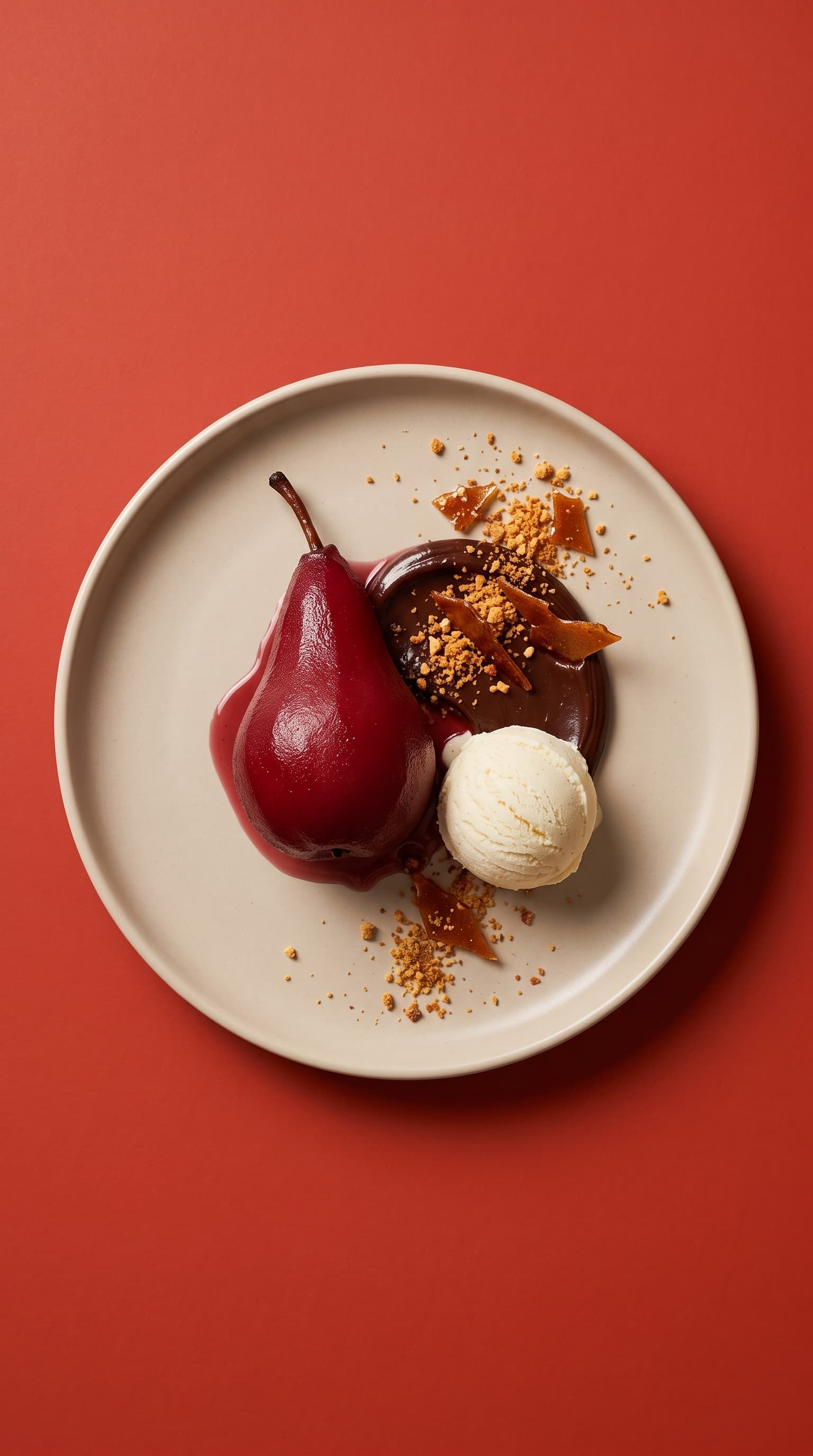
Poires Belle Hélène Recipe with Wine Poached Pears
This poires belle hélène recipe pairs tender red wine poached Conference pears with warm dark chocolate sauce, cold vanilla ice cream, and crisp hazelnut praline. Gentle poaching keeps the pears whole and silky. Plan about 2 hours for cooking and cooling, and serve 4 people right away for the best warm and cold contrast.
150 min · Intermediate · France
Roast Partridge Recipe with Celeriac Mousseline
This roast partridge recipe pairs rosy roasted breast with a crisp confited leg, silky celeriac mousseline, glazed baby carrots, and a glossy juniper-port jus. Dry-brining helps the lean meat stay seasoned and juicy. Allow about 3 hours for cooking and resting, plus overnight dry-brining if you have time. Serves 4.
210 min · Intermediate · France