Ultimate Bone Broth with Classic French Roasting Technique
25 hrs · Medium · Serves makes about 4 liters (16 cups)
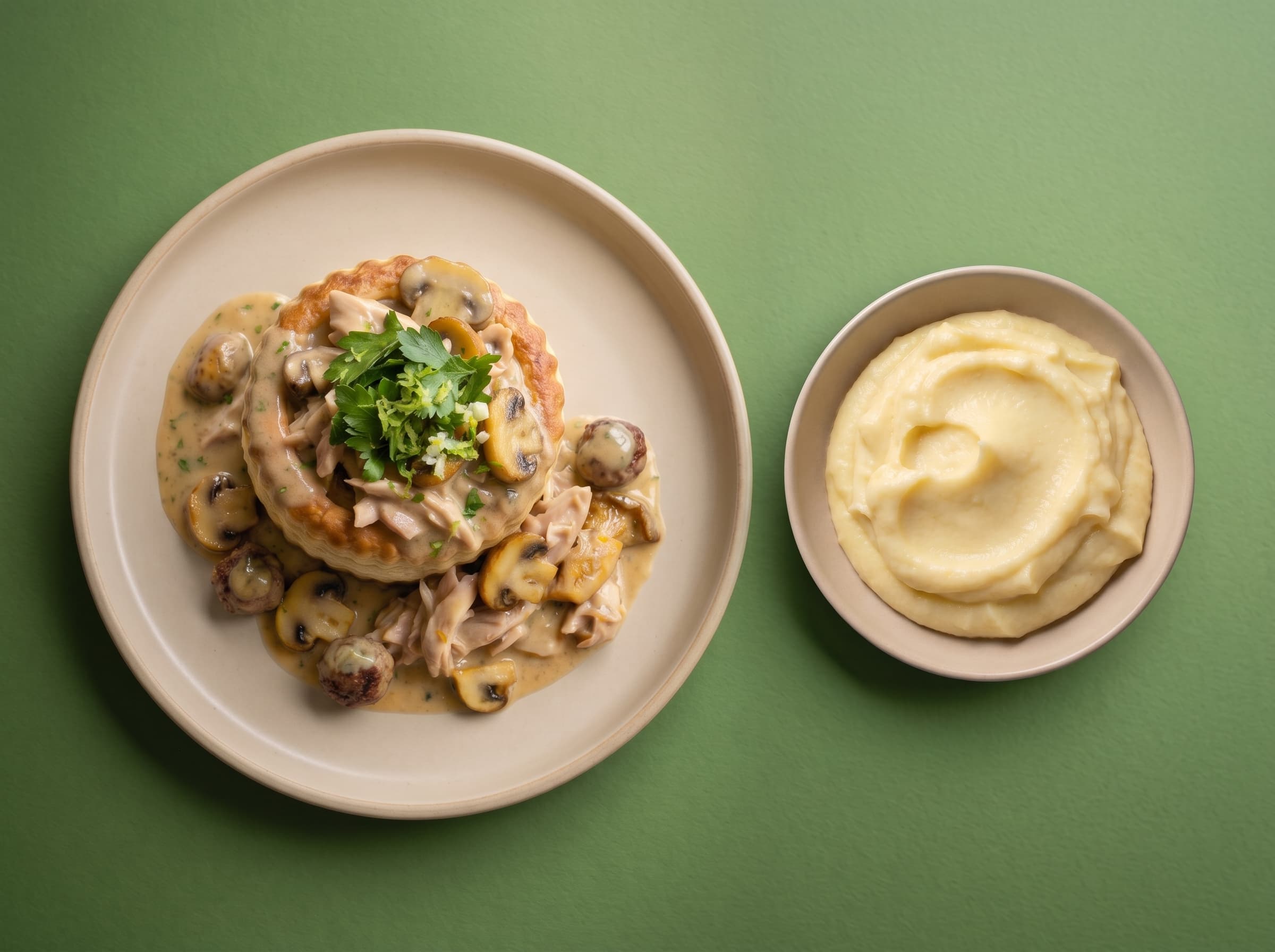 From our menuVol-au-Vent East meets West€19.95 · Made by us, delivered chilled.
This ultimate bone broth recipe uses a classic French method of blanching, roasting, and a slow 24-hour simmer to build deep flavor and rich gelatin. The trick is starting with cold water and keeping the heat gentle so the broth stays crystal clear. It takes about 25 hours total (mostly hands-off) and makes roughly 4 liters (16 cups) of broth.
Recipe by Christophe Rammant
Cordon Bleu Paris alumni - Two star Michelin kitchen experience
What Makes This the Ultimate Bone Broth Recipe?
Traditional French technique shows that blanching the bones first removes the grey scum that clouds broth. Starting fresh after that first boil means your final liquid stays clean and clear instead of murky.
Professional culinary team know that roasting bones with tomato paste creates deep browning, the kind of flavor building culinary team call the Maillard reaction. This turns plain bones into something rich and savory, almost like a beef gravy in liquid form.
Food science shows that low heat matters just as much as long cook time. A bare simmer around 185°F / 85°C lets collagen slowly turn into gelatin without breaking fat into tiny droplets, which is what makes boiled broth greasy and cloudy.
Estimated nutrition per serving
Estimated from ingredient weights, not lab-tested.
- Calories
- 380
- Protein
- 30g
- Fat
- 20g
- Carbohydrates
- 10g
The weekly recipe note
Enjoyed this recipe? Get the next one first.
One new recipe each week from Christophe: global flavor, French technique, and practical home-cook timing.
By signing up, you agree to receive emails from Mr. Saucy.
Ingredients
Recipe yields makes about 4 liters (16 cups) servings
For the Bones and Meat
| Amount | Ingredient | Notes |
|---|---|---|
| 2500 g | Beef marrow and knuckle bones | provides essential collagen for body |
| 1000 g | Meaty beef neck or oxtail | adds deep umami and meat flavor that bones alone lack |
For the Aromatics and Vegetables
| Amount | Ingredient | Notes |
|---|---|---|
| 400 g | Yellow onions (unpeeled, halved) | skins provide a deep amber color |
| 250 g | Carrots (large dice) | adds natural sweetness to balance the minerals |
| 200 g | Celery stalks (large dice) | provides aromatic lift |
| 50 g | Tomato paste | the 'pincé' technique: caramelizing paste for color and acid |
| 20 g | Bouquet Garni (Parsley stems, Thyme, Bay leaf, Peppercorns) | classic French aromatics |
For the Liquid
| Amount | Ingredient | Notes |
|---|---|---|
| 30 g | Apple cider vinegar | helps break down cartilage and extract minerals |
| 6000 g (6 liters) | Cold filtered water | always start with cold water to extract proteins gradually |
Instructions
Prep and Roast
- 1
Blanch the Bones (Clear Broth Secret)
Place the bones in a pot of cold water and bring to a boil for 10 minutes, then drain and rinse well. This washes away the grey scum and impurities, which is the first key step toward a crystal-clear final broth.
- 2
Roast for Deep Flavor
Coat the blanched bones and meat with tomato paste and roast at 200°C / 400°F until deeply browned, about 40 minutes. This deep browning, called the Maillard reaction, creates hundreds of new flavor compounds you simply cannot get from boiling alone.
- 3
Deglaze the Pan (Flavor Gold)
Move the roasted bones to your stockpot, then splash a little water into the hot roasting pan and scrape up the browned bits stuck to the bottom. This 'fond' is concentrated flavor, so don't let it go to waste in the sink.
The Long, Gentle Simmer
- 4
The Cold Start
Cover the bones with 6 liters (6000 g) of cold water and the vinegar, then let it sit for 30 minutes before heating. Starting cold lets the soluble proteins dissolve slowly instead of seizing up, which is what keeps the broth from turning cloudy.
- 5
Bring to a Bare Simmer, Not a Boil
Heat gently until you reach about 185°F / 85°C, just a lazy bubble here and there at the edges. A rolling boil whips the fat into the water and turns your broth greasy and cloudy instead of clean and gelatinous.
- 6
Skim the Surface (Depouillage)
For the first 2 hours, check every so often and skim off the grey foam and fat floating on top. This skimming step keeps the flavor pure and the broth clear as it continues to cook.
- 7
Long Extraction
Let the broth simmer gently for 12 to 24 hours total. Add the onions, carrots, celery, and bouquet garni only during the last 4 to 6 hours, since cooking vegetables too long can turn their flavor bitter and flat.
Strain and Cool
- 8
Strain and Chill Quickly
Strain the broth through a fine-mesh sieve or chinois lined with cheesecloth to catch every last bit of solids. Cool it quickly in an ice bath, since fast cooling is both safer for storage and helps the broth set into a proper jiggly gel once chilled.
The weekly recipe note
Enjoyed this recipe? Get the next one first.
One new recipe each week from Christophe: global flavor, French technique, and practical home-cook timing.
By signing up, you agree to receive emails from Mr. Saucy.
Tips & Tricks
your broth tastes too salty:
Never add salt until the very end. The broth reduces a lot over 12 to 24 hours, so salting early can leave you with an oversalted final result.
your cold broth doesn't jiggle like jelly:
This means you didn't use enough knuckle or joint bones, or you added too much water. Use plenty of collagen-rich knuckle bones and stick to the water amount in the recipe.
you want a deeper, more professional color and flavor:
Roast your onion halves face down in a dry pan until charred before adding them to the pot. This classic 'Oignon Brûlé' trick adds smoky depth and a darker color.
you're not sure how to store the finished broth:
Pour it into glass jars and let the natural fat rise and harden on top. That fat layer acts as a natural seal and keeps the broth good in the fridge for up to 5 days.
your broth tastes too salty:
Never add salt until the very end. The broth reduces a lot over 12 to 24 hours, so salting early can leave you with an oversalted final result.
your cold broth doesn't jiggle like jelly:
This means you didn't use enough knuckle or joint bones, or you added too much water. Use plenty of collagen-rich knuckle bones and stick to the water amount in the recipe.
you want a deeper, more professional color and flavor:
Roast your onion halves face down in a dry pan until charred before adding them to the pot. This classic 'Oignon Brûlé' trick adds smoky depth and a darker color.
you're not sure how to store the finished broth:
Pour it into glass jars and let the natural fat rise and harden on top. That fat layer acts as a natural seal and keeps the broth good in the fridge for up to 5 days.
Frequently Asked Questions
Why is my bone broth cloudy?
Cloudiness usually comes from boiling too hard. High heat agitates the fat and proteins, mixing them into the water. Keep a gentle, lazy bubble instead of a rolling boil, and always start with cold water and blanched bones for the clearest result.
Do I really need to roast the bones?
For true bone broth depth, yes. You can skip roasting for a lighter 'white stock,' but roasting creates browning that builds complex, savory flavor you just can't get from boiling raw bones alone.
Can I make this in a pressure cooker?
Yes, you can get similar extraction in about 2 to 3 hours. You'll skip the skimming step though, so the flavor may taste a bit more muddy compared to the traditional slow stovetop method.
What is the purpose of the vinegar?
The vinegar's acidity helps pull calcium and minerals out of the bones and helps break down collagen into gelatin. This gives you a more nutrient-rich, better-gelling broth by the end of cooking.
What makes this the ultimate bone broth recipe compared to a quick version?
This version combines French roasting technique with a full 24-hour simmer, giving you deeper flavor, more gelatin, and a clearer broth than quick 2 to 3 hour versions. The extra time and skimming step are what set it apart.
Why is my bone broth cloudy?
Cloudiness usually comes from boiling too hard. High heat agitates the fat and proteins, mixing them into the water. Keep a gentle, lazy bubble instead of a rolling boil, and always start with cold water and blanched bones for the clearest result.
Do I really need to roast the bones?
For true bone broth depth, yes. You can skip roasting for a lighter 'white stock,' but roasting creates browning that builds complex, savory flavor you just can't get from boiling raw bones alone.
Can I make this in a pressure cooker?
Yes, you can get similar extraction in about 2 to 3 hours. You'll skip the skimming step though, so the flavor may taste a bit more muddy compared to the traditional slow stovetop method.
What is the purpose of the vinegar?
The vinegar's acidity helps pull calcium and minerals out of the bones and helps break down collagen into gelatin. This gives you a more nutrient-rich, better-gelling broth by the end of cooking.
What makes this the ultimate bone broth recipe compared to a quick version?
This version combines French roasting technique with a full 24-hour simmer, giving you deeper flavor, more gelatin, and a clearer broth than quick 2 to 3 hour versions. The extra time and skimming step are what set it apart.
Recipe Reviews
No reviews yet — Be the first to review this recipe!
The collection
All recipesPheasant with Grapes, Verjus Jus and Celery Root
This pheasant with grapes recipe pairs juicy roast pheasant with glossy Muscat grapes, sweet caramelised shallots, and bright verjus jus. Gentle pan-roasting keeps the skin crisp, while celery root purée adds silky depth. Plan on about 2 hours for 4 servings, with several parts ready ahead for an easy dinner party.
120 min · Intermediate · France
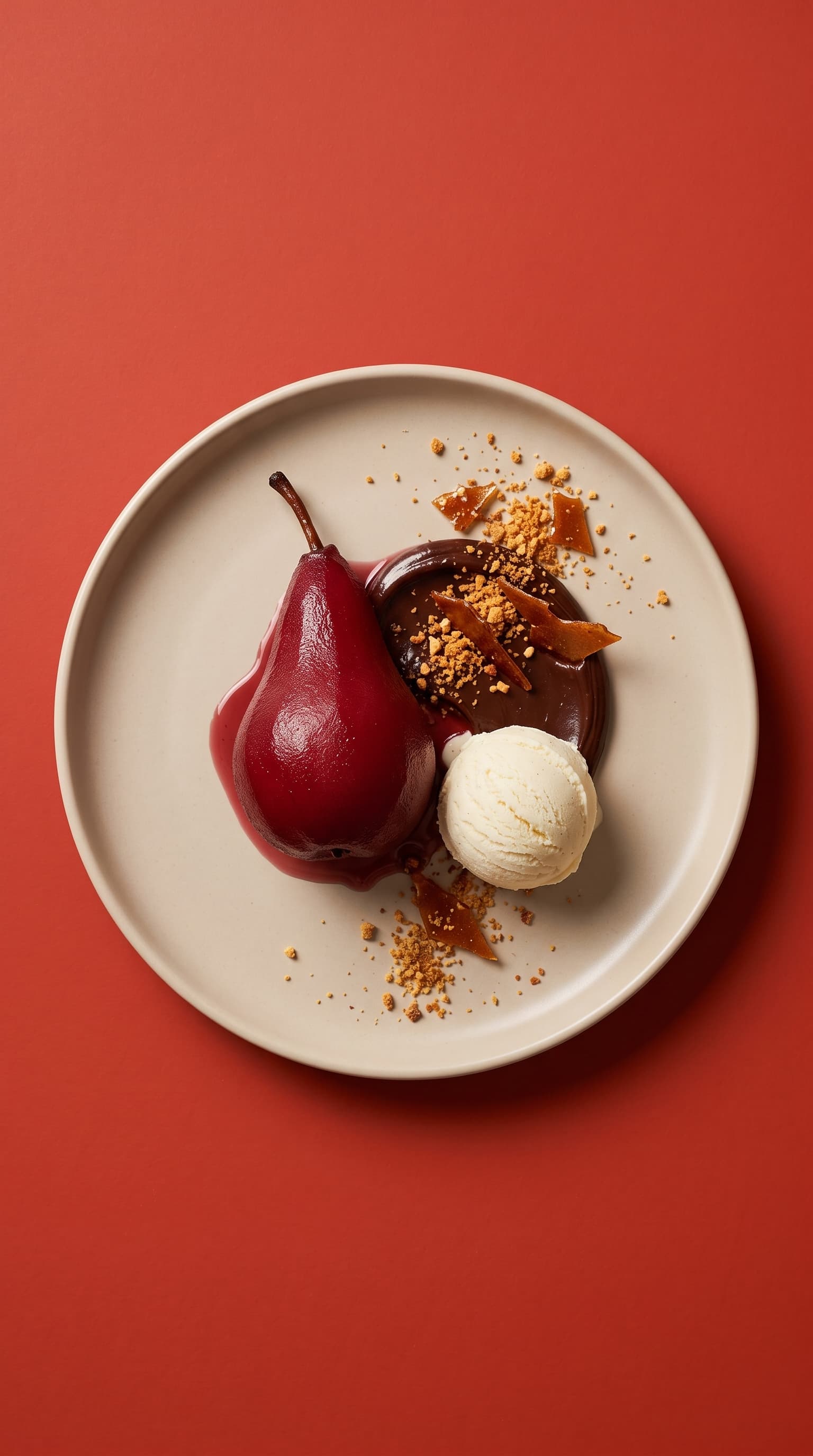
Poires Belle Hélène Recipe with Wine Poached Pears
This poires belle hélène recipe pairs tender red wine poached Conference pears with warm dark chocolate sauce, cold vanilla ice cream, and crisp hazelnut praline. Gentle poaching keeps the pears whole and silky. Plan about 2 hours for cooking and cooling, and serve 4 people right away for the best warm and cold contrast.
150 min · Intermediate · France
Roast Partridge Recipe with Celeriac Mousseline
This roast partridge recipe pairs rosy roasted breast with a crisp confited leg, silky celeriac mousseline, glazed baby carrots, and a glossy juniper-port jus. Dry-brining helps the lean meat stay seasoned and juicy. Allow about 3 hours for cooking and resting, plus overnight dry-brining if you have time. Serves 4.
210 min · Intermediate · France