Coq au Vin d'Arbois, a Classic French Braised Rooster Stew
2 hrs 30 min · Medium · Serves 4-6
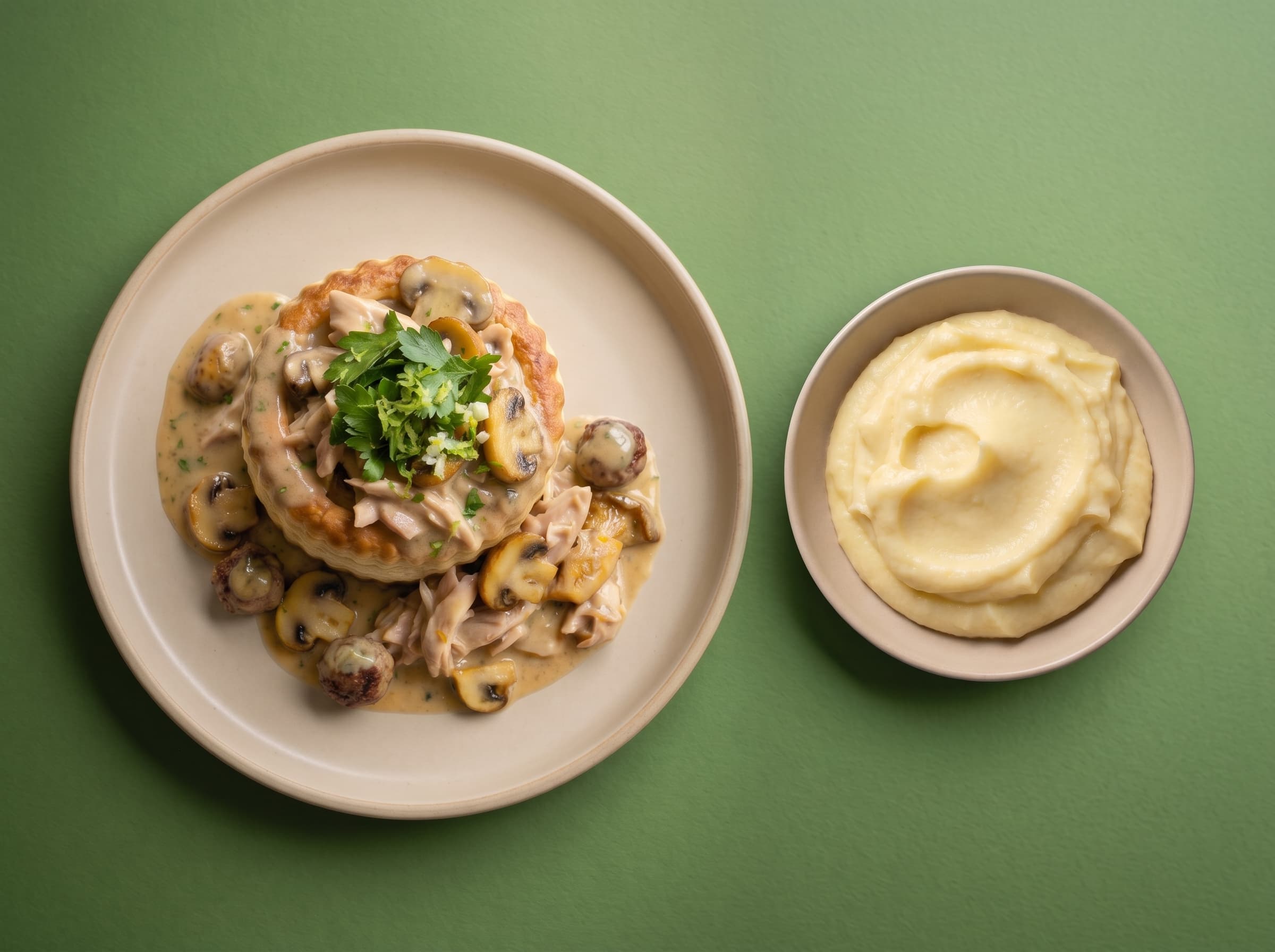 From our menuVol-au-Vent East meets West€19.95 · Made by us, delivered chilled.
This is a rustic French classic where rooster simmers low and slow in Arbois red wine until it's fall-apart tender. The trick is a quick flambé with cognac and a homemade roux that turns the wine into a silky sauce. It takes about 2.5 hours total and serves 4-6 for a cozy dinner party.
Recipe by Christophe Rammant
Cordon Bleu Paris alumni - Two star Michelin kitchen experience
What Makes This Coq au Vin So Deeply Flavorful?
Food science shows that browning the bacon, onions, and rooster first creates hundreds of new flavor compounds through the Maillard reaction. This deep browning builds a savory base that plain boiling could never achieve.
Traditional French technique calls for flambéing the cognac and briefly boiling the wine before it simmers. This burns off the sharp, raw alcohol taste and leaves behind a mellow, fruity depth instead of a boozy bite.
Professional culinary team know that tougher, more flavorful birds like rooster need time, not high heat, to become tender. A long, gentle simmer slowly melts the connective tissue in the meat, turning it fork-tender while the sauce thickens around it.
The weekly recipe note
Enjoyed this recipe? Get the next one first.
One new recipe each week from Christophe: global flavor, French technique, and practical home-cook timing.
By signing up, you agree to receive emails from Mr. Saucy.
Ingredients
Recipe yields 4-6 servings
For the Braise
| Amount | Ingredient | Notes |
|---|---|---|
| 1.5-2 kg (about 3.5-4 lbs) | Rooster (coq) | cut into pieces |
| 150 g (5.3 oz) | Smoked bacon lardons | — |
| 100 g (about 2 handfuls) | Pearl onions | — |
| 1 clove (5 g) | Garlic clove | crushed |
| 75 g (3 shallots) | Shallots | — |
For the Wine Sauce
| Amount | Ingredient | Notes |
|---|---|---|
| 750 ml (1 bottle) | Red wine (Arbois rouge) | — |
| 15 g (1 heaping tablespoon) | Flour | for the roux |
| 50 ml (about 3 tablespoons) | Cognac | for flambéing |
For the Herbs and Aromatics
| Amount | Ingredient | Notes |
|---|---|---|
| 1 bundle | Bouquet garni | typically thyme, bay leaf, and parsley stalks tied together |
| 1 bunch | Parsley | — |
| 1 sprig | Rosemary | — |
| to taste | Salt and Pepper | — |
For Finishing
| Amount | Ingredient | Notes |
|---|---|---|
| 250 g (about 2 cups sliced) | Mushrooms | sautéed separately |
Instructions
Build the Flavor Base
- 1
Brown the Bacon and Alliums (Build the Fond)
In a heavy-bottomed Dutch oven, cook the bacon lardons, pearl onions, and shallots over medium-high heat until the fat renders and everything turns golden brown. This browned base, called a fond, is the foundation of the dish's deep flavor.
- 2
Sear the Rooster (Lock in Flavor)
Add the rooster pieces to the pot and sear on all sides until deeply browned, about 8-10 minutes total. This browning, known as the Maillard reaction, creates savory flavor compounds you simply can't get from just simmering the meat.
- 3
Add Aromatics and Season
Stir in the bouquet garni, rosemary, parsley, and crushed garlic, then season with salt and pepper. Adding these now lets their oils infuse into the fat and meat before the liquid goes in.
Flambé and Thicken
- 4
Flambé with Cognac (Burn Off the Harsh Alcohol)
Turn off any exhaust fan, increase the heat, and carefully pour in the cognac, tilting the pan away from you to ignite it with a long-reach lighter. Let the flames burn out on their own, about 20-30 seconds. This burns off the sharp alcohol and leaves a concentrated, fruity depth behind.
- 5
Make the Singer (Quick Roux)
Sprinkle the flour evenly over the meat and aromatics, stirring well to coat everything. This step, called a 'singer' in French cooking, cooks the flour slightly and helps it thicken the sauce smoothly later instead of clumping.
- 6
Add the Wine and Flambé Again (Mellow the Acidity)
Slowly pour in the red wine while stirring constantly to prevent lumps. Bring it to a brief, vigorous boil or flambé it once more for a minute. This step softens the wine's sharp acidity so the sauce tastes rounded, not harsh.
Slow Braise and Finish
- 7
Cover and Simmer Low and Slow (Tenderize the Meat)
Cover the pot and let it simmer very gently, around 185°F / 85°C with just a few small bubbles breaking the surface, for 45 minutes to 2 hours depending on the size of your rooster. This slow, gentle heat breaks down the tough connective tissue, turning the meat fork-tender without drying it out.
- 8
Stir in the Sautéed Mushrooms (Keep Their Texture)
About 10 minutes before serving, stir in the mushrooms you sautéed separately in a hot pan. Cooking them apart first lets them brown and caramelize instead of turning grey and rubbery in the simmering sauce.
- 9
Adjust the Sauce with Beurre Manié (Get a Glossy Finish)
If the sauce seems thin, whisk in a small ball of beurre manié, equal parts softened butter and flour kneaded together, a little at a time. Keep whisking over low heat until the sauce turns glossy and coats the back of a spoon.
The weekly recipe note
Enjoyed this recipe? Get the next one first.
One new recipe each week from Christophe: global flavor, French technique, and practical home-cook timing.
By signing up, you agree to receive emails from Mr. Saucy.
Tips & Tricks
the meat still feels tough or rubbery after simmering:
Rooster is leaner and tougher than regular chicken. Simply give it more time at a low simmer, around 185°F / 85°C, until the connective tissue breaks down and the meat pulls apart easily.
your sauce is too thin and watery:
Whisk in a beurre manié, equal parts softened butter and flour, at the very end. Adding it late gives you control over the thickness without overcooking the meat.
the sauce tastes sharp or bitter from the wine:
Make sure you flambé the wine or bring it to a vigorous boil for a full minute before lowering to a simmer. This burns off the raw alcohol edge that causes bitterness.
you want the best possible flavor:
Make the dish a day ahead and reheat gently before serving. The rest time lets the flavors meld together and the sauce soak deeper into the meat.
you're nervous about the flambé step:
Turn off your exhaust fan first, pour the cognac into one corner of the pan away from your body, and keep a lid nearby to smother the flames if needed. It's a classic technique that's safe with a little care.
the meat still feels tough or rubbery after simmering:
Rooster is leaner and tougher than regular chicken. Simply give it more time at a low simmer, around 185°F / 85°C, until the connective tissue breaks down and the meat pulls apart easily.
your sauce is too thin and watery:
Whisk in a beurre manié, equal parts softened butter and flour, at the very end. Adding it late gives you control over the thickness without overcooking the meat.
the sauce tastes sharp or bitter from the wine:
Make sure you flambé the wine or bring it to a vigorous boil for a full minute before lowering to a simmer. This burns off the raw alcohol edge that causes bitterness.
you want the best possible flavor:
Make the dish a day ahead and reheat gently before serving. The rest time lets the flavors meld together and the sauce soak deeper into the meat.
you're nervous about the flambé step:
Turn off your exhaust fan first, pour the cognac into one corner of the pan away from your body, and keep a lid nearby to smother the flames if needed. It's a classic technique that's safe with a little care.
Frequently Asked Questions
Can I use regular chicken instead of a rooster?
Yes, a large roasting chicken works well. Chicken is more tender than rooster, though, so cut the simmering time down to about 45-60 minutes. Check the meat often so it stays juicy instead of turning dry and overcooked.
What is the best substitute for Arbois red wine?
Arbois wine comes only from the Jura region, so try a Pinot Noir or a light-bodied Burgundy instead. Look for a dry red with good acidity, since it needs to balance the richness of the bacon and rooster.
Why do I need to sauté the mushrooms separately?
Sautéing them in their own pan lets them brown and caramelize for the best flavor. If you simmer raw mushrooms right in the sauce, they turn grey and rubbery instead of keeping their earthy taste and texture.
Is the flambé step dangerous for a home cook?
It's safe if you're careful. Turn off your exhaust fan, pour the cognac into a corner of the pan, and light it with a long-reach lighter. Keep a lid nearby to smother the flames if they climb too high.
Can I make this ahead of time?
Yes, and it actually tastes better the next day. Cook it fully, cool it, and store covered in the fridge for up to 3 days. Reheat gently on the stove so the sauce stays smooth and the meat stays tender.
What if my sauce still looks thin after simmering?
Whisk in a small amount of beurre manié, softened butter mixed with equal parts flour, a little at a time over low heat. It thickens the sauce quickly without you having to simmer it longer and risk overcooking the meat.
Can I use regular chicken instead of a rooster?
Yes, a large roasting chicken works well. Chicken is more tender than rooster, though, so cut the simmering time down to about 45-60 minutes. Check the meat often so it stays juicy instead of turning dry and overcooked.
What is the best substitute for Arbois red wine?
Arbois wine comes only from the Jura region, so try a Pinot Noir or a light-bodied Burgundy instead. Look for a dry red with good acidity, since it needs to balance the richness of the bacon and rooster.
Why do I need to sauté the mushrooms separately?
Sautéing them in their own pan lets them brown and caramelize for the best flavor. If you simmer raw mushrooms right in the sauce, they turn grey and rubbery instead of keeping their earthy taste and texture.
Is the flambé step dangerous for a home cook?
It's safe if you're careful. Turn off your exhaust fan, pour the cognac into a corner of the pan, and light it with a long-reach lighter. Keep a lid nearby to smother the flames if they climb too high.
Can I make this ahead of time?
Yes, and it actually tastes better the next day. Cook it fully, cool it, and store covered in the fridge for up to 3 days. Reheat gently on the stove so the sauce stays smooth and the meat stays tender.
What if my sauce still looks thin after simmering?
Whisk in a small amount of beurre manié, softened butter mixed with equal parts flour, a little at a time over low heat. It thickens the sauce quickly without you having to simmer it longer and risk overcooking the meat.
Recipe Reviews
No reviews yet — Be the first to review this recipe!
The collection
All recipesPheasant with Grapes, Verjus Jus and Celery Root
This pheasant with grapes recipe pairs juicy roast pheasant with glossy Muscat grapes, sweet caramelised shallots, and bright verjus jus. Gentle pan-roasting keeps the skin crisp, while celery root purée adds silky depth. Plan on about 2 hours for 4 servings, with several parts ready ahead for an easy dinner party.
120 min · Intermediate · France
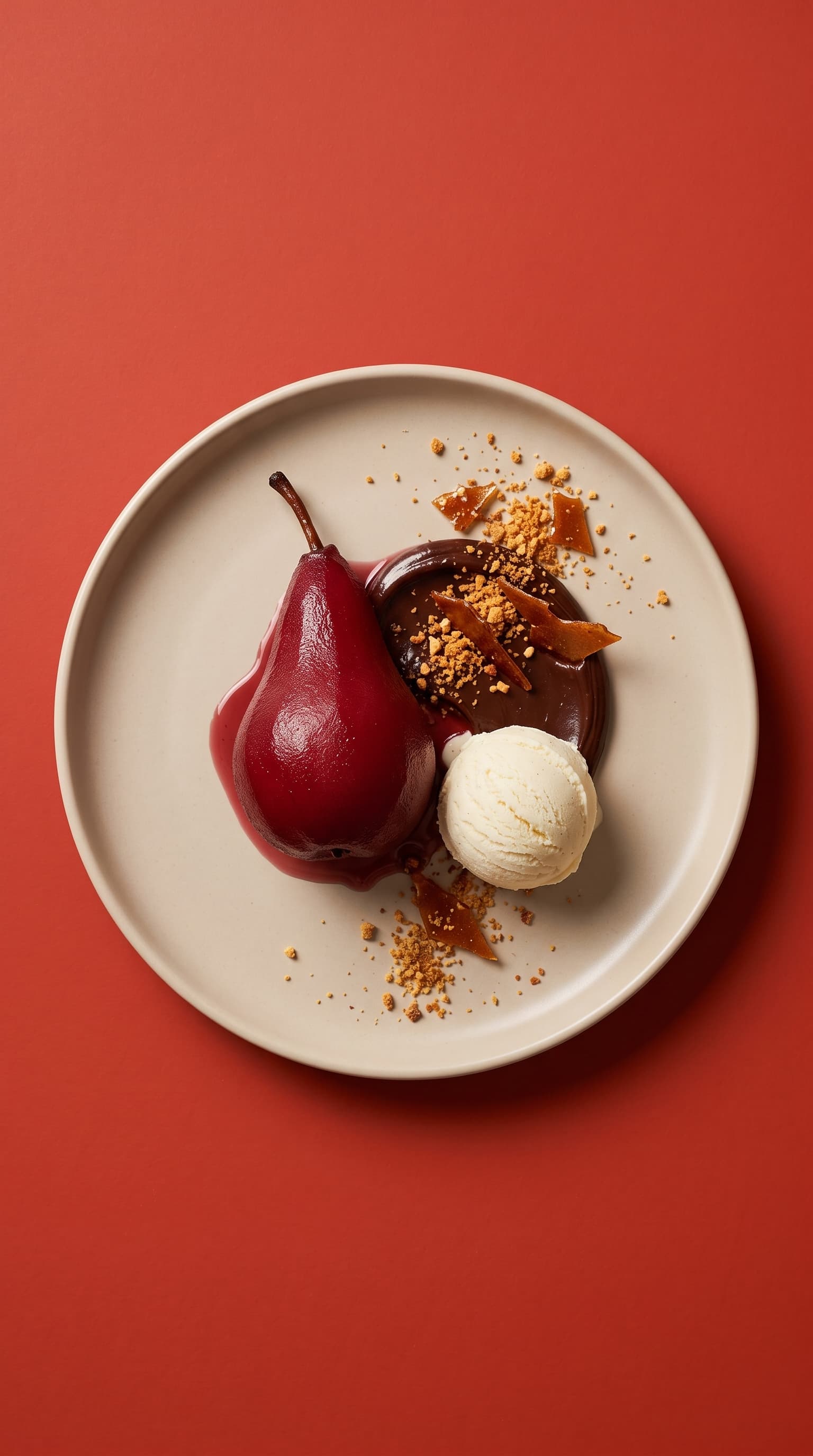
Poires Belle Hélène Recipe with Wine Poached Pears
This poires belle hélène recipe pairs tender red wine poached Conference pears with warm dark chocolate sauce, cold vanilla ice cream, and crisp hazelnut praline. Gentle poaching keeps the pears whole and silky. Plan about 2 hours for cooking and cooling, and serve 4 people right away for the best warm and cold contrast.
150 min · Intermediate · France
Roast Partridge Recipe with Celeriac Mousseline
This roast partridge recipe pairs rosy roasted breast with a crisp confited leg, silky celeriac mousseline, glazed baby carrots, and a glossy juniper-port jus. Dry-brining helps the lean meat stay seasoned and juicy. Allow about 3 hours for cooking and resting, plus overnight dry-brining if you have time. Serves 4.
210 min · Intermediate · France