Classic French Hare Pâté with Cognac and Homemade Aspic
30 hrs · Advanced · Serves 12-15
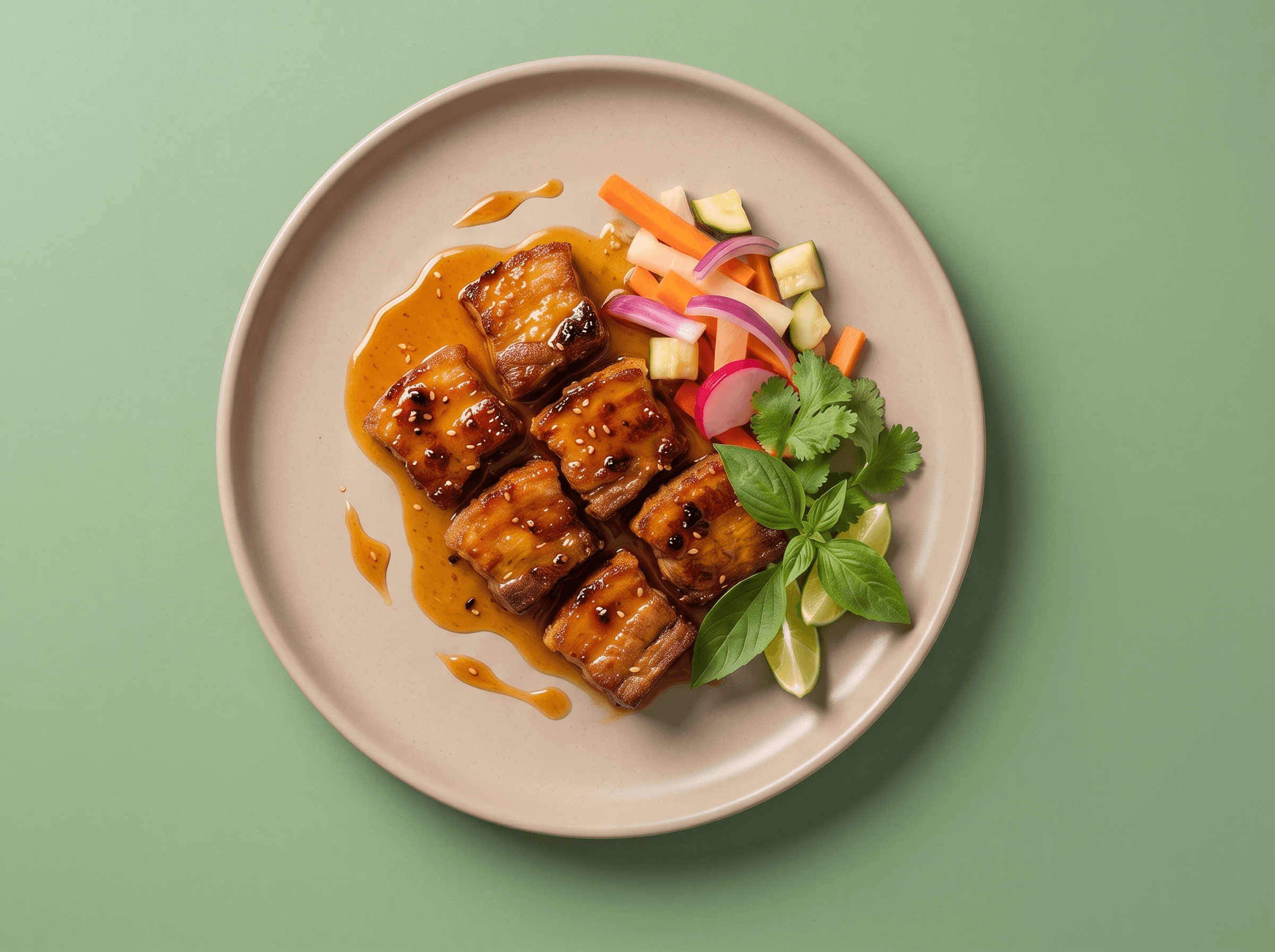 From our menuGlazed Pork Belly€17.50 · Made by us, delivered chilled.
This is a classic French terrine made from marinated hare, rich pork stuffing, and a clear cognac-scented jelly. The trick is sealing the dish with a flour paste so it steams in its own juices. It takes about 30 hours total (mostly hands-off marinating and baking) and serves 12-15 people, perfect for a holiday table.
Recipe by Christophe Rammant
Cordon Bleu Paris alumni - Two star Michelin kitchen experience
Why Does Sealing the Terrine with Flour Paste Make Such a Difference?
Traditional French technique calls this method 'luter,' and it turns your terrine dish into a mini pressure cooker. The flour-and-water paste seals the lid so tightly that no steam can escape, which means the hare cooks gently in its own juices instead of drying out in the oven's dry heat.
Food science shows why lean game meat like hare needs extra help staying moist. Since hare has almost no fat of its own, mixing in fatty pork and lining the terrine with bacon gives the finished pâté the smooth, spreadable texture you want, instead of something dry and crumbly.
Professional culinary team use egg whites to clarify stock for the same reason bartenders clarify juice: the proteins in the egg white grab onto tiny bits of fat and cloudiness as it heats, then float to the top so you can skim them away. That's how you get a jelly you can see straight through.
The weekly recipe note
Enjoyed this recipe? Get the next one first.
One new recipe each week from Christophe: global flavor, French technique, and practical home-cook timing.
By signing up, you agree to receive emails from Mr. Saucy.
Ingredients
Recipe yields 12-15 servings
For the Hare
| Amount | Ingredient | Notes |
|---|---|---|
| 2.4 kg (about 5.3 lbs) | Hare | one fine hare, skin and bones removed |
For the Marinade
| Amount | Ingredient | Notes |
|---|---|---|
| 1 L (about 4 cups) | Red wine | good quality |
| 150 g (about 1 cup, sliced) | Carrots | 2 carrots, sliced |
| 200 g (about 1.5 cups, sliced) | Onions | 2 onions, sliced |
| 5 g (6 berries) | Juniper berries | — |
| 1 g (2 cloves) | Cloves | — |
| 1 bundle | Bouquet garni | thyme, bay leaf, and parsley tied together |
For the Stuffing
| Amount | Ingredient | Notes |
|---|---|---|
| 250 g (about 1 cup) | Pork meat | fatty cut, like shoulder |
| 250 g (about 1 cup) | Pork liver | fresh |
| 30 g (2 tablespoons) | Cognac | for the stuffing |
For the Terrine
| Amount | Ingredient | Notes |
|---|---|---|
| 200 g (2 thick strips) | Fat bacon | to line and cover the terrine |
| 30 g (2 tablespoons) | Flour | mixed with water to make the sealing paste |
For the Aspic (Jelly)
| Amount | Ingredient | Notes |
|---|---|---|
| 500 g (1 knuckle, crushed) | Calf's knuckle | for natural gelatin |
| 500 ml (1/2 liter) | White wine | — |
| 500 ml (1/2 liter) | Bouillon | stock |
| 30 g (1 egg white) | Egg white | for clarification |
Instructions
The Day Before: Marinate the Hare
- 1
Marinate the Meat (Build the Flavor Base)
After deboning the hare, place the fillets and smaller pieces in a dish with the red wine, carrots, onions, juniper, cloves, and bouquet garni. Cover and refrigerate at 38°F / 3°C for 24 hours. The wine's acidity gently breaks down the tough muscle fibers in the lean game meat while the aromatics soak in, so every bite ends up tender and full of flavor.
Prep and Assembly
- 2
Prepare the Stuffing (Add the Fat Back In)
Drain the marinade and set the liquid aside. Grind the smaller hare pieces together with the pork and pork liver, then stir in the cognac. Hare is very lean, so the pork fat here is essential. It keeps the finished pâté smooth and spreadable instead of dry.
- 3
Layer the Terrine (Build the Mosaic)
Line your terrine mold with the bacon strips, then build up alternating layers of the ground stuffing and the whole hare fillets, finishing with a layer of bacon on top. Alternating layers this way creates a pretty mosaic pattern when you slice it later, and it makes sure every piece has a mix of tender fillet and rich stuffing.
Seal and Slow-Cook
- 4
Seal and Bake (Lock In the Moisture)
Mix the flour with a little water to form a soft paste, and press it around the rim of the lid to seal the terrine completely, a French technique called 'luter.' Set the terrine in a water bath (bain-marie) and bake at 325°F / 160°C for 4 hours, until the center reaches 165°F / 74°C. The seal traps steam inside, so the meat essentially cooks in its own juices instead of drying out in the oven air.
Make the Aspic and Finish
- 5
Clarify the Jelly (Get That Crystal-Clear Finish)
Simmer the reserved bones and the crushed calf's knuckle with the white wine and bouillon at a gentle 185°F / 85°C, just below a simmer, for a couple of hours to pull out the natural gelatin. Whisk in the egg white near the end. As it cooks, the egg white catches all the tiny cloudy bits floating in the liquid and carries them to the surface, where you can skim them off for a jelly you can see right through.
- 6
Rest and Set (The Patience Pays Off)
Let the pâté cool completely, then pour the strained, cooled jelly over the top. Refrigerate for 2-3 days before serving. This resting time isn't wasted time. It's when the game, wine, and spice flavors fully blend together and the jelly sets firm enough to slice cleanly.
The weekly recipe note
Enjoyed this recipe? Get the next one first.
One new recipe each week from Christophe: global flavor, French technique, and practical home-cook timing.
By signing up, you agree to receive emails from Mr. Saucy.
Tips & Tricks
Your pâté turns out dry:
Make sure you're using fatty pork, like shoulder or belly, in the stuffing. Hare is extremely lean on its own, and the pork fat is what gives the pâté a smooth, spreadable texture instead of a crumbly one.
Your jelly won't set:
If the strained liquid still feels thin after simmering, simmer it longer to reduce it further, or stir in a sheet of bloomed gelatin. The calf's knuckle supplies natural collagen, but reducing the liquid is what concentrates it into a proper set.
Your terrine crumbles when you slice it:
Let it rest in the fridge for at least 48 hours before cutting. This gives the fats time to firm back up and the jelly time to fully set, so your slices hold together nicely.
Your pâté tastes bland for a game dish:
Look for an older hare rather than a young one. Older hare has a deeper, more robust flavor that can stand up to the long marinade and slow cooking without getting lost.
Your pâté turns out dry:
Make sure you're using fatty pork, like shoulder or belly, in the stuffing. Hare is extremely lean on its own, and the pork fat is what gives the pâté a smooth, spreadable texture instead of a crumbly one.
Your jelly won't set:
If the strained liquid still feels thin after simmering, simmer it longer to reduce it further, or stir in a sheet of bloomed gelatin. The calf's knuckle supplies natural collagen, but reducing the liquid is what concentrates it into a proper set.
Your terrine crumbles when you slice it:
Let it rest in the fridge for at least 48 hours before cutting. This gives the fats time to firm back up and the jelly time to fully set, so your slices hold together nicely.
Your pâté tastes bland for a game dish:
Look for an older hare rather than a young one. Older hare has a deeper, more robust flavor that can stand up to the long marinade and slow cooking without getting lost.
Frequently Asked Questions
Can I make this hare pâté ahead of time?
Yes, you actually should! This recipe needs a 24-hour marinade and a 2-3 day rest after cooking. Making it 3-4 days before your event lets the gamey flavors mellow and the texture firm up perfectly for slicing.
What can I use if I don't have a calf's knuckle?
The calf's knuckle gives the aspic its natural gelatin. If you can't find one, try two pig's trotters instead, or use good store-bought gelatin sheets, about 4-5 sheets for 500ml of liquid, stirred into your reduced stock.
Why do I need to seal the lid with flour paste?
This traditional French technique is called 'luter.' The flour-and-water paste creates an airtight seal that traps steam inside the terrine, gently steaming the meat in its own juices for a moister, more flavorful pâté than an unsealed dish would give you.
What is the best way to serve this dish?
Serve thick slices at room temperature rather than ice-cold, so you can really taste the fat and spices. Pair it with crusty sourdough bread, cornichons to cut the richness, and maybe a spoonful of onion jam or Cumberland sauce on the side.
Why is my aspic cloudy instead of clear?
Cloudy aspic usually means the stock boiled too hard, which breaks fat and proteins into tiny bits that cloud the liquid. Keep it at a gentle simmer around 185°F / 85°C, and let the egg white do its job of trapping those particles so you can skim them off.
Do I really need a meat grinder for the stuffing?
A meat grinder gives the classic, even texture this terrine is known for, but you can pulse the pork, liver, and hare trim in a food processor instead. Just pulse in short bursts so you don't turn it into a paste.
Can I make this hare pâté ahead of time?
Yes, you actually should! This recipe needs a 24-hour marinade and a 2-3 day rest after cooking. Making it 3-4 days before your event lets the gamey flavors mellow and the texture firm up perfectly for slicing.
What can I use if I don't have a calf's knuckle?
The calf's knuckle gives the aspic its natural gelatin. If you can't find one, try two pig's trotters instead, or use good store-bought gelatin sheets, about 4-5 sheets for 500ml of liquid, stirred into your reduced stock.
Why do I need to seal the lid with flour paste?
This traditional French technique is called 'luter.' The flour-and-water paste creates an airtight seal that traps steam inside the terrine, gently steaming the meat in its own juices for a moister, more flavorful pâté than an unsealed dish would give you.
What is the best way to serve this dish?
Serve thick slices at room temperature rather than ice-cold, so you can really taste the fat and spices. Pair it with crusty sourdough bread, cornichons to cut the richness, and maybe a spoonful of onion jam or Cumberland sauce on the side.
Why is my aspic cloudy instead of clear?
Cloudy aspic usually means the stock boiled too hard, which breaks fat and proteins into tiny bits that cloud the liquid. Keep it at a gentle simmer around 185°F / 85°C, and let the egg white do its job of trapping those particles so you can skim them off.
Do I really need a meat grinder for the stuffing?
A meat grinder gives the classic, even texture this terrine is known for, but you can pulse the pork, liver, and hare trim in a food processor instead. Just pulse in short bursts so you don't turn it into a paste.
Recipe Reviews
No reviews yet — Be the first to review this recipe!
The collection
All recipesPheasant with Grapes, Verjus Jus and Celery Root
This pheasant with grapes recipe pairs juicy roast pheasant with glossy Muscat grapes, sweet caramelised shallots, and bright verjus jus. Gentle pan-roasting keeps the skin crisp, while celery root purée adds silky depth. Plan on about 2 hours for 4 servings, with several parts ready ahead for an easy dinner party.
120 min · Intermediate · France
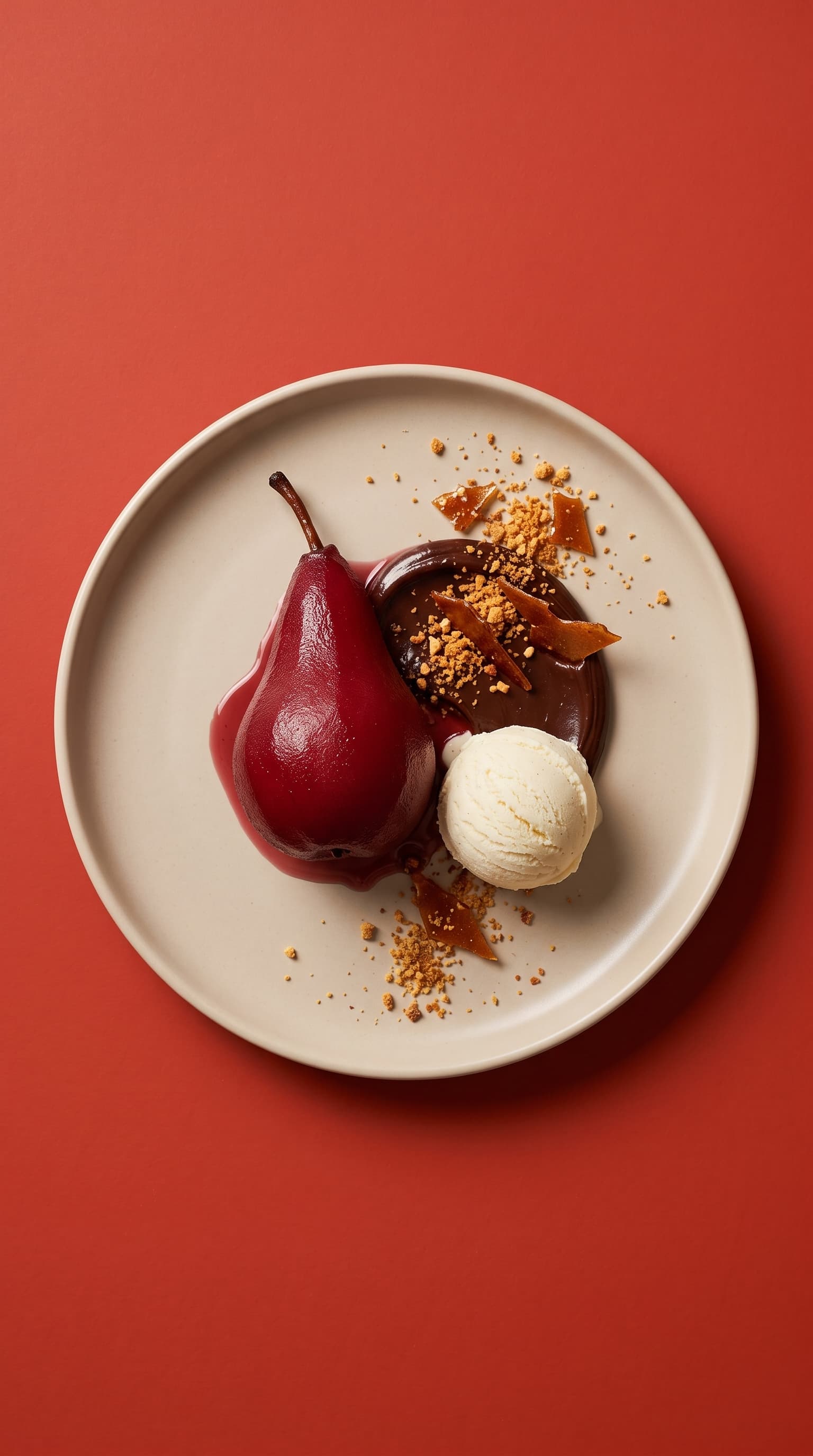
Poires Belle Hélène Recipe with Wine Poached Pears
This poires belle hélène recipe pairs tender red wine poached Conference pears with warm dark chocolate sauce, cold vanilla ice cream, and crisp hazelnut praline. Gentle poaching keeps the pears whole and silky. Plan about 2 hours for cooking and cooling, and serve 4 people right away for the best warm and cold contrast.
150 min · Intermediate · France
Roast Partridge Recipe with Celeriac Mousseline
This roast partridge recipe pairs rosy roasted breast with a crisp confited leg, silky celeriac mousseline, glazed baby carrots, and a glossy juniper-port jus. Dry-brining helps the lean meat stay seasoned and juicy. Allow about 3 hours for cooking and resting, plus overnight dry-brining if you have time. Serves 4.
210 min · Intermediate · France