Braised Squid in White Wine with Garlic and Lemon
1 hr 20 min · Medium · Serves 4
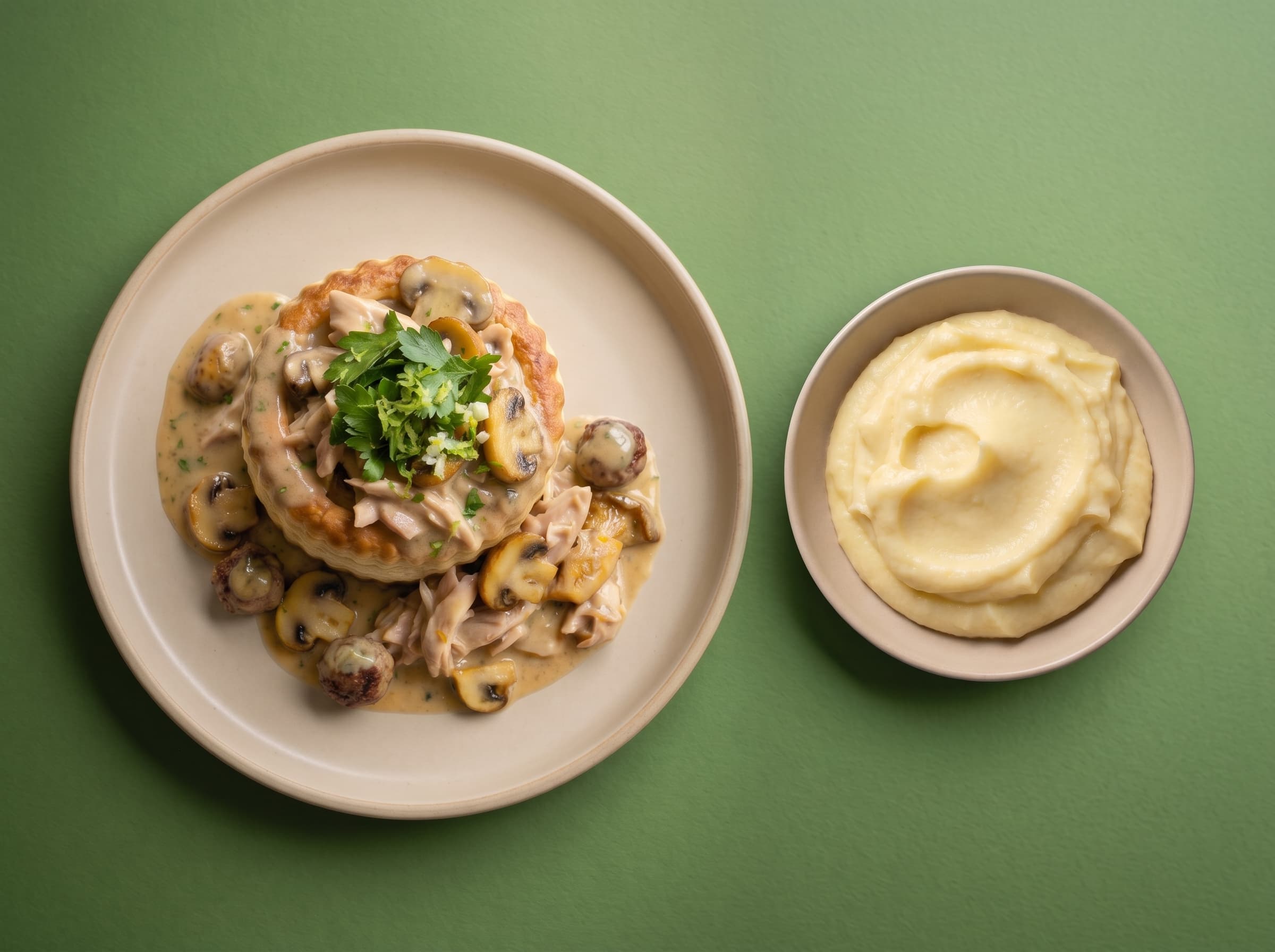 From our menuVol-au-Vent East meets West€19.95 · Made by us, delivered chilled.
This is a French coastal classic where squid rings simmer low and slow in white wine with whole garlic cloves until melt-in-your-mouth tender. The trick is patience: a full hour on low heat, finished with cold butter and lemon for a silky sauce. Ready in about 80 minutes, it serves 4.
Recipe by Christophe Rammant
Cordon Bleu Paris alumni - Two star Michelin kitchen experience
How Does Slow Simmering Turn Squid Tender Instead of Rubbery?
Food science shows squid has a strange rule: it's tender after just 2 minutes of cooking, or after 45 to 60 minutes, but tough anywhere in between. This recipe leans into the long end, giving the connective tissue plenty of time to break down and soften.
Traditional French technique keeps the garlic cloves whole instead of minced. Whole cloves release their flavor slowly into the wine without turning bitter or sharp, so you get a sweet, mellow garlic perfume instead of a pungent bite.
Professional culinary team finish sauces off the heat with cold butter, a method called monter au beurre. Adding butter while the pan is boiling just melts it into oil, but whisking it in off the heat creates a glossy, creamy emulsion that clings to every piece of squid.
The weekly recipe note
Enjoyed this recipe? Get the next one first.
One new recipe each week from Christophe: global flavor, French technique, and practical home-cook timing.
By signing up, you agree to receive emails from Mr. Saucy.
Ingredients
Recipe yields 4 servings
For the Braise
| Amount | Ingredient | Notes |
|---|---|---|
| 1000 g (about 2.2 lbs) | Prepared squid (ink sac removed) | cleaned weight, bodies and tentacles used |
| 300 g (about 2 glasses, roughly 1 1/4 cups) | White wine | use a dry white like Arbois |
| 45 g (15 cloves) | Garlic cloves | peeled but left whole |
| 30 g (1 bunch) | Parsley | — |
For Finishing the Sauce
| Amount | Ingredient | Notes |
|---|---|---|
| 50 g juice (about 1 lemon) | Lemon | juiced |
| 30 g (about 2 tablespoons) | Butter | added at the end for richness, cold |
| as needed | Beurre manié | equal parts flour and butter kneaded together; optional, only if sauce is too thin |
Seasoning
| Amount | Ingredient | Notes |
|---|---|---|
| to taste | Salt | — |
| to taste | Pepper | — |
Instructions
Prep the Squid
- 1
Rinse the Squid Clean
Rinse the squid thoroughly under cold running water to remove any remaining grit or debris. This ensures a clean flavor profile with no gritty surprises in your finished dish.
- 2
Cut the Squid Evenly
Slice the squid bodies into uniform rings and roughly chop the tentacles. Cutting everything to a similar size means all the pieces cook at the same rate, so nothing ends up over or undercooked.
Braise Low and Slow
- 3
Combine Everything in the Pan
Combine the squid, white wine, whole garlic cloves, and the bunch of parsley in a sauté pan. Season with salt and pepper now so it has time to soak into the seafood as it cooks.
- 4
Simmer for a Full Hour (The Tenderness Trick)
Bring the liquid to a boil, then immediately drop the heat to a low simmer, around 180°F / 82°C, just gentle bubbles at the edges. Let it cook for 1 full hour. This long, slow cooking breaks down the tough connective tissue in the squid, turning it tender instead of chewy. Do not stop partway through, squid is only tender at 2 minutes or after 45 to 60 minutes.
Finish the Sauce
- 5
Remove Garlic and Parsley
Fish out the whole garlic cloves and the parsley bunch and set them aside. They've done their job of flavoring the wine and squid gently.
- 6
Whisk in Butter and Lemon Off the Heat
Take the pan off the heat completely, then whisk in a knob of cold butter along with the lemon juice. This technique, called monter au beurre, creates a glossy, emulsified sauce that clings to the squid. Adding the butter while the pan is still boiling will just melt it into oil instead of a creamy sauce.
- 7
Thicken if Needed
If the sauce looks too thin, whisk in a small amount of beurre manié, a paste of equal parts flour and butter. The flour gives the sauce body while the butter keeps it shiny, so the sauce clings nicely to the rings instead of pooling in the pan.
The weekly recipe note
Enjoyed this recipe? Get the next one first.
One new recipe each week from Christophe: global flavor, French technique, and practical home-cook timing.
By signing up, you agree to receive emails from Mr. Saucy.
Tips & Tricks
your squid turns out rubbery instead of tender:
Squid follows a fast or slow rule. It's tender after just 2 minutes, or after 45 to 60 minutes of cooking. Stopping anywhere in between, like at 20 minutes, gives you tough, chewy squid, so commit to the full hour simmer.
the sauce tastes too sharp or acidic:
Whisk in an extra knob of butter. The fat coats your palate and mellows out the sharpness from the lemon and wine.
you want a bolder garlic flavor:
Mash a few of the softened, cooked garlic cloves back into the sauce before serving. This adds extra garlic punch without any bitterness.
your sauce looks broken or oily instead of creamy:
Always add the finishing butter off the heat, never while the sauce is boiling. Boiling melts the butter into oil instead of letting it emulsify into a smooth, creamy sauce.
your squid turns out rubbery instead of tender:
Squid follows a fast or slow rule. It's tender after just 2 minutes, or after 45 to 60 minutes of cooking. Stopping anywhere in between, like at 20 minutes, gives you tough, chewy squid, so commit to the full hour simmer.
the sauce tastes too sharp or acidic:
Whisk in an extra knob of butter. The fat coats your palate and mellows out the sharpness from the lemon and wine.
you want a bolder garlic flavor:
Mash a few of the softened, cooked garlic cloves back into the sauce before serving. This adds extra garlic punch without any bitterness.
your sauce looks broken or oily instead of creamy:
Always add the finishing butter off the heat, never while the sauce is boiling. Boiling melts the butter into oil instead of letting it emulsify into a smooth, creamy sauce.
Frequently Asked Questions
Can I make this squid dish ahead of time?
Yes, this dish is excellent when reheated. The garlic and wine flavors actually deepen overnight. Gently reheat on the stovetop over low heat to avoid toughening the seafood, and add a splash of water or wine if the sauce has thickened too much in the fridge.
What if I don't have Arbois white wine?
No problem, just use any dry, high-acid white wine like Sauvignon Blanc, Muscadet, or a dry Pinot Grigio. Try to avoid oak-heavy Chardonnays since their vanilla notes can clash with the delicate seafood and garlic flavors here.
Why do I leave the garlic cloves whole?
Leaving the cloves whole gives you a mellow, sweet garlic flavor throughout the long simmer, without the bitterness that chopped or burnt garlic can bring. It lets the garlic gently perfume the wine and squid for a sophisticated result instead of a pungent one.
Is it necessary to use beurre manié?
Only if your sauce is too watery after the hour of simmering. Beurre manié is a cold thickener you use at the end of cooking. It gives the sauce enough body to coat the squid nicely, for that classic luxurious French bistro feel.
Can I make this squid dish ahead of time?
Yes, this dish is excellent when reheated. The garlic and wine flavors actually deepen overnight. Gently reheat on the stovetop over low heat to avoid toughening the seafood, and add a splash of water or wine if the sauce has thickened too much in the fridge.
What if I don't have Arbois white wine?
No problem, just use any dry, high-acid white wine like Sauvignon Blanc, Muscadet, or a dry Pinot Grigio. Try to avoid oak-heavy Chardonnays since their vanilla notes can clash with the delicate seafood and garlic flavors here.
Why do I leave the garlic cloves whole?
Leaving the cloves whole gives you a mellow, sweet garlic flavor throughout the long simmer, without the bitterness that chopped or burnt garlic can bring. It lets the garlic gently perfume the wine and squid for a sophisticated result instead of a pungent one.
Is it necessary to use beurre manié?
Only if your sauce is too watery after the hour of simmering. Beurre manié is a cold thickener you use at the end of cooking. It gives the sauce enough body to coat the squid nicely, for that classic luxurious French bistro feel.
Recipe Reviews
No reviews yet — Be the first to review this recipe!
The collection
All recipesPheasant with Grapes, Verjus Jus and Celery Root
This pheasant with grapes recipe pairs juicy roast pheasant with glossy Muscat grapes, sweet caramelised shallots, and bright verjus jus. Gentle pan-roasting keeps the skin crisp, while celery root purée adds silky depth. Plan on about 2 hours for 4 servings, with several parts ready ahead for an easy dinner party.
120 min · Intermediate · France
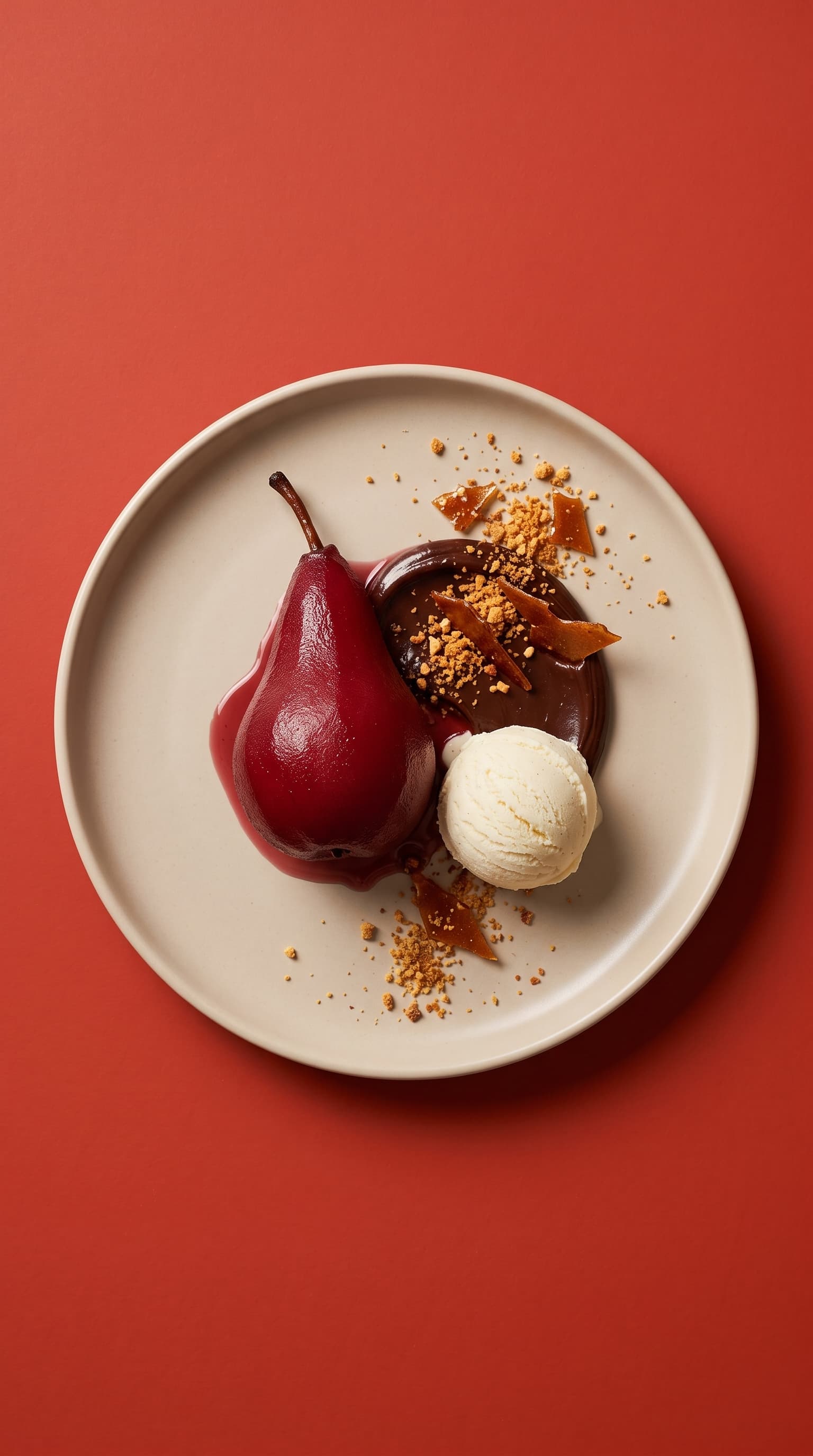
Poires Belle Hélène Recipe with Wine Poached Pears
This poires belle hélène recipe pairs tender red wine poached Conference pears with warm dark chocolate sauce, cold vanilla ice cream, and crisp hazelnut praline. Gentle poaching keeps the pears whole and silky. Plan about 2 hours for cooking and cooling, and serve 4 people right away for the best warm and cold contrast.
150 min · Intermediate · France
Roast Partridge Recipe with Celeriac Mousseline
This roast partridge recipe pairs rosy roasted breast with a crisp confited leg, silky celeriac mousseline, glazed baby carrots, and a glossy juniper-port jus. Dry-brining helps the lean meat stay seasoned and juicy. Allow about 3 hours for cooking and resting, plus overnight dry-brining if you have time. Serves 4.
210 min · Intermediate · France