Roast Pork Tenderloin with Rodenbach Beer Reduction Sauce
1 hr 5 min · Medium · Serves 4
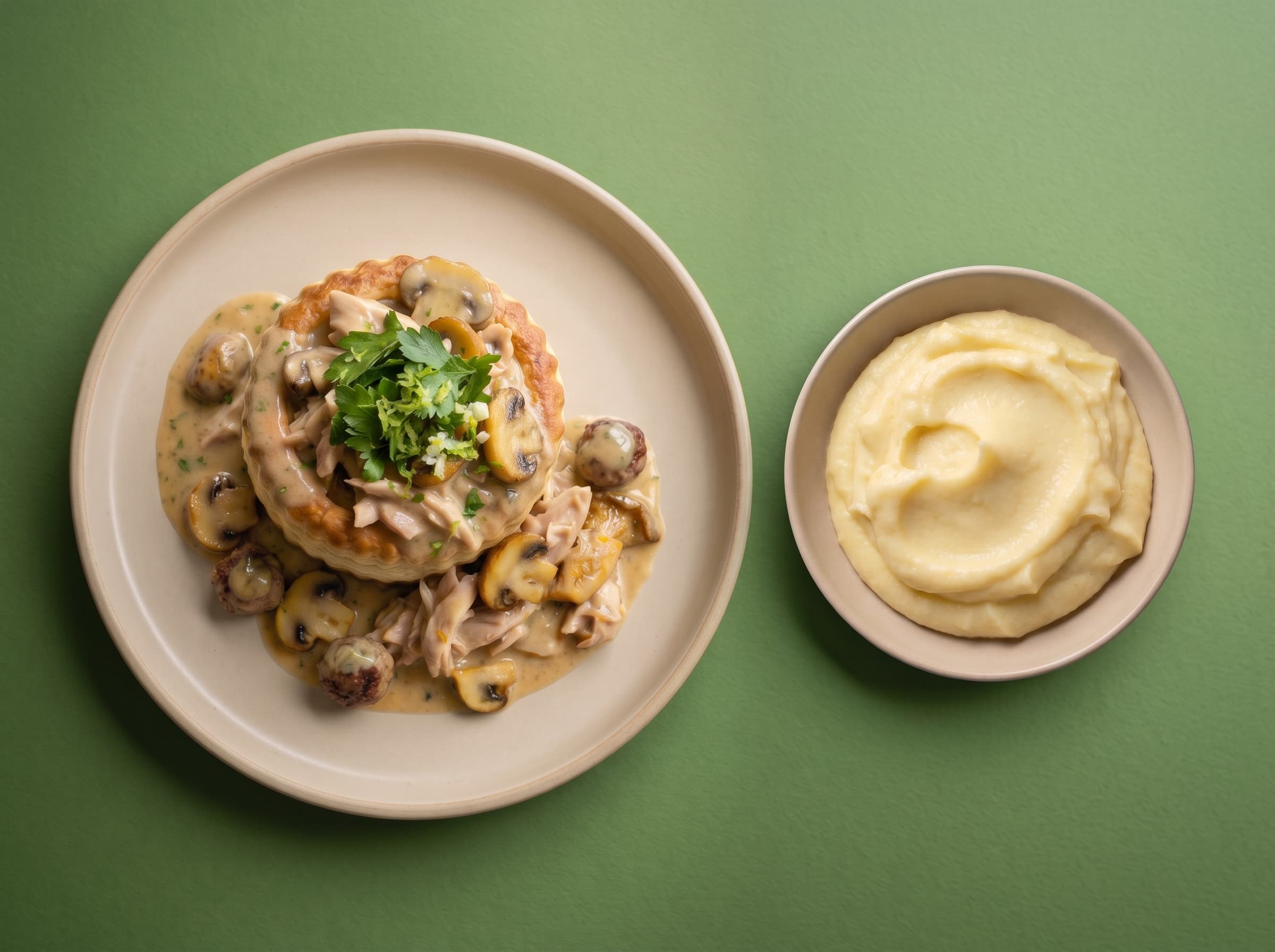 From our menuVol-au-Vent East meets West€19.95 · Made by us, delivered chilled.
This Belgian-inspired roast pork tenderloin is butter-basted in the oven with garlic and fresh herbs, then served with a glossy Rodenbach beer reduction sauce built separately on the stove. Ready in about 65 minutes and serves 4, it feels rustic and special at the same time.
Recipe by Christophe Rammant
Cordon Bleu Paris alumni - Two star Michelin kitchen experience
What Makes This Roast Pork Tenderloin So Juicy and Flavorful?
Professional culinary team know that basting is one of the oldest tricks in the kitchen. Every time you spoon that hot, herb-infused butter over the pork, you are layering flavor and helping the outside stay moist while the inside cooks gently. By the third baste, the butter turns nutty and golden, and the garlic softens into something sweet and rich.
Food science shows that searing the meat first creates a deep, mahogany crust through a process called browning. This crust is packed with flavor that no amount of oven heat alone can create. It also gives the basting butter something to cling to, so every spoonful sticks instead of sliding off.
Traditional Belgian cooking keeps the sauce and the meat separate so each one gets the attention it deserves. The Rodenbach beer reduces slowly into something glossy and complex, and cold butter is whisked in at the very end to make it silky and smooth. This classic French finishing technique, called monter au beurre, gives the sauce a restaurant-quality shine.
Estimated nutrition per serving
Estimated from ingredient weights, not lab-tested.
- Calories
- 611
- Protein
- 49g
- Fat
- 33g
- Carbohydrates
- 27g
The weekly recipe note
Enjoyed this recipe? Get the next one first.
One new recipe each week from Christophe: global flavor, French technique, and practical home-cook timing.
By signing up, you agree to receive emails from Mr. Saucy.
Ingredients
Recipe yields 4 servings
For the Pork
| Amount | Ingredient | Notes |
|---|---|---|
| 800 g (2 tenderloins, about 400 g each) | Pork tenderloin | silver skin removed, brought to room temperature 30 minutes before cooking |
| 60 g | Unsalted butter | for roasting and basting |
| 40 g (8 to 10 cloves) | Garlic | left whole and lightly crushed |
| 15 g (8 to 10 sprigs) | Fresh thyme | used generously in the roasting tray and for basting |
| 8 g (2 sprigs) | Fresh rosemary | use with restraint; it perfumes the butter without dominating |
| 3 g (2 to 3 leaves) | Bay leaves | tucked under the pork in the tray |
| 12 g | Coarse sea salt | season the pork generously on all sides just before it goes into the oven |
| 5 g | Black pepper, freshly cracked | season just before roasting |
| 20 g | Neutral oil | sunflower or grapeseed, for the initial sear |
For the Rodenbach Sauce
| Amount | Ingredient | Notes |
|---|---|---|
| 330 g (1 bottle) | Rodenbach Grand Cru (or Geuze) | the entire bottle goes into the reduction |
| 120 g (about 4 medium) | Shallots | finely sliced, the aromatic base of the sauce |
| 250 g (1 cup) | Veal or chicken stock | good quality, low-sodium |
| 40 g | Unsalted butter | cold and cut into small cubes, for finishing the sauce |
| 20 g (1 tablespoon) | Dijon mustard | stirred in off the heat at the end |
| 20 g (1 tablespoon) | Honey | Belgian wildflower honey preferred, balances the sourness of the beer |
| 10 g (2 teaspoons) | Apple cider vinegar | a small splash at the very end to brighten the sauce |
For the Caramelized Chicory
| Amount | Ingredient | Notes |
|---|---|---|
| 400 g (4 heads) | Belgian chicory (witloof) | halved lengthwise |
| 20 g (1 tablespoon) | Brown sugar | for caramelizing the chicory |
For Finishing
| Amount | Ingredient | Notes |
|---|---|---|
| 15 g | Flat-leaf parsley | finely chopped, for garnish |
Instructions
Prep
- 1
Rest and Dry the Pork
Take the pork tenderloins out of the fridge 30 minutes before you start cooking and pat them completely dry with kitchen paper. Moisture on the surface will steam the meat instead of searing it, so drying is important. While you wait, trim the silver skin by sliding a sharp knife under the thin, pearlescent membrane and pulling it away. This tough layer does not break down in the oven and causes the meat to curl unevenly as it cooks.
- 2
Preheat the Oven and Season the Pork
Preheat your oven to 375°F / 190°C (or 355°F / 180°C on a fan setting). Season the tenderloins generously on all sides with the coarse sea salt and freshly cracked black pepper right before they go into the pan. Seasoning too early draws moisture out of the meat, so wait until the last moment.
Sear and Baste
- 3
Sear the Pork (Build the Crust)
Heat the neutral oil in a large oven-safe skillet or cast iron pan over high heat until it shimmers. Lay the tenderloins in the pan and sear for about 2 minutes per side, turning to brown all four sides, about 8 minutes total. You are looking for a deep mahogany color, not grey. This browning creates a layer of flavor that the oven alone cannot replicate, so do not rush it and do not move the meat while each side is browning.
- 4
Add the Butter and Herbs (Start the Basting)
Turn the heat down to medium. Add the 60 g of butter to the pan along with all the crushed garlic cloves, thyme sprigs, rosemary, and bay leaves. Let the butter foam and the herbs sizzle for about 30 seconds. Then tilt the pan slightly and use a large spoon or pastry brush to baste the herb-infused butter over the tenderloins repeatedly for 1 to 2 minutes. This coats the meat in flavor before it goes into the oven.
- 5
Roast and Baste in the Oven
Transfer the entire pan to the oven with the pork, butter, garlic, and all the herbs still inside. Roast for 10 to 14 minutes. Open the oven every 4 minutes and spoon the pooled herb butter over the meat. By the third basting, the butter will be nutty and lightly browned and the garlic will be golden and sweet. This is exactly what you want. The pork is ready when it reaches an internal temperature of 144°F / 62°C; it will carry over to a safe 149°F / 65°C while it rests.
- 6
Rest the Pork (Lock In the Juices)
Remove the pan from the oven and transfer the tenderloins to a warm plate. Tent loosely with foil and rest for at least 8 minutes. This step is not optional. Resting lets the juices settle back into the meat so they do not run out when you slice it. Do not skip this.
Make the Rodenbach Sauce
- 7
Soften the Shallots (Build the Base)
While the pork is in the oven, start the sauce. Melt a small knob of butter in a medium saucepan over medium heat and add the sliced shallots. Cook gently for 5 to 6 minutes, stirring now and then, until they are completely soft and translucent. Do not rush this step. Properly softened shallots give the sauce a smooth, sweet base. Shallots that are still firm will make the sauce taste sharp.
- 8
Reduce the Beer (Concentrate the Flavor)
Pour in the entire bottle of Rodenbach Grand Cru and bring it to a gentle simmer. Reduce by roughly two-thirds over 15 to 18 minutes. You are cooking off the raw alcohol and concentrating the fruity, sour complexity of the beer. Watch the heat at the start because beer foam can rise quickly. The reduction is ready when it lightly coats the back of a spoon and smells deeply of fruit and malt.
- 9
Add the Stock (Build the Body)
Pour in the veal or chicken stock and continue simmering for another 5 to 6 minutes until the sauce is glossy and slightly syrupy. It should coat a spoon and hold a clean line when you run your finger through it. The stock adds richness and body that balances the acidity of the beer.
- 10
Finish the Sauce Off the Heat (The Silky Step)
Take the pan fully off the heat. Stir in the Dijon mustard and honey. Adding them off the heat stops the mustard from turning bitter and the honey from caramelizing too fast. Add the splash of apple cider vinegar and taste. The sauce should be savory, slightly sweet, and pleasantly sour. Now whisk in the cold butter cubes one at a time. This classic technique, called monter au beurre, creates a silky, emulsified sauce with a beautiful sheen. The butter must go in cold and the pan must be off the heat; if the pan is too hot, the butter will break into greasy pools instead of blending in smoothly. Keep the finished sauce warm over the lowest possible heat or in a bowl set over warm water.
Caramelize the Chicory and Plate
- 11
Caramelize the Chicory (Tame the Bitterness)
While the pork rests, melt a small knob of butter in a wide pan over medium-high heat. Place the chicory halves cut-side down and leave them completely undisturbed for 4 to 5 minutes until deeply golden. Sprinkle with the brown sugar, add a splash of water (about 30 ml), cover the pan, and cook on medium-low for another 5 minutes. Season with salt and pepper. The caramelization and the brown sugar work together to soften the natural bitterness of the chicory.
- 12
Slice and Plate
Slice the rested tenderloins on a slight diagonal into medallions about 2 cm (about 3/4 inch) thick. Cutting on an angle gives you a larger, more elegant surface and shows off the pink, juicy interior. Arrange the medallions alongside the caramelized chicory, spoon the Rodenbach sauce generously over and around the meat, and finish with freshly chopped flat-leaf parsley. The roasted garlic cloves from the pan are now soft, sweet, and spreadable. Serve them alongside the meat or with bread. Do not throw them away.
The weekly recipe note
Enjoyed this recipe? Get the next one first.
One new recipe each week from Christophe: global flavor, French technique, and practical home-cook timing.
By signing up, you agree to receive emails from Mr. Saucy.
Tips & Tricks
Your pork turns out dry and tough:
Pull it from the oven at 144°F / 62°C, not higher. Pork tenderloin has almost no fat running through it, so it goes from juicy to dry in just 2 to 3 minutes of extra cooking. It will carry over to a safe 149°F / 65°C while it rests. A faint blush of pink in the center is correct and safe.
You keep forgetting to baste and the pork looks dry:
Set a timer for every 4 minutes while the pork is in the oven. Basting is not optional here; it is the whole method. By the third baste, the butter will be nutty and brown and the garlic will be caramelized. That butter is liquid flavor and it belongs on the meat.
Your sauce breaks and looks greasy instead of silky:
The butter went in while the pan was still too hot. Take the pan fully off the heat before you start whisking in the cold butter, and add it one cube at a time. If it breaks anyway, remove from heat, add one tablespoon of cold water, and whisk hard. This often brings it back together.
You cannot find Rodenbach Grand Cru at your local store:
A Geuze like Boon Oude Geuze or Cantillon is the best swap because it has the same fruity acidity that reduces well. In a pinch, a dry Belgian golden ale like Duvel plus one tablespoon of red wine vinegar gets close. Avoid hoppy IPAs or dark stouts; they turn harsh and bitter when reduced.
Your chicory tastes very bitter even after cooking:
Make a small V-shaped cut to remove the base of the core before halving, then make sure you get real golden-brown color on the cut face before adding the sugar. Pale, undercooked chicory stays sharp and harsh. The browning and the brown sugar both actively soften the bitter taste.
You want to make this ahead for a dinner party:
Make the Rodenbach sauce up to one day ahead, stopping before you whisk in the cold butter. Store it covered in the fridge. When you are ready to serve, reheat it gently over low heat and whisk in the cold butter fresh. Never boil a butter-finished sauce after it is done or it will break.
Your pork turns out dry and tough:
Pull it from the oven at 144°F / 62°C, not higher. Pork tenderloin has almost no fat running through it, so it goes from juicy to dry in just 2 to 3 minutes of extra cooking. It will carry over to a safe 149°F / 65°C while it rests. A faint blush of pink in the center is correct and safe.
You keep forgetting to baste and the pork looks dry:
Set a timer for every 4 minutes while the pork is in the oven. Basting is not optional here; it is the whole method. By the third baste, the butter will be nutty and brown and the garlic will be caramelized. That butter is liquid flavor and it belongs on the meat.
Your sauce breaks and looks greasy instead of silky:
The butter went in while the pan was still too hot. Take the pan fully off the heat before you start whisking in the cold butter, and add it one cube at a time. If it breaks anyway, remove from heat, add one tablespoon of cold water, and whisk hard. This often brings it back together.
You cannot find Rodenbach Grand Cru at your local store:
A Geuze like Boon Oude Geuze or Cantillon is the best swap because it has the same fruity acidity that reduces well. In a pinch, a dry Belgian golden ale like Duvel plus one tablespoon of red wine vinegar gets close. Avoid hoppy IPAs or dark stouts; they turn harsh and bitter when reduced.
Your chicory tastes very bitter even after cooking:
Make a small V-shaped cut to remove the base of the core before halving, then make sure you get real golden-brown color on the cut face before adding the sugar. Pale, undercooked chicory stays sharp and harsh. The browning and the brown sugar both actively soften the bitter taste.
You want to make this ahead for a dinner party:
Make the Rodenbach sauce up to one day ahead, stopping before you whisk in the cold butter. Store it covered in the fridge. When you are ready to serve, reheat it gently over low heat and whisk in the cold butter fresh. Never boil a butter-finished sauce after it is done or it will break.
Frequently Asked Questions
How long does it take to roast pork tenderloin in the oven?
At 375°F / 190°C, pork tenderloin takes 10 to 14 minutes in the oven after a quick sear on the stove. Pull it at an internal temperature of 144°F / 62°C and rest it for 8 minutes. Total time from fridge to table, including prep and the sauce, is about 65 minutes.
Can I use a regular pork loin instead of tenderloin?
Yes, but adjust your timing. A pork loin is much thicker and denser, so it needs 25 to 35 minutes in the oven at the same temperature. The basting method and the sauce work exactly the same way. Tenderloin is leaner and more elegant; loin is a little more forgiving and works well for larger groups.
What if I cannot find Rodenbach Grand Cru?
A Geuze like Boon Oude Geuze or Cantillon is the best substitute because both have the same fruity acidity that reduces beautifully. In a pinch, a dry Belgian golden ale like Duvel plus one tablespoon of red wine vinegar approximates the sour note. Avoid dark beers or hoppy ales as they turn bitter when reduced.
My sauce broke and looks greasy. What happened and can I fix it?
The butter was added when the sauce was still too hot, which split the emulsion. To fix it, remove the pan from the heat, add one tablespoon of cold water, and whisk hard. This often brings it back. To prevent it next time, always take the pan fully off the heat before whisking in the cold butter, one cube at a time.
How do I know the pork is done without a thermometer?
Press the thickest part of the tenderloin with your finger. It should feel firm but still have a slight spring, like pressing the fleshy base of your thumb when your hand is relaxed. If it feels completely rigid, it is overcooked. A faint blush of pink in the center when sliced is correct and safe for pork tenderloin.
Can I skip the initial sear and just roast the pork straight in the oven?
You can, but you will lose the deep, mahogany crust that carries a big part of the flavor. The sear creates browning that the oven alone cannot replicate. If you are short on time, even a 3-minute sear on the two main flat sides is much better than skipping it entirely.
Why does the chicory taste so bitter sometimes?
Bitterness in chicory comes from the core and from undercooking. Remove the base of the core with a small V-cut before halving, and make sure you get real golden-brown caramelization on the cut face before adding the brown sugar. Undercooked, pale chicory stays sharp and harsh no matter how long you cook it after.
Can I make any part of this dish ahead of time?
Yes. The Rodenbach sauce can be made a full day ahead up to the point before the cold butter is whisked in. Store it covered in the fridge and reheat gently before serving, then whisk in the cold butter fresh. The chicory can also be caramelized an hour ahead and warmed gently in the pan before plating.
How long does it take to roast pork tenderloin in the oven?
At 375°F / 190°C, pork tenderloin takes 10 to 14 minutes in the oven after a quick sear on the stove. Pull it at an internal temperature of 144°F / 62°C and rest it for 8 minutes. Total time from fridge to table, including prep and the sauce, is about 65 minutes.
Can I use a regular pork loin instead of tenderloin?
Yes, but adjust your timing. A pork loin is much thicker and denser, so it needs 25 to 35 minutes in the oven at the same temperature. The basting method and the sauce work exactly the same way. Tenderloin is leaner and more elegant; loin is a little more forgiving and works well for larger groups.
What if I cannot find Rodenbach Grand Cru?
A Geuze like Boon Oude Geuze or Cantillon is the best substitute because both have the same fruity acidity that reduces beautifully. In a pinch, a dry Belgian golden ale like Duvel plus one tablespoon of red wine vinegar approximates the sour note. Avoid dark beers or hoppy ales as they turn bitter when reduced.
My sauce broke and looks greasy. What happened and can I fix it?
The butter was added when the sauce was still too hot, which split the emulsion. To fix it, remove the pan from the heat, add one tablespoon of cold water, and whisk hard. This often brings it back. To prevent it next time, always take the pan fully off the heat before whisking in the cold butter, one cube at a time.
How do I know the pork is done without a thermometer?
Press the thickest part of the tenderloin with your finger. It should feel firm but still have a slight spring, like pressing the fleshy base of your thumb when your hand is relaxed. If it feels completely rigid, it is overcooked. A faint blush of pink in the center when sliced is correct and safe for pork tenderloin.
Can I skip the initial sear and just roast the pork straight in the oven?
You can, but you will lose the deep, mahogany crust that carries a big part of the flavor. The sear creates browning that the oven alone cannot replicate. If you are short on time, even a 3-minute sear on the two main flat sides is much better than skipping it entirely.
Why does the chicory taste so bitter sometimes?
Bitterness in chicory comes from the core and from undercooking. Remove the base of the core with a small V-cut before halving, and make sure you get real golden-brown caramelization on the cut face before adding the brown sugar. Undercooked, pale chicory stays sharp and harsh no matter how long you cook it after.
Can I make any part of this dish ahead of time?
Yes. The Rodenbach sauce can be made a full day ahead up to the point before the cold butter is whisked in. Store it covered in the fridge and reheat gently before serving, then whisk in the cold butter fresh. The chicory can also be caramelized an hour ahead and warmed gently in the pan before plating.
Recipe Reviews
No reviews yet — Be the first to review this recipe!
The collection
All recipesVenison Fillet Recipe with Blackberry Juniper Jus
This venison fillet recipe gives you tender, rosy meat with a quick sear and gentle roasting. Serve it with silky celeriac mousseline, honey-glazed carrots, blackberry-juniper jus, and crisp hazelnuts. Plan about 3 hours for cooking and resting, plus advance chilling if you dry-season the venison overnight. It serves 4.
180 min · Intermediate · Belgium
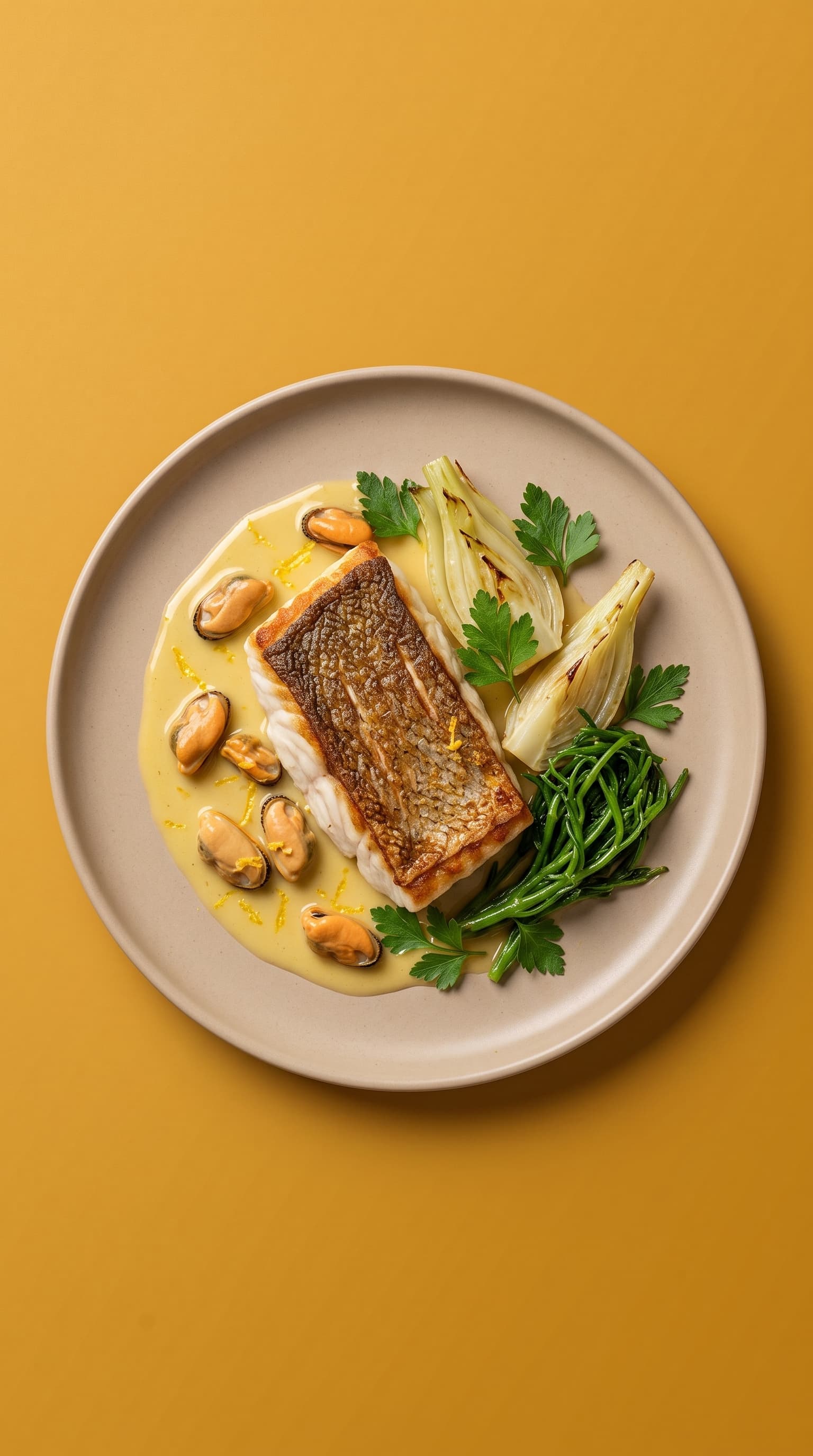
John Dory Recipe with Saffron Mussel Sauce
This John Dory recipe pairs crisp, golden skin with sweet confit fennel, tender sea aster, and a silky saffron mussel sauce. Steam the mussels first, reduce their liquor, and finish the sauce with cold butter. The dish takes about 1 hour 45 minutes and serves 4 for a special dinner.
105 min · Intermediate · Belgium
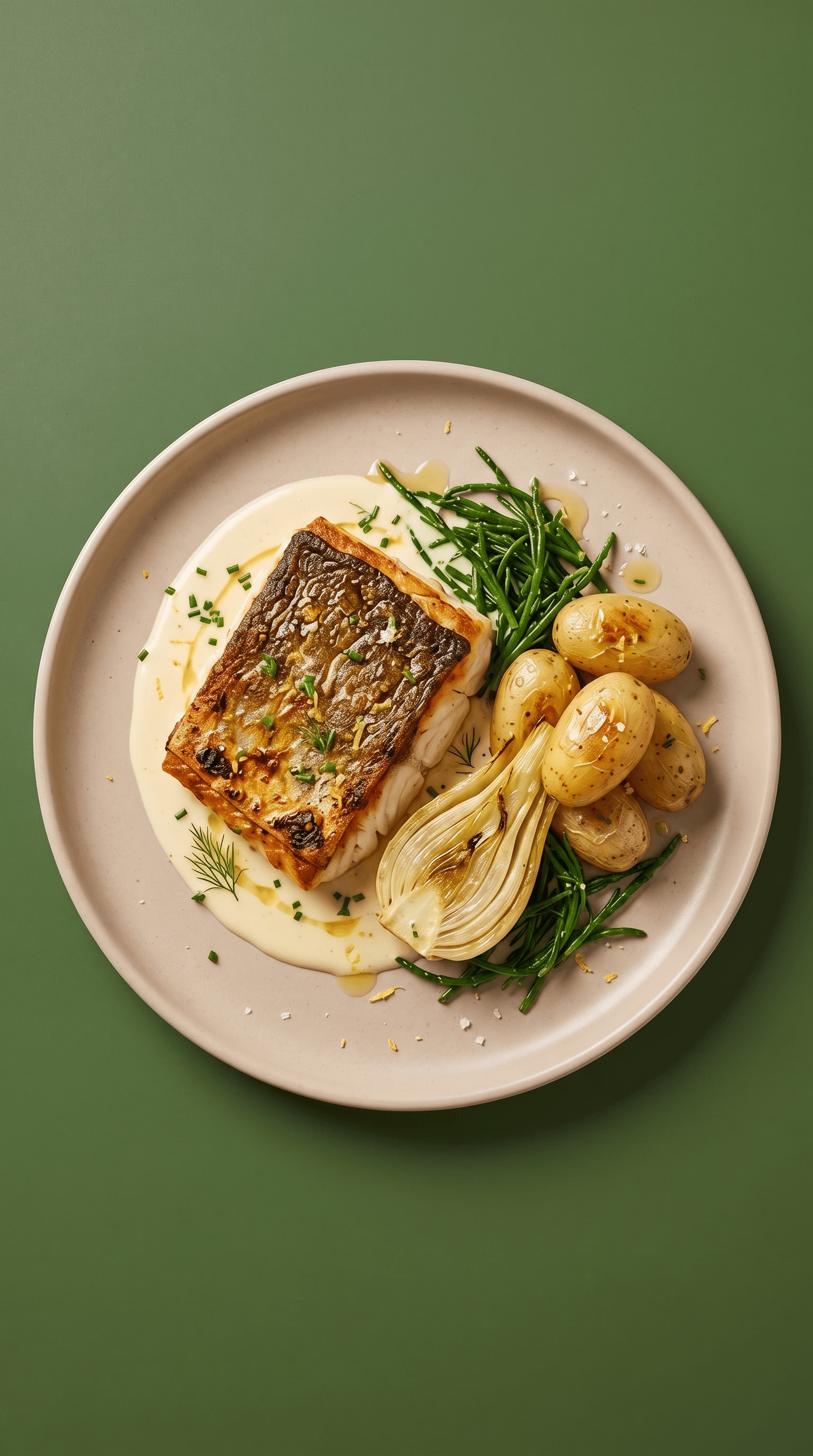
Roasted Turbot Recipe with Vermouth Beurre Blanc and Fennel
This roasted turbot recipe pairs a crisp-skinned, oven-finished fillet with a silky vermouth beurre blanc, buttery braised fennel, and confit-style baby potatoes. The trick is a hard sear for color, then a gentle 180°C / 356°F oven finish so the delicate flesh stays moist. It takes about 90 minutes total and serves 4.
90 min · Intermediate · Belgium