Brugse Zot Beer Sabayon, a Classic Belgian Dessert
20 min · Medium · Serves 4
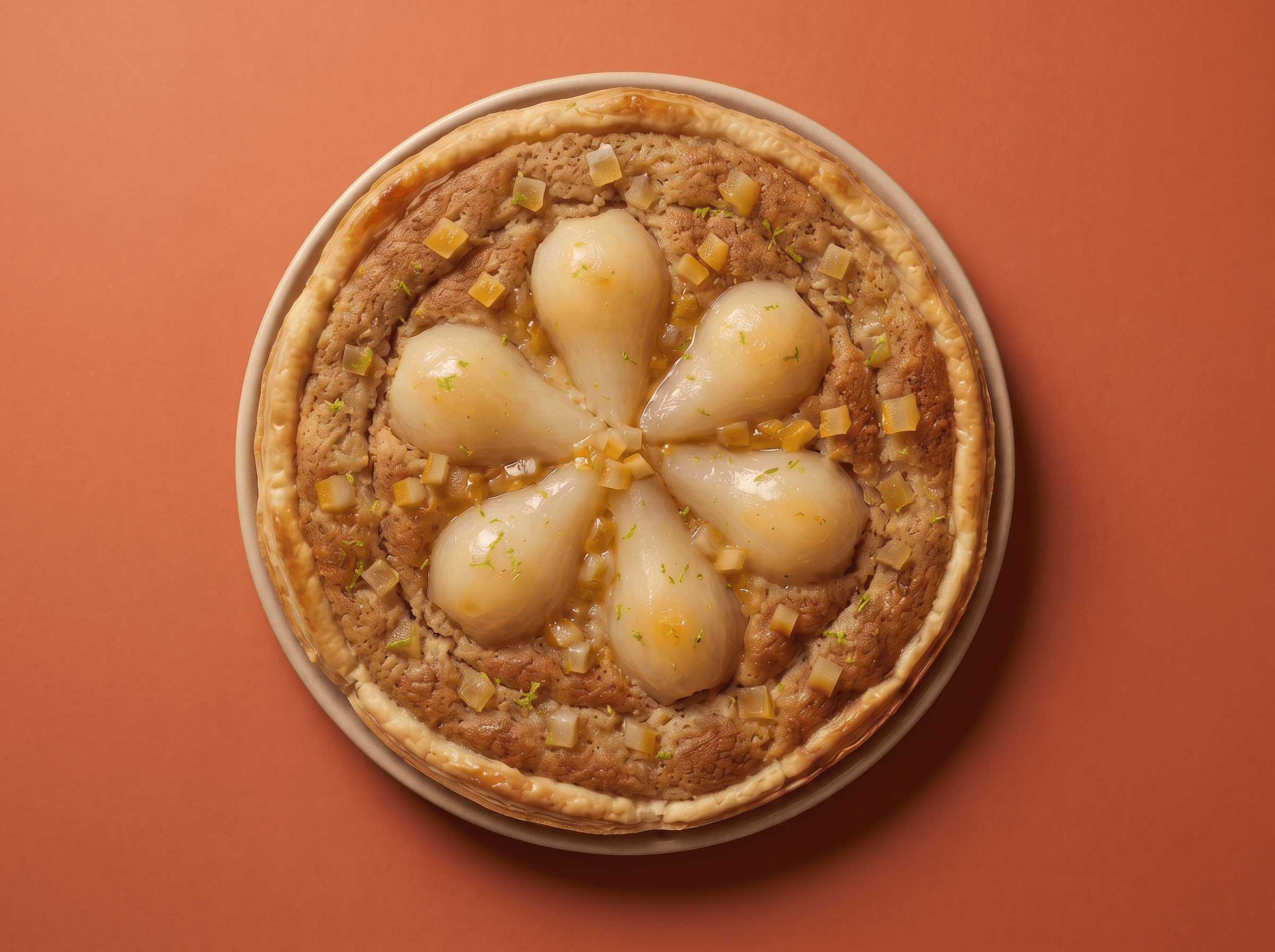 From our menuPear Tart€22.95 · Made by us, delivered chilled.
This beer sabayon is a warm, airy custard foam made with Brugse Zot blond beer, egg yolks, sugar, and a pinch of fleur de sel. Using the classic French double boiler technique, you whisk everything into a light, glossy cloud in about 15 minutes. Serves four and is best enjoyed the moment it is made.
Recipe by Christophe Rammant
Cordon Bleu Paris alumni - Two star Michelin kitchen experience
What Makes a Beer Sabayon So Light and Airy?
Traditional French sabayon technique uses gentle steam heat, never direct flame, to slowly warm the egg yolks without scrambling them. Food science shows that keeping the temperature between 140°F and 160°F / 60°C and 71°C allows the proteins to thicken gradually while you whisk in air, building that signature foam that feels almost weightless on the spoon.
Professional culinary team know that the liquid you choose shapes the whole personality of the dish. Brugse Zot blond brings honeyed malt sweetness and a soft citrus bitterness that cuts through the richness of the yolks. That gentle bitterness does the same job Champagne or Marsala does in a classic recipe, keeping the dessert bright and balanced rather than cloying.
The constant whisking is not just about adding air. Food science shows it also moves the egg mixture away from the hot sides of the bowl so no single spot gets too hot too fast. Every stroke builds the emulsion a little more, and over 8 to 12 minutes that steady effort transforms four simple ingredients into something that triples in volume and holds its shape like a warm mousse.
Estimated nutrition per serving
Estimated from ingredient weights, not lab-tested.
- Calories
- 155
- Protein
- 3g
- Fat
- 5g
- Carbohydrates
- 22g
The weekly recipe note
Enjoyed this recipe? Get the next one first.
One new recipe each week from Christophe: global flavor, French technique, and practical home-cook timing.
By signing up, you agree to receive emails from Mr. Saucy.
Ingredients
Recipe yields 4 servings
| Amount | Ingredient | Notes |
|---|---|---|
| 80 g (about 4 large yolks) | egg yolks | at room temperature |
| 80 g (6 tablespoons) | caster sugar | fine sugar dissolves faster and more evenly |
| 120 g (½ cup) | Brugse Zot blond beer | measured at room temperature; let it sit open for 5 minutes before using to release some carbonation; do not shake the bottle |
| 1 g (a small pinch) | fleur de sel | added at the very end to balance sweetness and lift the beer character |
Instructions
Set Up and Prep
- 1
Build Your Double Boiler (The Temperature Buffer)
Fill a medium saucepan with about 5 cm (2 inches) of water and bring it to a gentle simmer over medium heat. You want to see wisps of steam and small bubbles at the edges, not a rolling boil. Too much heat will scramble the eggs before they have a chance to foam.
- 2
Choose the Right Bowl
Select a large heatproof bowl, stainless steel or glass, that sits comfortably over the saucepan without touching the water. That gap between the water surface and the bottom of the bowl is your temperature buffer. It keeps the heat gentle and even, which is the whole secret to a smooth sabayon.
- 3
Whisk the Yolks and Sugar Off the Heat
Combine the egg yolks and caster sugar in the bowl while it is still off the heat. Whisk vigorously by hand for about 1 minute until the mixture turns pale yellow and slightly thickened. This step dissolves the sugar and starts building the emulsion before any heat is applied, giving you a head start on that airy texture.
- 4
Add the Beer Slowly
Pour in the Brugse Zot blond beer in a slow, steady stream while stirring. The mixture will look thin and foamy at this point, which is completely normal. The beer's natural carbonation will help aerate the sabayon as it cooks.
Cook the Sabayon
- 5
Start Whisking Over the Steam
Place the bowl over the simmering water and begin whisking continuously in large, circular strokes. Make sure your whisk reaches the sides and bottom of the bowl with every stroke. This constant movement prevents the eggs from setting unevenly in hot spots and incorporates air with every pass.
- 6
Whisk Steadily for 8 to 12 Minutes (Watch It Grow)
Keep whisking without stopping for 8 to 12 minutes. The mixture will first turn frothy, then gradually thicken and increase dramatically in volume. You are looking for it to roughly triple in size and shift from pale yellow to a warm ivory foam. If the water starts boiling hard at any point, reduce the heat immediately or briefly lift the bowl off the steam.
- 7
Do the Ribbon Test (First Doneness Check)
Lift your whisk and let the sabayon fall back into the bowl. It should hold a thick, slow-falling ribbon on the surface for at least 3 seconds before dissolving back in. If it disappears right away, keep whisking and check again in another minute or two.
- 8
Do the Spoon Test (Second Doneness Check)
Dip a spoon into the sabayon and drag your finger across the back of it. If the line holds clean and does not run, the sabayon is ready. This confirms the mixture has thickened enough to hold its structure when served.
Finish and Serve
- 9
Remove from Heat Right Away
Take the bowl off the steam the moment the sabayon passes both tests. The bowl itself holds heat and will keep cooking the eggs for another minute even off the stove. Do not leave it sitting over the water even if it looks slightly underdone.
- 10
Add the Fleur de Sel (The Finishing Touch)
Add a small pinch of fleur de sel and give one final gentle stir. The salt amplifies the beer's hop character and rounds out the sweetness without making the dessert taste salty. It is a small step that makes a noticeable difference.
- 11
Pour into Chilled Glasses and Serve Immediately
Spoon or pour the warm sabayon into four pre-chilled serving glasses right away. The contrast between the warm foam and the cold glass is part of the experience. Serve within 2 to 3 minutes before the foam begins to deflate.
The weekly recipe note
Enjoyed this recipe? Get the next one first.
One new recipe each week from Christophe: global flavor, French technique, and practical home-cook timing.
By signing up, you agree to receive emails from Mr. Saucy.
Tips & Tricks
Your sabayon is scrambling and turning grainy or lumpy:
Remove the bowl from the heat immediately and whisk vigorously off the steam for 30 seconds. If you catch it early enough you can sometimes rescue it. The most common cause is water boiling too hard, so reduce to a bare simmer and make sure the bowl never touches the water surface.
Your arm is getting tired before the sabayon is done:
Switch to a hand electric mixer on medium speed. Keep the beaters moving around the whole bowl so the heat stays even. The sabayon may cook a little faster with a mixer, so start checking the ribbon test from the 6-minute mark.
The mixture is foaming too aggressively when you add the beer:
Let the beer sit open in a glass for 5 minutes before you use it. This releases some of the carbonation so the mixture stays manageable and you can judge the texture more easily as it cooks.
You need a few extra minutes before serving but the sabayon is already done:
Place the bowl briefly over a second bowl filled with ice water and whisk gently. This slows the residual cooking and buys you 5 to 10 minutes without significant loss of texture or volume.
You are not sure if you have whisked in enough air:
Look for three signs together: the volume should have roughly tripled, the texture should look like a thick glossy mousse rather than a liquid, and it should feel noticeably lighter on the whisk. If it still pours easily, keep going.
Your sabayon is scrambling and turning grainy or lumpy:
Remove the bowl from the heat immediately and whisk vigorously off the steam for 30 seconds. If you catch it early enough you can sometimes rescue it. The most common cause is water boiling too hard, so reduce to a bare simmer and make sure the bowl never touches the water surface.
Your arm is getting tired before the sabayon is done:
Switch to a hand electric mixer on medium speed. Keep the beaters moving around the whole bowl so the heat stays even. The sabayon may cook a little faster with a mixer, so start checking the ribbon test from the 6-minute mark.
The mixture is foaming too aggressively when you add the beer:
Let the beer sit open in a glass for 5 minutes before you use it. This releases some of the carbonation so the mixture stays manageable and you can judge the texture more easily as it cooks.
You need a few extra minutes before serving but the sabayon is already done:
Place the bowl briefly over a second bowl filled with ice water and whisk gently. This slows the residual cooking and buys you 5 to 10 minutes without significant loss of texture or volume.
You are not sure if you have whisked in enough air:
Look for three signs together: the volume should have roughly tripled, the texture should look like a thick glossy mousse rather than a liquid, and it should feel noticeably lighter on the whisk. If it still pours easily, keep going.
Frequently Asked Questions
Can I make this beer sabayon ahead of time?
Partially, yes. You can whisk the egg yolks and sugar together in advance and keep them covered in the fridge, then add the beer and cook to order. A fully made sabayon deflates within minutes, so it is best cooked fresh. If you need a stable make-ahead version, fold the finished sabayon into lightly whipped cream, though you will lose some of the airy drama.
Why does my sabayon keep scrambling?
The water is almost certainly boiling too hard. The bowl should be heated by steam only, with no direct contact with the boiling water. Reduce to a bare simmer and keep whisking constantly. Stopping even briefly lets the eggs at the bottom of the bowl overcook. A wider bowl also helps distribute the heat more evenly.
Can I use a hand mixer instead of whisking by hand?
Yes, a hand electric mixer works well and reduces arm fatigue significantly. Use a medium speed and keep the beaters moving around the whole bowl to ensure even heat distribution. The sabayon may cook slightly faster with a mixer, so watch the ribbon test closely from the 6-minute mark onward.
Is there an alcohol-free version of this sabayon?
Yes. Replace the beer with 80 g fresh apple juice and 40 g pear juice with a small squeeze of lemon. This mimics the fruity, slightly bitter profile of Brugse Zot blond without the alcohol. The technique is identical. Avoid plain water or milk as substitutes since they lack the flavor complexity needed to balance the eggs.
What can I serve alongside this sabayon?
It pairs beautifully with fresh or poached fruit. Sliced pears, roasted figs, or fresh raspberries all work well. A crisp tuile or a simple shortbread biscuit adds a nice textural contrast. For a more substantial dessert, spoon it over a slice of ginger and pear almond tart.
Can I use a different Belgian beer for this recipe?
Brugse Zot blond is strongly recommended because its honey malt sweetness and mild citrus bitterness complement the egg yolks without overpowering them. Avoid the Brugse Zot Dubbel for this recipe as its roasted, dark fruit notes will clash with the delicate foam. If you cannot find Brugse Zot, look for another light Belgian blond ale with a similar profile.
How do I know when the sabayon is fully cooked?
Use two checks together. First, the ribbon test: lift your whisk and the sabayon should hold a slow, thick ribbon on the surface for at least 3 seconds. Second, the spoon test: drag your finger across the back of a dipped spoon and the line should hold clean without running. The volume should also have roughly tripled from the start.
Can I make this beer sabayon ahead of time?
Partially, yes. You can whisk the egg yolks and sugar together in advance and keep them covered in the fridge, then add the beer and cook to order. A fully made sabayon deflates within minutes, so it is best cooked fresh. If you need a stable make-ahead version, fold the finished sabayon into lightly whipped cream, though you will lose some of the airy drama.
Why does my sabayon keep scrambling?
The water is almost certainly boiling too hard. The bowl should be heated by steam only, with no direct contact with the boiling water. Reduce to a bare simmer and keep whisking constantly. Stopping even briefly lets the eggs at the bottom of the bowl overcook. A wider bowl also helps distribute the heat more evenly.
Can I use a hand mixer instead of whisking by hand?
Yes, a hand electric mixer works well and reduces arm fatigue significantly. Use a medium speed and keep the beaters moving around the whole bowl to ensure even heat distribution. The sabayon may cook slightly faster with a mixer, so watch the ribbon test closely from the 6-minute mark onward.
Is there an alcohol-free version of this sabayon?
Yes. Replace the beer with 80 g fresh apple juice and 40 g pear juice with a small squeeze of lemon. This mimics the fruity, slightly bitter profile of Brugse Zot blond without the alcohol. The technique is identical. Avoid plain water or milk as substitutes since they lack the flavor complexity needed to balance the eggs.
What can I serve alongside this sabayon?
It pairs beautifully with fresh or poached fruit. Sliced pears, roasted figs, or fresh raspberries all work well. A crisp tuile or a simple shortbread biscuit adds a nice textural contrast. For a more substantial dessert, spoon it over a slice of ginger and pear almond tart.
Can I use a different Belgian beer for this recipe?
Brugse Zot blond is strongly recommended because its honey malt sweetness and mild citrus bitterness complement the egg yolks without overpowering them. Avoid the Brugse Zot Dubbel for this recipe as its roasted, dark fruit notes will clash with the delicate foam. If you cannot find Brugse Zot, look for another light Belgian blond ale with a similar profile.
How do I know when the sabayon is fully cooked?
Use two checks together. First, the ribbon test: lift your whisk and the sabayon should hold a slow, thick ribbon on the surface for at least 3 seconds. Second, the spoon test: drag your finger across the back of a dipped spoon and the line should hold clean without running. The volume should also have roughly tripled from the start.
Recipe Reviews
No reviews yet — Be the first to review this recipe!
The collection
All recipesVenison Fillet Recipe with Blackberry Juniper Jus
This venison fillet recipe gives you tender, rosy meat with a quick sear and gentle roasting. Serve it with silky celeriac mousseline, honey-glazed carrots, blackberry-juniper jus, and crisp hazelnuts. Plan about 3 hours for cooking and resting, plus advance chilling if you dry-season the venison overnight. It serves 4.
180 min · Intermediate · Belgium
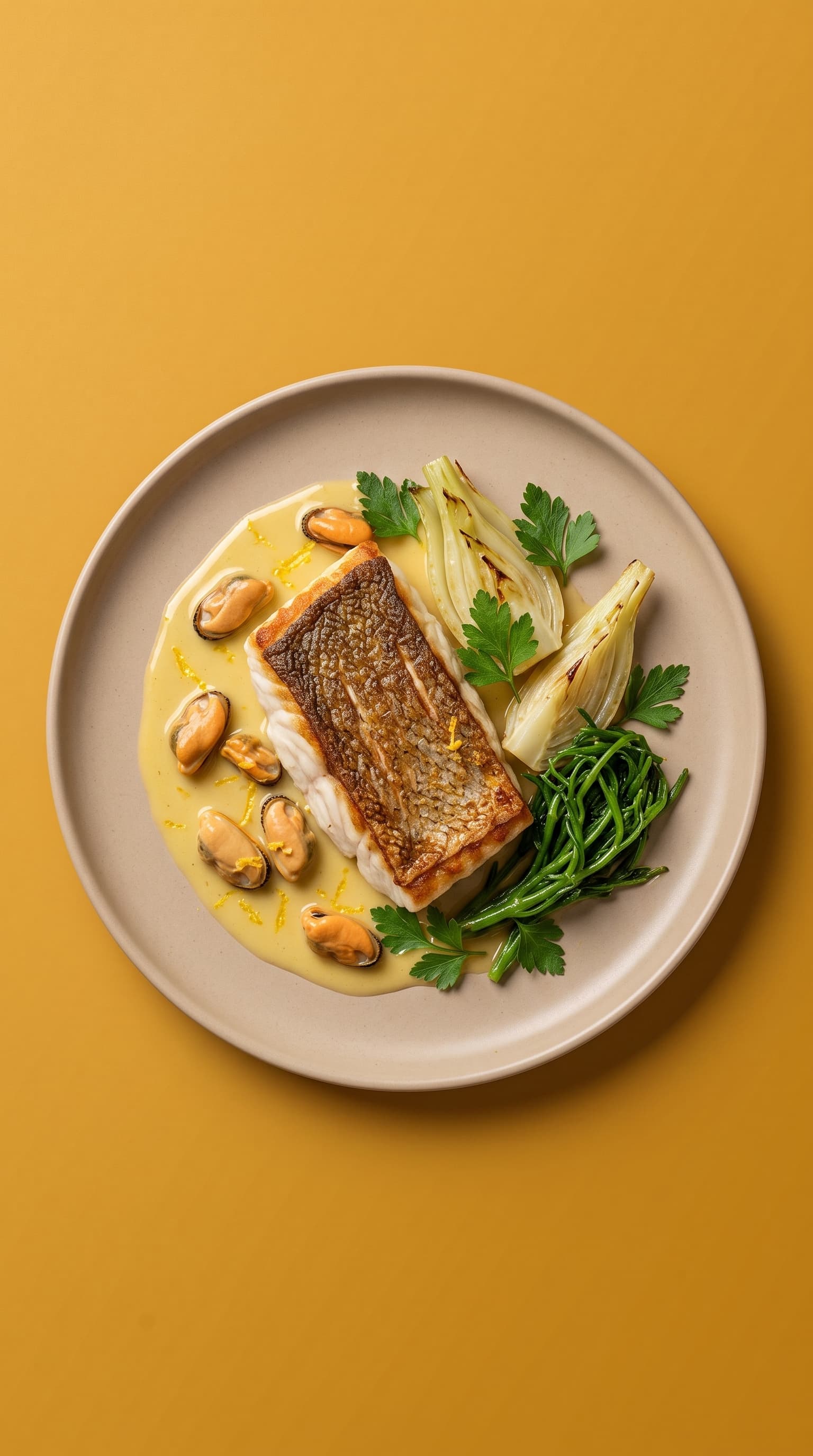
John Dory Recipe with Saffron Mussel Sauce
This John Dory recipe pairs crisp, golden skin with sweet confit fennel, tender sea aster, and a silky saffron mussel sauce. Steam the mussels first, reduce their liquor, and finish the sauce with cold butter. The dish takes about 1 hour 45 minutes and serves 4 for a special dinner.
105 min · Intermediate · Belgium
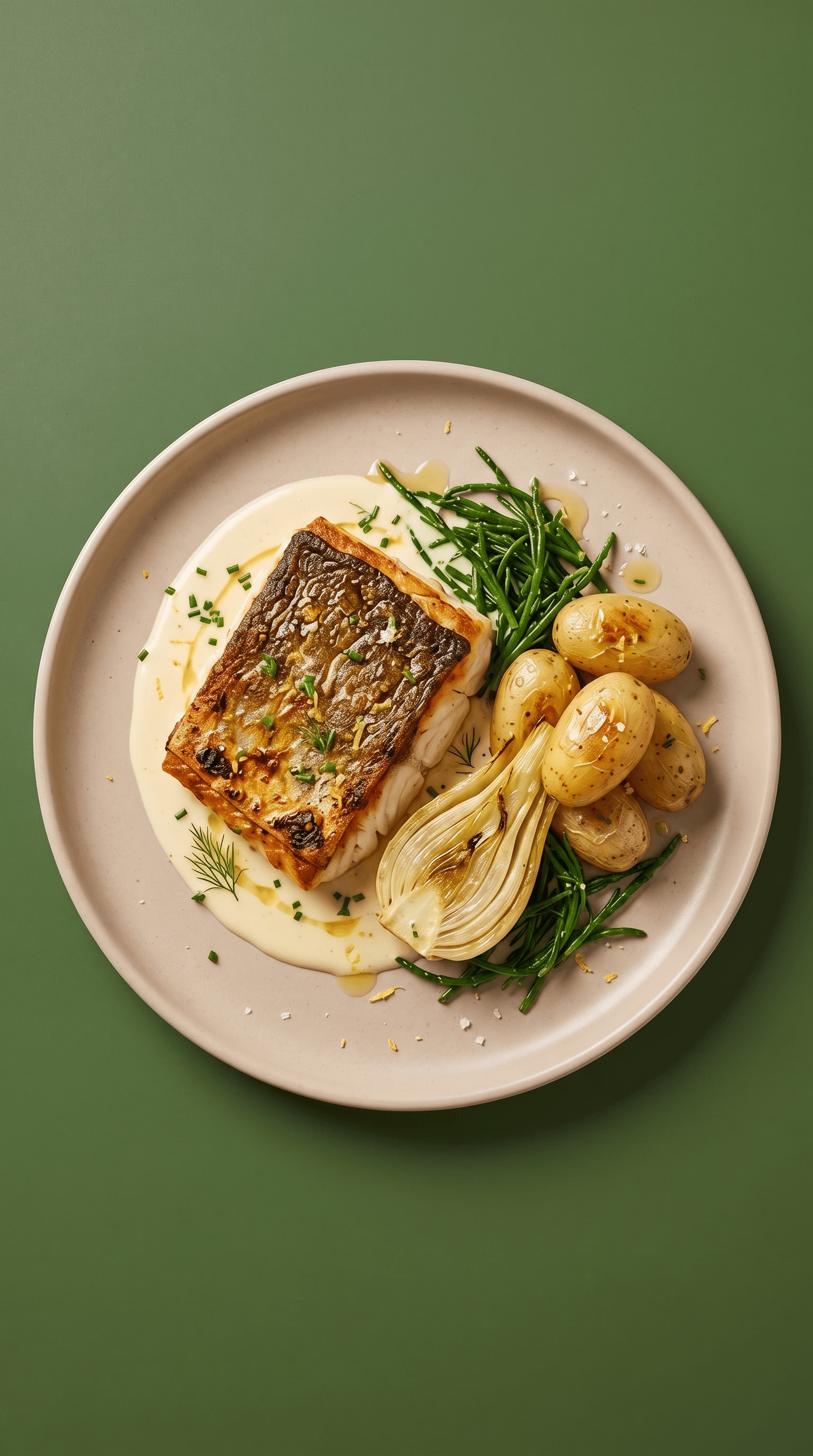
Roasted Turbot Recipe with Vermouth Beurre Blanc and Fennel
This roasted turbot recipe pairs a crisp-skinned, oven-finished fillet with a silky vermouth beurre blanc, buttery braised fennel, and confit-style baby potatoes. The trick is a hard sear for color, then a gentle 180°C / 356°F oven finish so the delicate flesh stays moist. It takes about 90 minutes total and serves 4.
90 min · Intermediate · Belgium