Quiche Lorraine with Crispy Blind-Baked Crust
50 min · Medium · Serves 5-6
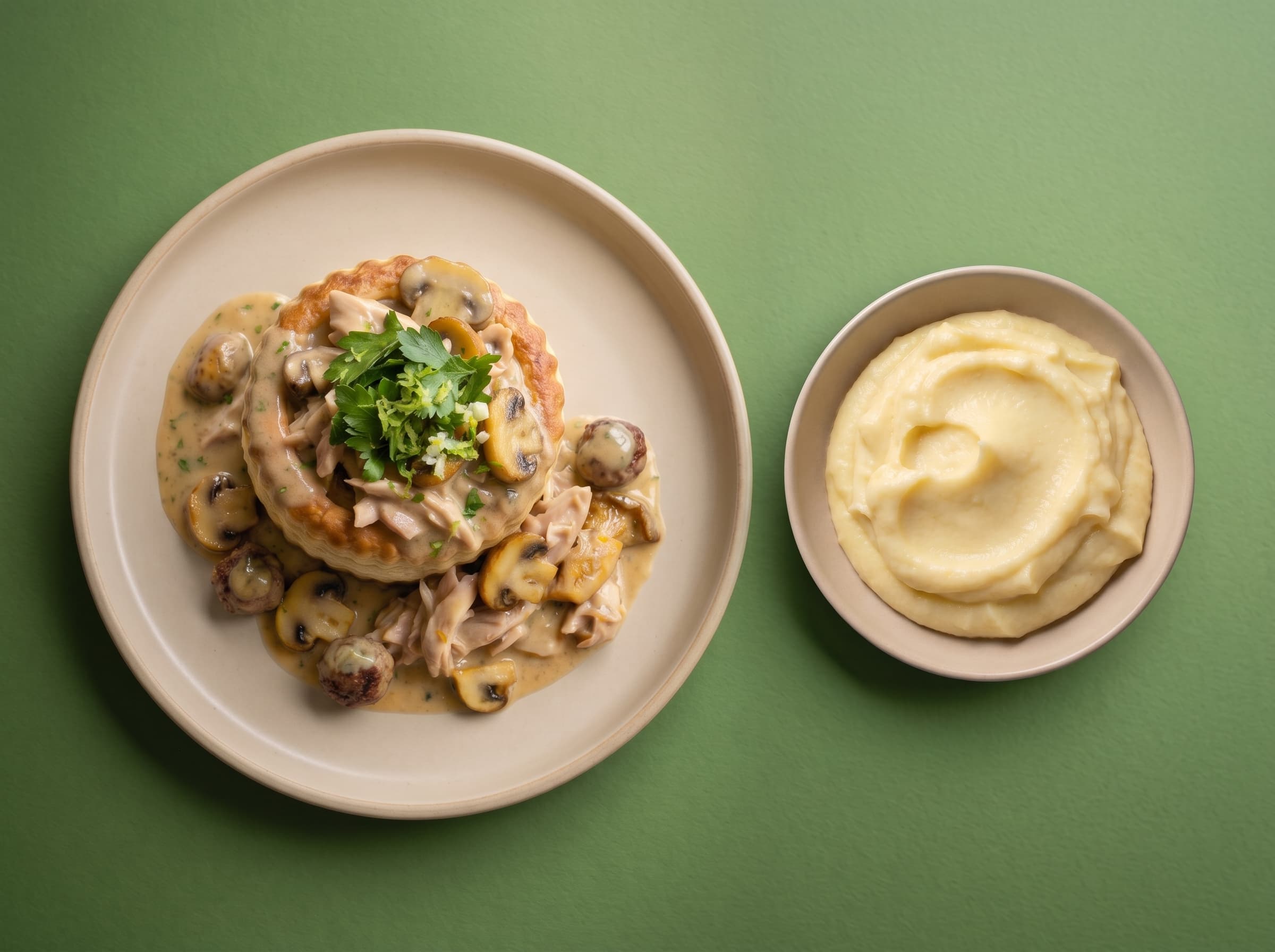 From our menuVol-au-Vent East meets West€19.95 · Made by us, delivered chilled.
Quiche Lorraine is a classic French savory tart with smoky bacon, optional Gruyère, and a silky egg custard baked in a crisp, blind-baked crust. The trick to a crunchy bottom is a quick high-heat pre-bake before the filling goes in. Ready in about 50 minutes and perfect for 5 to 6 servings at brunch or dinner.
Recipe by Christophe Rammant
Cordon Bleu Paris alumni - Two star Michelin kitchen experience
Why Does Blind Baking Give You a Crisp, Never-Soggy Crust?
Traditional French pastry technique calls for a short blast of high heat before any filling touches the dough. This quick sear at 200°C / 400°F sets the surface of the pastry into a waterproof shield, so the egg custard can't soak in and turn the bottom mushy.
Food science shows that eggs, cream, and milk form a delicate custard called an appareil. Gentle whisking, not vigorous beating, keeps air out of the mix, so the quiche bakes into a smooth, silky texture instead of puffing up and collapsing like a soufflé.
Professional culinary team know that starch is a simple insurance policy for cold quiche. A tablespoon of cornstarch in the raw egg mix helps hold moisture inside the custard as it cools, so you get clean slices instead of a watery, weeping tart.
The weekly recipe note
Enjoyed this recipe? Get the next one first.
One new recipe each week from Christophe: global flavor, French technique, and practical home-cook timing.
By signing up, you agree to receive emails from Mr. Saucy.
Ingredients
Recipe yields 5-6 servings
For the Crust
| Amount | Ingredient | Notes |
|---|---|---|
| 300 g | Shortcrust or puff pastry | enough to line one standard tart tin |
For the Filling
| Amount | Ingredient | Notes |
|---|---|---|
| 100 g | Smoked bacon | chopped |
| 100 g | Gruyère cheese | sliced; optional for traditionalists |
For the Custard
| Amount | Ingredient | Notes |
|---|---|---|
| 150 g | Eggs | approximately 3 large eggs |
| 125 g | Fresh cream | — |
| 30 g | Milk | approximately 2 tablespoons |
| to taste | Salt | — |
| to taste | Pepper | — |
For Serving Cold (Optional)
| Amount | Ingredient | Notes |
|---|---|---|
| 10 g | Potato starch or cornstarch | 1 tablespoon; only if serving cold |
Instructions
Prep the Crust
- 1
Get Your Tart Tin Ready
If you're using shortcrust pastry, grease the tin with butter and dust it with flour so nothing sticks. If you're using puff pastry, lightly moisten the tin with water instead. This little bit of steam helps puff pastry rise nicely as it bakes.
- 2
Line the Tin and Blind Bake (The Soggy-Bottom Fix)
Roll out the dough and press it into the tin, then blind bake in a fully preheated oven at 200°C / 400°F for 5 minutes. This quick blast of high heat sears the surface of the dough, creating a barrier so the custard won't seep in and make the crust soggy.
Make the Custard and Fill
- 3
Whisk the Custard Base
While the crust is baking, whisk together the eggs, milk, cream, salt, and pepper until just combined and smooth. Whisk gently, not to a foam. Too much air whipped in can make the quiche puff up in the oven and then sink into a rubbery texture.
- 4
Layer in the Bacon and Cheese
Spread the chopped bacon and sliced Gruyère evenly over the warm, pre-baked crust. Spreading it out evenly means every single slice gets a fair share of smoky, salty flavor instead of one bite with everything and the rest plain.
- 5
Pour the Custard Over the Filling
Gently pour the egg mixture over the bacon and cheese, filling the crust almost to the top. Pouring slowly keeps the fillings from shifting around, so they stay nicely distributed instead of clumping in one spot.
Bake to Perfection
- 6
Bake Until Just Set
Bake in a hot oven at 190°C / 375°F for about 30 minutes. You'll know it's done when the top turns golden and the custard is set around the edges but still has a slight wobble in the very center, similar to a gently set custard, not a rock-solid one. It will finish firming up as it cools.
- 7
Stabilize for Cold Serving (Optional)
If you plan to serve the quiche cold, whisk 1 tablespoon of potato starch or cornstarch into the raw egg mixture before pouring it in, back in step 5. The starch helps hold moisture inside the custard as it cools, so you avoid watery 'weeping' on your plate.
The weekly recipe note
Enjoyed this recipe? Get the next one first.
One new recipe each week from Christophe: global flavor, French technique, and practical home-cook timing.
By signing up, you agree to receive emails from Mr. Saucy.
Tips & Tricks
your crust turns out soggy on the bottom:
Make sure your oven is fully preheated before the 5-minute blind bake. That first blast of high heat, right at 200°C / 400°F, seals the surface of the dough so the custard can't soak in later.
the crust edges are browning too fast while the center is still wobbly:
Wrap a ring of aluminum foil around just the edges of the crust. This shields the pastry from direct heat while the center finishes setting.
your quiche puffed up and then collapsed into a rubbery texture:
You likely over-beat the eggs into a foam. Next time, whisk just until smooth and combined, no extra air, for a silky texture instead.
your quiche leaks water after it cools (syneresis):
This happens when the eggs overcook and squeeze out moisture. Pull the quiche from the oven while the center still has a slight wobble, and add a tablespoon of cornstarch to the custard if you're serving it cold.
you're worried the bacon will taste boiled instead of crispy:
Lightly sauté the bacon first to render some fat before adding it to the crust. This keeps the quiche from turning greasy and gives you crisp, not soggy, bacon bits.
you don't have Gruyère on hand:
Swap in Emmental, Comté, or a mild Swiss cheese. They melt just as beautifully without turning oily or overpowering the delicate egg custard.
your crust turns out soggy on the bottom:
Make sure your oven is fully preheated before the 5-minute blind bake. That first blast of high heat, right at 200°C / 400°F, seals the surface of the dough so the custard can't soak in later.
the crust edges are browning too fast while the center is still wobbly:
Wrap a ring of aluminum foil around just the edges of the crust. This shields the pastry from direct heat while the center finishes setting.
your quiche puffed up and then collapsed into a rubbery texture:
You likely over-beat the eggs into a foam. Next time, whisk just until smooth and combined, no extra air, for a silky texture instead.
your quiche leaks water after it cools (syneresis):
This happens when the eggs overcook and squeeze out moisture. Pull the quiche from the oven while the center still has a slight wobble, and add a tablespoon of cornstarch to the custard if you're serving it cold.
you're worried the bacon will taste boiled instead of crispy:
Lightly sauté the bacon first to render some fat before adding it to the crust. This keeps the quiche from turning greasy and gives you crisp, not soggy, bacon bits.
you don't have Gruyère on hand:
Swap in Emmental, Comté, or a mild Swiss cheese. They melt just as beautifully without turning oily or overpowering the delicate egg custard.
Frequently Asked Questions
Can I make this Quiche Lorraine ahead of time?
Yes, you can bake it a day in advance. If serving cold, add the cornstarch to the custard to keep it firm. To serve warm, reheat gently in a 150°C / 300°F oven for 15 minutes so the pastry stays crisp without overcooking the eggs.
Why is my quiche releasing water after it cools?
This is called syneresis, and it happens when egg proteins overcook and squeeze out moisture. To prevent it, don't overbake the quiche, and if serving it cold, whisk in a tablespoon of cornstarch to help the custard hold onto its moisture.
What is the best substitute for Gruyère cheese?
Emmental, Comté, or a mild Swiss cheese all work great. They melt smoothly without becoming oily or overpowering the delicate egg custard, which is exactly what you want in a classic Quiche Lorraine.
Do I need to cook the bacon before putting it in the tart?
It's best to lightly sauté it first, even though the recipe allows adding it raw. Sautéing renders some fat and gives you crisp, flavorful bacon instead of pieces that essentially boil in the custard while baking.
How do I know when the quiche is fully baked?
Look for a golden top and a custard that's set around the edges but still has a slight wobble in the very center, around 190°F / 88°C internally. It will continue to firm up as it cools on the counter.
Can I skip the Gruyère cheese entirely?
Yes, cheese is optional in traditional Quiche Lorraine, and purists often leave it out. The dish will still taste rich and satisfying thanks to the smoky bacon and silky egg custard.
What if I don't have a tart tin?
A regular pie dish works fine as a substitute. Just keep an eye on baking time since a deeper dish may need a few extra minutes for the custard to fully set in the center.
Can I make this Quiche Lorraine ahead of time?
Yes, you can bake it a day in advance. If serving cold, add the cornstarch to the custard to keep it firm. To serve warm, reheat gently in a 150°C / 300°F oven for 15 minutes so the pastry stays crisp without overcooking the eggs.
Why is my quiche releasing water after it cools?
This is called syneresis, and it happens when egg proteins overcook and squeeze out moisture. To prevent it, don't overbake the quiche, and if serving it cold, whisk in a tablespoon of cornstarch to help the custard hold onto its moisture.
What is the best substitute for Gruyère cheese?
Emmental, Comté, or a mild Swiss cheese all work great. They melt smoothly without becoming oily or overpowering the delicate egg custard, which is exactly what you want in a classic Quiche Lorraine.
Do I need to cook the bacon before putting it in the tart?
It's best to lightly sauté it first, even though the recipe allows adding it raw. Sautéing renders some fat and gives you crisp, flavorful bacon instead of pieces that essentially boil in the custard while baking.
How do I know when the quiche is fully baked?
Look for a golden top and a custard that's set around the edges but still has a slight wobble in the very center, around 190°F / 88°C internally. It will continue to firm up as it cools on the counter.
Can I skip the Gruyère cheese entirely?
Yes, cheese is optional in traditional Quiche Lorraine, and purists often leave it out. The dish will still taste rich and satisfying thanks to the smoky bacon and silky egg custard.
What if I don't have a tart tin?
A regular pie dish works fine as a substitute. Just keep an eye on baking time since a deeper dish may need a few extra minutes for the custard to fully set in the center.
Recipe Reviews
No reviews yet — Be the first to review this recipe!
The collection
All recipesPheasant with Grapes, Verjus Jus and Celery Root
This pheasant with grapes recipe pairs juicy roast pheasant with glossy Muscat grapes, sweet caramelised shallots, and bright verjus jus. Gentle pan-roasting keeps the skin crisp, while celery root purée adds silky depth. Plan on about 2 hours for 4 servings, with several parts ready ahead for an easy dinner party.
120 min · Intermediate · France
Poires Belle Hélène Recipe with Wine Poached Pears
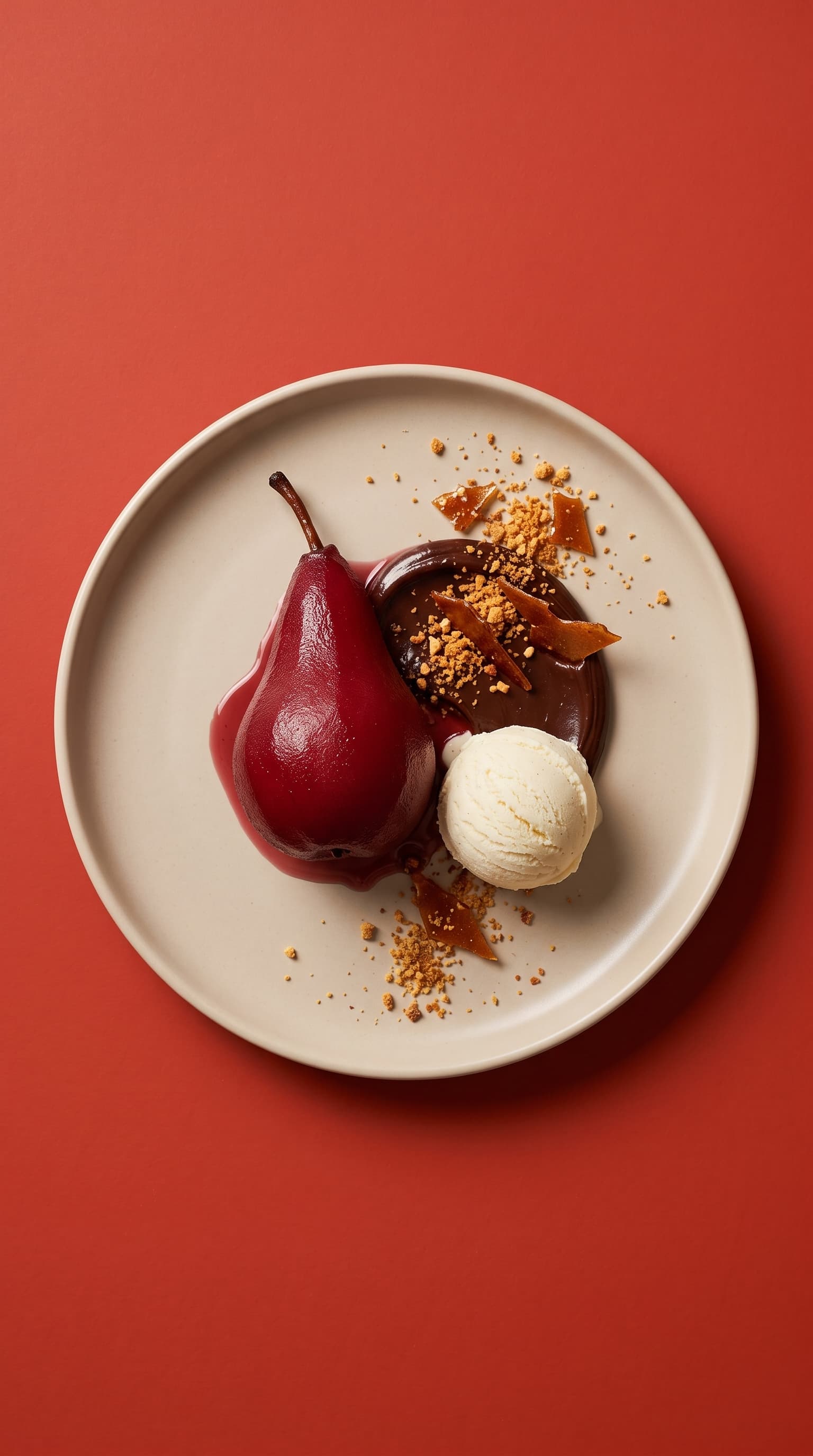
This poires belle hélène recipe pairs tender red wine poached Conference pears with warm dark chocolate sauce, cold vanilla ice cream, and crisp hazelnut praline. Gentle poaching keeps the pears whole and silky. Plan about 2 hours for cooking and cooling, and serve 4 people right away for the best warm and cold contrast.
150 min · Intermediate · France
Roast Partridge Recipe with Celeriac Mousseline
This roast partridge recipe pairs rosy roasted breast with a crisp confited leg, silky celeriac mousseline, glazed baby carrots, and a glossy juniper-port jus. Dry-brining helps the lean meat stay seasoned and juicy. Allow about 3 hours for cooking and resting, plus overnight dry-brining if you have time. Serves 4.
210 min · Intermediate · France