Crispy Dumpling Eggs Benedict with Miso Hollandaise
45 min · Medium · Serves 4
 From our menuCoq au vin€22.95 · Made by us, delivered chilled.
This crispy dumpling eggs benedict swaps the English muffin for golden, pan-fried pork dumplings topped with a runny poached egg and a silky miso hollandaise. The whole dish comes together in about 45 minutes and serves four. It is the ultimate cozy brunch that feels special but is totally doable at home.
Recipe by Christophe Rammant
Cordon Bleu Paris alumni - Two star Michelin kitchen experience
What Makes This Fusion Benedict So Satisfying?
Traditional French technique tells us that hollandaise is all about a slow, steady emulsion. Whisking warm egg yolks over gentle heat before adding butter creates a creamy base that holds everything together. The white miso paste adds a deep, savory flavor and actually helps the sauce stay smooth and stable.
Professional culinary team know that the secret to great potstickers is the steam-fry method. You first fry the dumplings to build a crunchy golden crust, then add water and cover the pan. The trapped steam cooks the filling all the way through without burning the outside.
Food science shows that contrast is what makes a dish truly craveable. The crispy dumpling bottom, the soft egg white, the runny yolk, and the rich sauce all hit different textures at once. That layered experience is what keeps you going back for another bite.
Estimated nutrition per serving
Estimated from ingredient weights, not lab-tested.
- Calories
- 708
- Protein
- 19g
- Fat
- 59g
- Carbohydrates
- 27g
The weekly recipe note
Enjoyed this recipe? Get the next one first.
One new recipe each week from Christophe: global flavor, French technique, and practical home-cook timing.
By signing up, you agree to receive emails from Mr. Saucy.
Ingredients
Recipe yields 4 servings
For the Crispy Dumplings
| Amount | Ingredient | Notes |
|---|---|---|
| 400 g (16 pieces) | Pork and chive dumplings | fresh or frozen; if frozen, use straight from the freezer |
| 30 g (2 tablespoons) | Neutral oil | canola or vegetable oil, for pan-frying |
| 60 g (¼ cup) | Water | for steaming the dumplings in the pan |
For the Miso Hollandaise
| Amount | Ingredient | Notes |
|---|---|---|
| 50 g (3 yolks) | Large egg yolks | at room temperature |
| 150 g (⅔ cup) | Unsalted butter | melted and clarified, or melted and skimmed of milk solids |
| 15 g (1 tablespoon) | White (shiro) miso paste | adds umami depth and helps stabilize the sauce |
| 15 g (1 tablespoon) | Fresh lemon juice | freshly squeezed |
For the Poached Eggs
| Amount | Ingredient | Notes |
|---|---|---|
| 200 g (4 eggs) | Large eggs | as fresh as possible for the neatest poach |
For Garnish
| Amount | Ingredient | Notes |
|---|---|---|
| 20 g | Scallions | finely sliced |
| 10 g | Black sesame seeds | toasted |
| 5 g | Fresh chives or chervil | finely chopped, for a classical French touch |
| 10 g | Chili crisp or rayu | optional, for a precise hint of heat |
Instructions
Make the Miso Hollandaise
- 1
Build the Yolk Base
Add the 3 egg yolks, white miso paste, and lemon juice to a heatproof bowl. Whisk them together until the mixture looks smooth and slightly pale. Starting with these three ingredients together means the acid and miso are evenly mixed before any heat is applied, which gives you a more stable sauce.
- 2
Warm the Yolks Over a Bain-Marie (The Gentle Heat Trick)
Set the bowl over a pot of barely simmering water, making sure the bottom of the bowl does not touch the water. Whisk constantly for 3 to 4 minutes until the mixture thickens and falls from the whisk in slow, ribbon-like streams. The water temperature should stay around 140°F to 150°F / 60°C to 65°C. Too hot and the eggs will scramble; too cool and the sauce will not thicken.
- 3
Add the Butter (Build the Emulsion)
Remove the bowl from the heat. Very slowly drizzle in the melted butter, a few drops at a time at first, whisking vigorously the whole time. Once the sauce starts to look thick and glossy, you can pour the butter in a thin, steady stream. The slow addition gives each drop of butter time to blend in before the next one arrives, which is what creates that smooth, creamy texture.
- 4
Keep the Sauce Warm
Place the finished hollandaise bowl inside a larger bowl filled with warm (not hot) water, around 110°F / 43°C. This keeps the sauce at the perfect pourable temperature while you cook everything else. Give it a quick stir every few minutes so it stays smooth.
Fry and Steam the Dumplings
- 5
Get the Pan Hot (The Crust Starts Here)
Heat the neutral oil in a large non-stick skillet over medium-high heat until it shimmers and moves easily around the pan. A properly preheated pan is the key to a deep golden crust. If the pan is not hot enough, the dumplings will steam instead of fry and the bottoms will be soft.
- 6
Fry the Dumplings Flat-Side Down
Arrange all 16 dumplings in a single layer, flat-side down, without crowding them. Let them fry undisturbed for 2 to 3 minutes until the bottoms are a deep golden brown. Do not move them around. Leaving them still lets the crust form properly.
- 7
Steam to Cook the Filling (The Steam-Fry Method)
Carefully pour the 60 g (¼ cup) of water into the hot pan and immediately cover with a tight-fitting lid. The water will sizzle loudly. Let the dumplings steam for 4 to 5 minutes (add 1 extra minute if cooking from frozen) until the wrappers look soft and the pork filling is cooked through to 160°F / 71°C.
- 8
Re-Crisp the Bottoms
Remove the lid and let the remaining water evaporate for about 1 minute. You will hear the sizzling return as the bottoms crisp back up. Once the pan sounds dry and the bottoms look golden again, transfer 4 dumplings to each of the 4 serving plates, crispy-side facing up.
Poach the Eggs
- 9
Set Up the Poaching Water
Bring a wide pot of water to a gentle simmer, around 180°F / 82°C. You want small bubbles rising slowly, not a rolling boil. Add a splash of white vinegar. The acid helps the egg white proteins firm up faster, which keeps the egg neat and compact instead of spreading into wispy strands.
- 10
Poach the Eggs One at a Time
Stir the water gently to create a slow whirlpool, then slide in one egg at a time close to the surface of the water. The swirling motion wraps the white around the yolk naturally. Cook for 3 minutes for a runny yolk. The white should look fully set and opaque while the yolk underneath still feels soft when you gently press it with a spoon.
- 11
Drain and Place the Eggs
Lift each egg out with a slotted spoon and rest it briefly on a folded paper towel to absorb any extra water. Then place one egg on top of each cluster of 4 dumplings. Moving quickly here keeps everything warm.
Finish and Serve
- 12
Sauce and Garnish (The Final Touch)
Spoon the warm miso hollandaise generously over each egg and let it drape down over the dumplings. Then scatter the sliced scallions, toasted black sesame seeds, and fresh chives or chervil over the top. If you like heat, add a small drop of chili crisp right in the center. Serve immediately while everything is hot and the yolks are still runny.
The weekly recipe note
Enjoyed this recipe? Get the next one first.
One new recipe each week from Christophe: global flavor, French technique, and practical home-cook timing.
By signing up, you agree to receive emails from Mr. Saucy.
Tips & Tricks
Your hollandaise breaks and looks grainy or oily:
Take the bowl off the heat right away and whisk in one teaspoon of hot water with a lot of energy. The added moisture and fast whisking can bring the emulsion back together. Start with just a few drops and keep whisking before adding more.
Your dumpling bottoms are soft instead of crispy:
Make sure the pan is fully preheated before the dumplings go in, and do not crowd them. After steaming, keep the lid off and let all the water evaporate completely. The sizzling sound will tell you when the bottoms are crisping back up.
Your poached eggs spread out and look messy:
Use the freshest eggs you can find. Fresh egg whites are tighter and hold their shape better. Also make sure the water is at a gentle simmer, not a hard boil, and always add a splash of white vinegar to help the whites set quickly.
You are cooking from frozen dumplings:
No need to thaw them first. Place them straight from the freezer into the hot oiled pan. Just add one extra minute to the steaming time to make sure the pork filling reaches a safe internal temperature of 160°F / 71°C all the way through.
Your hollandaise breaks and looks grainy or oily:
Take the bowl off the heat right away and whisk in one teaspoon of hot water with a lot of energy. The added moisture and fast whisking can bring the emulsion back together. Start with just a few drops and keep whisking before adding more.
Your dumpling bottoms are soft instead of crispy:
Make sure the pan is fully preheated before the dumplings go in, and do not crowd them. After steaming, keep the lid off and let all the water evaporate completely. The sizzling sound will tell you when the bottoms are crisping back up.
Your poached eggs spread out and look messy:
Use the freshest eggs you can find. Fresh egg whites are tighter and hold their shape better. Also make sure the water is at a gentle simmer, not a hard boil, and always add a splash of white vinegar to help the whites set quickly.
You are cooking from frozen dumplings:
No need to thaw them first. Place them straight from the freezer into the hot oiled pan. Just add one extra minute to the steaming time to make sure the pork filling reaches a safe internal temperature of 160°F / 71°C all the way through.
Frequently Asked Questions
Can I make the miso hollandaise ahead of time?
Yes, but only by about an hour. Keep it in a heatproof bowl set over warm water at around 110°F / 43°C and stir it every few minutes. If it thickens too much, whisk in a few drops of warm water to bring it back to a smooth, pourable consistency. Do not refrigerate and reheat it.
What if I don't have white miso paste?
You can substitute an equal amount of light soy sauce mixed with a small pinch of sugar. The flavor will be a little less complex and slightly saltier, so taste as you go. White miso is the best choice here because its mild, slightly sweet fermented flavor balances the rich butter and bright lemon perfectly.
How do I know when the poached eggs are perfectly done?
Gently press the egg white with the back of a slotted spoon. It should feel firm and fully set. Then press lightly over the yolk. It should still feel soft and wobbly underneath. Three minutes in gently simmering water at 180°F / 82°C usually gets you there for a runny yolk.
Can I use chicken or shrimp dumplings instead of pork?
Absolutely. Shrimp dumplings give a lighter, more delicate result while chicken dumplings are a leaner option. Both work great with the miso hollandaise. Just shorten the steaming time for shrimp to about 3 to 4 minutes since shrimp cooks faster than pork.
What makes this different from a regular eggs benedict?
Instead of a toasted English muffin, this crispy dumpling eggs benedict uses pan-fried pork dumplings as the base. You get a crunchy, savory bottom layer with a tender filling inside. The miso hollandaise adds a deep umami flavor that regular hollandaise does not have, making the whole dish richer and more complex.
What if I don't have a non-stick skillet?
A well-seasoned cast iron pan works well too. Make sure it is fully preheated and use a little extra oil to prevent sticking. Avoid stainless steel for this recipe since the dumpling wrappers are delicate and will tear when you try to lift them if they stick.
Can I make the miso hollandaise ahead of time?
Yes, but only by about an hour. Keep it in a heatproof bowl set over warm water at around 110°F / 43°C and stir it every few minutes. If it thickens too much, whisk in a few drops of warm water to bring it back to a smooth, pourable consistency. Do not refrigerate and reheat it.
What if I don't have white miso paste?
You can substitute an equal amount of light soy sauce mixed with a small pinch of sugar. The flavor will be a little less complex and slightly saltier, so taste as you go. White miso is the best choice here because its mild, slightly sweet fermented flavor balances the rich butter and bright lemon perfectly.
How do I know when the poached eggs are perfectly done?
Gently press the egg white with the back of a slotted spoon. It should feel firm and fully set. Then press lightly over the yolk. It should still feel soft and wobbly underneath. Three minutes in gently simmering water at 180°F / 82°C usually gets you there for a runny yolk.
Can I use chicken or shrimp dumplings instead of pork?
Absolutely. Shrimp dumplings give a lighter, more delicate result while chicken dumplings are a leaner option. Both work great with the miso hollandaise. Just shorten the steaming time for shrimp to about 3 to 4 minutes since shrimp cooks faster than pork.
What makes this different from a regular eggs benedict?
Instead of a toasted English muffin, this crispy dumpling eggs benedict uses pan-fried pork dumplings as the base. You get a crunchy, savory bottom layer with a tender filling inside. The miso hollandaise adds a deep umami flavor that regular hollandaise does not have, making the whole dish richer and more complex.
What if I don't have a non-stick skillet?
A well-seasoned cast iron pan works well too. Make sure it is fully preheated and use a little extra oil to prevent sticking. Avoid stainless steel for this recipe since the dumpling wrappers are delicate and will tear when you try to lift them if they stick.
Recipe Reviews
No reviews yet — Be the first to review this recipe!
The collection
All recipesOlive Oil Chocolate Mousse Recipe with Candied Orange
This olive oil chocolate mousse recipe makes a rich but airy dessert with dark chocolate, fruity olive oil, bright candied orange, and crisp almond tuiles. A warm sugar syrup gives the yolks body, while softly whipped cream keeps the mousse light. Plan about 5 hours, including chilling, for 4 generous servings.
300 min · Intermediate · Fusion
Celeriac Ravioli with Brown Butter and Pear
This celeriac ravioli recipe makes 24 delicate pasta pillows filled with roasted celeriac, aged Comté, mascarpone and truffle. Roast the celeriac for deep flavor, then finish the ravioli in a glossy brown-butter sauce with pear, hazelnuts and sage. Plan on 145 minutes for 4 servings, including resting and chilling.
145 min · Intermediate · Fusion
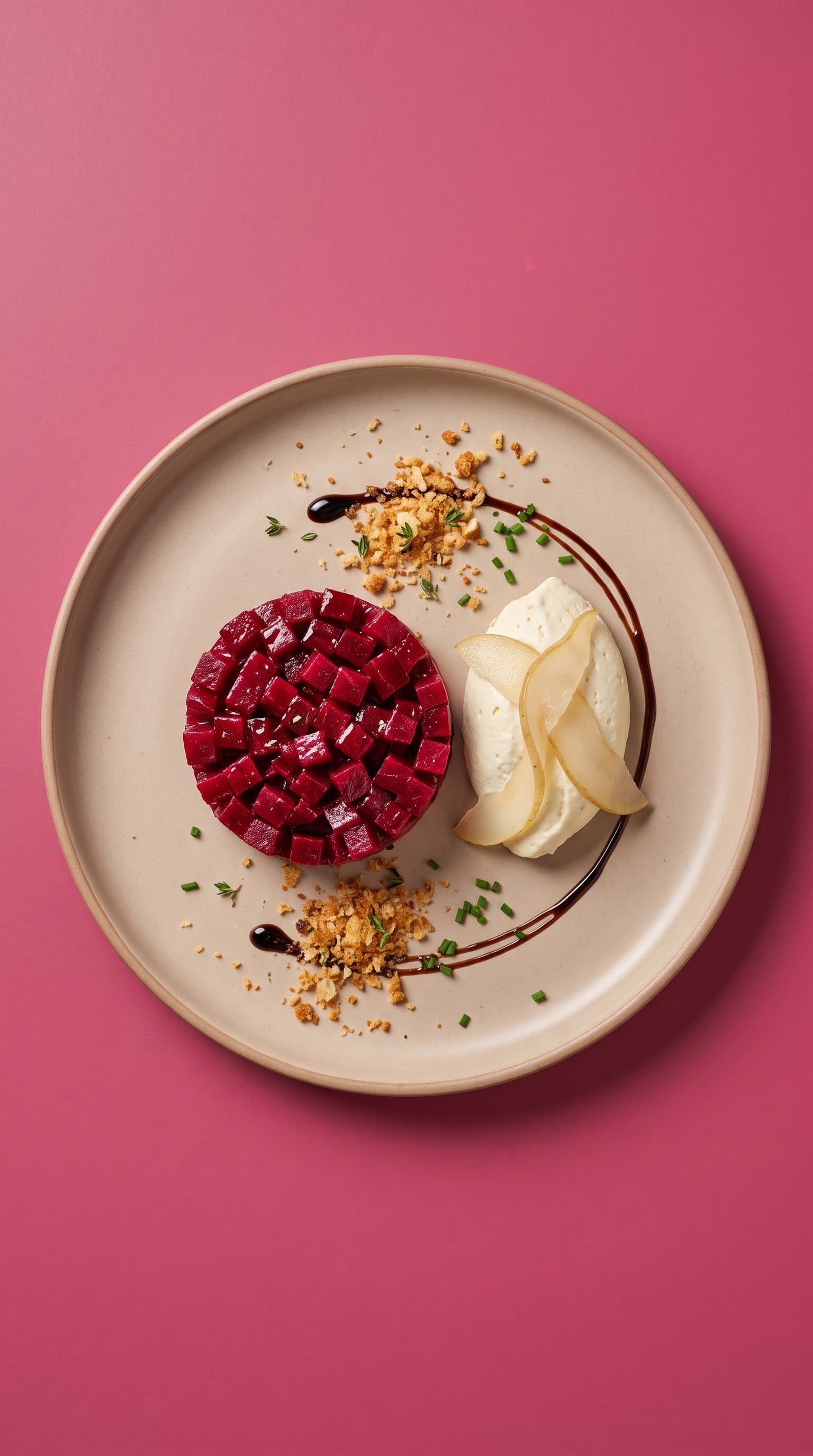
Beetroot Tartare Recipe with Whipped Goat Cheese
This beetroot tartare recipe turns sweet roasted beetroot into a bright, elegant appetizer for four. Cut the chilled beetroot into tiny cubes, dress it just before serving, and pair it with whipped goat cheese, pickled pear, and a buttery hazelnut crumb. Allow about 2 hours from roasting to plating.
120 min · Intermediate · Fusion