Miso Pasta with Caramelized Pork and Crispy Anchovies
45 min · Medium · Serves 4
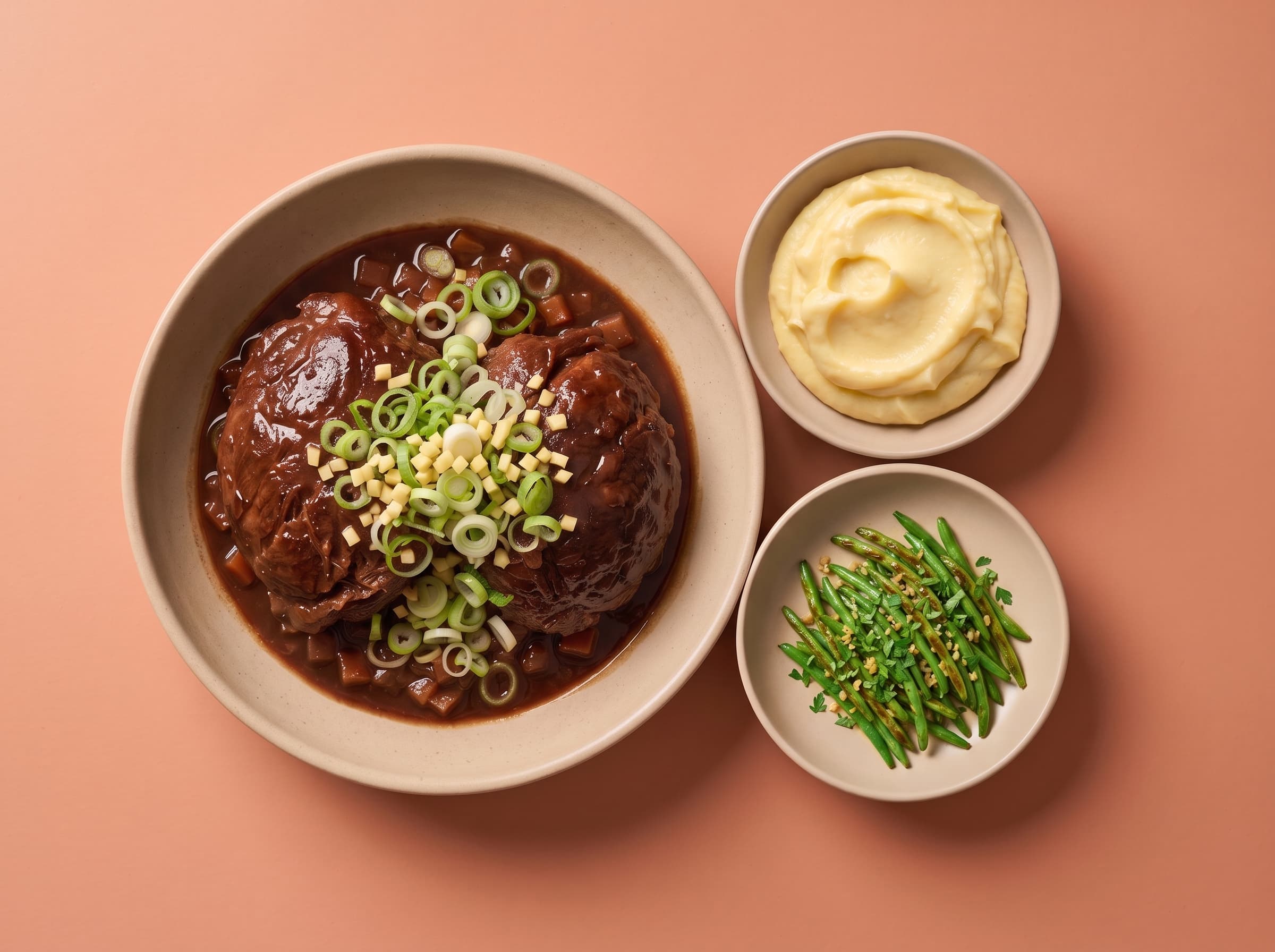 From our menuPork Cheeks Grand Veneur€23.95 · Made by us, delivered chilled.
This miso pasta is a fun Japanese-Italian mashup where noodles get tossed in a rich, savory sauce made from red miso, caramelized pork, and a splash of tamarind for tang. The trick is finishing the noodles right in the sauce so every strand soaks up flavor. It's ready in about 45 minutes and feeds 4 people.
Recipe by Christophe Rammant
Cordon Bleu Paris alumni - Two star Michelin kitchen experience
What Makes This Miso Pasta So Rich and Savory?
Traditional Italian pasta technique teaches that starchy pasta water helps sauce cling to noodles. Here, that same trick pulls together miso, pork fat, and broth into one silky glaze instead of a watery puddle.
Food science shows that browning meat with a touch of honey speeds up deep, savory-sweet flavor through the Maillard reaction. This is why the pork gets caramelized before anything else joins the pan.
Professional culinary team know that diluting dense pastes like miso and tamarind in warm water before cooking keeps sauces smooth. Skip this step and you risk stubborn clumps that never fully melt into the broth.
Estimated nutrition per serving
Estimated from ingredient weights, not lab-tested.
- Calories
- 995
- Protein
- 42g
- Fat
- 47g
- Carbohydrates
- 97g
The weekly recipe note
Enjoyed this recipe? Get the next one first.
One new recipe each week from Christophe: global flavor, French technique, and practical home-cook timing.
By signing up, you agree to receive emails from Mr. Saucy.
Ingredients
Recipe yields 4 servings
For the Noodles
| Amount | Ingredient | Notes |
|---|---|---|
| 400 g | Spaghetti or linguine | fresh preferred, but dried works well |
For the Aromatics
| Amount | Ingredient | Notes |
|---|---|---|
| 75 g (3 medium) | Shallots | thinly sliced |
| 12 g (4 cloves) | Garlic | finely chopped |
| 10 g (2 medium, bird's eye or Fresno) | Red chili | thinly sliced |
| 15 g (1 thumb, about 2 inches) | Fresh ginger | sliced into matchsticks |
For the Miso Pork Sauce
| Amount | Ingredient | Notes |
|---|---|---|
| 500 g | Ground pork | 20% fat content for best flavor |
| 54 g (about 3 tbsp) | Red miso paste | diluted with 2 tbsp warm water; use awase or also known as miso |
| 28 g (2 tbsp) | Unsalted butter | — |
| 21 g (1 tbsp) | Honey | — |
| 60 ml | Cooking sake | dry sherry works as a substitute |
| 30 g (2 tbsp) | Fish sauce | plus extra for seasoning |
| 400 ml | Chicken broth | low sodium preferred |
| 15 g (1 tbsp) | Tamarind paste | dissolved in 2 tbsp warm water and strained |
| 15 g (1 tbsp) | Samyang sauce | from Samyang ramen packets |
For the Vegetables
| Amount | Ingredient | Notes |
|---|---|---|
| 200 g | Napa cabbage | cut into 1 cm strips |
| 150 g (1 small bulb) | Fennel bulb | reserve fronds for garnish |
For the Crispy Anchovy Topping
| Amount | Ingredient | Notes |
|---|---|---|
| 35 g (8 fillets) | Canned anchovies in oil | finely chopped, reserve the oil |
| 42 g (3 tbsp) | Neutral oil | for frying anchovies |
Instructions
Prep the Ingredients
- 1
Slice the Aromatics Separately
Thinly slice the shallots, garlic, chili, and ginger, keeping each one in its own pile. Keeping them separate means you can add each at the right moment, so nothing burns while something else is still soft.
- 2
Dilute the Miso and Tamarind
Whisk the miso paste with 2 tablespoons of warm water in one bowl, and the tamarind paste with 2 tablespoons of warm water in another, then strain the tamarind. This loosens both thick pastes so they melt smoothly into the sauce instead of leaving salty or sour clumps.
- 3
Crisp the Anchovies
Fry the chopped anchovies in the neutral oil over medium heat (around 350°F / 175°C) for 3 to 4 minutes, until crunchy. This turns the soft fish into a crispy, salty topping that will cut through the rich pork later.
- 4
Par-Cook the Pasta
Boil the noodles for 1 minute less than the package instructions say, then drain, saving some pasta water. Undercooking slightly means the noodles finish cooking right in the sauce, soaking up flavor instead of just water.
Build the Miso Pork Sauce
- 5
Sweat the Shallots First
Melt the butter in a large sauté pan over medium heat and sweat the shallots until soft and fragrant, about 2 to 3 minutes. Gentle heat here softens the shallots and releases their sweetness without any bitter browning.
- 6
Add Garlic and Ginger
Stir in the garlic and ginger and cook for 30 to 60 seconds more, just until fragrant. Garlic and ginger have less water than shallots, so they burn fast, which is why they go in second, not first.
- 7
Caramelize the Pork
Add the ground pork and brown it over medium-high heat (around 375°F / 190°C) until it starts to crisp at the edges. Then stir in the honey and cook 2 to 3 minutes more. The sugar in the honey reacts with the meat to build a deep, savory-sweet crust, thanks to the Maillard reaction (the same browning magic behind a good steak crust).
- 8
Deglaze the Pan
Pour in the sake and fish sauce, scraping up the browned bits stuck to the bottom of the pan with your spoon. This step, called deglazing, lifts all that concentrated flavor (called fond) straight into your sauce.
- 9
Simmer and Reduce
Add the chicken broth, diluted miso, and tamarind liquid. Simmer gently for 5 minutes, just below a full boil, until the sauce thickens slightly. Reducing the liquid concentrates all those flavors into a sauce that's thick enough to coat every noodle.
Finish and Serve
- 10
Toss in the Noodles and Vegetables
Add the par-cooked pasta, napa cabbage, and Samyang sauce to the pan. Toss well with tongs, adding a splash of reserved pasta water if things look dry. The starch in that water helps the sauce grab onto the noodles instead of pooling at the bottom.
- 11
Emulsify the Sauce
Keep tossing over low heat until the sauce turns glossy and clings to the noodles like a light glaze, about 1 to 2 minutes. This gentle emulsifying step is what gives the dish that silky, restaurant-style finish.
- 12
Garnish and Serve
Top with the crispy anchovies, thinly sliced fennel, and reserved fennel fronds right before serving. Adding the anchovies last keeps them crunchy instead of soggy.
The weekly recipe note
Enjoyed this recipe? Get the next one first.
One new recipe each week from Christophe: global flavor, French technique, and practical home-cook timing.
By signing up, you agree to receive emails from Mr. Saucy.
Tips & Tricks
your miso sauce turns lumpy:
Always dilute miso in warm liquid before it hits a hot pan. Miso is dense and fermented, so adding it straight in often leaves stubborn clumps that never fully dissolve.
your sauce feels too dry or thick:
Keep some of your reserved pasta water on hand. A splash of this starchy water loosens the sauce without watering down the flavor.
your garlic and ginger burn before the pork is even in the pan:
Add garlic and ginger after the shallots have already softened. They have less water and more sugar, so they cook and burn much faster than shallots.
your crispy anchovies come out soggy or splatter in the pan:
Pat the anchovies dry before frying. Extra moisture causes oil to splatter and keeps the fish from getting truly crisp.
you're not sure this counts as real miso pasta if you don't have every ingredient:
The heart of miso pasta is the miso itself, so don't stress over swapping Samyang sauce for gochujang or tamarind for lime juice. The core umami flavor still comes through.
your miso sauce turns lumpy:
Always dilute miso in warm liquid before it hits a hot pan. Miso is dense and fermented, so adding it straight in often leaves stubborn clumps that never fully dissolve.
your sauce feels too dry or thick:
Keep some of your reserved pasta water on hand. A splash of this starchy water loosens the sauce without watering down the flavor.
your garlic and ginger burn before the pork is even in the pan:
Add garlic and ginger after the shallots have already softened. They have less water and more sugar, so they cook and burn much faster than shallots.
your crispy anchovies come out soggy or splatter in the pan:
Pat the anchovies dry before frying. Extra moisture causes oil to splatter and keeps the fish from getting truly crisp.
you're not sure this counts as real miso pasta if you don't have every ingredient:
The heart of miso pasta is the miso itself, so don't stress over swapping Samyang sauce for gochujang or tamarind for lime juice. The core umami flavor still comes through.
Frequently Asked Questions
What exactly is miso pasta?
Miso pasta is a fusion dish that blends Italian noodles with Japanese flavors like fermented miso paste. In this recipe, that means Italian spaghetti tossed in a rich sauce built from red miso, caramelized pork, sake, and tamarind for a salty-sweet-savory bite.
Can I make this dish ahead of time?
The pork sauce can be made up to 2 days ahead and stored in the fridge. It's best to boil the pasta and toss everything together right before serving, though, so the noodles don't turn mushy. Keep the crispy anchovies at room temperature so they stay crunchy.
What if I don't have Samyang sauce?
No problem. Swap it for gochujang mixed with a pinch of sugar, or use sriracha instead. You're just looking for a layer of spicy complexity that plays well with the salty miso, so any similar chili sauce will work.
Why is my sauce not sticking to the noodles?
This usually happens if the pasta was rinsed or you skipped the reserved pasta water. The starch on the noodles and in that cooking water acts like natural glue, helping the miso-pork sauce cling to every strand instead of sliding off.
Is there a substitute for tamarind paste?
Yes, use an equal amount of lime juice, or lime juice mixed with a little brown sugar. It won't have quite the same earthy depth as tamarind, but it gives you the acidic balance the rich pork and miso sauce needs.
What exactly is miso pasta?
Miso pasta is a fusion dish that blends Italian noodles with Japanese flavors like fermented miso paste. In this recipe, that means Italian spaghetti tossed in a rich sauce built from red miso, caramelized pork, sake, and tamarind for a salty-sweet-savory bite.
Can I make this dish ahead of time?
The pork sauce can be made up to 2 days ahead and stored in the fridge. It's best to boil the pasta and toss everything together right before serving, though, so the noodles don't turn mushy. Keep the crispy anchovies at room temperature so they stay crunchy.
What if I don't have Samyang sauce?
No problem. Swap it for gochujang mixed with a pinch of sugar, or use sriracha instead. You're just looking for a layer of spicy complexity that plays well with the salty miso, so any similar chili sauce will work.
Why is my sauce not sticking to the noodles?
This usually happens if the pasta was rinsed or you skipped the reserved pasta water. The starch on the noodles and in that cooking water acts like natural glue, helping the miso-pork sauce cling to every strand instead of sliding off.
Is there a substitute for tamarind paste?
Yes, use an equal amount of lime juice, or lime juice mixed with a little brown sugar. It won't have quite the same earthy depth as tamarind, but it gives you the acidic balance the rich pork and miso sauce needs.
Recipe Reviews
No reviews yet — Be the first to review this recipe!
The collection
All recipesOlive Oil Chocolate Mousse Recipe with Candied Orange
This olive oil chocolate mousse recipe makes a rich but airy dessert with dark chocolate, fruity olive oil, bright candied orange, and crisp almond tuiles. A warm sugar syrup gives the yolks body, while softly whipped cream keeps the mousse light. Plan about 5 hours, including chilling, for 4 generous servings.
300 min · Intermediate · Fusion
Celeriac Ravioli with Brown Butter and Pear
This celeriac ravioli recipe makes 24 delicate pasta pillows filled with roasted celeriac, aged Comté, mascarpone and truffle. Roast the celeriac for deep flavor, then finish the ravioli in a glossy brown-butter sauce with pear, hazelnuts and sage. Plan on 145 minutes for 4 servings, including resting and chilling.
145 min · Intermediate · Fusion
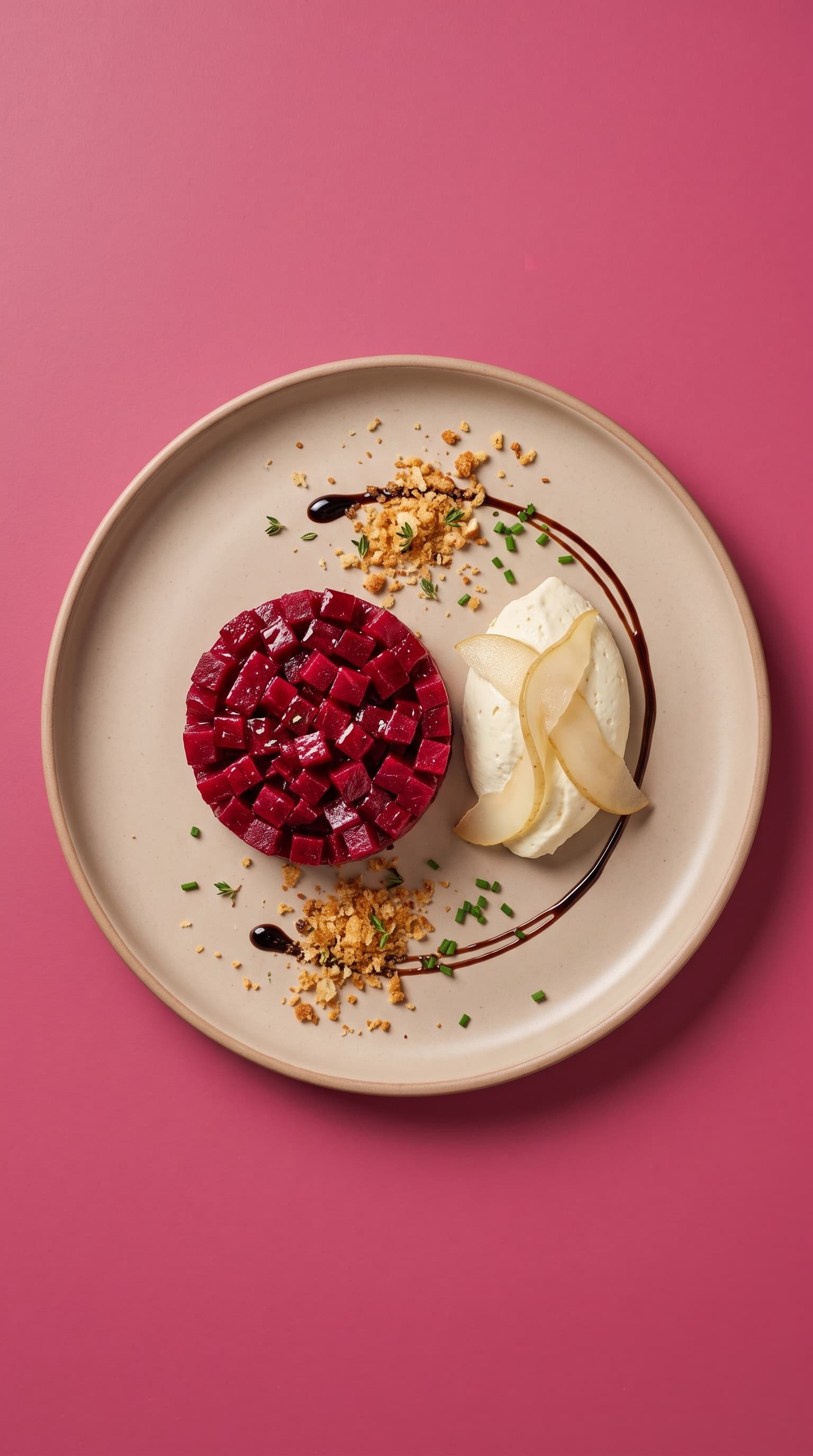
Beetroot Tartare Recipe with Whipped Goat Cheese
This beetroot tartare recipe turns sweet roasted beetroot into a bright, elegant appetizer for four. Cut the chilled beetroot into tiny cubes, dress it just before serving, and pair it with whipped goat cheese, pickled pear, and a buttery hazelnut crumb. Allow about 2 hours from roasting to plating.
120 min · Intermediate · Fusion