Chef's Chili Con Carne with Gochujang, Harissa and Sambal
3 hrs · Medium · Serves 6
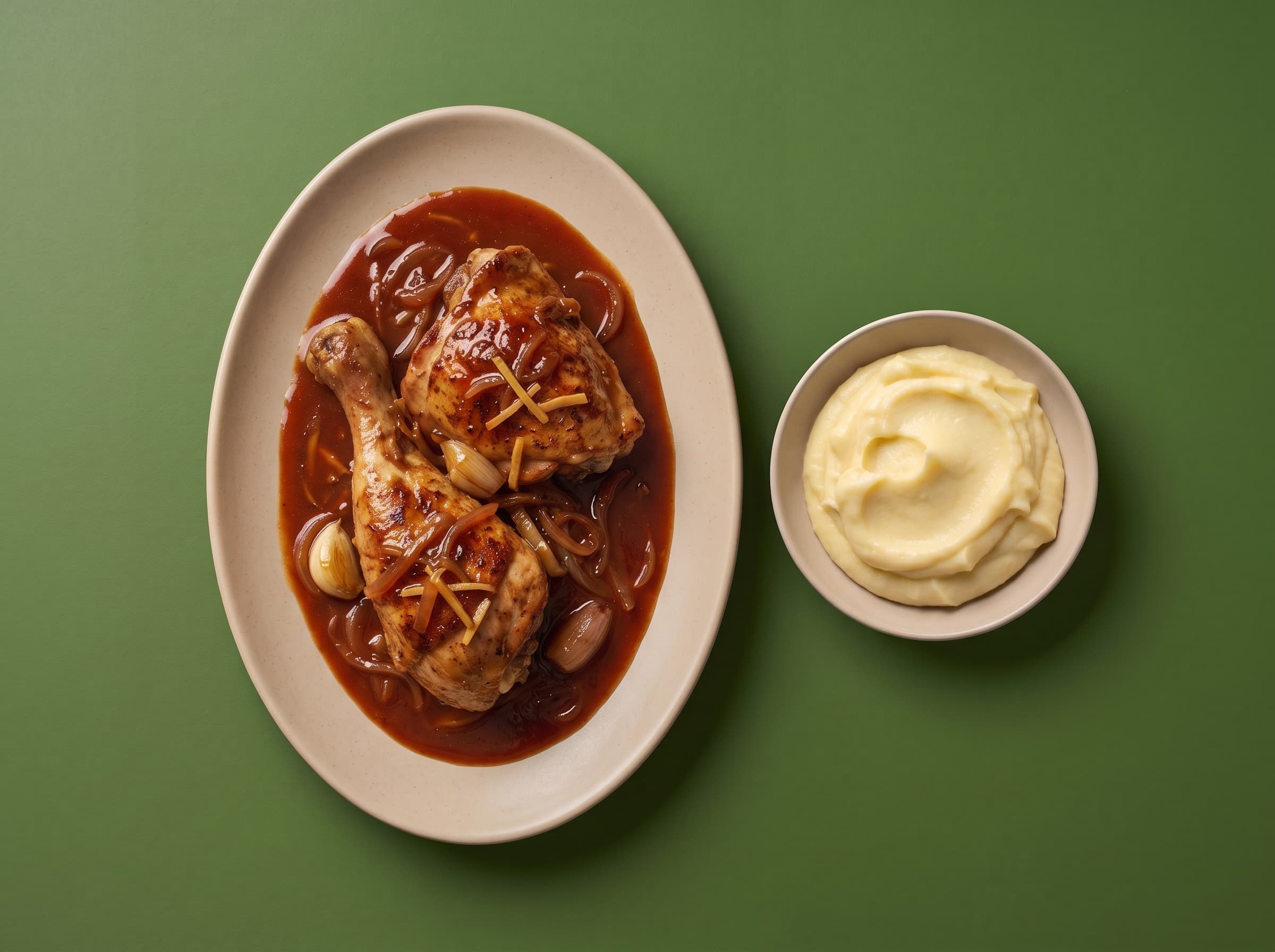 From our menuCoq au vin€22.95 · Made by us, delivered chilled.
This chef's chili con carne swaps the usual chili powder for three fermented chili pastes, gochujang, harissa, and sambal, each stirred in at a different stage so its flavor stays clear. Chuck beef slow-braises for about 3 hours until fork-tender in a deeply built sauce. Makes about 6 servings.
Recipe by Christophe Rammant
Cordon Bleu Paris alumni - Two star Michelin kitchen experience
Why Does Adding Three Chili Pastes at Different Times Work Better Than One?
Professional culinary team know that flavor gets muddy when you dump every seasoning in at once. By adding gochujang early, harissa mid-braise, and sambal in two stages, each paste gets the exact amount of cooking time it needs to shine instead of blending into one generic heat.
Traditional French technique teaches that pastes and tomato concentrate need to be cooked in fat before liquid touches them. Blooming the gochujang in hot oil the same way you'd cook out raw tomato paste removes its sharp, fermented bitterness and turns it toasty and deep.
Food science shows that fresh, bright flavors fade fast under heat. That's why the last bit of sambal and the splash of vinegar or lime go in off the heat, right at the end, so the chili finishes with a punch of freshness instead of tasting flat.
Estimated nutrition per serving
Estimated from ingredient weights, not lab-tested.
- Calories
- 581
- Protein
- 35g
- Fat
- 35g
- Carbohydrates
- 35g
The weekly recipe note
Enjoyed this recipe? Get the next one first.
One new recipe each week from Christophe: global flavor, French technique, and practical home-cook timing.
By signing up, you agree to receive emails from Mr. Saucy.
Ingredients
Recipe yields 6 servings
For Searing the Beef
| Amount | Ingredient | Notes |
|---|---|---|
| 800 g (about 1.75 lb) | Beef chuck, trimmed and cut into 2cm cubes | chuck braises to a fork-tender texture that ground beef can't match |
| 45 g (about 3 tbsp) | Neutral oil (grapeseed or sunflower) | for searing and blooming the paste |
For the Aromatics and Chili Base
| Amount | Ingredient | Notes |
|---|---|---|
| 200 g (about 1 large onion) | Yellow onion, finely diced | builds a sweet base that balances the fermented heat |
| 20 g (about 4 cloves) | Garlic, minced | — |
| 45 g (about 3 tbsp) | Gochujang (Korean fermented chili paste) | the umami backbone, must be bloomed in fat before liquid is added |
| 30 g (about 2 tbsp) | Harissa paste | smoky, oil-based, added mid-braise not at the start |
| 30 g (about 2 tbsp) | Sambal oelek | split: 20g goes in mid-braise, 10g reserved to stir in at the very end for a fresh, sharp finish |
| 6 g (about 1 tbsp) | Ground cumin | — |
| 6 g (about 1 tsp) | Smoked paprika | reinforces harissa's smoke |
| 45 g (about 3 tbsp) | Tomato paste | cooked out until brick-red before adding liquid |
For the Braise
| Amount | Ingredient | Notes |
|---|---|---|
| 400 g (1 standard can) | Crushed tomatoes (canned) | — |
| 500 g (2 cups) | Beef stock | warm, to help the braise come to temperature faster |
| 400 g (1 standard can) | Cooked kidney beans (canned, drained) | added near the end so they hold their shape |
| 10 g (about 2 tsp) | Dark brown sugar | rounds out the fermented sharpness, doesn't sweeten the dish |
| 15 g (about 1 tbsp) | Rice vinegar or fresh lime juice | added off the heat to lift and brighten |
| 6 g (about 1 tsp) | Salt | to taste, adjust at the end |
For Garnish
| Amount | Ingredient | Notes |
|---|---|---|
| 20 g (2-3 stalks) | Scallions, thinly sliced | garnish |
| 10 g (a small handful) | Fresh cilantro, chopped | garnish |
| 60 g (1 lime) | Lime, cut into wedges | for serving |
Instructions
Sear the Beef and Build the Base
- 1
Sear the Beef in Batches (Build the Crust)
Pat the beef cubes dry and season with salt, then sear in batches in hot oil (around 400°F / 205°C) in a heavy pot until deeply browned on all sides. Don't crowd the pan, or the meat will steam instead of caramelize, and you'll lose the deep browning that gives the final dish its depth.
- 2
Soften the Onion (Build the Sweet Base)
Remove the beef and set aside. Add the diced onion to the same pot and cook over medium heat for 5-6 minutes until soft and lightly golden. This builds a sweet base that balances the fermented heat coming later.
- 3
Bloom the Gochujang (Cook Out the Raw Edge)
Add the garlic and cook for 30 seconds until fragrant, then push the onion and garlic to one side of the pot and add the gochujang directly into the fat. Let it bloom for 30-45 seconds to 1 minute, stirring constantly, until it darkens slightly and smells toasty rather than sharp and raw. This removes gochujang's fermented bitterness the same way classic French technique cooks out raw tomato paste before adding stock.
- 4
Cook Down the Tomato Paste (Concentrate the Flavor)
Stir in the tomato paste and cook for 2-3 minutes until it deepens to a brick-red color and coats the bottom of the pot. This cooks off its raw acidity and concentrates its flavor.
- 5
Toast the Spices (Wake Up the Aromatics)
Add the cumin and smoked paprika and toast for 30 seconds in the fat, stirring constantly, to wake up their aromatic oils before any liquid goes in.
The Braise
- 6
Return the Beef and Bring to a Simmer
Return the browned beef to the pot along with the crushed tomatoes and beef stock. Stir well, scraping up any browned bits from the bottom of the pot, and bring to a gentle simmer, around 185°F / 85°C.
- 7
Braise Low and Slow (Fork-Tender Test)
Cover and reduce the heat to low. Braise gently for 1.5-2 hours, stirring occasionally, until the beef is fork-tender. It should pull apart with light pressure from a spoon, not require force. This slow, gentle heat breaks down the tough chuck fibers without drying out the meat.
- 8
Add Harissa and Sambal Mid-Braise (Layer the Heat)
About 30-40 minutes before the beef is done, stir in the harissa and 20g of the sambal oelek. Adding them mid-braise rather than at the start lets their smoky and bright notes meld into the sauce without cooking off entirely, so they stay distinct from the gochujang base.
- 9
Stir in the Beans and Thicken
Once the beef is tender, stir in the kidney beans and simmer uncovered for 10-15 minutes to thicken the sauce to a glossy, spoon-coating consistency.
Finish and Serve
- 10
Balance the Flavor (Round Off the Sharp Edge)
Taste and stir in the brown sugar and salt as needed. The sugar isn't there to sweeten the dish, it's there to round off the sharp ferment edge from the chili pastes.
- 11
Finish Off the Heat (Keep the Sambal Bright)
Take the pot off the heat and stir in the remaining 10g of sambal oelek and the rice vinegar or lime juice. This final off-heat addition keeps the sambal's sharp, fresh punch alive instead of letting it cook flat, the same logic as finishing a curry with lime after the heat is off.
- 12
Garnish and Serve
Ladle into bowls and finish with sliced scallions, chopped cilantro, and lime wedges on the side.
The weekly recipe note
Enjoyed this recipe? Get the next one first.
One new recipe each week from Christophe: global flavor, French technique, and practical home-cook timing.
By signing up, you agree to receive emails from Mr. Saucy.
Tips & Tricks
You're tempted to skip blooming the gochujang and just stir it into the liquid.:
Always bloom it in hot fat first. Adding it straight into liquid leaves a raw, slightly bitter fermented edge that never fully cooks out later, even after a long braise.
Your harissa is very oily and you're worried the sauce will taste greasy.:
Spoon off a bit of the surface oil before adding it. Too much oil can make the finished sauce feel heavy instead of rich.
You want the best flavor but you're serving this the same day.:
Make it a day ahead if you can. This chili is genuinely better the next day because the three chili pastes need time to settle into each other rather than compete. Refrigerate and gently reheat before serving.
You can't find harissa at the store.:
Use a rounded teaspoon of smoked paprika plus a pinch of caraway as a stand-in. It gets you partway there, but the dish loses some of its North African backbone, so harissa is worth seeking out.
Your sambal tastes too salty or too sharp once it's in the pot.:
Taste your sambal before using it, since brands vary a lot in salt and vinegar sharpness. Start with slightly less than called for mid-braise, then adjust with the reserved portion at the end.
You're tempted to skip blooming the gochujang and just stir it into the liquid.:
Always bloom it in hot fat first. Adding it straight into liquid leaves a raw, slightly bitter fermented edge that never fully cooks out later, even after a long braise.
Your harissa is very oily and you're worried the sauce will taste greasy.:
Spoon off a bit of the surface oil before adding it. Too much oil can make the finished sauce feel heavy instead of rich.
You want the best flavor but you're serving this the same day.:
Make it a day ahead if you can. This chili is genuinely better the next day because the three chili pastes need time to settle into each other rather than compete. Refrigerate and gently reheat before serving.
You can't find harissa at the store.:
Use a rounded teaspoon of smoked paprika plus a pinch of caraway as a stand-in. It gets you partway there, but the dish loses some of its North African backbone, so harissa is worth seeking out.
Your sambal tastes too salty or too sharp once it's in the pot.:
Taste your sambal before using it, since brands vary a lot in salt and vinegar sharpness. Start with slightly less than called for mid-braise, then adjust with the reserved portion at the end.
Frequently Asked Questions
What makes this different from a regular chef's chili con carne?
Most chili recipes use one chili powder blend, so all the heat tastes the same. This one layers gochujang, harissa, and sambal in at different stages, so you actually taste umami, smoke, and bright ferment heat as separate notes instead of one generic spice.
Can I use ground beef instead of chuck cubes?
You can, but you'll lose the fall-apart braised texture that makes this dish feel restaurant-grade rather than like a quick weeknight chili. If you do use ground beef, brown it hard in batches and reduce the braise time to about 45 minutes.
Is this dish very spicy?
It has real depth and warmth but isn't blisteringly hot. Gochujang and harissa are more about savoriness and smoke than raw heat, and the sambal is split so you control the final sharpness. Taste before adding the last 10g of sambal and adjust to your heat tolerance.
Can I make this ahead and freeze it?
Yes, this braise freezes very well for up to 3 months. Cool completely before freezing, and thaw in the fridge overnight. Reheat gently on the stove, adding a splash of stock if it's thickened too much, and stir in fresh sambal or lime juice to re-brighten the flavor.
What if I don't have kidney beans?
Black beans or pinto beans both work well and won't disrupt the flavor balance. Just make sure they're well-drained before adding, or you'll dilute the sauce.
Why add the sambal in two stages instead of all at once?
Sambal's fresh, sharp chili character cooks away quickly under heat. Splitting it lets some integrate into the braise for background heat while the reserved portion, added off the heat at the end, keeps its bright, raw ferment punch intact. That contrast keeps the dish from tasting flat.
Can I use a slow cooker instead of a Dutch oven?
Yes, sear the beef and build the base through the tomato paste and spice step in a pan first, since a slow cooker won't brown properly. Transfer everything to the slow cooker and cook on low for 6-7 hours, adding harissa and beans in the last hour.
What makes this different from a regular chef's chili con carne?
Most chili recipes use one chili powder blend, so all the heat tastes the same. This one layers gochujang, harissa, and sambal in at different stages, so you actually taste umami, smoke, and bright ferment heat as separate notes instead of one generic spice.
Can I use ground beef instead of chuck cubes?
You can, but you'll lose the fall-apart braised texture that makes this dish feel restaurant-grade rather than like a quick weeknight chili. If you do use ground beef, brown it hard in batches and reduce the braise time to about 45 minutes.
Is this dish very spicy?
It has real depth and warmth but isn't blisteringly hot. Gochujang and harissa are more about savoriness and smoke than raw heat, and the sambal is split so you control the final sharpness. Taste before adding the last 10g of sambal and adjust to your heat tolerance.
Can I make this ahead and freeze it?
Yes, this braise freezes very well for up to 3 months. Cool completely before freezing, and thaw in the fridge overnight. Reheat gently on the stove, adding a splash of stock if it's thickened too much, and stir in fresh sambal or lime juice to re-brighten the flavor.
What if I don't have kidney beans?
Black beans or pinto beans both work well and won't disrupt the flavor balance. Just make sure they're well-drained before adding, or you'll dilute the sauce.
Why add the sambal in two stages instead of all at once?
Sambal's fresh, sharp chili character cooks away quickly under heat. Splitting it lets some integrate into the braise for background heat while the reserved portion, added off the heat at the end, keeps its bright, raw ferment punch intact. That contrast keeps the dish from tasting flat.
Can I use a slow cooker instead of a Dutch oven?
Yes, sear the beef and build the base through the tomato paste and spice step in a pan first, since a slow cooker won't brown properly. Transfer everything to the slow cooker and cook on low for 6-7 hours, adding harissa and beans in the last hour.
Recipe Reviews
No reviews yet — Be the first to review this recipe!
The collection
All recipesOlive Oil Chocolate Mousse Recipe with Candied Orange
This olive oil chocolate mousse recipe makes a rich but airy dessert with dark chocolate, fruity olive oil, bright candied orange, and crisp almond tuiles. A warm sugar syrup gives the yolks body, while softly whipped cream keeps the mousse light. Plan about 5 hours, including chilling, for 4 generous servings.
300 min · Intermediate · Fusion
Celeriac Ravioli with Brown Butter and Pear
This celeriac ravioli recipe makes 24 delicate pasta pillows filled with roasted celeriac, aged Comté, mascarpone and truffle. Roast the celeriac for deep flavor, then finish the ravioli in a glossy brown-butter sauce with pear, hazelnuts and sage. Plan on 145 minutes for 4 servings, including resting and chilling.
145 min · Intermediate · Fusion
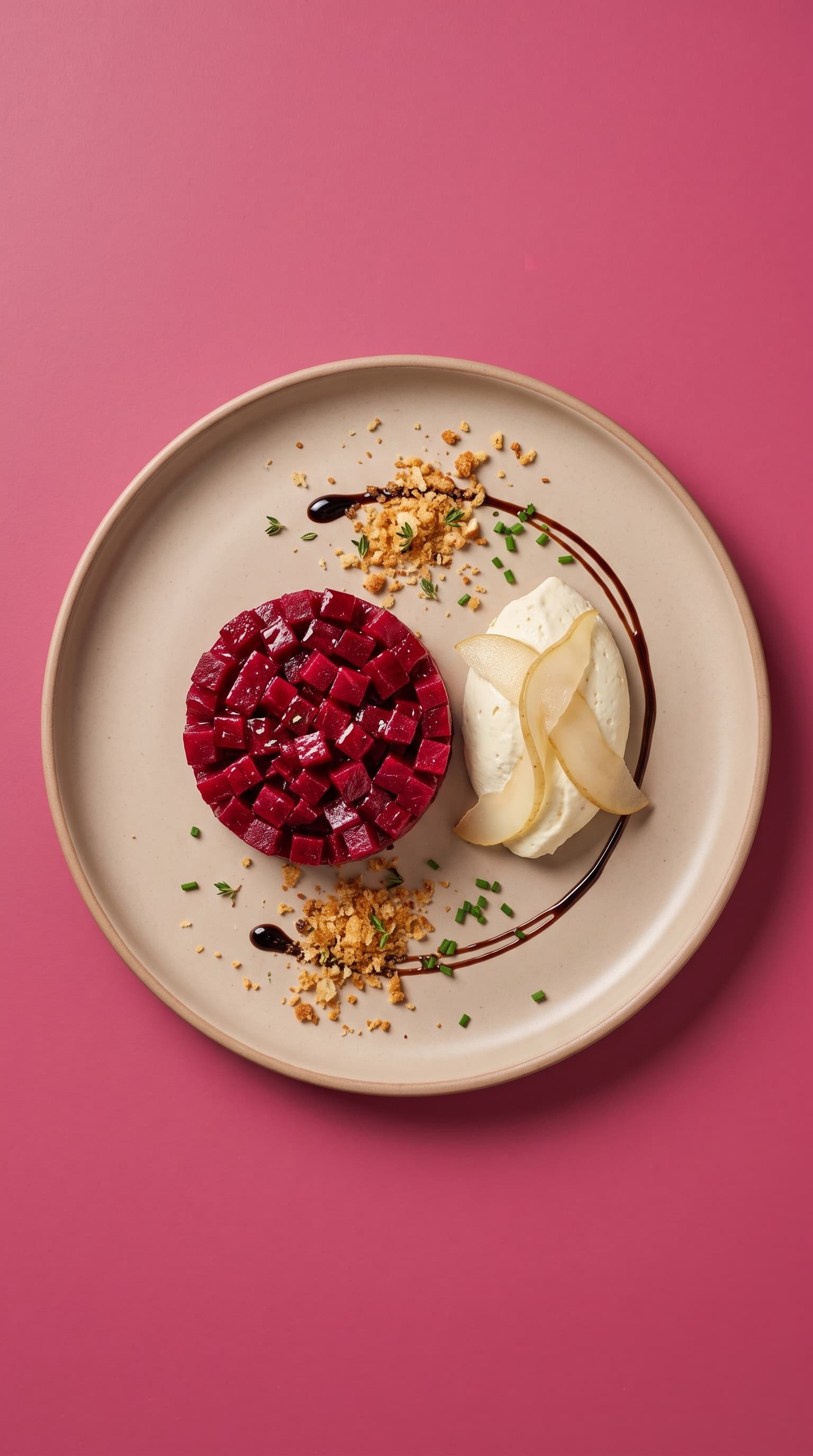
Beetroot Tartare Recipe with Whipped Goat Cheese
This beetroot tartare recipe turns sweet roasted beetroot into a bright, elegant appetizer for four. Cut the chilled beetroot into tiny cubes, dress it just before serving, and pair it with whipped goat cheese, pickled pear, and a buttery hazelnut crumb. Allow about 2 hours from roasting to plating.
120 min · Intermediate · Fusion