Bacon Mac and Cheese with a Three-Cheese Sauce
1 hr · Medium · Serves 4-6
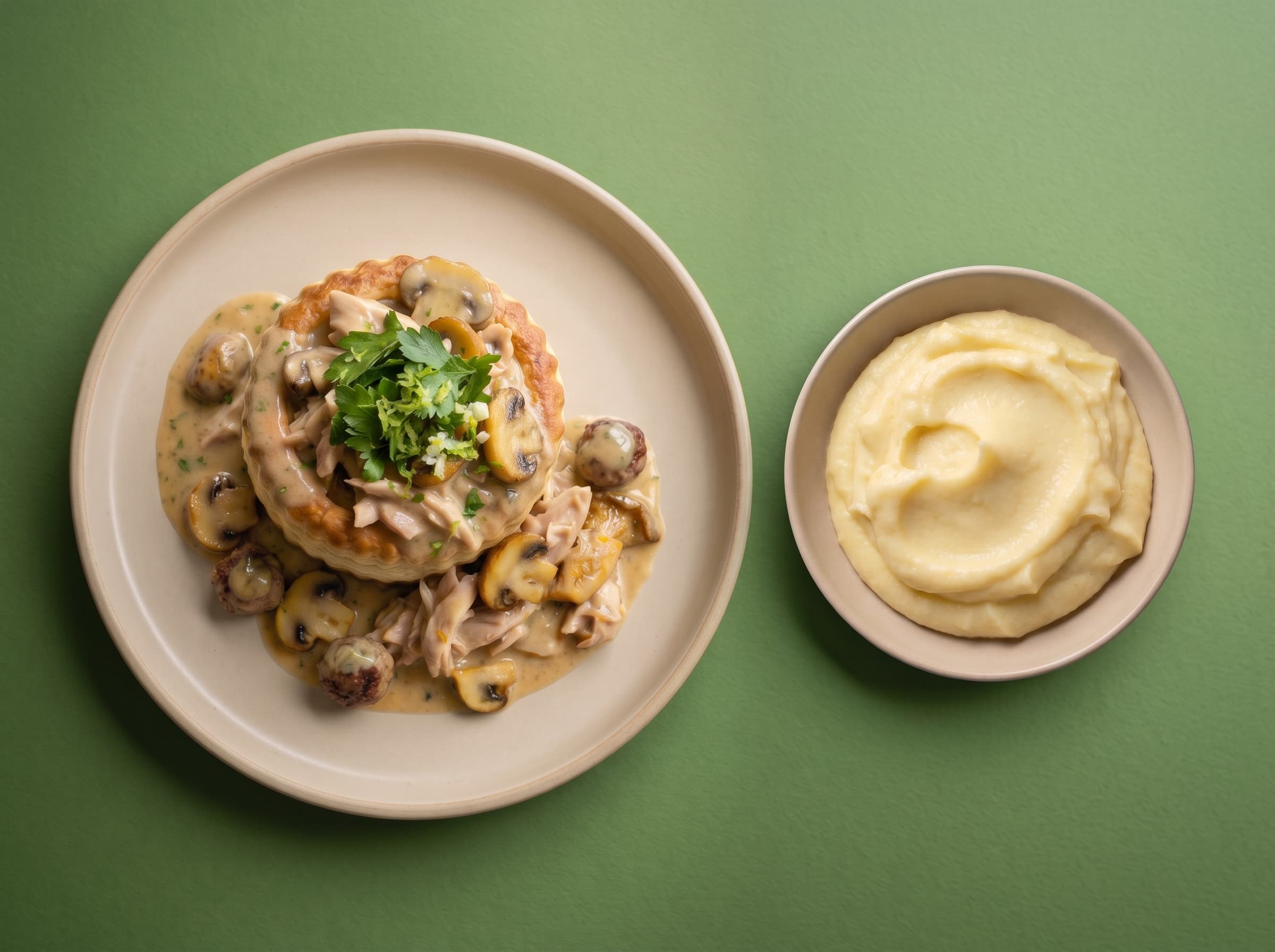 From our menuVol-au-Vent East meets West€19.95 · Made by us, delivered chilled.
This ultimate bacon mac and cheese builds a rich three-cheese sauce on a hybrid béchamel-velouté made with both chicken stock and whole milk. Crispy smoked bacon lardons fold through the pasta, and a panko-Parmesan crust bakes to a golden crunch. Ready in about 60 minutes and serves 4 to 6.
Recipe by Christophe Rammant
Cordon Bleu Paris alumni - Two star Michelin kitchen experience
What Makes This Mac and Cheese Better Than the Rest?
Traditional French technique shows that a roux cooked until nutty and pale golden completely removes the raw flour taste. Professional culinary team know this step cannot be rushed - 2 to 3 minutes of constant stirring is what separates a silky, complex sauce from one that tastes like paste.
Food science shows that adding warm chicken stock to the roux before the milk builds a savory, umami-rich backbone first. The stock soaks into the roux and creates depth that pure dairy can never match on its own. This is the single biggest reason this sauce tastes so much more interesting than a standard mac and cheese.
Professional culinary team always melt cheese off the heat, and there is a clear reason why. Above about 185°F / 85°C, the proteins in cheese seize up and squeeze out the fat, leaving a greasy, grainy mess. Pulling the pan off the burner first lets the residual warmth do the work gently and smoothly.
Estimated nutrition per serving
Estimated from ingredient weights, not lab-tested.
- Calories
- 315
- Protein
- 13g
- Fat
- 17g
- Carbohydrates
- 27g
The weekly recipe note
Enjoyed this recipe? Get the next one first.
One new recipe each week from Christophe: global flavor, French technique, and practical home-cook timing.
By signing up, you agree to receive emails from Mr. Saucy.
Ingredients
Recipe yields 4-6 servings
For the Pasta and Bacon
| Amount | Ingredient | Notes |
|---|---|---|
| 400 g (about 3½ cups) | elbow macaroni | or cavatappi for more sauce grip |
| 200 g (about 7 oz) | thick-cut smoked bacon lardons | cut into 1 cm cubes if buying a slab |
| 10 g (about 2 tsp) | fine sea salt | plus more for pasta water |
For the Cheese Sauce
| Amount | Ingredient | Notes |
|---|---|---|
| 60 g (4 tbsp) | unsalted butter | — |
| 60 g (½ cup) | plain flour | — |
| 400 g (1⅔ cups) | whole milk | warmed before use |
| 300 g (1¼ cups) | good chicken stock | low-sodium, warmed - homemade preferred |
| 150 g (1½ cups grated) | sharp aged cheddar | grated fresh, not pre-shredded |
| 100 g (1 cup grated) | Gruyère | grated fresh |
| 50 g (½ cup finely grated) | Parmesan | for the sauce - grate fresh |
| 10 g (about 1 tsp) | Dijon mustard | — |
| 1 g (a generous pinch) | freshly grated nutmeg | — |
| 2 g (about ½ tsp) | white pepper | — |
For the Panko Crust
| Amount | Ingredient | Notes |
|---|---|---|
| 60 g (¾ cup) | panko breadcrumbs | — |
| 25 g (¼ cup finely grated) | Parmesan | for the crust |
| 20 g (1½ tbsp) | unsalted butter | melted |
| 3 g (about 1 tsp) | fresh thyme leaves | stripped from stems |
Instructions
Prep and Get Ready
- 1
Heat the Oven and Prep the Dish
Preheat your oven to 390°F / 200°C. Butter a medium baking dish, roughly 25x20 cm (10x8 inches). Doing this first means you are ready to pour and bake the moment the sauce is done - no scrambling at the end.
- 2
Warm the Milk and Stock
Gently warm the milk and chicken stock separately - about 60 seconds each in the microwave works perfectly. They should feel warm to the touch, not hot. Cold liquid hitting a hot roux causes lumps, so this small step makes the sauce come together smoothly every time.
Cook the Bacon and Pasta
- 3
Render the Bacon Until Crispy
Place the bacon lardons in a large heavy-bottomed saucepan over medium heat with no added fat. The bacon will release its own smoky fat as it cooks - this is the flavour base for the whole dish. Cook for 8 to 10 minutes, stirring occasionally, until deeply golden and crisp. Remove with a slotted spoon and set aside on kitchen paper. Leave every drop of the rendered fat in the pan - do not drain it.
- 4
Boil the Pasta One Minute Short
Bring a large pot of water to a rolling boil and salt it generously - it should taste like the sea. Cook the macaroni for 1 minute less than the packet instructions say. The pasta will finish cooking in the oven, and pulling it out early keeps it from turning soft and mushy. Before draining, scoop out a full mug of pasta water and set it aside. You may need it later.
Build the Cheese Sauce
- 5
Make the Roux (The Flavor Foundation)
Return the saucepan with the bacon fat to medium heat and add the 60 g of butter. Once melted together, add all the flour at once. Stir constantly with a wooden spoon or whisk for 2 to 3 minutes. You are looking for the roux to smell nutty, like toasted bread, and look like pale golden sand. This step cooks out the raw flour taste completely - rushing it is the most common reason mac and cheese sauce tastes flat.
- 6
Add the Stock First (The Umami Trick)
Gradually pour in the warm chicken stock, whisking constantly. Add it in a slow, steady stream and whisk smooth after each addition before pouring more. Adding the stock before the milk lets the savory, umami depth soak into the roux first, before the dairy dilutes it. This is what gives the sauce its rich backbone.
- 7
Add the Milk and Thicken the Sauce
Now pour in the warm milk in a steady stream, whisking the whole time. Keep stirring over medium heat for 4 to 5 minutes. The sauce will thicken noticeably as it heats. You want it thick, glossy, and coating the back of a spoon - drag your finger across the spoon and the line should hold clean. This is the right consistency.
- 8
Season the Sauce Off the Heat
Remove the pan from the heat completely. Stir in the Dijon mustard, nutmeg, salt, and white pepper. The mustard works as a natural emulsifier and adds a gentle sharpness that makes the cheese taste more like itself - you will not taste mustard in the finished dish, but you will notice something is missing without it.
- 9
Melt in the Cheese (Off the Heat Is Critical)
Add the grated cheddar, Gruyère, and 50 g of Parmesan in three separate additions, stirring well between each. The pan is off the heat - the residual warmth is enough to melt everything smoothly. Food science shows that adding cheese to a boiling sauce causes the proteins to seize above 185°F / 85°C, squeezing out the fat and leaving a grainy, greasy texture. Off the heat, you get a silky, glossy sauce every time.
Assemble and Bake
- 10
Fold in the Pasta and Bacon
Add the drained macaroni and the crispy bacon lardons to the cheese sauce and fold everything together gently. If the sauce feels too thick to coat the pasta evenly, add a splash of the reserved pasta water and stir through. The starch in the pasta water loosens the sauce without watering down the flavor.
- 11
Add the Panko Crust
Pour the pasta mixture into the buttered baking dish and spread it level. In a small bowl, mix together the panko breadcrumbs, remaining 25 g of Parmesan, melted butter, and thyme leaves. Toss until the crumbs are evenly coated, then scatter the mixture in an even layer over the top. This crust is what gives you that satisfying golden crunch over the creamy interior.
- 12
Bake Until Golden and Bubbling
Bake at 390°F / 200°C for 20 to 25 minutes, until the crust is deep golden brown and the sauce is visibly bubbling at the edges. If the crust starts to colour too quickly before the centre is bubbling, cover loosely with foil for the last 5 minutes. The bubbling edges tell you the sauce is hot all the way through.
- 13
Rest Before Serving (Keep It Creamy)
Let the dish rest for 5 minutes before serving. This short rest lets the sauce tighten from loose and liquid to thick and creamy. Serve on warmed plates so the cheese stays molten rather than setting the moment it hits a cold surface.
The weekly recipe note
Enjoyed this recipe? Get the next one first.
One new recipe each week from Christophe: global flavor, French technique, and practical home-cook timing.
By signing up, you agree to receive emails from Mr. Saucy.
Tips & Tricks
Your sauce turns out grainy or oily:
The cheese was added while the sauce was still too hot. Always pull the pan completely off the heat before adding any cheese, and add it in three stages rather than all at once. The residual warmth is enough - you do not need the burner on.
You used pre-shredded cheese and the sauce is not smooth:
Pre-shredded cheese is coated in anti-caking agents like potato starch or cellulose that stop it from melting cleanly. Always grate your own cheese from a block. It takes two extra minutes and makes a real difference to the texture.
Your sauce has lumps after adding the liquid:
This usually means the liquid was cold when it hit the hot roux. Do not panic - strain the sauce through a fine sieve and whisk it vigorously. Next time, warm the milk and stock for about 60 seconds in the microwave before adding them.
The finished dish comes out dry after baking:
The sauce was likely too thick before it went into the oven, or the pasta was cooked too long. Make the sauce a little looser than feels right - it thickens considerably as it bakes. Using the reserved pasta water to loosen the mixture before baking also helps.
You drained away the bacon fat by mistake:
Add an extra tablespoon of butter to the pan before making the roux. You will lose some of the smoky depth, but the sauce will still be rich. Next time, keep every drop - that rendered fat is the invisible flavour layer running through the whole dish.
Leftovers come out dry when reheated:
Add a splash of milk or chicken stock over the top, cover tightly with foil, and warm at 320°F / 160°C for 15 to 20 minutes. The foil traps steam and brings the creamy texture back. Remove the foil for the last 5 minutes to re-crisp the crust.
Your sauce turns out grainy or oily:
The cheese was added while the sauce was still too hot. Always pull the pan completely off the heat before adding any cheese, and add it in three stages rather than all at once. The residual warmth is enough - you do not need the burner on.
You used pre-shredded cheese and the sauce is not smooth:
Pre-shredded cheese is coated in anti-caking agents like potato starch or cellulose that stop it from melting cleanly. Always grate your own cheese from a block. It takes two extra minutes and makes a real difference to the texture.
Your sauce has lumps after adding the liquid:
This usually means the liquid was cold when it hit the hot roux. Do not panic - strain the sauce through a fine sieve and whisk it vigorously. Next time, warm the milk and stock for about 60 seconds in the microwave before adding them.
The finished dish comes out dry after baking:
The sauce was likely too thick before it went into the oven, or the pasta was cooked too long. Make the sauce a little looser than feels right - it thickens considerably as it bakes. Using the reserved pasta water to loosen the mixture before baking also helps.
You drained away the bacon fat by mistake:
Add an extra tablespoon of butter to the pan before making the roux. You will lose some of the smoky depth, but the sauce will still be rich. Next time, keep every drop - that rendered fat is the invisible flavour layer running through the whole dish.
Leftovers come out dry when reheated:
Add a splash of milk or chicken stock over the top, cover tightly with foil, and warm at 320°F / 160°C for 15 to 20 minutes. The foil traps steam and brings the creamy texture back. Remove the foil for the last 5 minutes to re-crisp the crust.
Frequently Asked Questions
Can I make this ahead of time?
Yes. Assemble the dish fully up to the baking step, cover tightly, and refrigerate for up to 24 hours. Add the panko crust just before baking and allow an extra 5 to 8 minutes in the oven since it starts cold. The flavors actually deepen overnight as the pasta absorbs the sauce.
What makes this the ultimate bacon mac and cheese compared to a regular recipe?
Two things set it apart. First, the sauce uses warm chicken stock alongside whole milk, which builds a savory, umami-rich depth that pure dairy can never match. Second, every technique - cooking the roux until nutty, adding cheese off the heat, undercooking the pasta - is there to prevent the two most common failures: bland sauce and grainy texture.
Why use chicken stock in a béchamel - isn't that a velouté?
Technically yes. A roux finished with stock is a velouté, while pure milk makes a béchamel. This recipe uses both, sitting between the two. The stock adds savory umami depth and cuts through the richness of three cheeses, creating a far more complex sauce than milk alone ever could.
My cheese sauce turned out grainy and oily - what went wrong?
The sauce was too hot when you added the cheese. Food science shows that proteins in cheese seize above around 185°F / 85°C, squeezing out the fat and leaving a broken, grainy texture. Always remove the pan from the heat completely before adding cheese, and add it in stages rather than all at once.
Can I use different cheeses?
Absolutely. Keep one sharp aged cheese like aged Comté or aged Gouda for flavor, one good melter like Fontina or Emmental for texture, and one hard cheese like Grana Padano for depth. Avoid fresh mozzarella - it releases too much water and makes the sauce watery.
Can I skip the oven and just serve it stovetop?
Yes. Fold the pasta and bacon into the sauce and serve immediately in warmed bowls, skipping the panko crust entirely. The stovetop version is creamier and looser, closer to a classic diner style. Toast some panko separately in butter and scatter on top if you still want the crunch.
What pasta shape works best if I cannot find elbow macaroni?
Cavatappi is the best swap - the ridges and hollow centre trap sauce inside and out. Rigatoni, penne rigate, or conchiglie shells also work well. Avoid smooth pasta like plain penne or spaghetti, as the sauce slides off rather than clinging to the surface.
Does this recipe contain common allergens?
Yes. This dish contains gluten from the pasta, flour, and panko breadcrumbs, and dairy from the butter, milk, and three cheeses. It also contains eggs indirectly through some pasta varieties. Always check your specific ingredient labels if you are cooking for someone with allergies.
Can I make this ahead of time?
Yes. Assemble the dish fully up to the baking step, cover tightly, and refrigerate for up to 24 hours. Add the panko crust just before baking and allow an extra 5 to 8 minutes in the oven since it starts cold. The flavors actually deepen overnight as the pasta absorbs the sauce.
What makes this the ultimate bacon mac and cheese compared to a regular recipe?
Two things set it apart. First, the sauce uses warm chicken stock alongside whole milk, which builds a savory, umami-rich depth that pure dairy can never match. Second, every technique - cooking the roux until nutty, adding cheese off the heat, undercooking the pasta - is there to prevent the two most common failures: bland sauce and grainy texture.
Why use chicken stock in a béchamel - isn't that a velouté?
Technically yes. A roux finished with stock is a velouté, while pure milk makes a béchamel. This recipe uses both, sitting between the two. The stock adds savory umami depth and cuts through the richness of three cheeses, creating a far more complex sauce than milk alone ever could.
My cheese sauce turned out grainy and oily - what went wrong?
The sauce was too hot when you added the cheese. Food science shows that proteins in cheese seize above around 185°F / 85°C, squeezing out the fat and leaving a broken, grainy texture. Always remove the pan from the heat completely before adding cheese, and add it in stages rather than all at once.
Can I use different cheeses?
Absolutely. Keep one sharp aged cheese like aged Comté or aged Gouda for flavor, one good melter like Fontina or Emmental for texture, and one hard cheese like Grana Padano for depth. Avoid fresh mozzarella - it releases too much water and makes the sauce watery.
Can I skip the oven and just serve it stovetop?
Yes. Fold the pasta and bacon into the sauce and serve immediately in warmed bowls, skipping the panko crust entirely. The stovetop version is creamier and looser, closer to a classic diner style. Toast some panko separately in butter and scatter on top if you still want the crunch.
What pasta shape works best if I cannot find elbow macaroni?
Cavatappi is the best swap - the ridges and hollow centre trap sauce inside and out. Rigatoni, penne rigate, or conchiglie shells also work well. Avoid smooth pasta like plain penne or spaghetti, as the sauce slides off rather than clinging to the surface.
Does this recipe contain common allergens?
Yes. This dish contains gluten from the pasta, flour, and panko breadcrumbs, and dairy from the butter, milk, and three cheeses. It also contains eggs indirectly through some pasta varieties. Always check your specific ingredient labels if you are cooking for someone with allergies.
Recipe Reviews
No reviews yet — Be the first to review this recipe!
The collection
All recipes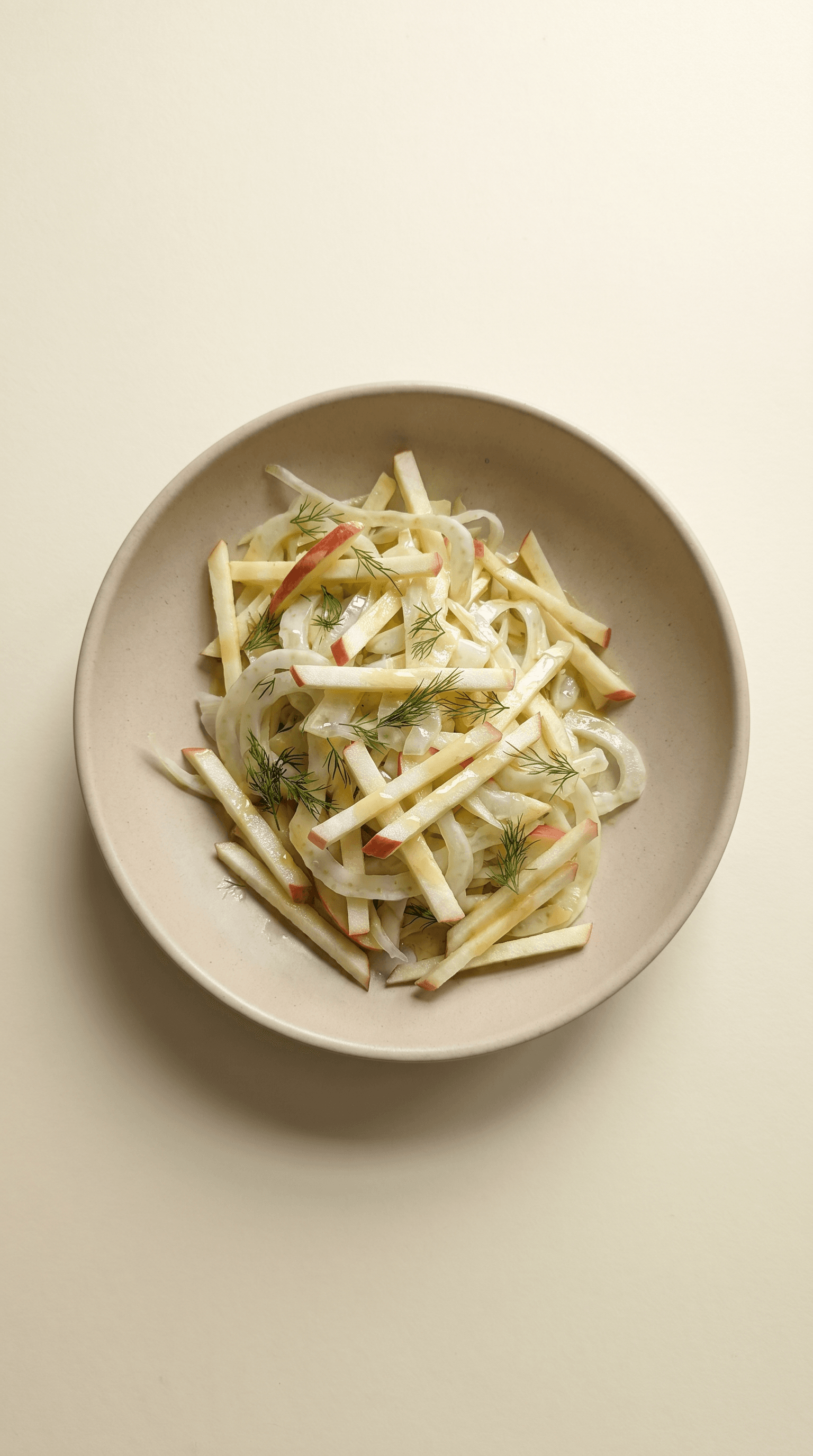
Apple and Fennel Salad with Fresh Dill and Triple-Citrus Vinaigrette
This crisp salad combines paper-thin fennel with sweet apples and fresh dill, all dressed in a bright citrus vinaigrette. The key trick is shaving the fennel super thin so it's delicate, not overpowering. Ready in just 20 minutes and serves 4 as a refreshing starter.
20 min · Easy · USA
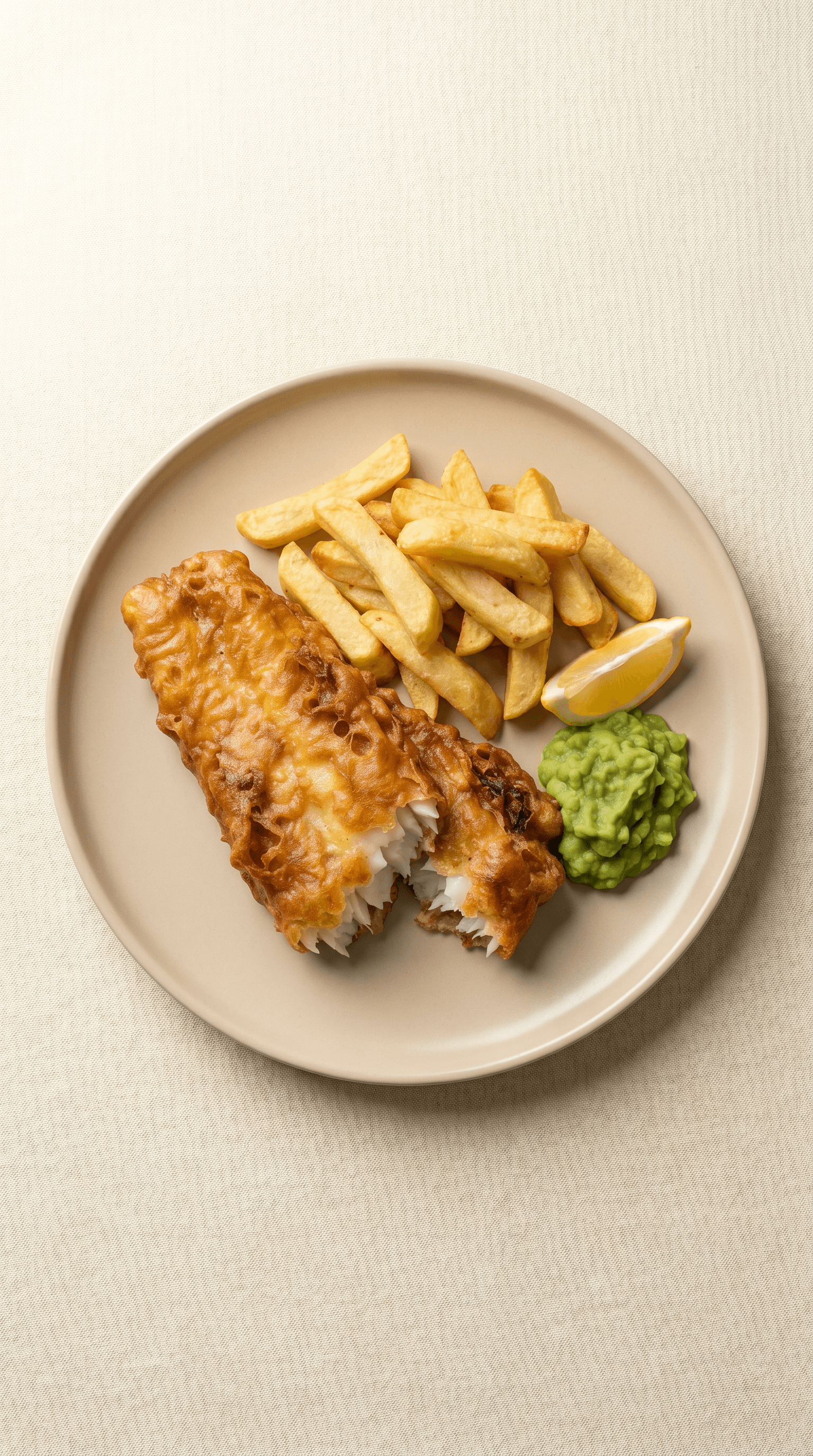
Crispy Fish and Chips
This British classic uses professional secrets to create an ultra-crispy coating that stays crunchy for hours. The key is ultra-cold fish, rice flour coating, and a vodka-spiked batter that puffs up light and airy. Takes about 45 minutes and serves 4 people with restaurant-quality results.
45 min · Intermediate · USA
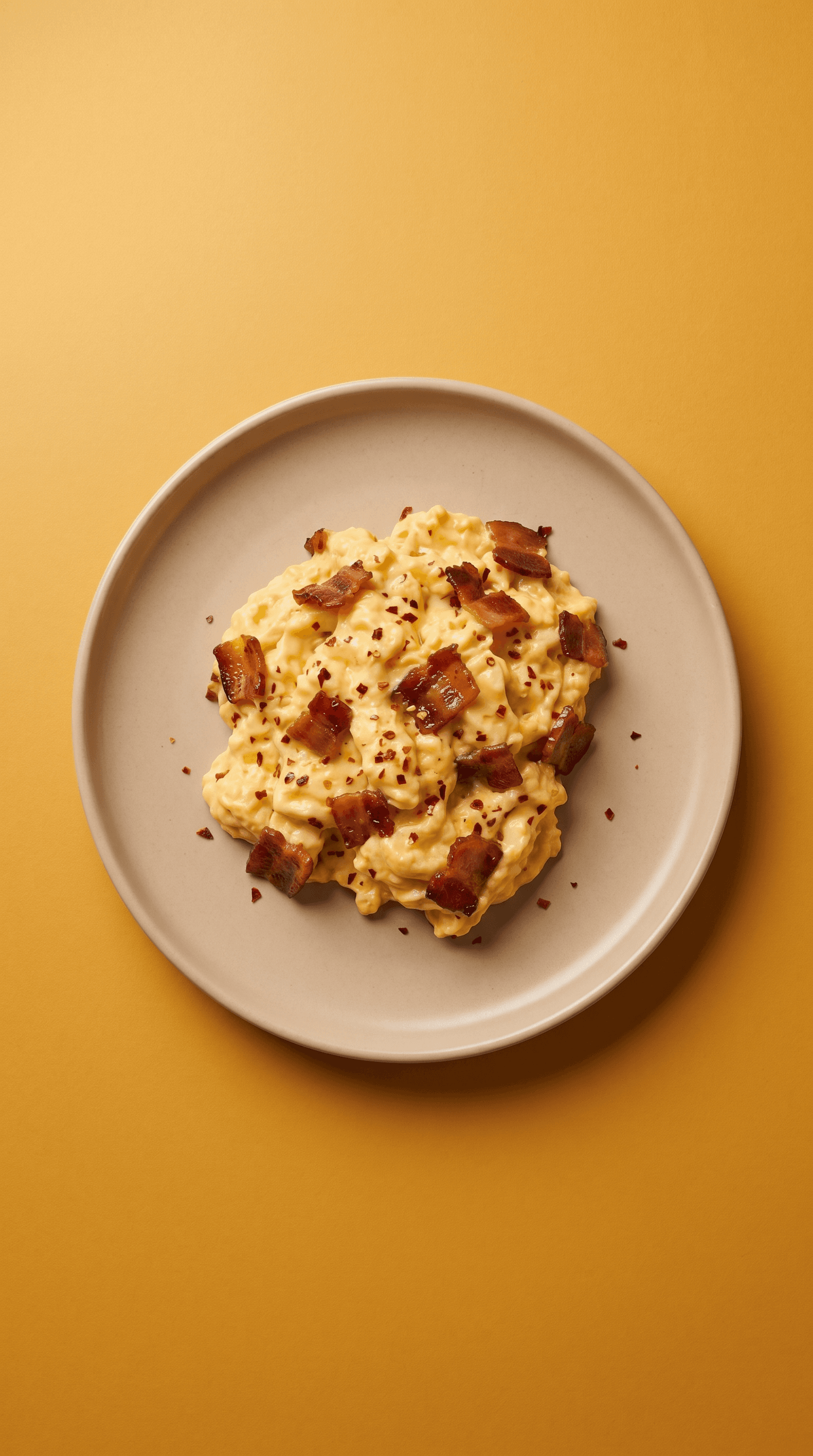
Bomb Scrambled Eggs (W/ Bacon)
These scrambled eggs combine French low-and-slow cooking with bold Asian flavors like fish sauce and sesame oil. The gentle heat creates creamy, custard-like eggs while crispy bacon adds smoky crunch. Ready in 20 minutes, this fusion breakfast serves 1 but scales easily for weekend brunch.
20 min · Easy · USA