Crispy Fish and Chips
45 min · Medium · Serves 4
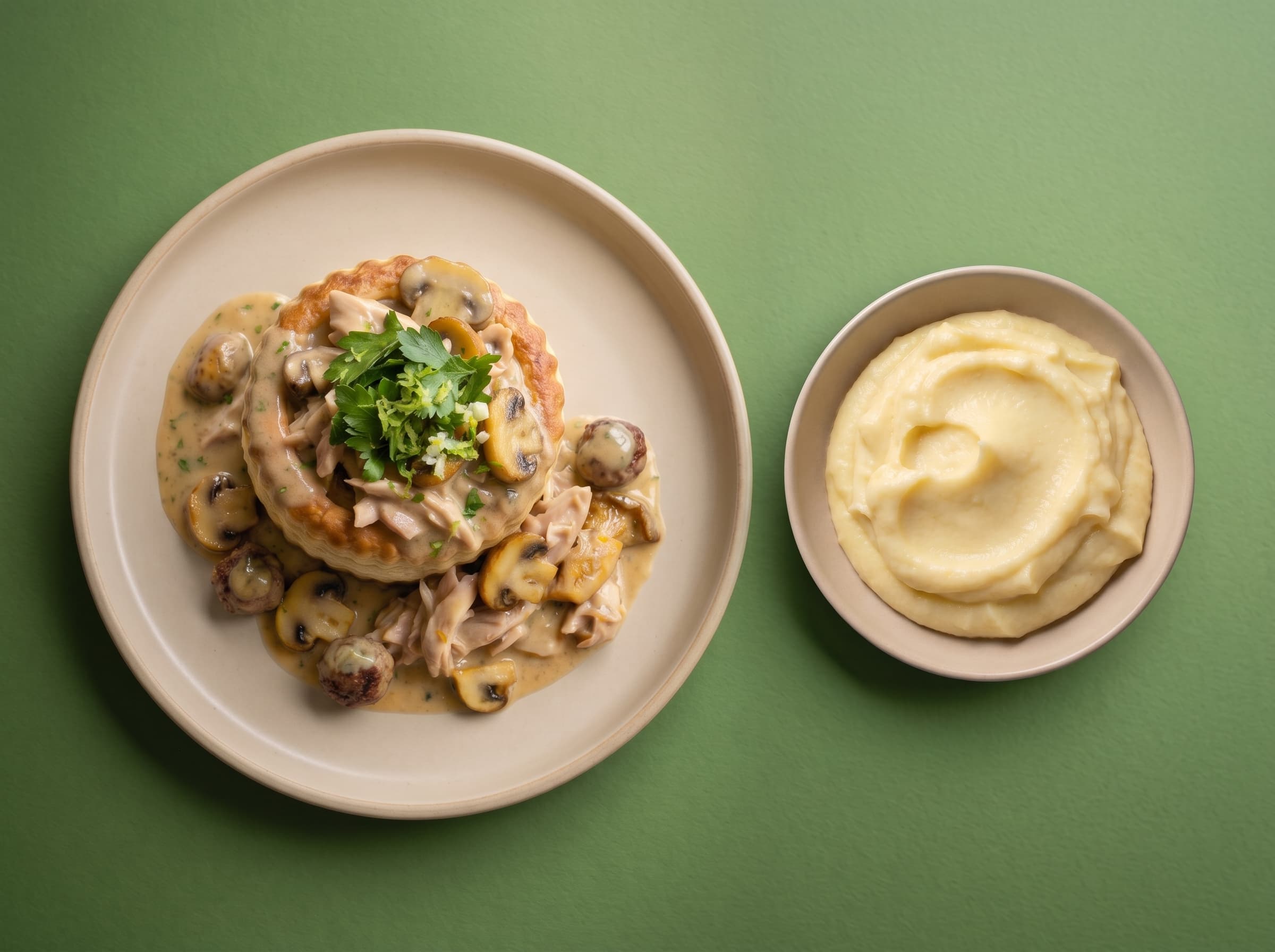 From our menuVol-au-Vent East meets West€19.95 · Made by us, delivered chilled.
This British classic uses professional secrets to create an ultra-crispy coating that stays crunchy for hours. The key is ultra-cold fish, rice flour coating, and a vodka-spiked batter that puffs up light and airy. Takes about 45 minutes and serves 4 people with restaurant-quality results.
Recipe by Christophe Rammant
Cordon Bleu Paris alumni - Two star Michelin kitchen experience
What Makes This Fish and Chips Stay So Crispy?
Professional chefs know that temperature control is everything. Starting with fish chilled to 30°F / -1°C prevents steam from forming inside during frying. That steam is what usually pushes the batter away and makes it soggy.
Food science shows that vodka is the secret weapon here. It evaporates at 173°F / 78°C—much faster than water at 212°F / 100°C. This rapid evaporation creates more air pockets and a drier, crispier shell that stays crunchy even as it cools.
Traditional British chippies use rice flour because it doesn't develop gluten like wheat flour does. This means you get a delicate, shattering crust instead of a thick, bready coating that gets chewy.
The weekly recipe note
Enjoyed this recipe? Get the next one first.
One new recipe each week from Christophe: global flavor, French technique, and practical home-cook timing.
By signing up, you agree to receive emails from Mr. Saucy.
Ingredients
Recipe yields 4 servings
For the Fish
| Amount | Ingredient | Notes |
|---|---|---|
| 680 g (1.5 lbs) | haddock or similar white fish | cut into 4 portions, keep chilled at 30°F / -1°C |
For the Coating
| Amount | Ingredient | Notes |
|---|---|---|
| 120 g (1 cup) | rice flour | for dredging |
| 24 g (4 teaspoons) | fine sea salt | 20% of the rice flour weight |
For the Batter
| Amount | Ingredient | Notes |
|---|---|---|
| 150 g (1¼ cups) | all-purpose flour | for batter base |
| 240 ml (1 cup) | cold water | ice cold |
| 4-5 cubes | ice cubes | added directly to batter |
| 30 ml (2 tablespoons) | vodka | for extra crispiness |
For Frying
| Amount | Ingredient | Notes |
|---|---|---|
| 2 L (8 cups) | vegetable oil | for deep frying, heated to 350°F / 180°C |
Instructions
Prep the Fish
- 1
Chill the Fish (The Temperature Trick)
Keep your fish portions in the coldest part of your fridge at 30°F / -1°C for at least 30 minutes before cooking. This ultra-cold temperature stops steam from forming inside the fish during frying, which is what usually makes the batter separate and get greasy.
- 2
Remove Surface Ice
Briefly dip each cold fish piece in room-temperature water and pat dry immediately. This removes any ice crystals on the surface so the flour coating sticks evenly instead of sliding off in patches.
Make the Coating and Batter
- 3
Mix the Rice Flour Coating
Combine the rice flour and fine sea salt in a shallow dish. Rice flour creates a better moisture barrier than regular flour because it has no gluten—this keeps the fish moist inside while the outside gets crispy.
- 4
Prepare the Lumpy Batter (Don't Overmix)
In a bowl, use chopsticks to gently stir together the all-purpose flour, ice-cold water, ice cubes, and vodka. Leave it intentionally lumpy with visible streaks of flour. Over-mixing develops gluten which makes the crust tough and bready instead of light and crispy. The lumps create those beautiful nooks and crannies that make fish and chips look professional.
Coat and Fry
- 5
Dredge in Rice Flour
Press each cold fish piece into the rice flour mixture, coating all sides thoroughly. Shake off any excess but make sure there's a complete coating—this layer absorbs surface moisture and gives the wet batter something to grip onto.
- 6
Heat the Oil to Exact Temperature
Heat your oil to exactly 350°F / 180°C using a thermometer. This temperature is critical—too cool and the vodka won't evaporate fast enough, making the batter absorb grease. Too hot and the outside burns before the fish cooks through.
- 7
Dip and Fry (The Swimming Technique)
Dip each floured fish piece into the lumpy batter, letting excess drip off for just 2 seconds. Hold the fish by one end and gently lower it into the hot oil, 'swimming' it in the oil for 3-4 seconds before releasing. This sets the batter so it doesn't sink and stick to the basket. Fry for 5-7 minutes until deep golden brown and the internal temperature reaches 145°F / 63°C.
- 8
Drain and Rest
Remove the fish to a wire rack set over a baking sheet—never paper towels, which trap steam and make the bottom soggy. Let rest for 2 minutes before serving. The crust will stay crispy because the vodka has evaporated completely, leaving behind a dry, airy shell.
The weekly recipe note
Enjoyed this recipe? Get the next one first.
One new recipe each week from Christophe: global flavor, French technique, and practical home-cook timing.
By signing up, you agree to receive emails from Mr. Saucy.
Tips & Tricks
your batter is sliding off the fish:
Make sure you dredge in the rice flour first and that the fish is completely dry after the water dip. The rice flour creates a rough surface that grabs onto the wet batter like velcro.
the coating is getting soggy after a few minutes:
Your oil temperature dropped too low during frying. Fry only 1-2 pieces at a time so the oil stays at 350°F / 180°C. The vodka needs that high heat to evaporate quickly and create the crispy texture.
you don't have vodka:
Use cold beer or sparkling water instead. They won't be quite as crispy because they don't evaporate as fast, but the carbonation still creates some lift and lightness in the batter.
the batter is too thick and clumpy:
Add cold water 1 tablespoon at a time until it's the consistency of thick pancake batter. But don't whisk it smooth—those lumps are what create the craggy, crispy texture.
you don't have a thermometer:
Drop a small spoonful of batter into the oil. It should sizzle immediately and float to the top within 2-3 seconds. If it sinks or browns in under 30 seconds, the oil is too hot.
the fish is sticking to your frying basket:
Use the swimming technique—hold the fish and move it gently in the oil for 3-4 seconds before letting go. This sets the batter so it releases cleanly from metal surfaces.
your batter is sliding off the fish:
Make sure you dredge in the rice flour first and that the fish is completely dry after the water dip. The rice flour creates a rough surface that grabs onto the wet batter like velcro.
the coating is getting soggy after a few minutes:
Your oil temperature dropped too low during frying. Fry only 1-2 pieces at a time so the oil stays at 350°F / 180°C. The vodka needs that high heat to evaporate quickly and create the crispy texture.
you don't have vodka:
Use cold beer or sparkling water instead. They won't be quite as crispy because they don't evaporate as fast, but the carbonation still creates some lift and lightness in the batter.
the batter is too thick and clumpy:
Add cold water 1 tablespoon at a time until it's the consistency of thick pancake batter. But don't whisk it smooth—those lumps are what create the craggy, crispy texture.
you don't have a thermometer:
Drop a small spoonful of batter into the oil. It should sizzle immediately and float to the top within 2-3 seconds. If it sinks or browns in under 30 seconds, the oil is too hot.
the fish is sticking to your frying basket:
Use the swimming technique—hold the fish and move it gently in the oil for 3-4 seconds before letting go. This sets the batter so it releases cleanly from metal surfaces.
Frequently Asked Questions
Why should I add vodka to my fish batter?
Vodka evaporates at 173°F / 78°C—much lower than water at 212°F / 100°C. This rapid evaporation creates more air bubbles in the crust and prevents gluten from developing, giving you a shatteringly crisp texture that stays crunchy even as it cools down.
What if I don't have rice flour for the coating?
Use cornstarch instead. Like rice flour, cornstarch is gluten-free and absorbs surface moisture from the fish. This helps the wet batter stick properly and fries up crisp instead of doughy or gummy.
Why does the fish need to be so cold before frying?
Starting with fish at 30°F / -1°C prevents the steam gap problem. Normally, fish releases steam as it cooks, which pushes the batter away. Ultra-cold fish lets the batter set firmly before the fish warms up enough to release moisture, so the crust stays attached and crispy.
Can I make the batter in advance?
No, make it right before frying. If batter sits for more than 10 minutes, the flour absorbs too much liquid and any lift from the vodka or ice dissipates. For the airiest, crispiest results, mix it cold and use it immediately.
Can I use a different type of white fish?
Yes! Cod, pollock, or halibut all work beautifully. Look for thick, firm fillets that won't fall apart during frying. Avoid delicate fish like sole or flounder—they're too thin and fragile for this cooking method.
How do I know when the fish is done?
The coating should be deep golden brown and the internal temperature should reach 145°F / 63°C. If you don't have a thermometer, the fish should feel firm when you press it gently and the batter should sound hollow when you tap it.
Why is my batter turning out greasy instead of crispy?
Your oil temperature is too low. At 350°F / 180°C, the batter sets immediately and creates a barrier that keeps oil out. Below 325°F / 163°C, the batter absorbs oil before it can crisp up, making it heavy and greasy.
Can I keep the fried fish warm in the oven?
Yes, but only for 10-15 minutes max. Place the fried fish on a wire rack in a 200°F / 93°C oven. Any longer and the trapped steam will soften the crust. For best results, serve immediately after frying.
Why should I add vodka to my fish batter?
Vodka evaporates at 173°F / 78°C—much lower than water at 212°F / 100°C. This rapid evaporation creates more air bubbles in the crust and prevents gluten from developing, giving you a shatteringly crisp texture that stays crunchy even as it cools down.
What if I don't have rice flour for the coating?
Use cornstarch instead. Like rice flour, cornstarch is gluten-free and absorbs surface moisture from the fish. This helps the wet batter stick properly and fries up crisp instead of doughy or gummy.
Why does the fish need to be so cold before frying?
Starting with fish at 30°F / -1°C prevents the steam gap problem. Normally, fish releases steam as it cooks, which pushes the batter away. Ultra-cold fish lets the batter set firmly before the fish warms up enough to release moisture, so the crust stays attached and crispy.
Can I make the batter in advance?
No, make it right before frying. If batter sits for more than 10 minutes, the flour absorbs too much liquid and any lift from the vodka or ice dissipates. For the airiest, crispiest results, mix it cold and use it immediately.
Can I use a different type of white fish?
Yes! Cod, pollock, or halibut all work beautifully. Look for thick, firm fillets that won't fall apart during frying. Avoid delicate fish like sole or flounder—they're too thin and fragile for this cooking method.
How do I know when the fish is done?
The coating should be deep golden brown and the internal temperature should reach 145°F / 63°C. If you don't have a thermometer, the fish should feel firm when you press it gently and the batter should sound hollow when you tap it.
Why is my batter turning out greasy instead of crispy?
Your oil temperature is too low. At 350°F / 180°C, the batter sets immediately and creates a barrier that keeps oil out. Below 325°F / 163°C, the batter absorbs oil before it can crisp up, making it heavy and greasy.
Can I keep the fried fish warm in the oven?
Yes, but only for 10-15 minutes max. Place the fried fish on a wire rack in a 200°F / 93°C oven. Any longer and the trapped steam will soften the crust. For best results, serve immediately after frying.
Recipe Reviews
No reviews yet — Be the first to review this recipe!
The collection
All recipes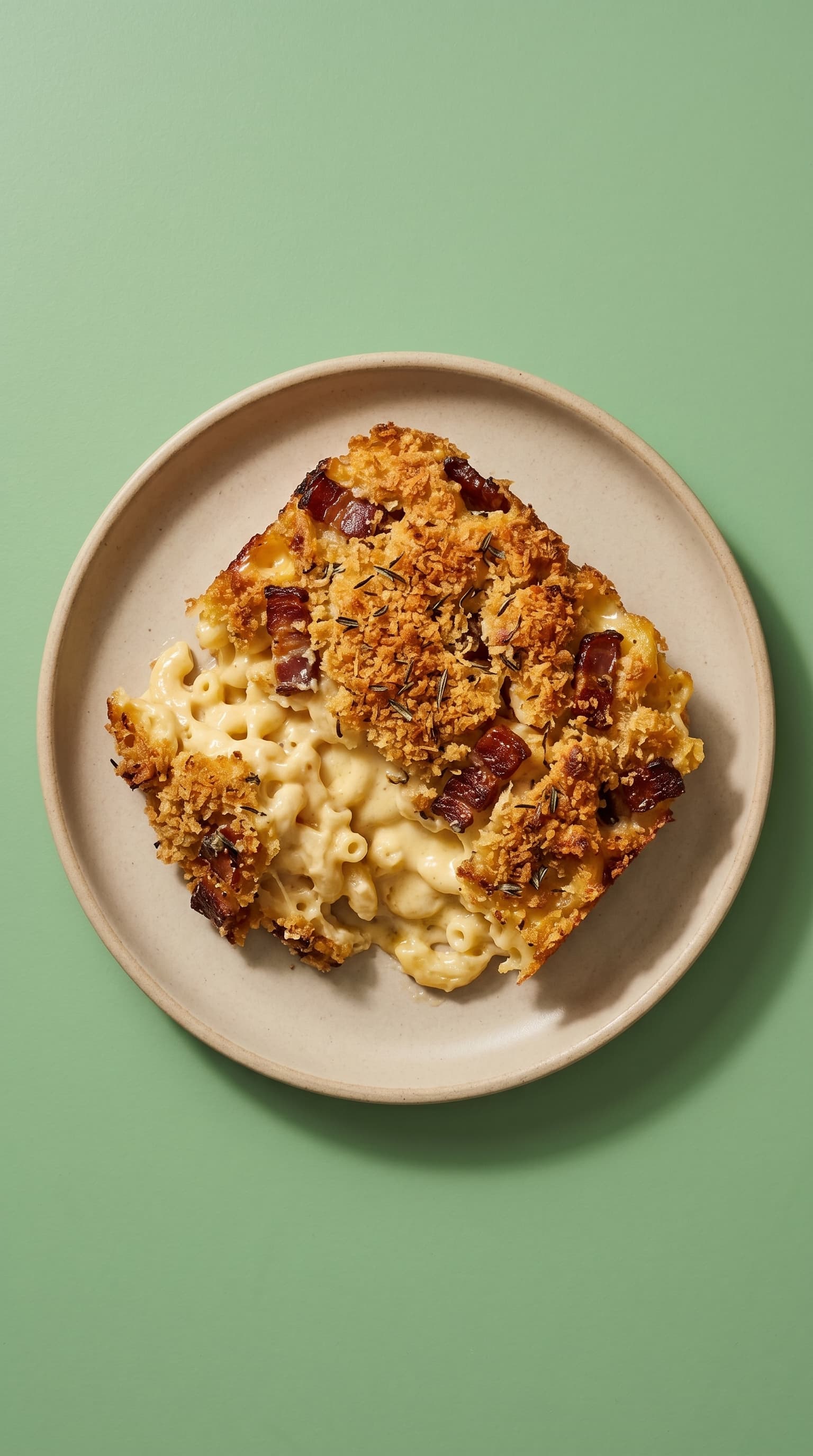
Bacon Mac and Cheese with a Three-Cheese Sauce
This ultimate bacon mac and cheese builds a rich three-cheese sauce on a hybrid béchamel-velouté made with both chicken stock and whole milk. Crispy smoked bacon lardons fold through the pasta, and a panko-Parmesan crust bakes to a golden crunch. Ready in about 60 minutes and serves 4 to 6.
60 min · Intermediate · USA
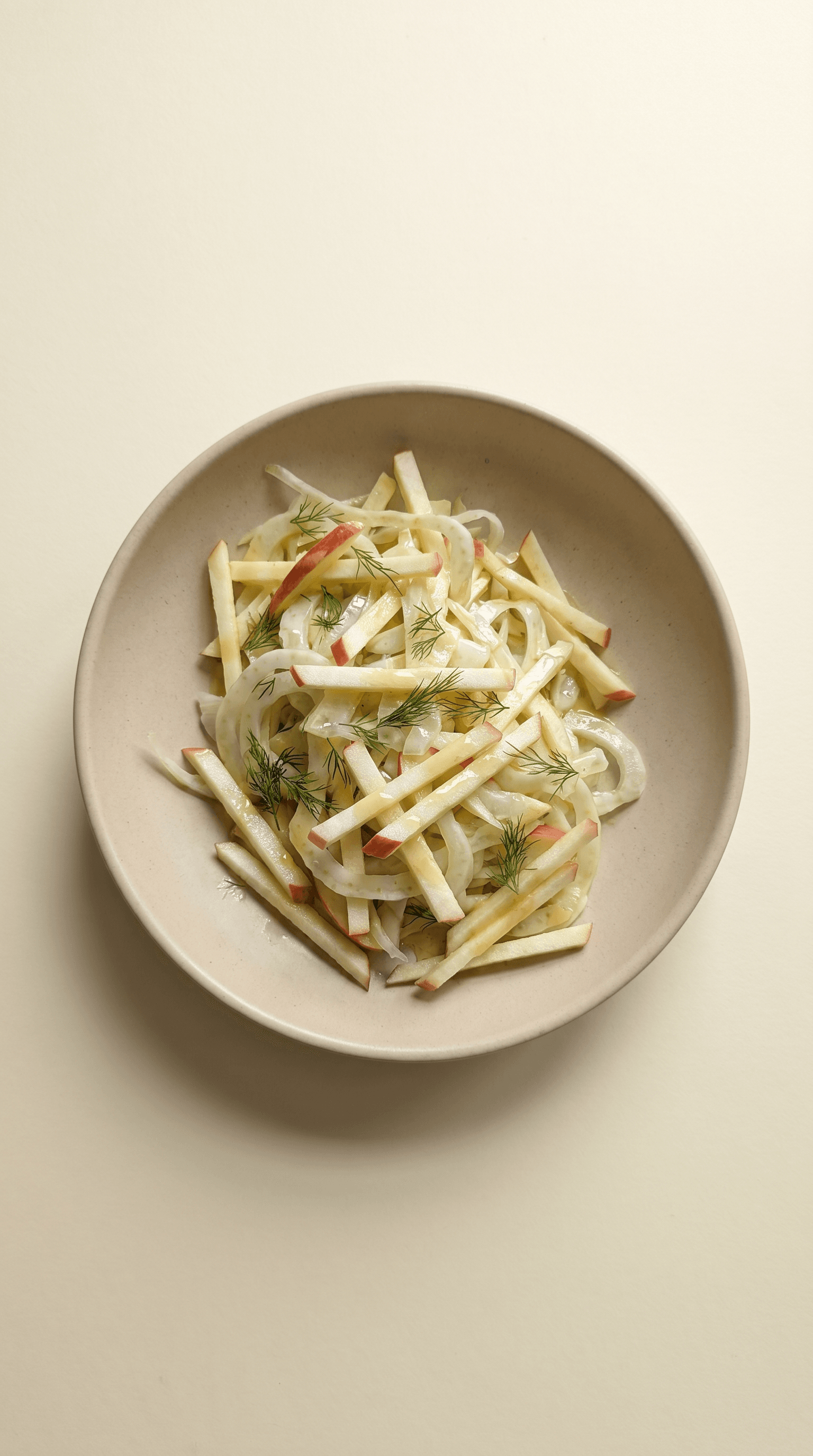
Apple and Fennel Salad with Fresh Dill and Triple-Citrus Vinaigrette
This crisp salad combines paper-thin fennel with sweet apples and fresh dill, all dressed in a bright citrus vinaigrette. The key trick is shaving the fennel super thin so it's delicate, not overpowering. Ready in just 20 minutes and serves 4 as a refreshing starter.
20 min · Easy · USA
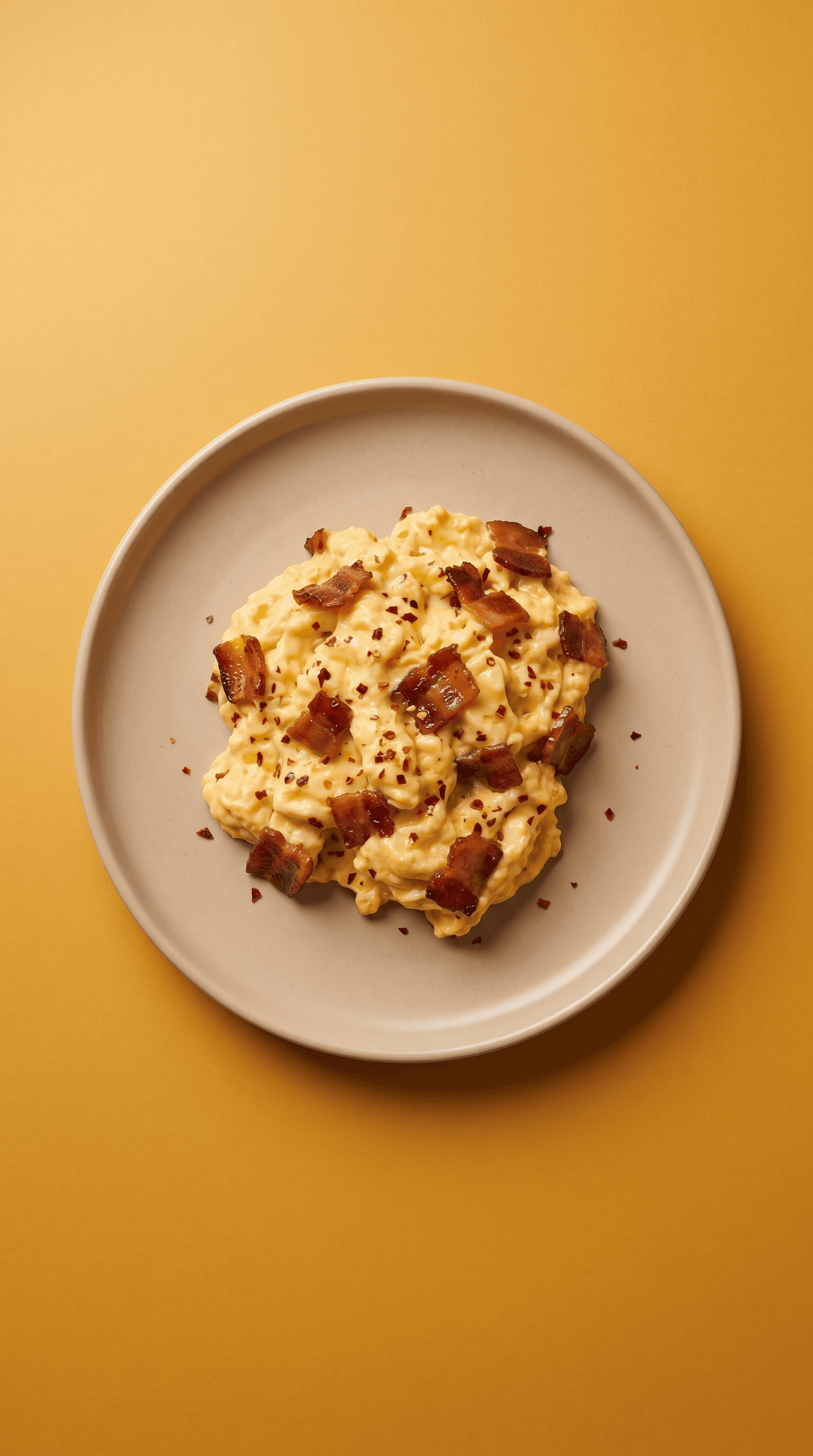
Bomb Scrambled Eggs (W/ Bacon)
These scrambled eggs combine French low-and-slow cooking with bold Asian flavors like fish sauce and sesame oil. The gentle heat creates creamy, custard-like eggs while crispy bacon adds smoky crunch. Ready in 20 minutes, this fusion breakfast serves 1 but scales easily for weekend brunch.
20 min · Easy · USA