Authentic Pad Thai with Shrimp and Chicken
1 hr · Medium · Serves 4
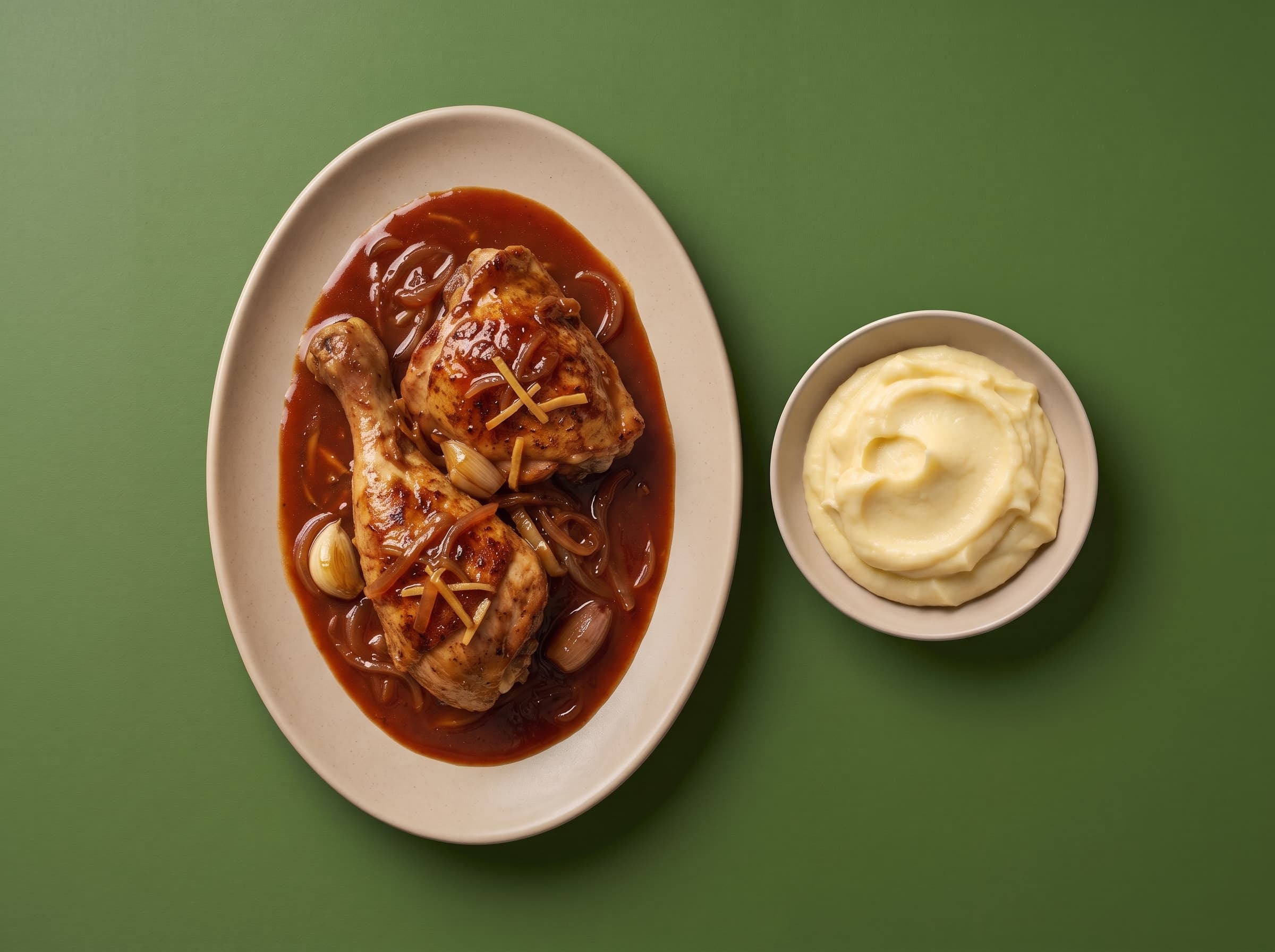 From our menuCoq au vin€22.95 · Made by us, delivered chilled.
This authentic pad thai is built the way Bangkok street stalls make it: sour tamarind sauce, funky dried shrimp, salty chai poh, and noodles with real wok char. Cook it in two portions over maximum heat for the best results. Ready in about 60 minutes and serves 4.
Recipe by Christophe Rammant
Cordon Bleu Paris alumni - Two star Michelin kitchen experience
What Makes This Pad Thai Taste Like the Real Thing?
Traditional Thai street cooking relies on extreme heat and a pre-balanced sauce. Professional culinary team know that making the tamarind sauce first, before the wok gets hot, is the only way to taste and adjust the sour-sweet-salty balance. Once cooking starts, there is no time to fix it.
Food science shows that a crowded pan drops temperature fast and traps steam. That steam is what makes noodles soft and clumped instead of lightly charred and separate. Cooking in two smaller portions keeps the wok screaming hot so the noodles fry, not steam.
The two ingredients most home recipes skip, dried shrimp and preserved radish, are the soul of this dish. Dried shrimp adds a deep, toasted seafood flavor that fresh shrimp alone cannot give. Preserved radish adds a salty, slightly funky crunch. Together they explain why restaurant pad thai tastes so different from homemade versions.
Estimated nutrition per serving
Estimated from ingredient weights, not lab-tested.
- Calories
- 911
- Protein
- 33g
- Fat
- 39g
- Carbohydrates
- 125g
The weekly recipe note
Enjoyed this recipe? Get the next one first.
One new recipe each week from Christophe: global flavor, French technique, and practical home-cook timing.
By signing up, you agree to receive emails from Mr. Saucy.
Ingredients
Recipe yields 4 servings
For the Noodles and Protein
| Amount | Ingredient | Notes |
|---|---|---|
| 320 g | sen lek rice stick noodles (3mm wide) | soak in room temperature water for 30 minutes before cooking, not boiling water |
| 80 g | raw shrimp, peeled and deveined | medium size, tails on for presentation, about 5 to 6 pieces per portion |
| 80 g | chicken thigh, thinly sliced | slice against the grain into 5mm strips; thigh is preferred for juiciness, breast works but watch the heat carefully |
| 180 g (approximately 4 large eggs) | eggs | cracked and ready in a bowl before cooking starts |
For the Sauce
| Amount | Ingredient | Notes |
|---|---|---|
| 120 g | tamarind paste (wet block) | dissolved in 120 ml warm water and strained through a fine sieve; do not use concentrate |
| 60 g (about 4 tablespoons) | fish sauce | Red Boat or Tiparos brand preferred |
| 50 g | palm sugar | shaved or chopped; substitute with light brown sugar if unavailable |
| 30 g (about 2 tablespoons) | oyster sauce | adds savory depth to the sauce |
For the Wok
| Amount | Ingredient | Notes |
|---|---|---|
| 40 g | dried shrimp | the secret umami backbone; find at any Asian grocery store |
| 60 g | preserved radish (chai poh) | rinsed well to remove excess salt, roughly chopped |
| 24 g (approximately 6 cloves) | garlic, minced | — |
| 80 g (approximately 4 medium shallots) | shallots, thinly sliced | — |
| 60 g | green onions (scallions) | cut into 3cm pieces, white and green parts separated |
| 80 g (about 6 tablespoons) | neutral oil (vegetable oil or lard) | lard is traditional and gives superior wok flavor; use it if you can |
For Serving and the Table Condiment Caddy
| Amount | Ingredient | Notes |
|---|---|---|
| 200 g | bean sprouts | served fresh on the side, not cooked into the dish |
| 40 g | garlic chives | cut into 3cm pieces; substitute with extra green onion tops if unavailable |
| 80 g | roasted peanuts, roughly crushed | for garnish and table condiment |
| 120 g (approximately 3 limes) | lime | cut into wedges for serving |
| 10 g | dried chili flakes | for the table condiment caddy |
| 20 g | white sugar | for the table condiment caddy; diners adjust their own sweetness |
| 60 g | white vinegar with sliced fresh bird's eye chilies | combine 50 ml white vinegar with 2 to 3 sliced chilies; table condiment |
Instructions
Prep (Do This Before You Touch the Wok)
- 1
Soak the Noodles (The Room Temperature Rule)
Place the rice noodles in a large bowl and cover with room temperature water. Soak for 30 minutes. They should bend without snapping but still feel firm and slightly chalky in the center. This is correct. They will finish cooking in the wok, so underdone here is the goal. Hot water makes them too soft and sticky before they even hit the pan.
- 2
Make the Tamarind Sauce (Your Only Chance to Calibrate)
Combine the strained tamarind liquid, fish sauce, palm sugar, and oyster sauce in a small saucepan over medium heat. Stir until the palm sugar fully dissolves, about 3 minutes. Taste it carefully. It should hit sour first, then sweet, then salty. Adjust now: more fish sauce for salt, more palm sugar for sweetness, more tamarind for acidity. Once the wok is hot, there is no time to fix the sauce. Set it aside.
- 3
Prep the Chicken (Surface Dry for Better Color)
Slice the chicken thigh into thin 5mm strips against the grain. If using breast, pat the surface dry with a paper towel first. Surface moisture is the enemy of wok char. Let the sliced chicken sit at room temperature for 10 minutes before cooking. Cold protein dropped into a hot wok lowers the temperature instantly and kills the sear.
- 4
Set Up Your Mise en Place (Non-Negotiable)
Arrange everything within arm's reach of the stove: sauce, drained noodles, shrimp, sliced chicken, eggs, garlic, shallots, dried shrimp, chai poh, and green onions. Once the wok is hot, the dish cooks in under 4 minutes. There is no time to search for anything. Then divide all ingredients into two equal portions. You will cook this dish twice, one portion at a time.
Cooking (First Portion)
- 5
Get the Wok Screaming Hot (Wok Hei Starts Here)
Heat your wok or largest heavy pan over maximum heat for 2 to 3 minutes until you see a faint wisp of smoke rising from the surface. This is the temperature you need for real wok char. Add 2 tablespoons of oil and swirl to coat the pan.
- 6
Cook the Aromatics and Protein (Build the Base)
Add the first portion of garlic and shallots and stir constantly for 20 to 30 seconds until fragrant and just beginning to color. Add the chicken strips and spread them in a single layer. Let them sit undisturbed for 20 to 25 seconds to develop color on one side, then toss. Cook for another 30 seconds until the chicken is about 80 percent cooked through and has some golden edges. Add the shrimp and toss for 20 to 30 seconds until the shrimp just turns pink at the edges but is not yet fully cooked. The protein amounts here are intentionally modest. In Bangkok, the noodle is the main event.
- 7
Add the Noodles and Sauce (Toss Fast)
Add the drained noodles and immediately pour half the sauce over them. Toss aggressively with tongs or chopsticks for 60 to 90 seconds. The noodles will absorb the sauce quickly and begin to take on a slight caramel color at the edges. If they stick, add a small splash of water, about 15 to 20 ml, to loosen. Do not add more sauce.
- 8
Cook the Eggs (The Golden Streak Technique)
Push everything firmly to one side of the wok, creating a clear empty space. Add a small drizzle of oil to the empty space, then pour in the eggs. Let them sit undisturbed for 8 to 10 seconds until the edges just begin to set. Then scramble lightly with your spatula. Before the eggs are fully set, they should still look slightly wet and glossy, fold the noodles back over the top and toss once or twice. You want visible golden streaks of egg woven through the noodles, not a uniform scramble.
- 9
Add the Dried Shrimp and Chai Poh (The Soul of the Dish)
Add the dried shrimp and chai poh and toss for 20 seconds. These two ingredients toast briefly in the residual heat and release a deep, funky, savory aroma that is the heart of street-stall pad thai. Add the white parts of the green onions and toss once more.
- 10
Plate Immediately and Repeat
Plate the first portion right away. Scatter the garlic chives and green onion tops over the top. Pad thai waits for no one. Return the wok to maximum heat and repeat steps 5 through 9 for the second portion.
Serving (The Table Finishes the Dish)
- 11
Set the Table Condiment Caddy (This Is Part of the Recipe)
Serve each plate with a wedge of lime, a generous pinch of crushed peanuts, and the full condiment caddy alongside: dried chili flakes, white sugar, fish sauce, and chili vinegar. In Thailand, the diner finishes the dish at the table. A squeeze of lime and a pinch of chili flakes makes a dramatic difference to the final flavor. The bean sprouts and garlic chives go on the side, raw and cool, so each person can add them to their own plate. The contrast between hot noodles and cool crunchy sprouts is intentional.
The weekly recipe note
Enjoyed this recipe? Get the next one first.
One new recipe each week from Christophe: global flavor, French technique, and practical home-cook timing.
By signing up, you agree to receive emails from Mr. Saucy.
Tips & Tricks
You can't find tamarind block at your local store:
Look at any Asian grocery store. Buy the wet block, not the concentrate. Dissolve a golf-ball-sized piece in 120 ml of warm water, massage it with your fingers, then strain through a sieve. It keeps for months in the fridge and the flavor is far brighter than concentrate.
Your home burner doesn't get hot enough:
Use a flat carbon steel pan instead of a round-bottomed wok. The flat base makes full contact with your heating element and gets hotter than a wok sitting on a standard ring. Preheat it empty for at least 3 minutes before adding oil.
Your noodles come out soft, clumped, and sticky:
Two likely causes: you soaked the noodles in hot water, or you crowded the wok. Soak in room temperature water only, and always cook in two separate portions. Toss the noodles the moment the sauce hits them. Don't let them sit still.
Your pad thai tastes flat compared to what you had in Thailand:
You likely skipped the dried shrimp and chai poh, or the sauce wasn't balanced before cooking. These two ingredients are what most home recipes leave out. Also, don't forget the table condiments. A squeeze of lime and a pinch of chili flakes at the table transforms the dish.
You want to make this for a dinner party without stress:
Make the sauce up to 3 days ahead and store it in a jar in the fridge. The flavors actually improve as they meld. Soak and drain the noodles, slice the chicken, and set up your mise en place before guests arrive. Each portion cooks in under 4 minutes once the wok is hot.
Your chicken comes out dry and tough:
Switch to chicken thigh if you're using breast. Thigh has more fat and stays juicy under intense wok heat. If you must use breast, slice it extra thin at 3 to 4mm, pat it dry before cooking, and don't let it sit in the pan any longer than needed before the noodles go in.
You can't find tamarind block at your local store:
Look at any Asian grocery store. Buy the wet block, not the concentrate. Dissolve a golf-ball-sized piece in 120 ml of warm water, massage it with your fingers, then strain through a sieve. It keeps for months in the fridge and the flavor is far brighter than concentrate.
Your home burner doesn't get hot enough:
Use a flat carbon steel pan instead of a round-bottomed wok. The flat base makes full contact with your heating element and gets hotter than a wok sitting on a standard ring. Preheat it empty for at least 3 minutes before adding oil.
Your noodles come out soft, clumped, and sticky:
Two likely causes: you soaked the noodles in hot water, or you crowded the wok. Soak in room temperature water only, and always cook in two separate portions. Toss the noodles the moment the sauce hits them. Don't let them sit still.
Your pad thai tastes flat compared to what you had in Thailand:
You likely skipped the dried shrimp and chai poh, or the sauce wasn't balanced before cooking. These two ingredients are what most home recipes leave out. Also, don't forget the table condiments. A squeeze of lime and a pinch of chili flakes at the table transforms the dish.
You want to make this for a dinner party without stress:
Make the sauce up to 3 days ahead and store it in a jar in the fridge. The flavors actually improve as they meld. Soak and drain the noodles, slice the chicken, and set up your mise en place before guests arrive. Each portion cooks in under 4 minutes once the wok is hot.
Your chicken comes out dry and tough:
Switch to chicken thigh if you're using breast. Thigh has more fat and stays juicy under intense wok heat. If you must use breast, slice it extra thin at 3 to 4mm, pat it dry before cooking, and don't let it sit in the pan any longer than needed before the noodles go in.
Frequently Asked Questions
Can I make pad thai without a wok?
Yes. Use your largest, heaviest frying pan, cast iron or carbon steel works best, and preheat it thoroughly over maximum heat. A flat pan actually makes better contact with home burners than a round-bottomed wok, so results can be excellent. The key is surface temperature, not the shape of the pan.
What if I can't find tamarind paste or palm sugar?
For tamarind, use 2 tablespoons of lime juice plus 1 teaspoon of Worcestershire sauce. It won't be identical but gives a similar sour-savory profile. For palm sugar, light brown sugar is the closest substitute. Avoid white sugar alone as it lacks the slight molasses depth that rounds out the sauce.
Why do my pad thai noodles always clump together?
Two likely causes: the noodles were soaked in hot water, which makes them too soft and sticky before they hit the wok, or the wok was overcrowded. Soak in room temperature water only, cook in two separate portions, and toss the noodles immediately when the sauce hits them.
Should I use chicken breast or thigh for pad thai?
Thigh is the better choice. It has more fat and stays moist under high heat while picking up better color and flavor. Breast can dry out quickly if the heat is too aggressive. If you use breast, slice it extra thin at 3 to 4mm and don't let it sit in the pan longer than necessary before the noodles go in.
The protein portions look really small. Is that right?
Yes, intentionally so. A Bangkok street-stall pad thai is a noodle dish first. You get roughly 5 to 6 shrimp and a modest handful of chicken per portion. The egg, sauce, dried shrimp, and chai poh carry the flavor. The fresh shrimp and chicken provide texture and punctuation. You can scale up, but the dish will feel heavier.
Can I prep pad thai ahead of time for a dinner party?
Partially. Make the sauce, soak and drain the noodles, slice the chicken, and set up your mise en place ahead of time. But cook each portion to order. Pad thai does not hold or reheat well. The good news is each portion takes under 4 minutes once the wok is hot, so it's fast even for a group.
Why does my homemade pad thai taste different from what I had in Thailand?
Almost always one of three things: the sauce wasn't balanced before cooking, the dried shrimp and chai poh were skipped, or the heat was too low. Also, don't forget the table condiments. Adding a squeeze of lime and a pinch of chili flakes at the table makes a dramatic difference to the final flavor.
Is pad thai gluten free?
The rice noodles, tamarind, fish sauce, and most ingredients are naturally gluten free. However, oyster sauce typically contains wheat. To make this dish gluten free, swap the oyster sauce for a certified gluten-free oyster sauce or a small splash of extra fish sauce. Always check labels on your specific brands.
Can I make pad thai without a wok?
Yes. Use your largest, heaviest frying pan, cast iron or carbon steel works best, and preheat it thoroughly over maximum heat. A flat pan actually makes better contact with home burners than a round-bottomed wok, so results can be excellent. The key is surface temperature, not the shape of the pan.
What if I can't find tamarind paste or palm sugar?
For tamarind, use 2 tablespoons of lime juice plus 1 teaspoon of Worcestershire sauce. It won't be identical but gives a similar sour-savory profile. For palm sugar, light brown sugar is the closest substitute. Avoid white sugar alone as it lacks the slight molasses depth that rounds out the sauce.
Why do my pad thai noodles always clump together?
Two likely causes: the noodles were soaked in hot water, which makes them too soft and sticky before they hit the wok, or the wok was overcrowded. Soak in room temperature water only, cook in two separate portions, and toss the noodles immediately when the sauce hits them.
Should I use chicken breast or thigh for pad thai?
Thigh is the better choice. It has more fat and stays moist under high heat while picking up better color and flavor. Breast can dry out quickly if the heat is too aggressive. If you use breast, slice it extra thin at 3 to 4mm and don't let it sit in the pan longer than necessary before the noodles go in.
The protein portions look really small. Is that right?
Yes, intentionally so. A Bangkok street-stall pad thai is a noodle dish first. You get roughly 5 to 6 shrimp and a modest handful of chicken per portion. The egg, sauce, dried shrimp, and chai poh carry the flavor. The fresh shrimp and chicken provide texture and punctuation. You can scale up, but the dish will feel heavier.
Can I prep pad thai ahead of time for a dinner party?
Partially. Make the sauce, soak and drain the noodles, slice the chicken, and set up your mise en place ahead of time. But cook each portion to order. Pad thai does not hold or reheat well. The good news is each portion takes under 4 minutes once the wok is hot, so it's fast even for a group.
Why does my homemade pad thai taste different from what I had in Thailand?
Almost always one of three things: the sauce wasn't balanced before cooking, the dried shrimp and chai poh were skipped, or the heat was too low. Also, don't forget the table condiments. Adding a squeeze of lime and a pinch of chili flakes at the table makes a dramatic difference to the final flavor.
Is pad thai gluten free?
The rice noodles, tamarind, fish sauce, and most ingredients are naturally gluten free. However, oyster sauce typically contains wheat. To make this dish gluten free, swap the oyster sauce for a certified gluten-free oyster sauce or a small splash of extra fish sauce. Always check labels on your specific brands.
Recipe Reviews
No reviews yet — Be the first to review this recipe!
The collection
All recipes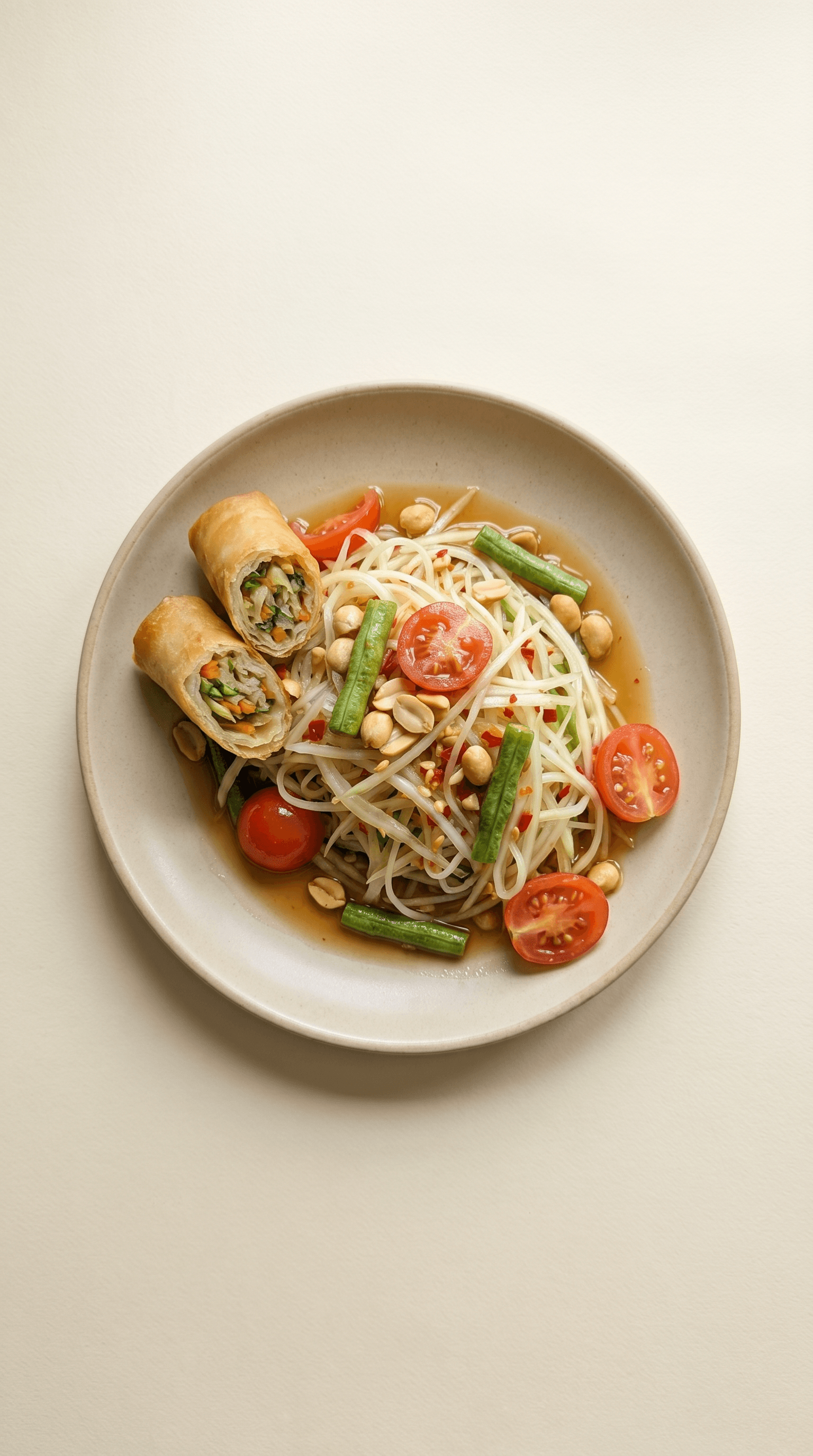
Green Papaya Salad with Crispy Spring Rolls (Som Tam Pao Thod)
This vibrant Thai street food salad combines shredded green papaya with a spicy-sweet-sour dressing and crispy pre-made spring rolls. You'll master the traditional mortar-and-pestle technique that makes restaurant-quality Som Tam at home. Takes 30 minutes total and serves 2-4 people with bold, refreshing flavors.
30 min · Intermediate · Thailand
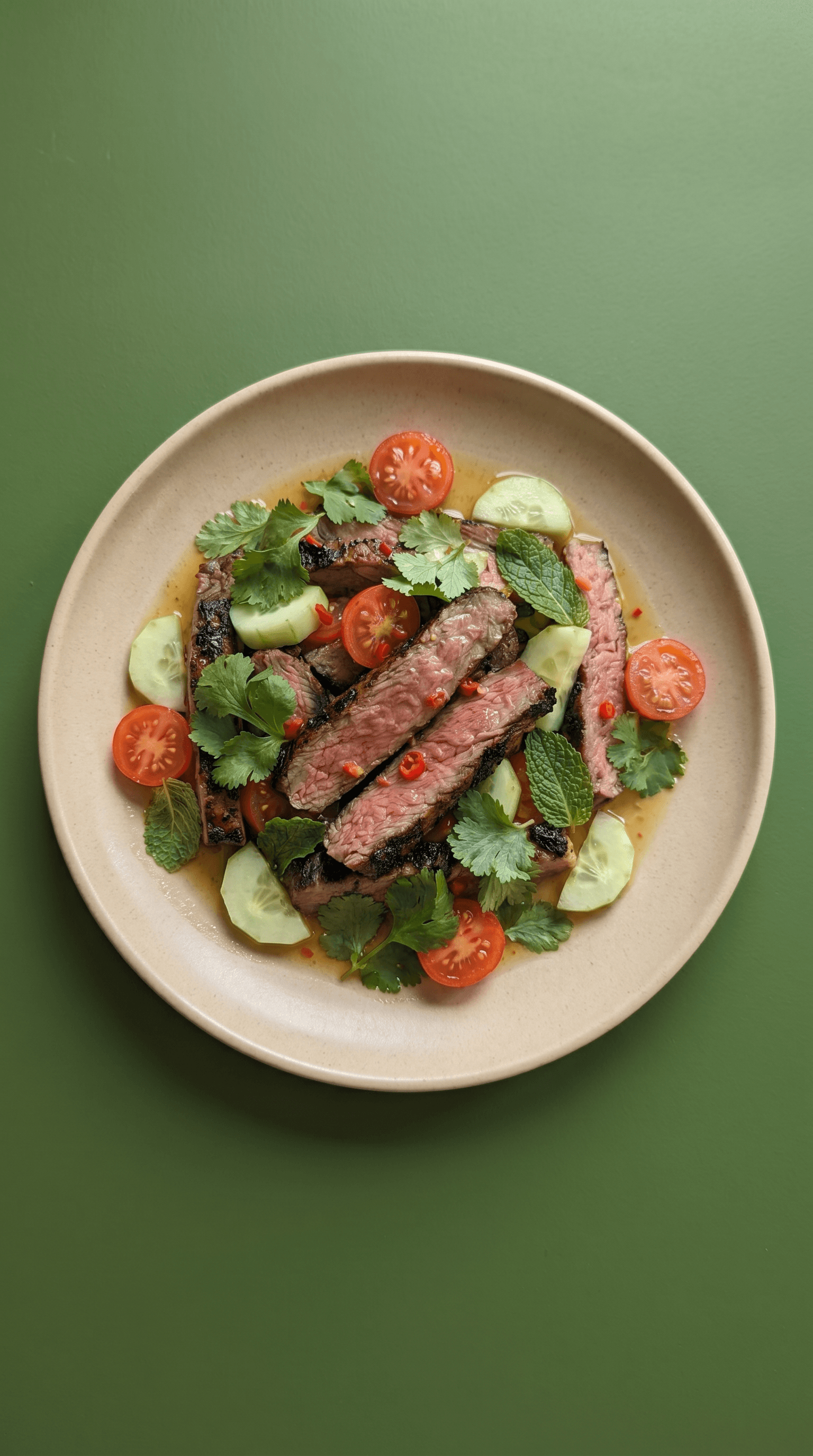
Thai Grilled Beef Salad (Yum Nua)
This authentic Thai beef salad balances salty, sour, sweet, and spicy flavors. You'll grill marinated steak until perfectly charred, then toss thin slices with halved cherry tomatoes, de-seeded cucumber half-moons, and whole fresh herb leaves in a zesty lime dressing.
75 min · Intermediate · Thailand
Pheasant with Grapes, Verjus Jus and Celery Root
This pheasant with grapes recipe pairs juicy roast pheasant with glossy Muscat grapes, sweet caramelised shallots, and bright verjus jus. Gentle pan-roasting keeps the skin crisp, while celery root purée adds silky depth. Plan on about 2 hours for 4 servings, with several parts ready ahead for an easy dinner party.
120 min · Intermediate · France