
Oven-Roasted Langoustines with Reheatable Saké-Shellfish Beurre Blanc
Prefer not to cook?
Order Oven-Roasted Langoustines with Reheatable Saké-Shellfish Beurre Blanc as a ready-made meal and get it delivered to your door.
Order this meal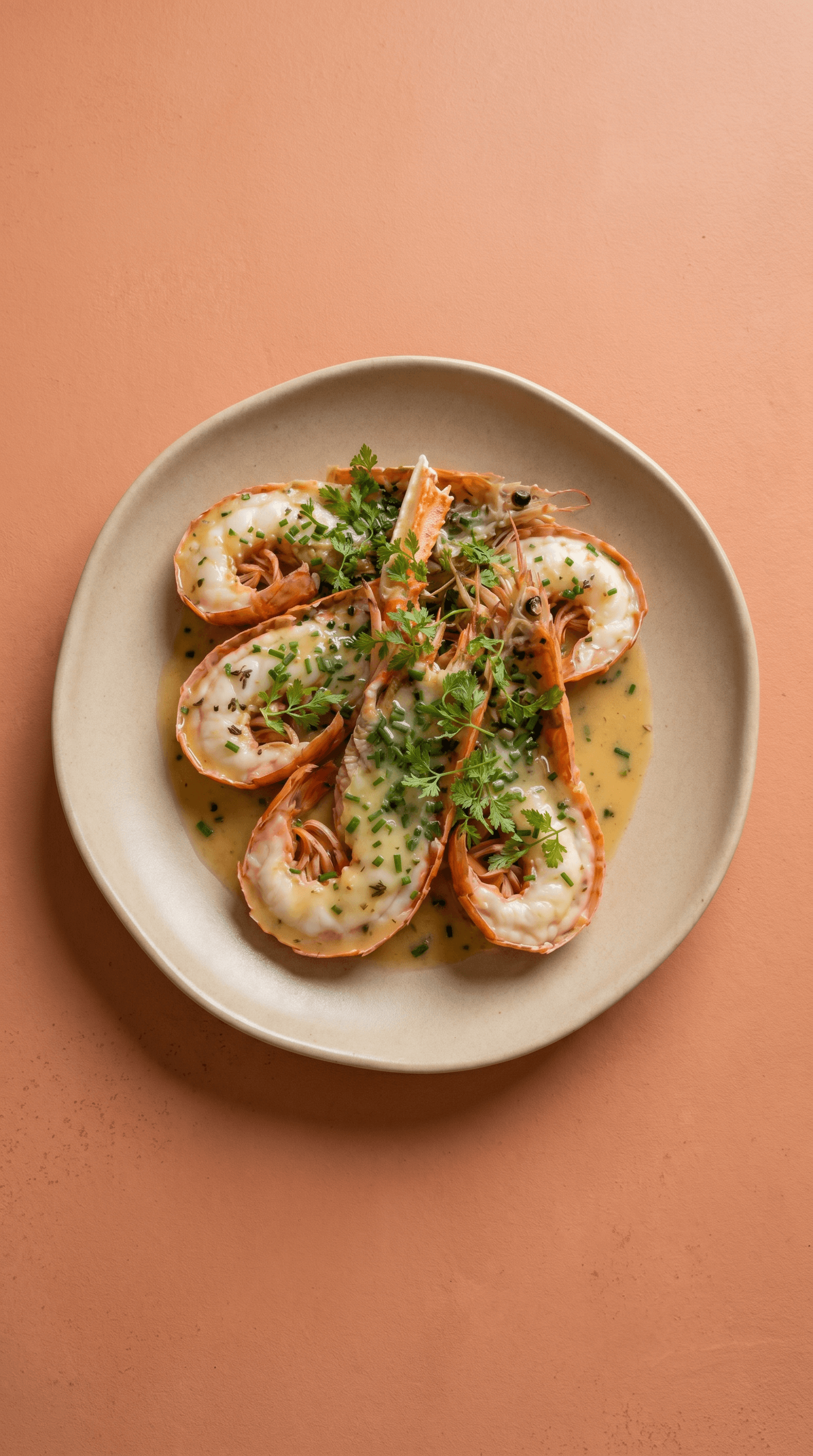
This elegant dish combines tender roasted langoustines with a silky Japanese-French butter sauce you can make ahead and reheat without it breaking. The recipe now uses 250 g langoustines per person—about 3 large langoustines each—and finishes each serving with 5 g fresh chervil and 5 g fresh chives.

Recipe by Christophe Rammant
Christophe is a culinary professional with expertise in French and global cuisine. He has developed recipes and cooking techniques that bridge traditional methods with modern home cooking approaches. Christophe focuses on making classic culinary techniques accessible to home cooks through clear instruction and practical applications. He studied at Le Cordon Bleu Paris and has work experience at a two star Michelin restaurant.
Cordon Bleu Paris alumni - Two star Michelin kitchen experience
Quick Info
How Does This Sauce Stay Smooth When You Reheat It?
Traditional French beurre blanc is notoriously fragile—it breaks into a greasy puddle if you try to reheat it. Professional chefs know that adding heavy cream changes everything. The extra proteins in cream wrap around the butter droplets and hold them in place, even when the sauce cools down and warms back up.
Capturing the roasting juices and adding a little reduced langoustine claw broth gives you two layers of shellfish flavor: one fresh and sweet from the oven tray, one deeper and more concentrated from the broth. Together they keep the sauce fluid while intensifying its oceanic character.
A modest reduction in butter makes the sauce slightly lighter, while the final touch of lime juice and separate toppings of fresh chervil and fresh chives sharpen the finish and keep the dish tasting fresh rather than heavy.
Estimated nutrition per serving
Estimated from ingredient weights — not lab-tested.
- Calories
- 654
- Protein
- 46g
- Fat
- 44g
- Carbohydrates
- 6g
Ingredients
Recipe yields 4 servings
For the Langoustines
| Amount | Ingredient | Notes |
|---|---|---|
| 1000 g (about 2.2 lbs) | large fresh langoustines | about 3 large langoustines per person, split lengthwise, intestinal tract removed; reserve claws for broth if available |
| to taste | fleur de sel | for seasoning |
For the Saké Beurre Blanc
| Amount | Ingredient | Notes |
|---|---|---|
| 40 g (about 2 medium) | shallots | finely minced |
| 150 g (2/3 cup) | Junmai Saké | dry and aromatic |
| 15 g (1 tablespoon) | rice vinegar | for balanced acidity |
| 60 g (1/4 cup) | heavy cream (35% fat) | the essential stabilizer for reheating |
| 180 g (about 12 1/2 tablespoons) | unsalted high-quality butter | cold, cubed into 1 cm pieces |
| 60 g (1/4 cup) | reduced langoustine claw broth | made from simmered claws, then reduced; add 1 tablespoon per person |
| 10 g (2 teaspoons) | fresh lime juice | about 1/2 teaspoon per person, added at the end |
| to taste | white pepper | to taste |
| to taste | fleur de sel | for final seasoning |
For Finishing
| Amount | Ingredient | Notes |
|---|---|---|
| 20 g | fresh chervil | finely chopped, 5 g per person |
| 20 g | fresh chives | finely chopped, 5 g per person |
Instructions
Roast the Langoustines
- 1
Make the Reduced Claw Broth
If your langoustines include claws, simmer them gently in water for 20 minutes. Remove the claws, then reduce the cooking liquid until concentrated. You want enough to add about 1 tablespoon per person to the finished sauce.
- 2
Preheat the Oven
Set your oven to 150°C / 300°F and let it fully preheat. This gentler heat gives the langoustines a quick roast while still allowing them to release their sweet juices.
- 3
Season the Shellfish Simply
Use 250 g langoustines per person, about 3 large langoustines each. Place the split langoustines on a rimmed baking tray and sprinkle lightly with fleur de sel. The rimmed tray is crucial—it catches every precious drop of roasting liquid that becomes part of your sauce.
- 4
Roast Until Just Opaque
Roast for 3-4 minutes until the flesh turns from translucent to opaque white. Immediately transfer the langoustines to a warm plate and carefully pour all the liquid from the tray into a small bowl. This golden juice is packed with shellfish flavor and will thin your sauce to the perfect pourable consistency.
Build the Sauce Base
- 5
Sweat the Shallots
In a small heavy-bottomed saucepan, melt 1 teaspoon of butter over medium heat. Add the minced shallots and cook gently for 2-3 minutes until they turn translucent but not brown. Browning creates bitter notes that clash with the delicate sauce, so keep the heat moderate.
- 6
Reduce the Saké and Vinegar
Pour in the Saké and rice vinegar. Turn the heat to medium-high and simmer until the liquid reduces by two-thirds and becomes a thick, syrupy consistency—about 5-6 minutes. This concentrates the umami and acidity that will balance all the butter you're about to add.
- 7
Add the Cream Stabilizer
Whisk in the heavy cream and let it simmer gently for 2 minutes until it thickens slightly. The proteins in the cream act like a safety net that grabs onto the butter and prevents the sauce from breaking when you reheat it later.
Emulsify the Butter
- 8
Whisk in Cold Butter Gradually
Lower the heat to the absolute minimum. Add the cold butter cubes one or two at a time, whisking constantly and moving the pan on and off the heat to keep it warm but never hot—around 70-75°C / 158-167°F. The temperature difference between cold butter and warm liquid creates tiny droplets that stay suspended, giving you that silky, velvety texture instead of a greasy puddle.
- 9
Add the Shellfish Juices and Broth
Once all the butter is incorporated, whisk in the reserved langoustine roasting juices and the reduced langoustine claw broth. This keeps the sauce beautifully pourable while building a deeper shellfish flavor.
- 10
Brighten and Strain
Add the fresh lime juice a little at a time, then pour the sauce through a fine-mesh sieve into a clean container to remove the shallot bits. This final step gives you a perfectly smooth, restaurant-quality sauce.
- 11
Season Precisely
Taste and adjust with white pepper and fleur de sel. The fleur de sel should sharpen the sauce gently without making it taste aggressively salty.
Serve
- 12
Plate and Garnish
Arrange about 3 roasted langoustines per person on warm plates. Pour the warm sauce generously over the shellfish and finish each portion with 5 g freshly chopped chervil and 5 g freshly chopped chives. The bright herbs cut through the richness and add a pop of color and freshness.
The weekly recipe note
Enjoyed this recipe? Get the next one first.
One new recipe each week from Christophe: global flavor, French technique, and practical home-cook timing.
Tips & Tricks
your sauce gets too thick after sitting:
Place it in a small saucepan over the lowest possible heat or set the pan in a warm water bath. Whisk constantly and add a tablespoon of warm water, Saké, or reduced claw broth to bring it back to a pourable consistency. The cream stabilizer means it won't break as long as you keep the heat gentle.
you want even deeper shellfish flavor:
Simmer the langoustine claws in water for 20 minutes, strain, and reduce the broth until concentrated. Stir about 1 tablespoon per person into the finished sauce for an extra layer of shellfish sweetness and intensity.
your sauce looks greasy instead of creamy:
The heat got too high during the butter whisking. Remove the pan from heat immediately and whisk in 1-2 tablespoons of cold cream. The temperature drop and extra proteins help re-emulsify the fat droplets back into suspension.
the sauce tastes a little too rich:
Add the lime juice at the very end, about 1/2 teaspoon per person. That tiny amount lifts the butter and shellfish flavors without turning the sauce sour.
you are unsure how much langoustine to buy:
Use 250 g per person, which works out to about 3 large langoustines each. For 4 people, buy 1 kg total.
your sauce gets too thick after sitting:
Place it in a small saucepan over the lowest possible heat or set the pan in a warm water bath. Whisk constantly and add a tablespoon of warm water, Saké, or reduced claw broth to bring it back to a pourable consistency. The cream stabilizer means it won't break as long as you keep the heat gentle.
you want even deeper shellfish flavor:
Simmer the langoustine claws in water for 20 minutes, strain, and reduce the broth until concentrated. Stir about 1 tablespoon per person into the finished sauce for an extra layer of shellfish sweetness and intensity.
your sauce looks greasy instead of creamy:
The heat got too high during the butter whisking. Remove the pan from heat immediately and whisk in 1-2 tablespoons of cold cream. The temperature drop and extra proteins help re-emulsify the fat droplets back into suspension.
the sauce tastes a little too rich:
Add the lime juice at the very end, about 1/2 teaspoon per person. That tiny amount lifts the butter and shellfish flavors without turning the sauce sour.
you are unsure how much langoustine to buy:
Use 250 g per person, which works out to about 3 large langoustines each. For 4 people, buy 1 kg total.
Frequently Asked Questions
Why does the cream make the sauce reheatable?
In a traditional beurre blanc, only tiny milk solids hold the butter fat together. Adding heavy cream brings in more casein and whey proteins that coat each fat droplet more effectively. This creates a stable structure that can be cooled and gently warmed again without breaking into a greasy mess.
Can I make this sauce ahead of time?
Yes! The sauce keeps in the refrigerator for up to 24 hours. Let it sit at room temperature for 20 minutes before gently reheating in a small pan over the lowest heat, whisking constantly. Never use a microwave—it creates hot spots that will break the emulsion.
What if I don't get much juice from roasting the langoustines?
The amount varies based on freshness and size. If your tray is dry, deglaze it with a tablespoon of Saké or water while it's still hot. Scrape up all the caramelized bits stuck to the pan—that's pure flavor—and whisk that into your sauce instead.
Can I add even more langoustine flavor to the sauce?
Yes. Simmer the claws in water for about 20 minutes, strain, then reduce the broth until concentrated. Stir about 1 tablespoon per person into the finished sauce for a deeper, sweeter shellfish flavor.
How do I know when the butter is properly emulsified?
The sauce should look thick, creamy, and coat the back of a spoon. If you see any clear melted butter pooling on top or the sauce looks separated and oily, the temperature got too high. Pull it off the heat and whisk in a bit of cold cream to bring it back together.
What's the best way to split langoustines?
Use kitchen shears to cut lengthwise through the shell from head to tail. Gently pull the halves apart and use the tip of a small knife to lift out the dark intestinal tract that runs along the back. Rinse quickly under cold water and pat dry before roasting.
Why add lime juice at the end?
You need some acid to balance the butter. Rice vinegar gives structure to the reduction, while a tiny squeeze of lime juice added at the end brightens the finished sauce without making it sharp.
Why do I need to use cold butter?
The temperature difference between cold butter and the warm reduction is what creates the emulsion. When cold butter hits warm liquid and you whisk vigorously, it breaks into tiny droplets that stay suspended instead of melting into a greasy layer. Room temperature butter just melts and separates.
How many langoustines should I buy per person?
Plan on 250 g of langoustines per person, which is about 3 large langoustines each. For this recipe serving 4, that means 1 kg total.
Why does the cream make the sauce reheatable?
In a traditional beurre blanc, only tiny milk solids hold the butter fat together. Adding heavy cream brings in more casein and whey proteins that coat each fat droplet more effectively. This creates a stable structure that can be cooled and gently warmed again without breaking into a greasy mess.
Can I make this sauce ahead of time?
Yes! The sauce keeps in the refrigerator for up to 24 hours. Let it sit at room temperature for 20 minutes before gently reheating in a small pan over the lowest heat, whisking constantly. Never use a microwave—it creates hot spots that will break the emulsion.
What if I don't get much juice from roasting the langoustines?
The amount varies based on freshness and size. If your tray is dry, deglaze it with a tablespoon of Saké or water while it's still hot. Scrape up all the caramelized bits stuck to the pan—that's pure flavor—and whisk that into your sauce instead.
Can I add even more langoustine flavor to the sauce?
Yes. Simmer the claws in water for about 20 minutes, strain, then reduce the broth until concentrated. Stir about 1 tablespoon per person into the finished sauce for a deeper, sweeter shellfish flavor.
How do I know when the butter is properly emulsified?
The sauce should look thick, creamy, and coat the back of a spoon. If you see any clear melted butter pooling on top or the sauce looks separated and oily, the temperature got too high. Pull it off the heat and whisk in a bit of cold cream to bring it back together.
What's the best way to split langoustines?
Use kitchen shears to cut lengthwise through the shell from head to tail. Gently pull the halves apart and use the tip of a small knife to lift out the dark intestinal tract that runs along the back. Rinse quickly under cold water and pat dry before roasting.
Why add lime juice at the end?
You need some acid to balance the butter. Rice vinegar gives structure to the reduction, while a tiny squeeze of lime juice added at the end brightens the finished sauce without making it sharp.
Why do I need to use cold butter?
The temperature difference between cold butter and the warm reduction is what creates the emulsion. When cold butter hits warm liquid and you whisk vigorously, it breaks into tiny droplets that stay suspended instead of melting into a greasy layer. Room temperature butter just melts and separates.
How many langoustines should I buy per person?
Plan on 250 g of langoustines per person, which is about 3 large langoustines each. For this recipe serving 4, that means 1 kg total.
Recipe Reviews
No reviews yet — Be the first to review this recipe!
The weekly recipe note
Enjoyed this recipe? Get the next one first.
One new recipe each week from Christophe: global flavor, French technique, and practical home-cook timing.
By signing up, you agree to receive emails from Mr. Saucy.
More Recipes You May Like
Swipe to explore
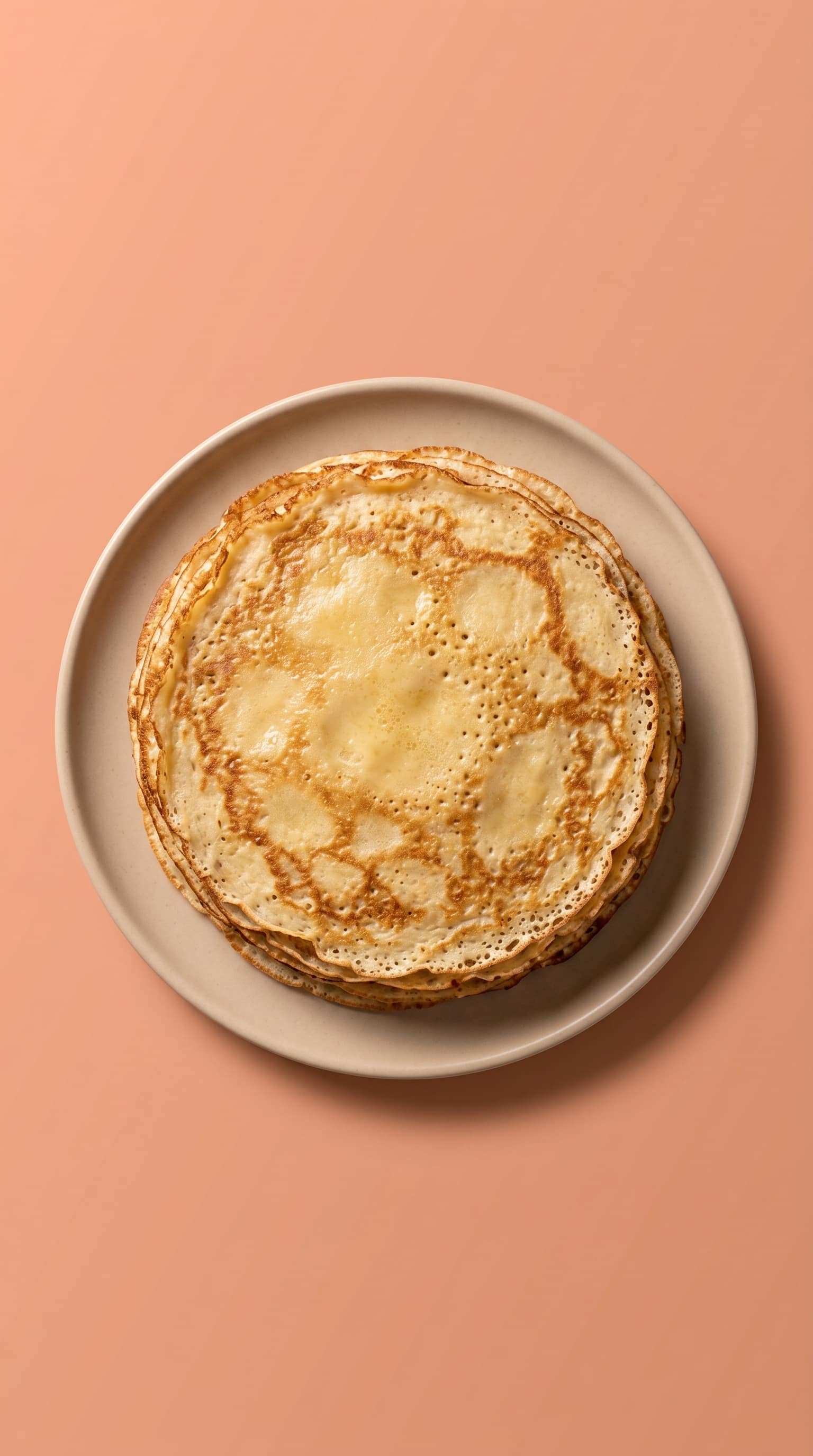
Classic Grand Marnier Crepes with Fresh Orange
These classic Grand Marnier crepes are a warm, comforting dessert that melts in your mouth. By resting the batter and using fresh orange juice, you get a tender, golden pancake every time. It takes just 60 minutes to make 4 to 6 servings of this cozy treat.
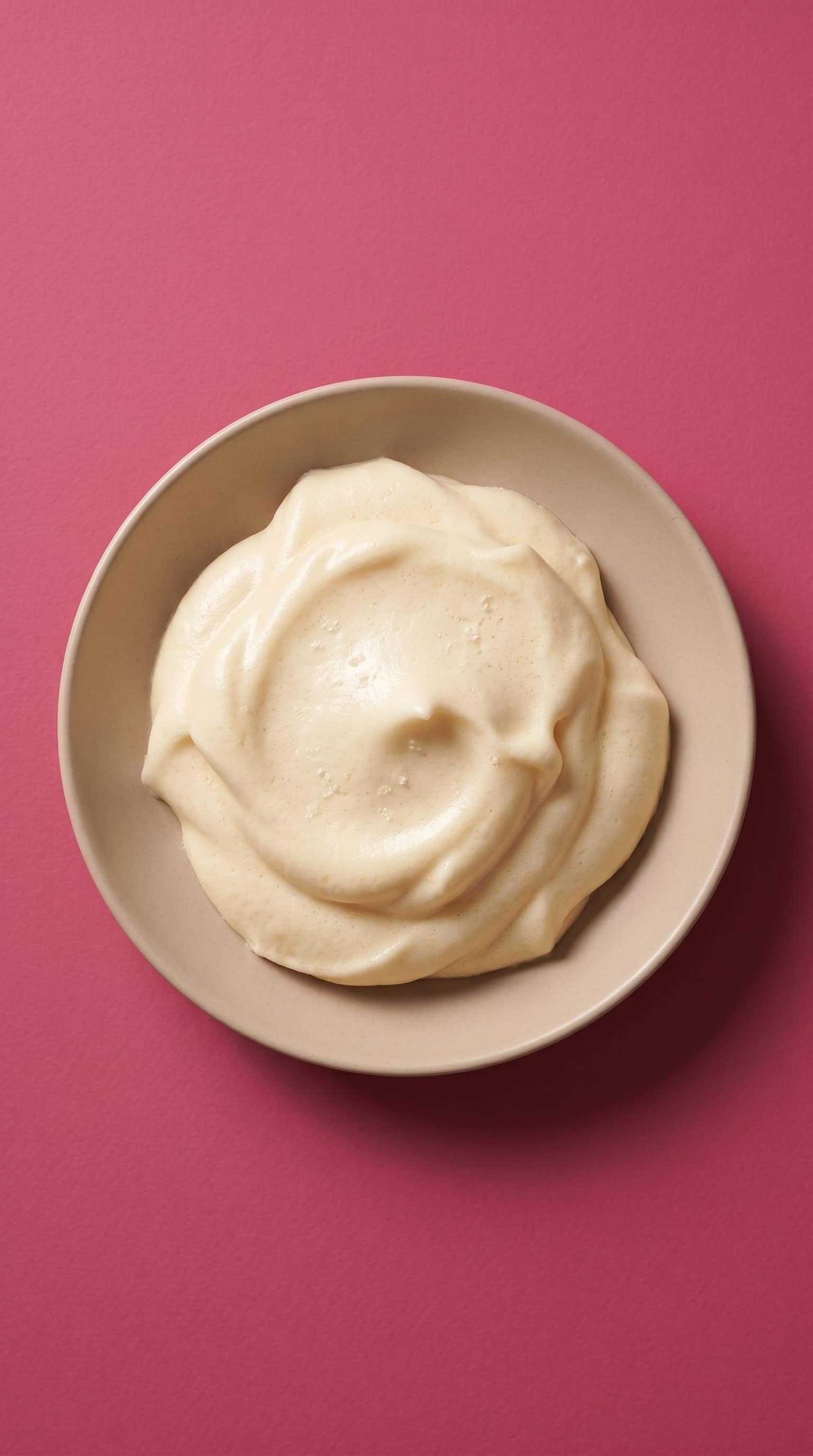
Brugse Zot Beer Sabayon, a Classic Belgian Dessert
This beer sabayon is a warm, airy custard foam made with Brugse Zot blond beer, egg yolks, sugar, and a pinch of fleur de sel. Using the classic French double boiler technique, you whisk everything into a light, glossy cloud in about 15 minutes. Serves four and is best enjoyed the moment it is made.
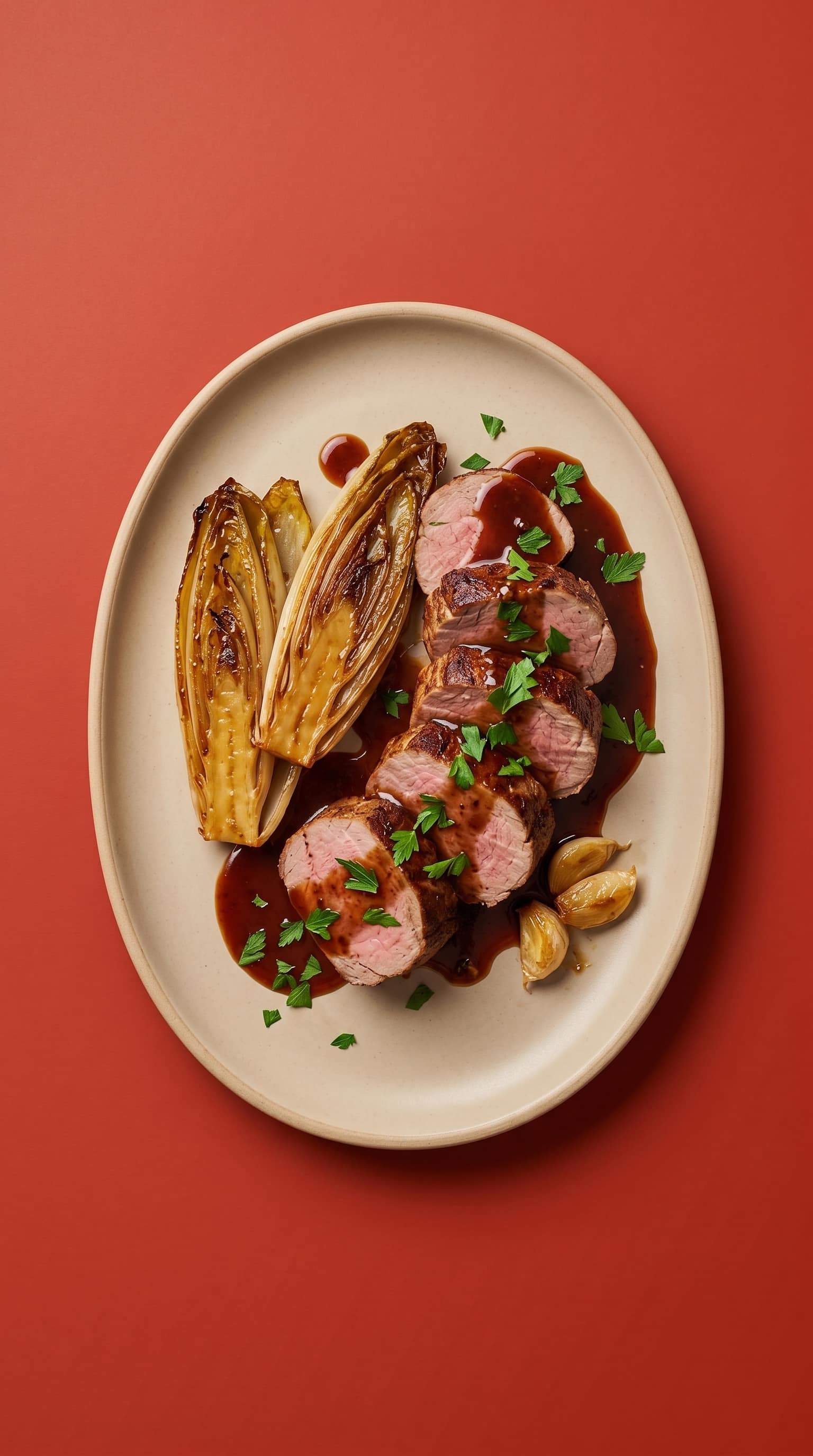
Roast Pork Tenderloin with Rodenbach Beer Reduction Sauce
This Belgian-inspired roast pork tenderloin is butter-basted in the oven with garlic and fresh herbs, then served with a glossy Rodenbach beer reduction sauce built separately on the stove. Ready in about 65 minutes and serves 4, it feels rustic and special at the same time.
Classic Grand Marnier Crepes with Fresh Orange
These classic Grand Marnier crepes are a warm, comforting dessert that melts in your mouth. By resting the batter and using fresh orange juice, you get a tender, golden pancake every time. It takes just 60 minutes to make 4 to 6 servings of this cozy treat.
Brugse Zot Beer Sabayon, a Classic Belgian Dessert
This beer sabayon is a warm, airy custard foam made with Brugse Zot blond beer, egg yolks, sugar, and a pinch of fleur de sel. Using the classic French double boiler technique, you whisk everything into a light, glossy cloud in about 15 minutes. Serves four and is best enjoyed the moment it is made.
Roast Pork Tenderloin with Rodenbach Beer Reduction Sauce
This Belgian-inspired roast pork tenderloin is butter-basted in the oven with garlic and fresh herbs, then served with a glossy Rodenbach beer reduction sauce built separately on the stove. Ready in about 65 minutes and serves 4, it feels rustic and special at the same time.