Madeleine-Crust Lemon Tarte au Citron
5 hrs · Medium · Serves 8-10
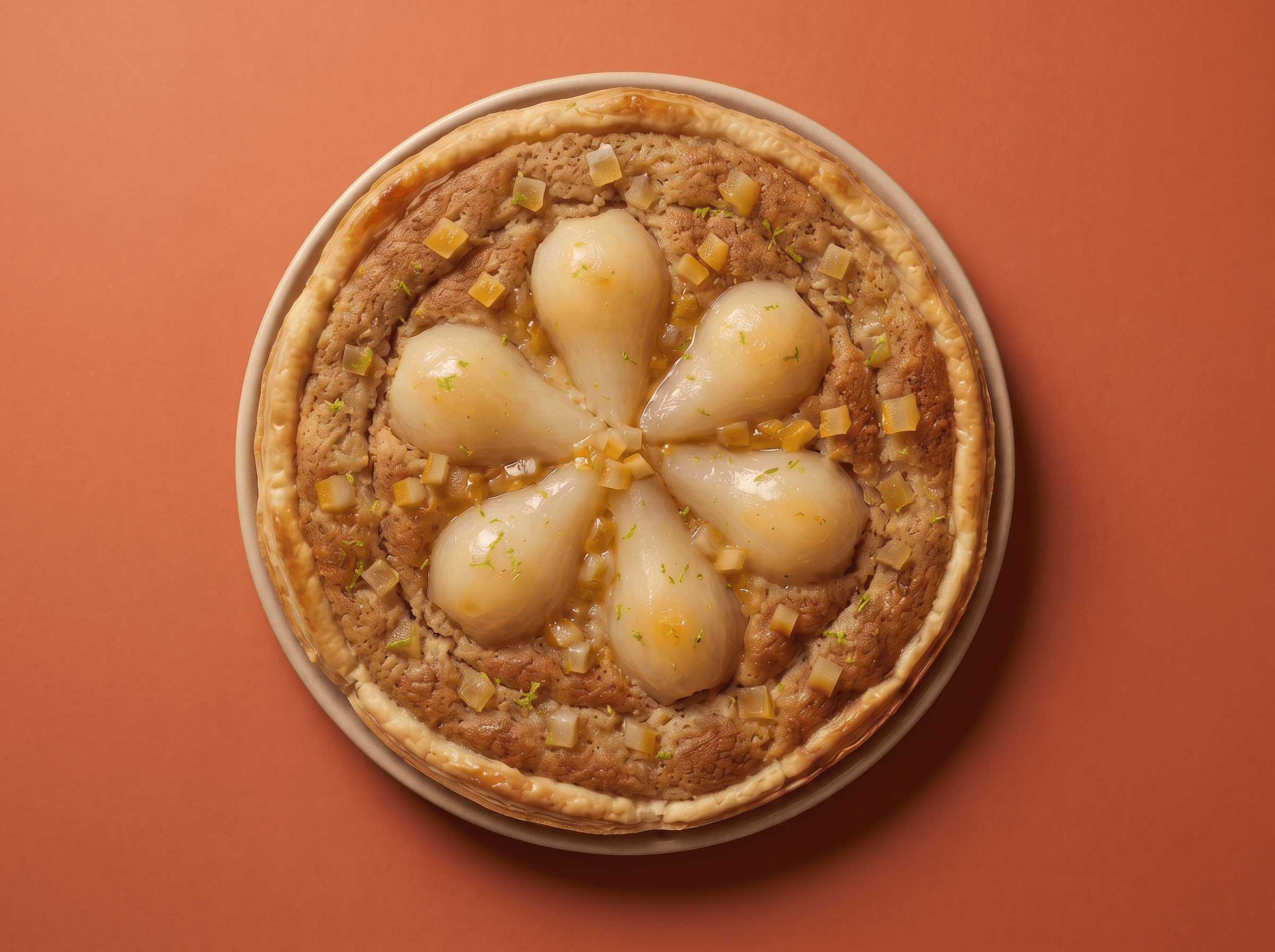 From our menuPear Tart€22.95 · Made by us, delivered chilled.
This French lemon tart uses a soft, honey-scented Madeleine sponge instead of traditional pastry, topped with silky lemon curd. The result is a luxurious dessert with a tender crumb and bright citrus flavor. Total time is about 5 hours including chilling, and it serves 8-10 people beautifully.
Recipe by Christophe Rammant
Cordon Bleu Paris alumni - Two star Michelin kitchen experience
What Makes This Different from a Traditional Lemon Tart?
Traditional French technique uses shortcrust pastry, but this recipe swaps it for a Madeleine sponge—the honey and extra butter create a moist, cake-like base that stays tender even when topped with creamy filling. Professional pastry chefs know this texture contrast is what makes each bite interesting.
Food science shows that the apricot glaze acts as a moisture barrier between the sponge and the curd. Without it, the liquid from the lemon filling would soak into the base and make it soggy. This thin layer of jam keeps everything perfectly separated.
The bain-marie method for cooking the lemon curd is crucial. Gentle indirect heat lets the eggs thicken slowly without scrambling, while whisking in cold butter creates an emulsion—tiny fat droplets suspended in the mixture—that gives you that glossy, velvety finish you see in fancy restaurants.
Estimated nutrition per serving
Estimated from ingredient weights, not lab-tested.
- Calories
- 662
- Protein
- 8g
- Fat
- 42g
- Carbohydrates
- 67g
The weekly recipe note
Enjoyed this recipe? Get the next one first.
One new recipe each week from Christophe: global flavor, French technique, and practical home-cook timing.
By signing up, you agree to receive emails from Mr. Saucy.
Ingredients
Recipe yields 8-10 servings
For the Madeleine Base
| Amount | Ingredient | Notes |
|---|---|---|
| 100 g (7 tablespoons) | unsalted butter | melted and cooled to room temperature |
| 90 g (1/2 cup) | granulated sugar | plus extra for dusting the tart ring |
| 15 g (1 tablespoon) | honey | provides the classic Madeleine moisture and floral note |
| 100 g (approximately 2 eggs) | large eggs | room temperature |
| 100 g (3/4 cup) | all-purpose flour | sifted |
| 4 g (1 teaspoon) | baking powder | ensures a light, sponge-like lift |
| 5 g (from 1-2 lemons) | lemon zest | finely grated |
| 3 g (1/2 teaspoon) | grapeseed oil | adds tenderness and improves batter flow without altering flavor |
| 30 g (2 tablespoons) | whole milk | adds moisture and subtle richness; room temperature |
For the Lemon Filling
| Amount | Ingredient | Notes |
|---|---|---|
| 150 g (2/3 cup) | fresh lemon juice | strained for a smooth filling |
| 175 g (3/4 cup plus 2 tablespoons) | granulated sugar | adjust based on lemon acidity |
| 150 g (approximately 3 eggs) | large eggs | room temperature |
| 175 g (12 tablespoons) | unsalted butter | cubed and cold |
| 5 g (from 1 lemon) | lemon zest | finely grated |
For the Moisture Barrier
| Amount | Ingredient | Notes |
|---|---|---|
| 50 g (3 tablespoons) | apricot jam | warmed until brushable |
Instructions
Make the Madeleine Base
- 1
Prepare the Tart Ring
Grease your tart ring heavily with butter and dust it with flour, tapping out the excess. The high sugar and honey content in Madeleine batter makes it stick to metal easily, so this step prevents frustration later when you try to remove the ring.
- 2
Whisk the Wet Ingredients
In a large bowl, whisk together the eggs, 90 g sugar, and honey until the mixture is pale yellow and frothy—about 3-4 minutes by hand or 2 minutes with an electric mixer. This aeration creates tiny air bubbles that give you a light sponge texture instead of a dense, heavy base.
- 3
Fold in the Dry Ingredients
Sift the flour and baking powder together, then gently fold them into the egg mixture along with 5 g of lemon zest. Use a spatula and fold from the bottom up in a sweeping motion—this keeps those air bubbles intact. When you see just a few flour streaks remaining, slowly stream in the melted butter, grapeseed oil, and whole milk while folding until everything is just combined.
- 4
Bake the Base
Pour the batter into your prepared tart ring to a depth of about 1/4 inch (it will rise during baking). Bake at 180°C / 350°F for 10-12 minutes until the top is golden brown and springs back when you touch it gently. The base will rise to about 1/2 inch tall—this creates the perfect ratio with the lemon filling. Let it cool completely in the ring.
Make the Lemon Curd Filling
- 5
Set Up Your Bain-Marie
Fill a medium saucepan with about 2 inches of water and bring it to a gentle simmer over medium heat. Place a heatproof bowl on top—make sure the bottom doesn't touch the water. This indirect heat method prevents the eggs from scrambling and gives you smooth, creamy curd every time.
- 6
Cook the Curd Base
In the bowl, whisk together the lemon juice, 175 g sugar, eggs, and remaining 5 g lemon zest. Cook over the simmering water, whisking constantly, for 8-10 minutes. You'll know it's ready when the mixture thickens enough to coat the back of a spoon and holds a line when you drag your finger through it—this means the proteins have set properly for clean slicing later.
- 7
Emulsify the Butter
Remove the bowl from heat and whisk in the cold butter cubes one or two pieces at a time, waiting until each addition is fully melted before adding more. The cold butter helps create an emulsion—tiny fat droplets suspended throughout—which gives you that glossy, velvety texture and rich mouthfeel that makes this filling special.
Assemble and Chill
- 8
Apply the Moisture Barrier
Warm the apricot jam in the microwave for 10-15 seconds until it's thin and brushable. Use a pastry brush to paint a thin, even layer over the entire surface of the cooled Madeleine base. This glaze creates a waterproof seal that prevents the liquid from the lemon curd from soaking into the sponge and making it soggy.
- 9
Add the Filling and Set
Pour the warm lemon curd over the glazed base, filling to the top of the tart ring for that beautiful 50/50 visual split. Gently tap the ring on the counter a few times to release any air bubbles. Refrigerate uncovered for at least 4 hours or overnight—the fats need to solidify completely so you get clean, professional-looking slices when you cut it.
The weekly recipe note
Enjoyed this recipe? Get the next one first.
One new recipe each week from Christophe: global flavor, French technique, and practical home-cook timing.
By signing up, you agree to receive emails from Mr. Saucy.
Tips & Tricks
your Madeleine base is sticking to the tart ring:
Grease it even more generously than you think necessary, then dust with flour. The honey and sugar make this batter extra sticky. You can also run a thin knife around the edge while it's still slightly warm to loosen it before it cools completely.
your lemon curd has small lumps:
Pass it through a fine-mesh sieve before pouring it onto the base. This catches any bits of cooked egg and gives you that perfectly smooth, professional finish. It only takes 30 seconds and makes a huge difference.
the center of your Madeleine base rose too high:
Let it cool completely, then use a serrated knife to level off the hump. This is actually the classic Madeleine shape, but for this tart you want a flat surface so your filling layer is even and you get that perfect 1:1 height ratio.
you want extra tender texture in the base:
Chill the Madeleine batter for 30 minutes before baking. This gives the flour time to fully hydrate and relax, which results in a softer, more delicate crumb. It's an optional step but worth it if you have the time.
you're getting bitter flavors from the lemon:
Use a microplane to zest only the bright yellow outer layer—avoid the white pith underneath, which is bitter and can overpower the delicate honey notes in the base. Also, taste your lemons before juicing; if they're very acidic, reduce the juice by 10-20 g and add a bit more sugar.
you want perfectly clean slices:
Dip your knife in hot water and wipe it completely dry between every single cut. The heat melts through the butter in the curd cleanly, and the dry blade prevents dragging. It takes patience but gives you those Instagram-worthy slices.
your Madeleine base is sticking to the tart ring:
Grease it even more generously than you think necessary, then dust with flour. The honey and sugar make this batter extra sticky. You can also run a thin knife around the edge while it's still slightly warm to loosen it before it cools completely.
your lemon curd has small lumps:
Pass it through a fine-mesh sieve before pouring it onto the base. This catches any bits of cooked egg and gives you that perfectly smooth, professional finish. It only takes 30 seconds and makes a huge difference.
the center of your Madeleine base rose too high:
Let it cool completely, then use a serrated knife to level off the hump. This is actually the classic Madeleine shape, but for this tart you want a flat surface so your filling layer is even and you get that perfect 1:1 height ratio.
you want extra tender texture in the base:
Chill the Madeleine batter for 30 minutes before baking. This gives the flour time to fully hydrate and relax, which results in a softer, more delicate crumb. It's an optional step but worth it if you have the time.
you're getting bitter flavors from the lemon:
Use a microplane to zest only the bright yellow outer layer—avoid the white pith underneath, which is bitter and can overpower the delicate honey notes in the base. Also, taste your lemons before juicing; if they're very acidic, reduce the juice by 10-20 g and add a bit more sugar.
you want perfectly clean slices:
Dip your knife in hot water and wipe it completely dry between every single cut. The heat melts through the butter in the curd cleanly, and the dry blade prevents dragging. It takes patience but gives you those Instagram-worthy slices.
Frequently Asked Questions
Can I make this tart a day in advance?
Yes! This tart actually gets better overnight as the flavors meld together. The apricot glaze barrier keeps the Madeleine base springy and prevents sogginess. Store it in the refrigerator uncovered to prevent condensation from forming on top of the curd, which would make it weepy. It stays perfect for up to 3 days.
Why use a Madeleine base instead of regular sponge cake?
Madeleine batter has honey and a higher proportion of butter than standard sponge, which creates a denser, moister crumb that stands up better to the liquid lemon curd. The honey also adds a subtle floral sweetness that complements the sharp citrus beautifully. Plus, the slight caramelization from the sugar gives you more complex flavor than plain cake.
What if I don't have a tart ring?
You can use a springform pan instead—just line the bottom with parchment and grease the sides well. The presentation won't have those clean, tall sides, but the flavor and texture will be identical. You could also use individual tart pans for cute single servings.
Why is my lemon filling not setting firmly?
This usually means the curd wasn't cooked long enough over the water bath, or the butter wasn't fully emulsified. Make sure the mixture reaches a thick, pudding-like consistency before removing from heat—it should coat a spoon and hold a line. Also, always use cold butter and whisk it in gradually so the emulsion can form properly.
Can I use bottled lemon juice instead of fresh?
Fresh is really best here—bottled juice often has a flat, slightly metallic taste that becomes very noticeable in a lemon-forward dessert like this. Fresh juice has bright, complex flavors and natural oils that make the filling taste vibrant. If you must use bottled, add an extra teaspoon of lemon zest to boost the flavor.
How do I know when the lemon curd is thick enough?
Dip a wooden spoon into the curd and run your finger across the back. If the line stays clean and doesn't run back together, it's ready. The temperature should be around 170-175°F / 77-80°C. It will thicken more as it cools, so don't overcook it or it might become grainy.
What can I do with leftover egg whites?
Freeze them in an airtight container for up to 3 months—they're perfect for making meringues, macarons, or angel food cake later. You can also whip them into a simple meringue topping for this tart if you want to get fancy. Just make sure to label the container with the number of whites and the date.
Can I reduce the sugar in the lemon filling?
You can reduce it slightly—try cutting back by 25 g (2 tablespoons) if your lemons are mild. But remember that sugar doesn't just add sweetness; it also helps the curd set properly and balances the acidity. Going too low will give you a runny filling that won't slice cleanly.
Can I make this tart a day in advance?
Yes! This tart actually gets better overnight as the flavors meld together. The apricot glaze barrier keeps the Madeleine base springy and prevents sogginess. Store it in the refrigerator uncovered to prevent condensation from forming on top of the curd, which would make it weepy. It stays perfect for up to 3 days.
Why use a Madeleine base instead of regular sponge cake?
Madeleine batter has honey and a higher proportion of butter than standard sponge, which creates a denser, moister crumb that stands up better to the liquid lemon curd. The honey also adds a subtle floral sweetness that complements the sharp citrus beautifully. Plus, the slight caramelization from the sugar gives you more complex flavor than plain cake.
What if I don't have a tart ring?
You can use a springform pan instead—just line the bottom with parchment and grease the sides well. The presentation won't have those clean, tall sides, but the flavor and texture will be identical. You could also use individual tart pans for cute single servings.
Why is my lemon filling not setting firmly?
This usually means the curd wasn't cooked long enough over the water bath, or the butter wasn't fully emulsified. Make sure the mixture reaches a thick, pudding-like consistency before removing from heat—it should coat a spoon and hold a line. Also, always use cold butter and whisk it in gradually so the emulsion can form properly.
Can I use bottled lemon juice instead of fresh?
Fresh is really best here—bottled juice often has a flat, slightly metallic taste that becomes very noticeable in a lemon-forward dessert like this. Fresh juice has bright, complex flavors and natural oils that make the filling taste vibrant. If you must use bottled, add an extra teaspoon of lemon zest to boost the flavor.
How do I know when the lemon curd is thick enough?
Dip a wooden spoon into the curd and run your finger across the back. If the line stays clean and doesn't run back together, it's ready. The temperature should be around 170-175°F / 77-80°C. It will thicken more as it cools, so don't overcook it or it might become grainy.
What can I do with leftover egg whites?
Freeze them in an airtight container for up to 3 months—they're perfect for making meringues, macarons, or angel food cake later. You can also whip them into a simple meringue topping for this tart if you want to get fancy. Just make sure to label the container with the number of whites and the date.
Can I reduce the sugar in the lemon filling?
You can reduce it slightly—try cutting back by 25 g (2 tablespoons) if your lemons are mild. But remember that sugar doesn't just add sweetness; it also helps the curd set properly and balances the acidity. Going too low will give you a runny filling that won't slice cleanly.
Recipe Reviews
No reviews yet — Be the first to review this recipe!
The collection
All recipesPheasant with Grapes, Verjus Jus and Celery Root
This pheasant with grapes recipe pairs juicy roast pheasant with glossy Muscat grapes, sweet caramelised shallots, and bright verjus jus. Gentle pan-roasting keeps the skin crisp, while celery root purée adds silky depth. Plan on about 2 hours for 4 servings, with several parts ready ahead for an easy dinner party.
120 min · Intermediate · France
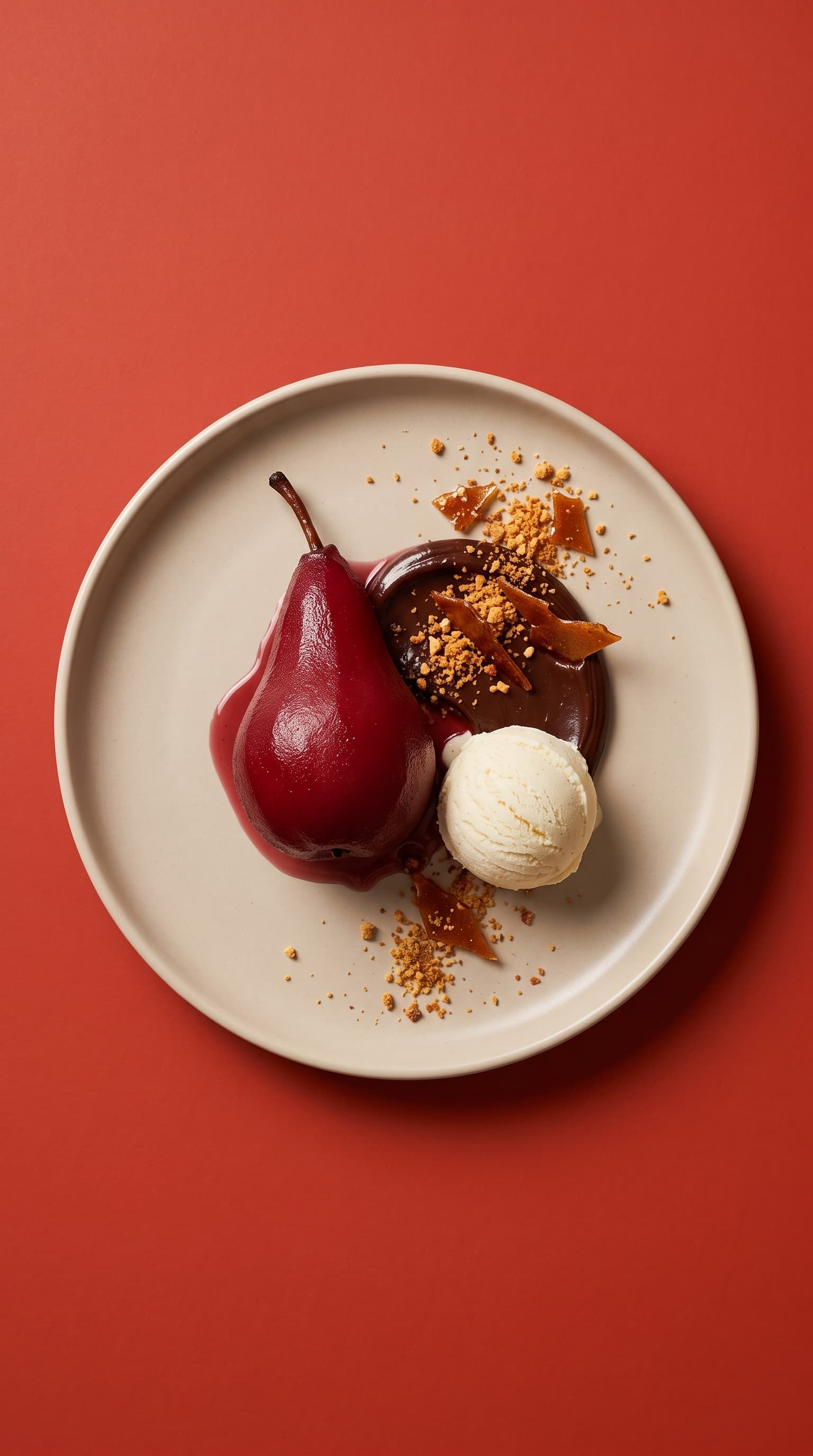
Poires Belle Hélène Recipe with Wine Poached Pears
This poires belle hélène recipe pairs tender red wine poached Conference pears with warm dark chocolate sauce, cold vanilla ice cream, and crisp hazelnut praline. Gentle poaching keeps the pears whole and silky. Plan about 2 hours for cooking and cooling, and serve 4 people right away for the best warm and cold contrast.
150 min · Intermediate · France
Roast Partridge Recipe with Celeriac Mousseline
This roast partridge recipe pairs rosy roasted breast with a crisp confited leg, silky celeriac mousseline, glazed baby carrots, and a glossy juniper-port jus. Dry-brining helps the lean meat stay seasoned and juicy. Allow about 3 hours for cooking and resting, plus overnight dry-brining if you have time. Serves 4.
210 min · Intermediate · France