Sisig Pork
2 hrs · Medium · Serves 4-6
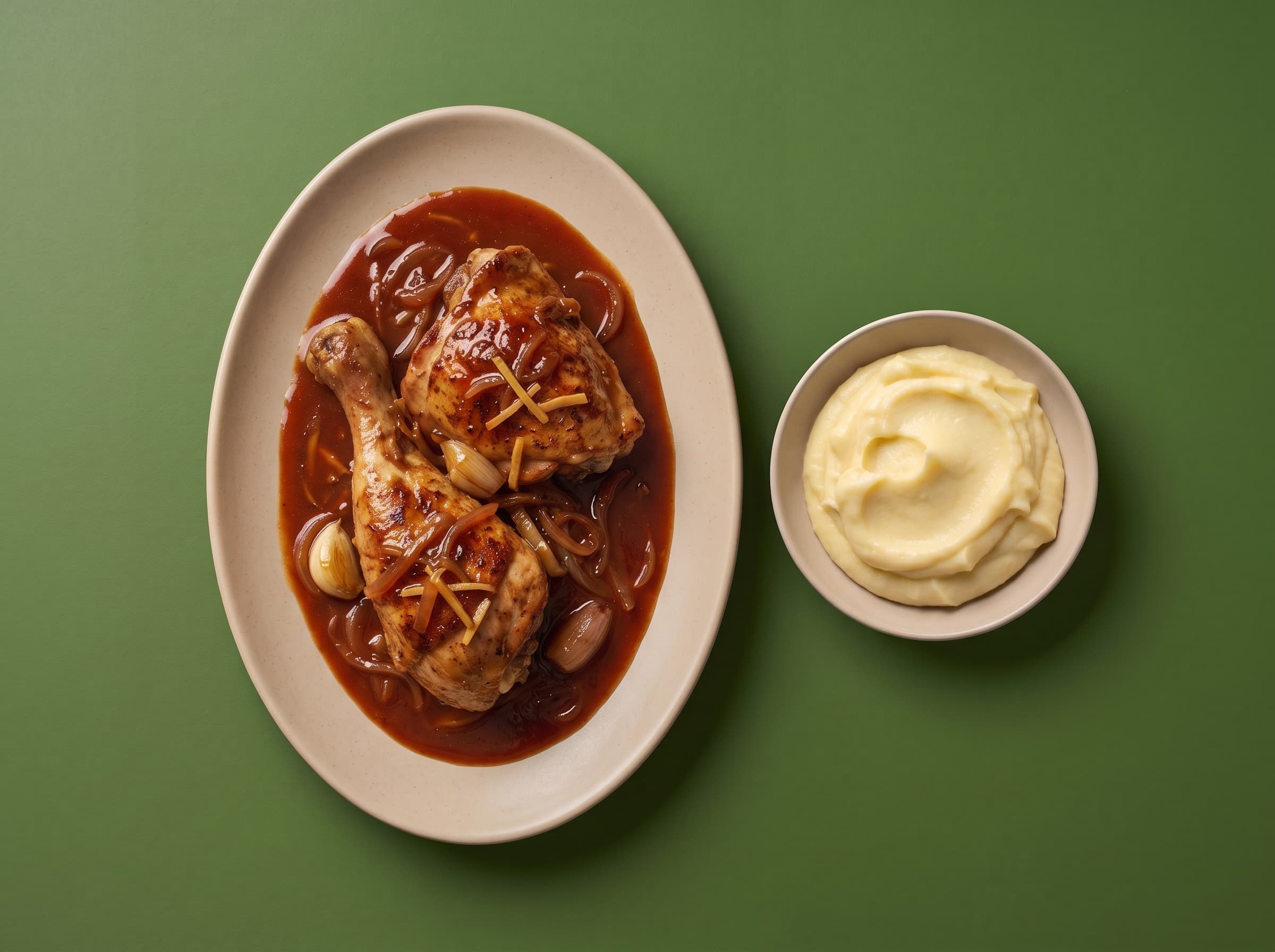 From our menuCoq au vin€22.95 · Made by us, delivered chilled.
Sisig Pork is the ultimate Filipino bar food that transforms pork through triple-cooking—boiling, grilling, and frying—to create crispy, tender, and creamy textures all in one dish. This intermediate recipe takes about 2 hours and serves 4-6 people on a sizzling hot plate with a runny egg on top.
Recipe by Christophe Rammant
Cordon Bleu Paris alumni - Two star Michelin kitchen experience
How Does Triple-Cooking Create Such Amazing Texture?
Traditional Filipino technique uses three different cooking methods to build layers of flavor and texture. Boiling breaks down tough connective tissue and infuses the meat with savory spices. Grilling adds smoky char that creates bitter notes to balance the rich fat. Finally, sizzling on a screaming-hot plate crisps the edges while keeping the inside tender.
Food science shows that removing moisture between each cooking step is the secret to crispiness. When you dry the boiled pork completely before grilling, the surface can char instead of steam. Professional chefs know that moisture is the enemy of the crispy texture sisig is famous for.
The runny egg yolk acts as a natural sauce that ties everything together. When you mix it at the table, the rich yolk coats each piece of crispy pork and creates a creamy contrast to the sharp calamansi and spicy chilies.
Estimated nutrition per serving
Estimated from ingredient weights, not lab-tested.
- Calories
- 36
- Protein
- 2g
- Fat
- 2g
- Carbohydrates
- 4g
The weekly recipe note
Enjoyed this recipe? Get the next one first.
One new recipe each week from Christophe: global flavor, French technique, and practical home-cook timing.
By signing up, you agree to receive emails from Mr. Saucy.
Ingredients
Recipe yields 4-6 servings
For Boiling the Pork
| Amount | Ingredient | Notes |
|---|---|---|
| 900 g (2 lbs) | pork head or pork belly | use pork belly if head is unavailable |
| 1 tablespoon | black peppercorns | whole |
| 2-3 pieces | bay leaves | dried |
| 6 cloves | garlic | smashed |
| 500 ml (2 cups) | vinegar | white or cane vinegar |
| 100 ml (scant ½ cup) | soy sauce | use 5:1 ratio of vinegar to soy |
For the Sizzle
| Amount | Ingredient | Notes |
|---|---|---|
| 225 g (½ lb) | chicken livers | trimmed |
| 1 medium | onion | finely chopped |
| ½ medium | red onion | finely chopped for garnish |
| 2-4 pieces | bird's eye chilies | finely chopped, adjust to taste |
| 60 ml (¼ cup) | calamansi juice | or 2:1 lime to orange juice |
| 2 tablespoons | ramen concentrate | adds deep umami and saltiness |
For Serving
| Amount | Ingredient | Notes |
|---|---|---|
| 4-6 large | eggs | 1 per serving, cracked on top |
Instructions
Boil the Pork (Build the Base Flavor)
- 1
Simmer Until Tender
Place the pork in a large pot with peppercorns, bay leaves, garlic, vinegar, and soy sauce. Bring to a boil, then reduce to a gentle simmer at 185-200°F / 85-93°C. Cook for 45-60 minutes until the meat is fork-tender. This adobo-style boiling breaks down tough connective tissue and infuses the meat with savory, tangy flavor.
- 2
Drain and Dry Completely
Remove the pork from the liquid and let it drain in a colander for 10 minutes. Pat it completely dry with paper towels. Removing all moisture is crucial because wet meat will steam instead of char on the grill.
- 3
Slice into Manageable Pieces
Cut the pork into flat pieces about ½ inch thick. This creates more surface area for charring and makes it easier to dice later.
Grill for Smoky Char
- 4
Char the Pork and Livers
Heat your grill to high heat, around 450-500°F / 232-260°C. Grill the pork slices and chicken livers until deeply charred and smoky, about 3-4 minutes per side. The charring adds the essential 'ihaw' flavor that makes sisig taste authentic. For the livers, keep them slightly pink in the middle—they'll finish cooking on the sizzling plate.
- 5
Dice Everything Small
Finely chop the grilled pork and livers into small, uniform cubes about ¼ inch. Small pieces ensure every bite has a mix of crispy skin, tender meat, and creamy liver.
Sizzle and Serve
- 6
Heat the Plate Until Smoking
Place your sizzling plate or cast-iron skillet over high heat until it's smoking hot, around 500°F / 260°C. A cold plate will make greasy, boiled-tasting meat instead of crispy sisig.
- 7
Sauté with Aromatics
Add a drizzle of oil to the screaming-hot plate, then immediately add the chopped pork, livers, onions, and bird's eye chilies. Stir constantly for 2-3 minutes. The high heat crisps the pork edges while the onions soften and release their sweetness.
- 8
Deglaze with Citrus and Umami
Pour in the calamansi juice, a splash of soy sauce, and the ramen concentrate. Stir vigorously for 30 seconds. This lifts all the flavorful browned bits from the bottom of the pan and creates a savory, acidic glaze that coats every piece of meat.
- 9
Top with a Runny Egg
Make a small well in the center of the sizzling pork and crack a fresh egg directly onto the plate. The residual heat will cook the whites while leaving the yolk runny. Garnish with chopped red onion and serve immediately while it's still sizzling.
The weekly recipe note
Enjoyed this recipe? Get the next one first.
One new recipe each week from Christophe: global flavor, French technique, and practical home-cook timing.
By signing up, you agree to receive emails from Mr. Saucy.
Tips & Tricks
your sisig turns out soggy instead of crispy:
Make sure the pork is bone-dry after boiling and before grilling. Pat it with paper towels and even let it air-dry for 10 minutes. Moisture is the enemy of the crispy texture sisig is famous for.
you can't find calamansi:
Mix 2 parts fresh lime juice with 1 part orange juice. This combination mimics the unique floral acidity of Filipino calamansi and works perfectly in the recipe.
the chicken liver tastes chalky and dry:
Grill the livers quickly over high heat so they stay slightly pink in the middle. They'll finish cooking on the hot sizzling plate and stay creamy instead of turning grainy.
your sizzling plate isn't actually sizzling:
Heat your cast-iron skillet until you see wispy smoke rising before adding any oil or meat. A properly heated plate should make that dramatic sizzle sound when the ingredients hit it.
the dish tastes flat or one-dimensional:
Don't skip the ramen concentrate—it adds a deep umami punch that ties the pork and liver flavors together. It's the modern chef's secret to restaurant-quality sisig.
you're worried about using pork head:
Pork belly is a fantastic substitute that's easier to find. It has the perfect fat-to-meat ratio for delicious sisig, though it won't have quite the same crunchy cartilage texture as traditional pork head.
your sisig turns out soggy instead of crispy:
Make sure the pork is bone-dry after boiling and before grilling. Pat it with paper towels and even let it air-dry for 10 minutes. Moisture is the enemy of the crispy texture sisig is famous for.
you can't find calamansi:
Mix 2 parts fresh lime juice with 1 part orange juice. This combination mimics the unique floral acidity of Filipino calamansi and works perfectly in the recipe.
the chicken liver tastes chalky and dry:
Grill the livers quickly over high heat so they stay slightly pink in the middle. They'll finish cooking on the hot sizzling plate and stay creamy instead of turning grainy.
your sizzling plate isn't actually sizzling:
Heat your cast-iron skillet until you see wispy smoke rising before adding any oil or meat. A properly heated plate should make that dramatic sizzle sound when the ingredients hit it.
the dish tastes flat or one-dimensional:
Don't skip the ramen concentrate—it adds a deep umami punch that ties the pork and liver flavors together. It's the modern chef's secret to restaurant-quality sisig.
you're worried about using pork head:
Pork belly is a fantastic substitute that's easier to find. It has the perfect fat-to-meat ratio for delicious sisig, though it won't have quite the same crunchy cartilage texture as traditional pork head.
Frequently Asked Questions
Can I make sisig pork ahead of time?
Yes, partially! You can boil, grill, and chop the meat up to 2 days in advance and store it covered in the fridge. Then do the final sizzling and deglazing steps right before serving so your guests get that dramatic sizzle and the best crispy texture.
What if I don't have a sizzling plate?
A well-seasoned cast-iron skillet is the best home alternative. It holds heat exceptionally well, which you need to get crispy edges and cook the egg at the table. Just make sure the skillet is smoking hot before you add your ingredients.
Why use ramen concentrate in this recipe?
Ramen concentrate is a modern chef's trick that adds an intense boost of umami, salt, and fat. It replaces the traditional liquid seasoning or MSG and gives you a deeper, more complex savory flavor that makes the pork and liver taste amazing together.
Is pork head necessary or can I use pork belly?
Pork belly works great! While pork head (ears, snout, jowls) gives you the traditional crunchy and gelatinous texture, pork belly has the fat-to-meat ratio that makes sisig delicious. It'll be slightly less crunchy but still incredibly tasty.
How spicy is this dish?
You control the heat! Start with 2 bird's eye chilies and taste as you go. You can always add more at the table. The calamansi juice and egg yolk help balance the spice, so even with chilies it won't be overwhelming.
What should I serve with sisig?
Sisig is traditionally served with steamed white rice to soak up all the flavorful juices and balance the richness. Some people also like it with a cold beer as it's classic Filipino bar food (pulutan).
Can I skip the egg on top?
You can, but the runny yolk creates a natural creamy sauce when you mix it in. It balances the sharp citrus and spicy chilies perfectly. If you're worried about raw eggs, you can scramble one into the hot pork instead.
Why does my pork taste boiled instead of crispy?
The plate or skillet probably wasn't hot enough. You need smoking-hot heat (around 500°F / 260°C) to crisp the edges. Also make sure the pork is completely dry before it hits the pan—any moisture will steam the meat instead of crisping it.
Can I make sisig pork ahead of time?
Yes, partially! You can boil, grill, and chop the meat up to 2 days in advance and store it covered in the fridge. Then do the final sizzling and deglazing steps right before serving so your guests get that dramatic sizzle and the best crispy texture.
What if I don't have a sizzling plate?
A well-seasoned cast-iron skillet is the best home alternative. It holds heat exceptionally well, which you need to get crispy edges and cook the egg at the table. Just make sure the skillet is smoking hot before you add your ingredients.
Why use ramen concentrate in this recipe?
Ramen concentrate is a modern chef's trick that adds an intense boost of umami, salt, and fat. It replaces the traditional liquid seasoning or MSG and gives you a deeper, more complex savory flavor that makes the pork and liver taste amazing together.
Is pork head necessary or can I use pork belly?
Pork belly works great! While pork head (ears, snout, jowls) gives you the traditional crunchy and gelatinous texture, pork belly has the fat-to-meat ratio that makes sisig delicious. It'll be slightly less crunchy but still incredibly tasty.
How spicy is this dish?
You control the heat! Start with 2 bird's eye chilies and taste as you go. You can always add more at the table. The calamansi juice and egg yolk help balance the spice, so even with chilies it won't be overwhelming.
What should I serve with sisig?
Sisig is traditionally served with steamed white rice to soak up all the flavorful juices and balance the richness. Some people also like it with a cold beer as it's classic Filipino bar food (pulutan).
Can I skip the egg on top?
You can, but the runny yolk creates a natural creamy sauce when you mix it in. It balances the sharp citrus and spicy chilies perfectly. If you're worried about raw eggs, you can scramble one into the hot pork instead.
Why does my pork taste boiled instead of crispy?
The plate or skillet probably wasn't hot enough. You need smoking-hot heat (around 500°F / 260°C) to crisp the edges. Also make sure the pork is completely dry before it hits the pan—any moisture will steam the meat instead of crisping it.
Recipe Reviews
No reviews yet — Be the first to review this recipe!
The collection
All recipes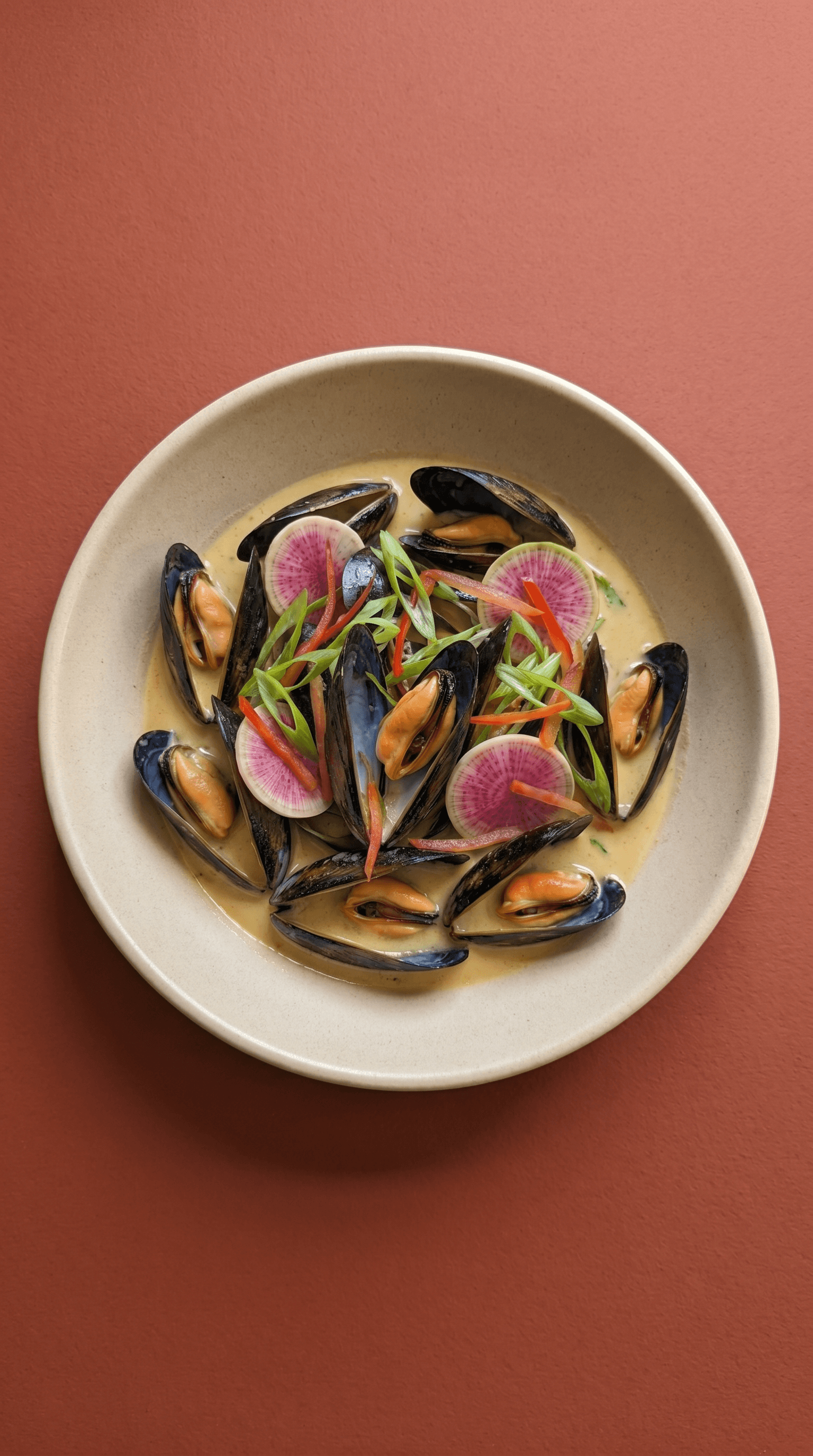
Ginger-Lemongrass Mussels with Sinigang Aromatics and Sour Cream
This dish combines French steaming techniques with Filipino flavors to create restaurant-quality mussels in about 30 minutes. Fresh mussels cook in white wine with ginger, lemongrass, and tangy sour cream, then get finished with butter and decorative watermelon radish rounds for a silky, stunning presentation.
30 min · Intermediate · Philippines
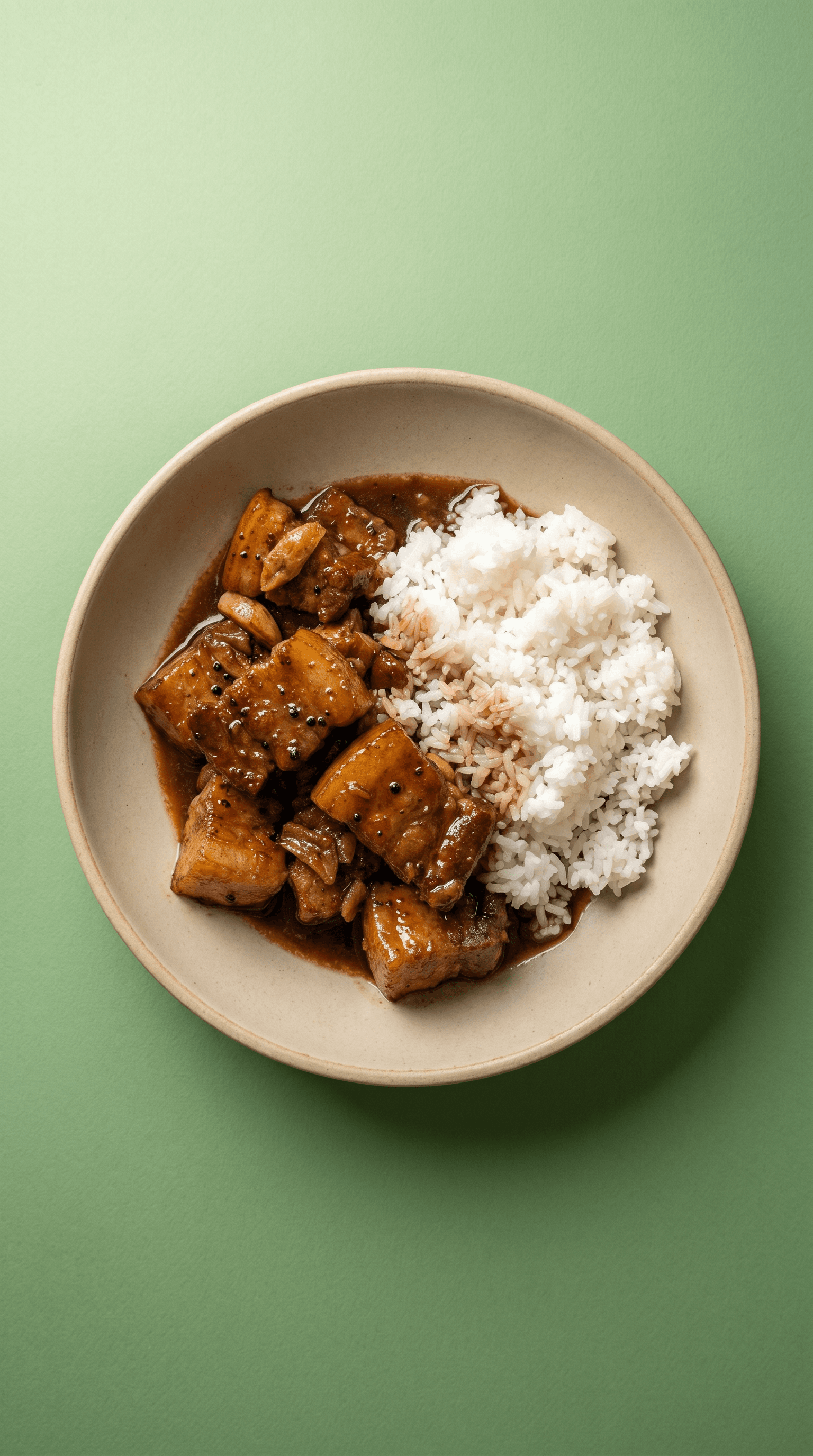
Red Wine Infused Pork Adobo with Beurre Monté
This elegant pork adobo combines Filipino braising with French butter technique to create restaurant-quality results at home. The secret is a red wine reduction that deepens the flavor, finished with silky butter that balances the vinegar's tang. Plan for 2.5 hours total, with most of that being gentle simmering while you relax. Serves 4-6 people.
150 min · Intermediate · Philippines
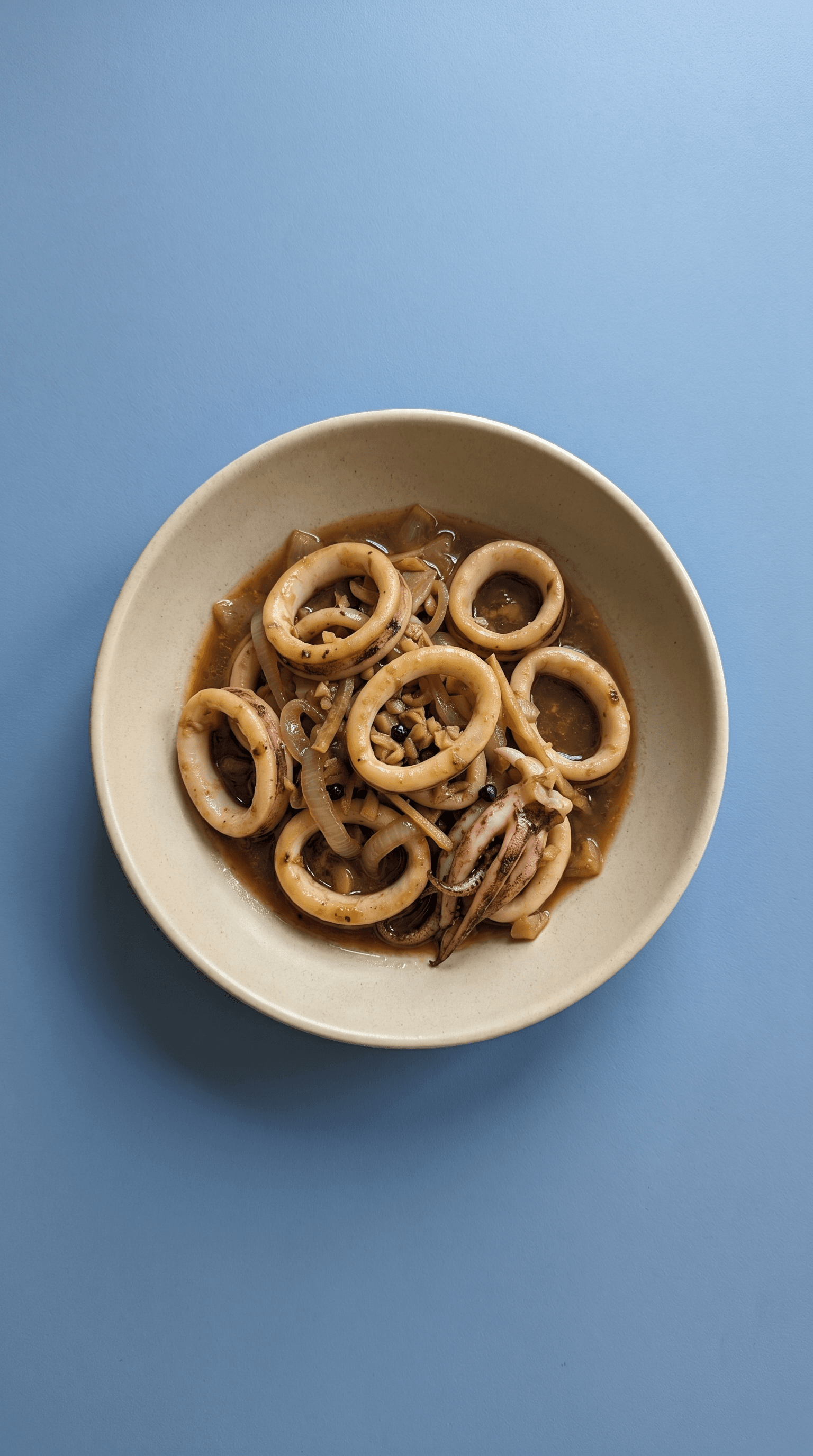
Squid Adobo with White Wine Reduction
This Filipino-French fusion dish combines tender squid with a glossy wine-enriched adobo sauce finished with butter. The secret is cooking the squid fast—just 2 minutes over high heat—then building a rich sauce that's both tangy and silky. Ready in 35 minutes, serves 4-6 people.
35 min · Easy · Philippines