Savory Asparagus Clafoutis Tart with Smoked Salmon and Pure Brown Butter Emulsion
1 hr 15 min · Advanced · Serves 6
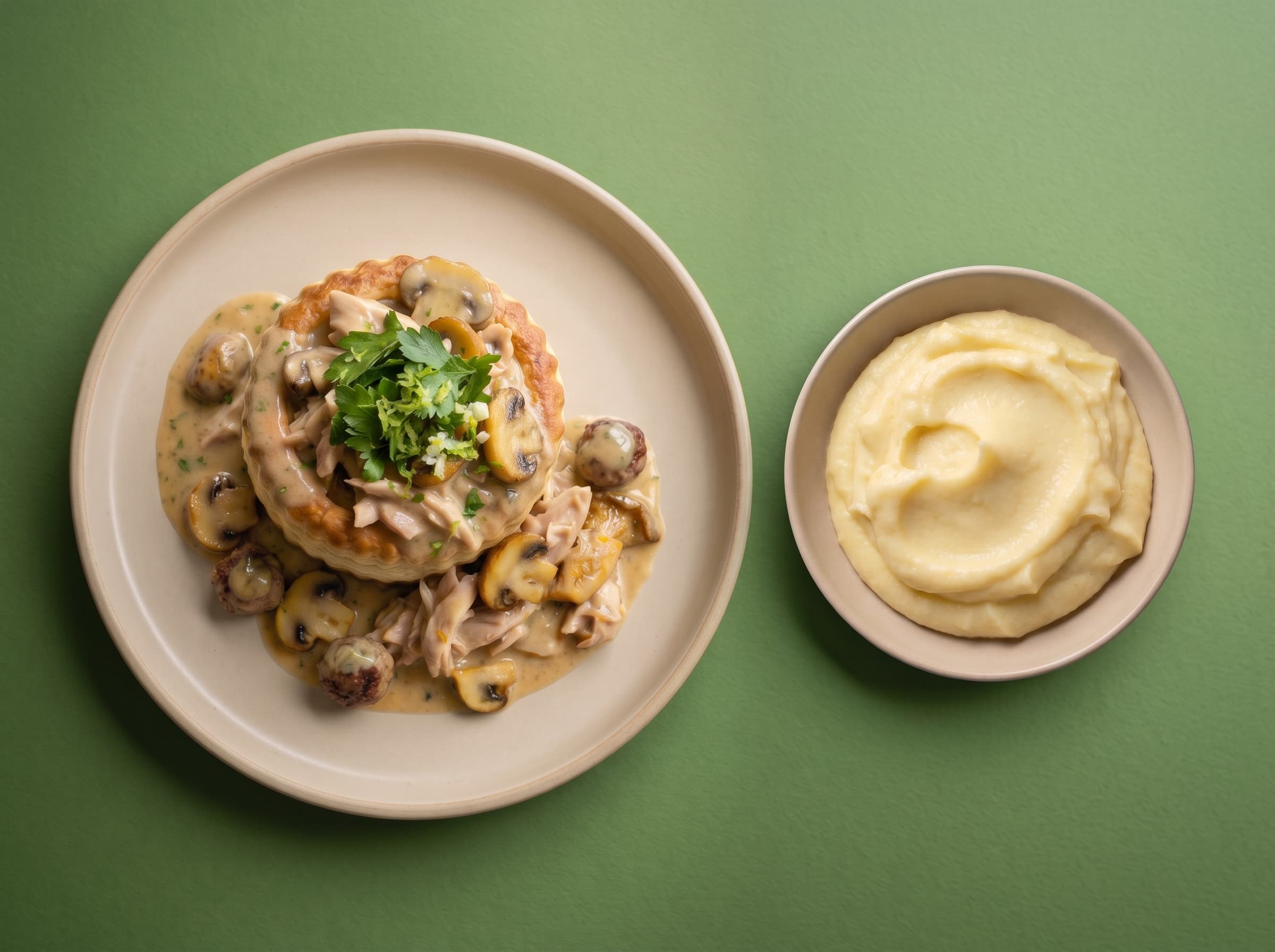 From our menuVol-au-Vent East meets West€19.95 · Made by us, delivered chilled.
This elegant French-inspired tart features a delicate asparagus custard base topped with a thin 3mm layer of rich brown butter cream and smoked salmon. The technique creates a perfectly flat 1.5 cm layer that holds beautiful toppings. Takes about 75 minutes total and serves 6 as a stunning brunch dish or appetizer.
Recipe by Christophe Rammant
Cordon Bleu Paris alumni - Two star Michelin kitchen experience
How Does This Create Such a Smooth, Flat Surface?
Traditional French pastry technique uses what chefs call a 'Royale' custard—a precise ratio of eggs, cream, and just enough flour to set without puffing. Baking at the gentle temperature of 300°F / 150°C keeps the custard from rising too much or cracking, giving you that restaurant-quality flat top.
Professional chefs know that brown butter (beurre noisette) becomes thick and spreadable when cooled to what they call 'pommade' consistency. By using a smaller, precise amount of emulsion, we create a delicate 3mm layer that adds intense flavor without overwhelming the palate.
Food science shows that removing every bit of moisture from blanched asparagus prevents the custard from weeping or getting watery. The contrast between cooked asparagus in the custard and raw asparagus ribbons on top gives you two completely different textures in one bite.
Estimated nutrition per serving
Estimated from ingredient weights, not lab-tested.
- Calories
- 315
- Protein
- 10g
- Fat
- 28g
- Carbohydrates
- 6g
The weekly recipe note
Enjoyed this recipe? Get the next one first.
One new recipe each week from Christophe: global flavor, French technique, and practical home-cook timing.
By signing up, you agree to receive emails from Mr. Saucy.
Ingredients
Recipe yields 6 servings
For the Asparagus Custard Base
| Amount | Ingredient | Notes |
|---|---|---|
| 120 g | green asparagus tips | blanched and dried thoroughly |
| 100 g (approximately 2 eggs) | large eggs | for the custard |
| 100 g (about 1/2 cup, 35% fat) | heavy cream | for the custard |
| 50 g | whole milk | room temperature |
| 20 g | all-purpose flour | provides structure for the 1.5 cm height |
| a pinch | nutmeg | freshly grated |
For the Brown Butter Emulsion
| Amount | Ingredient | Notes |
|---|---|---|
| 90 g (yields ~70g brown butter) | unsalted butter | cooked until nutty and browned |
| 9 g (approx. 1/2 large yolk) | egg yolk | room temperature |
| 5 g | Dijon mustard | acts as an emulsifier |
For Assembly and Garnish
| Amount | Ingredient | Notes |
|---|---|---|
| 150 g | smoked salmon | thinly sliced, high quality |
| 120 g | full-fat cream cheese | cold for better piping definition |
| 15 g | prepared horseradish | drained of excess vinegar |
| 40 g | raw green asparagus | shaved into ribbons |
| 5 g | fresh dill | picked into small fronds |
| 1/2 lemon | lemon | for juice |
Instructions
Prepare the Custard Base
- 1
Set Up Your Tart Ring (Prevent Leaks)
Line the bottom of a 20 cm (8-inch) tart ring tightly with parchment paper and place it on a flat baking sheet. Press the parchment down firmly so there are no gaps—this stops the thin batter from leaking out before it sets in the oven.
- 2
Blanch and Dry the Asparagus (Remove All Moisture)
Blanch the asparagus tips in boiling salted water for 2 minutes, then immediately shock them in ice water to stop the cooking. Pat them bone-dry with paper towels—any leftover moisture will make your custard watery and cause it to weep.
- 3
Mix the Custard (Smooth and Lump-Free)
Whisk together the eggs, cream, milk, flour, and a pinch of nutmeg until completely smooth with no lumps. Arrange the dried asparagus tips in the tart ring, then pour the custard over them to a height of 1.2 cm (just under 1/2 inch)—it will expand slightly to reach 1.5 cm as it bakes.
- 4
Bake Low and Slow (Keep It Flat)
Bake at 150°C / 300°F for 18-22 minutes until the center is just set but still has a slight wobble when you gently shake the pan. This gentle temperature prevents the custard from puffing up or cracking, which would ruin the flat surface you need for the toppings. Let it cool completely before moving to the next step.
Make the Brown Butter Emulsion
- 5
Brown the Butter (Toast Until Nutty)
Melt 90 g of butter in a light-colored pan over medium heat so you can see the color change. Cook until the milk solids turn golden brown and smell like toasted hazelnuts. Strain through a fine mesh sieve to remove any burnt particles, then let it cool until it thickens to a soft, spreadable consistency like room-temperature butter (chefs call this 'pommade').
- 6
Build the Emulsion (Add Butter Slowly)
In a small bowl, whisk the half egg yolk and Dijon mustard together until smooth. Very slowly whisk in the thickened brown butter, adding just a little at a time like you're making mayonnaise. This creates exactly enough for a thin 3mm layer.
Prepare the Toppings
- 7
Make the Horseradish Cream (Pipe-able Consistency)
Whip the cold cream cheese with the drained horseradish and a squeeze of lemon juice until it forms stiff peaks. Transfer this to a piping bag fitted with a plain tip—the cold cream cheese holds its shape perfectly for those elegant dollops.
- 8
Shave the Raw Asparagus (Create Ribbons)
Use a mandoline or very sharp vegetable peeler to shave the raw asparagus into thin ribbons. Soak them in ice water for 5 minutes before serving—this makes them curl beautifully and stay crisp, adding that fresh crunch against the soft custard.
Assemble and Serve
- 9
Layer the Brown Butter Cream (Smooth and Even)
Make sure the clafoutis base is completely cold—any warmth will melt the butter. Spread a thin, even 3mm layer of the brown butter emulsion over the entire surface using an offset spatula. The emulsion should be firm enough to hold the toppings without running.
- 10
Add Salmon and Asparagus (Drape Elegantly)
Drape the smoked salmon slices over the brown butter layer in loose folds—this looks more elegant than laying them flat. Drain the asparagus ribbons and arrange them on top, letting them curl naturally for visual interest.
- 11
Finish with Cream and Dill (Final Touches)
Pipe the horseradish cream cheese in small dollops across the tart in whatever pattern you like—geometric or organic both work beautifully. Scatter fresh dill fronds over everything. The dill's slight anise flavor bridges the smoky salmon and earthy asparagus perfectly.
The weekly recipe note
Enjoyed this recipe? Get the next one first.
One new recipe each week from Christophe: global flavor, French technique, and practical home-cook timing.
By signing up, you agree to receive emails from Mr. Saucy.
Tips & Tricks
your clafoutis isn't exactly 1.5 cm tall:
Use a clean ruler to measure the batter height before baking. Remember that flour-based custards rise about 15-20% during baking before settling back down, so pour to 1.2 cm and it will reach 1.5 cm perfectly.
the brown butter emulsion is too hard to spread:
Since this uses 100% butter with no oil, it gets very firm in the fridge. Let it sit at room temperature for 5-10 minutes before assembling—it should be soft like frosting but still hold its shape.
your clafoutis isn't exactly 1.5 cm tall:
Use a clean ruler to measure the batter height before baking. Remember that flour-based custards rise about 15-20% during baking before settling back down, so pour to 1.2 cm and it will reach 1.5 cm perfectly.
the brown butter emulsion is too hard to spread:
Since this uses 100% butter with no oil, it gets very firm in the fridge. Let it sit at room temperature for 5-10 minutes before assembling—it should be soft like frosting but still hold its shape.
Frequently Asked Questions
Can I make this dish a day in advance?
Partially, yes. You can bake the clafoutis base and make the brown butter emulsion a day ahead and store them separately in the fridge. However, for the best texture and to prevent the salmon from drying out, assemble the salmon, raw asparagus ribbons, and cream cheese dollops just before serving.
Can I make the brown butter emulsion in a food processor?
No, it's better to do this by hand or with a hand mixer. The high speed of a food processor generates heat, which can melt the brown butter solids and prevent the firm, spreadable texture you're looking for. Slow whisking keeps everything cool and stable.
What if I don't have a tart ring?
You can use a springform pan with the bottom lined with parchment paper, but make sure it's completely sealed. The key is having straight sides and a flat bottom. A regular cake pan works too, but you'll need to carefully lift the clafoutis out before topping.
Why did my custard puff up and crack in the oven?
Your oven temperature was too high. The gentle 300°F / 150°C is crucial—higher heat causes the eggs to set too fast and puff like a soufflé. Use an oven thermometer to verify your temperature is accurate, and look for that slight wobble in the center as your doneness test.
Can I make this dish a day in advance?
Partially, yes. You can bake the clafoutis base and make the brown butter emulsion a day ahead and store them separately in the fridge. However, for the best texture and to prevent the salmon from drying out, assemble the salmon, raw asparagus ribbons, and cream cheese dollops just before serving.
Can I make the brown butter emulsion in a food processor?
No, it's better to do this by hand or with a hand mixer. The high speed of a food processor generates heat, which can melt the brown butter solids and prevent the firm, spreadable texture you're looking for. Slow whisking keeps everything cool and stable.
What if I don't have a tart ring?
You can use a springform pan with the bottom lined with parchment paper, but make sure it's completely sealed. The key is having straight sides and a flat bottom. A regular cake pan works too, but you'll need to carefully lift the clafoutis out before topping.
Why did my custard puff up and crack in the oven?
Your oven temperature was too high. The gentle 300°F / 150°C is crucial—higher heat causes the eggs to set too fast and puff like a soufflé. Use an oven thermometer to verify your temperature is accurate, and look for that slight wobble in the center as your doneness test.
Recipe Reviews
No reviews yet — Be the first to review this recipe!
The collection
All recipesPheasant with Grapes, Verjus Jus and Celery Root
This pheasant with grapes recipe pairs juicy roast pheasant with glossy Muscat grapes, sweet caramelised shallots, and bright verjus jus. Gentle pan-roasting keeps the skin crisp, while celery root purée adds silky depth. Plan on about 2 hours for 4 servings, with several parts ready ahead for an easy dinner party.
120 min · Intermediate · France
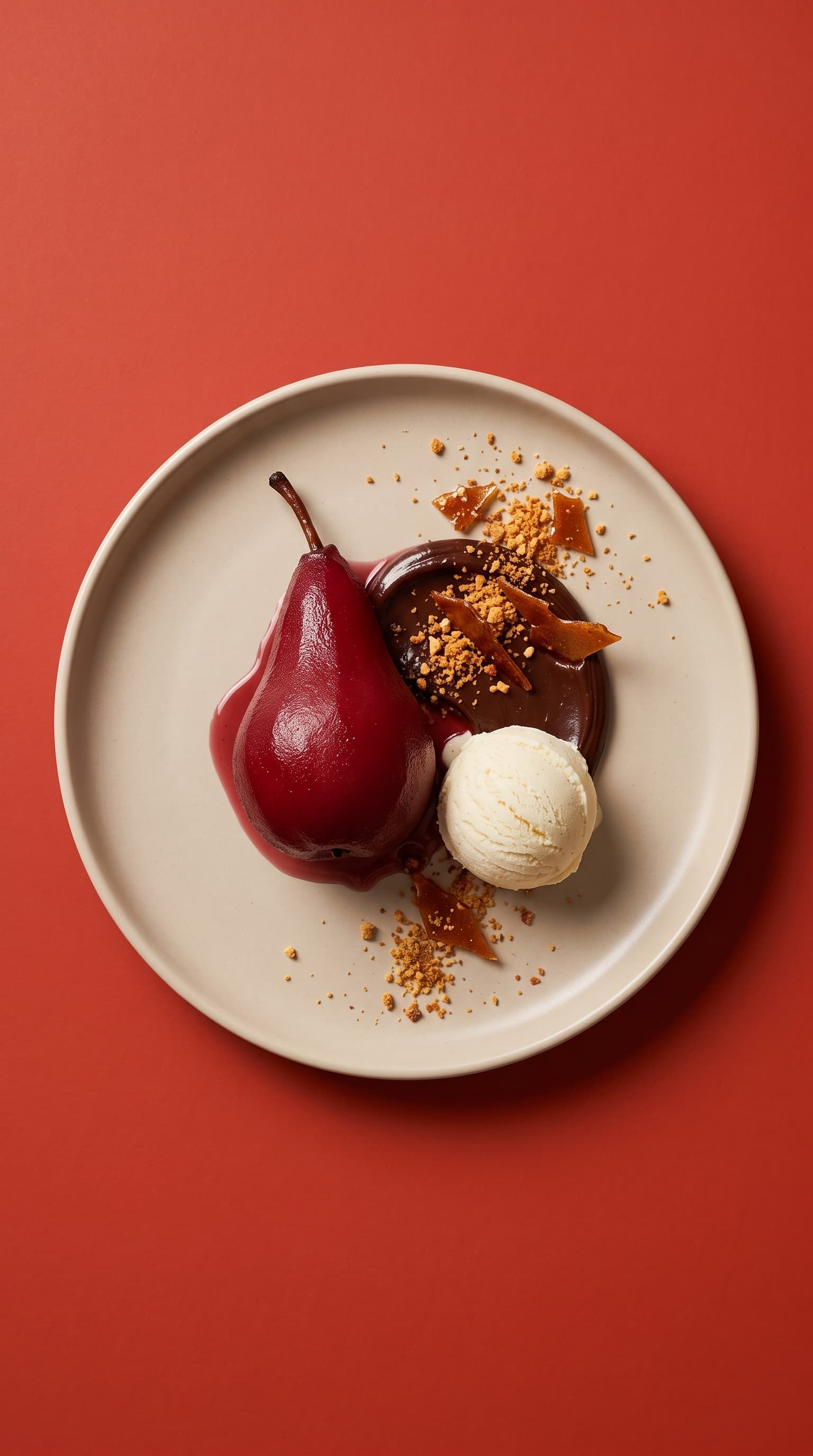
Poires Belle Hélène Recipe with Wine Poached Pears
This poires belle hélène recipe pairs tender red wine poached Conference pears with warm dark chocolate sauce, cold vanilla ice cream, and crisp hazelnut praline. Gentle poaching keeps the pears whole and silky. Plan about 2 hours for cooking and cooling, and serve 4 people right away for the best warm and cold contrast.
150 min · Intermediate · France
Roast Partridge Recipe with Celeriac Mousseline
This roast partridge recipe pairs rosy roasted breast with a crisp confited leg, silky celeriac mousseline, glazed baby carrots, and a glossy juniper-port jus. Dry-brining helps the lean meat stay seasoned and juicy. Allow about 3 hours for cooking and resting, plus overnight dry-brining if you have time. Serves 4.
210 min · Intermediate · France