Oysters Gratinated with Champagne Sabayon
40 min · Medium · Serves 4
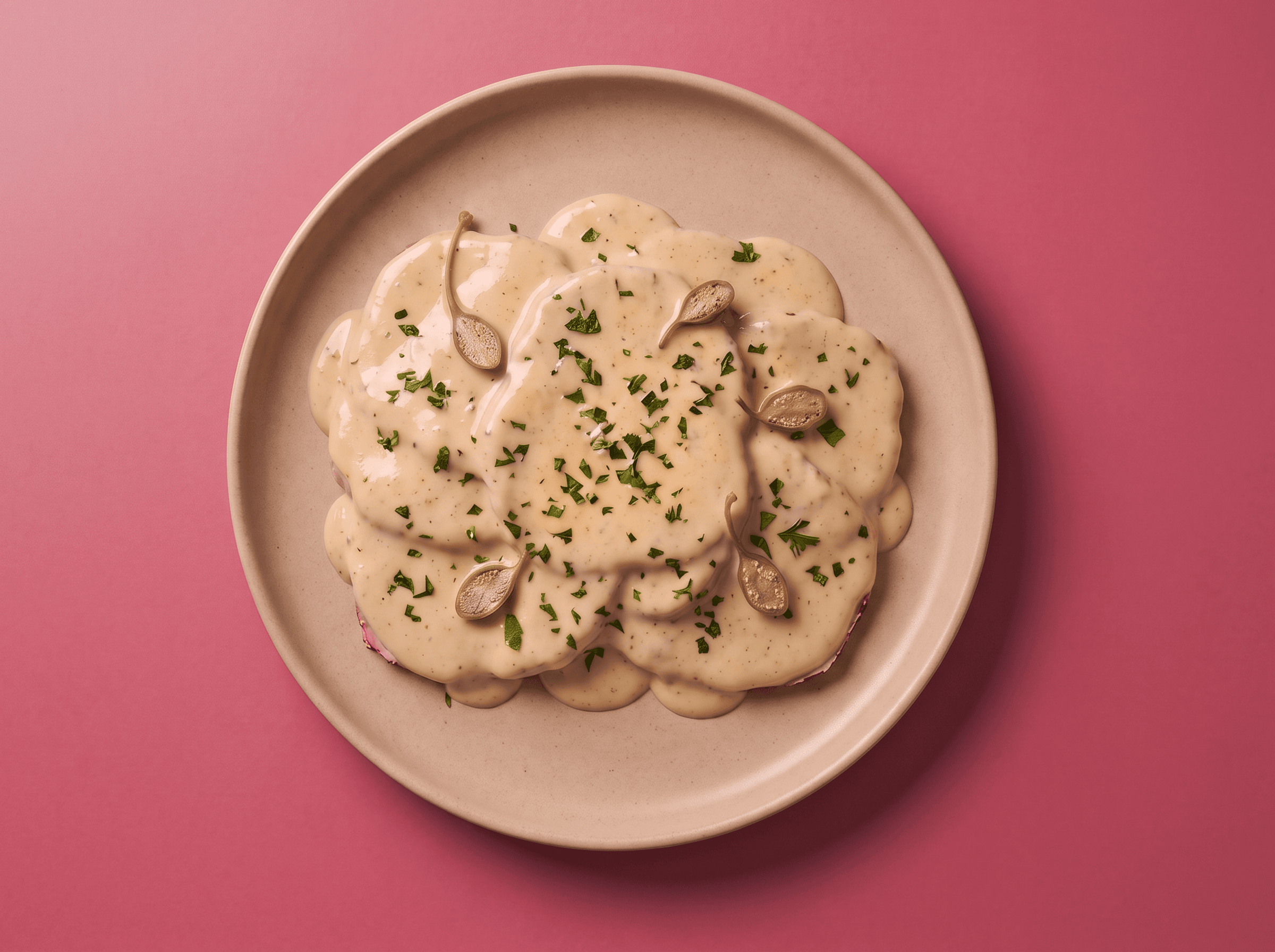 From our menuVitello Tonnato€17.50 · Made by us, delivered chilled.
This elegant French appetizer tops fresh oysters with a light, airy champagne sauce and broils them until golden. The sabayon technique creates a fluffy, cloud-like topping that balances the briny oysters perfectly. Takes about 40 minutes and serves 4 people as a special-occasion starter.
Recipe by Clara De Baere-Verburgh
Traditional Home Cook & Butcher Shop Owner
What Makes This Sabayon Stay Fluffy Under the Broiler?
Traditional French technique shows that whisking egg yolks over gentle steam traps thousands of tiny air bubbles in the mixture. These bubbles expand when heated, creating that signature puffed, soufflé-like texture that makes this dish so dramatic.
Food science shows that adding cream to the sabayon stabilizes those delicate air bubbles. Without it, the foam would collapse under the intense broiler heat. The fat in the cream coats each bubble and protects it from breaking down.
Professional chefs know that pre-poaching the oysters is the secret to success. Raw oysters release too much liquid when broiled, which would water down your sauce and make it runny. A quick 30-second poach sets the oyster so it stays plump while the sauce gets golden.
Estimated nutrition per serving
Estimated from ingredient weights, not lab-tested.
- Calories
- 400
- Protein
- 31g
- Fat
- 19g
- Carbohydrates
- 18g
The weekly recipe note
Enjoyed this recipe? Get the next one first.
One new recipe each week from Christophe: global flavor, French technique, and practical home-cook timing.
By signing up, you agree to receive emails from Mr. Saucy.
Ingredients
Recipe yields 4 servings
For the Oysters
| Amount | Ingredient | Notes |
|---|---|---|
| 1200 g (12-18 oysters) | Fresh Oysters (European French varieties) | keep the deep bottom shells (e.g., Fine de Claire or Belon) |
| 500 g (about 2 cups) | Rock Salt | for stabilizing shells on the baking sheet |
For the Champagne Sabayon
| Amount | Ingredient | Notes |
|---|---|---|
| 150 ml (2/3 cup) | Dry Champagne or Brut Sparkling Wine | high acidity is essential to cut through the richness |
| 60 g (3 large yolks) | Egg Yolks | at room temperature |
| 30 g (2 tablespoons) | Shallots | finely minced |
| 45 ml (3 tablespoons) | Heavy Cream | softens the sabayon for a velvety finish |
| 20 g (1½ tablespoons) | Unsalted Butter | for sautéing shallots |
| 5 ml (1 teaspoon) | Lemon Juice | a few drops to brighten the sauce |
| 2 g (to taste) | Sea Salt and White Pepper | — |
Instructions
Prep the Oysters
- 1
Shuck and Clean the Shells
Carefully shuck the oysters using an oyster knife, saving every drop of the liquid (called liquor) in a small bowl—this briny juice adds deep ocean flavor to your sauce. Clean the deep bottom shells thoroughly and dry them so the sauce doesn't slip off later.
Build the Champagne Base
- 2
Sauté the Shallots (The Aromatic Foundation)
In a small saucepan, melt the butter over low heat and add the minced shallots. Cook gently until they turn translucent and smell sweet—about 3 minutes. This builds a subtle aromatic base without any harsh onion bite.
- 3
Reduce the Champagne and Oyster Liquor
Add the champagne and reserved oyster liquor to the shallots. Simmer over medium heat until the liquid reduces by half—this takes about 5 minutes. You're concentrating the oceanic flavor and the wine's bright acidity, which will cut through the richness of the sauce.
- 4
Poach the Oysters (The Secret Step)
Drop the oyster meats into the simmering liquid for just 30 seconds, until the edges barely begin to curl. This quick poach sets the oyster so it won't release water later and make your sauce runny. Remove with a slotted spoon and set aside, then strain the liquid through a fine mesh sieve to catch any shell bits.
Make the Sabayon
- 5
Whisk the Yolks Over Steam (The Fluffy Magic)
Set up a bain-marie by placing a heatproof bowl over a pot of simmering water—make sure the bowl doesn't touch the water or the eggs will scramble. Add the egg yolks and 3 tablespoons of the reduced champagne liquid. Whisk vigorously and constantly for 3-5 minutes until the mixture becomes thick, pale yellow, and doubles in volume. You'll know it's ready when it forms ribbons that hold their shape for a few seconds.
- 6
Fold in the Cream (The Stabilizer)
Remove the bowl from heat and gently fold in the heavy cream and a squeeze of lemon juice. The cream stabilizes all those delicate air bubbles you just created, so the sauce won't collapse under the broiler's intense heat.
Assemble and Broil
- 7
Arrange on Rock Salt
Line a baking sheet with rock salt—this keeps the curved shells from tipping over and spilling your precious sauce. Nestle each cleaned shell into the salt, place one poached oyster in each shell, and spoon a generous amount of champagne sabayon over the top.
- 8
Broil Until Golden (Watch Closely)
Set your oven broiler to high and place the tray on the top rack. Broil for 1-2 minutes, watching constantly. You're looking for the sauce to puff up and develop small golden-brown leopard spots—this means the proteins are perfectly caramelized. Any longer and it will burn. Serve immediately while the sauce is still effervescent and the oysters are warm.
The weekly recipe note
Enjoyed this recipe? Get the next one first.
One new recipe each week from Christophe: global flavor, French technique, and practical home-cook timing.
By signing up, you agree to receive emails from Mr. Saucy.
Tips & Tricks
your oysters keep tipping over on the baking sheet:
Use rock salt or crumpled aluminum foil to create a stable bed. Press each shell firmly into the salt so it sits level—if they tilt even slightly, the sauce will spill out and you'll lose all that delicious champagne flavor.
your sabayon looks like scrambled eggs:
The heat is too high. Remove the bowl from the steam immediately and whisk in a teaspoon of cold champagne to lower the temperature. The cold liquid stops the cooking and brings the texture back to smooth and creamy.
your sauce tastes too salty:
You over-reduced the champagne liquid. The oyster liquor is already salty, so when you reduce it too much, the salt concentrates and becomes overpowering. Next time, reduce by half and taste before adding to the yolks.
you don't have a broiler:
Use your oven's highest setting (450°F / 230°C) on convection mode, or use a kitchen blowtorch to brown the tops of the sauce once the oysters are warmed through. The torch gives you more control and creates beautiful caramelization.
you want to add extra luxury:
Place a small spoonful of sautéed spinach or creamed leeks in the shell before adding the oyster. This creates an elegant bed that soaks up the sauce and adds another layer of flavor.
your oysters keep tipping over on the baking sheet:
Use rock salt or crumpled aluminum foil to create a stable bed. Press each shell firmly into the salt so it sits level—if they tilt even slightly, the sauce will spill out and you'll lose all that delicious champagne flavor.
your sabayon looks like scrambled eggs:
The heat is too high. Remove the bowl from the steam immediately and whisk in a teaspoon of cold champagne to lower the temperature. The cold liquid stops the cooking and brings the texture back to smooth and creamy.
your sauce tastes too salty:
You over-reduced the champagne liquid. The oyster liquor is already salty, so when you reduce it too much, the salt concentrates and becomes overpowering. Next time, reduce by half and taste before adding to the yolks.
you don't have a broiler:
Use your oven's highest setting (450°F / 230°C) on convection mode, or use a kitchen blowtorch to brown the tops of the sauce once the oysters are warmed through. The torch gives you more control and creates beautiful caramelization.
you want to add extra luxury:
Place a small spoonful of sautéed spinach or creamed leeks in the shell before adding the oyster. This creates an elegant bed that soaks up the sauce and adds another layer of flavor.
Frequently Asked Questions
Can I use a different sparkling wine instead of Champagne?
Absolutely. While Champagne is traditional, a dry Cava or Prosecco works beautifully. Make sure it's labeled Brut or Extra Brut—sweeter wines have too much sugar that will burn quickly under the broiler and clash with the briny oyster flavor.
Why do I need to poach the oysters before broiling?
Oysters release a lot of water when heated. If you put them in raw, they'll leak liquid into your sauce and make it runny and thin. Pre-poaching for 30 seconds sets the oyster so it stays plump while the sabayon stays thick and creamy.
Can I make the sauce ahead of time?
Sabayon is best made fresh because it relies on air bubbles for its fluffy texture. However, you can reduce the champagne and shallots hours in advance and store covered in the fridge. Whisk the yolks and broil just before serving to maintain that dramatic soufflé effect.
What if I don't have an oyster knife?
You can ask your fishmonger to shuck them for you—just make sure they save the liquor and the deep shells. At home, keep everything on ice until you're ready to cook. Freshly shucked oysters are best used within a few hours.
How do I know when the sabayon is thick enough?
Lift your whisk and let the mixture drip back into the bowl. If it forms ribbons that hold their shape for 2-3 seconds before disappearing, it's ready. The mixture should also coat the back of a spoon and feel warm but not hot to the touch.
Can I make this without heavy cream?
The cream stabilizes the sabayon so it doesn't collapse under the broiler. Without it, your sauce will be more delicate and might deflate. If you must skip it, work quickly and broil for only 60-90 seconds to minimize the risk.
What type of oysters work best for this recipe?
European French varieties like Fine de Claire or Belon are traditional because they have deep, sturdy shells and a balanced briny flavor. However, any fresh oyster with a deep bottom shell will work—just avoid tiny varieties that don't have room for the sauce.
Why does the recipe call for white pepper instead of black?
White pepper has a milder, more delicate flavor that won't overpower the subtle champagne sauce. Black pepper has a sharper bite and visible specks that would distract from the elegant, pale golden appearance of the finished dish.
Can I use a different sparkling wine instead of Champagne?
Absolutely. While Champagne is traditional, a dry Cava or Prosecco works beautifully. Make sure it's labeled Brut or Extra Brut—sweeter wines have too much sugar that will burn quickly under the broiler and clash with the briny oyster flavor.
Why do I need to poach the oysters before broiling?
Oysters release a lot of water when heated. If you put them in raw, they'll leak liquid into your sauce and make it runny and thin. Pre-poaching for 30 seconds sets the oyster so it stays plump while the sabayon stays thick and creamy.
Can I make the sauce ahead of time?
Sabayon is best made fresh because it relies on air bubbles for its fluffy texture. However, you can reduce the champagne and shallots hours in advance and store covered in the fridge. Whisk the yolks and broil just before serving to maintain that dramatic soufflé effect.
What if I don't have an oyster knife?
You can ask your fishmonger to shuck them for you—just make sure they save the liquor and the deep shells. At home, keep everything on ice until you're ready to cook. Freshly shucked oysters are best used within a few hours.
How do I know when the sabayon is thick enough?
Lift your whisk and let the mixture drip back into the bowl. If it forms ribbons that hold their shape for 2-3 seconds before disappearing, it's ready. The mixture should also coat the back of a spoon and feel warm but not hot to the touch.
Can I make this without heavy cream?
The cream stabilizes the sabayon so it doesn't collapse under the broiler. Without it, your sauce will be more delicate and might deflate. If you must skip it, work quickly and broil for only 60-90 seconds to minimize the risk.
What type of oysters work best for this recipe?
European French varieties like Fine de Claire or Belon are traditional because they have deep, sturdy shells and a balanced briny flavor. However, any fresh oyster with a deep bottom shell will work—just avoid tiny varieties that don't have room for the sauce.
Why does the recipe call for white pepper instead of black?
White pepper has a milder, more delicate flavor that won't overpower the subtle champagne sauce. Black pepper has a sharper bite and visible specks that would distract from the elegant, pale golden appearance of the finished dish.
Recipe Reviews
No reviews yet — Be the first to review this recipe!
The collection
All recipesVenison Fillet Recipe with Blackberry Juniper Jus
This venison fillet recipe gives you tender, rosy meat with a quick sear and gentle roasting. Serve it with silky celeriac mousseline, honey-glazed carrots, blackberry-juniper jus, and crisp hazelnuts. Plan about 3 hours for cooking and resting, plus advance chilling if you dry-season the venison overnight. It serves 4.
180 min · Intermediate · Belgium
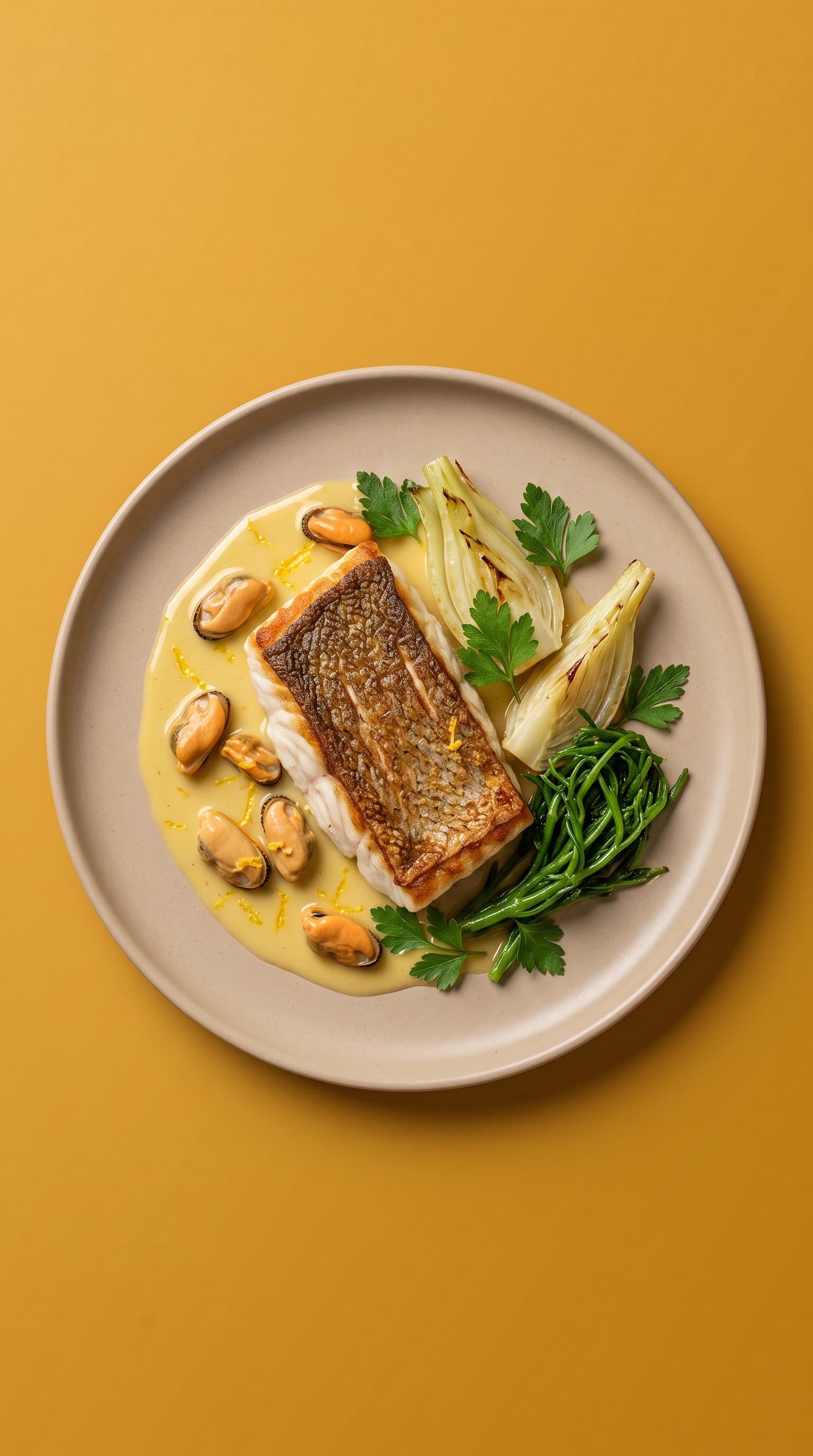
John Dory Recipe with Saffron Mussel Sauce
This John Dory recipe pairs crisp, golden skin with sweet confit fennel, tender sea aster, and a silky saffron mussel sauce. Steam the mussels first, reduce their liquor, and finish the sauce with cold butter. The dish takes about 1 hour 45 minutes and serves 4 for a special dinner.
105 min · Intermediate · Belgium
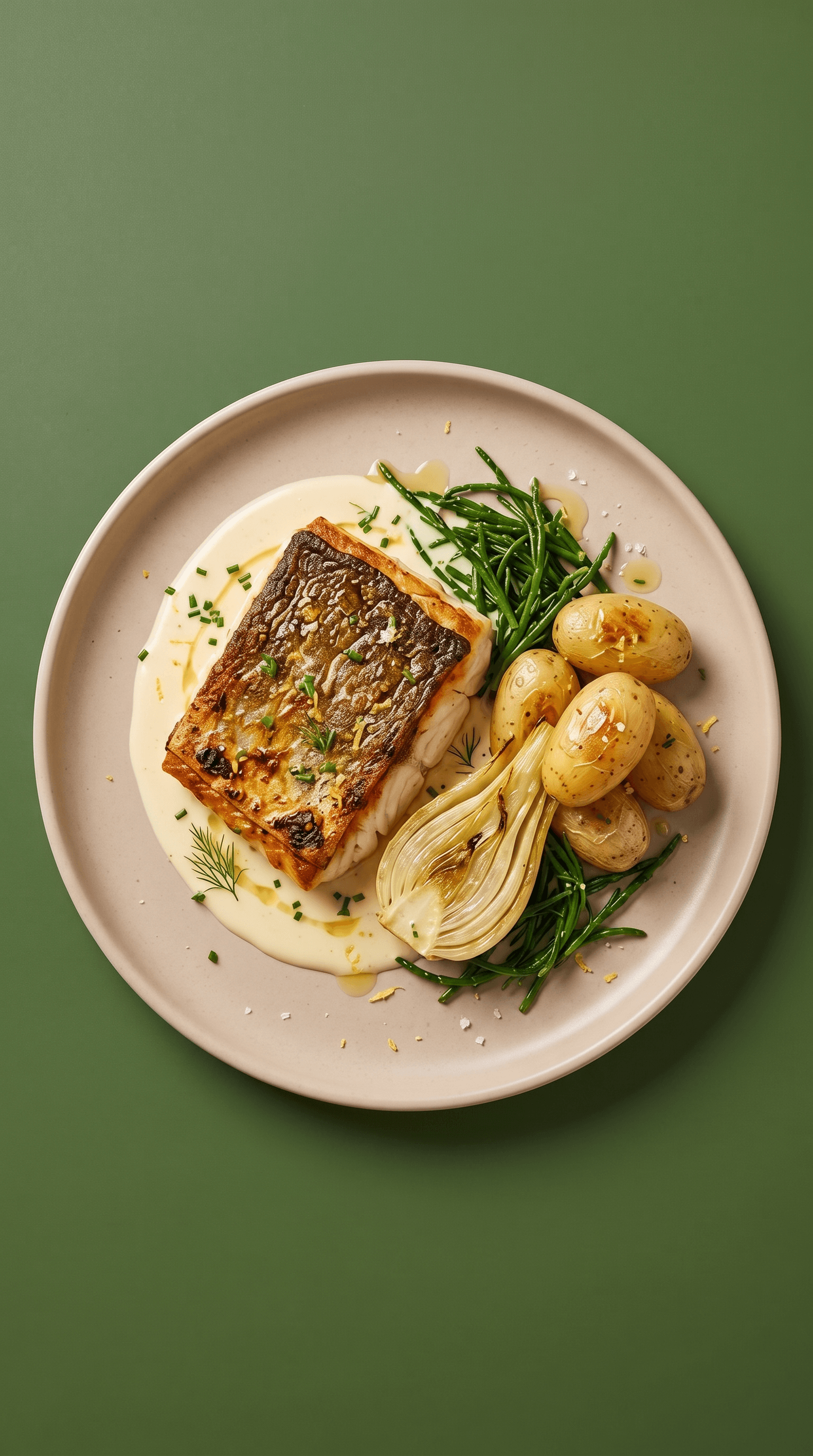
Roasted Turbot Recipe with Vermouth Beurre Blanc and Fennel
This roasted turbot recipe pairs a crisp-skinned, oven-finished fillet with a silky vermouth beurre blanc, buttery braised fennel, and confit-style baby potatoes. The trick is a hard sear for color, then a gentle 180°C / 356°F oven finish so the delicate flesh stays moist. It takes about 90 minutes total and serves 4.
90 min · Intermediate · Belgium