Miso-Glazed Oysters Gratinées with Champagne-Oyster Béchamel
55 min · Medium · Serves 12-18 pieces
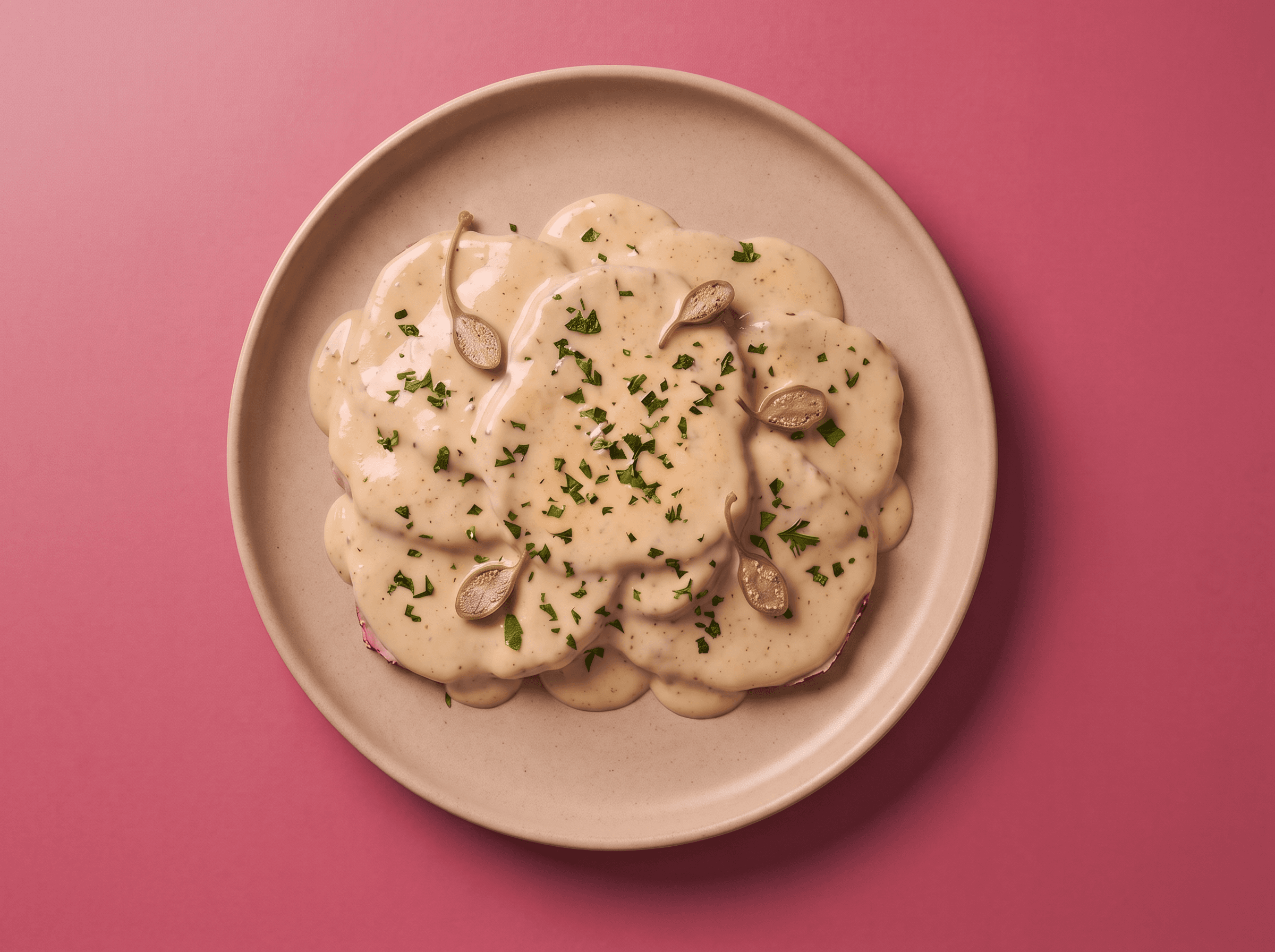 From our menuVitello Tonnato€17.50 · Made by us, delivered chilled.
These elegant oysters combine French gratinée technique with Japanese miso for a golden, caramelized topping. The secret is a champagne-enriched sauce that firms up for easy transport, then browns beautifully under the broiler in just 5-7 minutes, finished with a bright pop of lime zest.
Recipe by Christophe Rammant
Cordon Bleu Paris alumni - Two star Michelin kitchen experience
How Does This Create Such a Beautiful Golden Crust?
Professional chefs know that the combination of egg yolk and miso creates what's called a 'double browning effect.' The yolk provides proteins for the Maillard reaction (that's the chemical process that makes food turn golden), while the miso adds natural sugars that caramelize quickly under high heat.
Traditional French technique uses a flour-based roux to stabilize the sauce, which means it holds together even when chilled and reheated. This is why the sauce doesn't separate or get watery during transport—the flour creates a tight bond between all the fats from the sour cream, yolk, and butter.
The addition of lime zest provides a sharp citrus contrast that balances the deep umami of the miso and the richness of the Béchamel, ensuring the dish feels light and sophisticated.
Estimated nutrition per serving
Estimated from ingredient weights, not lab-tested.
- Calories
- 100
- Protein
- 3g
- Fat
- 5g
- Carbohydrates
- 9g
The weekly recipe note
Enjoyed this recipe? Get the next one first.
One new recipe each week from Christophe: global flavor, French technique, and practical home-cook timing.
By signing up, you agree to receive emails from Mr. Saucy.
Ingredients
Recipe yields 12-18 pieces servings
For the Oysters
| Amount | Ingredient | Notes |
|---|---|---|
| 1200 g (approximately 12-18 pieces) | large fresh oysters (in shell) | shucked with liquor reserved |
| 500 g (about 2 cups) | rock salt | for the baking bed and transport stability |
For the Champagne-Oyster Béchamel
| Amount | Ingredient | Notes |
|---|---|---|
| 30 g (2 tablespoons) | unsalted butter | for the roux base |
| 30 g (1/4 cup) | all-purpose flour | to stabilize the sauce |
| 100 g (1/2 cup) | dry champagne or sparkling wine | reduced for the sauce base |
| 40 g (2 medium) | shallots | finely minced |
| 120 g (1/2 cup) | sour cream | adds tang and creamy body |
| 15 g (1 tablespoon) | white miso paste | for deep umami and rapid caramelization |
| 18 g (1 large) | egg yolk | for the golden-brown gratin color |
| 2 g (to taste) | fine sea salt and cayenne pepper | use less salt due to miso |
For the Topping
| Amount | Ingredient | Notes |
|---|---|---|
| 60 g (1 cup) | panko breadcrumbs | for a light, crispy crust |
| 5 g (1 teaspoon) | lime zest | finely grated, provides a bright citrus contrast |
Instructions
Prep the Oysters and Build the Flavor Base
- 1
Shuck and Reserve the Liquor
Carefully shuck the oysters and save every drop of the natural liquor in a bowl. This briny liquid is packed with ocean flavor and becomes the foundation of your sauce—don't pour it down the drain.
- 2
Reduce the Champagne Mixture
In a small saucepan, combine the minced shallots, champagne, and all the reserved oyster liquor. Simmer over medium heat until reduced by half—about 8-10 minutes. You'll know it's ready when the liquid looks syrupy and coats the back of a spoon. This concentrates the oceanic essence and wine acidity.
- 3
Par-Poach the Oysters
Add the shucked oysters to the simmering reduction and poach for exactly 30 seconds. This brief cooking sets the proteins just enough so they won't overcook later under the broiler. Remove the oysters with a slotted spoon and set aside to chill while you make the sauce.
Make the Miso-Champagne Béchamel
- 4
Create the Roux
In a separate pan over medium heat, melt the 30 g of butter and whisk in the flour. Cook for 1 minute, stirring constantly, until it smells slightly nutty but hasn't browned. This light roux will stabilize your sauce so it doesn't separate during transport.
- 5
Build the Sauce Base
Slowly pour the hot champagne-oyster reduction into the roux while whisking constantly. The sauce will thicken quickly—keep whisking until smooth and it coats the back of a spoon. Remove from heat immediately.
- 6
Add the Miso-Sour Cream Mixture
In a small bowl, whisk the white miso into the sour cream until completely smooth with no lumps. Stir this mixture into the warm sauce base. The miso adds deep umami flavor and natural sugars that will caramelize beautifully under the broiler.
- 7
Temper the Egg Yolk (The Secret to Smooth Sauce)
Let the sauce cool for 2-3 minutes to about 140°F / 60°C. Whisk a spoonful of the warm sauce into the egg yolk to gradually warm it, then whisk the yolk mixture back into the main sauce. This tempering step prevents the yolk from scrambling and ensures your sauce will brown to a gorgeous golden color.
- 8
Cool Until Spreadable
Let the sauce cool completely in the refrigerator for about 15-20 minutes until it reaches a thick, gel-like consistency. It should be firm enough to mound on top of each oyster without running off.
Assemble and Prepare for Baking
- 9
Prepare the Topping Mix
In a small bowl, combine the panko breadcrumbs and lime zest. The lime provides a sharp, aromatic citrus note that cuts through the rich, savory miso sauce.
- 10
Assemble the Oysters
Spread a layer of rock salt on a baking sheet—this creates a stable bed that keeps the oyster shells from tipping. Place each chilled oyster back into its shell, spoon a generous layer of the thickened miso-yolk béchamel over the top, and sprinkle with the panko-lime mixture.
- 11
Bake to Golden Perfection
Bake at 425°F / 220°C or use a high broiler setting for 5-7 minutes. Watch closely—the combination of miso sugars and egg yolk creates a deep golden gratinée color very quickly. You want a beautiful caramelized crust without overcooking the delicate oysters underneath.
The weekly recipe note
Enjoyed this recipe? Get the next one first.
One new recipe each week from Christophe: global flavor, French technique, and practical home-cook timing.
By signing up, you agree to receive emails from Mr. Saucy.
Tips & Tricks
you're worried about the sauce separating during transport:
The flour-based roux acts as a stabilizer that holds all the fats together in a tight bond. Make sure your sauce is thick enough to coat the back of a spoon before cooling—it will firm up even more in the fridge.
your sauce tastes too salty:
White miso is naturally salty, so always taste before adding extra sea salt. Start with just a pinch and adjust at the end. The oyster liquor also adds saltiness, so go light-handed.
you don't have champagne:
Any dry sparkling wine works perfectly. You can even use a crisp white wine like Sauvignon Blanc or Pinot Grigio—just avoid anything sweet, which would throw off the balance.
the topping isn't browning evenly:
Move the baking sheet to the top rack closer to the broiler element. Rotate the pan halfway through for even color. The miso sugars caramelize fast, so keep a close eye after 5 minutes.
you're nervous about tempering the egg yolk:
Let the sauce cool until you can comfortably hold your finger in it for 3 seconds (about 140°F / 60°C). Add just one spoonful of sauce to the yolk first, whisk well, then add the yolk mixture back. Slow and steady wins the race.
you want to make these ahead:
Assemble the oysters completely with sauce and topping, then cover and refrigerate for up to 24 hours. Bake straight from the fridge, adding 2-3 extra minutes to the cooking time.
you're worried about the sauce separating during transport:
The flour-based roux acts as a stabilizer that holds all the fats together in a tight bond. Make sure your sauce is thick enough to coat the back of a spoon before cooling—it will firm up even more in the fridge.
your sauce tastes too salty:
White miso is naturally salty, so always taste before adding extra sea salt. Start with just a pinch and adjust at the end. The oyster liquor also adds saltiness, so go light-handed.
you don't have champagne:
Any dry sparkling wine works perfectly. You can even use a crisp white wine like Sauvignon Blanc or Pinot Grigio—just avoid anything sweet, which would throw off the balance.
the topping isn't browning evenly:
Move the baking sheet to the top rack closer to the broiler element. Rotate the pan halfway through for even color. The miso sugars caramelize fast, so keep a close eye after 5 minutes.
you're nervous about tempering the egg yolk:
Let the sauce cool until you can comfortably hold your finger in it for 3 seconds (about 140°F / 60°C). Add just one spoonful of sauce to the yolk first, whisk well, then add the yolk mixture back. Slow and steady wins the race.
you want to make these ahead:
Assemble the oysters completely with sauce and topping, then cover and refrigerate for up to 24 hours. Bake straight from the fridge, adding 2-3 extra minutes to the cooking time.
Frequently Asked Questions
Why combine both egg yolk and miso for the topping?
The egg yolk provides proteins that create a rich, custardy glaze through the Maillard reaction, while the miso contains natural sugars that caramelize and brown much faster under the broiler. Together, they give you a perfect golden crust before the delicate oysters have a chance to overcook.
Will the miso make the sauce too salty?
Not if you use white miso (Shiro miso), which is milder and sweeter than other varieties. When combined with the sour cream and oyster liquor, it provides a balanced savory depth rather than overwhelming saltiness. Always taste before adding extra salt.
Can I use different citrus instead of lime?
Yes! Lime zest is recommended because its bright acidity cuts through the rich miso beautifully. You can use lemon if you prefer a more traditional French profile, but lime adds a modern, vibrant edge.
Will the sauce separate during transport or reheating?
No. The flour-based roux acts as a stabilizer that holds the fats from the sour cream, yolk, and miso in a tight emulsion even when chilled and reheated. This is a professional technique that ensures your sauce stays smooth and creamy.
Can I make these ahead of time?
Absolutely! Assemble the oysters completely with the sauce and topping, then cover and refrigerate for up to 24 hours. When ready to serve, bake straight from the fridge at 425°F / 220°C for 7-10 minutes until golden and bubbling.
What if I don't have an oyster knife?
You can ask your fishmonger to shuck the oysters for you—just make sure they save all the liquor in a container. Keep the shells for serving. If shucking at home without a proper knife, use a sturdy butter knife and wrap the oyster in a towel for safety.
How do I know when the sauce is thick enough?
Run your finger across the back of a spoon dipped in the sauce. If the line stays clean and the sauce doesn't run back together, it's ready. It should look like thick custard or pudding before you chill it.
Can I freeze these for later?
Freezing isn't recommended because oysters become rubbery when frozen and thawed. However, you can refrigerate the assembled oysters for up to 24 hours before baking, which gives you plenty of make-ahead flexibility for entertaining.
Why combine both egg yolk and miso for the topping?
The egg yolk provides proteins that create a rich, custardy glaze through the Maillard reaction, while the miso contains natural sugars that caramelize and brown much faster under the broiler. Together, they give you a perfect golden crust before the delicate oysters have a chance to overcook.
Will the miso make the sauce too salty?
Not if you use white miso (Shiro miso), which is milder and sweeter than other varieties. When combined with the sour cream and oyster liquor, it provides a balanced savory depth rather than overwhelming saltiness. Always taste before adding extra salt.
Can I use different citrus instead of lime?
Yes! Lime zest is recommended because its bright acidity cuts through the rich miso beautifully. You can use lemon if you prefer a more traditional French profile, but lime adds a modern, vibrant edge.
Will the sauce separate during transport or reheating?
No. The flour-based roux acts as a stabilizer that holds the fats from the sour cream, yolk, and miso in a tight emulsion even when chilled and reheated. This is a professional technique that ensures your sauce stays smooth and creamy.
Can I make these ahead of time?
Absolutely! Assemble the oysters completely with the sauce and topping, then cover and refrigerate for up to 24 hours. When ready to serve, bake straight from the fridge at 425°F / 220°C for 7-10 minutes until golden and bubbling.
What if I don't have an oyster knife?
You can ask your fishmonger to shuck the oysters for you—just make sure they save all the liquor in a container. Keep the shells for serving. If shucking at home without a proper knife, use a sturdy butter knife and wrap the oyster in a towel for safety.
How do I know when the sauce is thick enough?
Run your finger across the back of a spoon dipped in the sauce. If the line stays clean and the sauce doesn't run back together, it's ready. It should look like thick custard or pudding before you chill it.
Can I freeze these for later?
Freezing isn't recommended because oysters become rubbery when frozen and thawed. However, you can refrigerate the assembled oysters for up to 24 hours before baking, which gives you plenty of make-ahead flexibility for entertaining.
Recipe Reviews
No reviews yet — Be the first to review this recipe!
The collection
All recipesOlive Oil Chocolate Mousse Recipe with Candied Orange
This olive oil chocolate mousse recipe makes a rich but airy dessert with dark chocolate, fruity olive oil, bright candied orange, and crisp almond tuiles. A warm sugar syrup gives the yolks body, while softly whipped cream keeps the mousse light. Plan about 5 hours, including chilling, for 4 generous servings.
300 min · Intermediate · Fusion
Celeriac Ravioli with Brown Butter and Pear
This celeriac ravioli recipe makes 24 delicate pasta pillows filled with roasted celeriac, aged Comté, mascarpone and truffle. Roast the celeriac for deep flavor, then finish the ravioli in a glossy brown-butter sauce with pear, hazelnuts and sage. Plan on 145 minutes for 4 servings, including resting and chilling.
145 min · Intermediate · Fusion
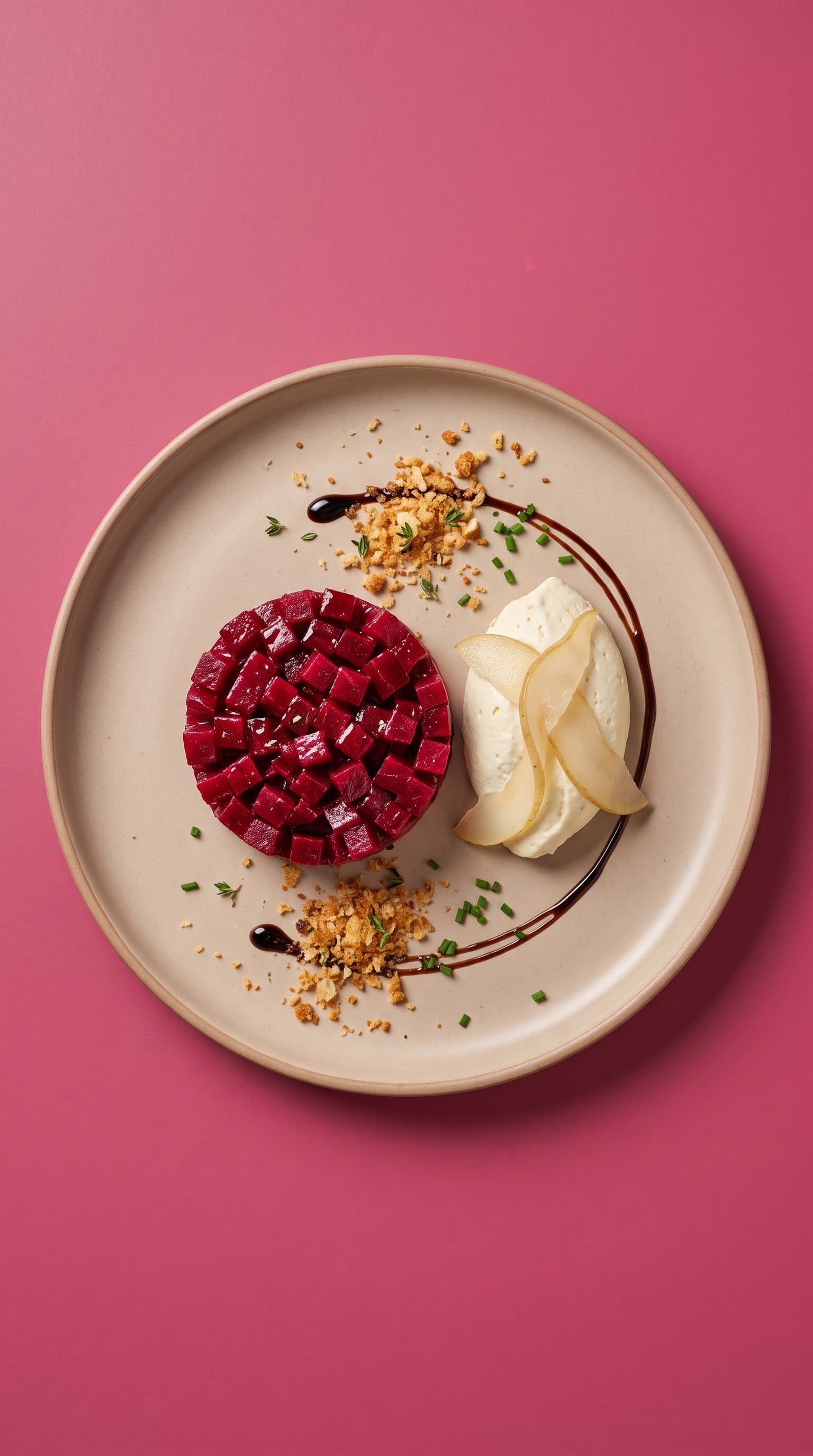
Beetroot Tartare Recipe with Whipped Goat Cheese
This beetroot tartare recipe turns sweet roasted beetroot into a bright, elegant appetizer for four. Cut the chilled beetroot into tiny cubes, dress it just before serving, and pair it with whipped goat cheese, pickled pear, and a buttery hazelnut crumb. Allow about 2 hours from roasting to plating.
120 min · Intermediate · Fusion