Grandmother's Leek and Bacon Quiche Lorraine with Puff Pastry
50 min · Easy · Serves 6
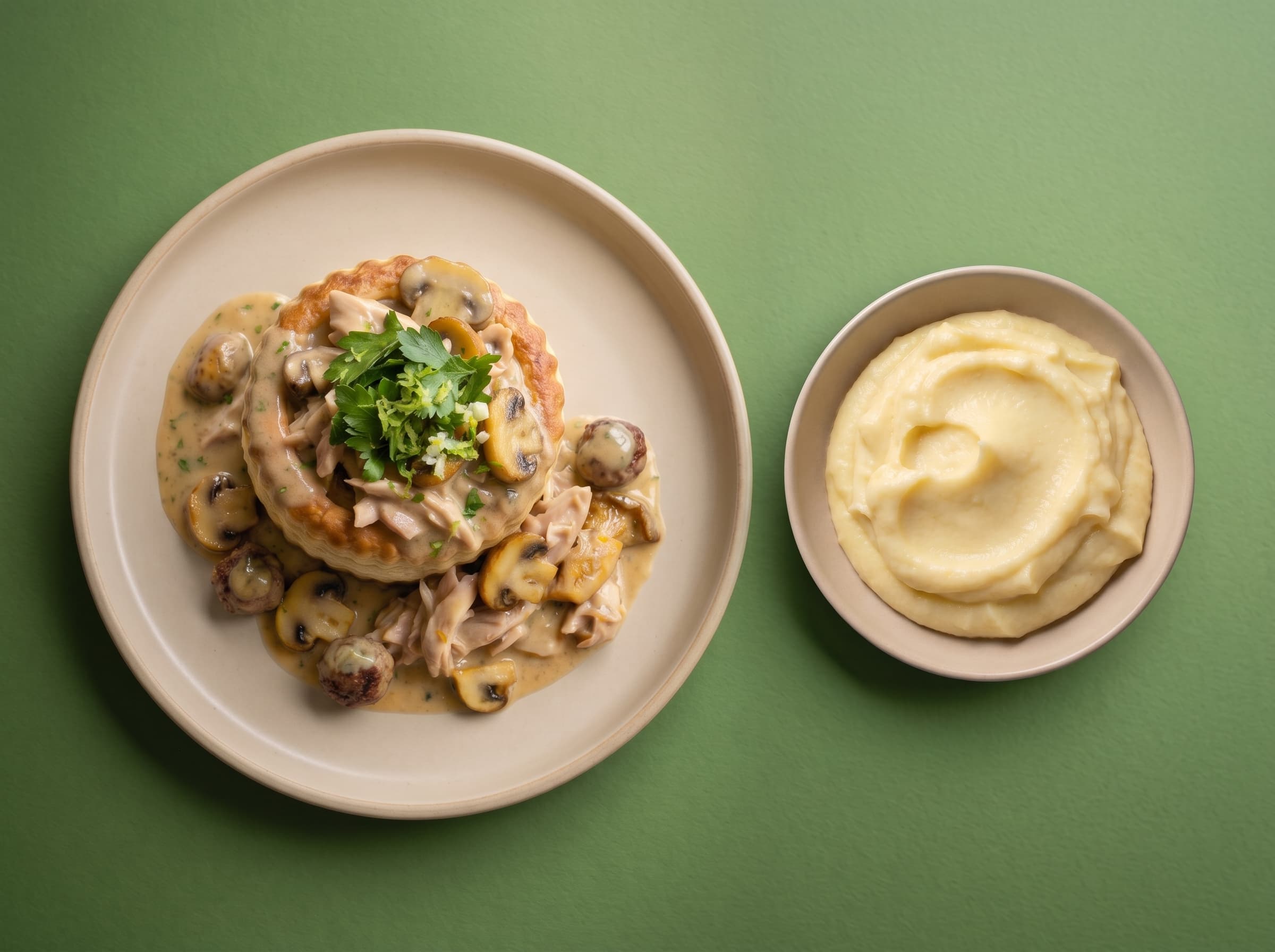 From our menuVol-au-Vent East meets West€19.95 · Made by us, delivered chilled.
This rustic French quiche combines store-bought puff pastry with smoky bacon, sweet leeks, and a silky custard. The secret is skipping the blind bake and using a clever cheese barrier to keep the bottom crispy. Ready in 50 minutes, it serves 6 and brings that warm grandmother's kitchen feeling to your table.
Recipe by Clara De Baere-Verburgh
Traditional Home Cook & Butcher Shop Owner
How Does This Create a Crispy Bottom Without Blind Baking?
Traditional French technique uses a preheated baking sheet to blast the bottom of the pastry with direct heat. This jump-starts the cooking before the wet custard can soak through. Professional chefs know that starting with intense bottom heat is the key to crispy tart crusts.
The cheese barrier is a classic bistro trick. Food science shows that melted cheese creates a waterproof layer between the pastry and the wet filling. The fat in the cheese repels moisture while adding flavor, protecting your crust without the extra step of blind baking.
Properly sweated leeks are essential. When you cook them low and slow until all their water evaporates, they become sweet and concentrated instead of watery. This means less moisture going into your quiche, which keeps everything crisp and prevents that dreaded soggy bottom.
Estimated nutrition per serving
Estimated from ingredient weights, not lab-tested.
- Calories
- 871
- Protein
- 18g
- Fat
- 76g
- Carbohydrates
- 30g
The weekly recipe note
Enjoyed this recipe? Get the next one first.
One new recipe each week from Christophe: global flavor, French technique, and practical home-cook timing.
By signing up, you agree to receive emails from Mr. Saucy.
Ingredients
Recipe yields 6 servings
For the Pastry Base
| Amount | Ingredient | Notes |
|---|---|---|
| 280 g (circular) | store-bought chilled puff pastry | keep chilled until the very last second to ensure a flaky rise |
For the Filling
| Amount | Ingredient | Notes |
|---|---|---|
| 200 g (7 oz) | smoked slab bacon (lardons) | cut into 1 cm batons; high-quality smoked pork belly is best |
| 300 g (10.5 oz) | leeks | white and light green parts only, cleaned thoroughly and thinly sliced into rounds |
| 200 g (7 oz / about 14 tablespoons) | unsalted butter | for sweating the leeks |
| 100 g (3.5 oz / 1 cup) | Gruyère or Emmental cheese | freshly grated; divided for layering and topping |
For the Custard
| Amount | Ingredient | Notes |
|---|---|---|
| 150 g (approximately 3 eggs) | large eggs | — |
| 250 g (1 cup) | heavy cream | 35% fat; do not use low-fat as the fat stabilizes the custard |
| 100 g (scant 1/2 cup) | whole milk | balances the richness of the cream |
| 5 g (a pinch of each) | nutmeg, salt, and black pepper | nutmeg is the secret French aromatic |
Instructions
Prep the Oven and Pastry
- 1
Preheat with a Baking Sheet (The Heat Trick)
Preheat your oven to 200°C / 400°F and place a baking sheet inside to heat up. This preheated sheet will blast the bottom of your pastry with direct heat the moment it goes in, giving you that crispy base without blind baking.
- 2
Line the Tart Tin
Unroll the chilled puff pastry into a 24 cm tart tin, leaving the parchment paper underneath if provided. Prick the base thoroughly with a fork—this docking prevents large air bubbles from puffing up and pushing your filling around.
Cook the Filling
- 3
Render the Bacon Fat
Sauté the bacon in a dry pan over medium heat until the fat renders and the edges are golden-crisp. This takes about 5-7 minutes. Remove the bacon but keep that flavorful fat in the pan—it's liquid gold for cooking your leeks.
- 4
Sweat the Leeks (Low and Slow)
Add the butter and sliced leeks to the bacon fat. Cook on low heat for 10-12 minutes until completely soft and translucent. The key is patience—you want all the moisture to evaporate so the leeks are sweet and concentrated, not watery. If you see liquid pooling, keep cooking until it's gone.
Assemble and Bake
- 5
Make the Custard
Whisk the eggs, cream, and milk together until smooth. Season with pepper and a generous grating of nutmeg—that's the secret French touch. Be cautious with salt since the bacon and cheese are already salty. The custard should be silky and well-combined.
- 6
Layer the Cheese Barrier
Sprinkle a small layer of the grated cheese directly onto the raw puff pastry base. This creates a moisture barrier that keeps the custard from soaking into the pastry. Then spread the softened leeks and crispy bacon evenly over the cheese.
- 7
Add the Custard and Final Cheese
Pour the egg mixture over the fillings, making sure it spreads evenly. Sprinkle the remaining cheese over the top—this will create a beautiful golden crust as it bakes.
- 8
Bake Until Golden and Jiggly
Carefully place the tart tin directly onto the preheated baking sheet in the oven. Bake for 30-35 minutes at 200°C / 400°F. The quiche is done when the pastry edges are puffed and deep golden, and the center has a slight jiggle when you shake the pan—that means the custard is set but still creamy inside.
- 9
Rest Before Slicing
Let the quiche rest for 10 minutes before slicing. This resting time lets the custard firm up just enough so your slices hold together beautifully instead of running all over the plate.
The weekly recipe note
Enjoyed this recipe? Get the next one first.
One new recipe each week from Christophe: global flavor, French technique, and practical home-cook timing.
By signing up, you agree to receive emails from Mr. Saucy.
Tips & Tricks
you're worried about a soggy bottom:
Make sure your leeks are very well-drained with no liquid pooling in the pan. The cheese barrier helps too, but dry fillings are your best defense. That preheated baking sheet is also critical—it cooks the bottom fast before moisture can soak in.
your puff pastry isn't rising properly:
Keep it in the fridge until the exact moment you need to line the tin. Cold fat is essential for the pastry to lift and create those flaky layers. If the butter warms up, the layers merge and you lose the puff.
the top is browning too fast:
Tent the quiche loosely with foil. This shields the top from direct heat while the custard finishes setting underneath. Check it after 20 minutes and cover if needed.
your quiche is weeping liquid after cutting:
This means it's overcooked. When eggs cook too long, the protein network tightens and squeezes out moisture. Pull the quiche out while the center is still slightly wobbly—it will continue cooking as it rests.
you want the silkiest custard possible:
Strain your egg and cream mixture through a fine-mesh sieve before pouring. This removes any egg white strands or lumps, giving you that restaurant-quality smooth texture.
you're using frozen puff pastry:
Thaw it completely in the refrigerator overnight. Never thaw puff pastry at room temperature—the butter layers will soften and merge, and you'll lose all that beautiful flakiness.
you're worried about a soggy bottom:
Make sure your leeks are very well-drained with no liquid pooling in the pan. The cheese barrier helps too, but dry fillings are your best defense. That preheated baking sheet is also critical—it cooks the bottom fast before moisture can soak in.
your puff pastry isn't rising properly:
Keep it in the fridge until the exact moment you need to line the tin. Cold fat is essential for the pastry to lift and create those flaky layers. If the butter warms up, the layers merge and you lose the puff.
the top is browning too fast:
Tent the quiche loosely with foil. This shields the top from direct heat while the custard finishes setting underneath. Check it after 20 minutes and cover if needed.
your quiche is weeping liquid after cutting:
This means it's overcooked. When eggs cook too long, the protein network tightens and squeezes out moisture. Pull the quiche out while the center is still slightly wobbly—it will continue cooking as it rests.
you want the silkiest custard possible:
Strain your egg and cream mixture through a fine-mesh sieve before pouring. This removes any egg white strands or lumps, giving you that restaurant-quality smooth texture.
you're using frozen puff pastry:
Thaw it completely in the refrigerator overnight. Never thaw puff pastry at room temperature—the butter layers will soften and merge, and you'll lose all that beautiful flakiness.
Frequently Asked Questions
Why don't we blind bake the puff pastry?
In many home-style recipes, puff pastry is cooked from raw with the filling to save time. The high heat of the preheated baking sheet at 200°C / 400°F and the initial layer of cheese help set the bottom dough before the liquid can soak in. It's a smart shortcut that works beautifully.
Can I use frozen puff pastry instead of chilled?
Yes, but you must thaw it completely in the refrigerator overnight. Never thaw puff pastry at room temperature, as the butter layers will soften and merge. Cold butter is what creates those flaky, separate layers we love.
Why is my quiche weeping liquid after I cut it?
This is usually a sign of overcooking. When eggs are cooked too long, the protein network tightens and squeezes out moisture. Pull the quiche out while the center is still slightly wobbly—it will finish cooking as it rests and stay creamy inside.
Can I make this ahead of time?
Partially. You can cook the bacon and leeks up to 2 days ahead and store them covered in the fridge. Make the custard and assemble the quiche the day you plan to serve it for the best texture. The pastry gets soggy if assembled too far in advance.
What if I don't have Gruyère cheese?
Emmental works beautifully, or try a good sharp white cheddar. You want a cheese that melts smoothly and has enough flavor to stand up to the smoky bacon. Avoid pre-shredded cheese—it has anti-caking agents that prevent smooth melting.
How do I know when the quiche is done?
Look for puffed, deep golden pastry edges and a center that has a slight jiggle when you shake the pan. If it's completely firm, it's overcooked. That little wobble means the custard is set but still creamy—perfect texture.
Can I skip the nutmeg?
You can, but nutmeg is the secret French aromatic that makes this taste authentic. Just a small grating adds warmth and depth without being obvious. If you really don't like it, try a tiny pinch of white pepper instead for subtle spice.
What's the best way to reheat leftovers?
Reheat in a 160°C / 325°F oven for 10-15 minutes until warmed through. Avoid the microwave—it makes the pastry soggy and rubbery. Oven reheating keeps the crust crisp and the custard creamy.
Why don't we blind bake the puff pastry?
In many home-style recipes, puff pastry is cooked from raw with the filling to save time. The high heat of the preheated baking sheet at 200°C / 400°F and the initial layer of cheese help set the bottom dough before the liquid can soak in. It's a smart shortcut that works beautifully.
Can I use frozen puff pastry instead of chilled?
Yes, but you must thaw it completely in the refrigerator overnight. Never thaw puff pastry at room temperature, as the butter layers will soften and merge. Cold butter is what creates those flaky, separate layers we love.
Why is my quiche weeping liquid after I cut it?
This is usually a sign of overcooking. When eggs are cooked too long, the protein network tightens and squeezes out moisture. Pull the quiche out while the center is still slightly wobbly—it will finish cooking as it rests and stay creamy inside.
Can I make this ahead of time?
Partially. You can cook the bacon and leeks up to 2 days ahead and store them covered in the fridge. Make the custard and assemble the quiche the day you plan to serve it for the best texture. The pastry gets soggy if assembled too far in advance.
What if I don't have Gruyère cheese?
Emmental works beautifully, or try a good sharp white cheddar. You want a cheese that melts smoothly and has enough flavor to stand up to the smoky bacon. Avoid pre-shredded cheese—it has anti-caking agents that prevent smooth melting.
How do I know when the quiche is done?
Look for puffed, deep golden pastry edges and a center that has a slight jiggle when you shake the pan. If it's completely firm, it's overcooked. That little wobble means the custard is set but still creamy—perfect texture.
Can I skip the nutmeg?
You can, but nutmeg is the secret French aromatic that makes this taste authentic. Just a small grating adds warmth and depth without being obvious. If you really don't like it, try a tiny pinch of white pepper instead for subtle spice.
What's the best way to reheat leftovers?
Reheat in a 160°C / 325°F oven for 10-15 minutes until warmed through. Avoid the microwave—it makes the pastry soggy and rubbery. Oven reheating keeps the crust crisp and the custard creamy.
Recipe Reviews
No reviews yet — Be the first to review this recipe!
The collection
All recipesVenison Fillet Recipe with Blackberry Juniper Jus
This venison fillet recipe gives you tender, rosy meat with a quick sear and gentle roasting. Serve it with silky celeriac mousseline, honey-glazed carrots, blackberry-juniper jus, and crisp hazelnuts. Plan about 3 hours for cooking and resting, plus advance chilling if you dry-season the venison overnight. It serves 4.
180 min · Intermediate · Belgium
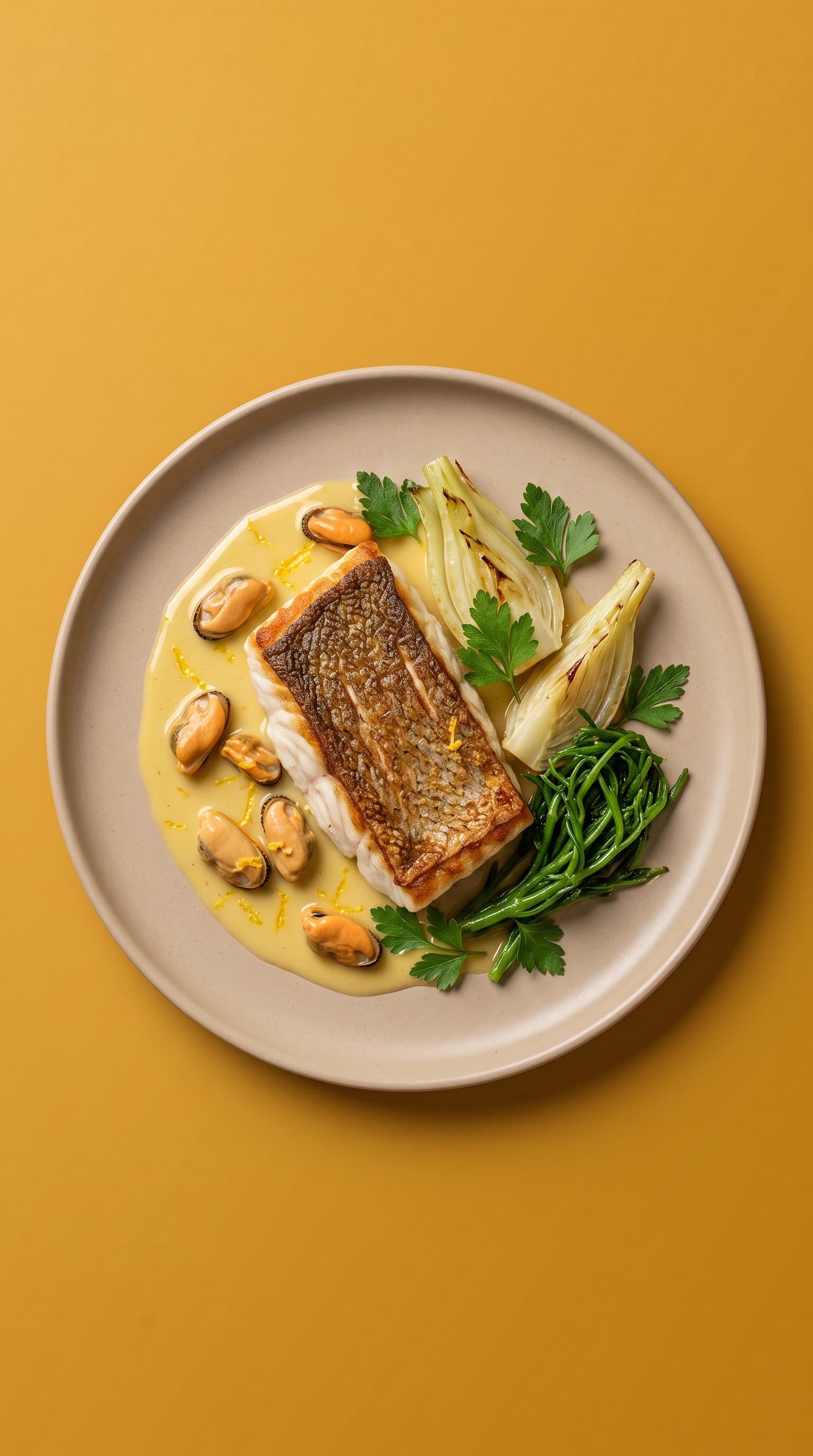
John Dory Recipe with Saffron Mussel Sauce
This John Dory recipe pairs crisp, golden skin with sweet confit fennel, tender sea aster, and a silky saffron mussel sauce. Steam the mussels first, reduce their liquor, and finish the sauce with cold butter. The dish takes about 1 hour 45 minutes and serves 4 for a special dinner.
105 min · Intermediate · Belgium
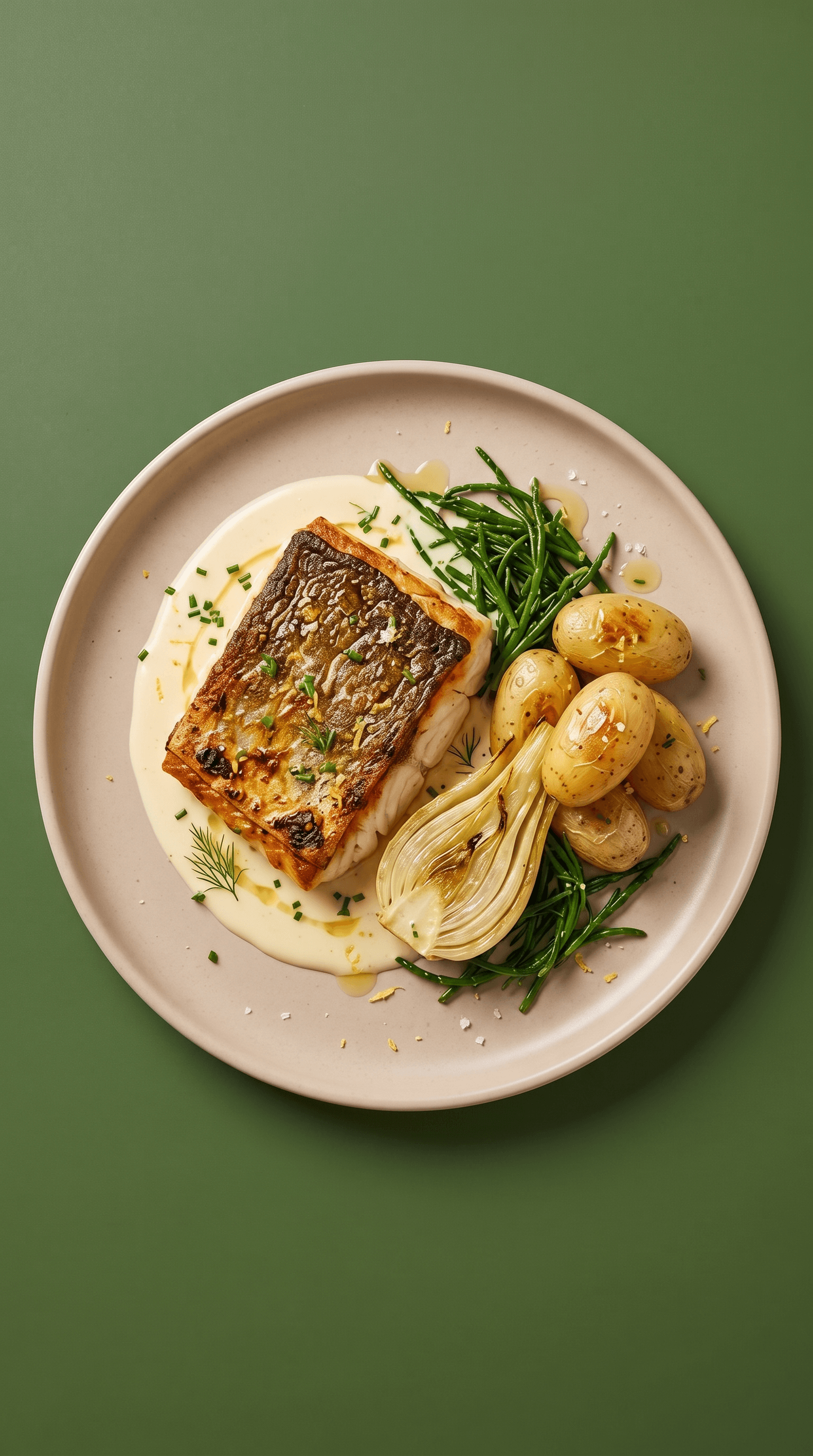
Roasted Turbot Recipe with Vermouth Beurre Blanc and Fennel
This roasted turbot recipe pairs a crisp-skinned, oven-finished fillet with a silky vermouth beurre blanc, buttery braised fennel, and confit-style baby potatoes. The trick is a hard sear for color, then a gentle 180°C / 356°F oven finish so the delicate flesh stays moist. It takes about 90 minutes total and serves 4.
90 min · Intermediate · Belgium