Grandma's Belgian-Style Macaroni au Jambon et Fromage
25 min · Easy · Serves 4-6
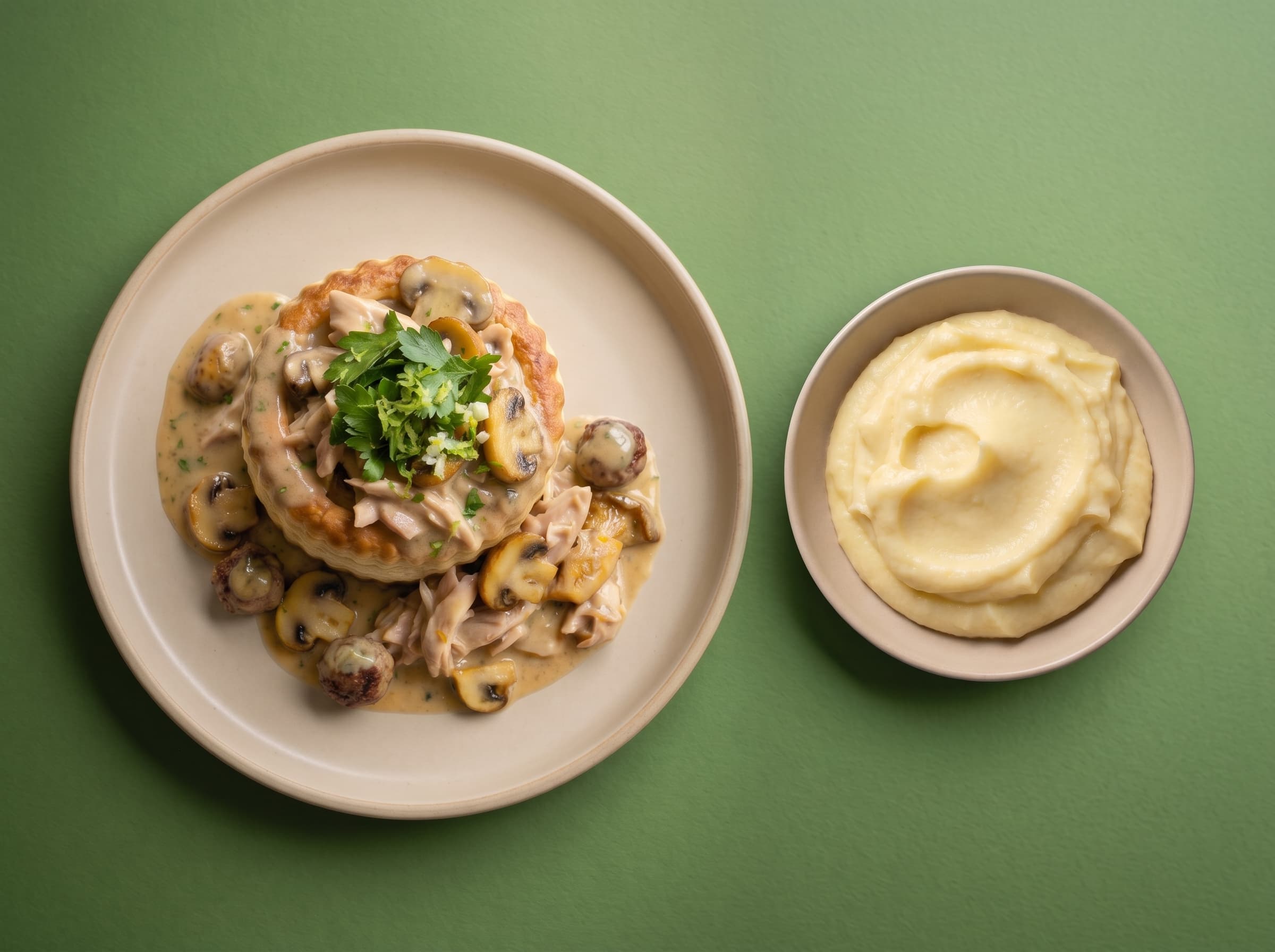 From our menuVol-au-Vent East meets West€19.95 · Made by us, delivered chilled.
This is Belgium's answer to mac and cheese—creamy stovetop macaroni folded with silky Mornay sauce, nutmeg, and perfectly cut ham squares. No baking needed, just gentle stirring for that velvety comfort food texture grandmas are famous for. Ready in 25 minutes and serves 4-6 people.
Recipe by Clara De Baere-Verburgh
Traditional Home Cook & Butcher Shop Owner
What Makes This Different from American Mac and Cheese?
Traditional Belgian home cooking skips the oven entirely, keeping every bite luxuriously creamy instead of crusty. The stovetop method means the sauce stays silky and coats each piece of pasta like a warm hug.
Classical French technique shows that a proper roux—butter and flour cooked together for exactly 2 minutes—creates the foundation for a sauce that never gets lumpy or grainy. Adding milk slowly, like Escoffier taught, builds a perfectly smooth base.
Food science shows that nutmeg isn't just decoration—it's the secret aromatic that Belgian grandmas use to make white sauces sing. Just a pinch transforms simple cheese sauce into something that tastes like home.
Estimated nutrition per serving
Estimated from ingredient weights, not lab-tested.
- Calories
- 1021
- Protein
- 50g
- Fat
- 38g
- Carbohydrates
- 116g
The weekly recipe note
Enjoyed this recipe? Get the next one first.
One new recipe each week from Christophe: global flavor, French technique, and practical home-cook timing.
By signing up, you agree to receive emails from Mr. Saucy.
Ingredients
Recipe yields 4-6 servings
For the Pasta
| Amount | Ingredient | Notes |
|---|---|---|
| 500 g (about 4 cups dry) | Macaroni (elbow or pipe rigate) | high-quality durum wheat pasta |
| for pasta water | Salt | water should taste like the sea |
For the Mornay Sauce
| Amount | Ingredient | Notes |
|---|---|---|
| 60 g (4 tablespoons) | Unsalted butter | for the roux |
| 60 g (1/2 cup) | All-purpose flour | equal weight to butter |
| 750 ml (3 cups) | Whole milk | room temperature to prevent lumps |
| 200 g (2 cups) | Grated Emmental or Gruyère cheese | freshly grated for better melting |
| 10 g (2 teaspoons) | Salt | adjust to taste |
| 2 g (1/2 teaspoon) | White pepper | traditional for white sauces |
| 1 g (1/4 teaspoon) | Nutmeg | freshly grated, essential for Belgian flavor |
For the Ham
| Amount | Ingredient | Notes |
|---|---|---|
| 250 g (about 8-10 slices) | Thinly sliced cooked ham (Jambon de Paris style) | cut into 1.5 cm (1/2 inch) squares |
Instructions
Cook the Pasta
- 1
Boil the Macaroni (Al Dente is Key)
Bring a large pot of heavily salted water to a rolling boil—it should taste like the ocean. Add the macaroni and cook until al dente, with a slight bite in the center. This usually takes 7-8 minutes, but check the package. The pasta will soften a bit more when you mix it with the hot sauce, so don't overcook it now.
Make the Mornay Sauce
- 2
Create the Roux (The Foundation)
While the pasta cooks, melt the butter in a heavy-bottomed saucepan over medium heat (around 300°F / 150°C). When it's fully melted and foamy, whisk in the flour all at once. Keep whisking for exactly 2 minutes—you want it pale golden, not browned. This cooks out the raw flour taste and creates what French chefs call a 'roux blanc.'
- 3
Add the Milk Slowly (Escoffier's Secret)
Pour in about 1/4 cup of the room-temperature milk and whisk vigorously until it's completely smooth. Keep adding milk in small splashes, whisking after each addition until fully incorporated. This classical French technique prevents lumps from forming. Once all the milk is in, the sauce will look thin—that's normal.
- 4
Simmer Until Thickened
Keep the heat at medium-low (around 185°F / 85°C—just below a simmer) and cook for 5-8 minutes, stirring frequently. You'll know it's ready when the sauce coats the back of a spoon and doesn't immediately run off. The gentle heat lets the flour molecules swell and thicken the sauce without scorching.
- 5
Melt in the Cheese (Now It's Mornay)
Remove the pan from the heat completely—this is important. Stir in the freshly grated cheese and keep stirring until it melts into a smooth, glossy sauce. Off-heat melting prevents the cheese proteins from tightening up and making the sauce grainy or oily.
- 6
Season with the Belgian Touch
Add the salt, white pepper, and freshly grated nutmeg. The nutmeg is the secret—it's what Belgian grandmas use to make white sauces taste like home. Start with 1/4 teaspoon and taste; you want to smell it gently in the background, not overpower the cheese.
Bring It All Together
- 7
Cut the Ham into Perfect Squares
Stack your ham slices on a cutting board and cut them into 1.5 cm (1/2 inch) squares. This specific size gives you the perfect ratio—a little piece of ham in every single forkful of pasta. Adding them at the end keeps the delicate ham from breaking apart or getting rubbery.
- 8
Fold Everything Together (Gentle is Best)
Drain the pasta well and immediately add it to the cheese sauce along with the ham squares. Fold gently with a wooden spoon or silicone spatula—you want to coat every piece of macaroni without breaking the pasta. If it seems too thick, add a splash of the reserved pasta water to loosen it up. The starchy pasta water helps the sauce cling better.
The weekly recipe note
Enjoyed this recipe? Get the next one first.
One new recipe each week from Christophe: global flavor, French technique, and practical home-cook timing.
By signing up, you agree to receive emails from Mr. Saucy.
Tips & Tricks
your sauce turns out grainy or gritty:
Use freshly grated cheese from a block, not pre-shredded. Pre-shredded cheese is coated in potato starch or cellulose to prevent clumping, and that coating makes your sauce grainy instead of silky smooth.
the sauce is too thick after mixing with pasta:
Add a few tablespoons of the reserved pasta cooking water and stir gently. The starchy water loosens the sauce and helps it cling to the macaroni better than plain water or milk would.
the sauce looks oily or separated:
You probably boiled it after adding the cheese. High heat makes cheese proteins tighten and squeeze out fat. Remove from heat immediately, add a splash of cold milk, and whisk vigorously to bring it back together.
you need to hold the sauce before serving:
Press a piece of plastic wrap or buttered parchment paper directly onto the surface of the sauce. This prevents air from drying out the top and forming that rubbery skin.
your sauce turns out grainy or gritty:
Use freshly grated cheese from a block, not pre-shredded. Pre-shredded cheese is coated in potato starch or cellulose to prevent clumping, and that coating makes your sauce grainy instead of silky smooth.
the sauce is too thick after mixing with pasta:
Add a few tablespoons of the reserved pasta cooking water and stir gently. The starchy water loosens the sauce and helps it cling to the macaroni better than plain water or milk would.
the sauce looks oily or separated:
You probably boiled it after adding the cheese. High heat makes cheese proteins tighten and squeeze out fat. Remove from heat immediately, add a splash of cold milk, and whisk vigorously to bring it back together.
you need to hold the sauce before serving:
Press a piece of plastic wrap or buttered parchment paper directly onto the surface of the sauce. This prevents air from drying out the top and forming that rubbery skin.
Frequently Asked Questions
Why don't we bake this like American mac and cheese?
Traditional Belgian home cooking keeps it on the stovetop to preserve that silky, creamy texture. Baking dries out the pasta and ham, and you lose that luxurious sauce that coats every bite. The stovetop method is what Belgian grandmas have done for generations—it's all about comfort, not crunch.
Can I use different types of cheese?
Yes! Emmental is the Belgian standard for its mild, nutty flavor, but Gruyère adds a sharper, more complex taste. You can mix both for the best of both worlds. Just avoid high-moisture cheeses like fresh mozzarella—they make the sauce stringy and gluey instead of smooth and creamy.
Why use white pepper instead of black pepper?
In classical French and Belgian cooking, white pepper keeps light-colored sauces looking pristine—no black specks. But it's not just about looks. White pepper has a more floral, fermented heat that complements dairy better than the sharp bite of black pepper. It's a subtle difference that makes the dish taste more refined.
Can I make this ahead of time?
Partially. You can make the Mornay sauce up to 2 days ahead and store it covered in the fridge with plastic wrap pressed directly on the surface. Reheat it gently over low heat, whisking in a splash of milk to loosen it. Cook the pasta fresh and fold everything together just before serving for the best texture.
What if I don't have nutmeg?
You can skip it, but nutmeg is really the signature flavor that makes this taste Belgian instead of just generic mac and cheese. If you absolutely don't have it, a tiny pinch of mace (nutmeg's cousin) works. But it's worth keeping whole nutmeg and a microplane grater in your kitchen—it lasts forever and transforms white sauces.
Why cut the ham into such small squares?
The 1.5 cm squares give you the perfect surface-area-to-pasta ratio, so you get a little piece of ham in every single bite. Bigger chunks mean some forkfuls are all pasta, some are all ham. This way, every mouthful is balanced and delicious.
Can I use a different type of pasta?
Macaroni is traditional because the hollow tubes trap the creamy sauce inside, but you can use any short pasta with ridges or holes—penne rigate, cavatappi, or shells all work great. Avoid long pasta like spaghetti; it doesn't hold the sauce the same way and makes it harder to get ham in every bite.
How do I know when the roux is cooked enough?
Cook it for exactly 2 minutes over medium heat, whisking constantly. It should smell toasty and nutty, not raw and floury, but it shouldn't turn brown. You want a pale golden color—that's your 'roux blanc.' If it browns, it won't thicken the sauce as well and will add an unwanted color.
Why don't we bake this like American mac and cheese?
Traditional Belgian home cooking keeps it on the stovetop to preserve that silky, creamy texture. Baking dries out the pasta and ham, and you lose that luxurious sauce that coats every bite. The stovetop method is what Belgian grandmas have done for generations—it's all about comfort, not crunch.
Can I use different types of cheese?
Yes! Emmental is the Belgian standard for its mild, nutty flavor, but Gruyère adds a sharper, more complex taste. You can mix both for the best of both worlds. Just avoid high-moisture cheeses like fresh mozzarella—they make the sauce stringy and gluey instead of smooth and creamy.
Why use white pepper instead of black pepper?
In classical French and Belgian cooking, white pepper keeps light-colored sauces looking pristine—no black specks. But it's not just about looks. White pepper has a more floral, fermented heat that complements dairy better than the sharp bite of black pepper. It's a subtle difference that makes the dish taste more refined.
Can I make this ahead of time?
Partially. You can make the Mornay sauce up to 2 days ahead and store it covered in the fridge with plastic wrap pressed directly on the surface. Reheat it gently over low heat, whisking in a splash of milk to loosen it. Cook the pasta fresh and fold everything together just before serving for the best texture.
What if I don't have nutmeg?
You can skip it, but nutmeg is really the signature flavor that makes this taste Belgian instead of just generic mac and cheese. If you absolutely don't have it, a tiny pinch of mace (nutmeg's cousin) works. But it's worth keeping whole nutmeg and a microplane grater in your kitchen—it lasts forever and transforms white sauces.
Why cut the ham into such small squares?
The 1.5 cm squares give you the perfect surface-area-to-pasta ratio, so you get a little piece of ham in every single bite. Bigger chunks mean some forkfuls are all pasta, some are all ham. This way, every mouthful is balanced and delicious.
Can I use a different type of pasta?
Macaroni is traditional because the hollow tubes trap the creamy sauce inside, but you can use any short pasta with ridges or holes—penne rigate, cavatappi, or shells all work great. Avoid long pasta like spaghetti; it doesn't hold the sauce the same way and makes it harder to get ham in every bite.
How do I know when the roux is cooked enough?
Cook it for exactly 2 minutes over medium heat, whisking constantly. It should smell toasty and nutty, not raw and floury, but it shouldn't turn brown. You want a pale golden color—that's your 'roux blanc.' If it browns, it won't thicken the sauce as well and will add an unwanted color.
Recipe Reviews
No reviews yet — Be the first to review this recipe!
The collection
All recipesVenison Fillet Recipe with Blackberry Juniper Jus
This venison fillet recipe gives you tender, rosy meat with a quick sear and gentle roasting. Serve it with silky celeriac mousseline, honey-glazed carrots, blackberry-juniper jus, and crisp hazelnuts. Plan about 3 hours for cooking and resting, plus advance chilling if you dry-season the venison overnight. It serves 4.
180 min · Intermediate · Belgium
John Dory Recipe with Saffron Mussel Sauce
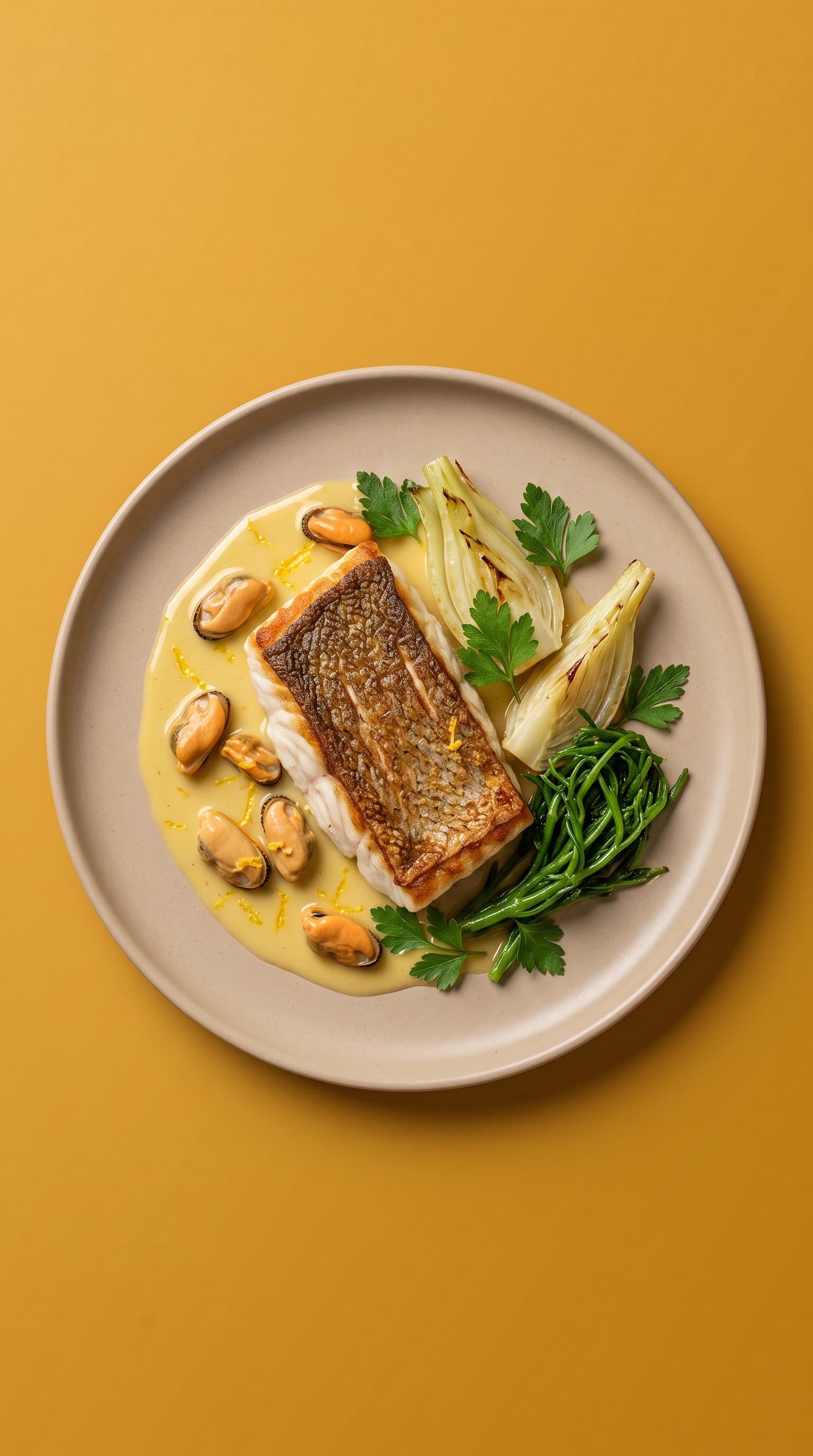
This John Dory recipe pairs crisp, golden skin with sweet confit fennel, tender sea aster, and a silky saffron mussel sauce. Steam the mussels first, reduce their liquor, and finish the sauce with cold butter. The dish takes about 1 hour 45 minutes and serves 4 for a special dinner.
105 min · Intermediate · Belgium
Roasted Turbot Recipe with Vermouth Beurre Blanc and Fennel
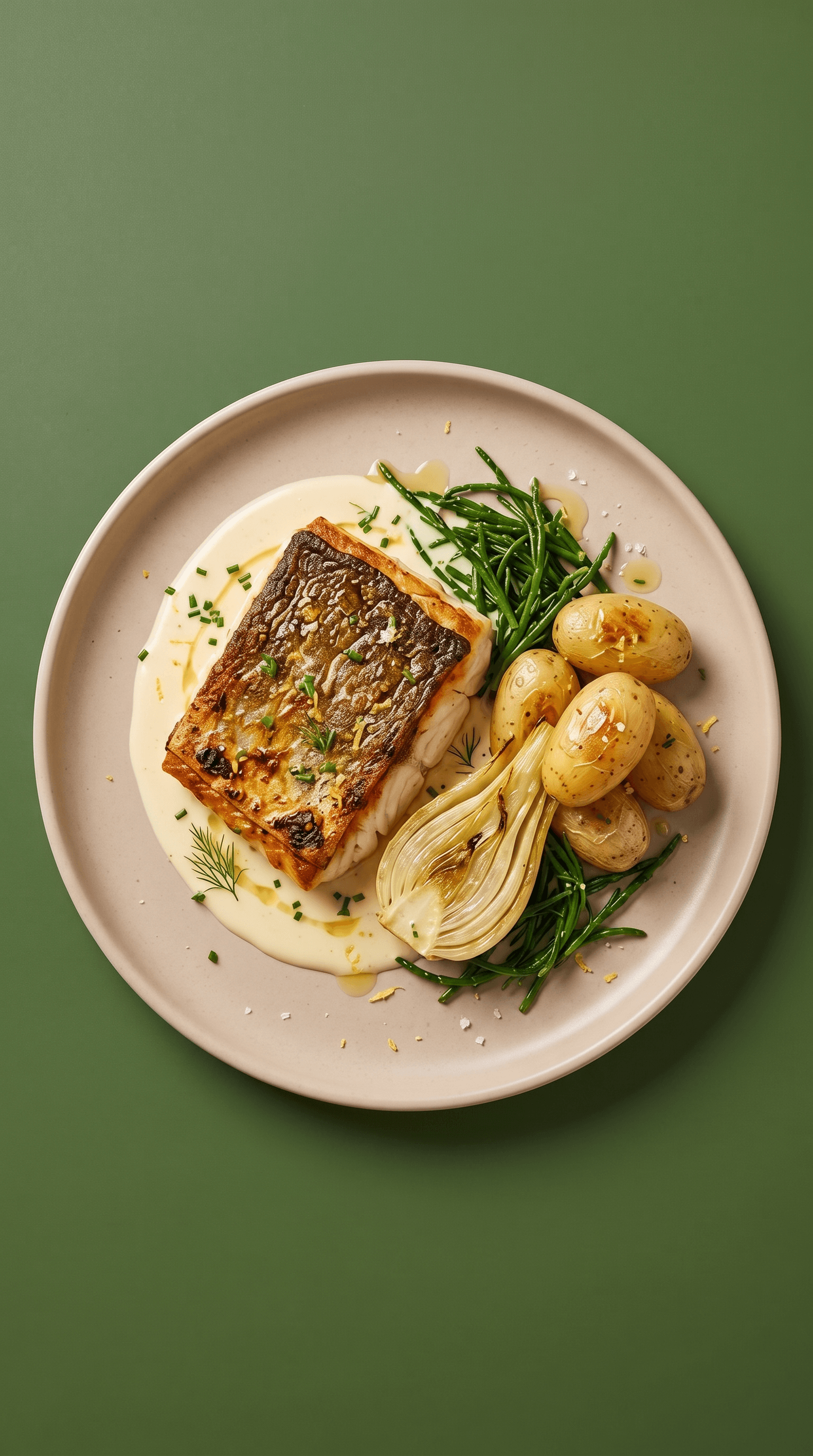
This roasted turbot recipe pairs a crisp-skinned, oven-finished fillet with a silky vermouth beurre blanc, buttery braised fennel, and confit-style baby potatoes. The trick is a hard sear for color, then a gentle 180°C / 356°F oven finish so the delicate flesh stays moist. It takes about 90 minutes total and serves 4.
90 min · Intermediate · Belgium