Ginger-Lemongrass Mussels with Sinigang Aromatics and Sour Cream
30 min · Medium · Serves 4
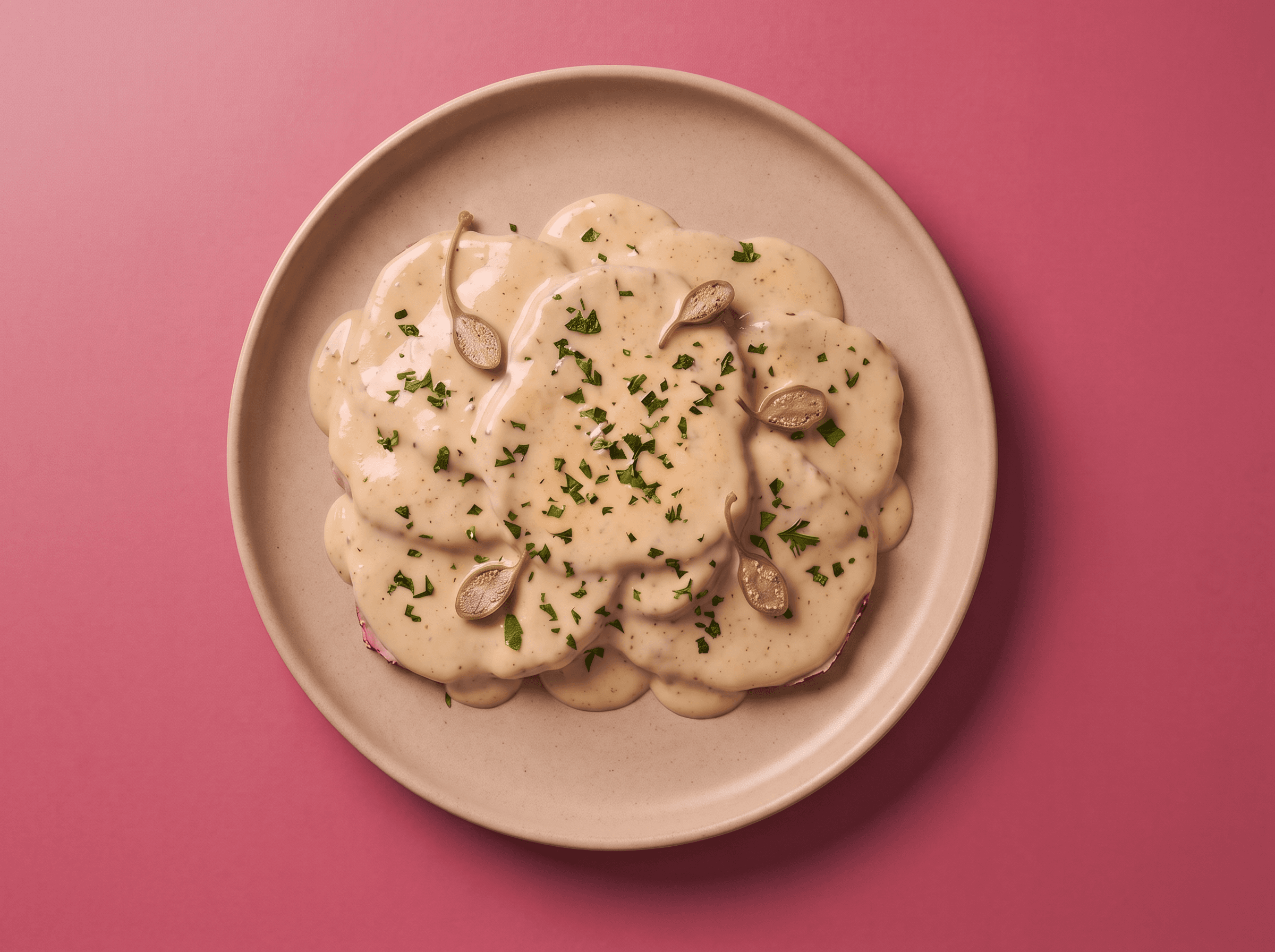 From our menuVitello Tonnato€17.50 · Made by us, delivered chilled.
This dish combines French steaming techniques with Filipino flavors to create restaurant-quality mussels in about 30 minutes. Fresh mussels cook in white wine with ginger, lemongrass, and tangy sour cream, then get finished with butter and decorative watermelon radish rounds for a silky, stunning presentation.
Recipe by Christophe Rammant
Cordon Bleu Paris alumni - Two star Michelin kitchen experience
How Does This Create Restaurant-Quality Mussels at Home?
Traditional French technique shows that high heat and quick steaming keep mussels tender and sweet. When you cover the pot tightly, the wine creates powerful steam that opens the shells in just 3-5 minutes—any longer and they turn rubbery.
Professional chefs know that the mussel cooking liquid is liquid gold. By straining out the grit and whisking in sour cream, you capture all that ocean flavor and turn it into a creamy sauce without needing heavy cream or flour.
The final butter trick (called 'Monter au Beurre' in French kitchens) creates a glossy, stable sauce that clings to every shell. Finishing with paper-thin watermelon radish circles adds a crisp, peppery bite and a high-end visual appeal.
Estimated nutrition per serving
Estimated from ingredient weights, not lab-tested.
- Calories
- 424
- Protein
- 29g
- Fat
- 24g
- Carbohydrates
- 18g
The weekly recipe note
Enjoyed this recipe? Get the next one first.
One new recipe each week from Christophe: global flavor, French technique, and practical home-cook timing.
By signing up, you agree to receive emails from Mr. Saucy.
Ingredients
Recipe yields 4 servings
For the Aromatics
| Amount | Ingredient | Notes |
|---|---|---|
| 15 g (1 tablespoon) | neutral oil | for sautéing |
| 30 g (2 tablespoons) | fresh ginger | julienned into matchsticks |
| 15 g (3 cloves) | garlic | minced finely |
| 40 g (2 medium) | shallots | minced |
| 20 g (1 stalk) | lemongrass | white part only, bruised to release oils |
| 60 g (1 small) | Roma tomato | julienned |
| 20 g (1/4 small) | red bell pepper | very thinly julienned |
For the Mussels
| Amount | Ingredient | Notes |
|---|---|---|
| 900 g (2 pounds) | fresh mussels | cleaned, scrubbed, and debearded |
| 120 g (1/2 cup) | dry white wine | for steaming |
For the Sauce
| Amount | Ingredient | Notes |
|---|---|---|
| 180 g (3/4 cup) | sour cream | creates the tangy base |
| 15 g (1 tablespoon) | fish sauce (patis) | for deep umami |
| 30 g (2 tablespoons) | unsalted butter | cold, for final emulsion |
For Garnish
| Amount | Ingredient | Notes |
|---|---|---|
| 50 g (1/4 cup) | watermelon radish | sliced into very thin full circles |
| 15 g (2 stalks) | scallions | julienned lengthwise into long strips |
Instructions
Prep the Aromatics
- 1
Build the Flavor Base
Heat the oil in a large heavy-bottomed pot over medium heat until it shimmers. Add the ginger, garlic, shallots, bruised lemongrass, julienned tomatoes, and red pepper. Sauté for 3-4 minutes until the vegetables soften and break down and everything smells incredibly fragrant—this 'ginisa' step creates the foundation that flavors the entire dish.
Steam the Mussels
- 2
Add Mussels and Wine (The Quick Steam)
Increase the heat to high and immediately add all the cleaned mussels followed by the white wine. The sudden burst of steam when the cold wine hits the hot pan is what opens the shells quickly—this keeps the mussel meat tender instead of tough.
- 3
Steam Until Just Opened
Cover the pot tightly with a lid and steam for 3-5 minutes, shaking the pan occasionally to redistribute the mussels. As soon as the shells open, use a slotted spoon to transfer them to a warm bowl—leaving them in too long makes them rubbery and overcooked.
Finish the Sauce
- 4
Strain the Cooking Liquid
Pour the remaining liquid through a fine-mesh strainer or chinois into a clean saucepan. This removes any grit or shell fragments and gives you a silky, professional-looking sauce that's crystal clear.
- 5
Add the Sour Cream
Whisk the sour cream into the strained liquid and bring to a gentle simmer over medium heat for 2-3 minutes. Keep the heat moderate—if it boils too hard, the dairy can curdle and look grainy instead of smooth.
- 6
Emulsify with Butter (The Luxury Finish)
Whisk in the fish sauce for salty depth, then remove the pan from heat. Add the cold butter and whisk vigorously until it melts completely and creates a glossy, thick sauce—this French technique called 'monter au beurre' makes the sauce cling to the shells and catch the light beautifully.
Serve
- 7
Coat and Plate
Return the mussels to the sauce briefly just to coat them evenly. Divide into warm, deep bowls with plenty of the aromatic broth. Garnish generously with the long julienned scallion strips and place the thin, full-circle watermelon radish slices on top as a beautiful decoration.
The weekly recipe note
Enjoyed this recipe? Get the next one first.
One new recipe each week from Christophe: global flavor, French technique, and practical home-cook timing.
By signing up, you agree to receive emails from Mr. Saucy.
Tips & Tricks
you're not sure if a mussel is safe to eat:
Before cooking, tap any open mussels on the counter—if they close up, they're alive and good. After cooking, throw away any that stayed tightly shut. They were already dead and shouldn't be eaten.
your lemongrass isn't releasing much flavor:
Bruise it first by whacking it with the back of a heavy knife or the bottom of a pot. This breaks the tough fibers inside and lets all those citrusy oils escape into your broth.
your sauce looks curdled or grainy after adding sour cream:
You boiled it too hard. Keep the heat at a gentle simmer—you should see small bubbles around the edges but not a rolling boil. If it does break, whisk in a tablespoon of cold cream off the heat to bring it back together.
you want to make this ahead for a dinner party:
Chop all the aromatics (ginger, garlic, lemongrass, tomato, pepper) up to 24 hours ahead and store covered in the fridge. But cook the mussels and make the sauce right before serving—they only take 15 minutes and taste best fresh.
you're not sure if a mussel is safe to eat:
Before cooking, tap any open mussels on the counter—if they close up, they're alive and good. After cooking, throw away any that stayed tightly shut. They were already dead and shouldn't be eaten.
your lemongrass isn't releasing much flavor:
Bruise it first by whacking it with the back of a heavy knife or the bottom of a pot. This breaks the tough fibers inside and lets all those citrusy oils escape into your broth.
your sauce looks curdled or grainy after adding sour cream:
You boiled it too hard. Keep the heat at a gentle simmer—you should see small bubbles around the edges but not a rolling boil. If it does break, whisk in a tablespoon of cold cream off the heat to bring it back together.
you want to make this ahead for a dinner party:
Chop all the aromatics (ginger, garlic, lemongrass, tomato, pepper) up to 24 hours ahead and store covered in the fridge. But cook the mussels and make the sauce right before serving—they only take 15 minutes and taste best fresh.
Frequently Asked Questions
Can I make this spicy like Korean mussel soup?
Yes! Add 1 tablespoon of gochugaru (Korean chili flakes) or gochujang (chili paste) when you sauté the aromatics. For an extra Korean touch, finish with a drizzle of toasted sesame oil instead of butter—it adds a nutty, roasted flavor that's incredible with the heat.
What's the best way to clean mussels?
Rinse them under cold running water and scrub the shells with a stiff brush to remove any dirt. If you see hairy 'beards' sticking out, grab them firmly and pull toward the hinge of the shell to yank them off. Do this right before cooking to keep the mussels alive and fresh.
Why use fish sauce instead of regular salt?
Fish sauce adds salty flavor plus a deep, fermented umami that regular salt can't match. It bridges the gap between the ocean-y mussel liquid and the tangy sour cream, making everything taste more complex and layered—like there's a secret ingredient you can't quite name.
What if I don't have a fine-mesh strainer?
Use a regular strainer lined with a coffee filter or a clean kitchen towel. Pour the liquid through slowly—it takes an extra minute but catches all the grit and gives you that same silky, professional sauce.
Can I use frozen mussels instead of fresh?
You can, but the texture won't be as tender and sweet. If using frozen, thaw them completely in the fridge overnight and reduce the steaming time to 2-3 minutes since they cook faster. Fresh mussels are worth seeking out for this dish.
What should I serve with this?
Crusty bread is essential—you need something to soak up all that incredible broth. A simple green salad on the side keeps it light. If you want to make it a full meal, serve over rice or thin rice noodles.
How do I know when the mussels are perfectly cooked?
They're done as soon as the shells pop open—usually 3-5 minutes of steaming. Pull them out immediately with a slotted spoon. If you leave them in the hot liquid, they keep cooking and turn tough and rubbery.
What does 'monter au beurre' actually do?
It's a French technique where you whisk cold butter into warm sauce off the heat. The butter breaks into tiny droplets that create a glossy, stable emulsion—it makes the sauce thicker, richer, and gives it that restaurant shine that makes everything look more expensive.
Can I make this spicy like Korean mussel soup?
Yes! Add 1 tablespoon of gochugaru (Korean chili flakes) or gochujang (chili paste) when you sauté the aromatics. For an extra Korean touch, finish with a drizzle of toasted sesame oil instead of butter—it adds a nutty, roasted flavor that's incredible with the heat.
What's the best way to clean mussels?
Rinse them under cold running water and scrub the shells with a stiff brush to remove any dirt. If you see hairy 'beards' sticking out, grab them firmly and pull toward the hinge of the shell to yank them off. Do this right before cooking to keep the mussels alive and fresh.
Why use fish sauce instead of regular salt?
Fish sauce adds salty flavor plus a deep, fermented umami that regular salt can't match. It bridges the gap between the ocean-y mussel liquid and the tangy sour cream, making everything taste more complex and layered—like there's a secret ingredient you can't quite name.
What if I don't have a fine-mesh strainer?
Use a regular strainer lined with a coffee filter or a clean kitchen towel. Pour the liquid through slowly—it takes an extra minute but catches all the grit and gives you that same silky, professional sauce.
Can I use frozen mussels instead of fresh?
You can, but the texture won't be as tender and sweet. If using frozen, thaw them completely in the fridge overnight and reduce the steaming time to 2-3 minutes since they cook faster. Fresh mussels are worth seeking out for this dish.
What should I serve with this?
Crusty bread is essential—you need something to soak up all that incredible broth. A simple green salad on the side keeps it light. If you want to make it a full meal, serve over rice or thin rice noodles.
How do I know when the mussels are perfectly cooked?
They're done as soon as the shells pop open—usually 3-5 minutes of steaming. Pull them out immediately with a slotted spoon. If you leave them in the hot liquid, they keep cooking and turn tough and rubbery.
What does 'monter au beurre' actually do?
It's a French technique where you whisk cold butter into warm sauce off the heat. The butter breaks into tiny droplets that create a glossy, stable emulsion—it makes the sauce thicker, richer, and gives it that restaurant shine that makes everything look more expensive.
Recipe Reviews
No reviews yet — Be the first to review this recipe!
The collection
All recipes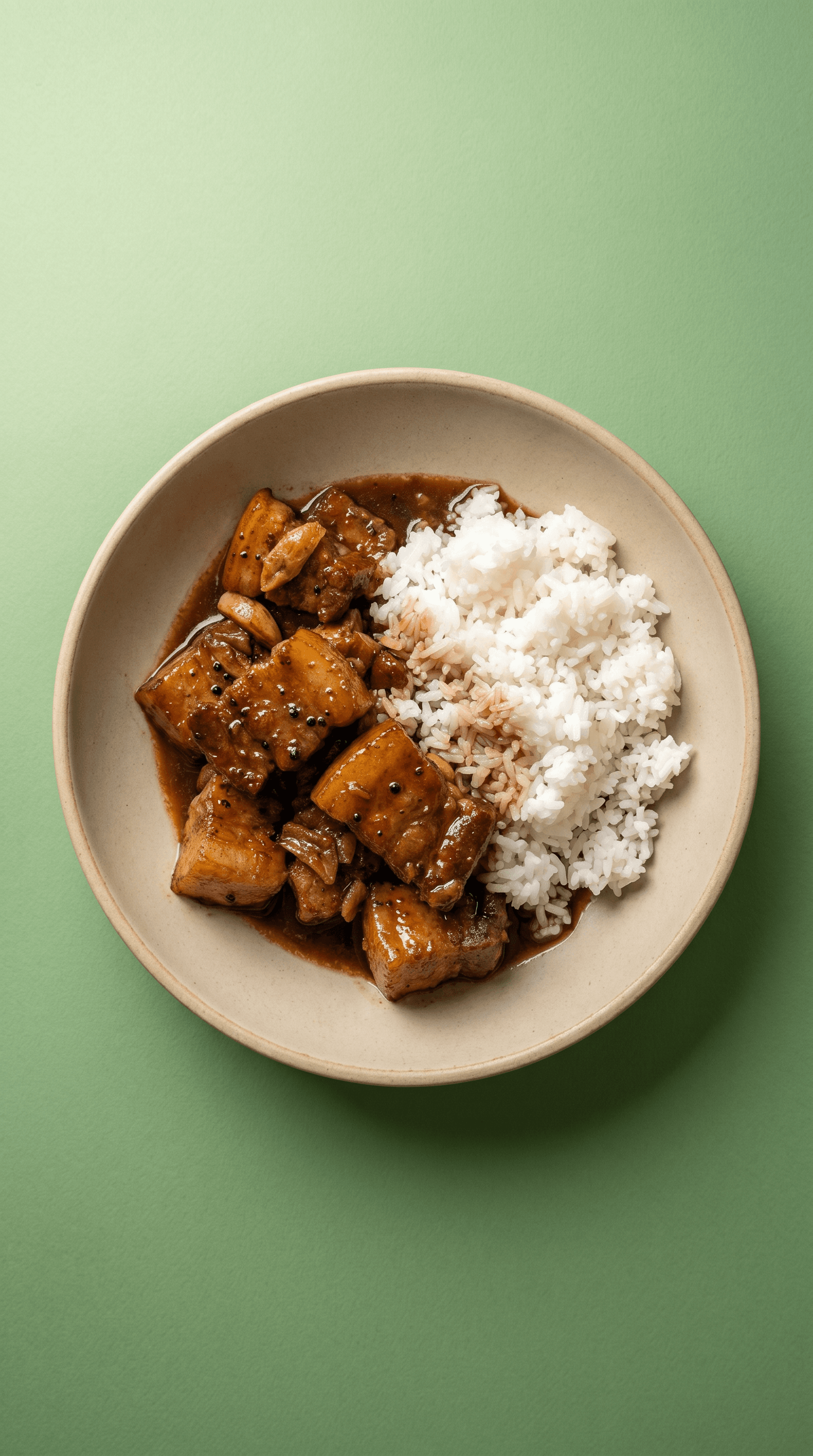
Red Wine Infused Pork Adobo with Beurre Monté
This elegant pork adobo combines Filipino braising with French butter technique to create restaurant-quality results at home. The secret is a red wine reduction that deepens the flavor, finished with silky butter that balances the vinegar's tang. Plan for 2.5 hours total, with most of that being gentle simmering while you relax. Serves 4-6 people.
150 min · Intermediate · Philippines
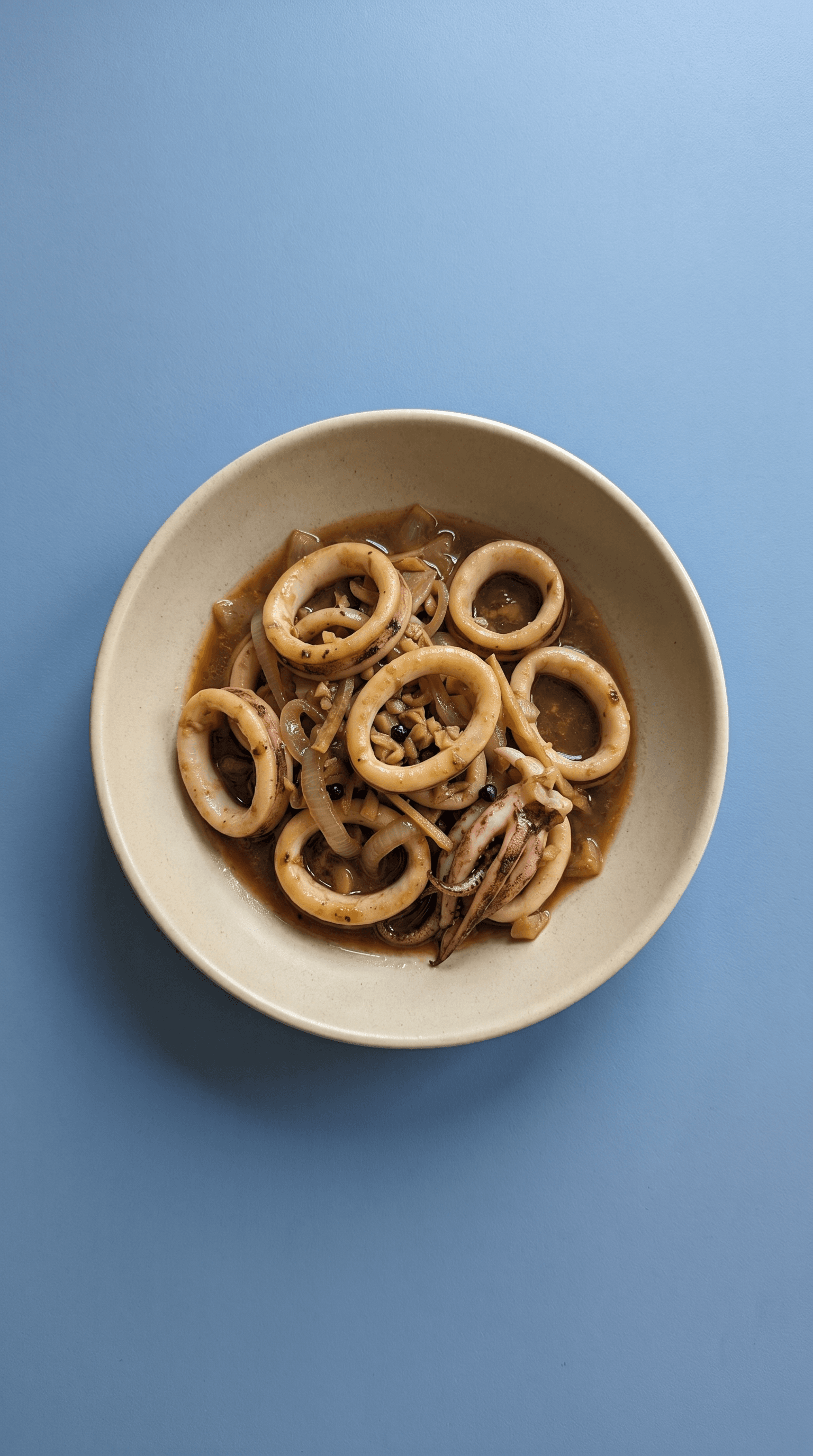
Squid Adobo with White Wine Reduction
This Filipino-French fusion dish combines tender squid with a glossy wine-enriched adobo sauce finished with butter. The secret is cooking the squid fast—just 2 minutes over high heat—then building a rich sauce that's both tangy and silky. Ready in 35 minutes, serves 4-6 people.
35 min · Easy · Philippines
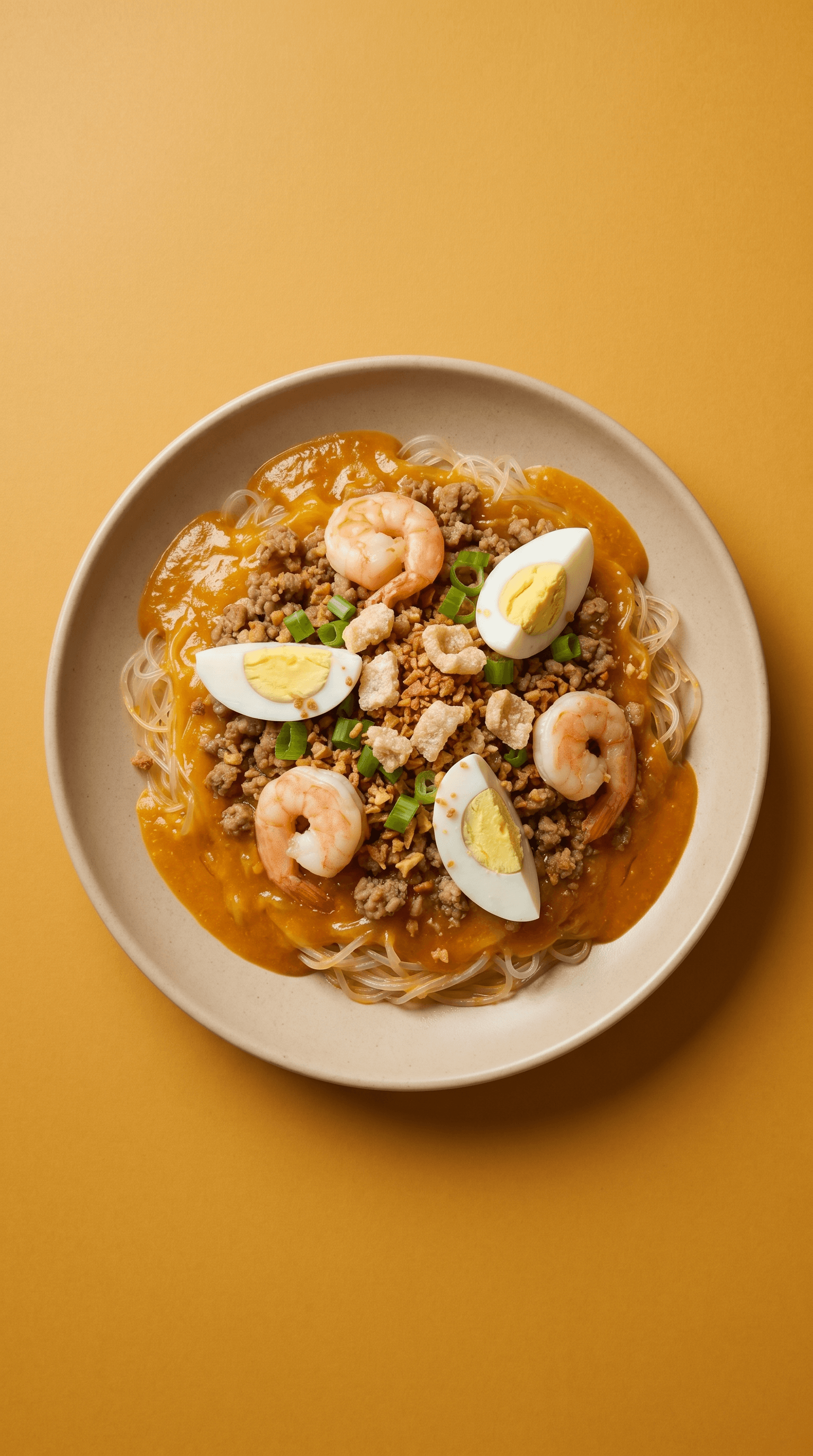
Pansit Palabok
Pansit Palabok is a stunning Filipino noodle dish crowned with a rich, golden shrimp sauce and savory toppings like crispy pork rinds and dried fish. The magic happens when you build a deep seafood stock from shrimp shells, thicken it with rice flour, and layer it over delicate glass noodles. Takes about an hour start to finish and serves 4-6 people, perfect for family celebrations.
60 min · Intermediate · Philippines